Investigating the Rate of Chemical Reactions
Mixing It Up in the Lab
Investigating the Rate of Chemical Reactions
Mixing It Up in the Lab
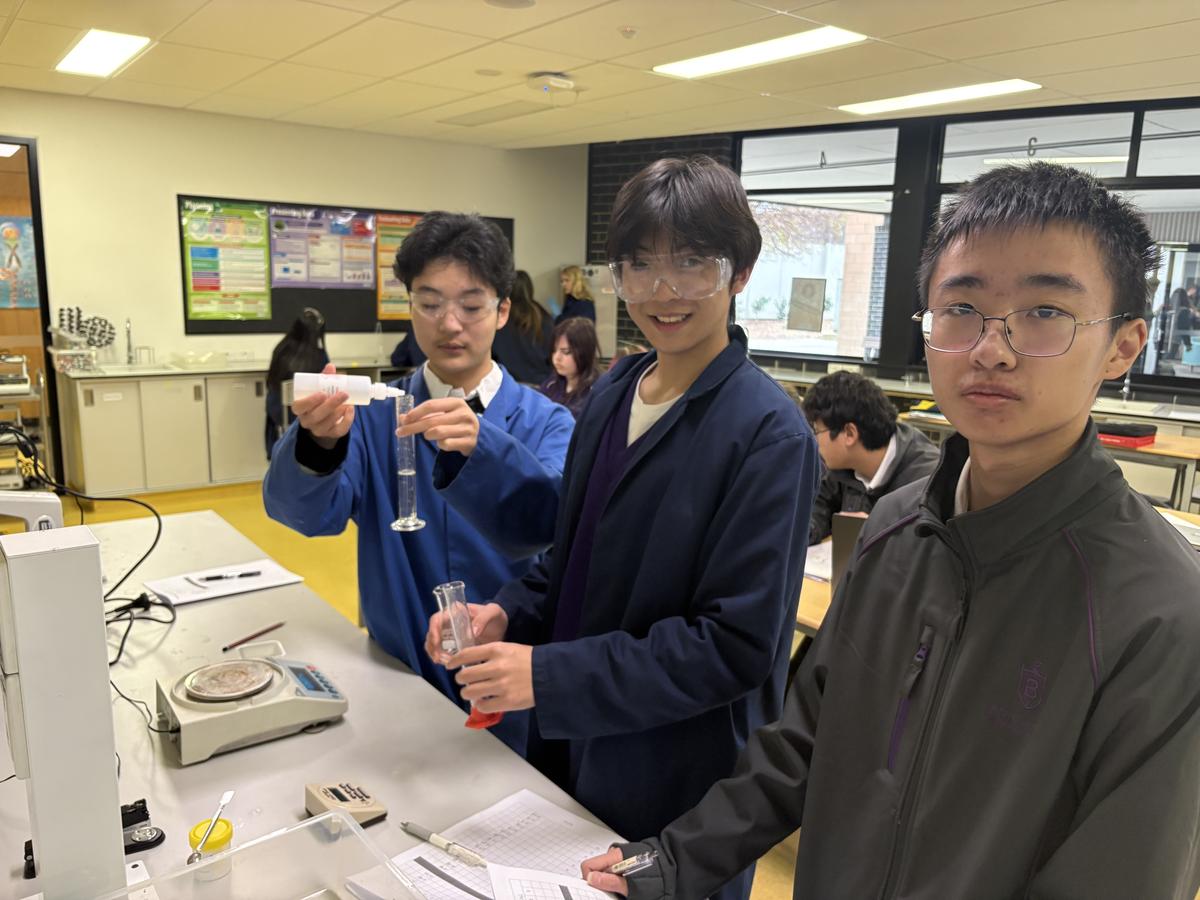
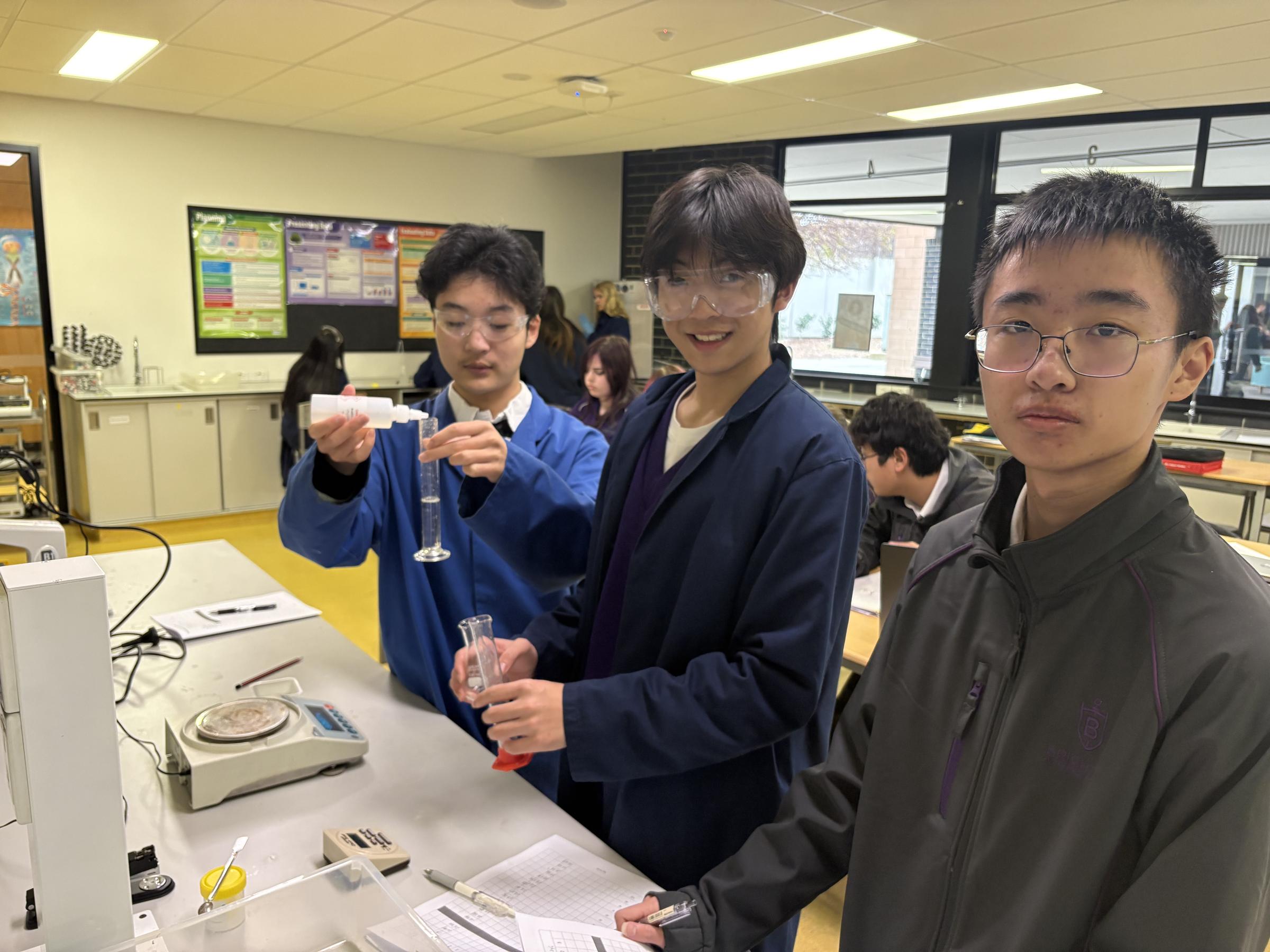
Our Year 10 Science students recently put their understanding of chemical reactions and reaction rates into practice through an engaging hands-on practical investigation.
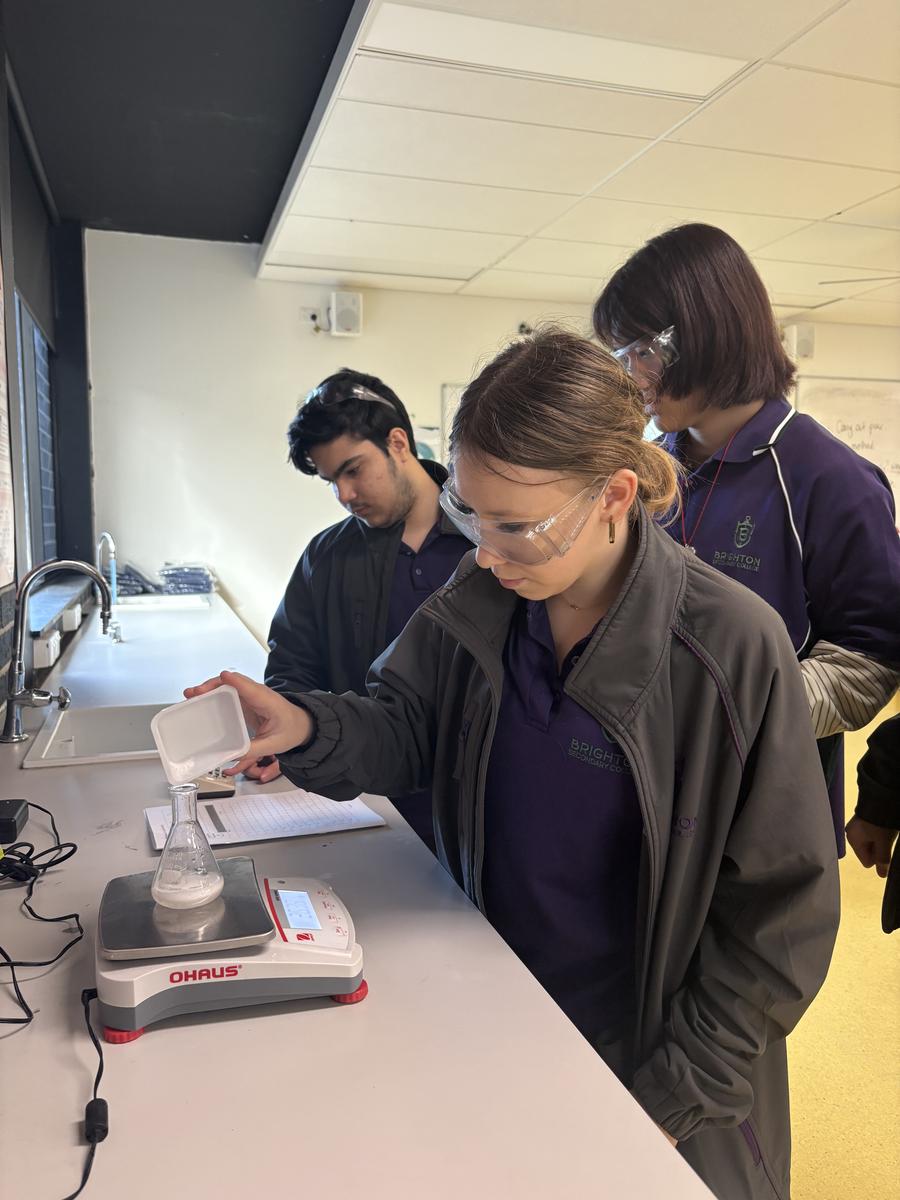
Students investigated how changing the concentration of acetic acid (vinegar) affects the rate at which it reacts with sodium bicarbonate. Working scientifically, students prepared different concentrations of vinegar and carefully observed and measured the reaction as carbon dioxide gas was produced.
The investigation provided students with an opportunity to explore the relationship between concentration and reaction rate, while developing essential scientific skills. Students identified variables, made predictions, conducted a fair test, collected and recorded data, and analysed their experimental results to draw evidence-based conclusions.
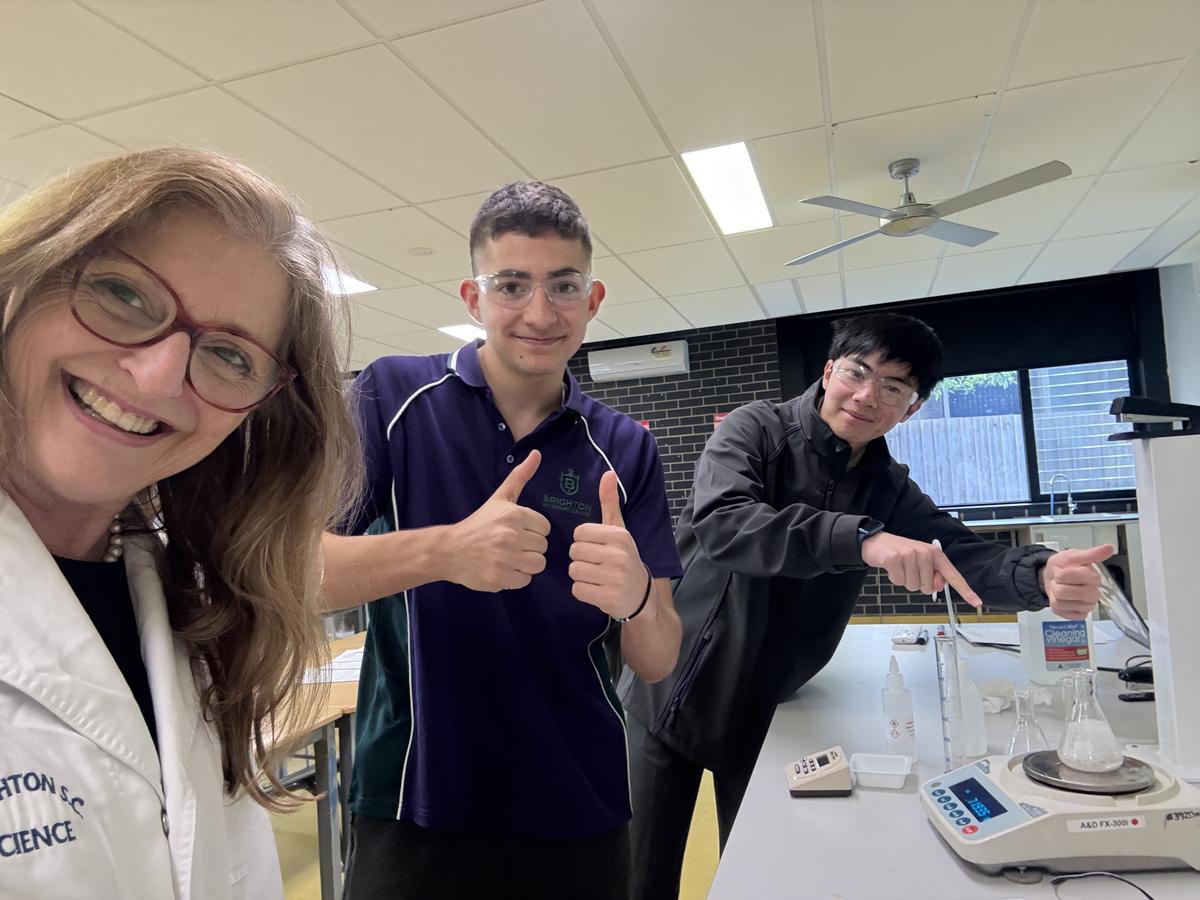
Through their observations, students identified the loss in mass due to the production of carbon dioxide as evidence of a chemical reaction and used their data to determine how changing the concentration of acetic acid influenced the rate of reaction.
The practical also reinforced the importance of accuracy, precision, collaboration and safe laboratory practices. Students worked effectively in teams to collect reliable data, evaluate their results and consider the quality and validity of their experimental findings.
It was fantastic to see students connecting their theoretical understanding of chemical reactions to real-world observations while strengthening the practical and scientific skills that are essential for further study in Science.
Overall, our Year 10 students demonstrated fabulous collaboration, scientific integrity and a strong commitment to developing their practical skills. Well done, Year 10!
Ms Cefai – STEM & Science Teacher