Art and Technologies

Year 10 VCD Australian Escapes: Tiny Holiday Home
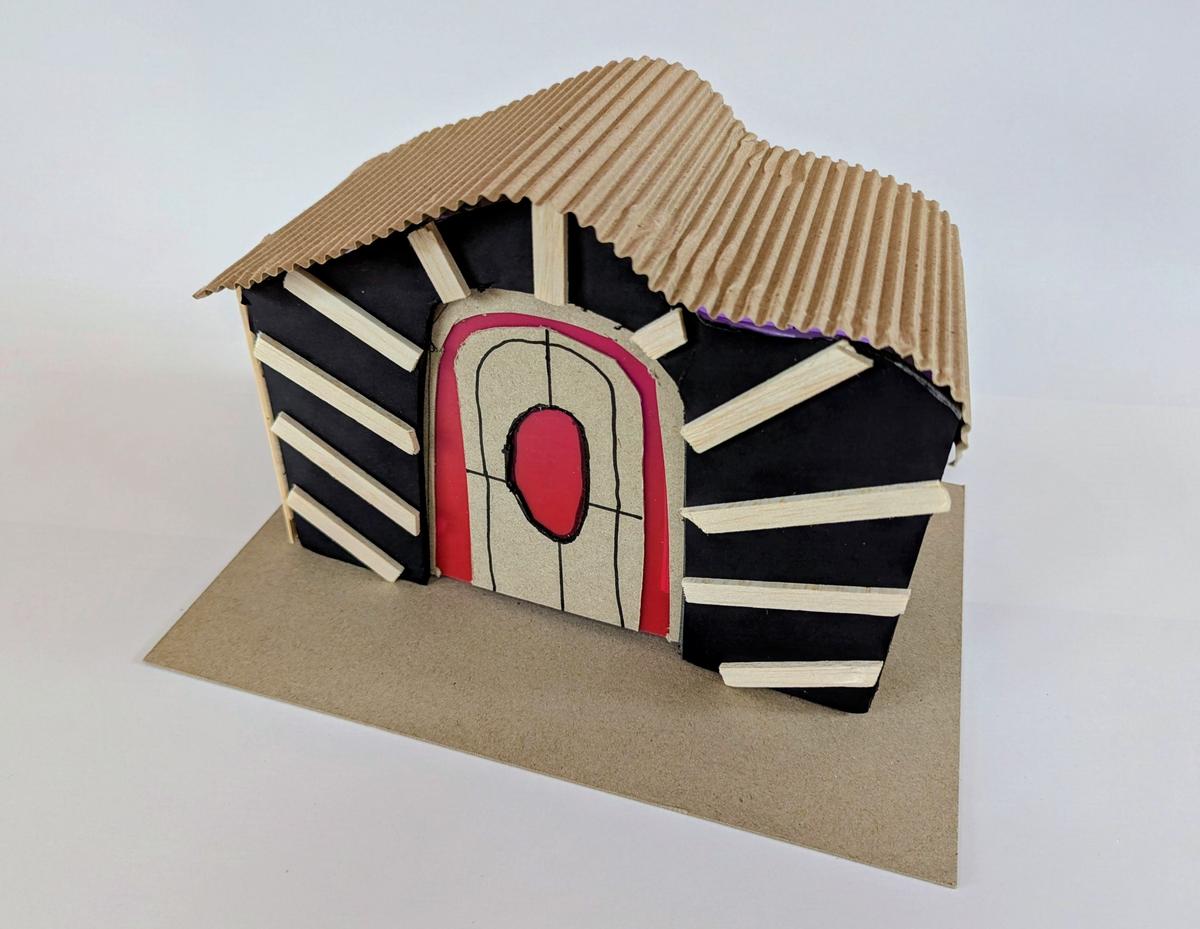
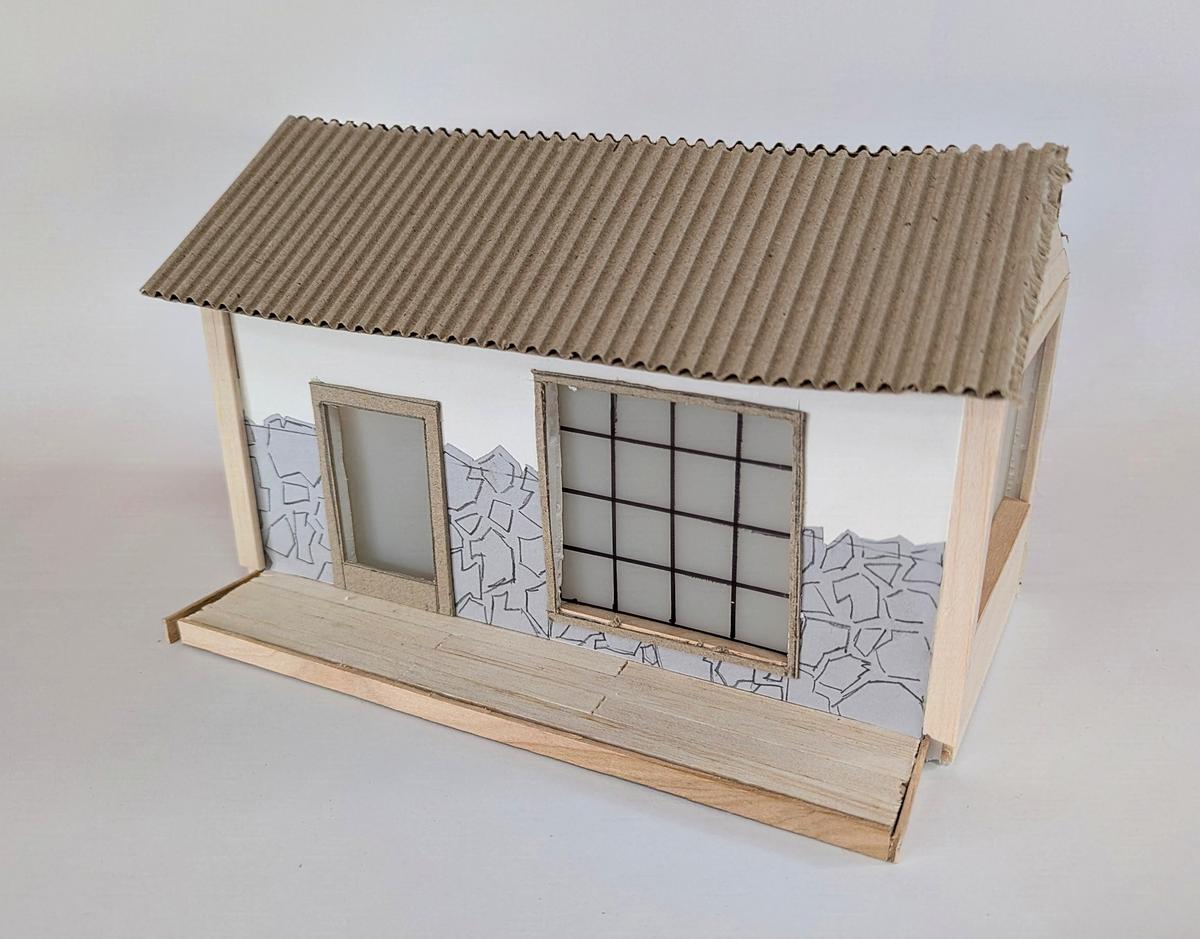
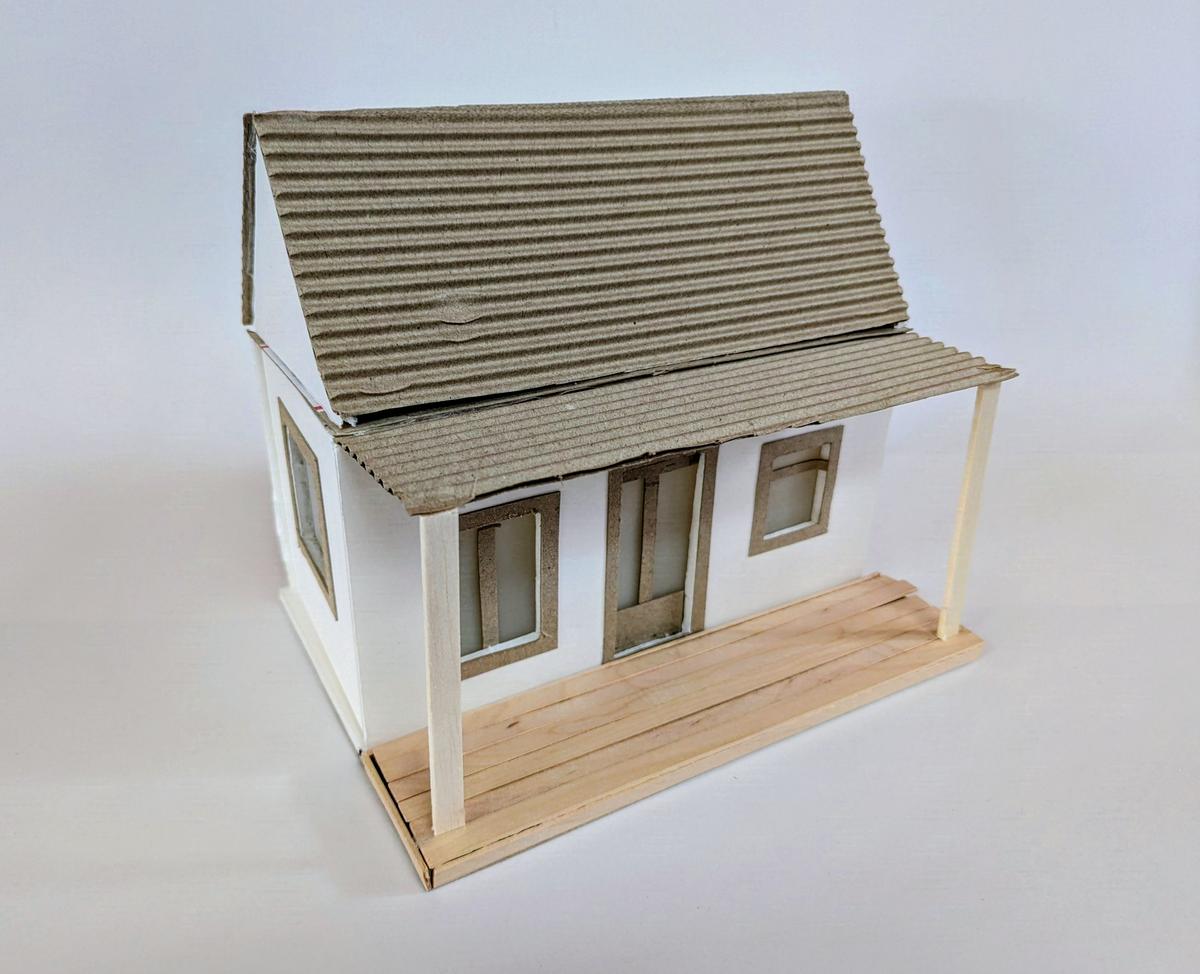
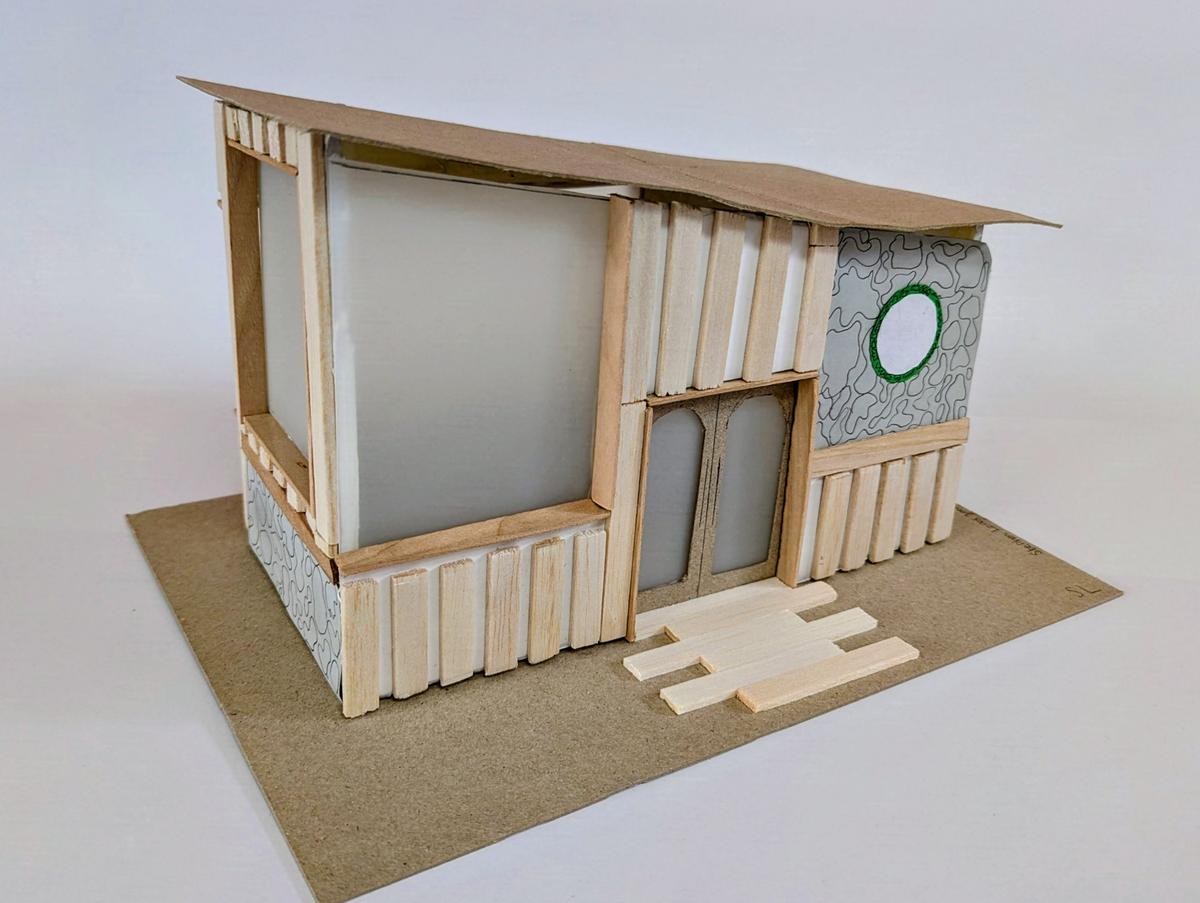
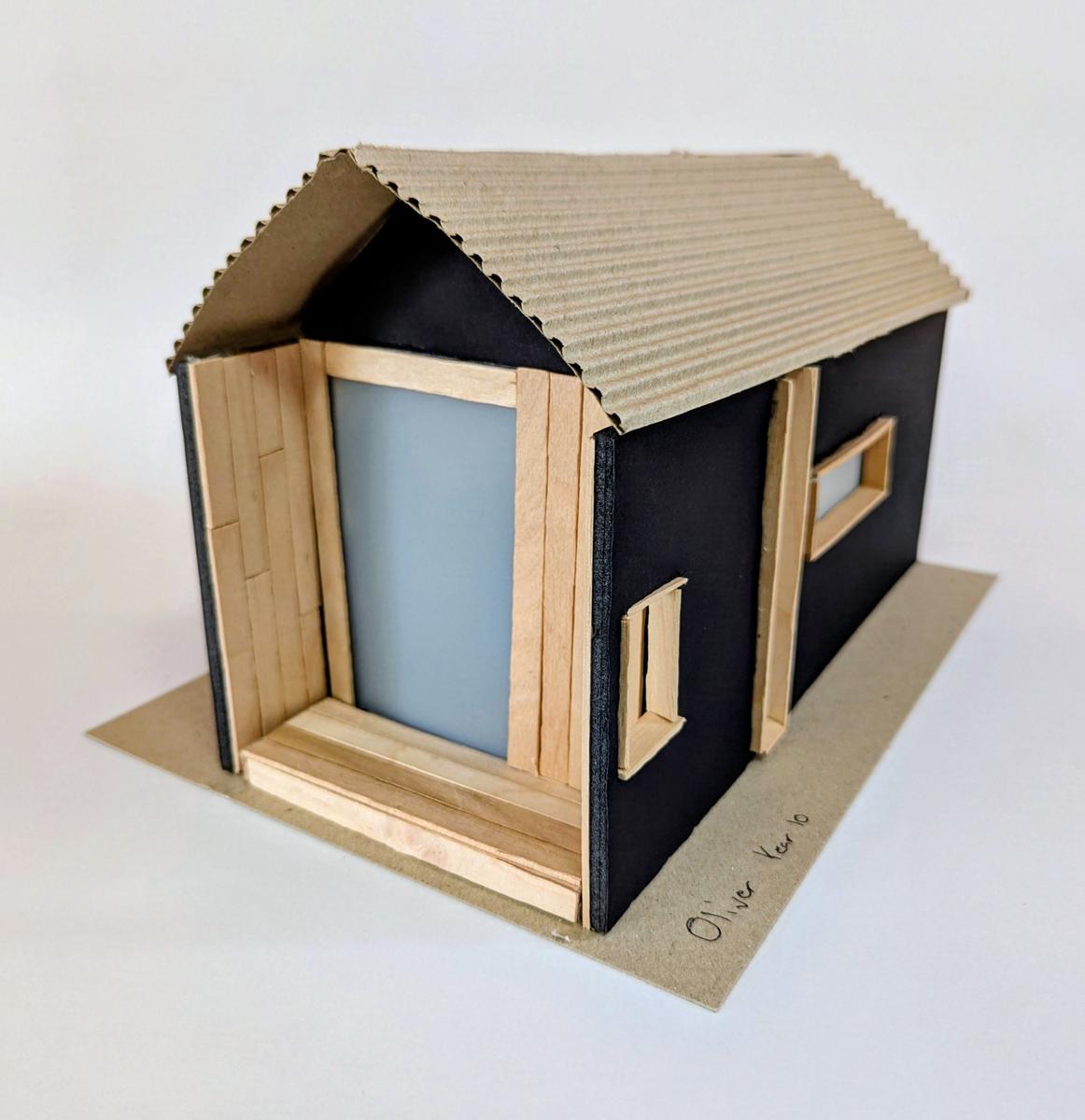
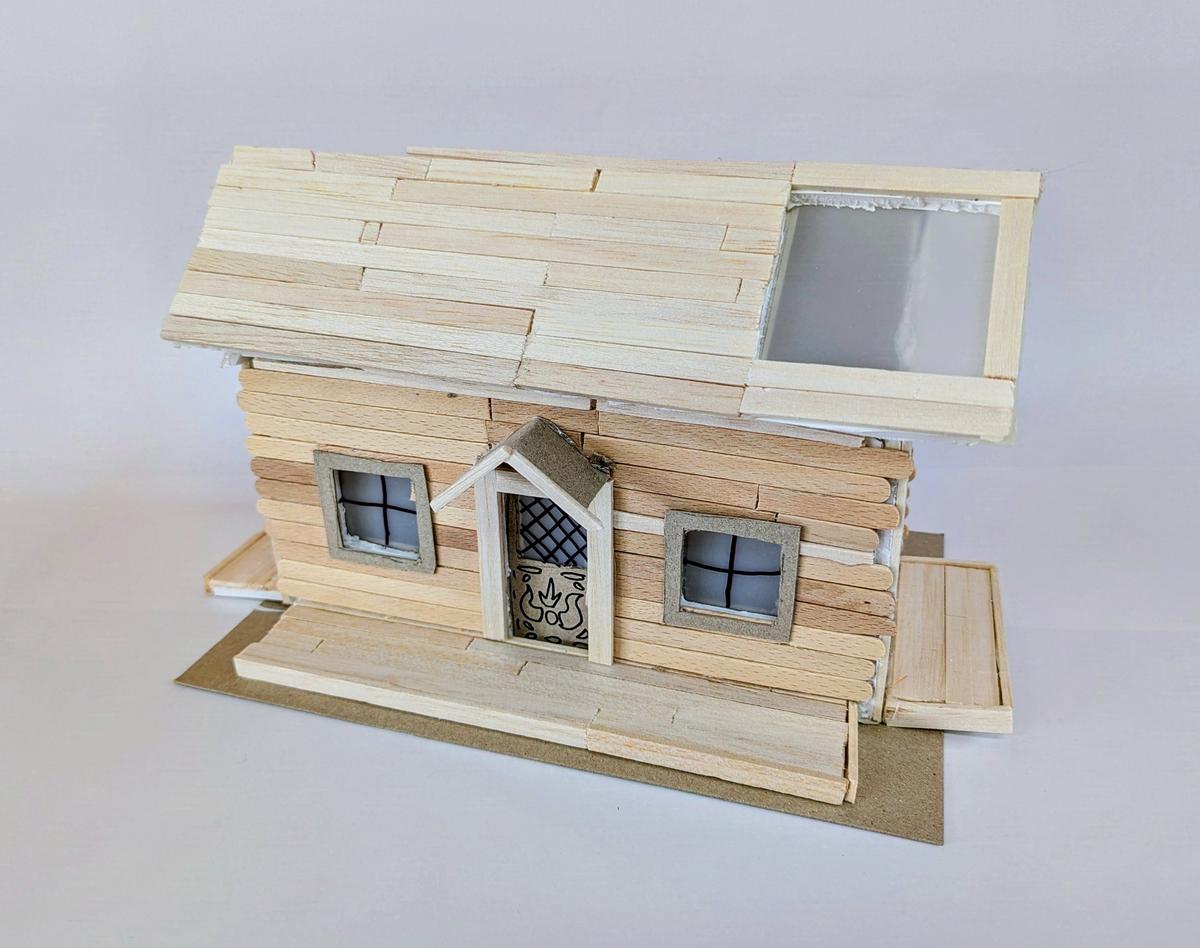
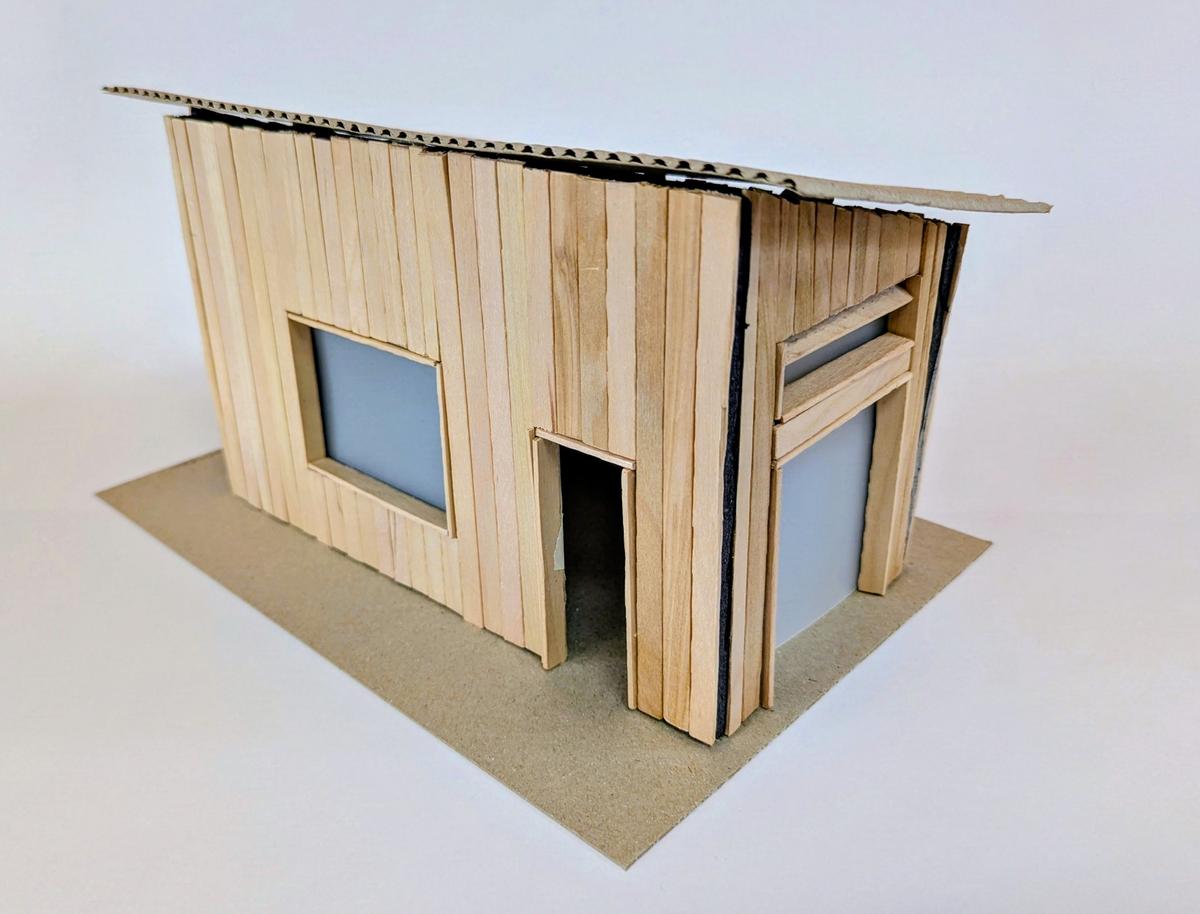
Year 10 Visual Communication Design students have completed their first SAT, Australian Escapes, where they have been commissioned to design a unique Tiny Holiday Home for some of Australia's most iconic natural environments. Acting as designers, students created a self-contained holiday retreat that celebrates its location by responding thoughtfully to the surrounding climate, landscape, and natural features, while providing a memorable Airbnb experience.
Throughout the project, students researched inspiring architecture, developed creative concepts, and produced floor plans, elevations and presentation drawings using manual and digital drawing conventions.
They also used construction methods to communicate and present their final design solution through a scale model, showcasing how their ideas respond to the design brief while balancing creativity, functionality, and innovative design thinking.
Check out their unique Australian Escapes Tiny Home models below!
Year 9 3D Printed Design Novelty Planter Design
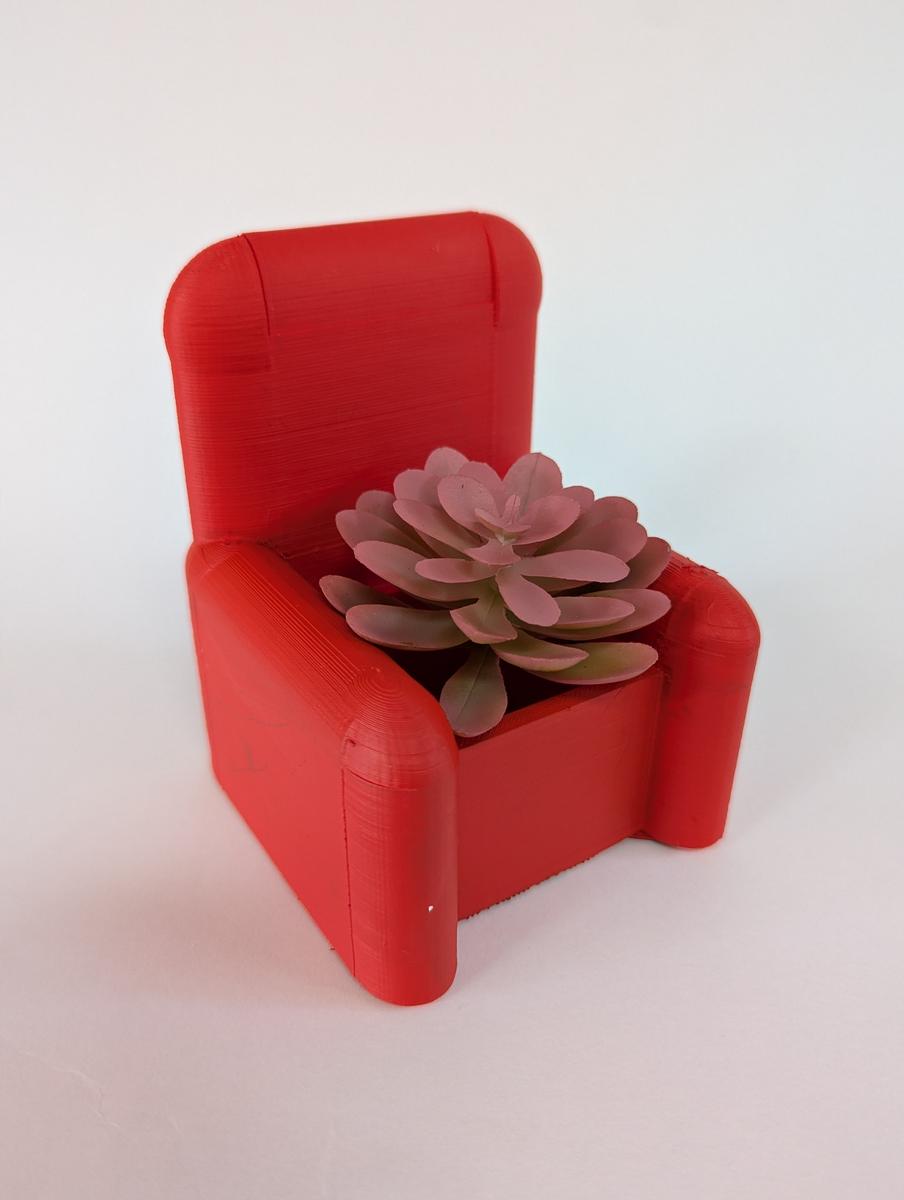
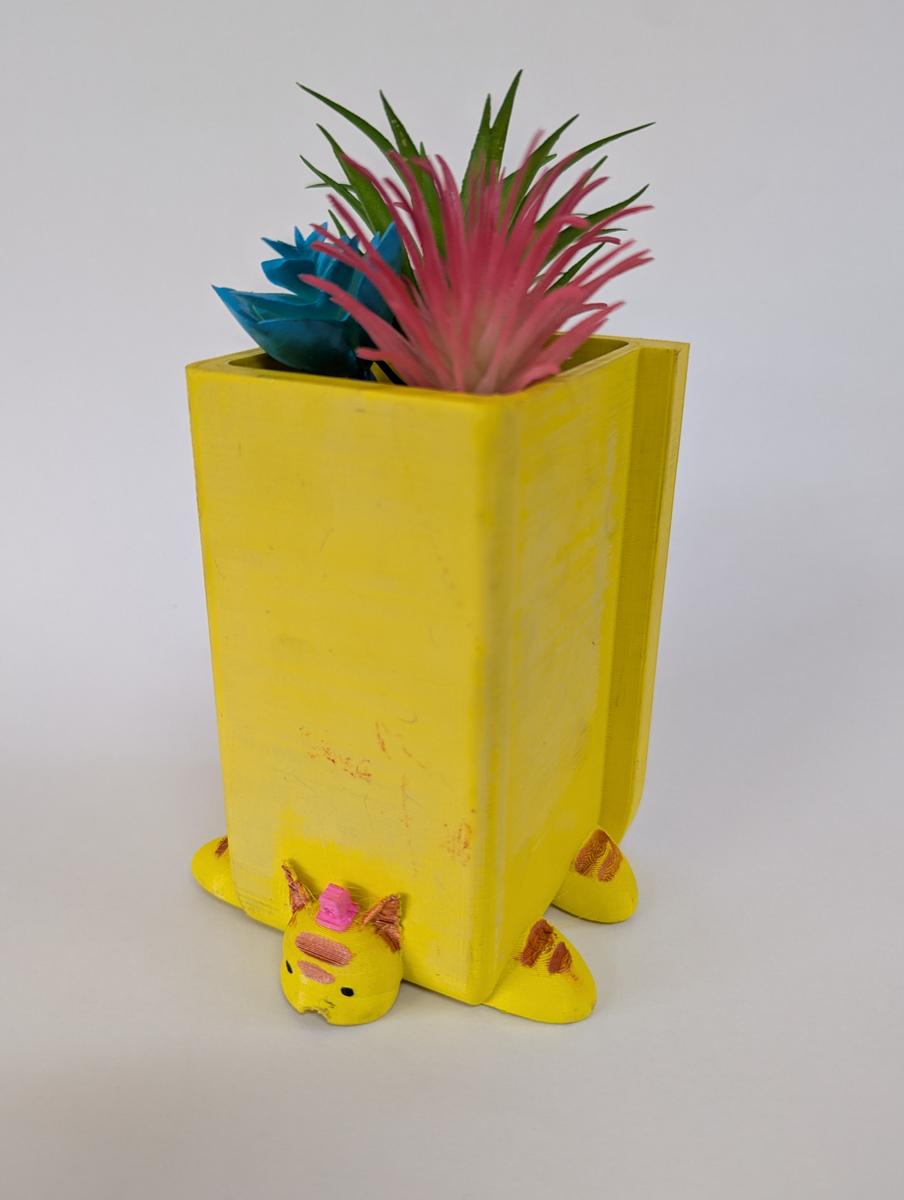
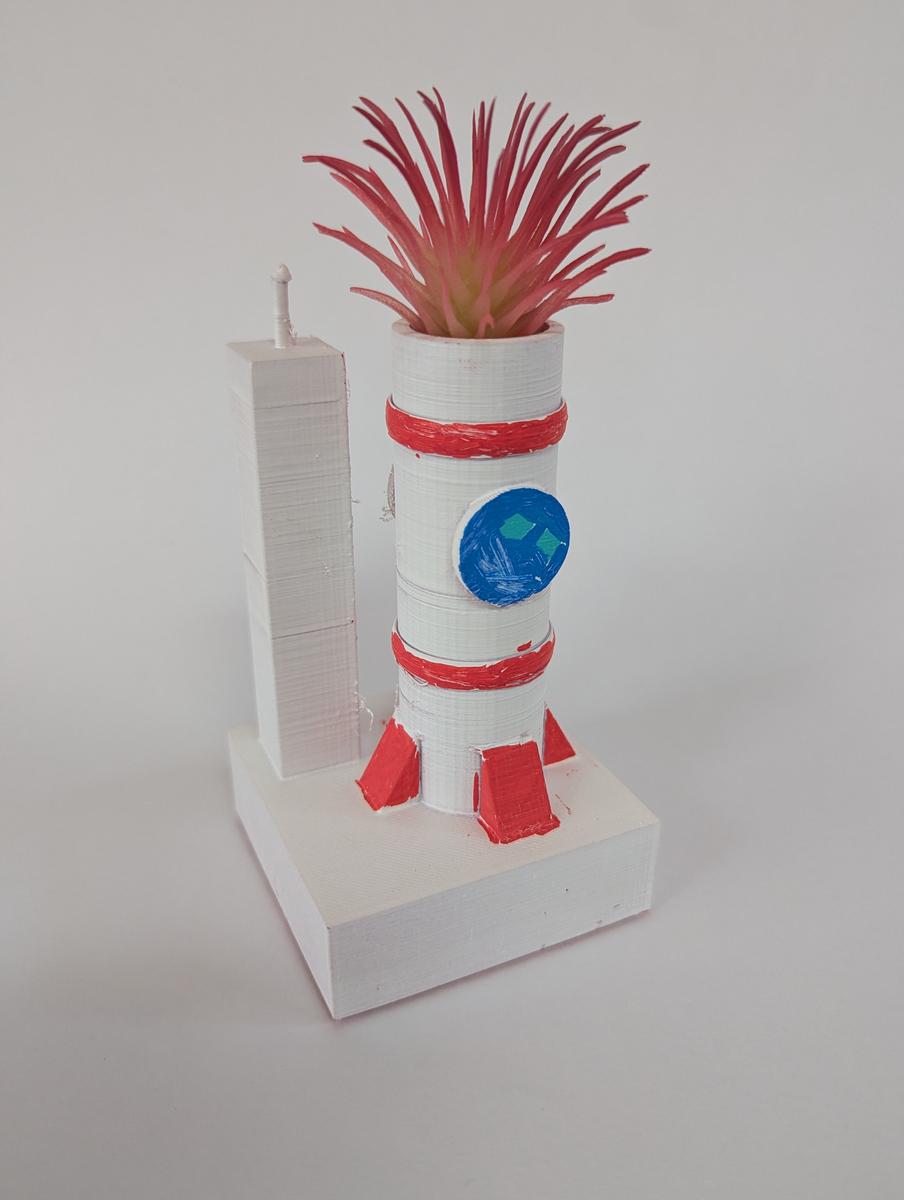
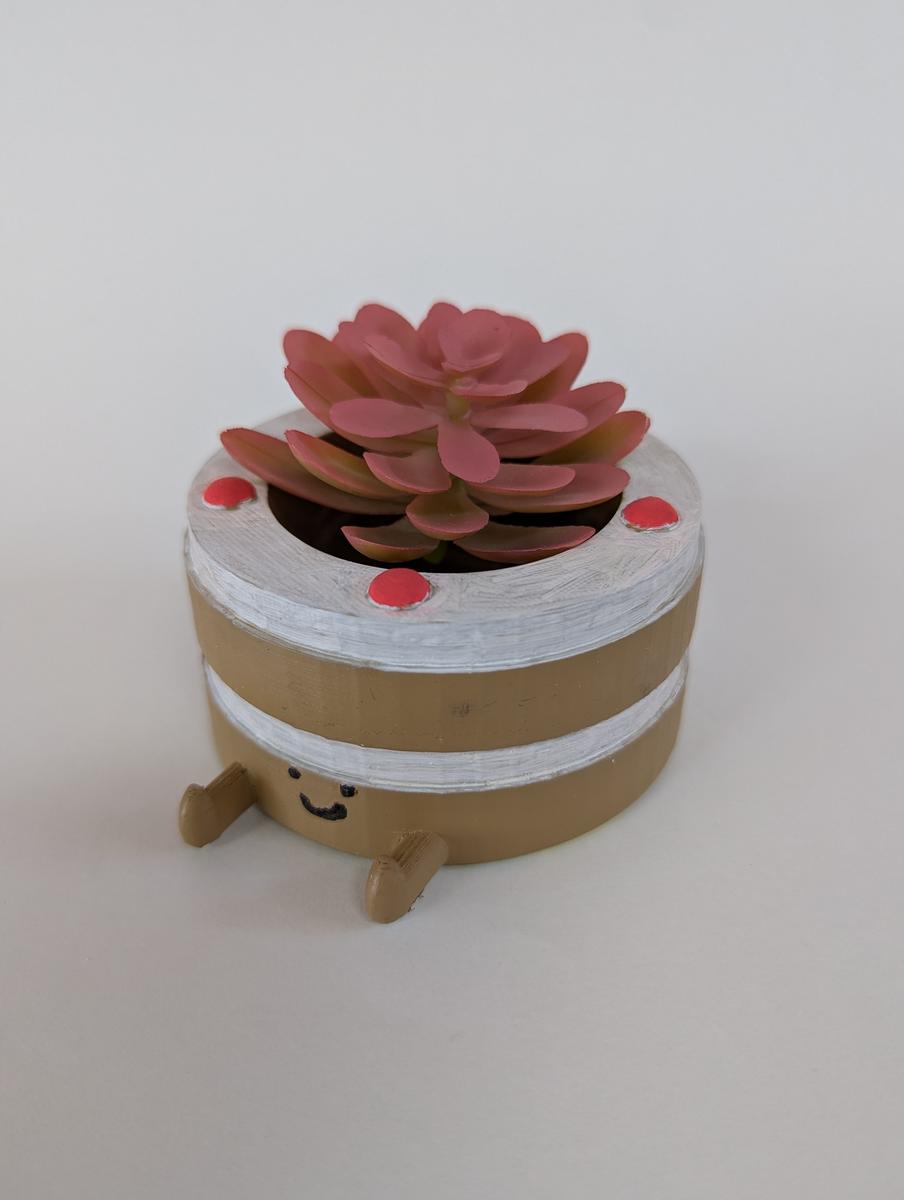
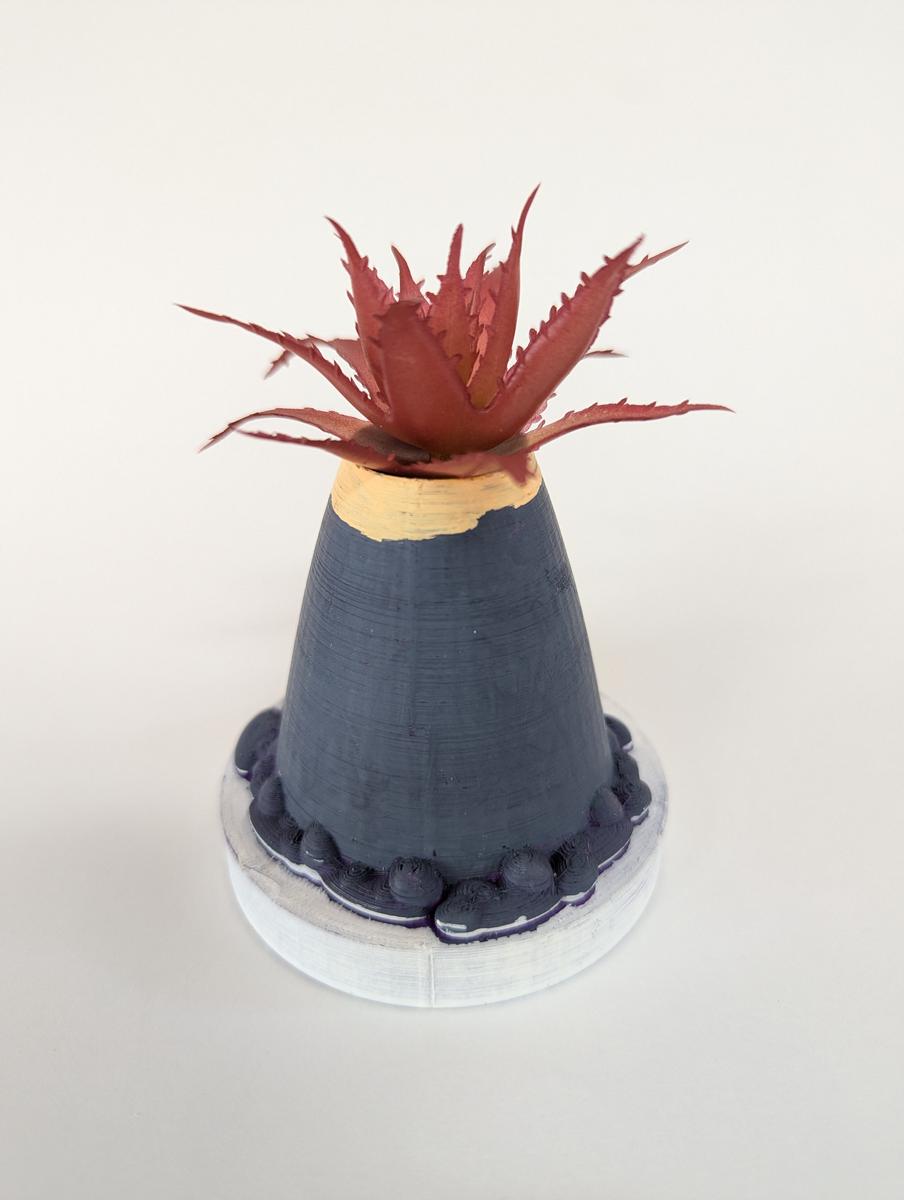
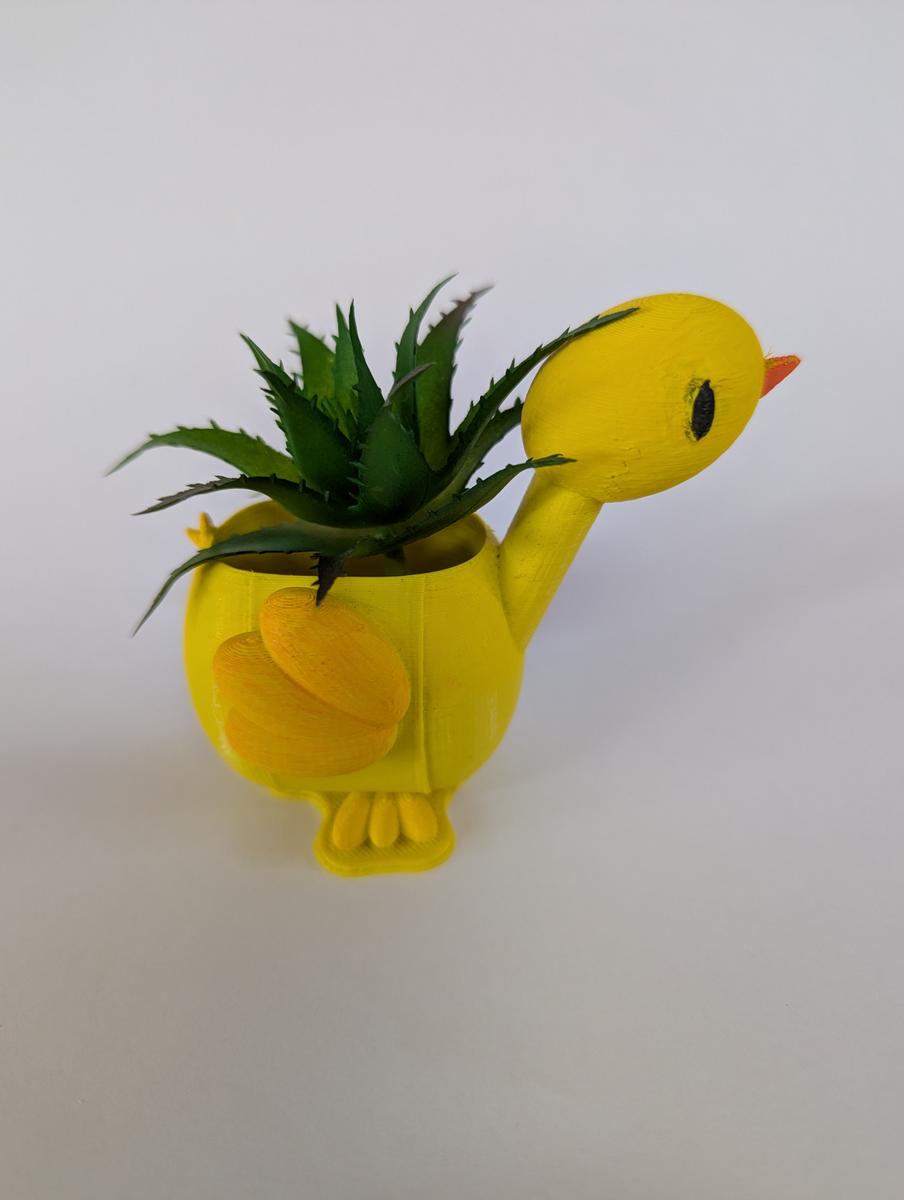
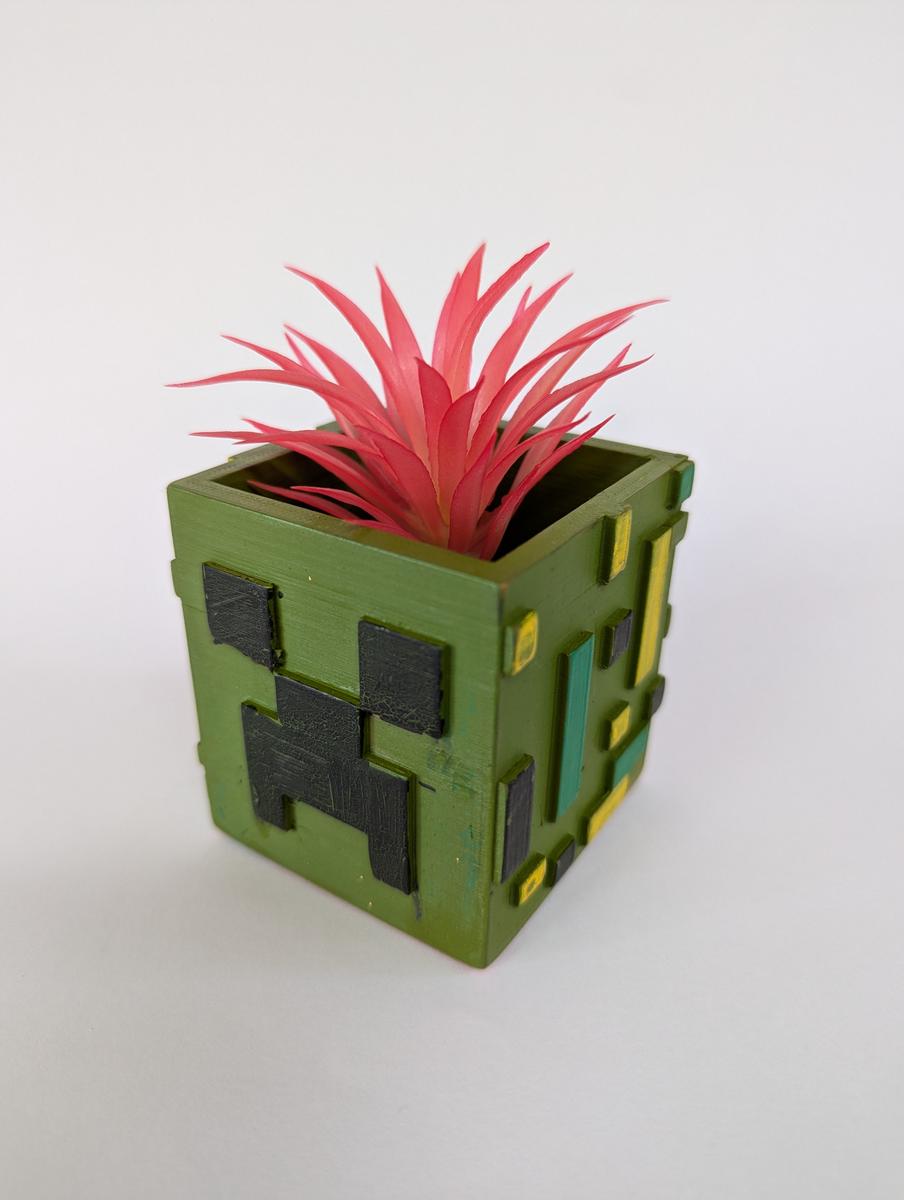
Year 9 3D Printing students were tasked with designing a range of mini novelty planters for Bunnings, with the aim of encouraging a younger generation to engage with gardening and plant care.
Throughout the project, students developed and refined their ideas before using Tinkercad to create digital models ready for 3D printing. They then brought their designs to life as physical prototypes, considering the aesthetics, functionality and overall appeal of their planters.
Check out their different approaches to the brief and their final 3D printed prototypes below!
Year 9 Product Design - Textiles
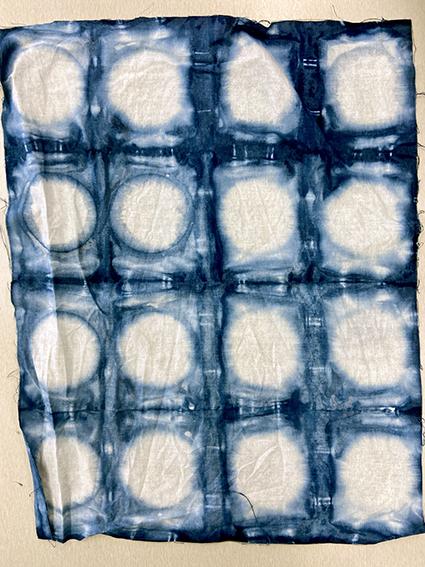
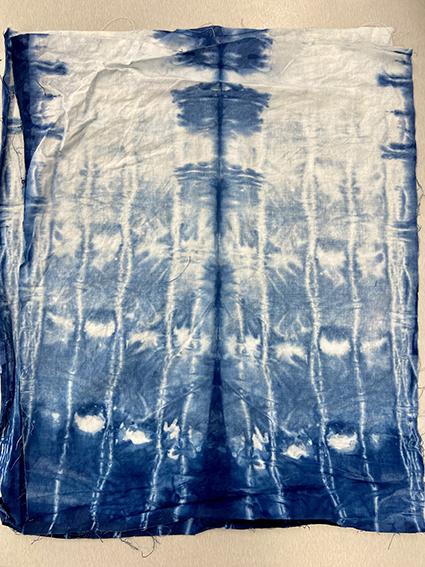
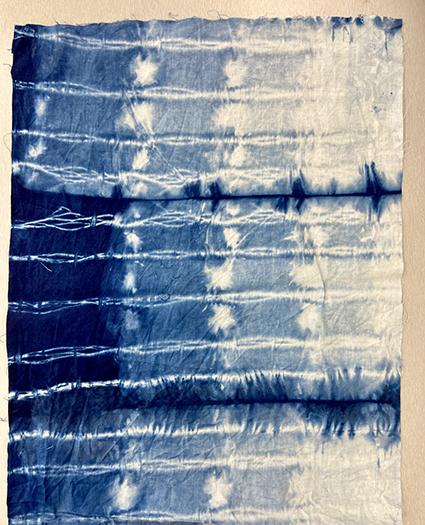
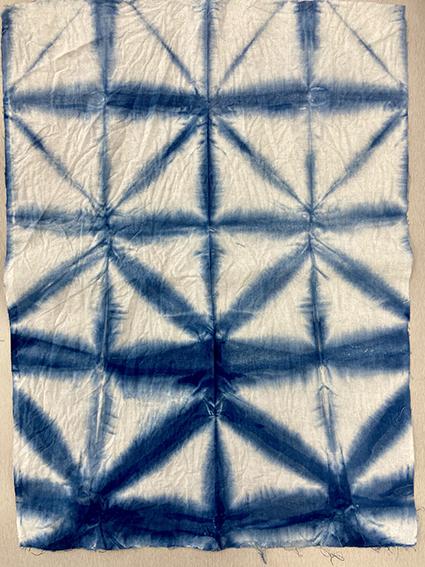
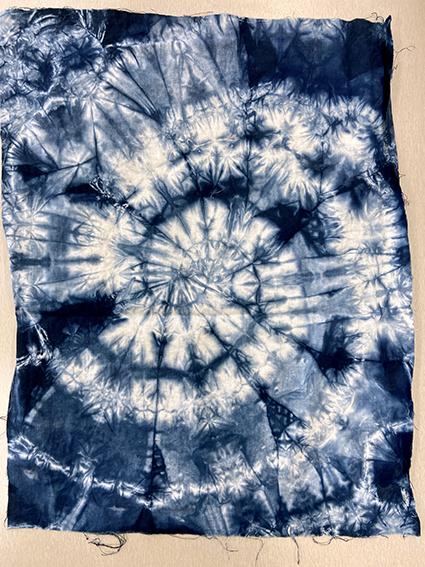
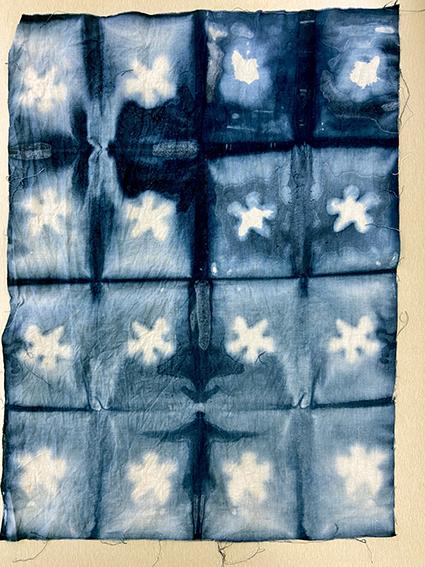
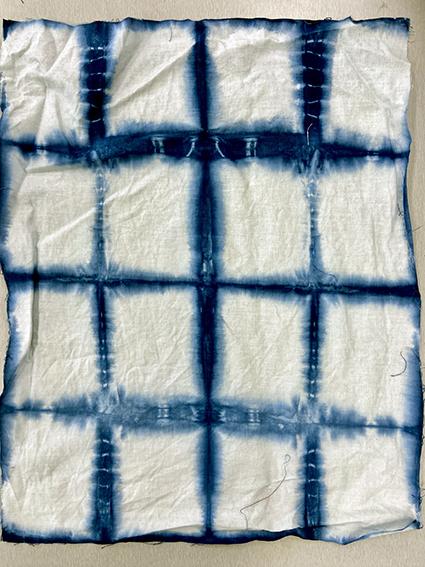
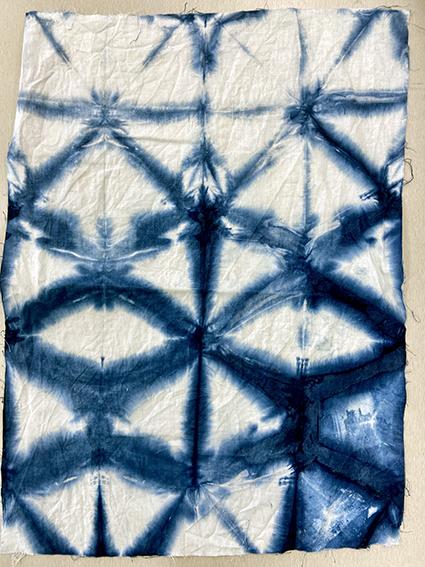
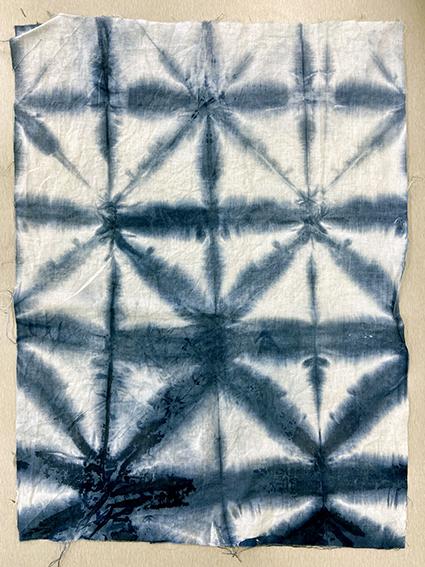
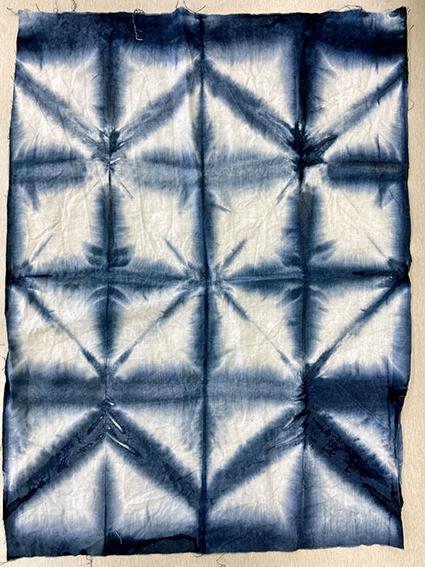
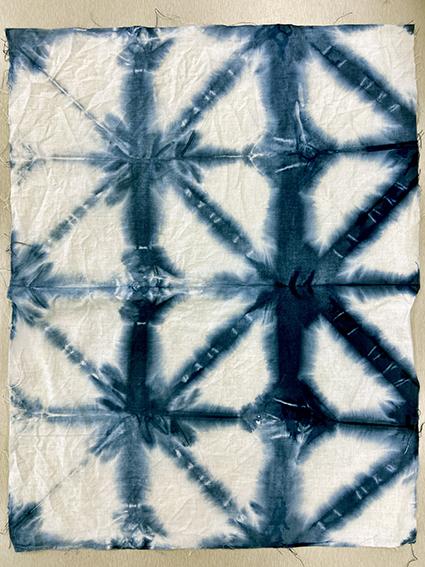
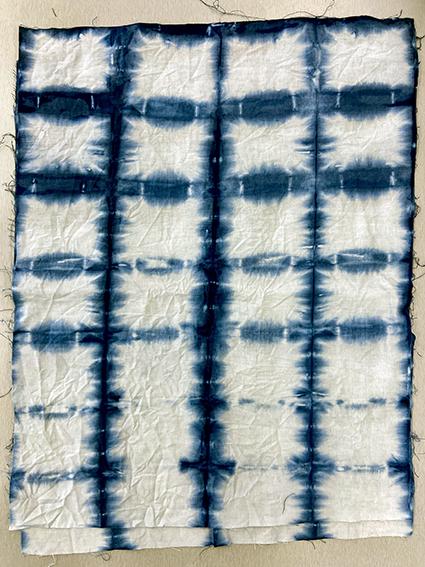
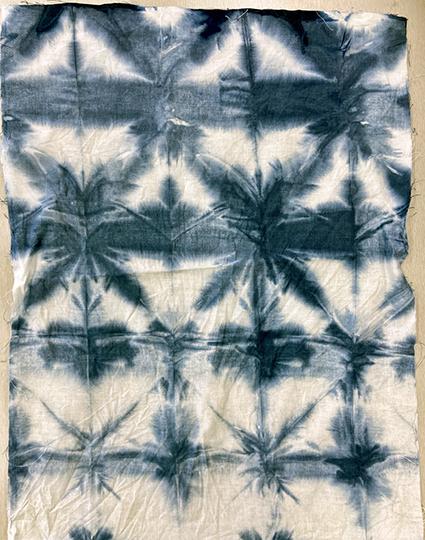
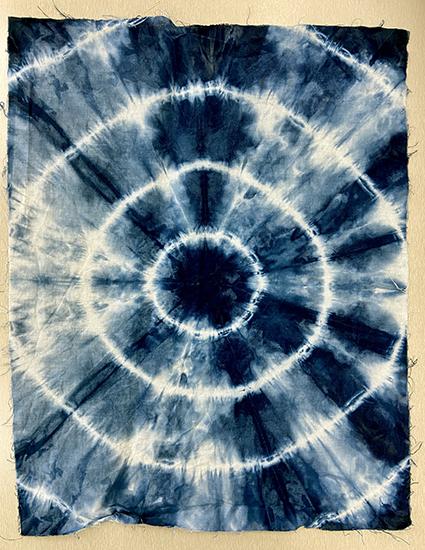
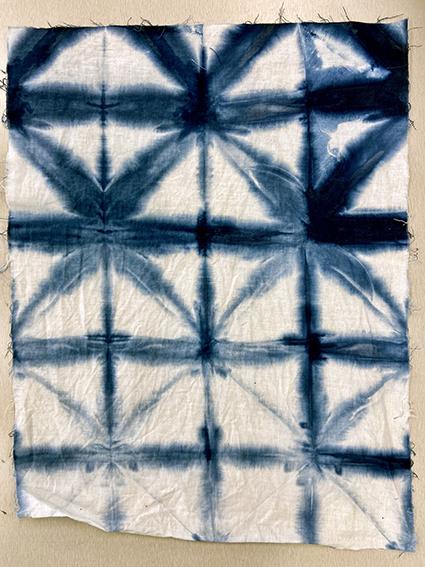
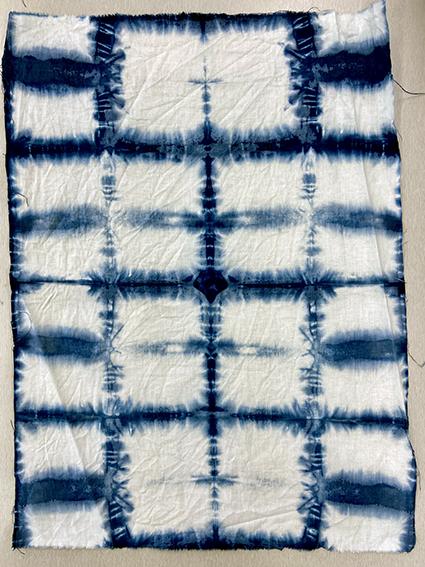
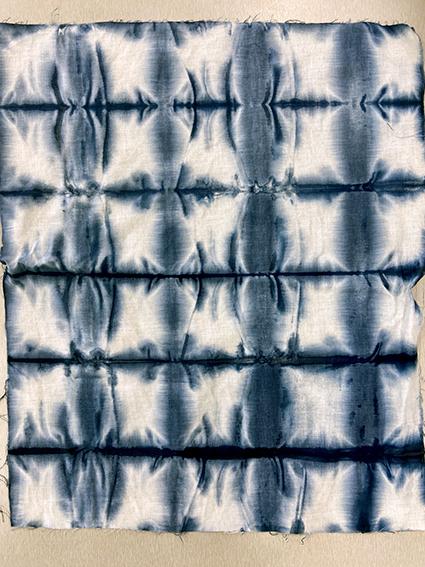
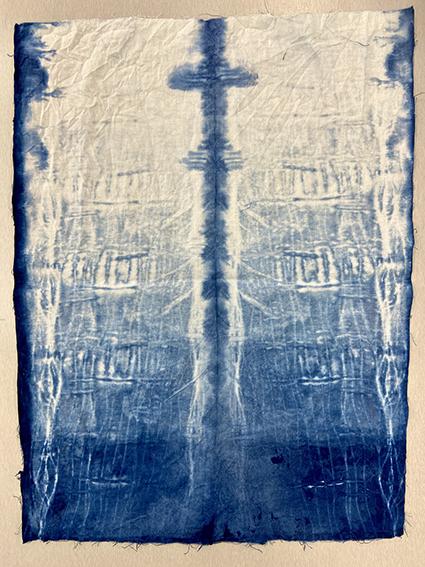
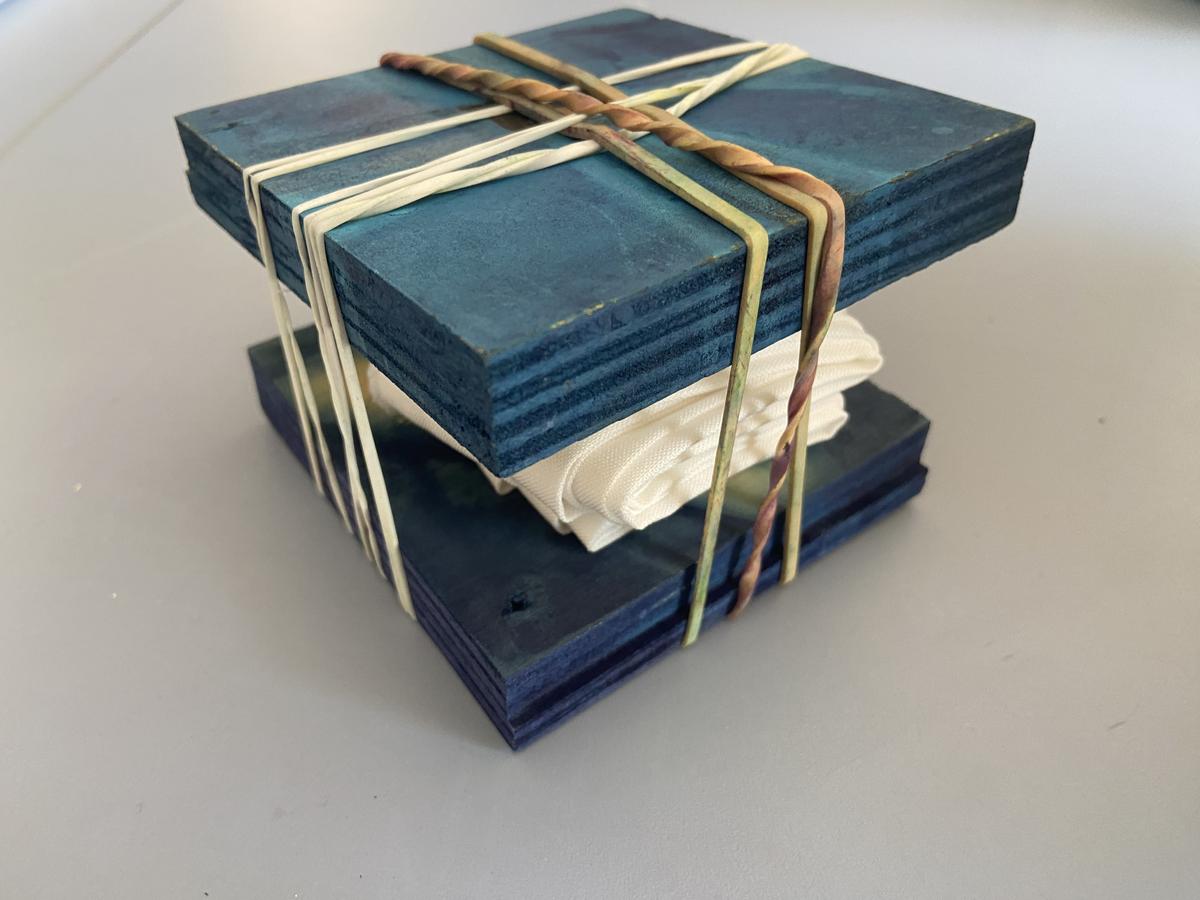
Year 9 Product Design - Textiles students have been exploring the Japanese textile technique of Shibori dyeing as part of their current design project.
Shibori is a traditional method of creating patterns on fabric by folding, twisting, binding, clamping or stitching sections of cloth before dyeing. These techniques resist the dye in different ways, producing distinctive patterns and effects.
Students investigated a range of Shibori techniques before experimenting with their own approaches on calico fabric. The resulting fabrics demonstrate an impressive variety of patterns, compositions and effects, reflecting the students’ experimentation and creative decision-making.
The dyed calico is being used to sew lined tote bags, bringing together students’ textile design, dyeing and developing sewing skills. The project is progressing well, with the completed tote bags expected in early Term 4.
We have included images of the students’ dyed fabrics to celebrate the strong range of outcomes achieved so far.