
Wellbeing News
R U OK? DAY

Thank you to everyone who supported R U OK? Day last week. Our events were a huge success! From the Headspace stall, to our raffle, staff breakfast and wellbeing stall, staff and students all got involved and really enjoyed what was on offer. Our raffle, lolly and cupcake sales raised approximately $1000 for Headspace, which is an absolutely amazing effort!!
A special thank you to Headspace for joining us, our wonderful Peer Supporters for their assistance in selling tickets, cupcakes and lollies as well as setup and pack down and Moonee Valley City Council Youth Services team for sponsoring our staff breakfast. This year‘s R U OK? day really was something!
Let’s not forget that life is every day so use every available opportunity to check in with your friends, family, colleagues and ask R U OK? ANY day!

The Boxing Bros

Our Year 10 Young Men’s Boxing Program run by The Boxing Bros and Headspace was another huge success. Over six weeks, a small group of students put their gloves on to work on building their confidence, resilience and leadership, whilst developing their fitness and having a good time. The program was in high demand and we are hoping to run it again next year for both males and females. Thank you to Headspace for choosing Strathmore SC for this pilot project!
Headspace Glenroy
2A, Hartington Street, Glenroy, Victoria 3046
1300 880 218
School Holidays: Looking After Your Child’s Mental Health
The holidays are a great chance for your child to rest, recharge and do things they enjoy — but it’s also normal if your child is not feeling their best.
💬 If you notice that your child is struggling, you can:
- Encourage them to talk to you, a trusted adult or friend
- Reach out to our school wellbeing team when school returns
- Contact a mental health support service during the holidays
- Encourage your child to take a break from social media if it’s affecting how they feel
- Encourage your child to get outside, move their bodies, listen to music or spend time with people who make them feel good
Encourage them to keep some routine around sleep, food and getting up each day
📱 Support is available during the holidays
Kids Helpline – Free, private counselling for young people as well as support to parents 📞 1800 55 1800 💻 Online: Kids Helpline
Lifeline – 24/7 crisis support 📞 13 11 14 💻 Lifeline
headspace – Mental health support for young people 💻 headspace
13YARN – Support for Aboriginal and Torres Strait Islander people 📞 13 92 76 💻 13YARN
Suicide Call Back Service – Support for people feeling suicidal or worried about someone 📞 1300 659 467 💻 Suicide Call Back Service
Parkville Youth Mental Health & Wellbeing Service (previously Orygen) – 24/7 triage service providing mental health support for young people
📞 1800 888 320
❤️ Remember:
If you are concerned about your child, please take them to see your GP or the RCH Emergency Department for a mental health assessment. If you are concerned that they are in immediate danger, call 000 or go to your nearest emergency department.
Looking After Physical And Emotional Wellbeing During Adolesence
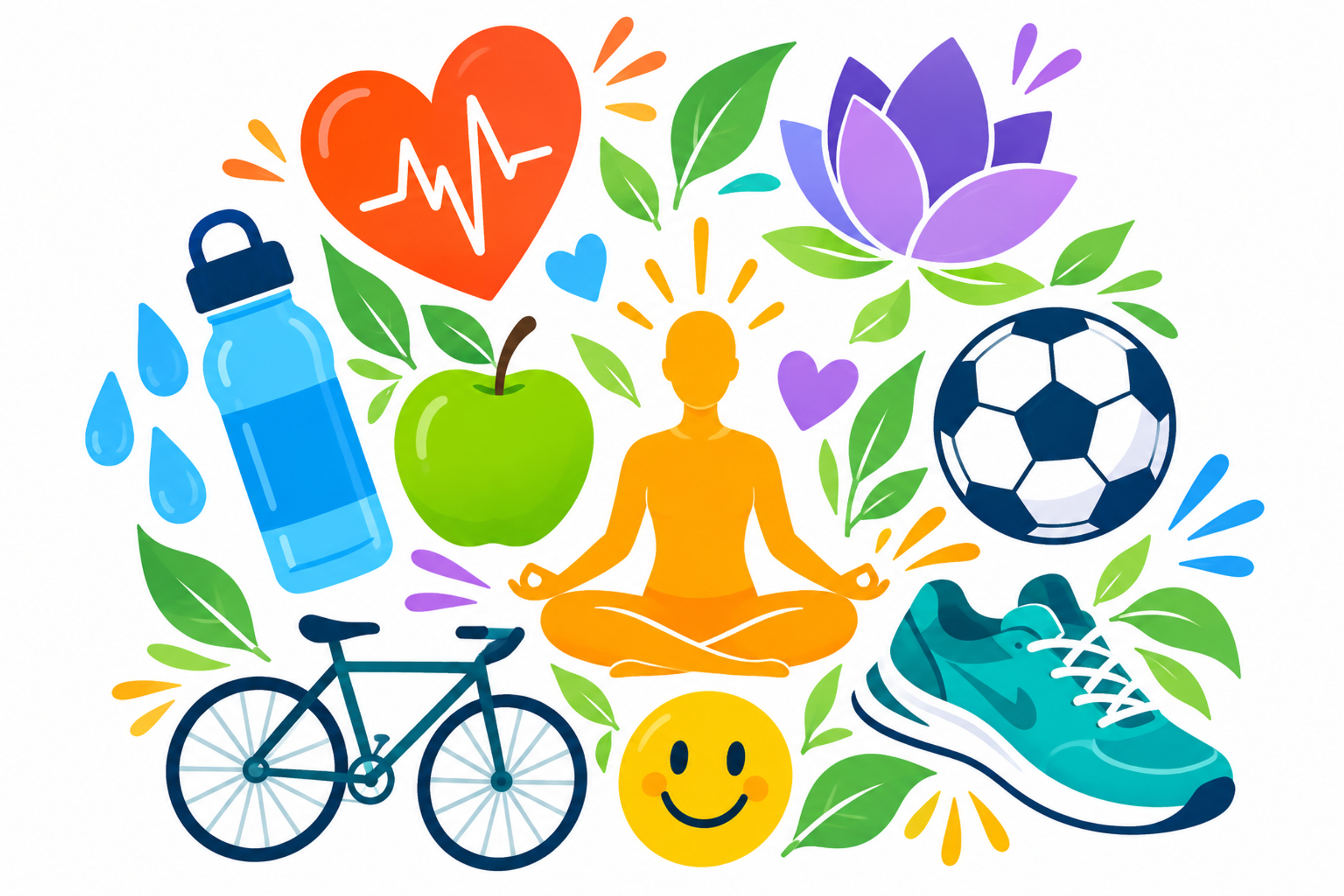
We know that adolescents experience rapid physical, emotional and cognitive growth, which means they need to develop healthy habits to support their wellbeing.
Food: Adolescents need a balanced diet that includes fruits, vegetables, whole grains, lean proteins and dairy foods. Regular meals and healthy snacks provide the energy and nutrients needed for growth, learning and physical activity. Adolescents should aim to eat a variety of foods and limit highly processed foods and sugary drinks.
Water: Staying hydrated is essential for concentration, physical performance and overall health. Most adolescents should aim to drink 6–8 glasses of water each day, with more needed during hot weather or when participating in sport and exercise.
Exercise: Adolescents should participate in physical activity every day. Exercise helps strengthen muscles and bones, improves fitness, reduces stress and supports positive mental health.
Sleep: Sleep is essential for growth, memory, learning and emotional regulation. Adolescents should aim for 8–10 hours of sleep each night. Establishing a regular sleep routine and limiting screen time before bed can help improve sleep quality.
Developing healthy habits during adolescence can have a positive impact on physical health, academic achievement and overall wellbeing.