
Humanities News

Congratulations to the National History Competition entrants!
On Wednesday 3 June the 2026 competition attracted students from across Australia and overseas. This year, the Australian History Competition was coordinated by the History Teachers Association Australia (HTAA). The HTAA supports and promotes the competition, helping to foster students’ engagement with and understanding of Australian History.
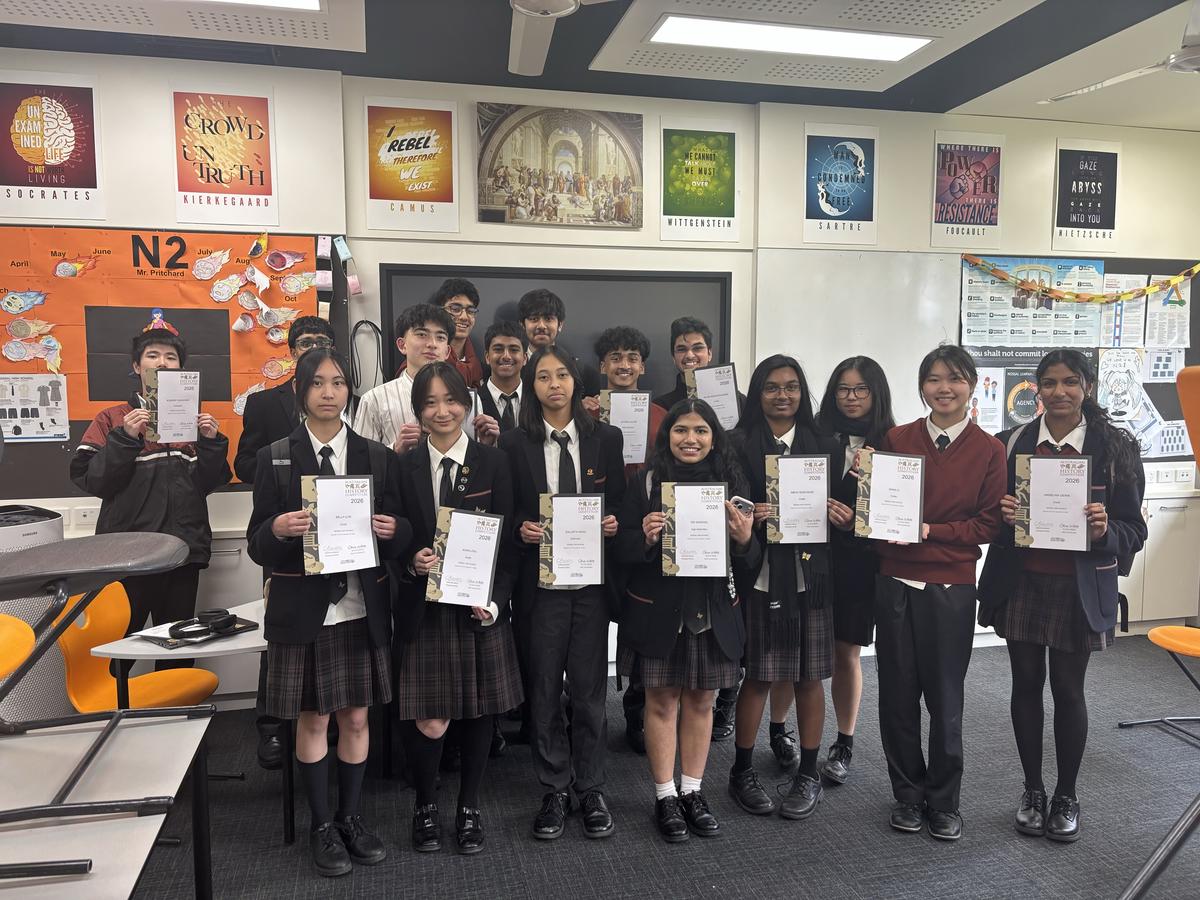
Nossal High School would like to congratulate all those students from Years 9 and 10 who participated.
We would like to specially thank, acknowledge and celebrate the following students who received High Distinction and Distinction status:
| Name | Score |
|---|---|
| Hashini Bagathsingh | Distinction |
| Zarraar Changezi | High Distinction |
| Andy He | High Distinction |
| Jayden Jacob | High Distinction |
| Callista Nauli | Distinction |
| Ira Singhal | High Distinction |
| Nithilan Arumugam | High Distinction |
| Kosuke Fukuzawa | Distinction |
Visit to the Islamic Museum
On Friday 4 September, students across all year levels had the opportunity to visit the Islamic Museum in Thornbury, where we explored the rich history and culture of Muslim communities, as well as their contributions to Australian society.
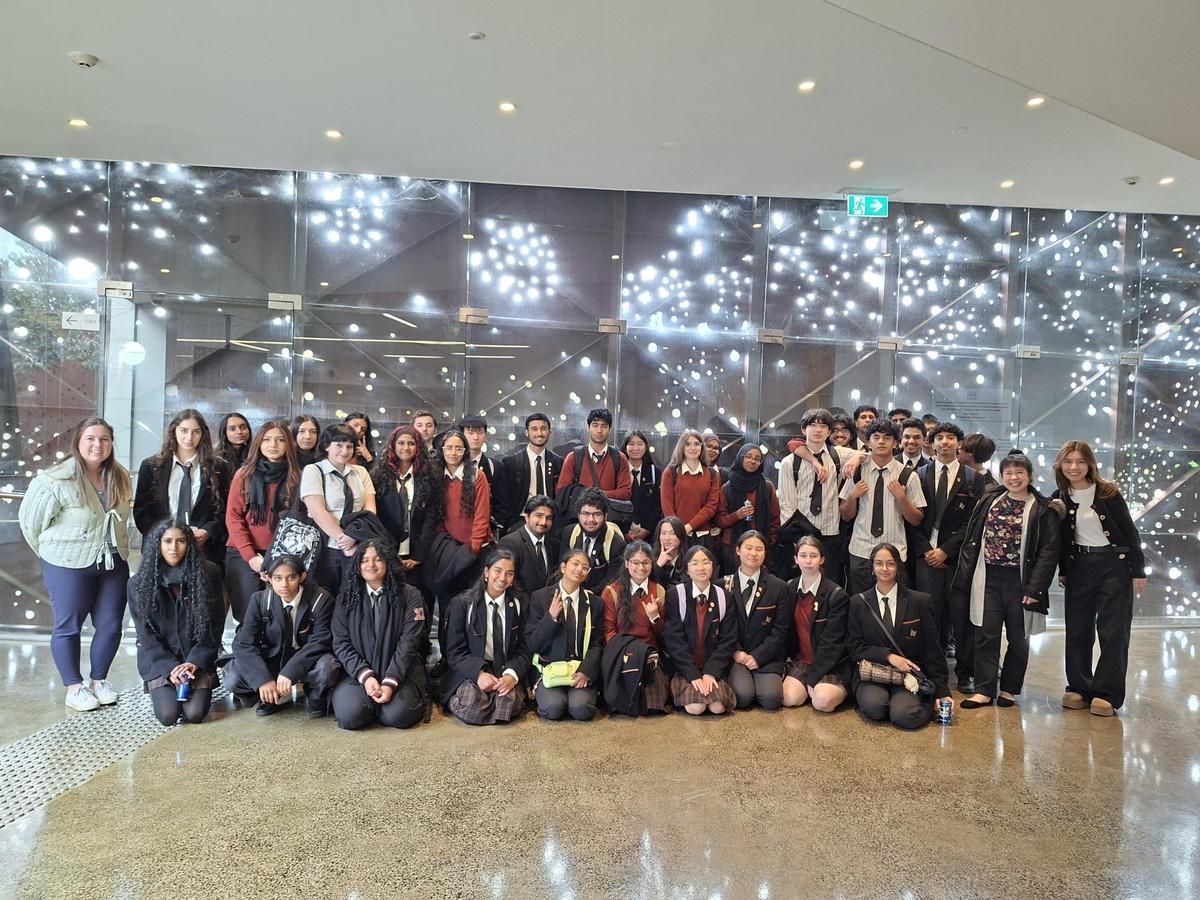
Throughout the visit, we learned about Islam and the common misconceptions about it. We also learned about how Muslims influenced art, science and architecture. The museum featured a variety of different exhibitions, containing a multitude of art examples and artifacts that enriched our understanding and knowledge of the Islamic culture.
The highlight of the excursion was receiving the guided tour, visiting each exhibition and completing a series of scavenger-hunt questions.
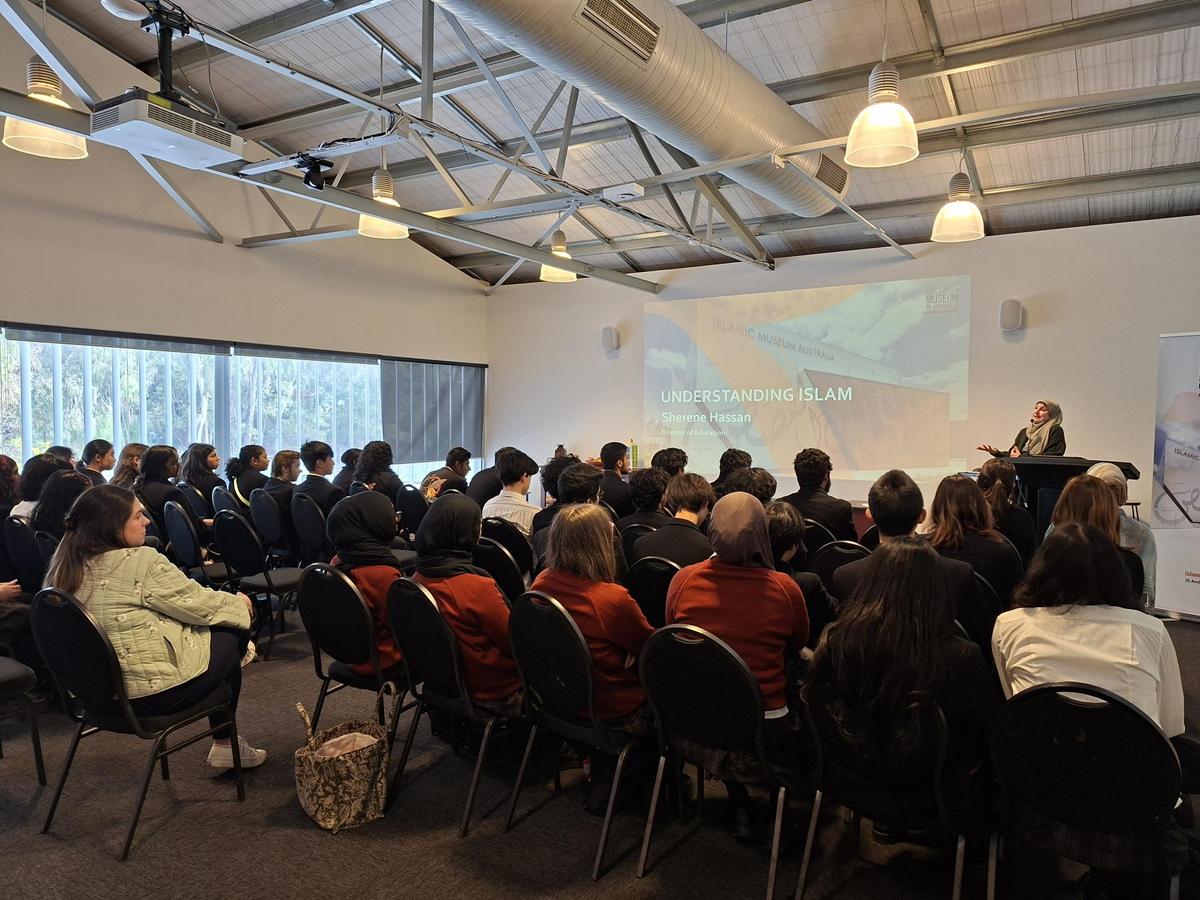
The visit also encouraged us to think about the importance of understanding different cultures and perspectives, as well as keeping an open mind.
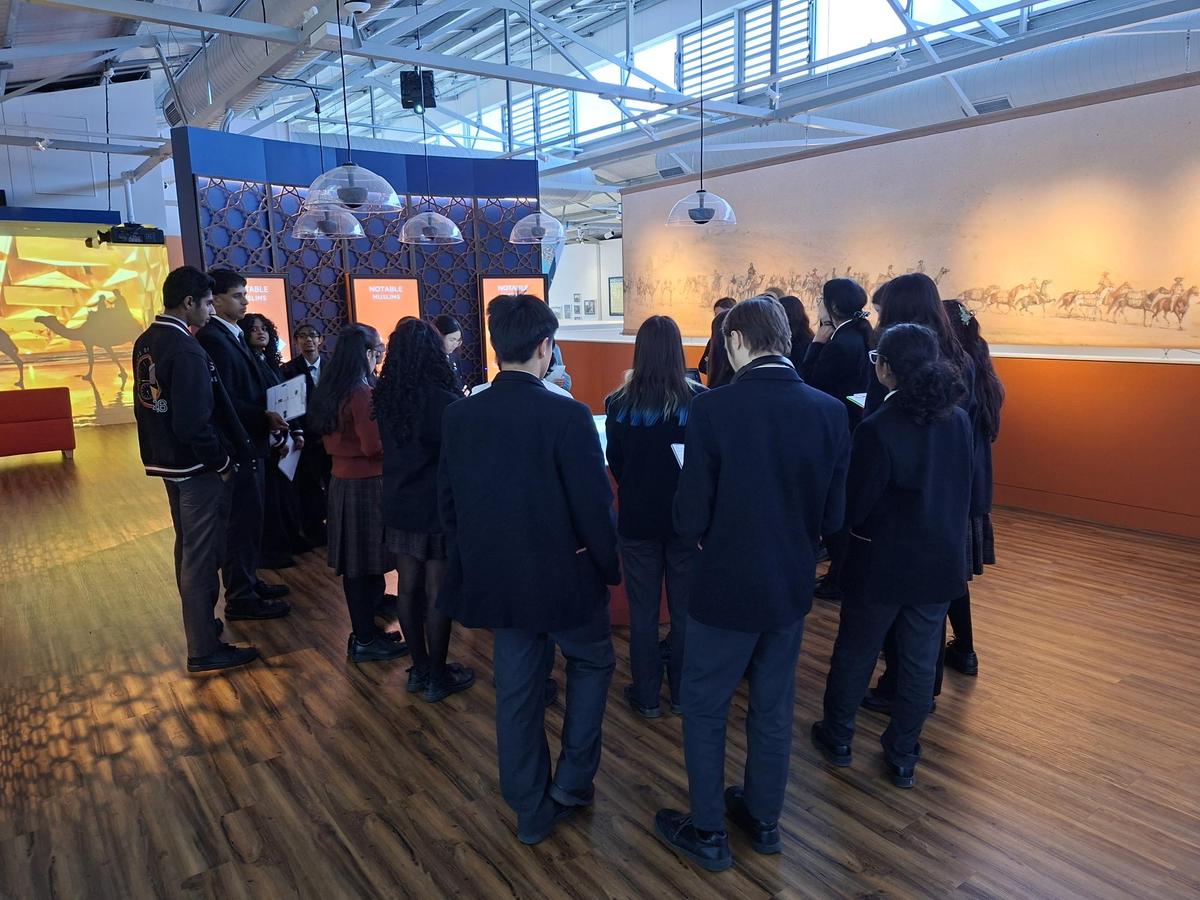
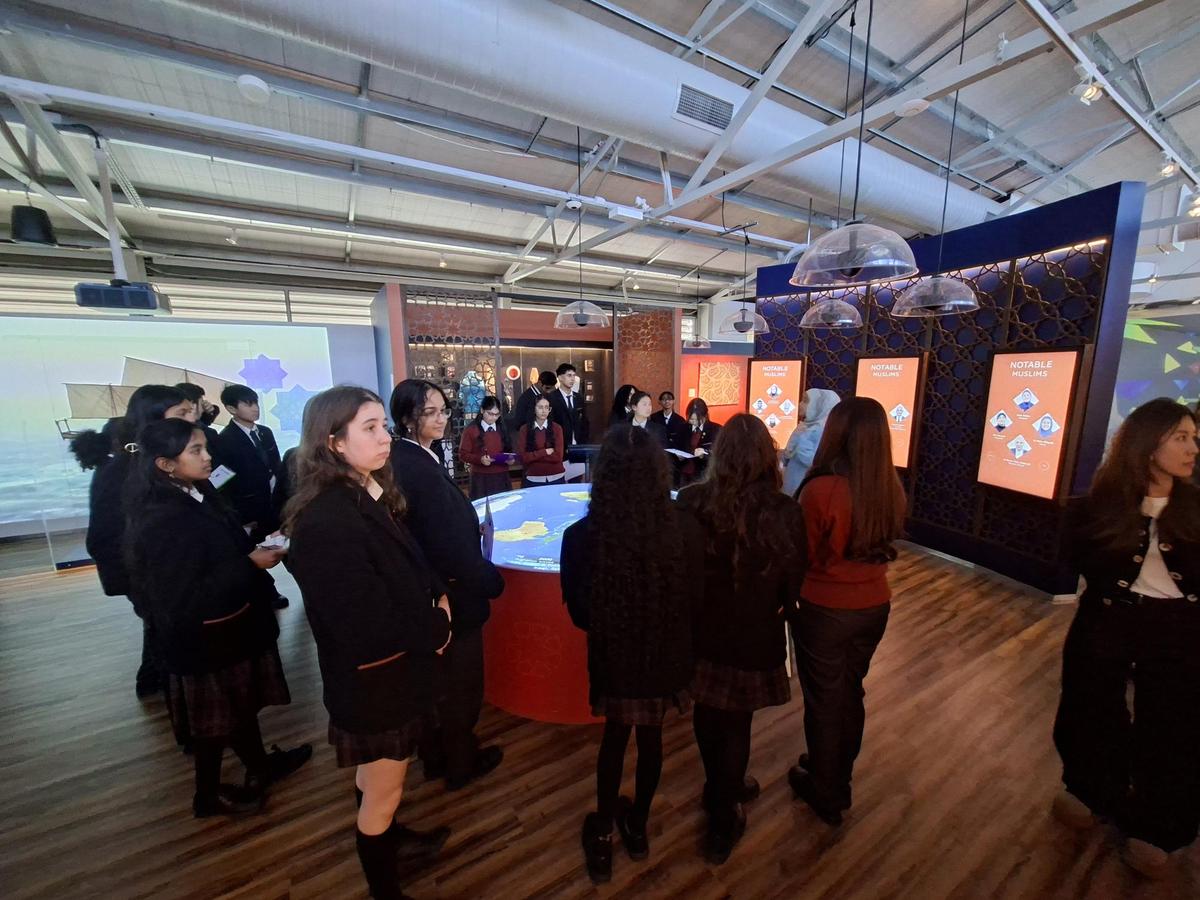
Overall, the excursion was an enjoyable and educational experience. We left with a greater appreciation for the diversity of Muslim communities and the significant contributions they have made throughout history. It was a valuable opportunity to learn, ask questions and broaden our understanding of the world around us.
Amra Fawazdeen
Year 12 Student
Inaugural 2026 National Youth Parliament (NYP) in Canberra
Youth Members for the BRUCE electorate, Sharon Paulson and HOTHAM electorate, Grisha Chernov recount their experiences.
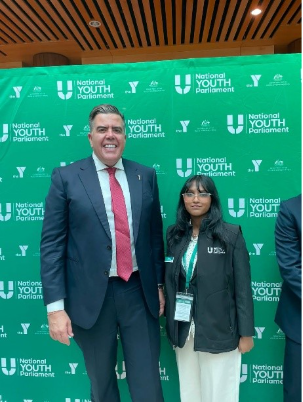
Every day, decisions made in Parliament House shape the lives of 27 million Australians. This year, for a few unforgettable days, 150 selected student representatives, one from each federal electorate, had the opportunity to add our voices to that conversation. On 16-20 August this pioneer initiative by the House of Representatives, in partnership with Y Australia, culminated in a fully funded, five-day residential program in Canberra.
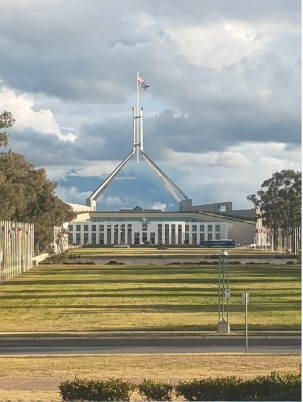
Representing Melbourne’s electorates of Bruce and Hotham, we, Sharon and Grisha, discovered that before we could influence national policy, we first had to master the art of getting through Parliament House security. By the end of the week, emptying our pockets and running our compendiums through the scanner became pure muscle memory.
During the program, we were given the rare opportunity to speak on issues we are passionate about, and we each chose topics close to our hearts:
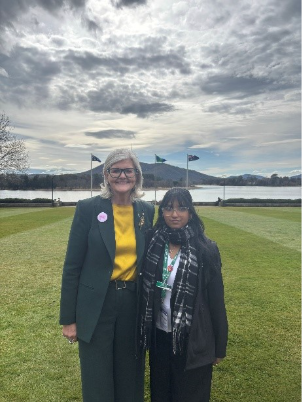
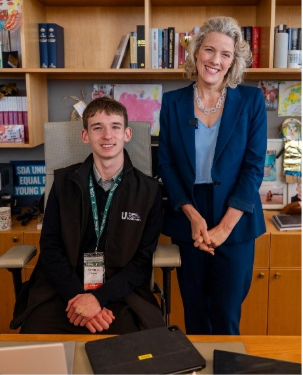
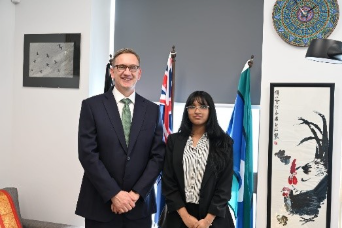
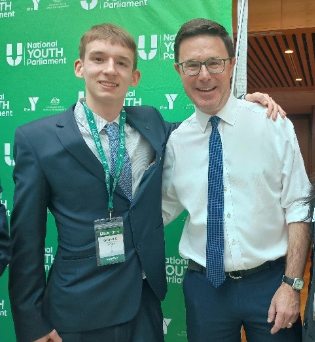
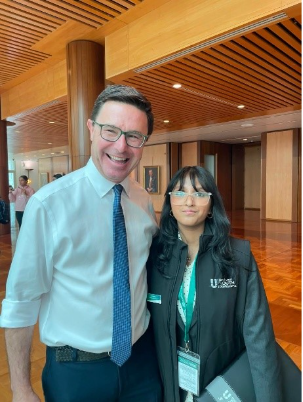
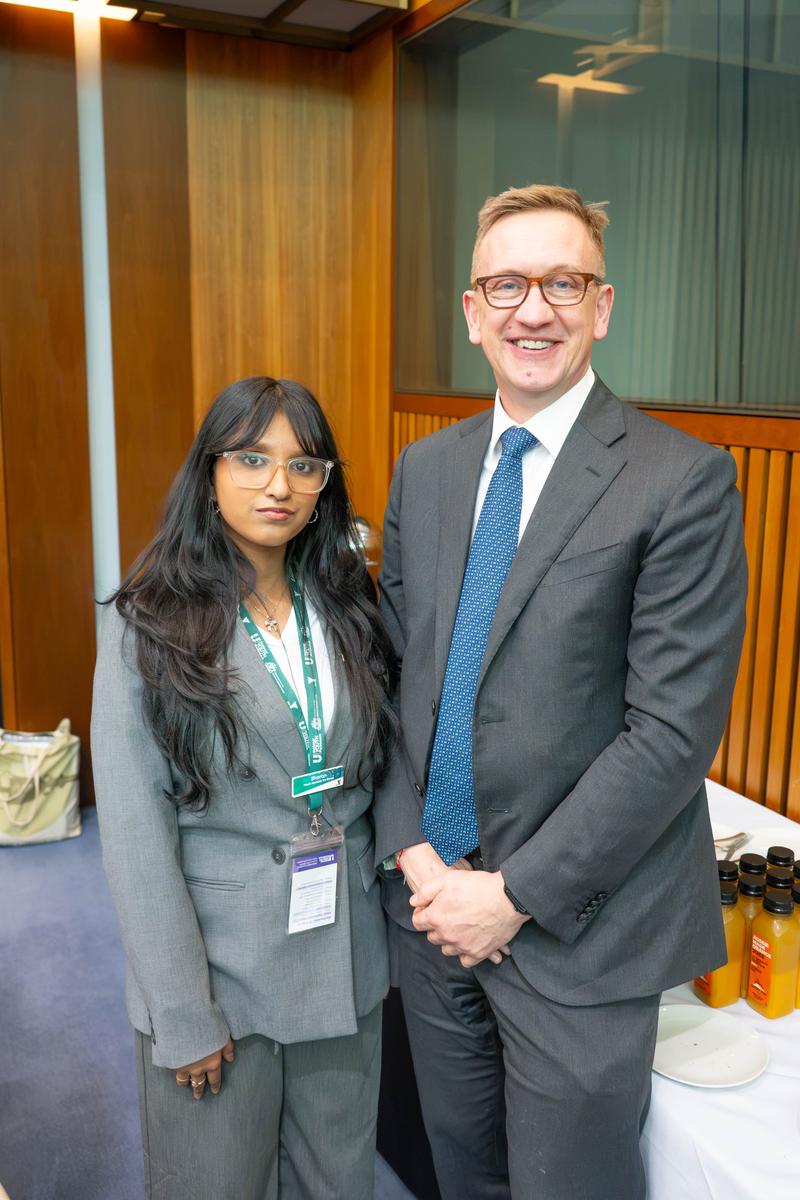
Sharon: I spoke about newborn genomic sequencing. Right now, babies in Australia receive a heel-prick test at birth for a small number of serious conditions. Genomic sequencing could detect hundreds more, often before symptoms appear. I argued that earlier diagnosis could change lives, but only if the rollout is fair, affordable, and protects families' genetic privacy. Delivering this speech in front of the Speaker of the House and my local MP, Julian Hill, was an immense honour. Afterward, Mr Hill gave me a behind-the-scenes tour of Parliament House, offering a rare glimpse into the inner workings of our federal parliament.
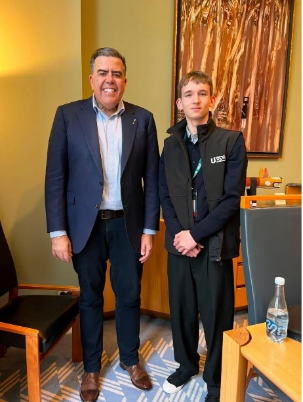
Grisha:I argued that Australia should increase taxes on the profits of gas extraction companies to a flat 25% rate, as they pay far less tax than their counterparts in comparable OECD nations. I also proposed a Sovereign Wealth Fund to invest this revenue for the benefit of future generations. Presenting my speech in the Great Hall is an experience I will carry with me forever. It was equally extraordinary to meet my local MP, Clare O'Neil, witness her valiant efforts in Question Time, and tour her ministerial office in Canberra.
Though our topics were entirely different, we both learned the same core lesson: a truly persuasive argument stems from understanding the opposing side just as well as your own.
One of the most surreal parts of the program was meeting the Prime Minister, the Governor-General, and numerous other politicians. Hearing them speak about their work and having them take our ideas seriously, made Parliament feel far less distant than it appears on the news. We also watched the Senate and Question time in the House of Representatives in session, which gave us a profound respect for how quickly politicians must think on their feet.
Outside the chamber, the camp was just as memorable. We lived, ate, and debated alongside young people from all over the nation, each bringing unique community perspectives. Some of our best discussions happened over dinner rather than in the chamber, frequently finding ourselves disagreeing with new friends one minute and laughing with them the next. We left with friendships stretching across the country and a much deeper appreciation for how differently the same issue can look depending on where you live.
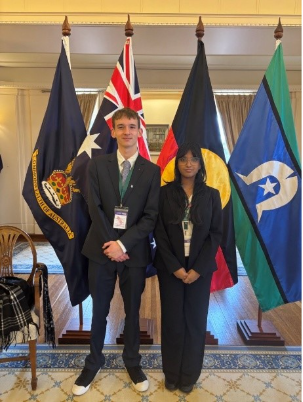
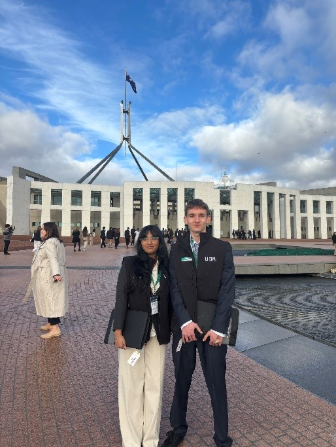
If you have ever shouted at the news, held strong opinions about government initiatives, or wondered how things actually get decided in this country, the National Youth Parliament might be for you. We both highly recommend it. After all, the future is being debated right now, so why not take a seat at the table?
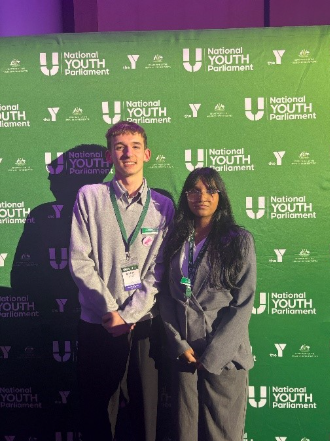
Sharon Paulson - Year 11 Student
and Grisha Chernov - Year 12 Student
VSPP Online Secondary School’s Parliamentary Convention
On Tuesday 15 September, the first day of the VSPP Online Secondary School’s Parliamentary Convention was definitely not like a normal school day. And no, we are not just talking about the break times!
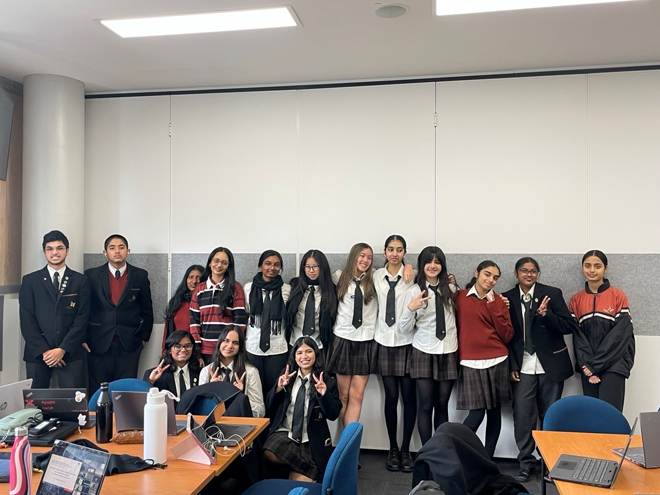
Instead of sitting in our usual classrooms and learning about Parliament from a textbook, we got to experience a little bit of what it was like to be involved in the process. We learned about how Parliament works and how laws are made before moving on to our main topic: whether ‘Victoria should require registration and licensing for e-bikes and e-scooters to improve safety, or whether there are better ways to regulate them.’
At the beginning, we thought we had a pretty good understanding of the issue. But when we listened to other students and discussed the topic, we realised there was much more to it than we had first expected. Some arguments made us stop and rethink our own views, which was something we really enjoyed about the day.
We also got to hear from Associate Professor Dr Milad Haghani from the University of Melbourne and Garry Brennan from Bicycle Network. Their presentations helped us see the issue from perspectives we hadn’t considered before, and being able to ask them questions made the experience feel much more like a real issue.
As students with a keen interest in Legal Studies, it was especially interesting to see the things we learn about in class actually being put into practice. Taking part in discussions and voting made Parliament feel less like something we only read about and more like something we could genuinely engage with.
The highlight of the convention was most definitely the soapbox session on the second day. Every one of us were given the opportunity to impromptu debate against each other and argue in favour of our stances on the topic, as a parallel to how speakers used to stand on soapbox crates and deliver their speeches to the Australian public! It was especially intriguing to hear everyone else’s perspectives and opinions towards the issue, as we debated with and against one another.
Finally, we came together to a division - where all party members must formally vote for or against a bill to be passed. Compared to everyone’s initial thoughts on the topic on Day 1, many people had changed their views after much debate and collaboration with peers with different solutions. Our whips (vote counter) were called forward, and the end verdict was 50% for and 50% against the bill that Victoria should require registration and licensing for e-vehicles - which was surprisingly the exact same as our initial vote on the first day!
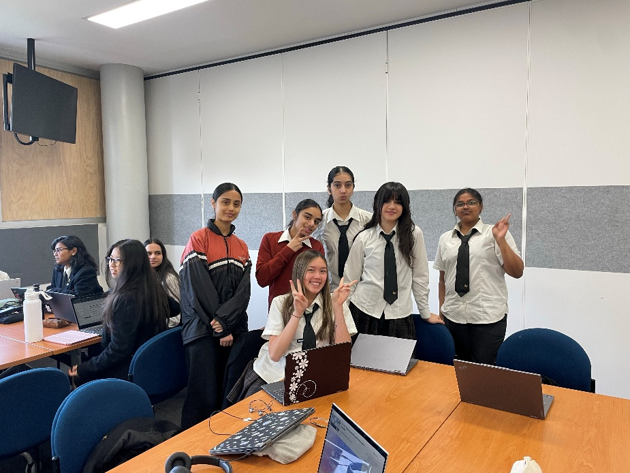
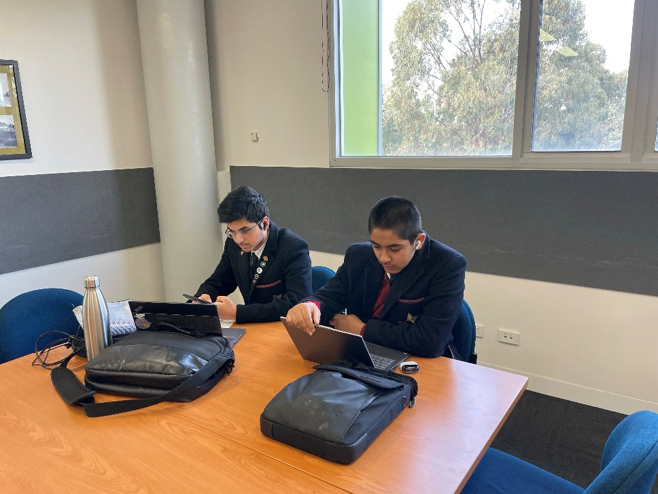
The past two days have challenged our critical thinking, pushed us to think outside of the box and managed to teach us new skills relating to collaborating with like-minded peers and share our perspective regarding issues that apply to us now more than ever.
We are incredibly grateful for this opportunity, and we are keen to apply the skills we have gained from this experience in the future.
Ira Singhal, Ineya Sudhakar - Year 10 Students and Harshini Santharam