
IRC News
Book Week 2026
Symphony of Stories
Book Week 2026 was an outstanding success, with enthusiastic participation from students across all year levels in a diverse range of competitions, seminars, workshops and activities. However, for the IRC Library Leaders, the celebration began well before Book Week itself, with planning and preparation getting underway towards the end of Term 2.
Working in pairs, the Library Leaders developed and created a wonderful collection of imaginative and intricate displays inspired by this year’s theme, “Symphony of Stories.” Each team brought its own unique ideas and creativity to the project. Some designed interactive “What Staff and Students Are Reading” displays, while others created vibrant and colourful installations that transformed the entrance and central areas of the IRC.
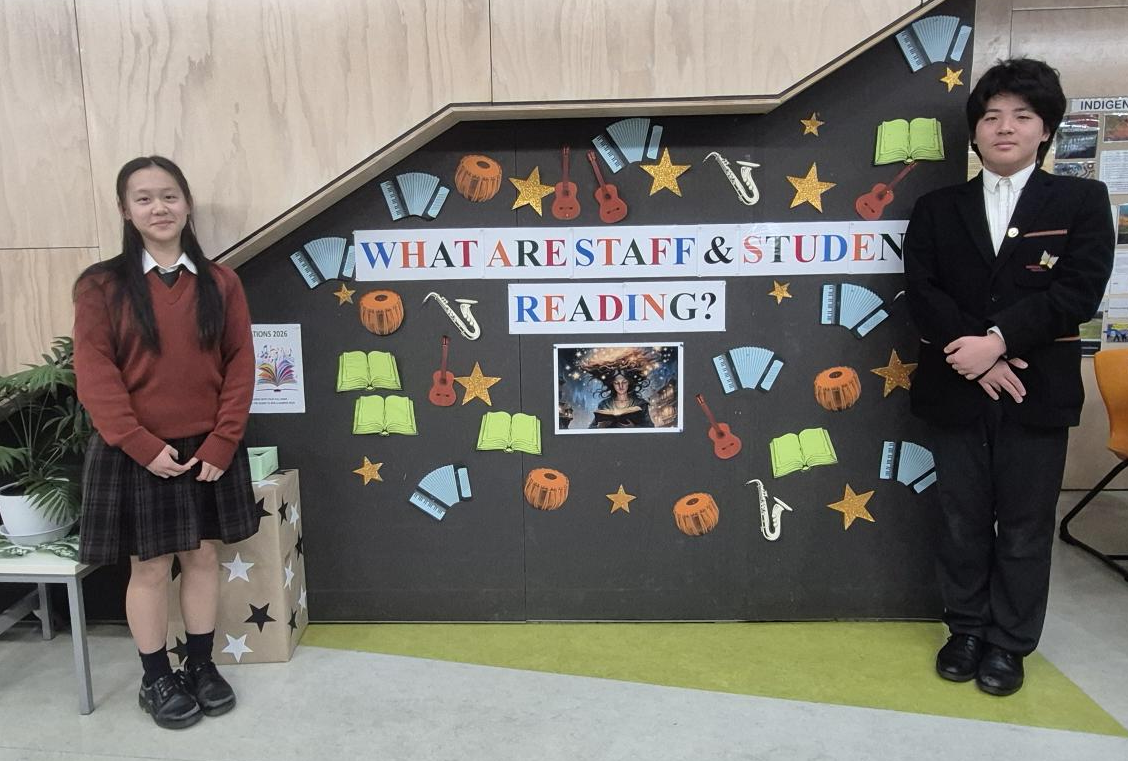
Behind every display was hours of teamwork, creativity and dedication. The Library Leaders used their study periods and lunchtimes to plan decorations, cut materials, construct displays, arrange decorations and bring their ideas to life. There was plenty of collaboration, movement and, of course, a little bit of shuffling around as everyone worked together to transform the IRC!
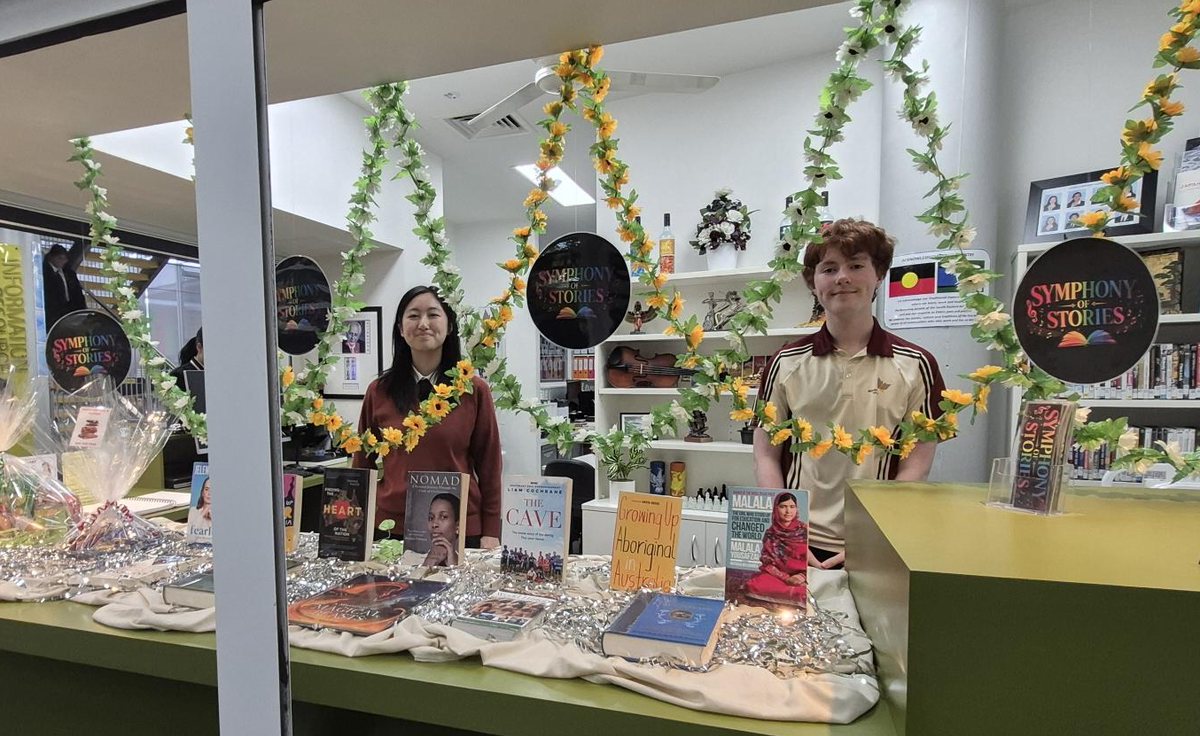
Their enthusiasm, imagination and commitment played a significant role in making Book Week 2026 a memorable celebration for the entire Nossal community. Through their hard work and teamwork, the IRC was transformed into a vibrant and welcoming space where stories, creativity and imagination came together in a true “Symphony of Stories.”
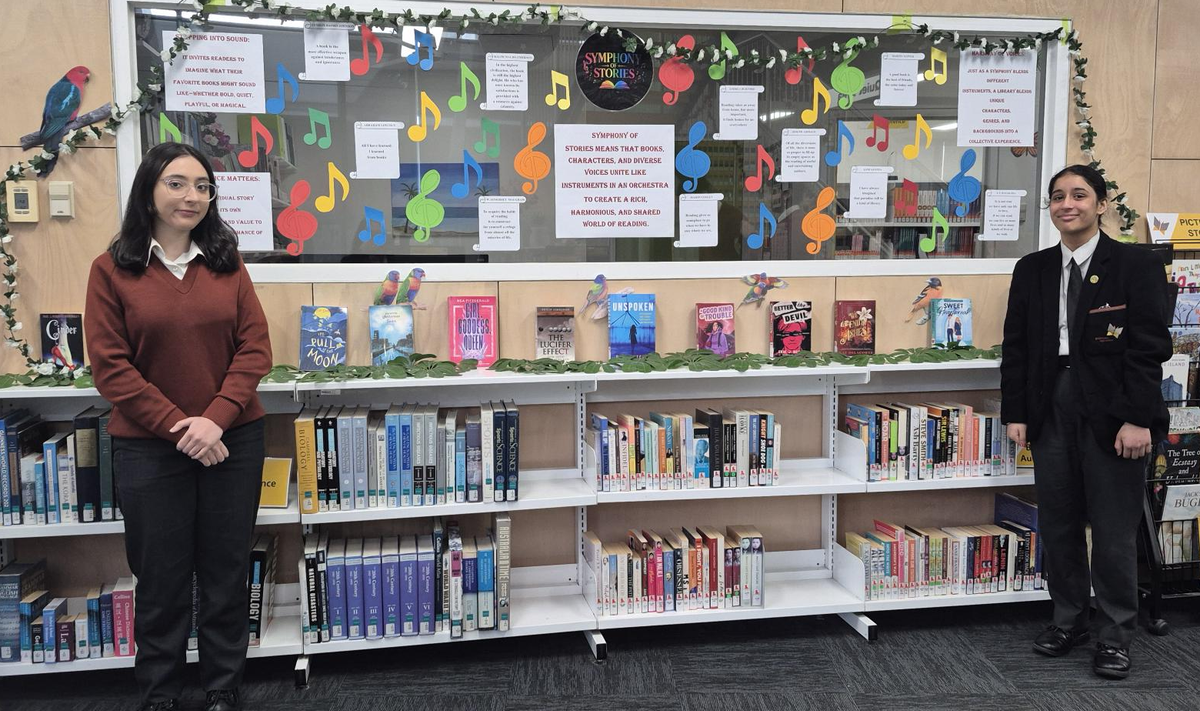
With all the preparation finally complete, Book Week arrived with an exciting and action-packed program for the Nossal community.
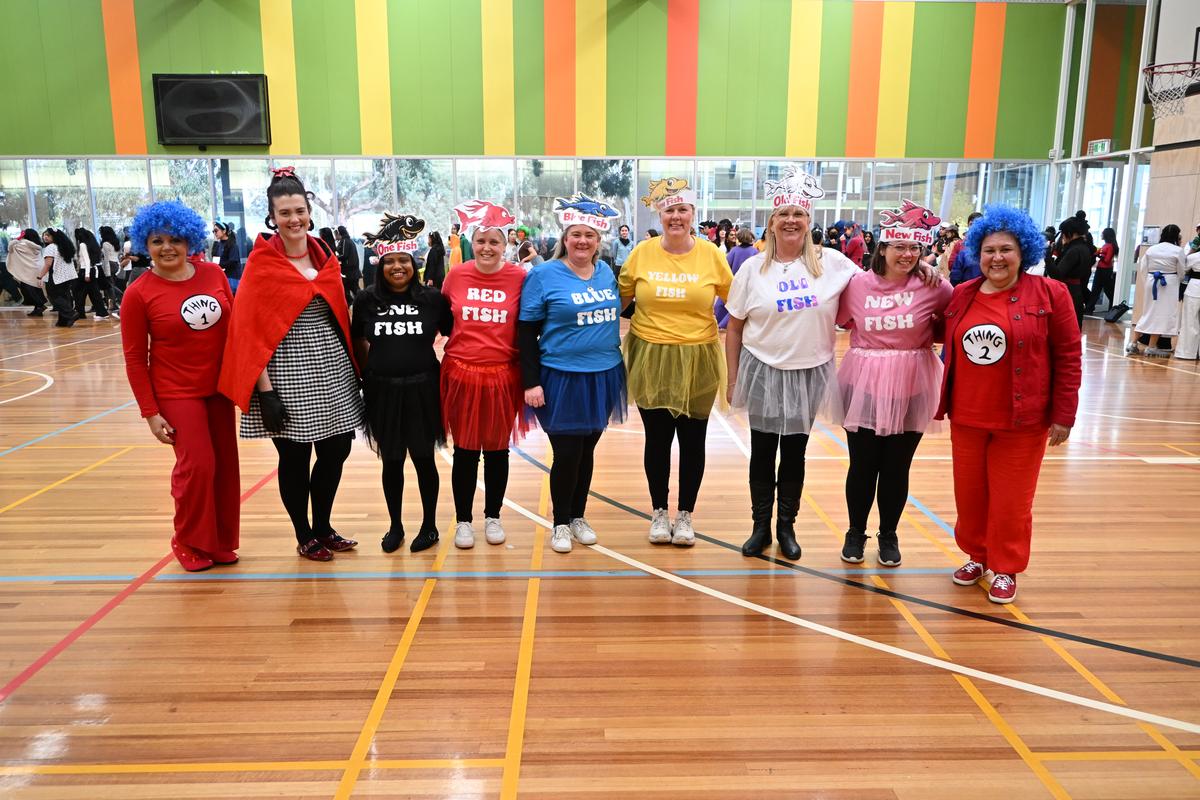
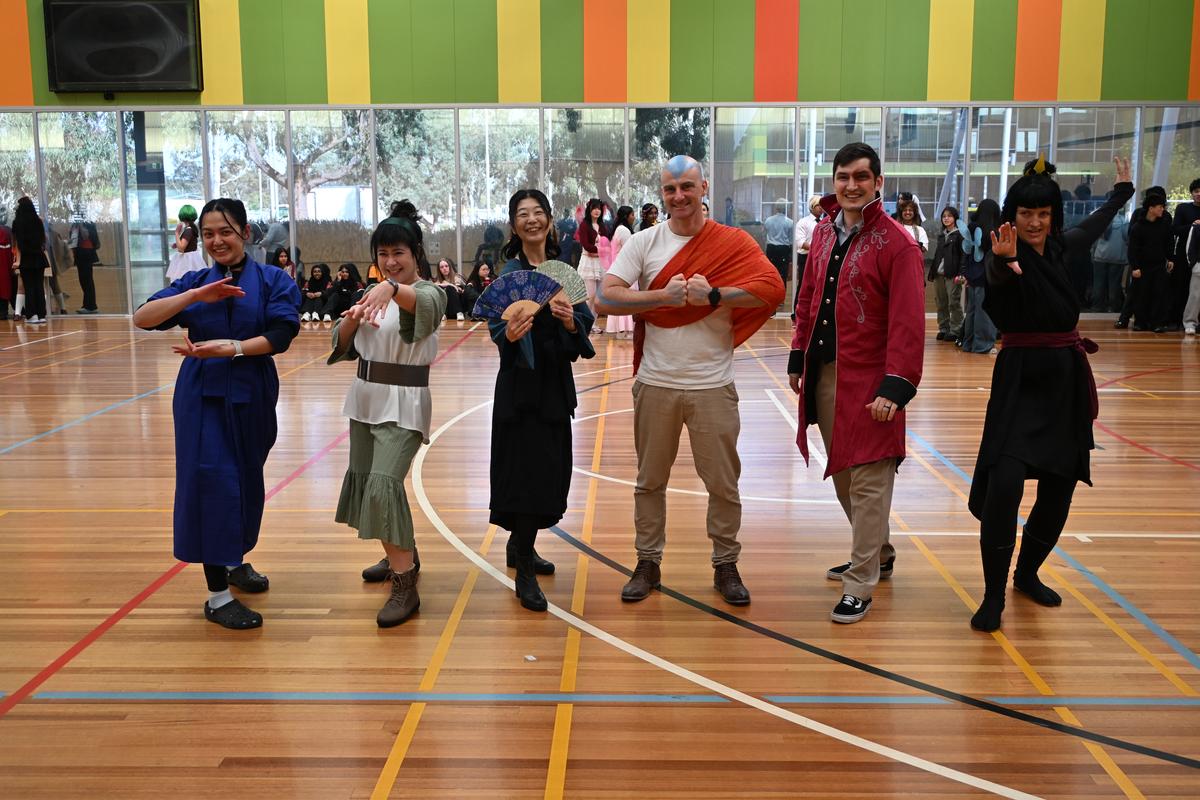
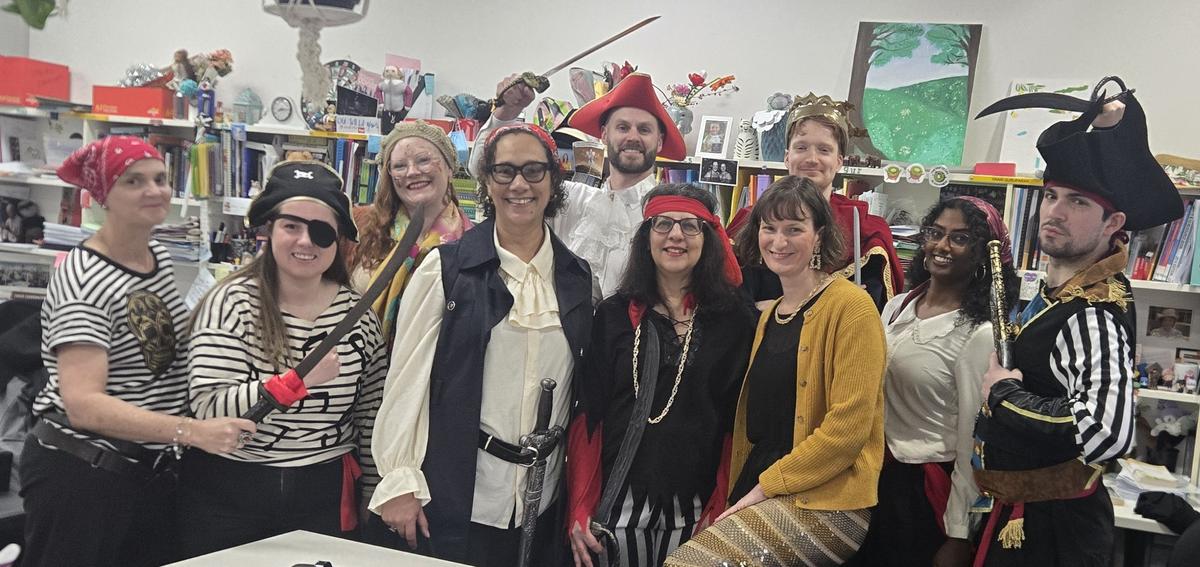
The week began with the Book Character Dress Up Competition, as students brought their favourite literary characters to life through imaginative and creative costumes. Tuesday continued the excitement with Alice Pung's Lecture, a lively musical performance during recess and the Interhouse Quiz at lunchtime, giving students plenty of opportunities to participate, have fun and earn valuable House Points.
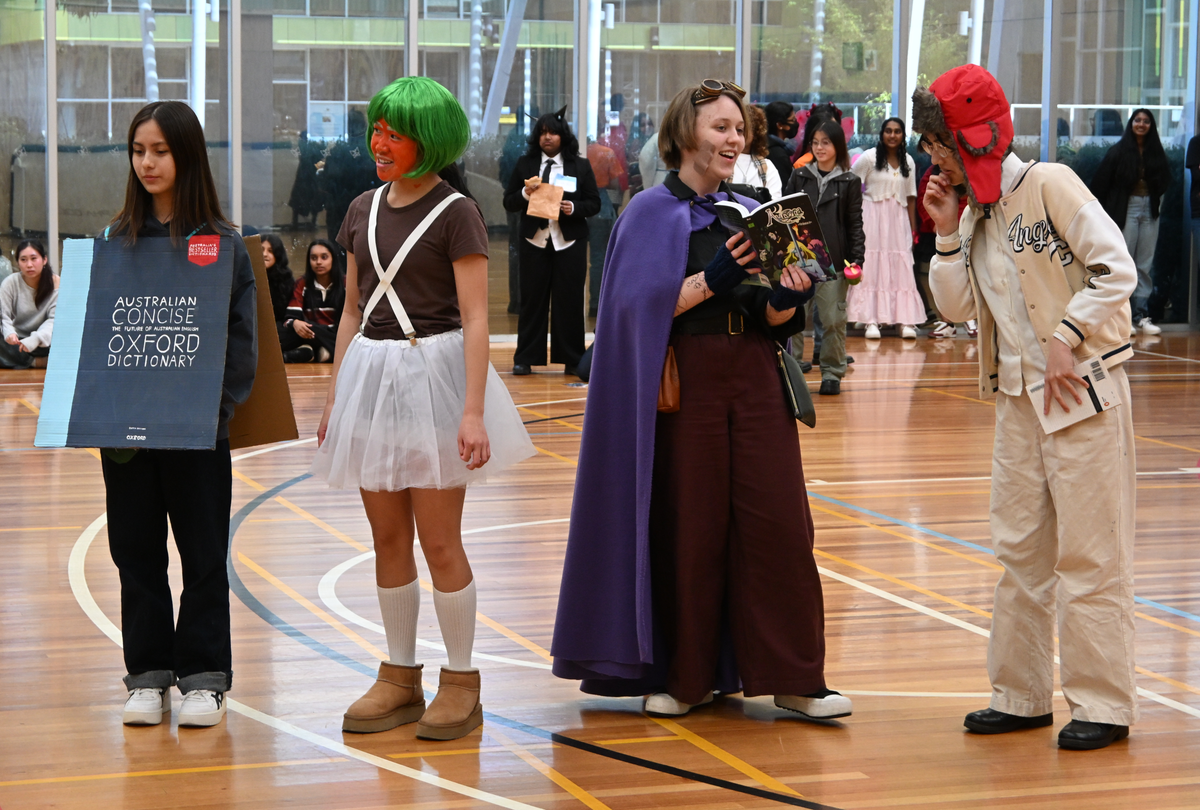
The celebrations continued on Wednesday with the announcement of our Champion Reader, followed by an energetic Bollywood Dance Performance during recess. On Thursday, selected students had the opportunity to participate in engaging workshops with author Danielle Binks, while the Spelling Bee challenged students to showcase their vocabulary, spelling and language skills.
The week concluded with a special poetry workshop with Lola Sargasso, attended by selected Year 10 students. Alongside the scheduled events, students also had the opportunity to participate in the Creative Writing Competition and the Symphony of Creators Challenge, extending the celebration beyond reading to embrace writing, imagination and artistic expression.
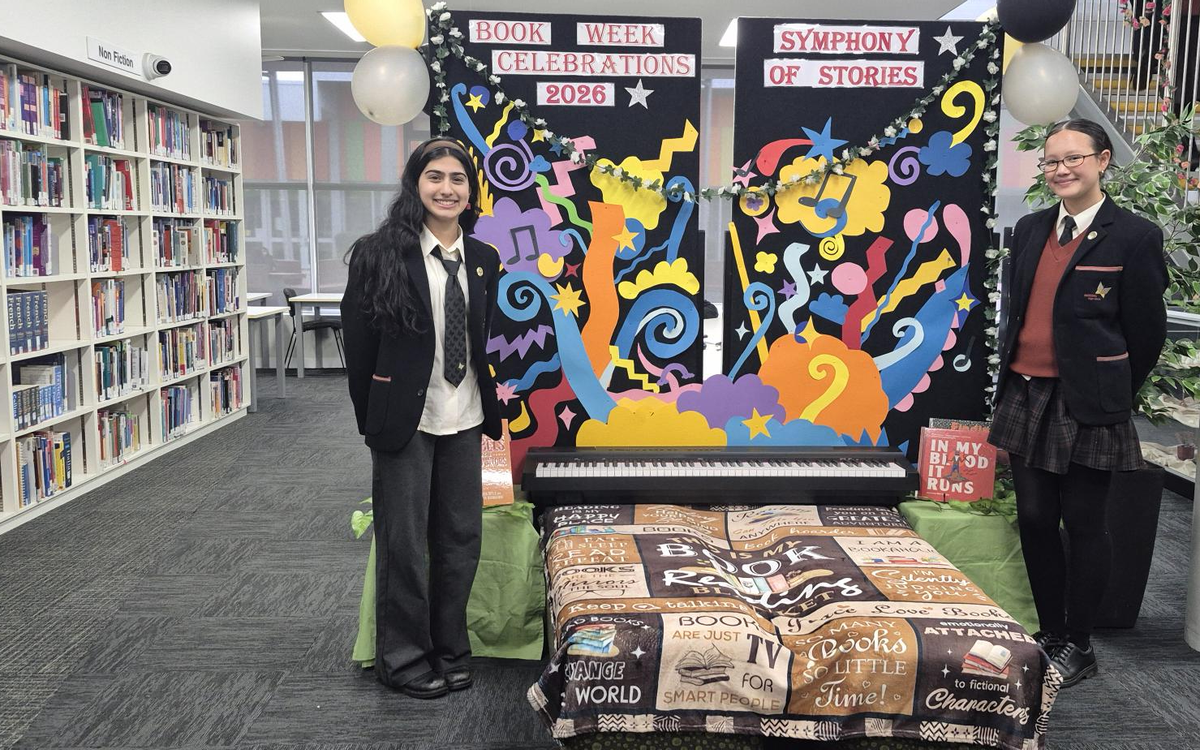
From the opening page to the final performance, Book Week 2026 was a wonderful celebration of stories, creativity, imagination and community. A huge thank you to everyone who participated, contributed and helped make this year’s Book Week such a vibrant and memorable experience.
Amelia Daniel & Snehal Dcunha
IRC Leaders
Creative Writing
On Tuesday 25 August, the Year 10's had an English Lecture from Alice Pung, an author who not only grew up in Melbourne but experienced some of the many things that the cohort could relate to. She talked to us about how the narrative of refugees had often been written from someone who had not experienced the refugee life and wanted to write a book that came from her own life experiences rather than the creation of fictional characters.
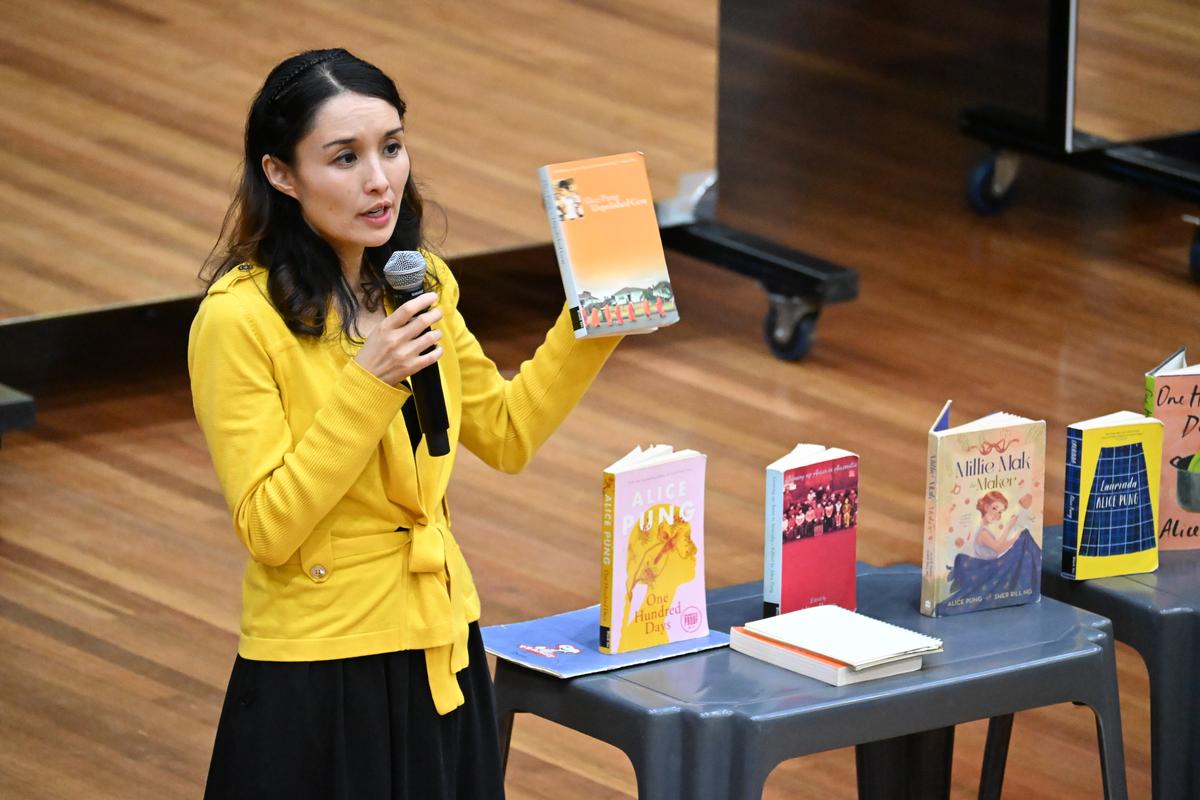
During the lecture, she talked about her first published book, Unpolished Gem, a book that was about her life growing up with refugee parents and as an Asian. As someone who has read her book, I could relate to every single thing that she wrote about. The reason why I started reading and enjoying Alice Pung's books was because they always had moments which I could relate to. If you ever get the chance to read her books, I highly suggest you read them as you will definitely relate to some of the things in her books.
Kingsley Nguyen
Year 10
On Thursday 27 August, the year 9s had the exciting opportunity to hear from Danielle Binks, a well-known Australian YA author, literary agent and creative writing teacher at RMIT. Danielle immediately grabbed our attention with her funny stories and passion for reading and writing. One of the most interesting parts was learning that she started writing fanfiction. She joined a popular fanfiction website in 2002 and eventually wrote 24 stories, which received nearly 400,000 views! She proudly called herself a “fanfiction writer” and explained that she probably would not be an author today without it.
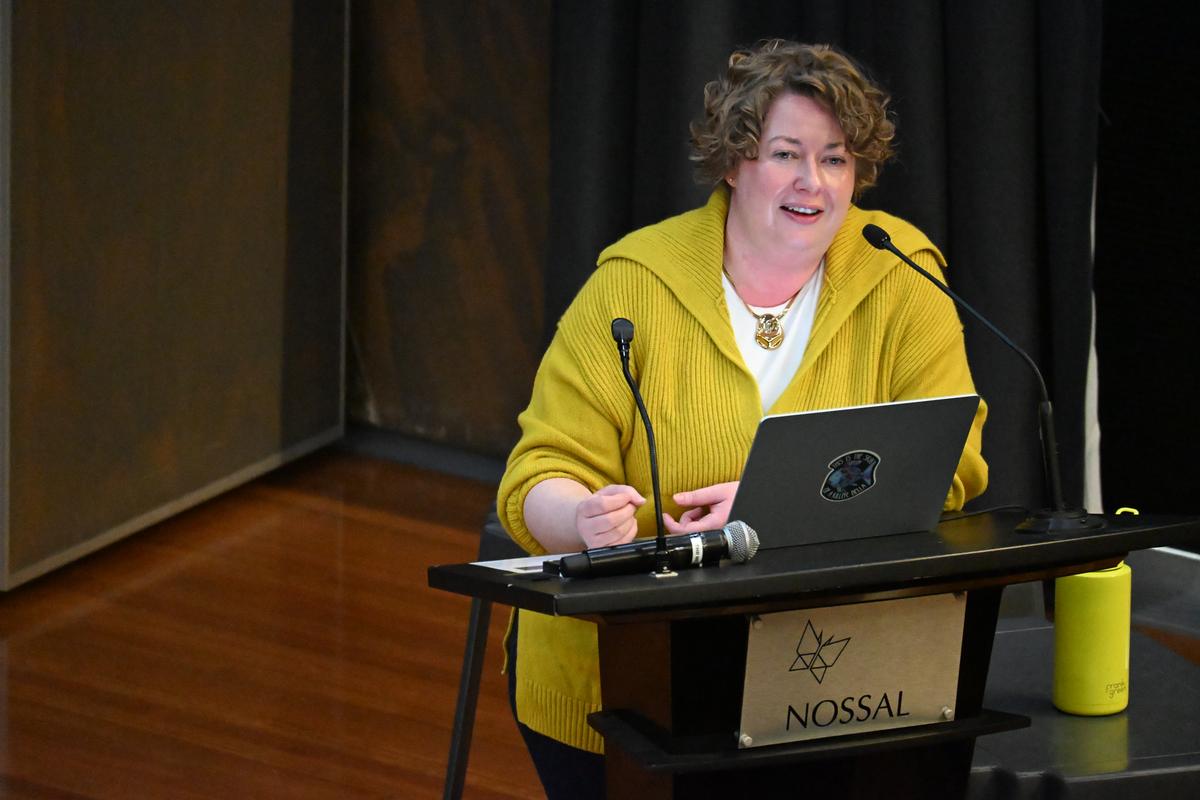
Danielle also talked about how ideas can come from anywhere. During COVID-19, she went on walks and became curious about a park, which helped inspire her latest book. Her message that “ideas are everywhere” really stood out to me.
She also encouraged us to make reading a regular part of our routine. She put great emphasis on how reading can expand our vocabulary, improve our understanding and help us navigate an increasingly complicated world. Whether it is novels, comics, poetry or audiobooks, Danielle reminded us that reading can be enjoyable in many different ways. Overall, her talk was inspiring, entertaining and definitely made me think more about reading and writing.
Fiona Cao
Year 9
To finish the Book Week celebrations, students participated in a writing workshop run by Lola Sargasso, exploring how much can be communicated with just a few carefully chosen words. We were challenged to write a story using only ten words, meaning every word had to serve a purpose.
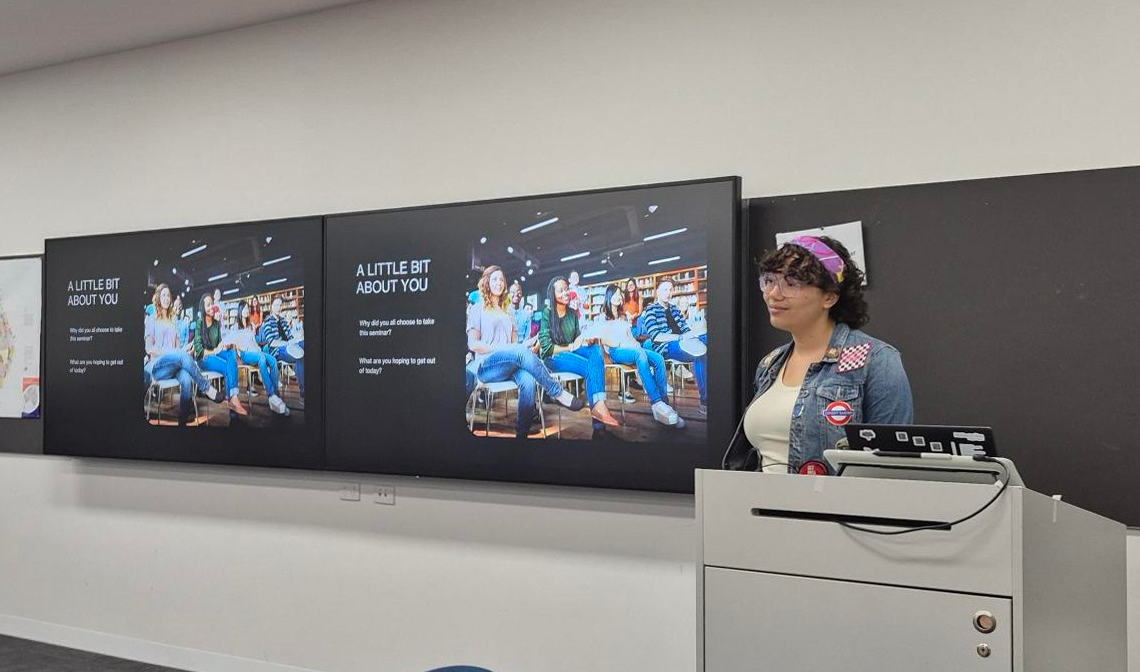
We looked at examples of short sagas, including the poem “For sale: baby shoes, never worn”. Although the narrative is only six words, it encourages the reader to imagine an entire story behind them. We then experimented with writing our own stories, then cutting them down to ten words, considering how to employ emotion and the senses to make our writing more powerful.
The workshop showed us that stories don't need to be long to be meaningful. Instead, carefully selecting a few choice words can leave readers with questions, emotions, and interpretations that extend far beyond what is written on the page.
Ayaana Arora
Year 10 Student
Short form writing- five words:
On Friday 28 August, a select group of students participated in a workshop with a visiting poet, playwright and author, Lola Sargasso. In our one-hour session, she was to teach us about short forms of writing: from mini-sagas to short-form poetry. We began our activities with a prompt- an image of a cluttered op-shop (or thrift shop, if you’d rather)- that was to inspire our short story. We could use no more than 100 words in our short piece: a difficult, but manageable task, teaching us to restrain our impulses of over-description. We all came up with a passable piece, conveying some sort of message; whether philosophical, narrative or completely perplexing. Our short pieces all revolved around loss, hope, or the finding of something precious- and our hundred words all felt well-spent.
We had written our texts with style, and beauty, and most of us were quite happy with our first drafts (as we already knew they probably would be. We were content, happy in our work. But then our guest sprung her trap- we were to cut our piece in half, without losing the initial meaning. Our next few minutes were spent with frenzied determination: pens and pencils flying across pages, pitiable moans piercing the silence at regular intervals- sure signs of a soul in torment.
A chorus of disappointed but unsurprised groans greeted our next task- ten words, same meaning, but no space for florid prose. We should have seen what was coming, and some of us assuredly did. Five words- losing no depth. Our first take-away: ‘every word counts’. We shared our pieces with the group- five words of feeling- and they were all beautiful.
Our joy in the first half had made the second half not so much a second half as a fourth quarter, but Lola powered ahead. Our prose had ended; our poetry had begun.
On the board were four or five examples
pieces short, but beautiful and clear
we made brief study of their intricacies
they all were very pleasing to the ear
But our task was not just to admire beauty
we should attempt at its creation too
a work - ten or fewer lines of poetry
was ours to make- a beauty formed anew
I am sure that every student who went into that workshop came out with a better understanding of the way our words can shape and form stories and voices. We learned to write with clarity, and to express our meaning in a style like a gem- small, but multi-faceted.
Our session with the poet, author, playwright
taught us many lessons to hold dear
to use our words in beauty- short and simple
to use them as our sword, our voice, our tear
Oscar Turner
Year 10 Student