NEST News
Nossal Environment Sustainable Team

NEST News
Nossal Environment Sustainable Team
On Wednesday 12 August, Nossal High School hosted the annual NEST SUMMIT of 2026, providing an opportunity for students from across the region to discuss environmental issues and deepen their awareness. Year 9–12 students from Berwick College, Melbourne High School, Hallam Secondary College, and St Margaret's School joined Nossal students to participate in interactive activities and hear from two keynote speakers on critical environmental topics.
Our first speaker was Abbie, who spoke on the global impact of water waste. Students learned the importance of reducing consumption before relying on reusing and recycling and were educated on the staggering scale of the issue. For instance, while the target maximum for average individual water consumption is 150 litres per day, the current average stands at 163 litres. Abbie also highlighted how plastics, deforestation, and garment overconsumption are directly linked to water pollution, noting that the fashion industry uses enough water annually to fill 37 million Olympic-sized swimming pools. She proposed practical ways for attending students to reduce their direct and indirect water footprint, emphasizing that buying less overall is the most effective way to cut down on the water wasted and polluted during manufacturing and packaging.
Additionally, she noted that processed foods require significantly more water, synthetic fabrics release microplastics when washed, and most paper and wooden products are downcycled rather than truly recycled, urging students to opt for unprocessed, natural, and durable alternatives.
Our second speaker was Shannon, who addressed deforestation and habitat loss in Australia. Shannon outlined deforestation through three primary components—permanence, loss, and conversion—and examined its impact across Australia, a nation with one of the highest rates of species extinction globally. Students discovered that major drivers of local deforestation include mining, AI data centres, and native timber harvesting, which continues despite operating at a financial loss.
Shannon shared state-by-state lists of endangered fauna and stressed the critical role of native flora in providing habitat, passing around live plant specimens for students to examine. She explained the "domino effect," wherein habitat fragmentation forces species out of their breeding grounds, triggering biodiversity loss and increasing disease vulnerability.
It was, however, not all doom and gloom; Shannon outlined actionable ways students can combat habitat destruction, including participating in citizen science initiatives, volunteering with local revegetation groups, and building hollow wildlife boxes and habitat corridors.
Beyond the keynotes, students engaged in hands-on activities that tested their collaborative and creative skills. First, participants worked together to solve an environmental murder mystery, analysing clues to identify the suspect responsible for polluting a local lake while learning about contaminant sources and ecological impacts. Next, teams competed in an environmental Jeopardy! trivia challenge to test their knowledge. Finally, students were tasked with applying their learnings in a Shark Tank-style pitch competition to develop and present a sustainable product. Pitch concepts ranged from solar-powered hairbrushes to rubber ducky lamps.
Although a planned tree-planting session was postponed due to adverse weather, volunteer students planted a wide variety of native trees around the Nossal campus the following week.
Overall, the summit was a valuable opportunity for students to collaborate with peers from neighbouring schools, leaving with practical knowledge and a renewed perspective on environmental stewardship.
Lisa Nakao & Ysabella Granada
Year 11 Students
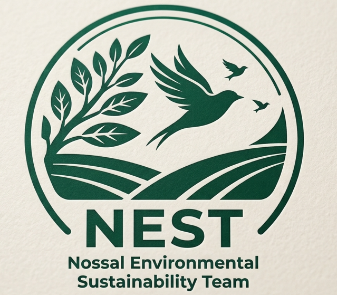
On Friday 21 August, student volunteers from NEST gave up their lunchtime to plant 20 Allocasuarina verticillata saplings around the school.
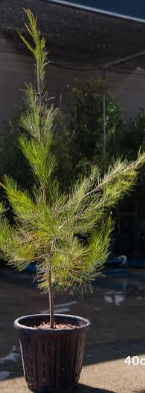
Commonly known as the Drooping Sheoak, Allocasuarina verticillata is a medium-sized evergreen tree native to southeastern Australia, found naturally across Victoria, South Australia, Tasmania, New South Wales, and Queensland.
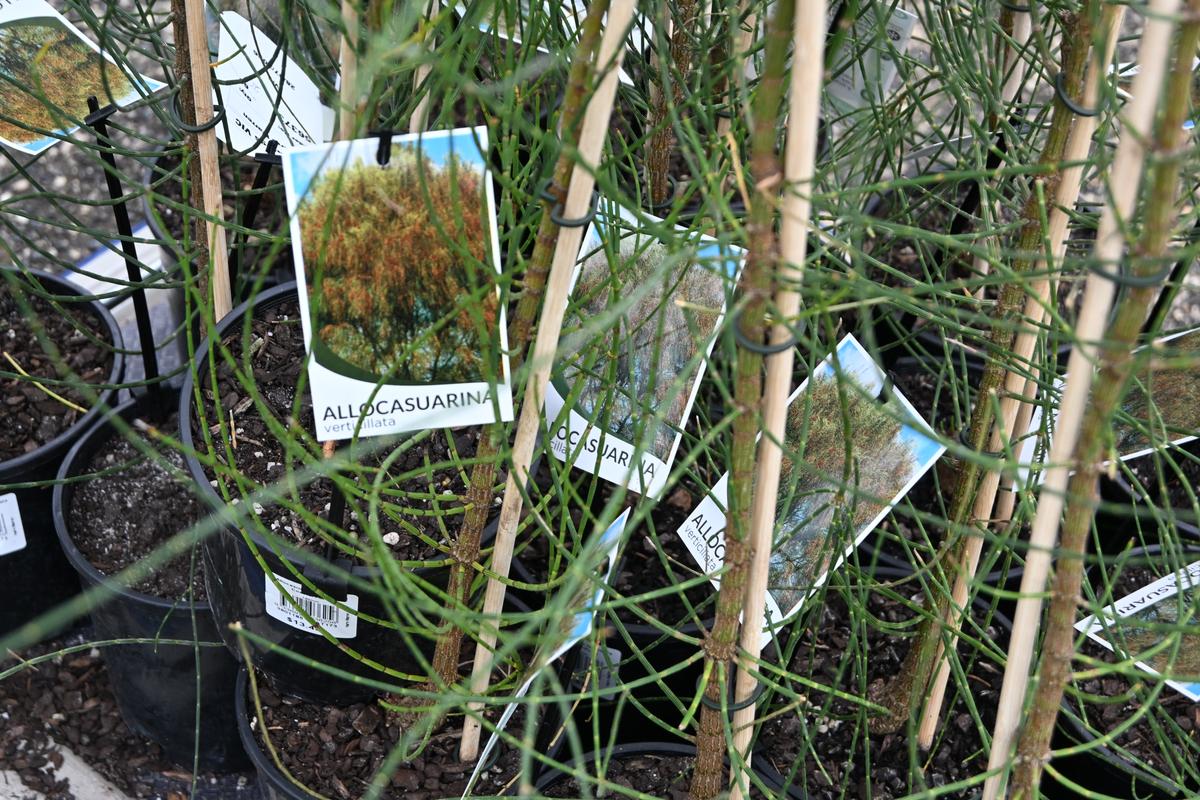
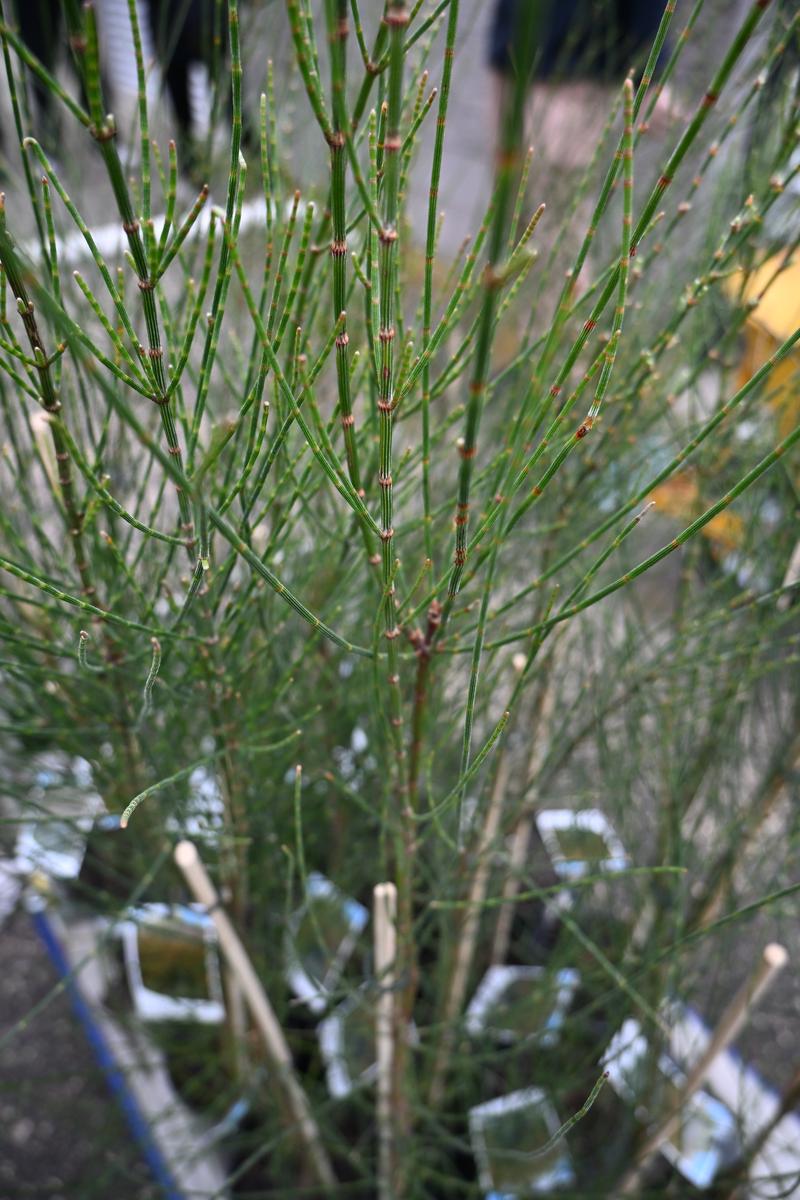
The tree holds deep significance for First Nations Peoples; the Woiwurrung people call it Wayetuck and traditionally used its dense wood to craft tools and boomerangs, while consuming its young shoots and cones for sustenance and hydration.
Before planting, Mr Blanchard guided the students through preparing the soil and root systems to ensure the trees established strong roots and had the best chance of survival. The saplings were then planted in the area stretching from the school garden to the back of the top oval.
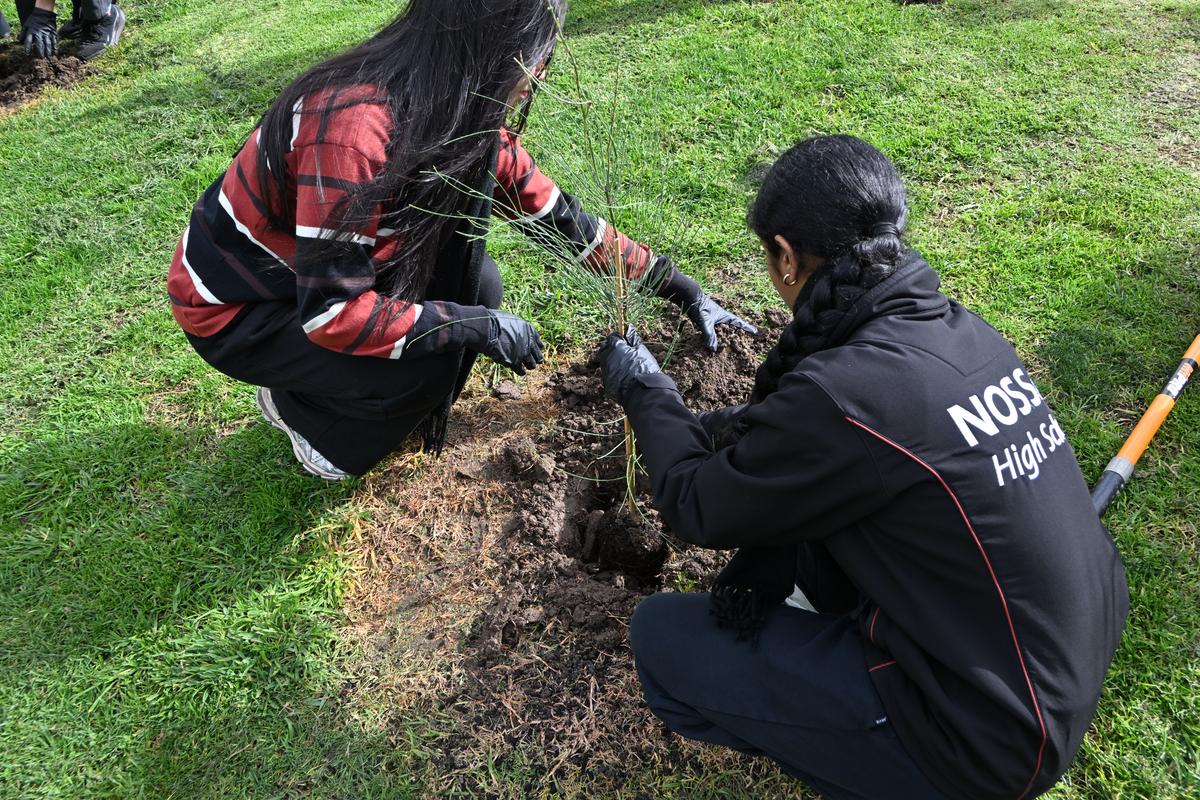
The initiative gave students a meaningful opportunity to collaborate, get their hands dirty, and take pride in enhancing the campus environment. Beyond offering a refreshing break from the usual lunchtime routine, the project was deeply rewarding, knowing these trees will continue to flourish and enrich the school community for years to come.
A big thanks to Mr Blanchard, Ms Ooi, and the NEST Leaders for making this event possible.
Noah Chun and Hunter Tran
Year 11 Students