Be Well and Prosper























 Aitken College

The importance of play in children’s learning and development
Learning through play is one of the most important ways children learn and develop.
Educators at your child’s early childhood education and care service might have told you that they use a ‘play based’ approach for children’s learning and development.
Play is an activity where children show their remarkable ability for exploration, imagination and decision making. While play is often described as ‘children’s work’, it is intensely enjoyable for them. The type of play children engage in and its purposes change over the course of childhood from infancy to adolescence.
You may have realised that as a parent, you don’t generally have to make children play or provide incentives to play. This is because children seem to have a natural urge to play and playing brings a level of pleasure and interest which means it can be maintained without external rewards.
How does play support your child’s development and learning?
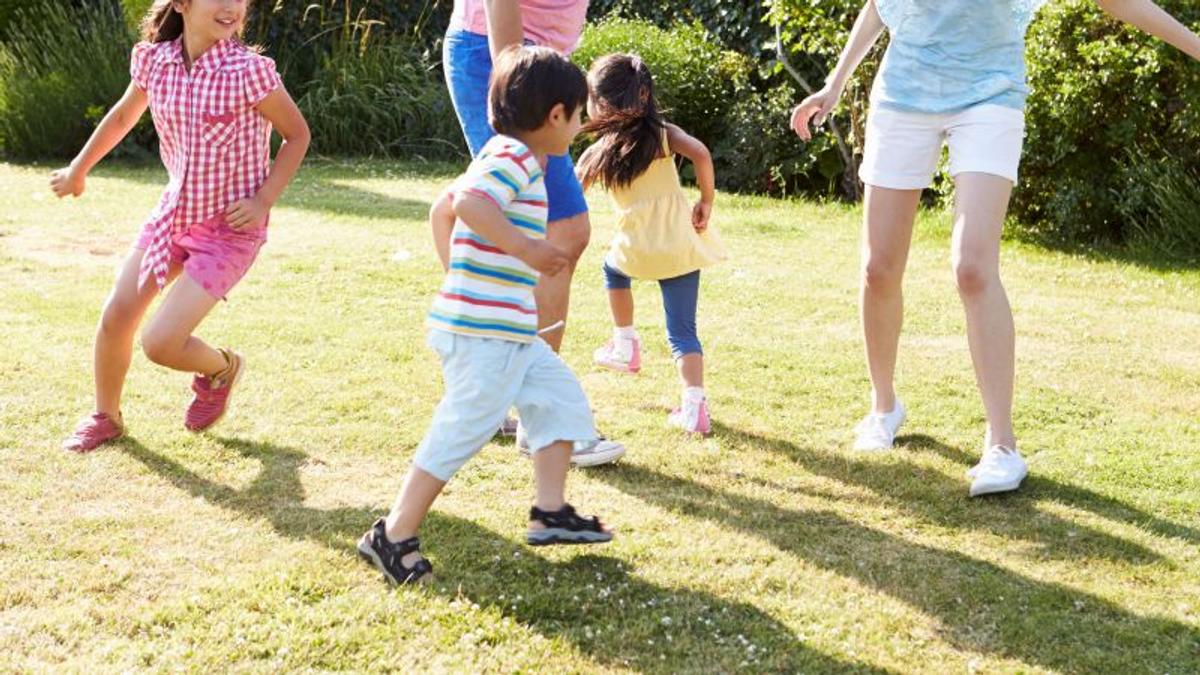
Physical development - active play using large and small muscles such as climbing, running, ball games, digging, jumping, and dancing. This supports children’s overall health and sense of wellbeing, physical growth, appreciation for the benefits of active lifestyles and skills for independence in self-help such as dressing or feeding.
Social and emotional development - dramatic and imaginative play which includes dressing up and role play can develop positive social and emotional skills and values. This provides opportunities for children to:
- practise how to work with other children, negotiate ideas, and make choices and decisions
- develop self-confidence by experiencing success and challenges
- learn to control their emotions, reduce impulsive behaviour, or reduce stress as they act out feelings and events that might be worrying them
- develop empathy and fairness as they learn to play alongside and with other children.
Cognitive development - when your child plays individually and with others their cognitive skills, such as thinking, remembering, learning and paying attention are all being developed. Children develop the following cognitive skills through play:
- problem-solving
- the power of imagination and creativity
- concepts such as shapes, colours, measurement, counting and letter recognition
- strengths such as concentration, persistence and resilience.
Literacy and numeracy development - play requires thinking, language, interactions, curiosity and exploration. Through play children develop skills and understandings including:
- an increased understanding of words and their use
- listening and speaking skills
- writing skills through scribbling, painting and drawing
- learning how stories work (plot, characters, structure, purpose and format of words on a page)
- learning that objects can stand for something else (a block can be a symbol for a telephone) which is foundation learning for formal reading, spelling and numeracy because letters, words or numerals are part of symbol systems
- learning that letters, words, symbols, numerals and signs have a purpose and are meaningful to others.
What does a play based approach to learning look like?
Educators at early childhood education and care services use a wide range of play based experiences for children’s learning and development rather than using structured ‘lessons’ or formal teaching experiences. They set up games indoors and outdoors that are age appropriate, which can be played safely and enjoyably by every child.
Educators encourage children’s learning through play by:
- providing resources that reflect children’s ages, interests, knowledge, strengths, abilities and culture to stimulate and support play. Resources which allow open ended use of items like blocks or cardboards boxes foster creativity and the ability to manipulate concepts mentally as children. For example, turn a box into a car.
- planning play experiences based on the assessment of children’s individual differences, interests, developmental needs and ability. For example, as a child learns to hold a pencil to draw and write, educators will give children different sized objects to grasp, and to build strength in the child’s fingers.
- observing children as they play so that they can understand how they play with other children, what skills and understanding they demonstrate in play and what activities can strengthen their skills in play.
- joining in children’s play to extend the child’s learning and to model skills such as reasoning, appropriate language, and positive behaviours.
- providing large blocks of unhurried and uninterrupted time for play for children’s ideas and games to develop.
How can you contribute to your child’s learning through play?
Children’s success as learners depends on strong foundations developed from infancy. Play based learning fosters critical skills, understanding and dispositions which are essential for your child’s lifelong learning and wellbeing. You can encourage your child’s learning through by:
- sharing information about your child’s interests and abilities with their educators so that they can plan play experiences for your child based on their interests and abilities
- playing with your child
- discussing your child’s program with the educators at your child’s service, and the activities your child enjoys playing and taking part in
- advocating for safe and interesting play spaces in your local community.

The importance of play in children’s learning and development
Learning through play is one of the most important ways children learn and develop.
Mr Ben Lawless
Researcher