Learning Across the ELC
Where Learning Begins
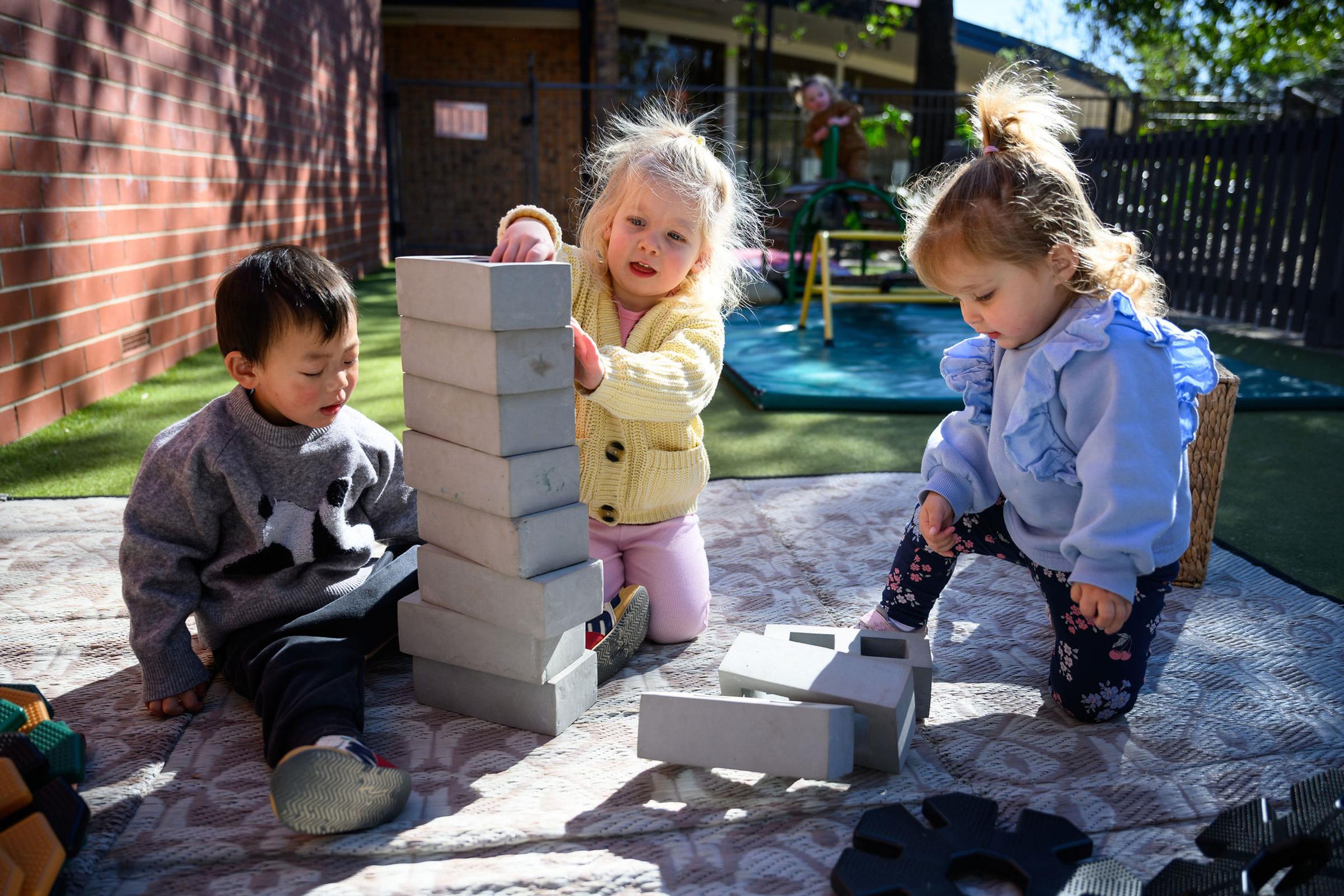
At Loreto ELC, we believe learning begins long before children are invited into an experience - it begins in the environment.
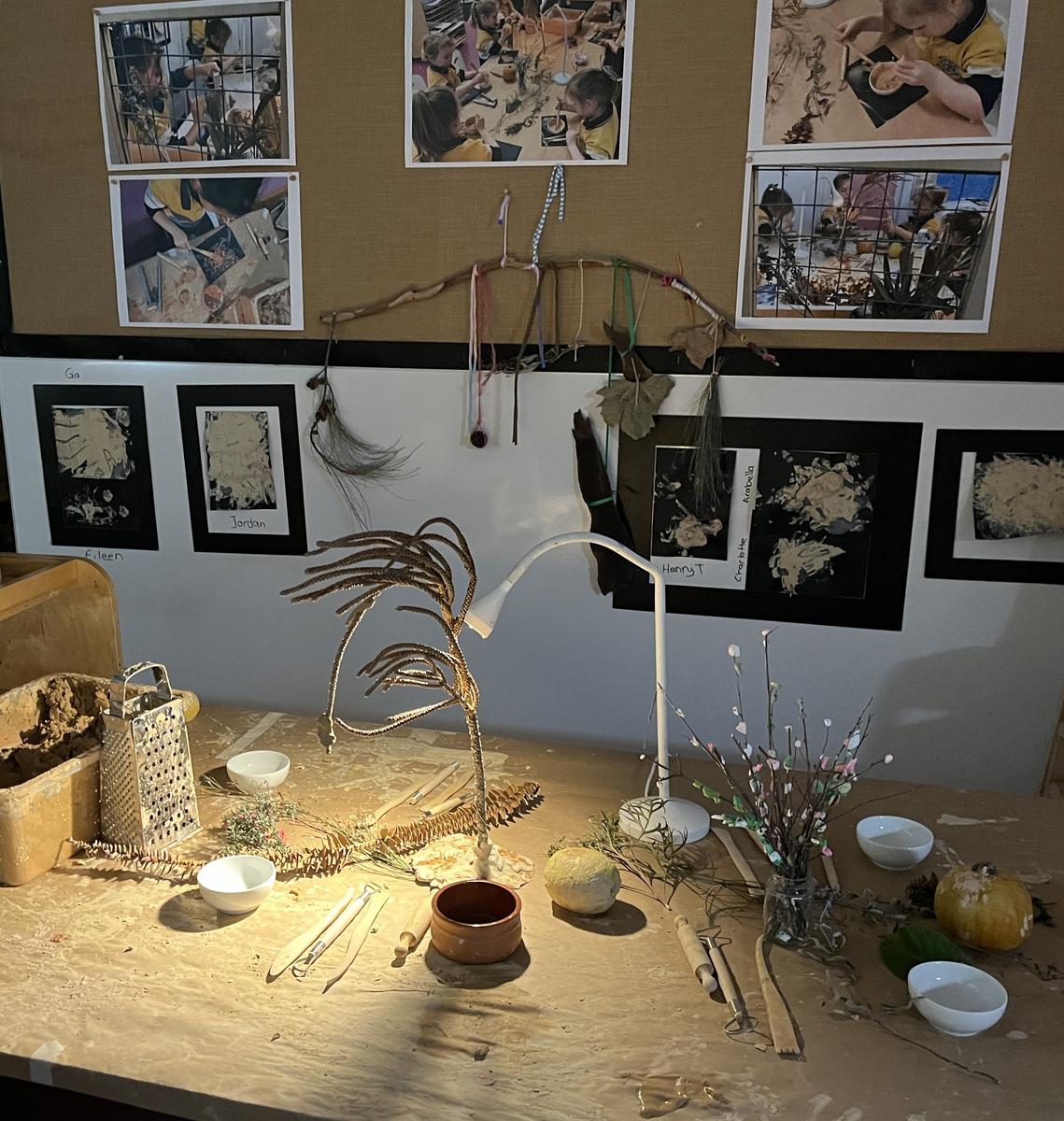
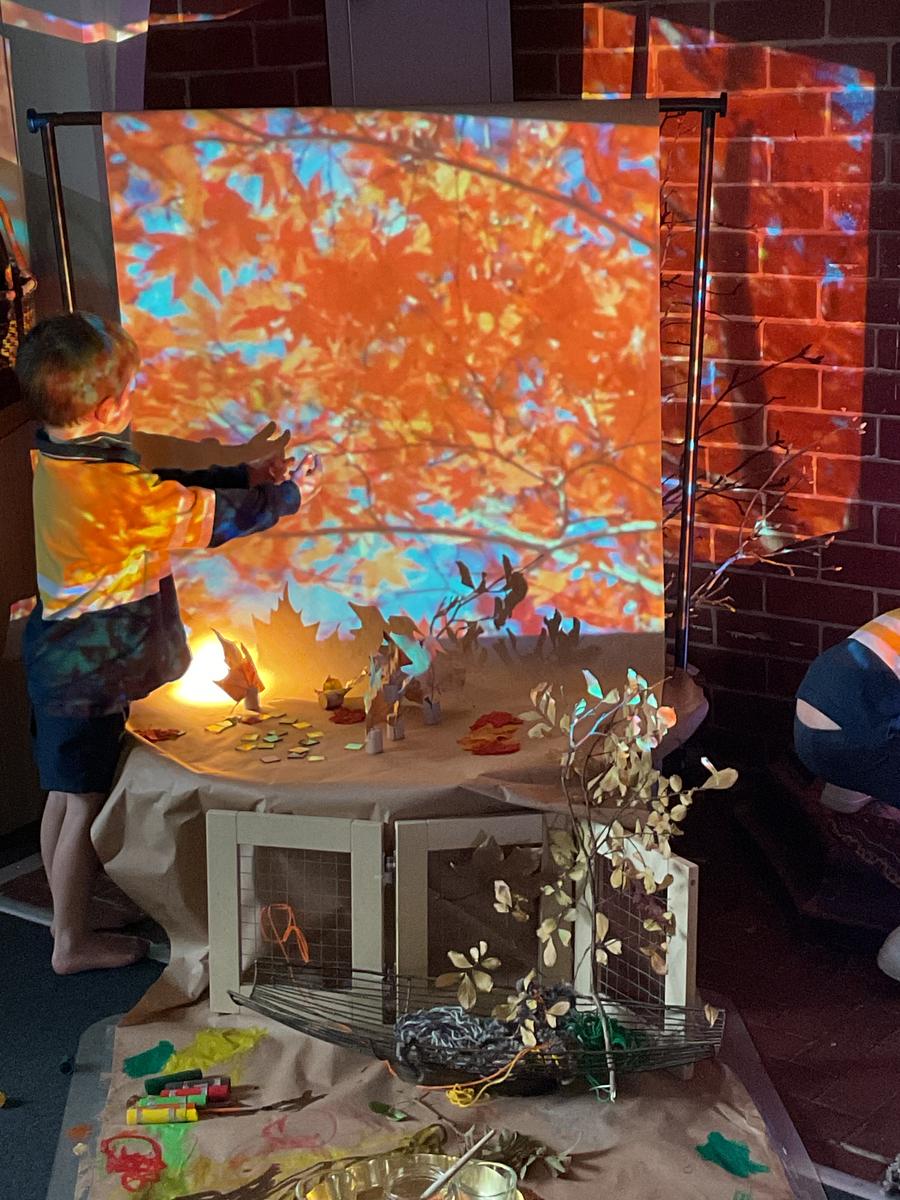
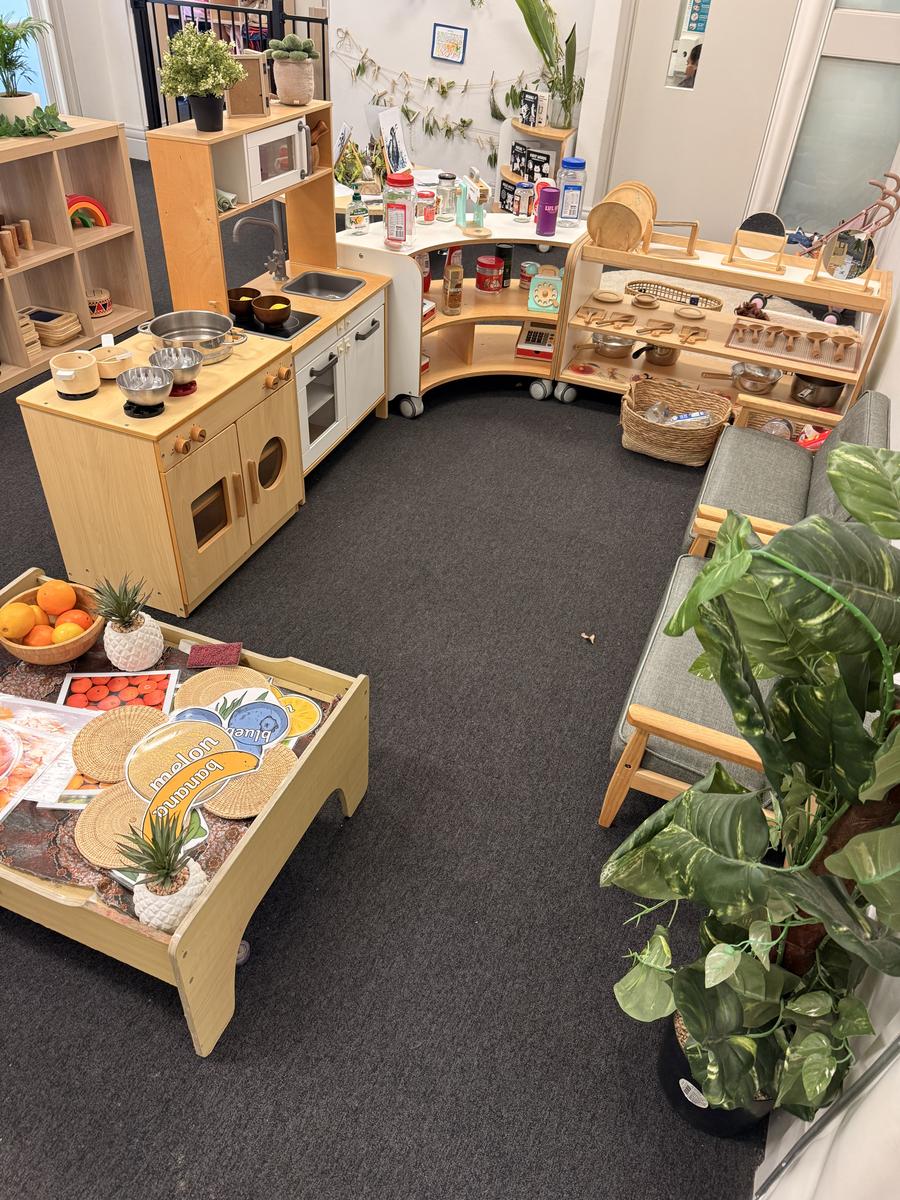
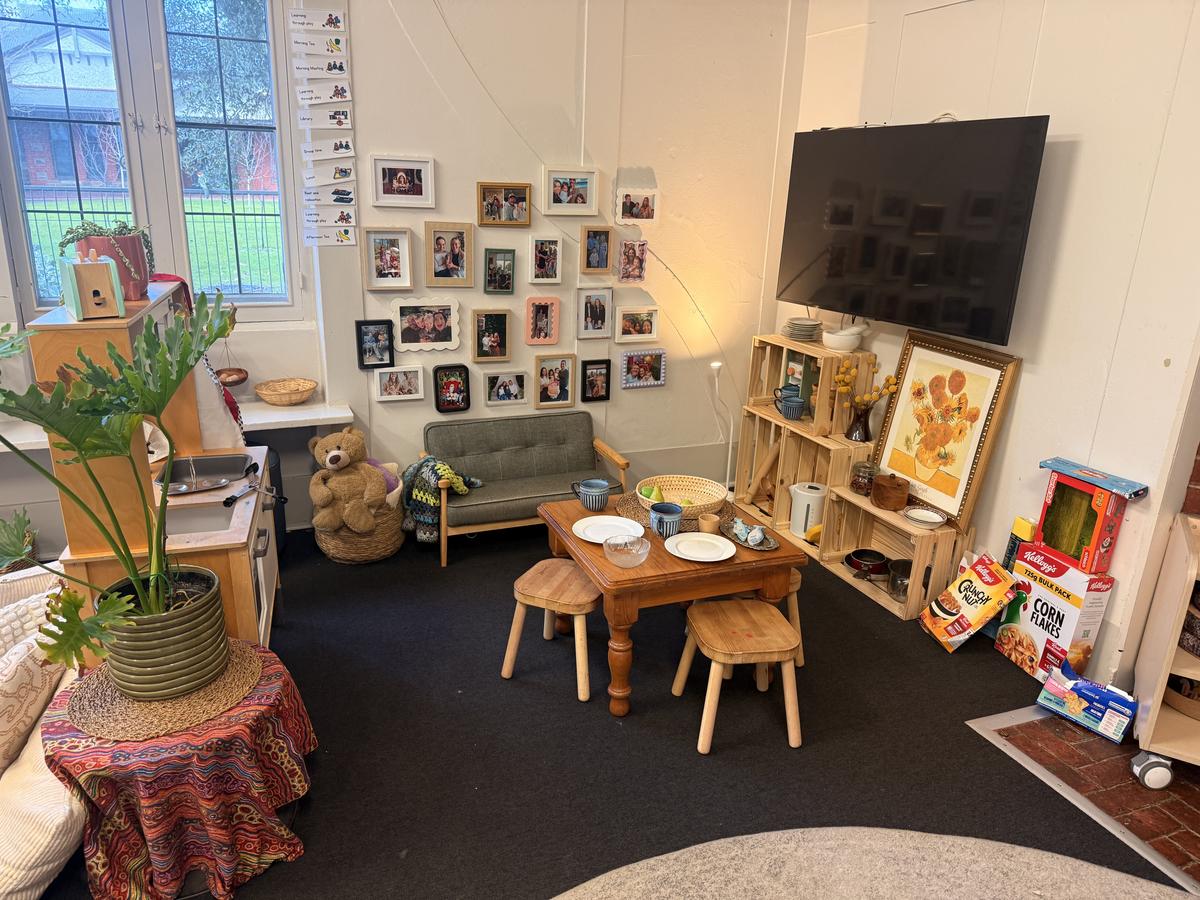
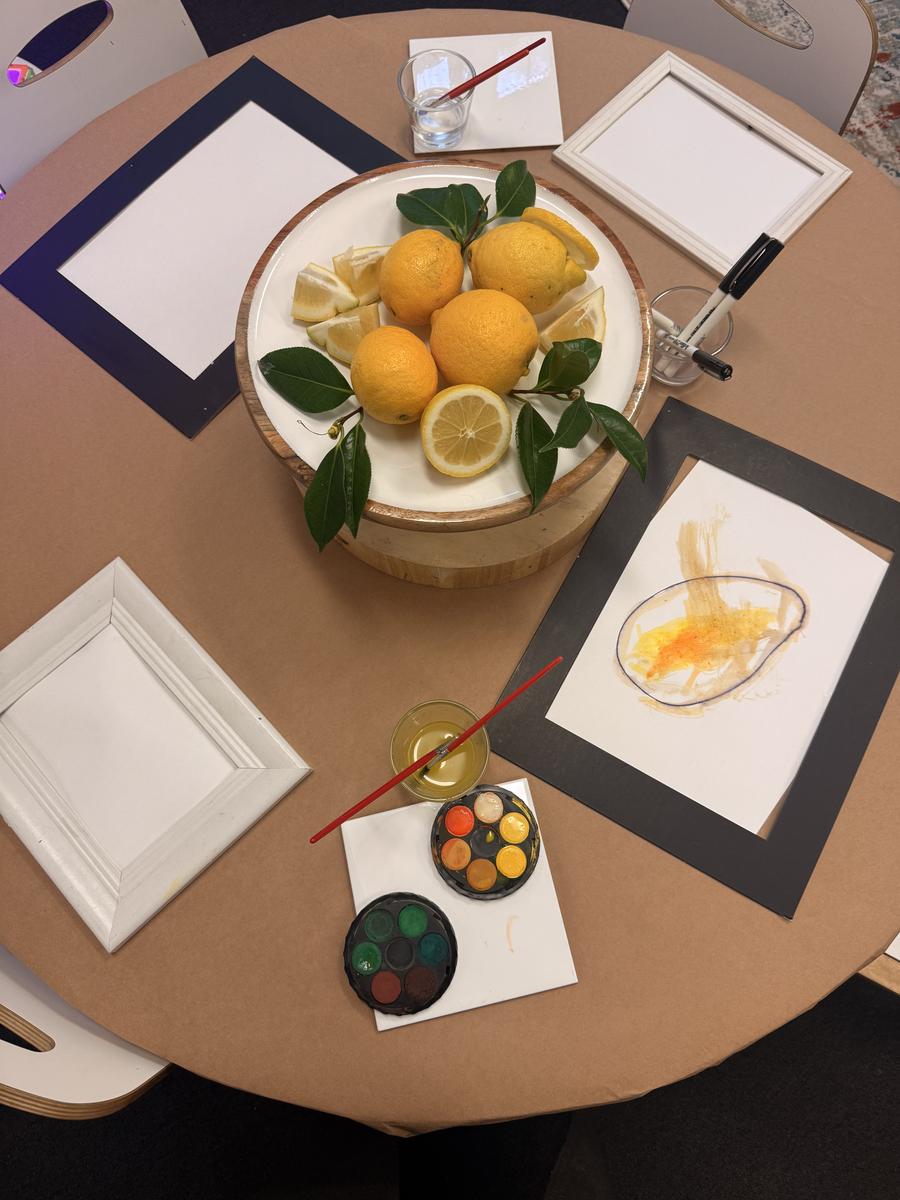
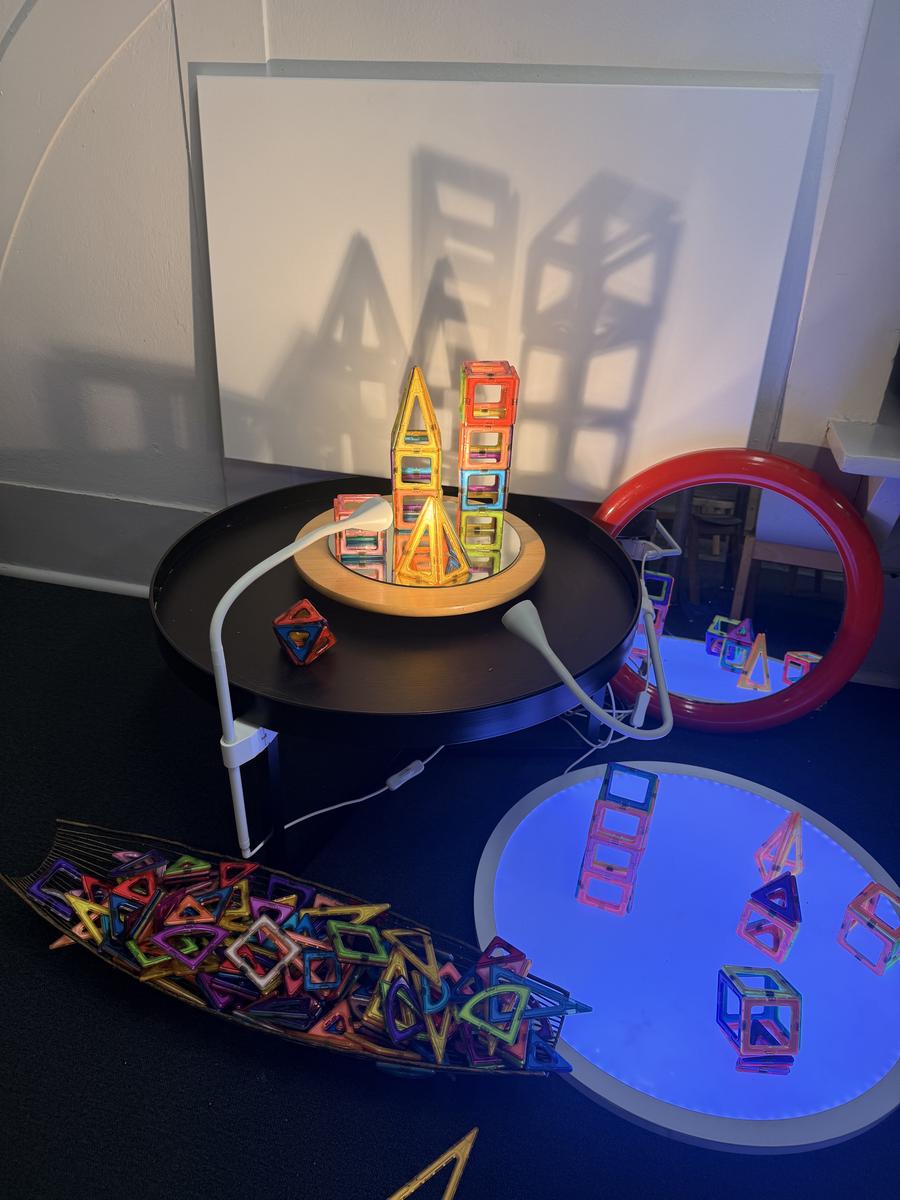
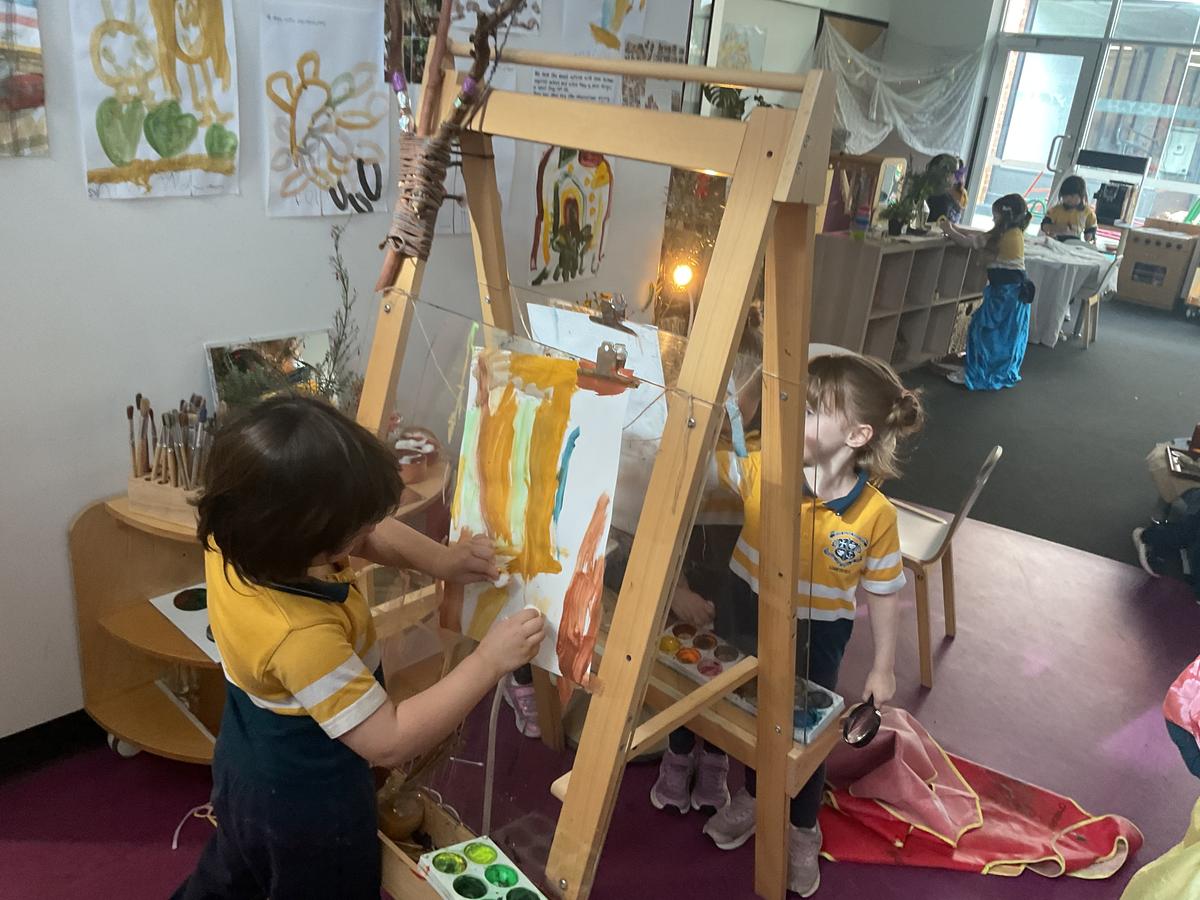
This term, our educator teams have been engaged in deep professional reflection, revisiting the Reggio Emilia principle of 'The Environment as the Third Teacher'. Alongside children and educators, thoughtfully curated environments play an active role in provoking curiosity, nurturing relationships and making learning visible.
Central to this work is our shared 'Image of the Child'. We see every child as capable, competent and full of potential, challenging us to create spaces that communicate trust, possibility and respect. Rather than viewing learning as something transmitted by adults, we recognise children as active protagonists who co-construct knowledge through collaboration, inquiry and meaningful relationships.
This ongoing reflection has been enriched through sustained professional learning with Kate Mount, pedagogical consultant from Reggio Emilia Australia Information Exchange (REAIE) and a highly respected leader within Australia's early childhood education sector. Working in partnership with Kate has encouraged our educators to critically examine the relationship between pedagogy, the environment and the image of the child, while strengthening our shared commitment to intentional practice. This collaborative approach reflects our belief that exceptional learning for children is grounded in educators who are themselves lifelong learners, continually engaging with contemporary research, professional dialogue and reflective practice to ensure our environments remain responsive, inspiring and intellectually rich.
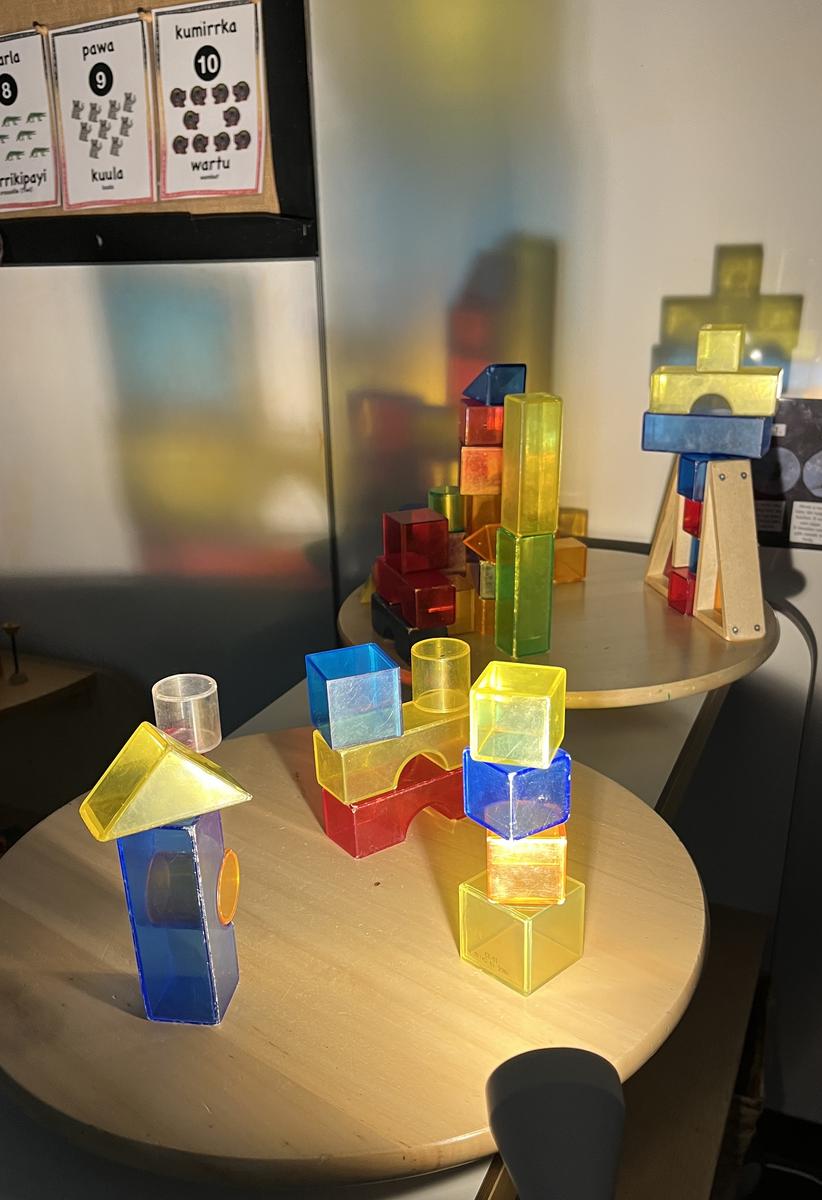
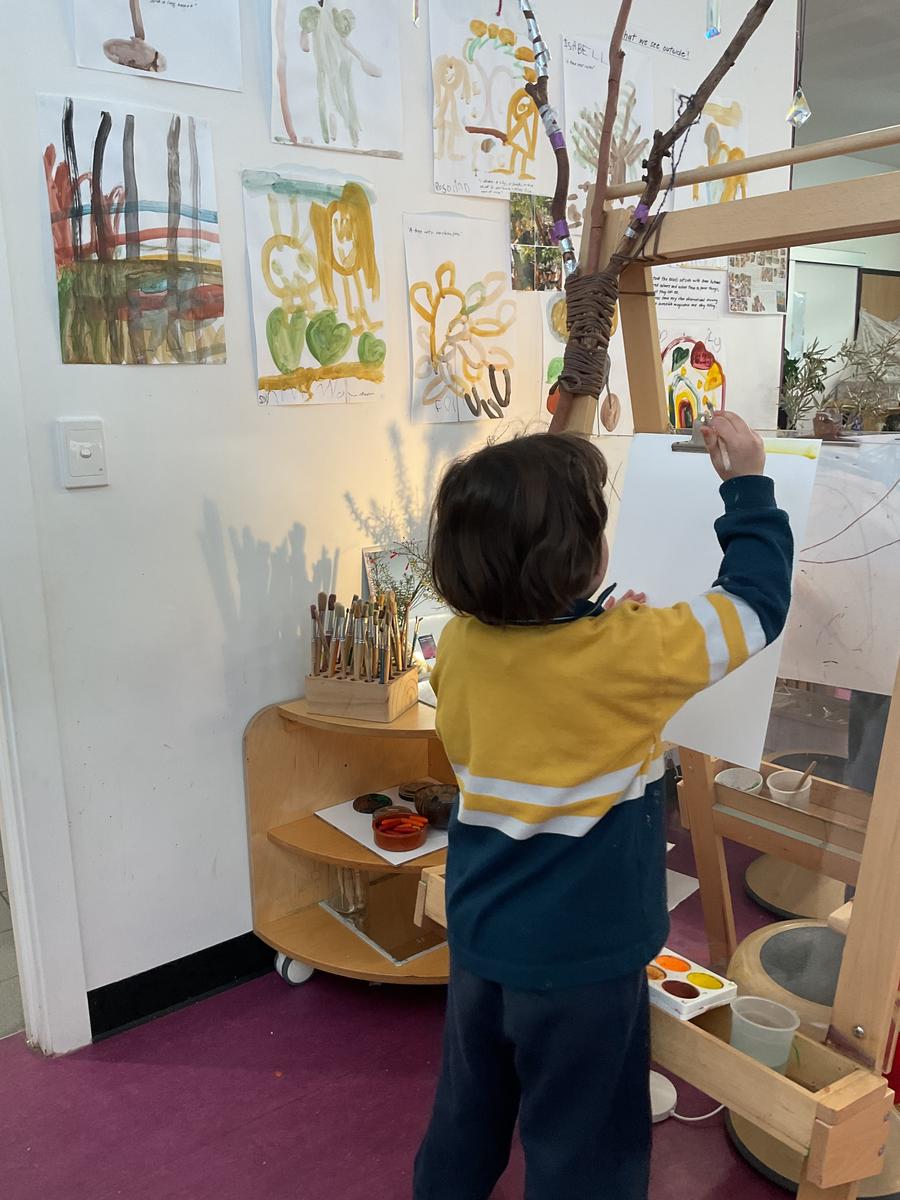
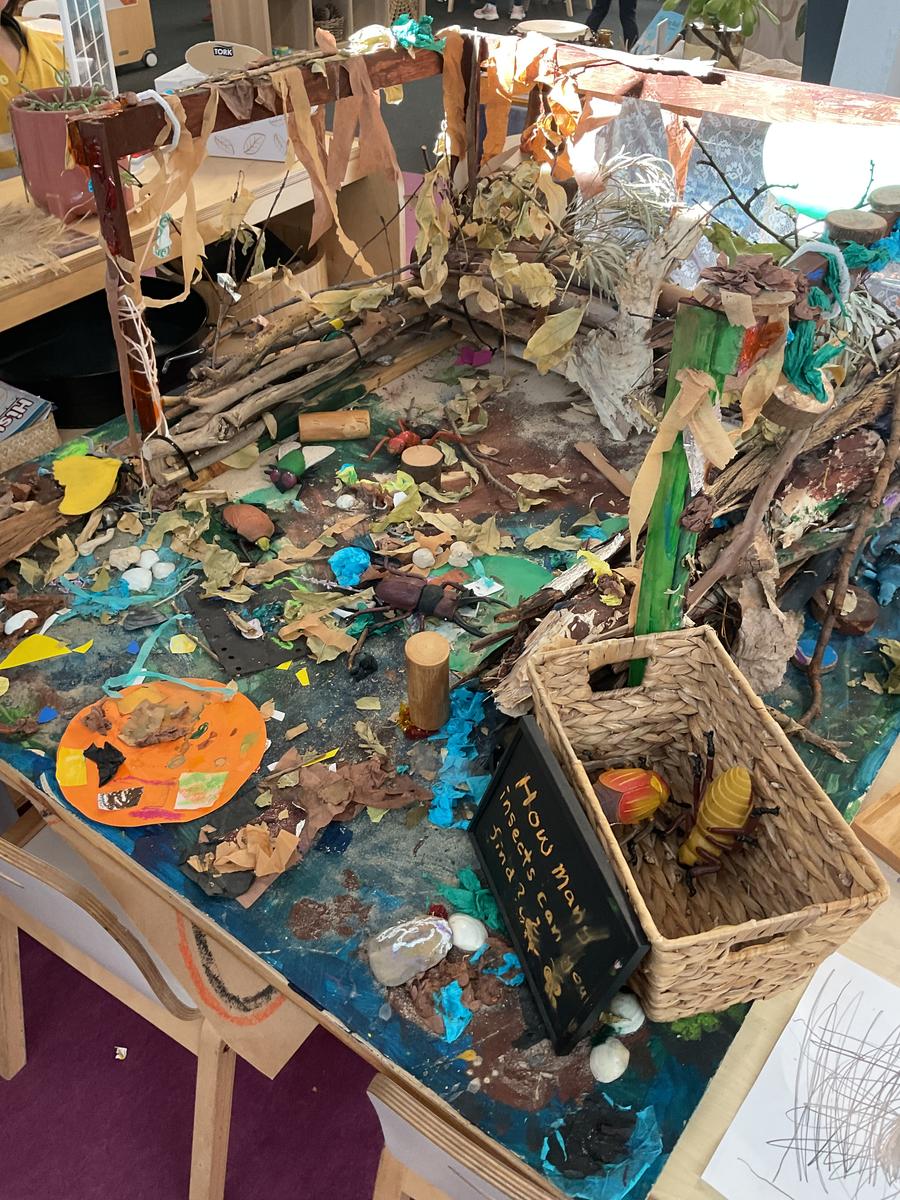
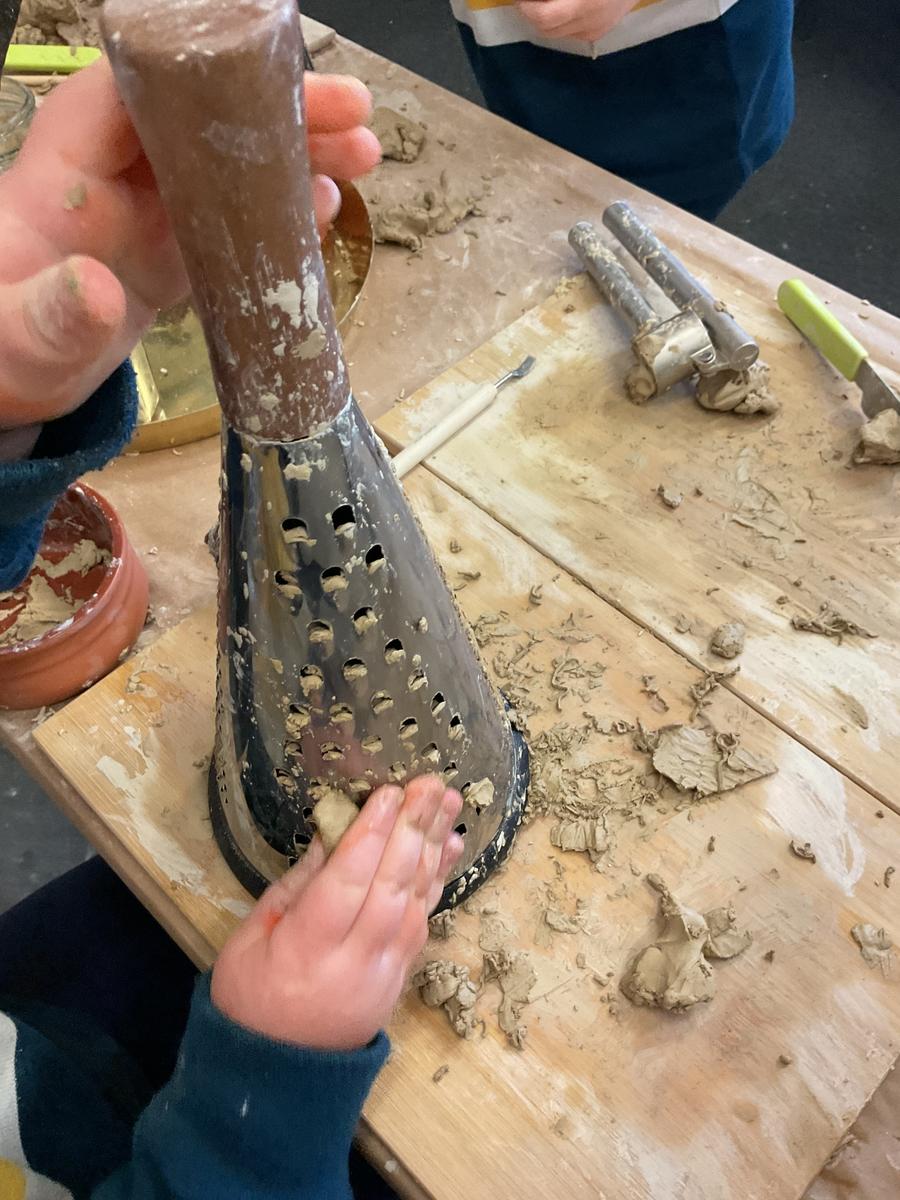
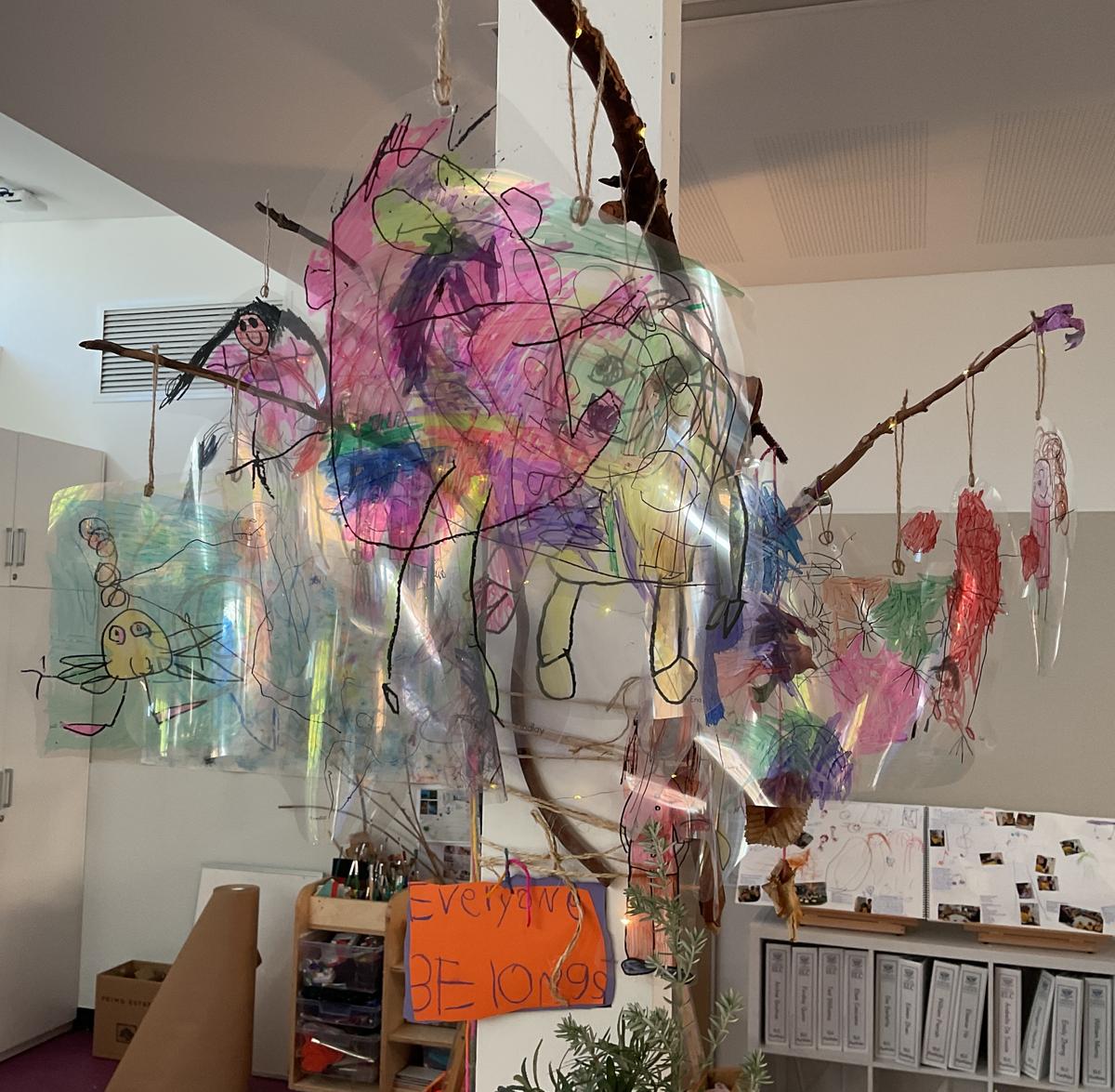
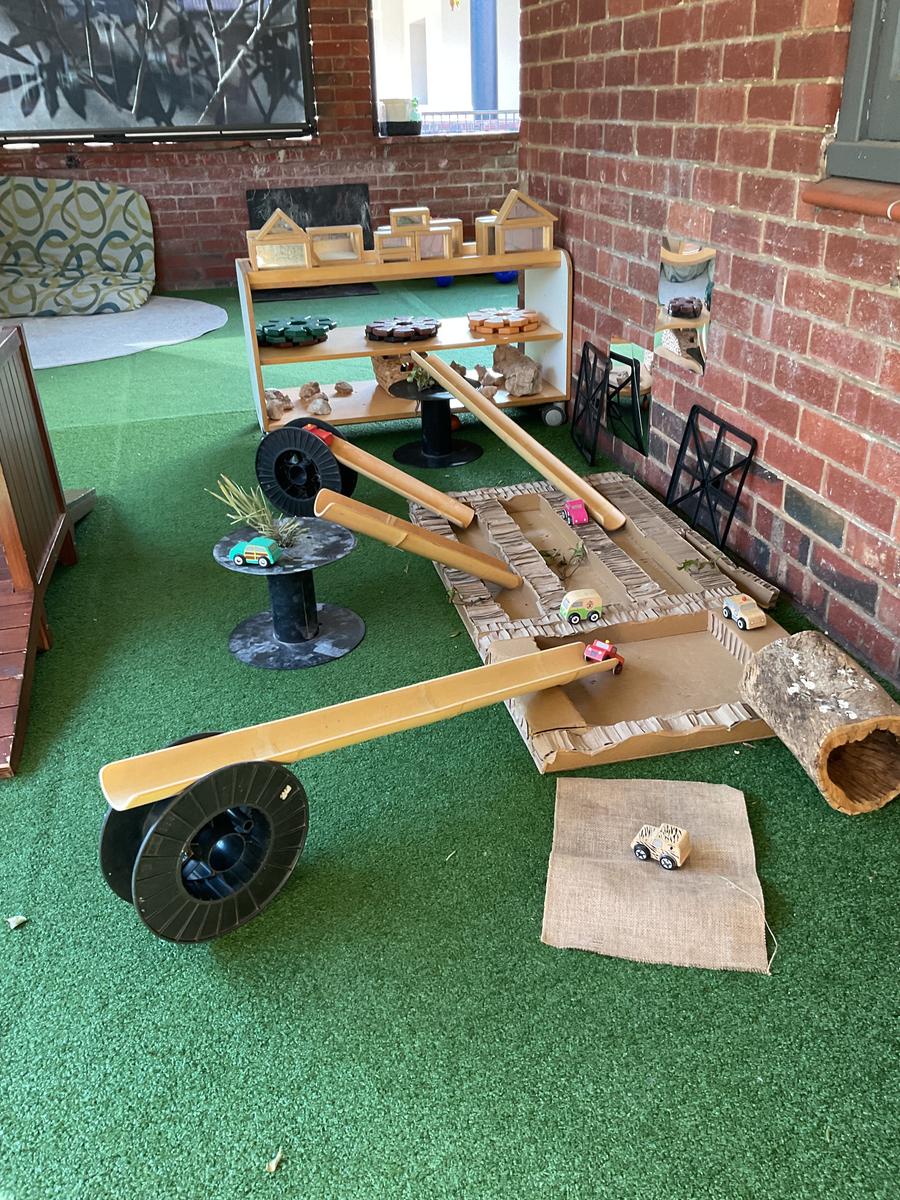
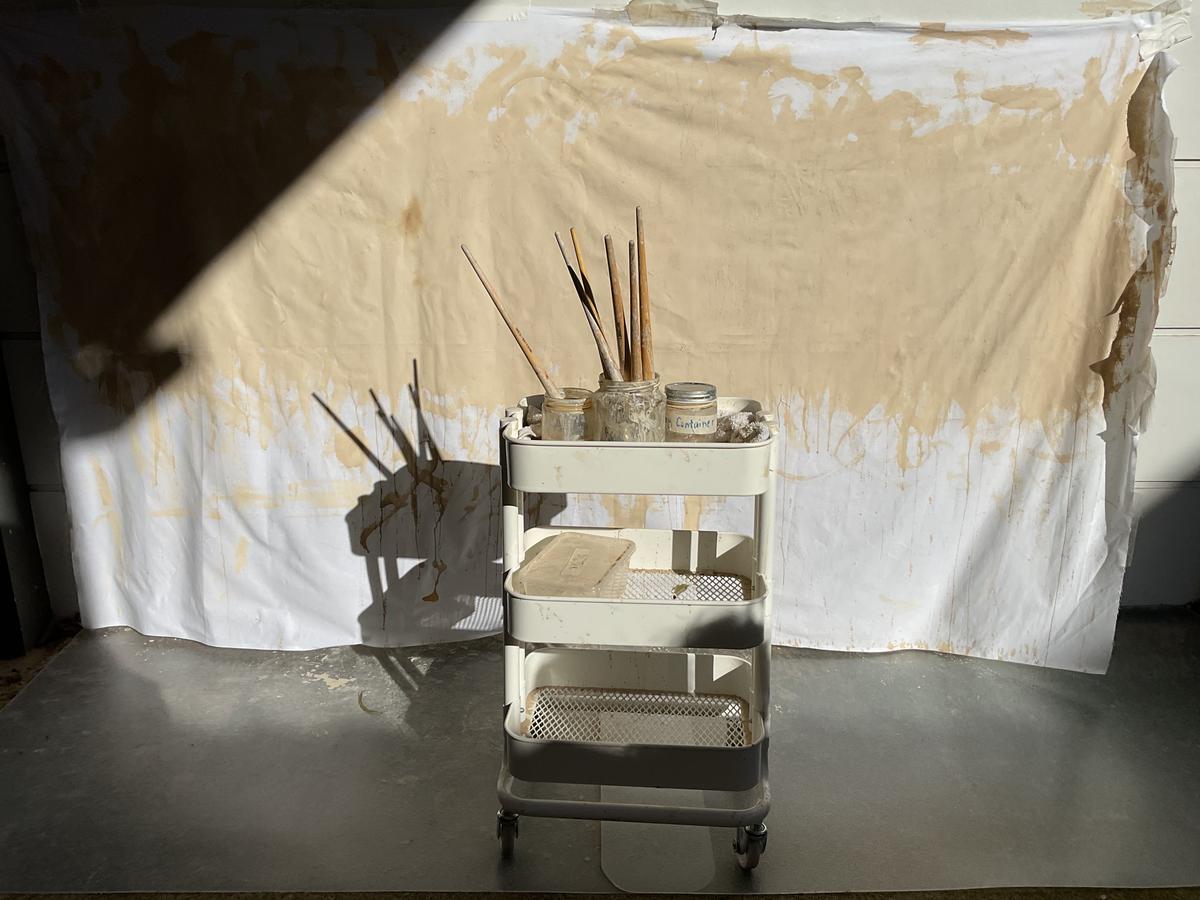
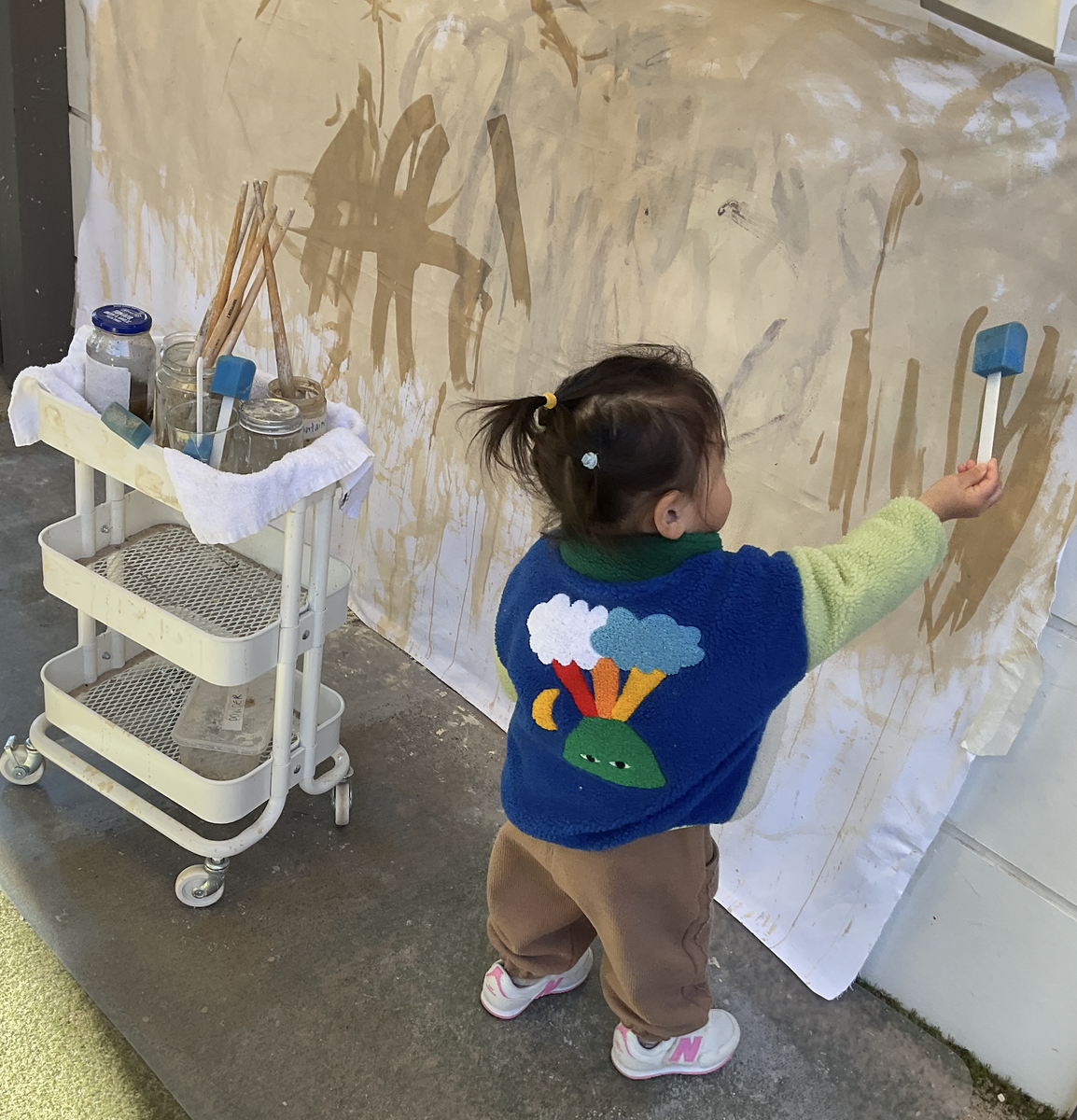
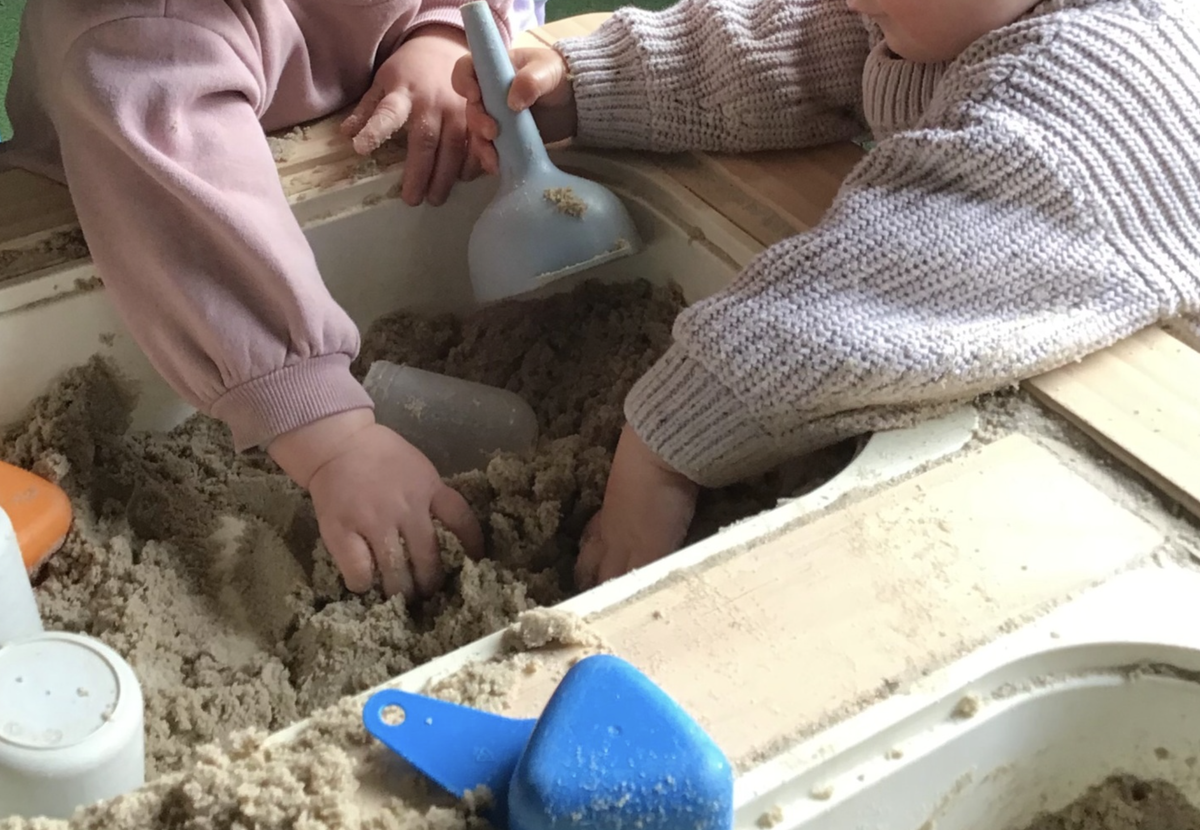
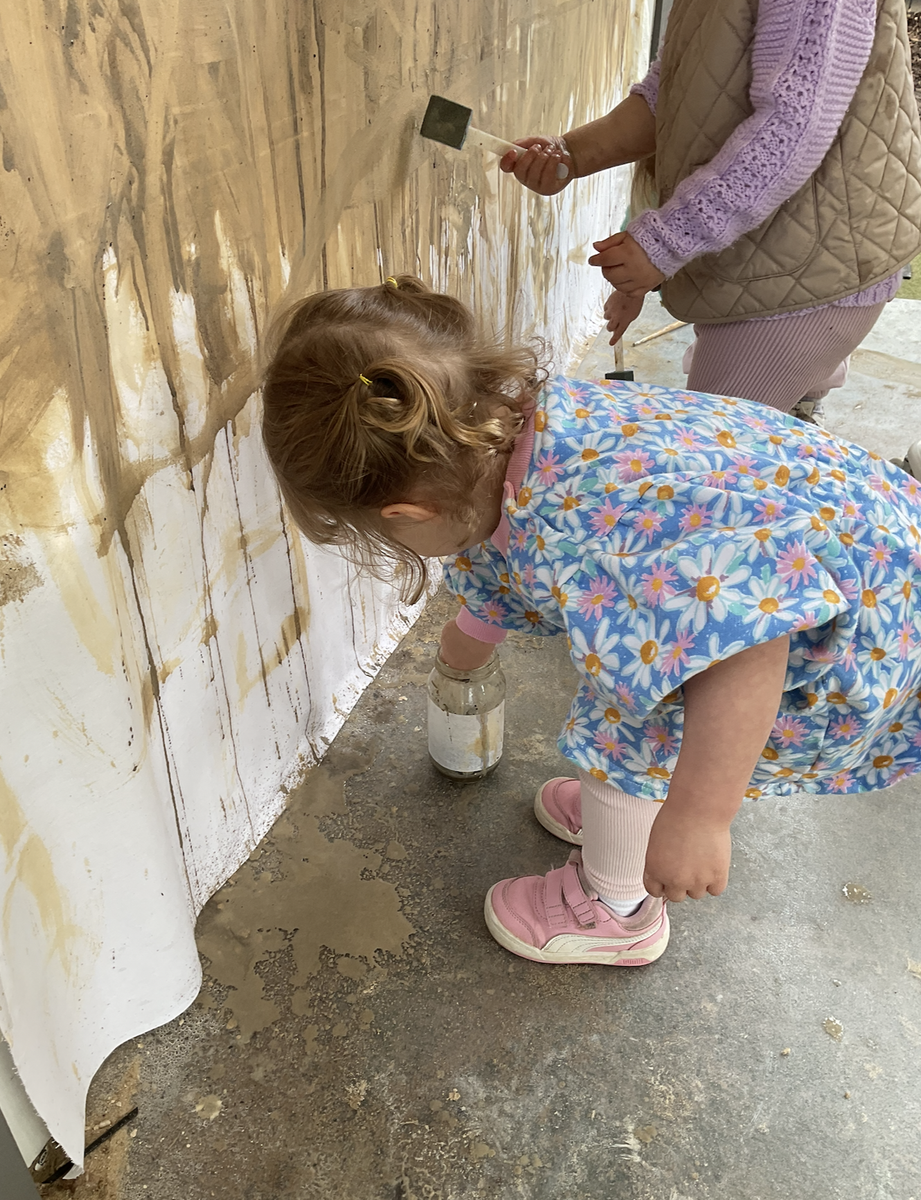
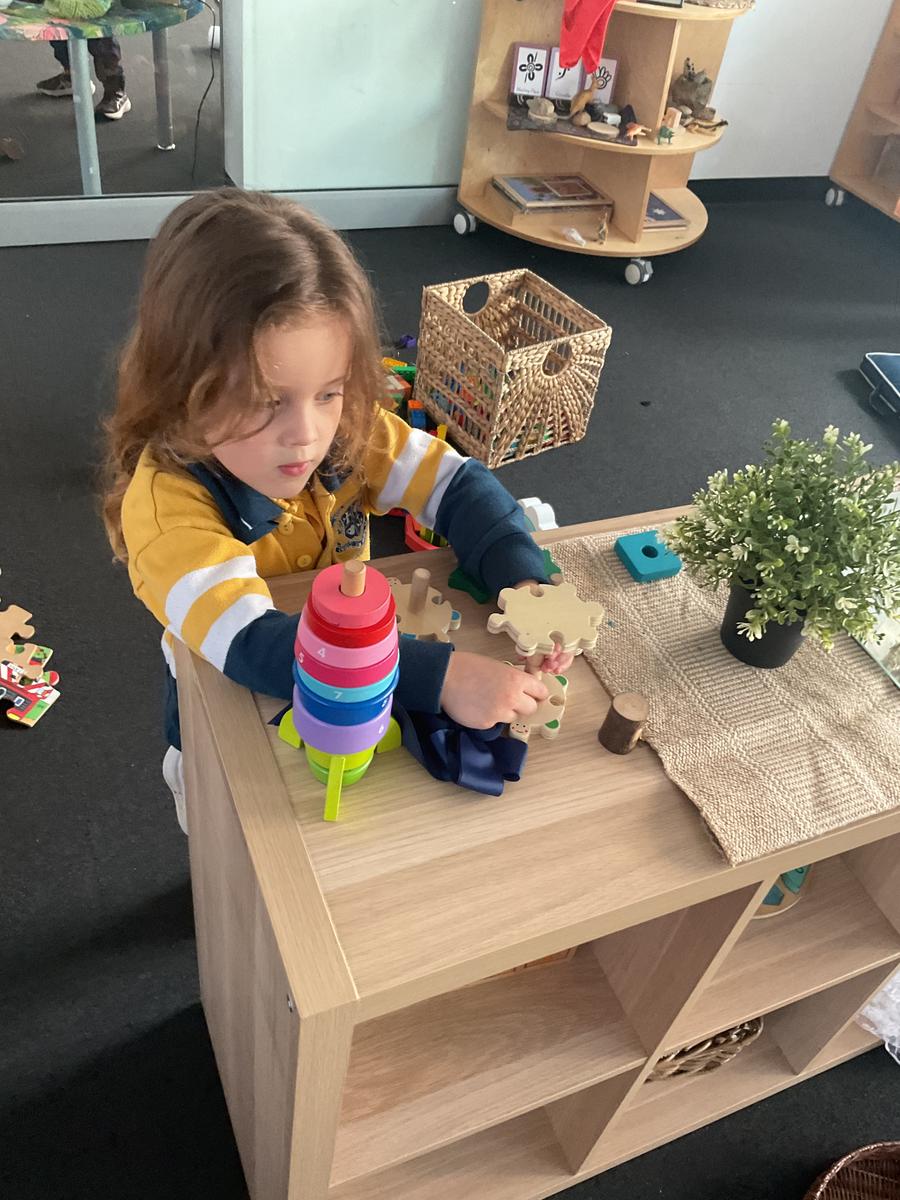
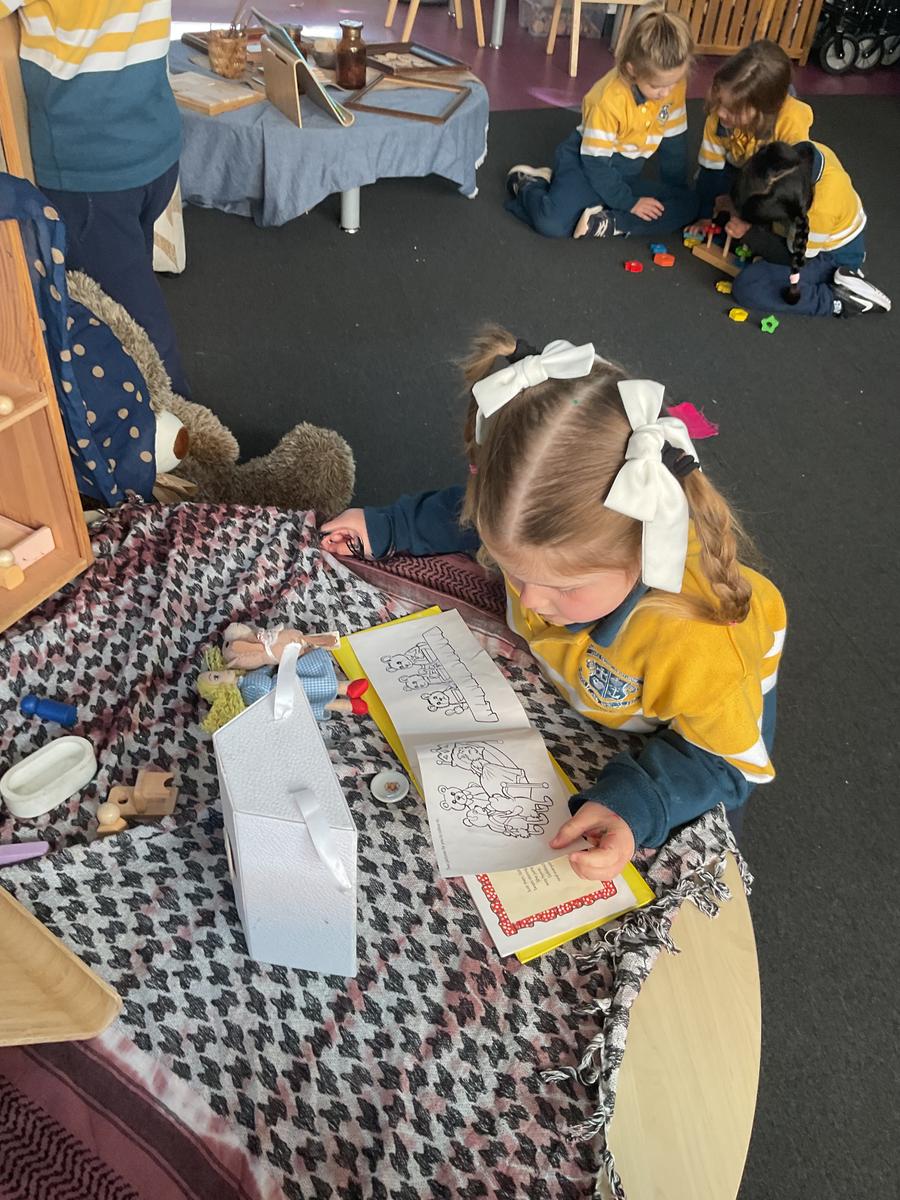
Flexible spaces, natural materials, authentic tools and carefully curated provocations invite children to investigate, revisit and extend their thinking. Pedagogical documentation captures these learning journeys, informing our ongoing curriculum and ensuring it evolves alongside children's questions, theories and discoveries.
Our educators have also reflected on how each environment expresses our pedagogical values by asking: Does this space inspire agency, collaboration and deep thinking? Are children's identities and ideas visible? Does the environment invite wonder and sustained inquiry? These conversations are fundamental to our commitment to continuous improvement and educational excellence.
Families may notice evolving learning spaces, carefully selected resources and richer displays of children's thinking. While these refinements may appear subtle, they reflect our ongoing commitment to creating environments where children experience belonging, develop strong dispositions for learning and continually refine their understanding of the world.
As part of a connected ELC to Year 12 learning community, we recognise that the foundations established in the earliest years shape a lifetime of learning. By intentionally designing environments that honour children's capabilities, we cultivate curiosity, creativity, resilience, collaboration and agency - qualities that prepare children to thrive as learners, contributors and active citizens in an ever-changing world.
We invite you to explore a selection of our learning environments below. More than beautiful spaces, they reflect our shared belief that every child deserves an environment where their ideas are valued, their capabilities are trusted and their potential can flourish.
Emily Kohler
Banksia Gold Teacher
A Fantastic Start to the New Term and a Warm Welcome Our Four New Preschoolers
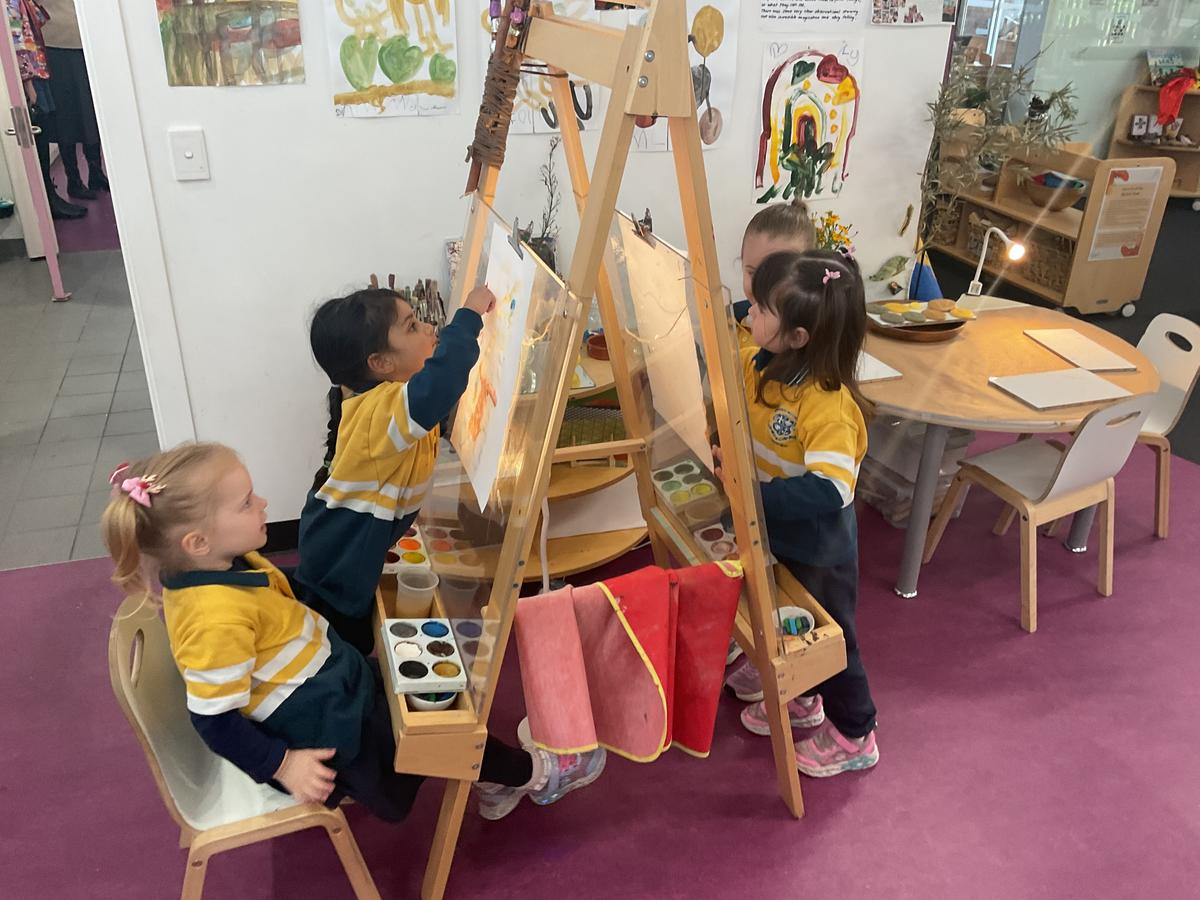
We have had a fantastic start to the new term and would like to warmly welcome our four new preschoolers to the classroom. It has been wonderful to see how quickly they have settled into our learning environment, built new relationships and confidently joined in our daily routines.
This week, our learning has focused on numeracy and measurement, with children developing their understanding through hands-on experiences, investigations and meaningful conversations.
Together, we explored what measurement is, why we measure things, and the different tools we can use. The children shared their own ideas about what they would like to measure, demonstrating curiosity and beginning to recognise that measurement helps us compare and describe the world around us.
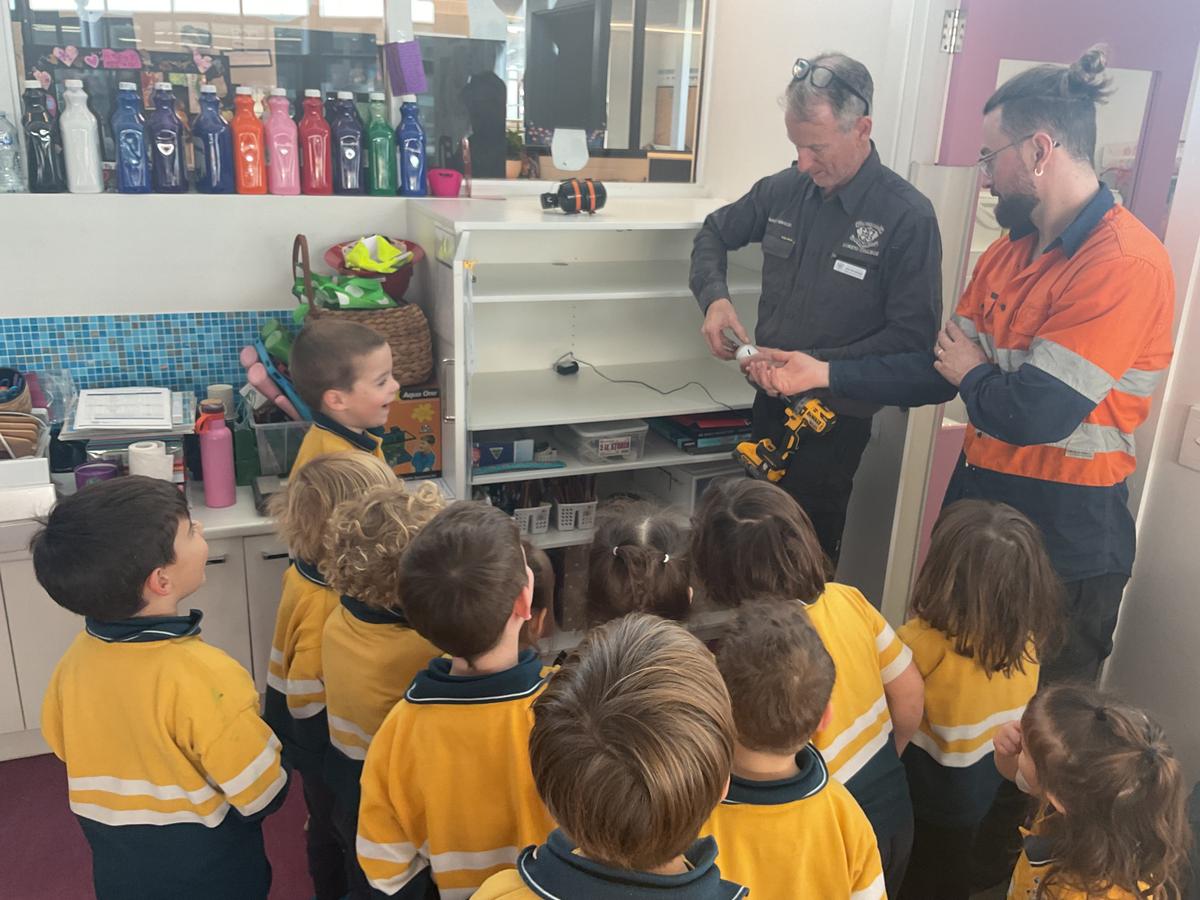
A highlight of the week was introducing a metre ruler. For many children, this was their first opportunity to explore this measuring tool. They made predictions, estimated lengths, compared objects and used mathematical language such as longer, shorter, bigger, smaller, same and measure. These experiences supported the children in developing an understanding that objects can be measured and compared using standard units and appropriate tools. We were also fortunate to have John, our Property Services Officer, visit the classroom to measure a space for a new cupboard. The children were highly engaged as they observed measurement being used in a real-life context. They asked thoughtful questions about the measuring process, watched John carefully, and enthusiastically offered their own suggestions and instructions. They were also quick to let him know whenever he made a mess, creating lots of laughter! This authentic experience helped the children make meaningful connections between mathematical concepts and everyday life while developing their observation, communication, and problem-solving skills.
Another special experience this week was attending the Heritage Mass. For many of our children, this was their first time participating in a school Mass. Afterwards, we reflected on the experience together. Many children shared that they enjoyed the singing, listening to the speeches and seeing all of the older students. This experience supported the children's sense of belonging as members of our wider College community. Our Preschool superstars were happily showing their new Preschool Blue friends around the campus.
As we continue our numeracy learning throughout the term, we will encourage the children to explore measurement, compare quantities, estimate, investigate patterns, and use mathematical language during play and everyday experiences. We look forward to watching their confidence, curiosity and mathematical thinking continue to grow.
This version aligns with preschool numeracy indicators by highlighting children's development in:
- using mathematical language (e.g. longer, shorter, bigger, smaller)
- estimating and predicting
- comparing and measuring
- selecting and using measuring tools
We can't wait to see where our 'Marvel of Measurement' inquiry takes us on our preschool learning journey.
Natalie Cocca
Preschool Teacher