
Wellbeing

🌱 FREE PARENTING PROGRAMS FOR
LE PAGE FAMILIES
Supporting our children starts with supporting ourselves! 💚
Parenting is one of life's most rewarding journeys, but it can also come with challenges. Whether you're navigating big emotions, managing behaviour, building resilience, dealing with screen-time battles or simply wanting to strengthen your relationship with your child, there is support available.
Le Page Primary School would like to share two excellent FREE online parenting programs for families to explore: Triple P – Positive Parenting Program and Partners in Parenting, developed by Monash University and its research partners.
🌟 1. Triple P – Positive Parenting Program
Suitable programs are available for families with babies, young children and primary school-aged children, with additional options for specific parenting challenges.
Learn practical strategies to:
- Build positive, nurturing relationships with your child.
- Encourage cooperation and manage challenging behaviours.
- Support emotional regulation, confidence and resilience.
- Navigate anxiety, screen time and everyday family challenges.
- Create a calmer, more positive family environment.
💻 Explore the free courses: https://www.triplep-parenting.net.au/au/parenting-courses/
💚 2. Partners in Parenting (PiP) – Monash University
Partners in Parenting offers free, interactive online programs tailored to different age groups and family needs, including PiP Kids for parents of primary school-aged children (approximately 5–11 years).
The program provides personalised feedback and practical strategies to help parents:
- Strengthen communication and connection.
- Respond to worries and big emotions.
- Navigate boundaries and family conflict.
- Support children's mental health and wellbeing.
- Build confidence in their parenting approach.
The modules are self-paced, accessible on a computer or mobile device, and generally take 15–25 minutes each.
💻 Explore the programs: https://partnersinparenting.com.au/
🌼 A gentle reminder to our families
You don't need to be experiencing difficulties to benefit from parenting support. These programs are a wonderful opportunity to build on the skills you already have, discover new strategies and feel more confident as your child grows.
Our school wellbeing team encourages families to explore these resources as part of supporting children's wellbeing at home and at school. We encourage all interested parents and carers to take a look and see what might work for their family.
Because when we support our parents and carers, we help our children thrive! 💚
Please visit the official websites for program details, eligibility and registration.
💚💚💚💚💚💚💚💚💚💚💚💚💚💚💚💚💚💚💚💚💚💚💚💚💚
🌱 Why Mistakes Help Us Learn
At Le Page Primary School, we want our children to understand that making a mistake does not mean you have failed — it means your brain is learning.
Mistakes are a natural and important part of growing, learning and trying new things. When something doesn't go the way we hoped, we have an opportunity to stop, think, make a change and try again.
Sometimes children can feel embarrassed or frustrated when they make a mistake. They may think, “I'm not good at this,” or “I can't do it.” We can help them change this thinking by reminding them that learning takes time and nobody gets everything right the first time.
💭 Try saying...
Instead of:❌ “I got it wrong.”
Try:🌱 “I'm still learning.”
Instead of:❌ “I can't do this.”
Try:🌱 “I can't do this yet.”
Instead of:❌ “I'm not good at it.”
Try:🌱 “What could I try differently?”
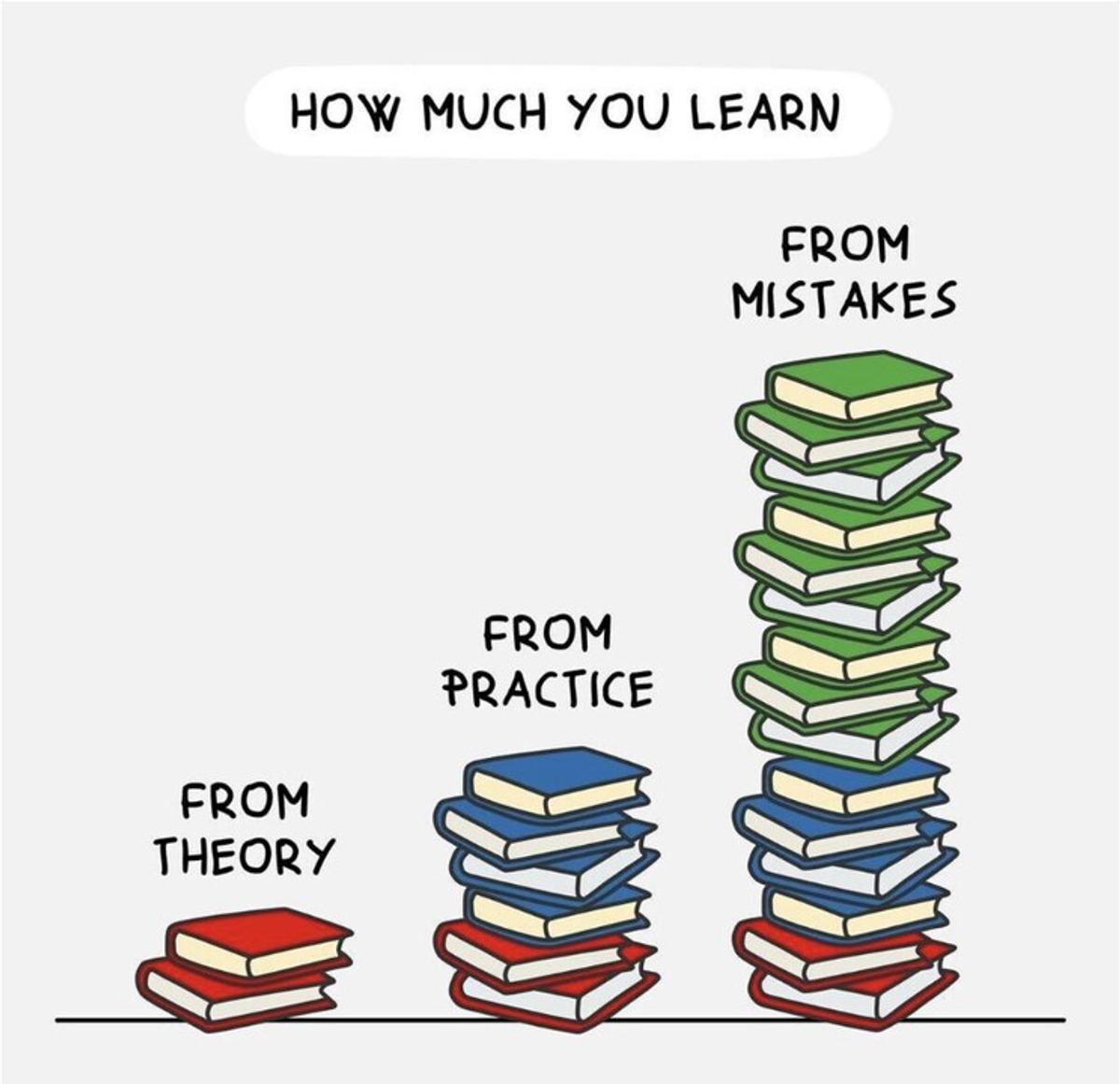
🧠 What happens when we make mistakes?
Mistakes give our brains valuable information. They help us notice what worked, what didn't work and what we might do differently next time.
Encourage your child to ask:
What happened? What did I learn? What could I try next?
This simple process helps children develop resilience, problem-solving skills and confidence.
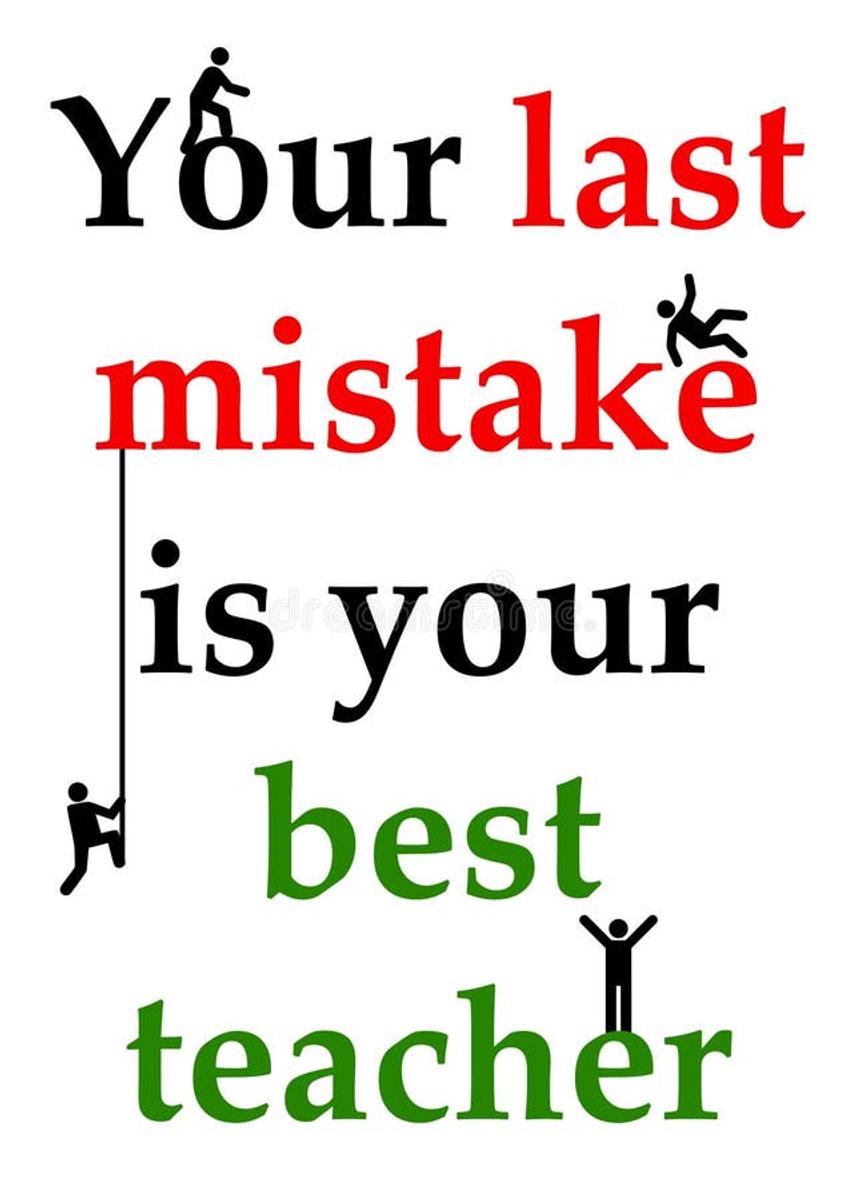
🏡 At Home
Try creating a family culture where mistakes are talked about openly and without shame.
You could share a mistake you made during the day and explain what you learned from it. This helps children see that adults make mistakes too!
When your child makes a mistake, try to focus less on the mistake itself and more on the learning that comes afterwards.
You might say:
💬 “That didn't work the way you expected. What could we try next?”
💬 “It's okay to feel frustrated. Let's take a breath and have another go when you're ready.”
💬 “I love that you kept trying.”
💬 “What did that mistake teach you?”
🌟 Our Leader in Me Connection
Mistakes connect beautifully with the 7 Habits of Highly Effective People.
Habit 1 – Be Proactive: We can choose how we respond when things don't go our way.
Habit 4 – Think Win-Win: We can look for solutions rather than focusing on who was right or wrong.
Habit 5 – Seek First to Understand, Then to Be Understood: We can take time to understand what happened and listen to ourselves and others.
Habit 7 – Sharpen the Saw: Learning, reflecting and having another go helps us continually grow.
Most importantly, we want our children to know:
🌱 “A mistake is not the end of learning — it is often where the learning begins.”
Let's celebrate the courage it takes to try, the resilience it takes to keep going, and the growth that happens when we learn from our mistakes.