Apollo
Grade 4

Apollo
Grade 4
Year 4 Newsletter – August 2026
Reminder! Include pictures of student work only. Avoid adding pictures of students until further notice.
Reading
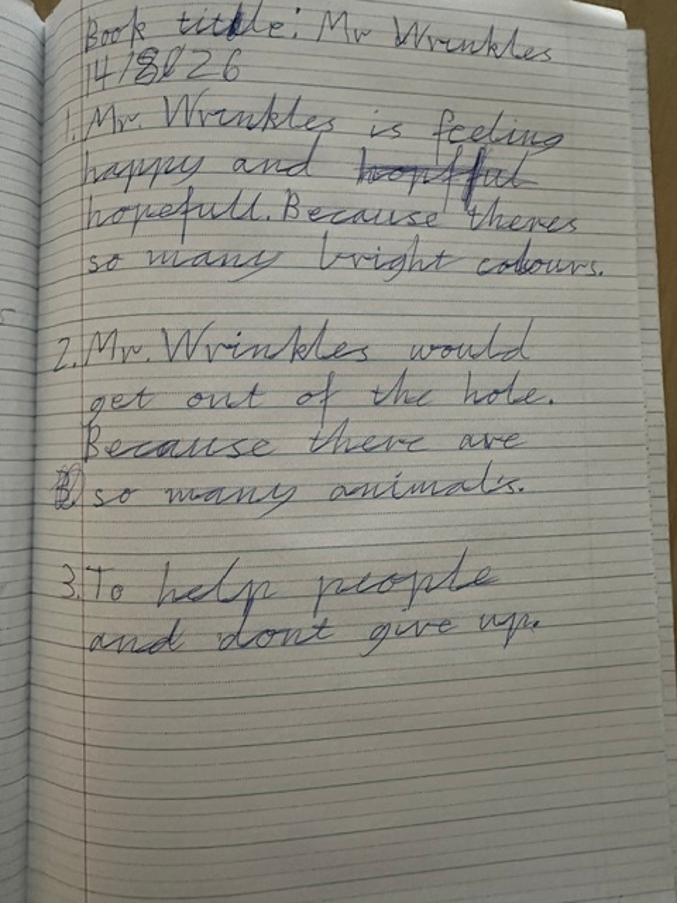
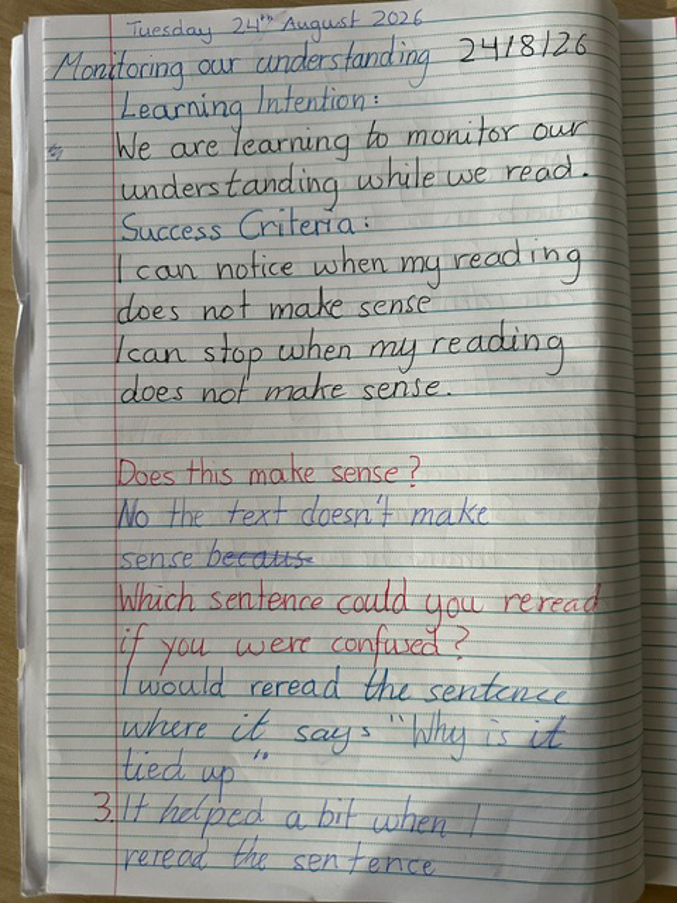
This month in Reading, students will continue to develop their fluency, comprehension and language skills through a variety of engaging texts and guided reading activities. We will focus on how readers can use their voice, tone and volume to match characters, emotions, moods and events in a text, helping to bring stories to life. Students will also learn to monitor their understanding while reading by stopping, thinking, rereading and using clues from the text when something does not make sense.
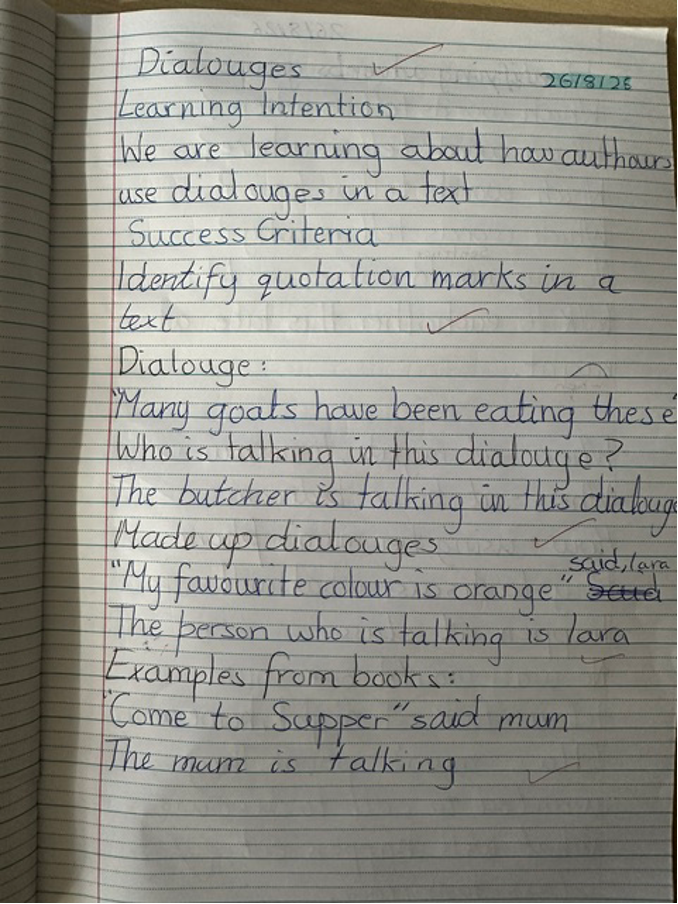
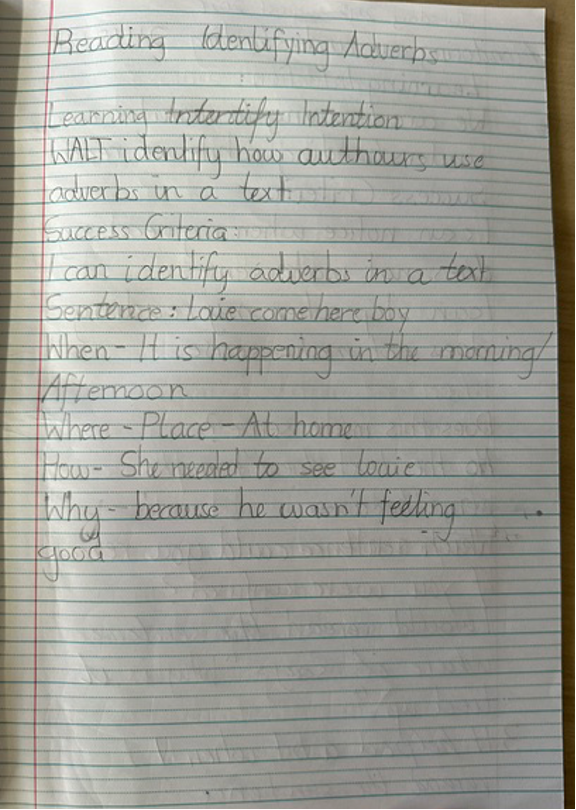
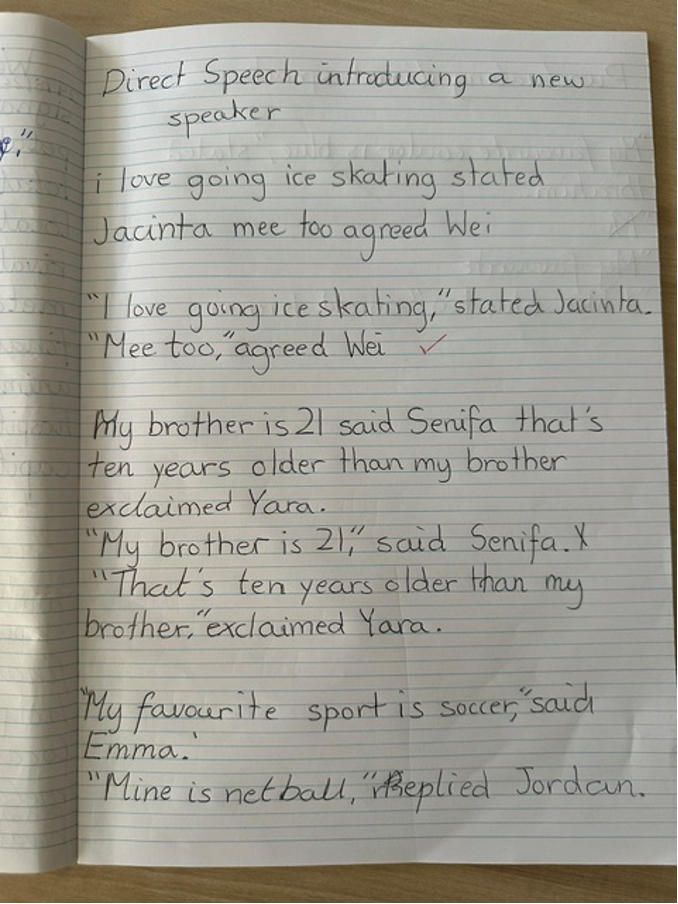
Students will explore how authors use dialogue and quotation marks to show who is speaking and will use evidence from the text to explain their thinking. We will also investigate how authors use adverb groups to add detail about when, where, how and why something happens. In addition, students will identify complex sentences, conjunctions, and independent and dependent clauses to understand how ideas are connected. Through whole-class discussions, partner activities and guided reading groups, students will continue to build their confidence as thoughtful, independent readers who can explain, question and support their ideas using evidence from the text.
Student work samples-
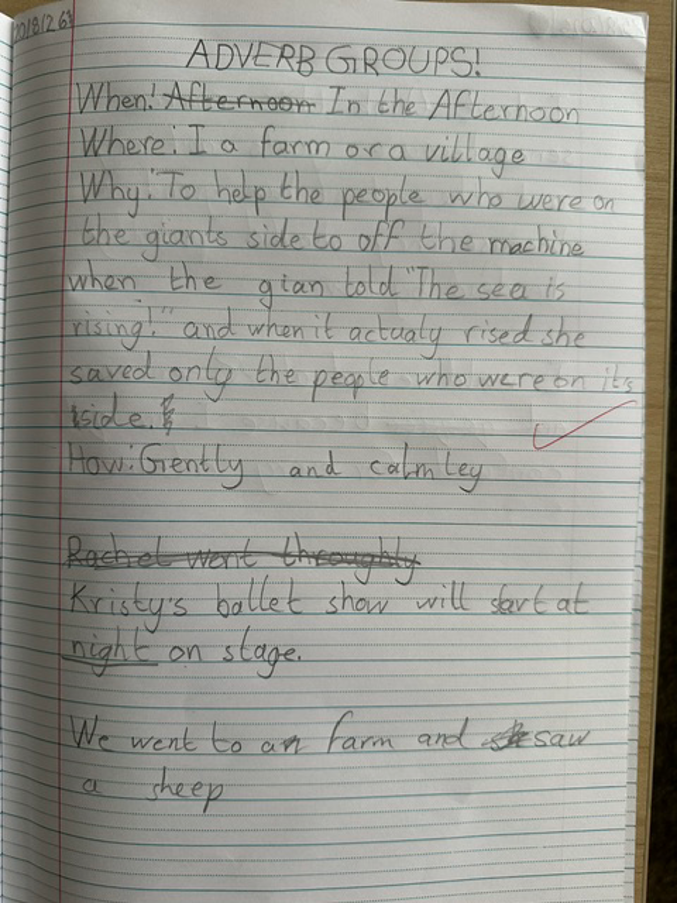
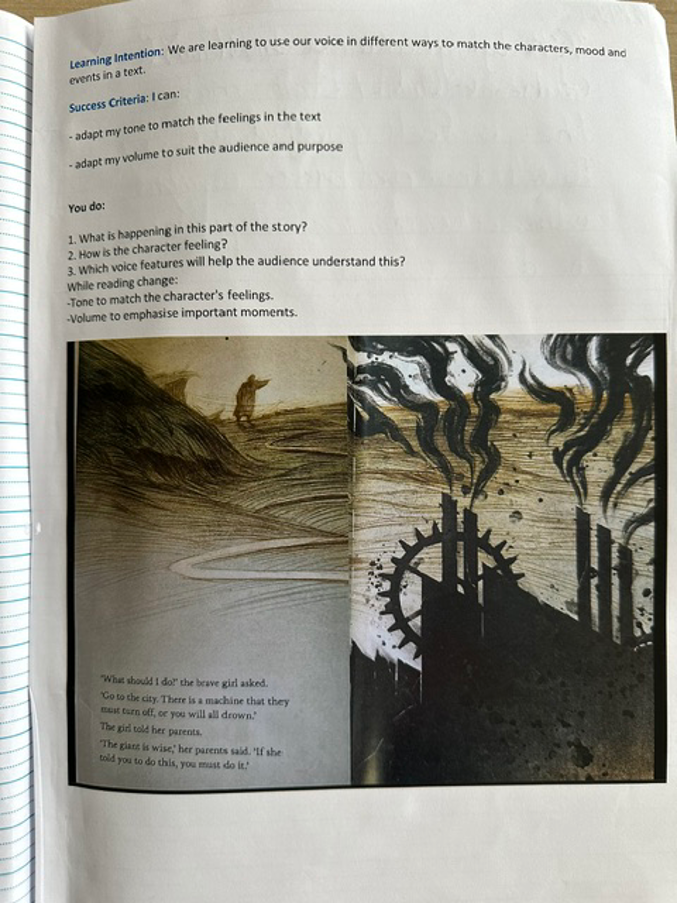
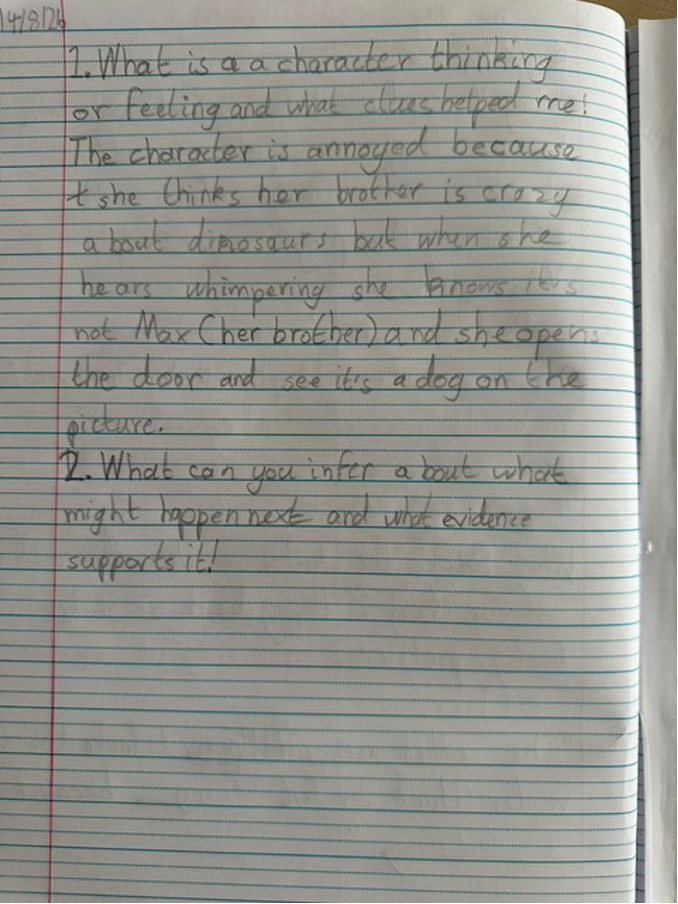
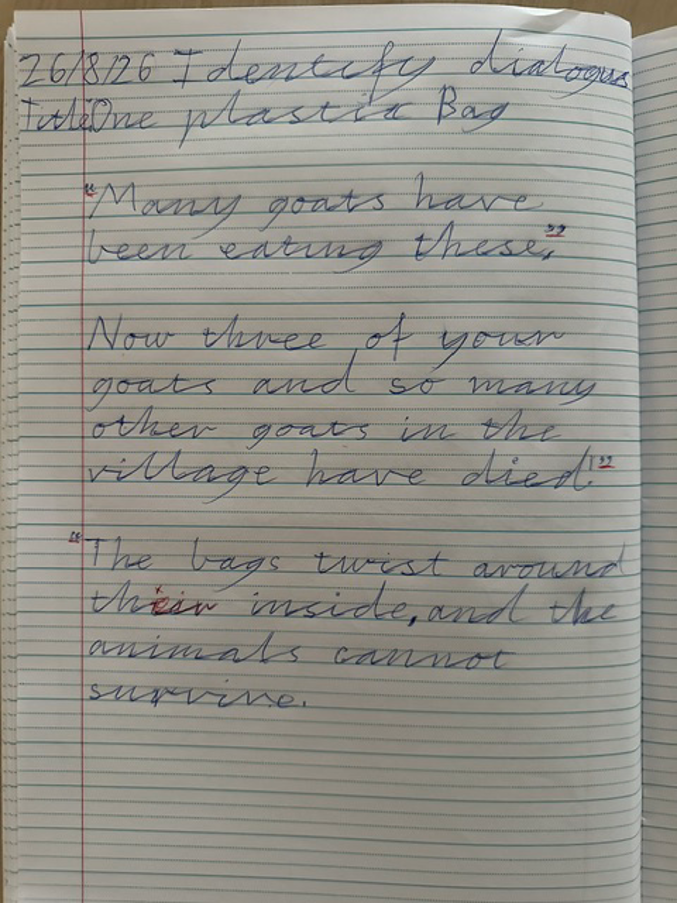
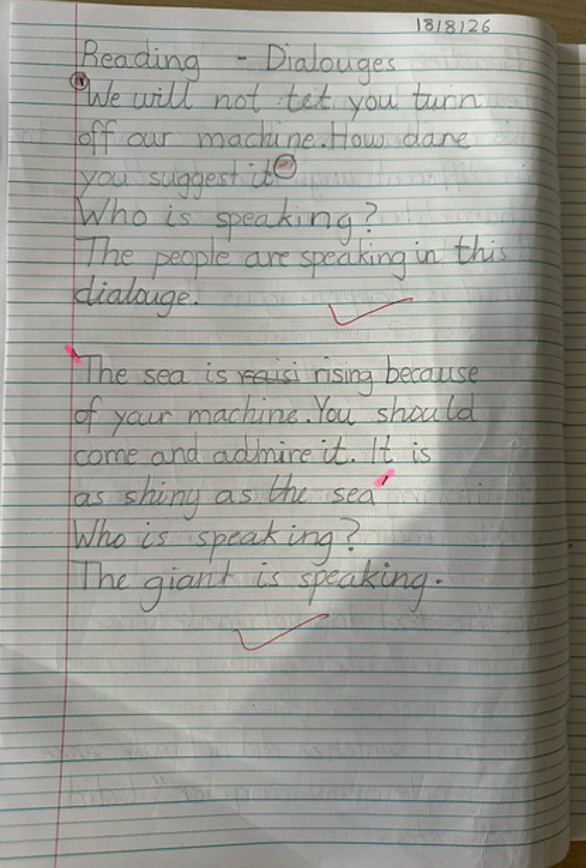
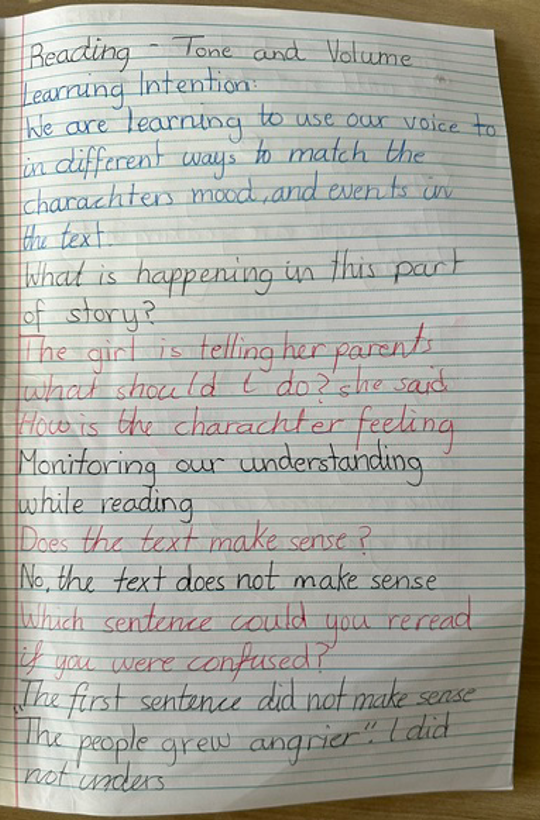
At Aitken Hill Primary School, students have access to Sunshine Online, a digital reading platform. The classroom teacher will provide login details this term so students can practise reading at home.
Here is the attached link : https://www.sunshineonline.com.au/
Writing –
This term, our Year 4 students have been busy developing their writing skills and publishing their information reports. They focused on presenting their work neatly and producing fluent, legible handwriting, with a particular focus on forming clearly joined letters and developing greater fluency and automaticity.
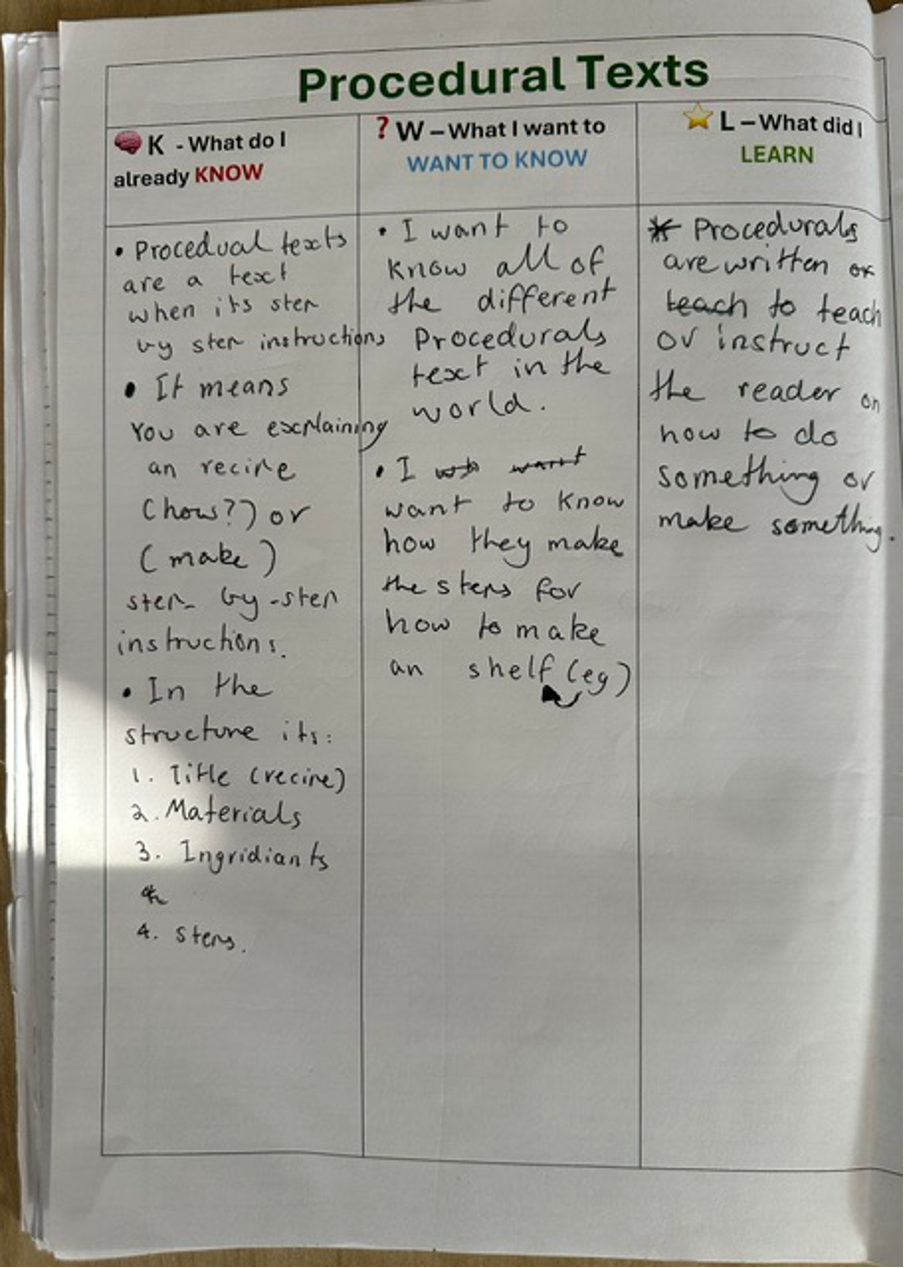
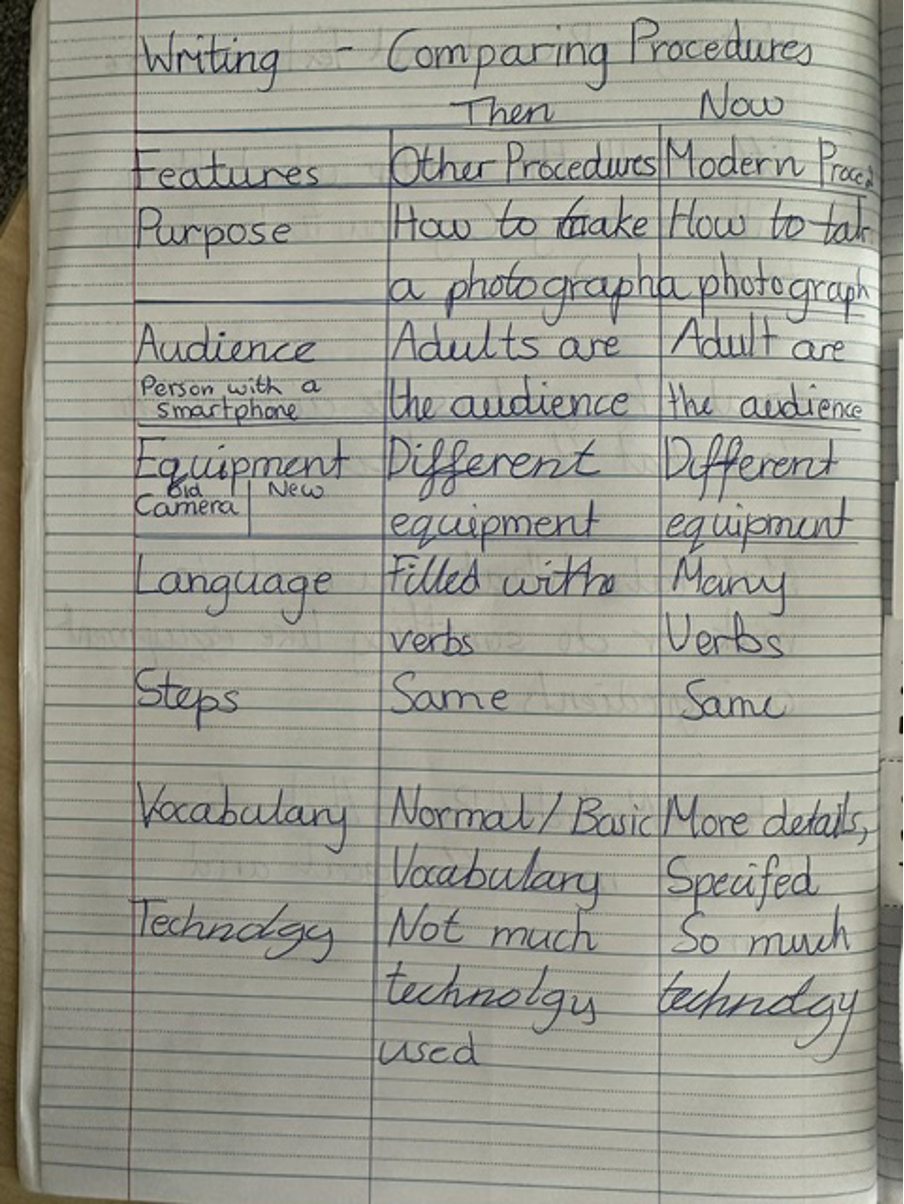
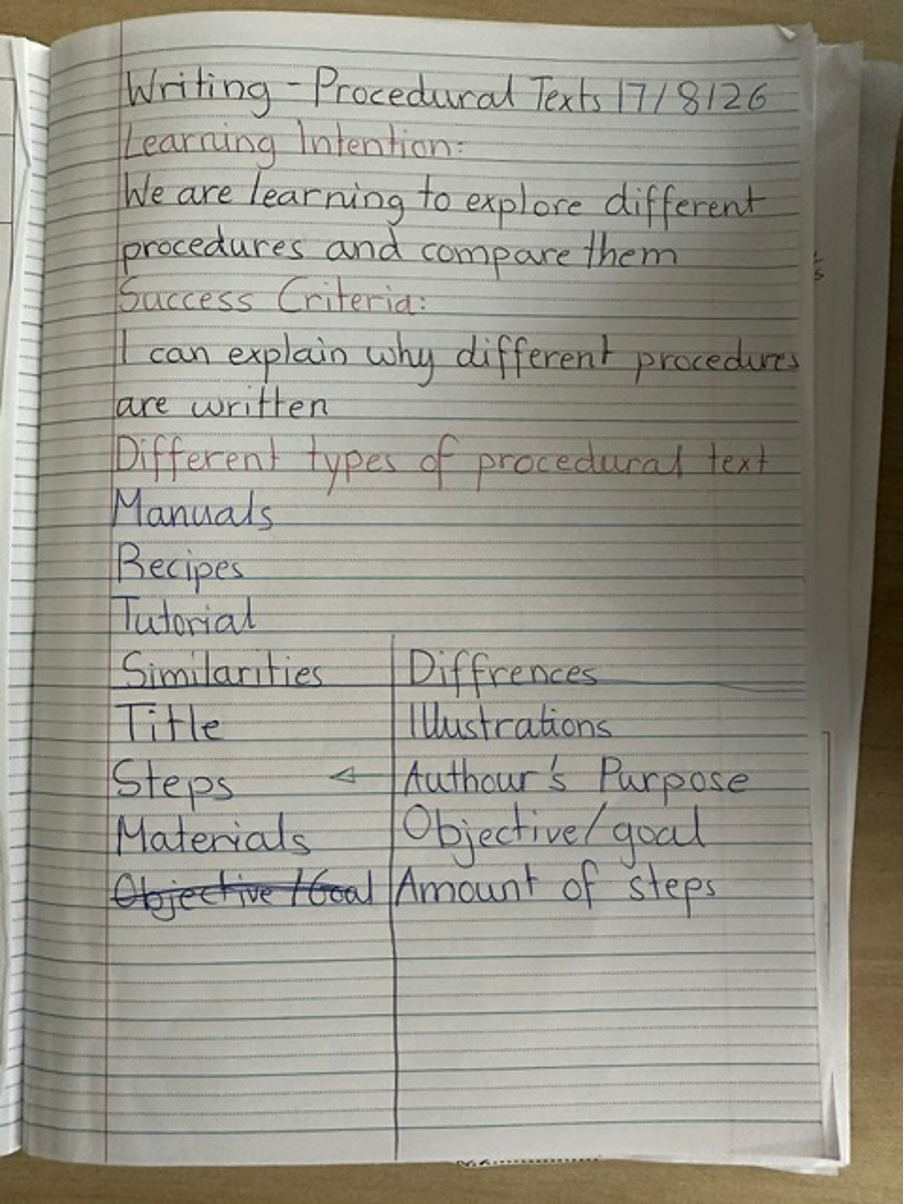
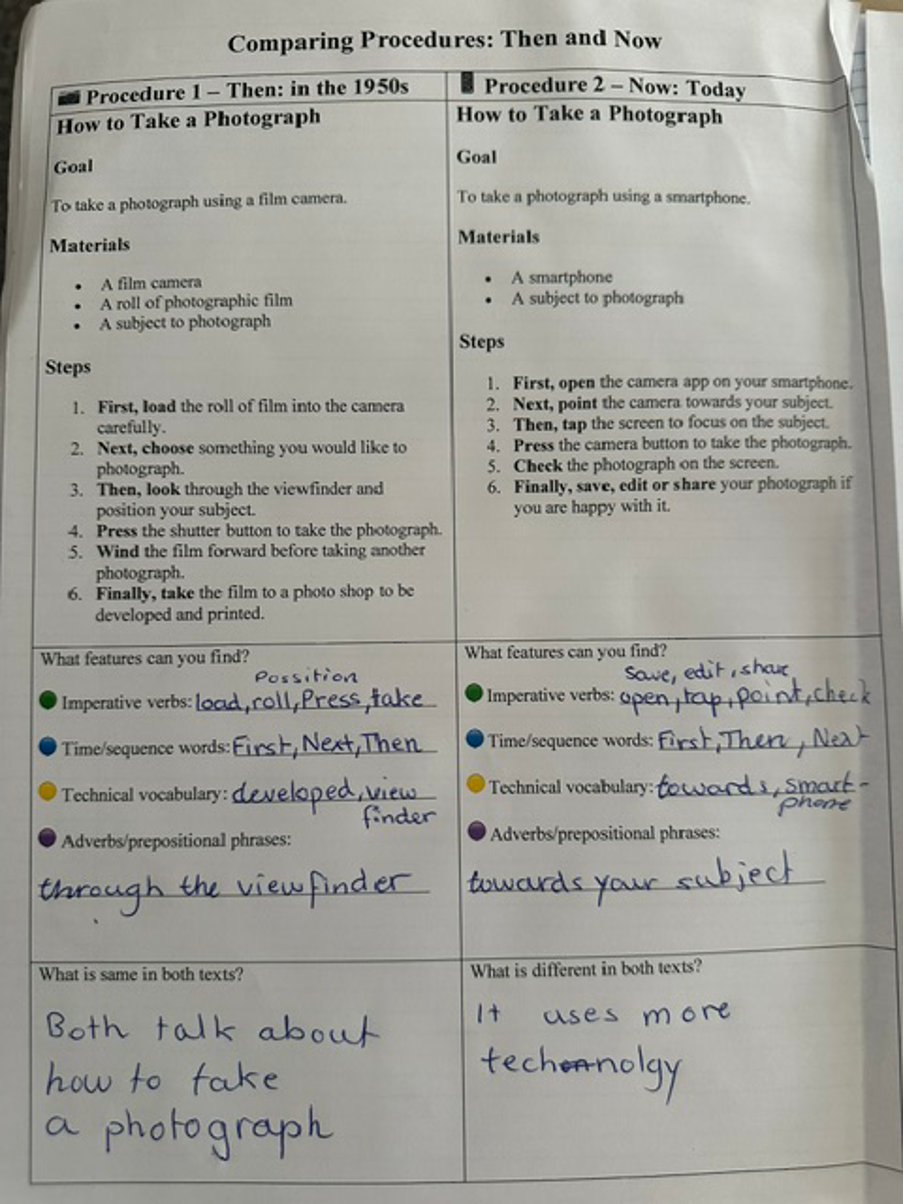
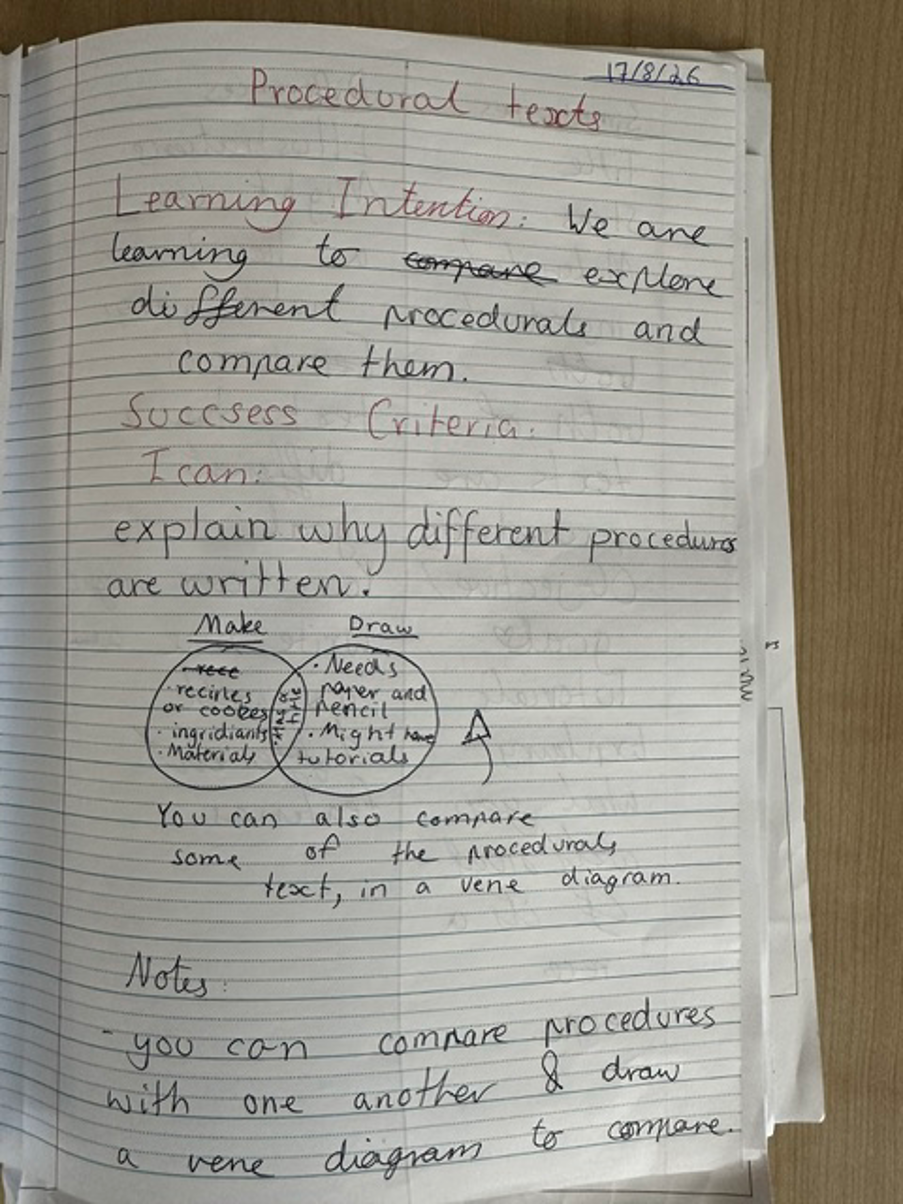
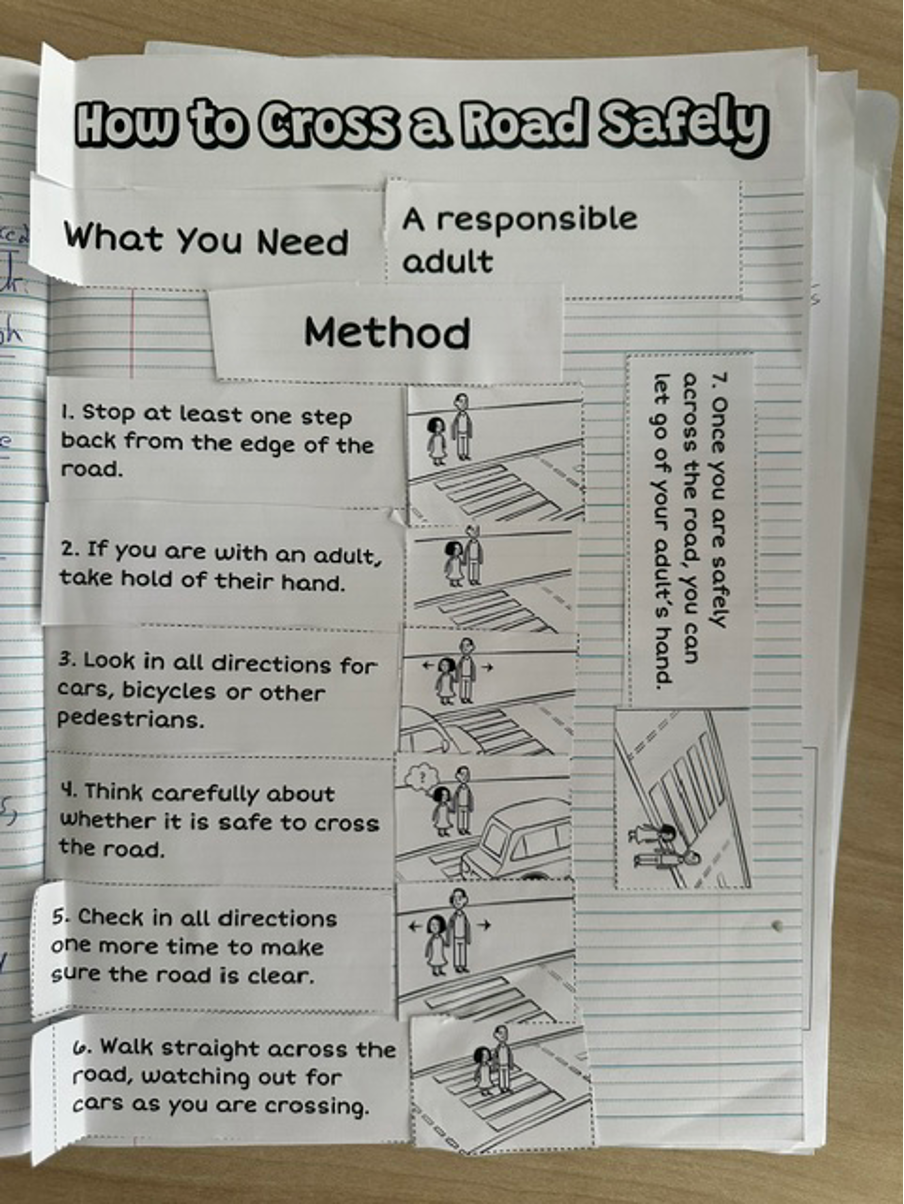
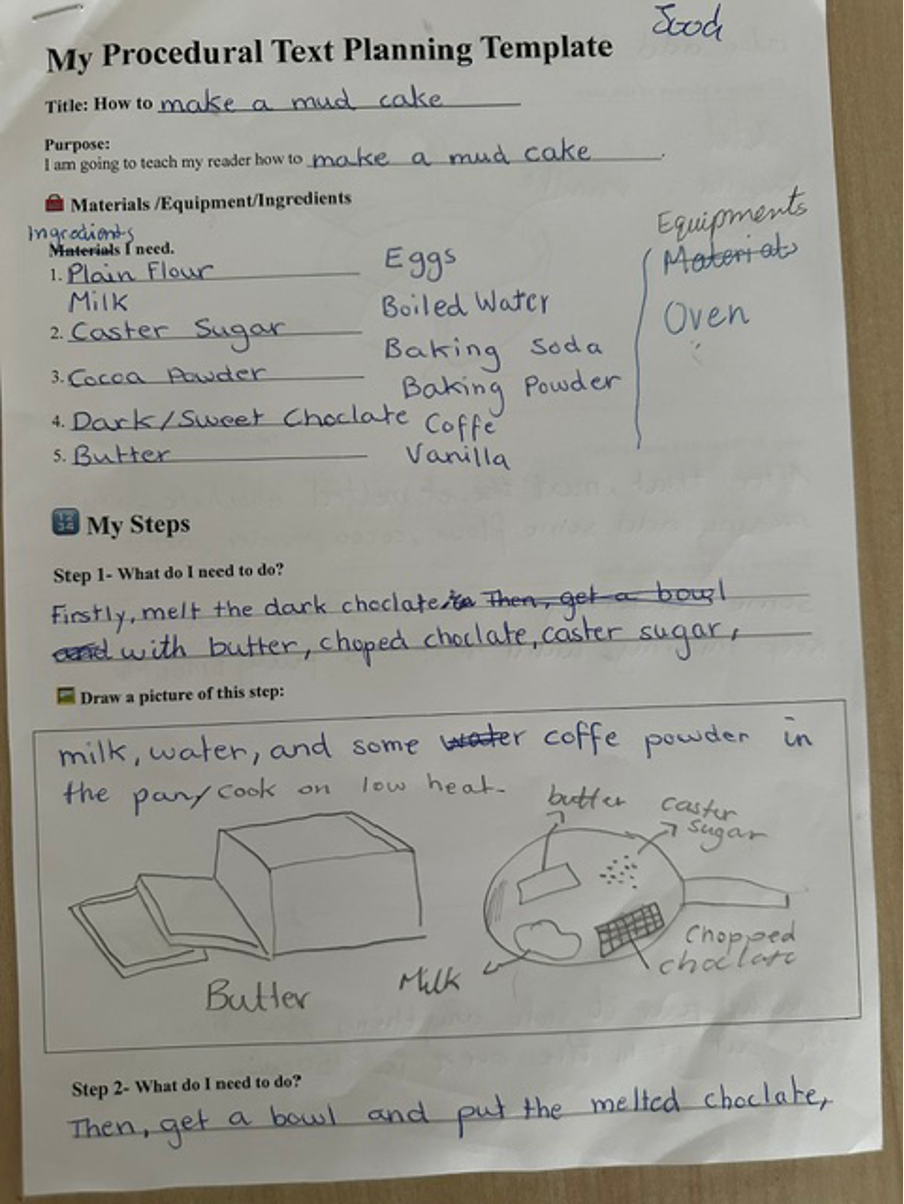
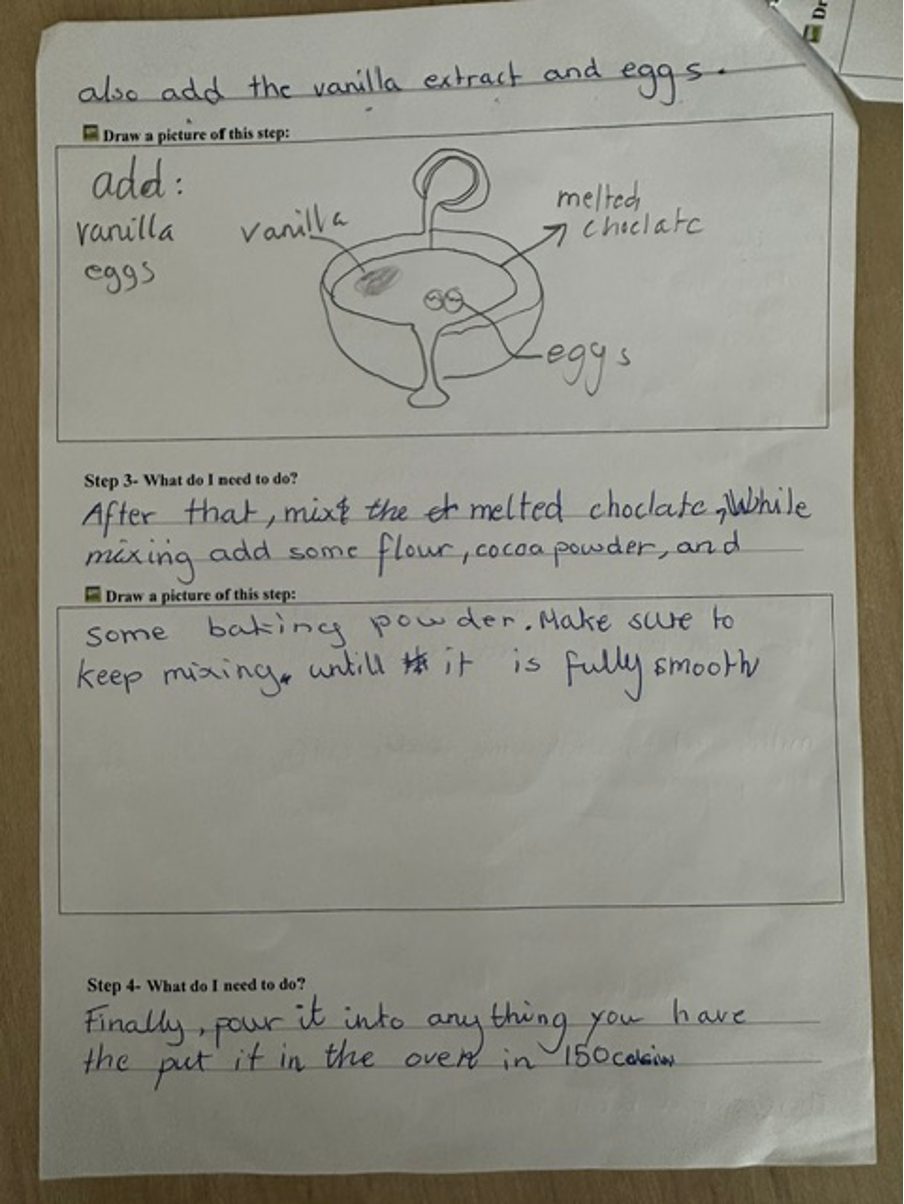
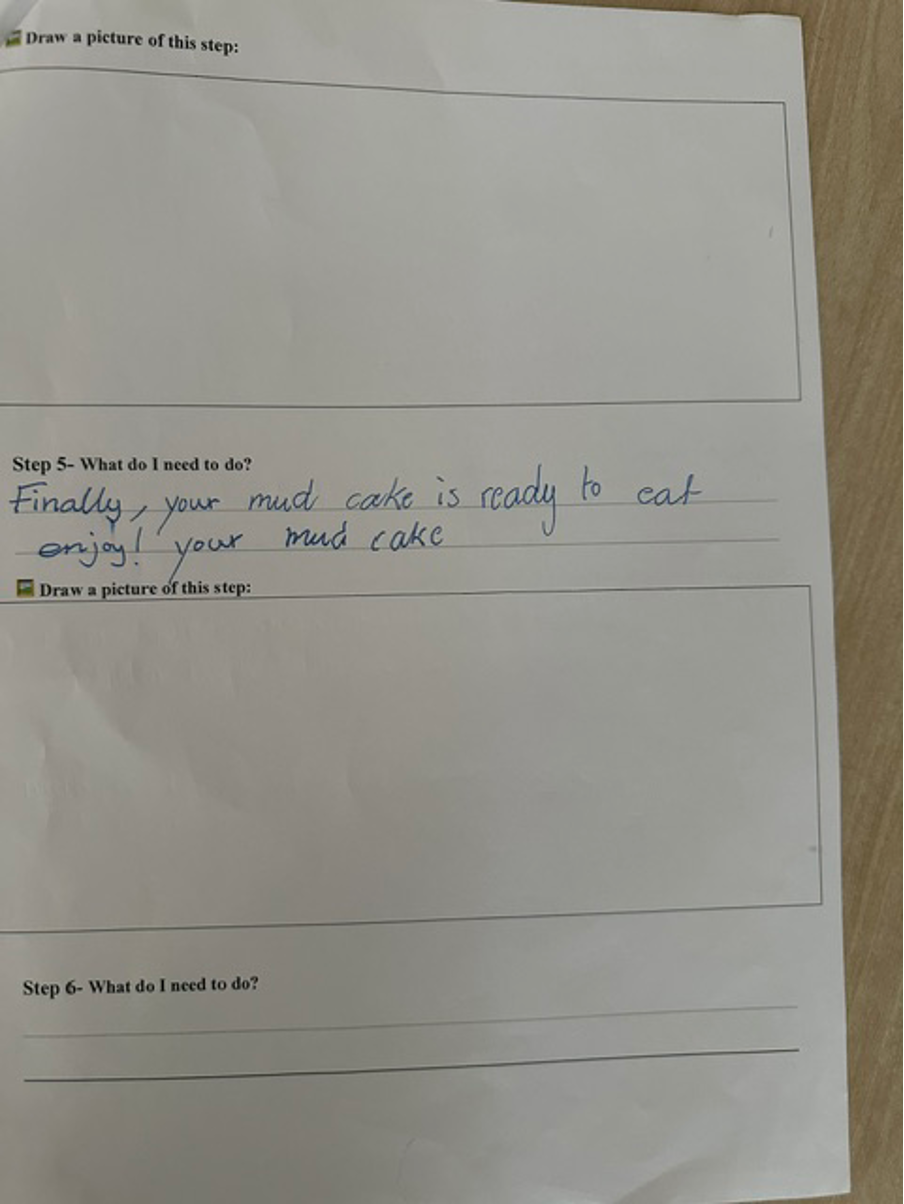
Students also explored different types of procedural texts, including procedures from different times. They investigated how the purpose and audience of a text influence the way it is written and identified key structural and language features such as headings, sequencing words, instructional verbs and precise vocabulary.
To prepare for their own writing, students researched and gathered relevant information before using their findings to plan and create their own procedural texts. It has been wonderful to see students apply their learning and become more confident, purposeful and independent writers!
Student work samples
Spelling:
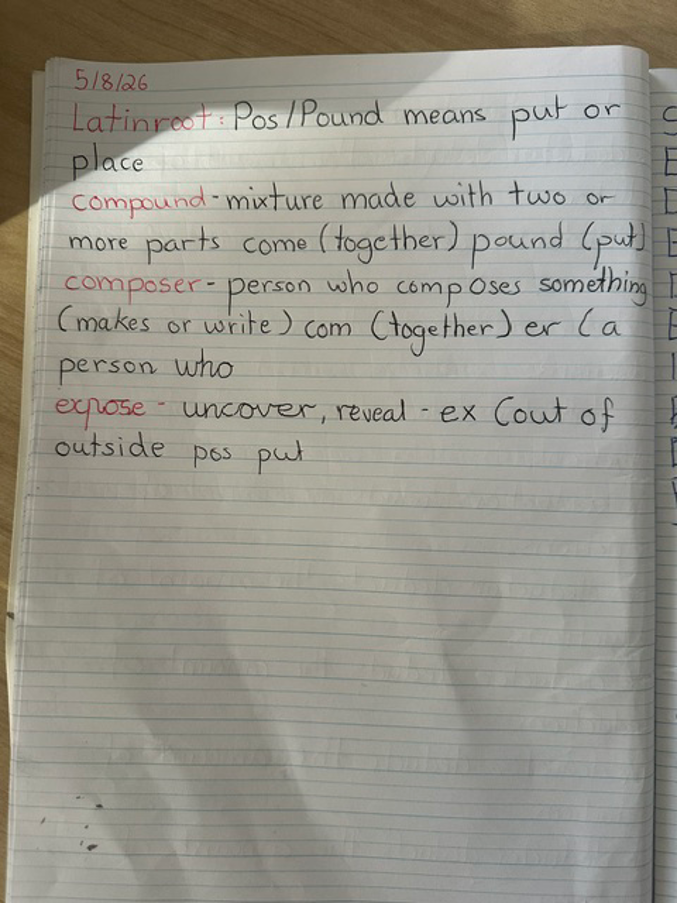
This month, Grade 4 students have been learning about grammar, sentence structure and punctuation. They have been learning to:
They have been developing their ability to use these skills to create clearer, more detailed and engaging sentences.
How families can help at home
Practising spelling words at home makes a big difference! It helps students remember patterns and feel more confident when writing in class.
You can support your child by:
Short, regular practice (5–10 minutes) is best. Thank you for supporting your child’s learning at home!
Numeracy
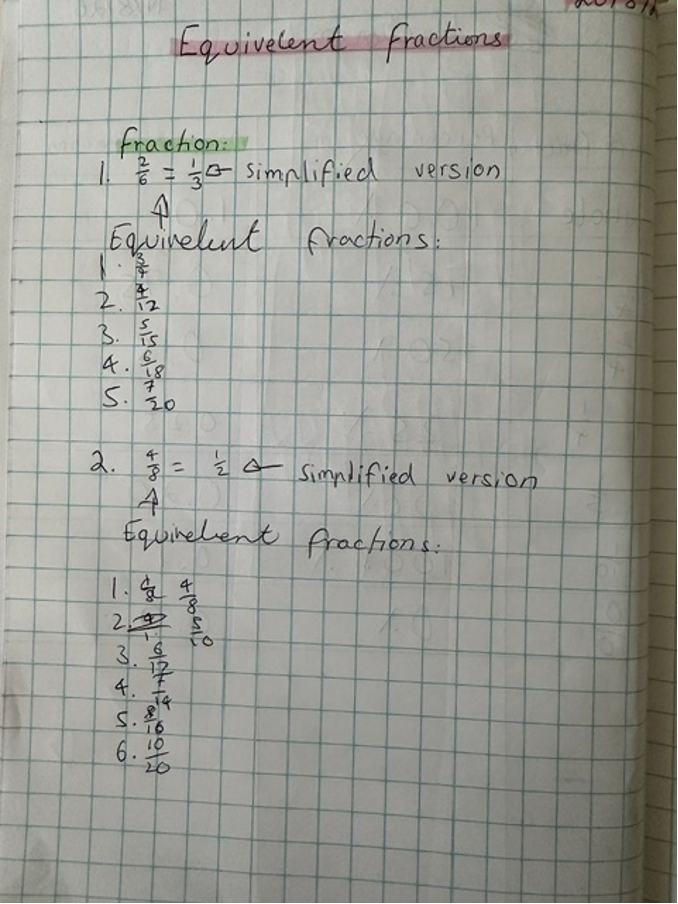
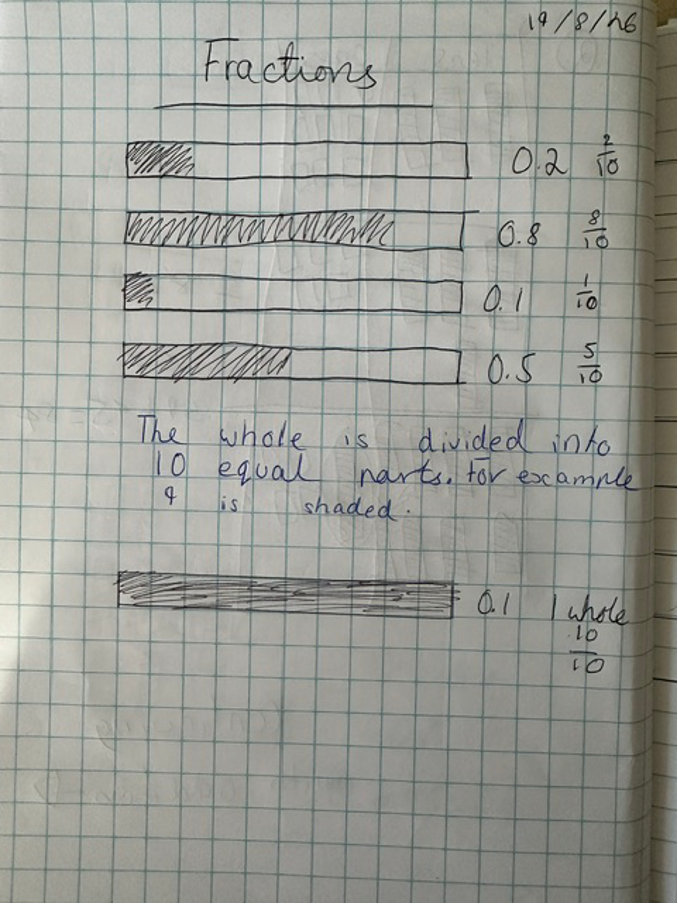
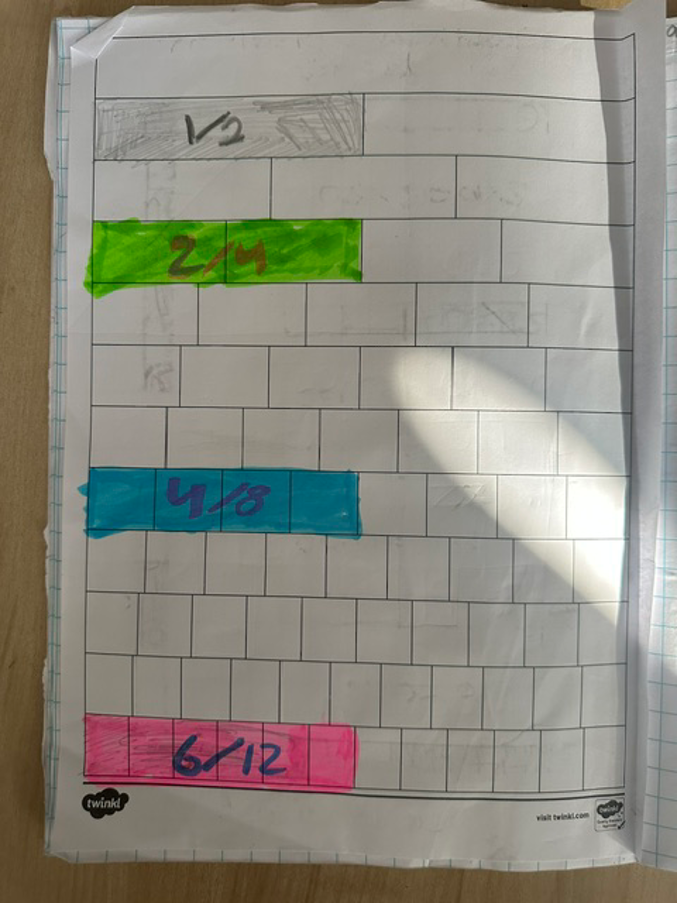
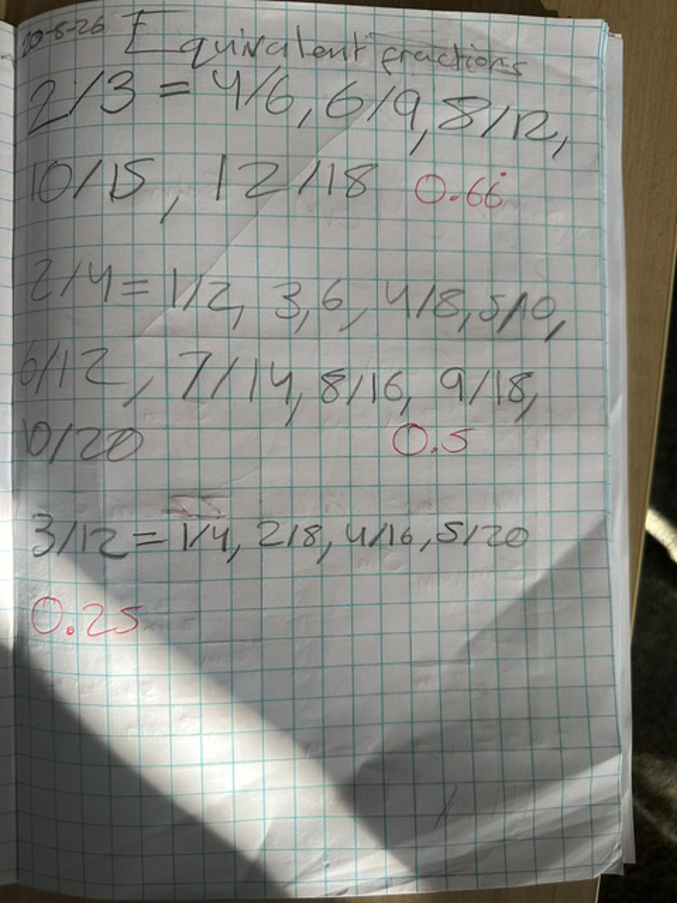
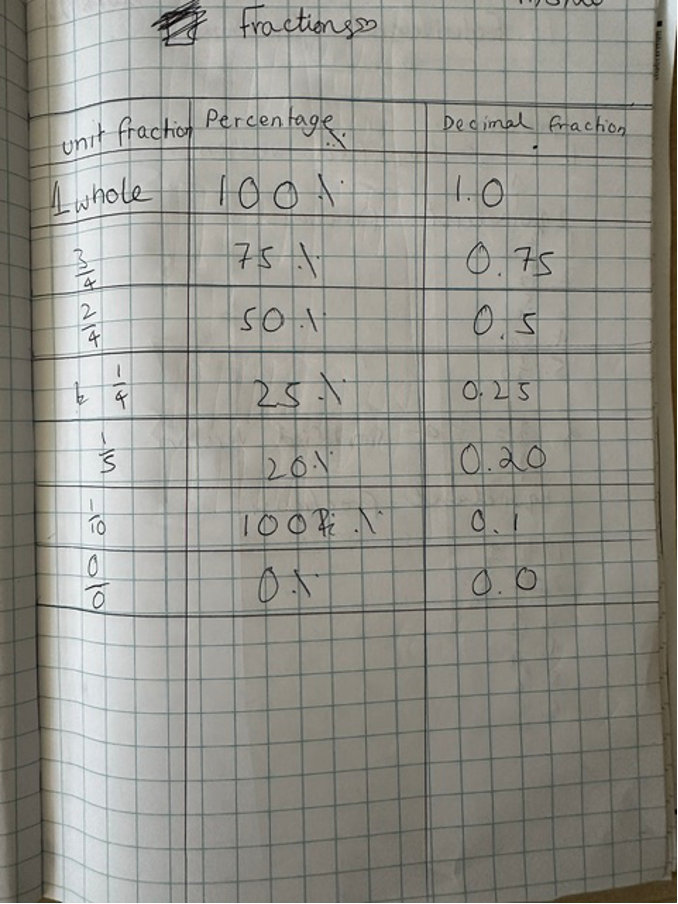
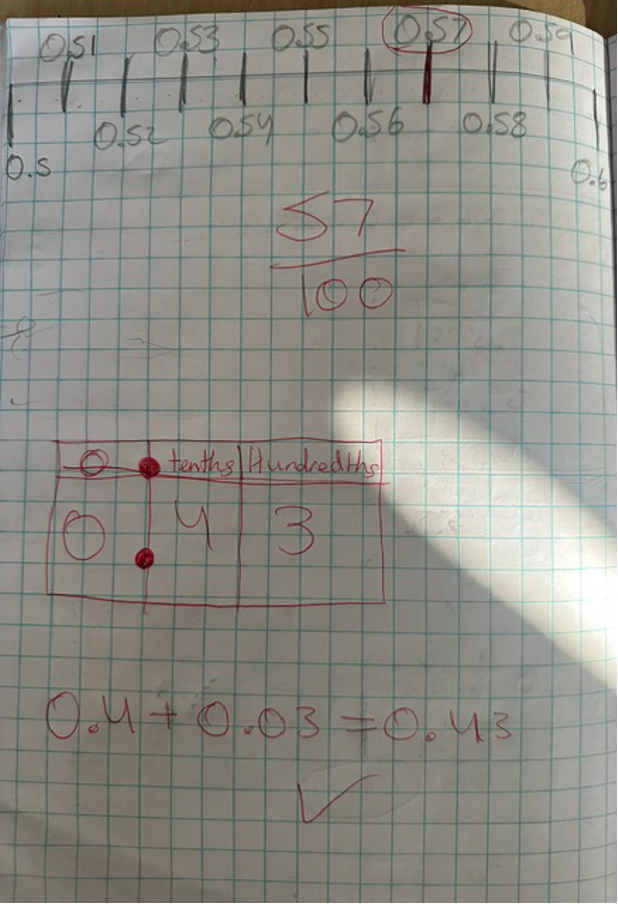
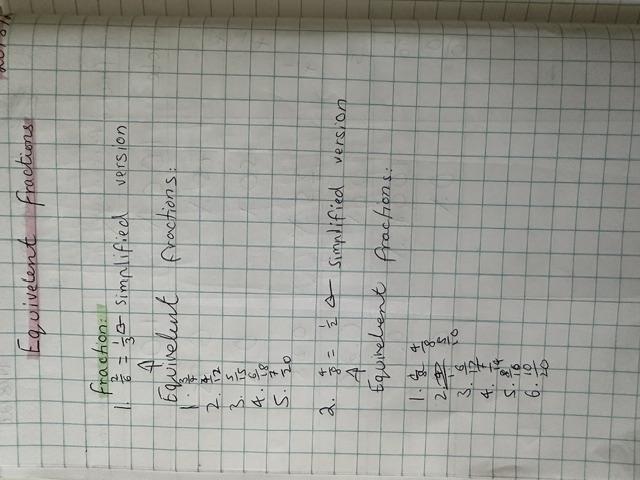
This month in Mathematics, the Grade 4 students have been exploring the many ways fractions can be represented. They have used fraction walls, number lines, MAB, Unifix cubes and area models to identify equal parts, find equivalent fractions and connect fractions to decimal notation. Students discovered, for example, that 1/2, 2/4, 3/6, 4/8, 5/10, 50/100 and 0.5 all represent the same amount.
Students then applied their learning by designing colourful fraction flags. They calculated the fraction and decimal represented by each colour and proved that all sections combined to make one whole. To conclude the unit, students created a Fractions Mastery Board demonstrating their understanding through models, equivalent fractions, decimals, explanations and number lines. This has been a creative and engaging way for students to strengthen their mathematical reasoning and communicate their thinking.
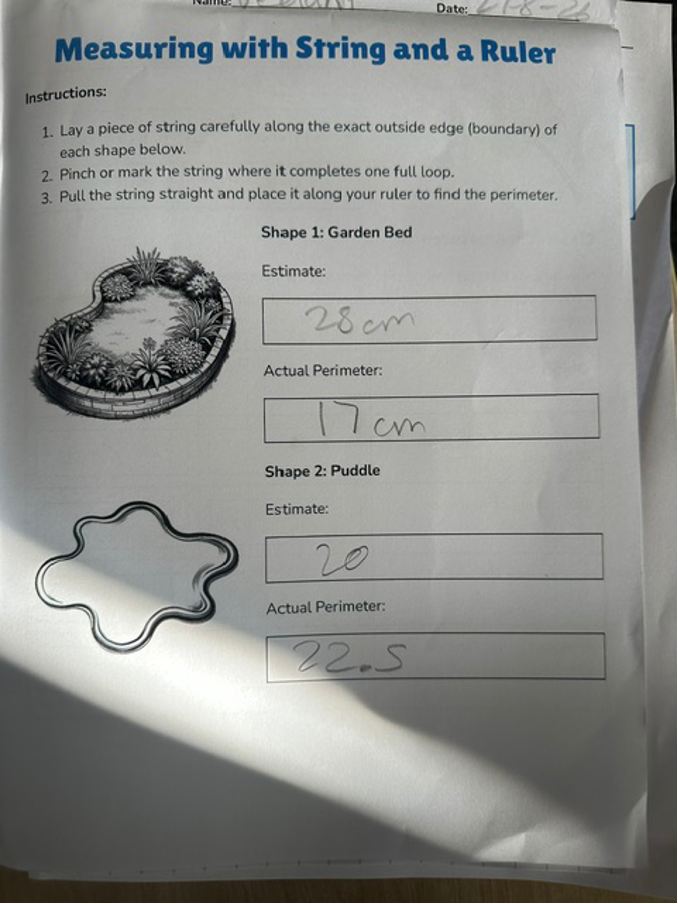
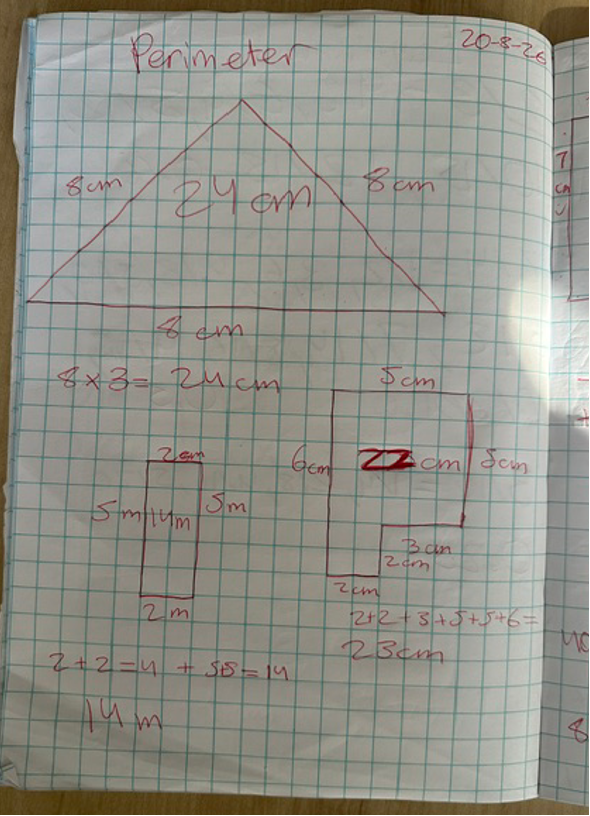
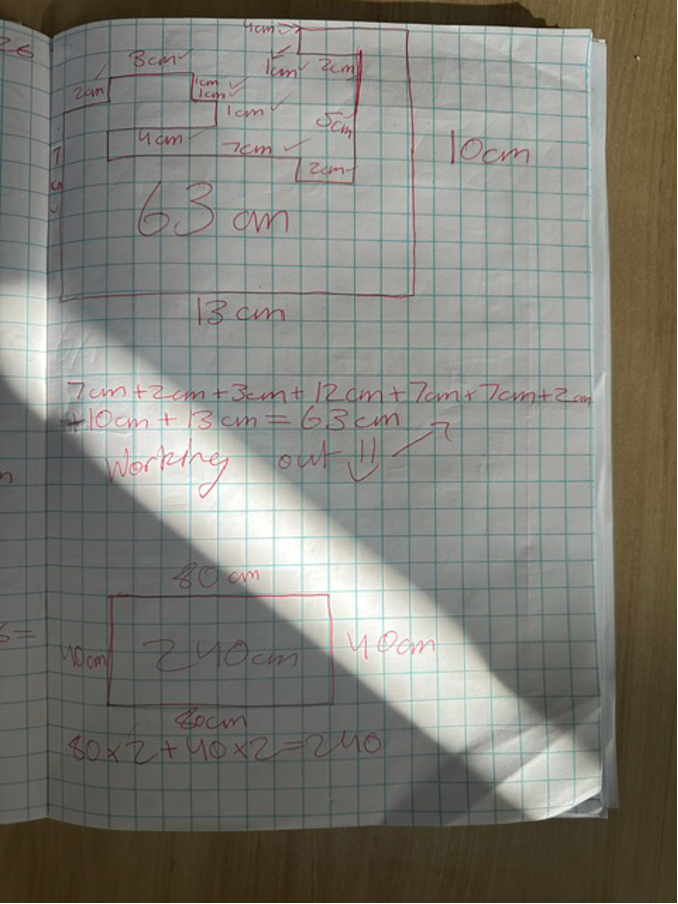
Students also explored capacity by comparing how much different containers can hold and investigated perimeter by measuring the distance around shapes and objects. They measured both real and imaginary objects and drawn shapes, then used addition strategies to add the side lengths together and find the total perimeter. These activities helped students connect maths to real-life situations and practice problem solving in practical ways.
Student work samples
Inquiry – Community and Active Citizenship
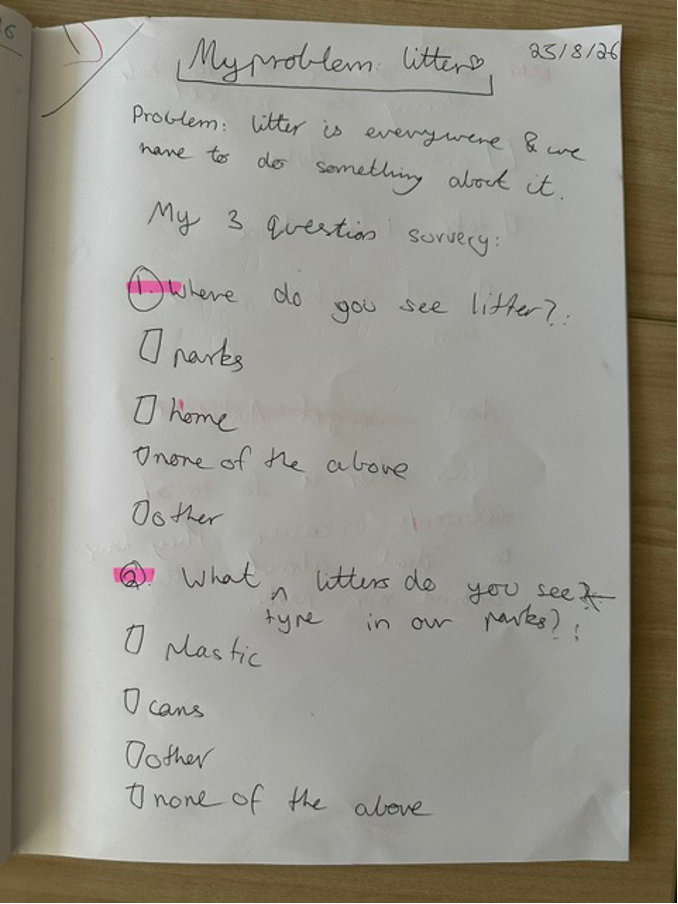
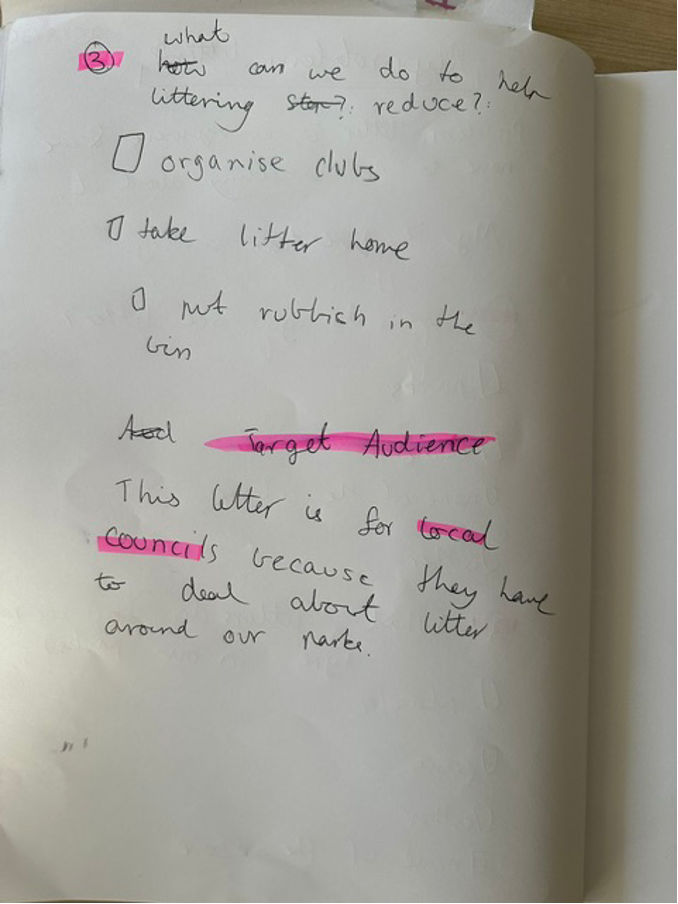
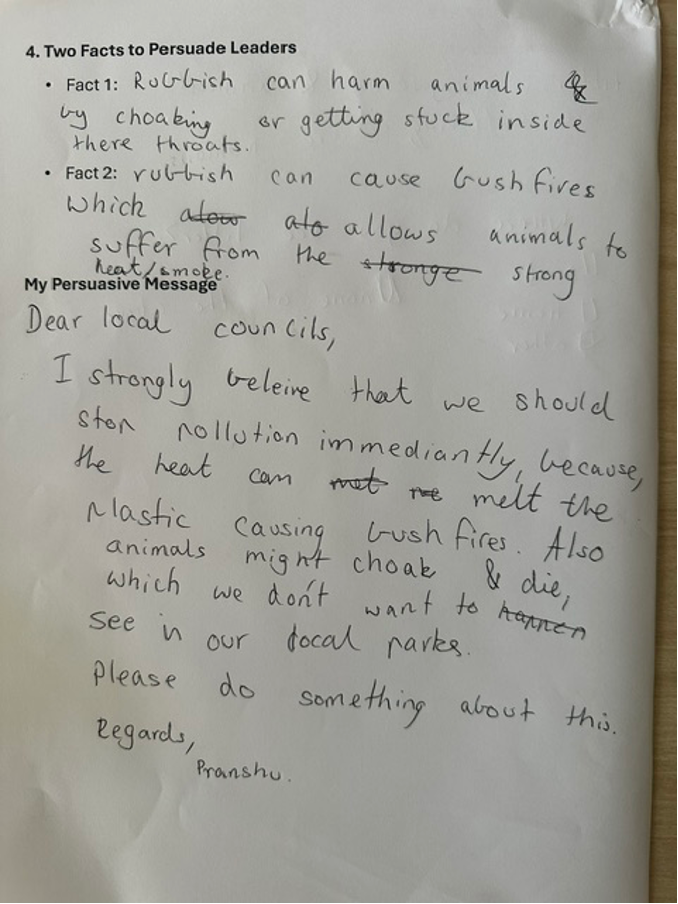
Students have explored what it means to be an active citizen and how people participate positively in their communities. They investigated the rights and responsibilities of citizens and considered the different factors that shape a person’s identity and sense of belonging within their communities.
Students explored the essential elements of community life, including how people work together, support others, contribute to their community and make decisions. They also investigated the role of local government, learning how it provides important services, creates local rules and helps support the needs of the community.
A highlight of their learning was the Democracy Incursion, where students enthusiastically participated in a mock election. Through this hands-on experience, they explored the democratic process and developed an understanding of how elections operate at local, state and federal levels. This engaging experience helped students see how their voices and participation can contribute to a democratic community.
Student work samples
SEL
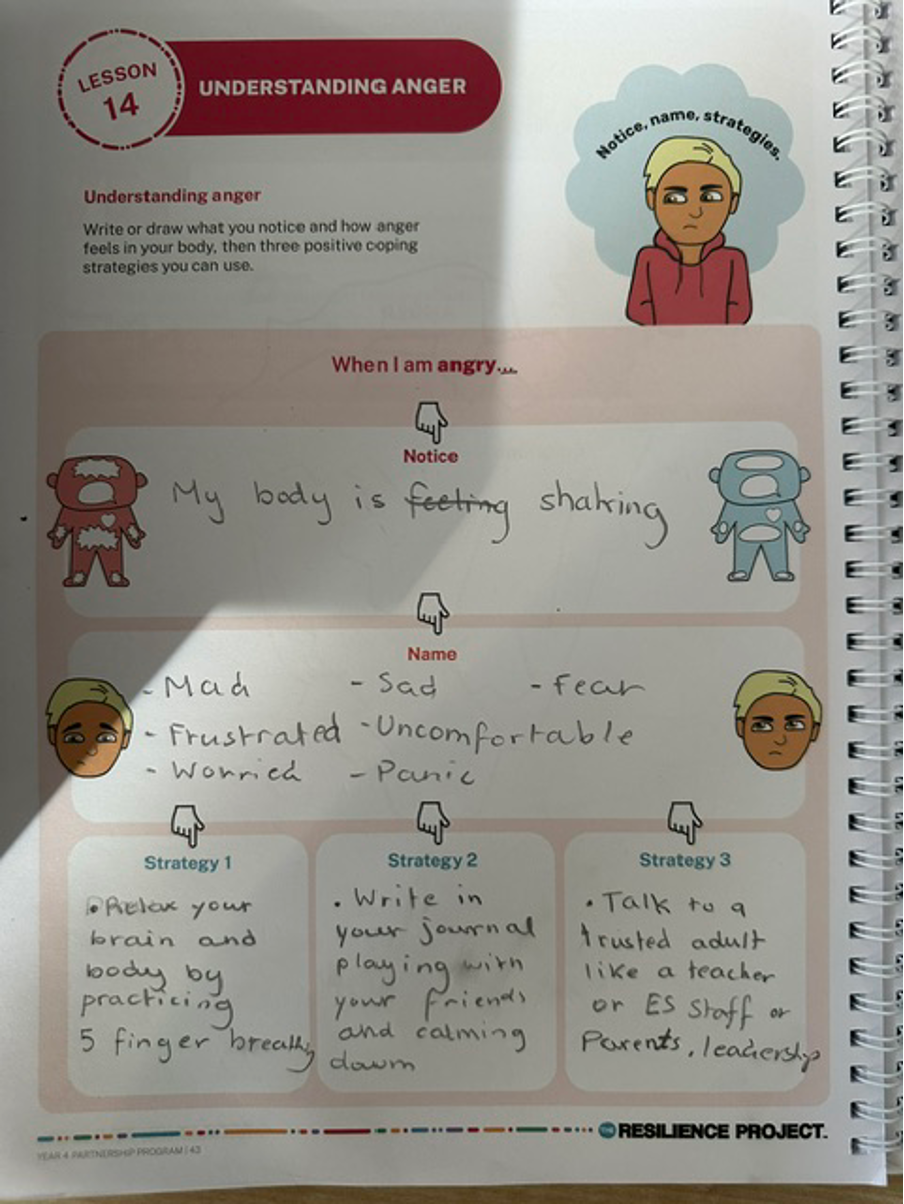
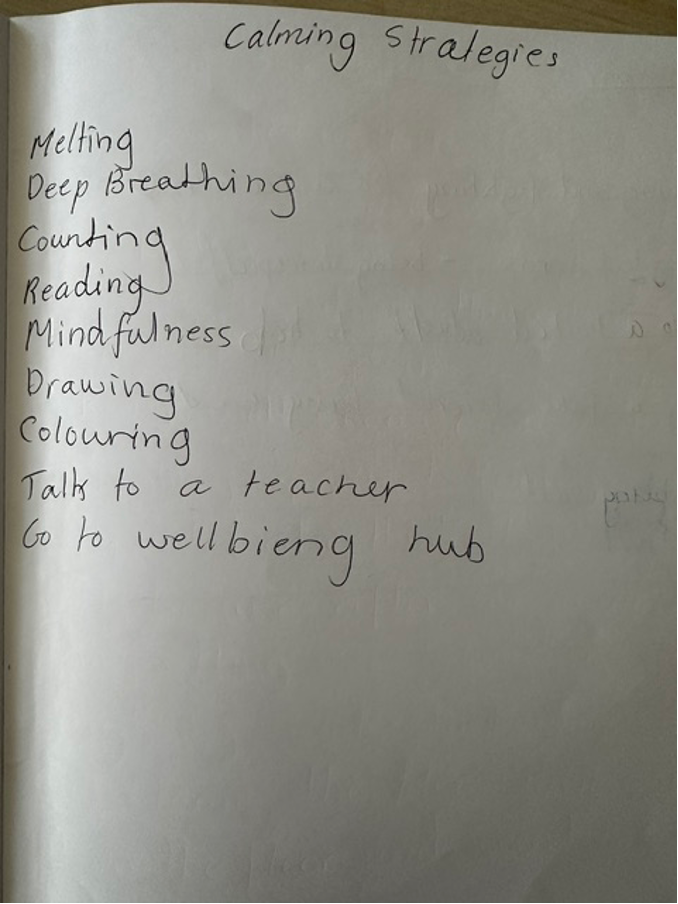
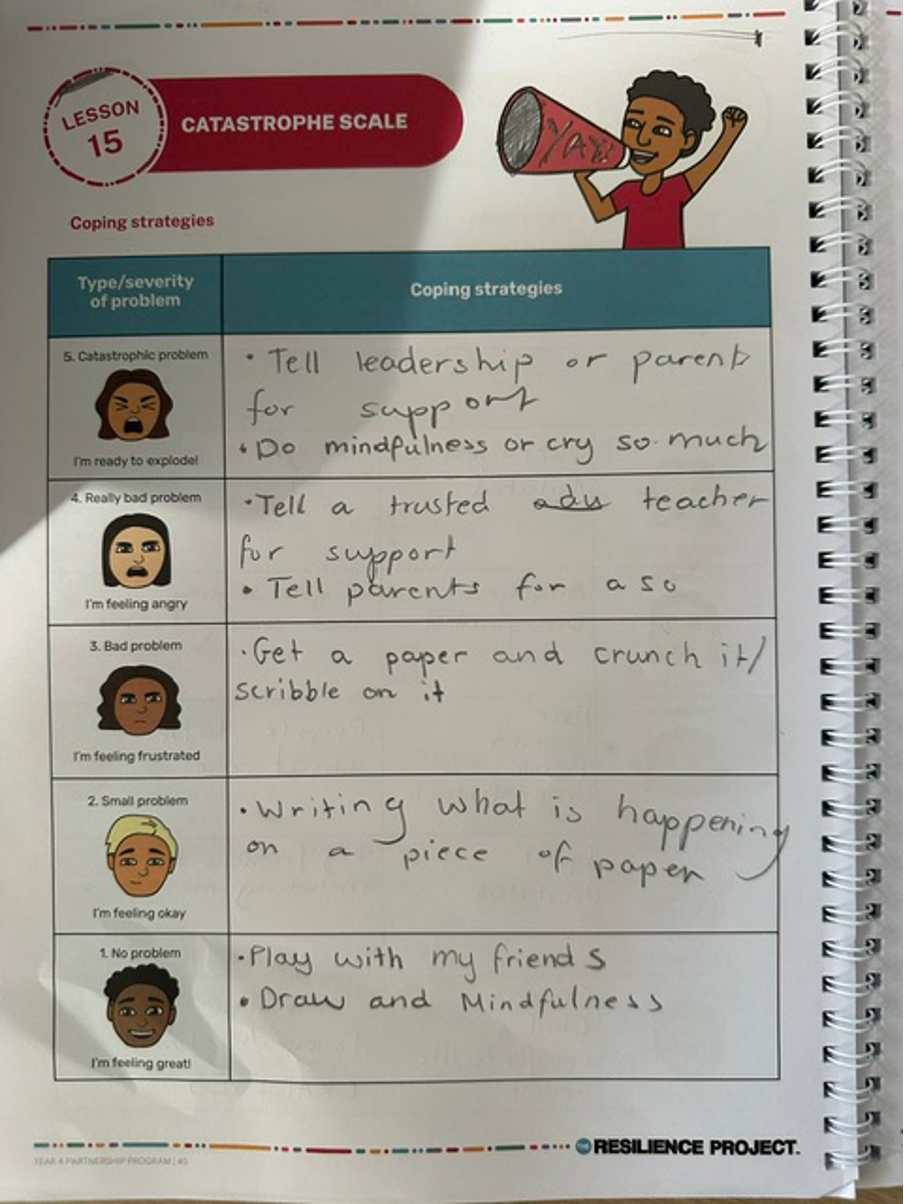
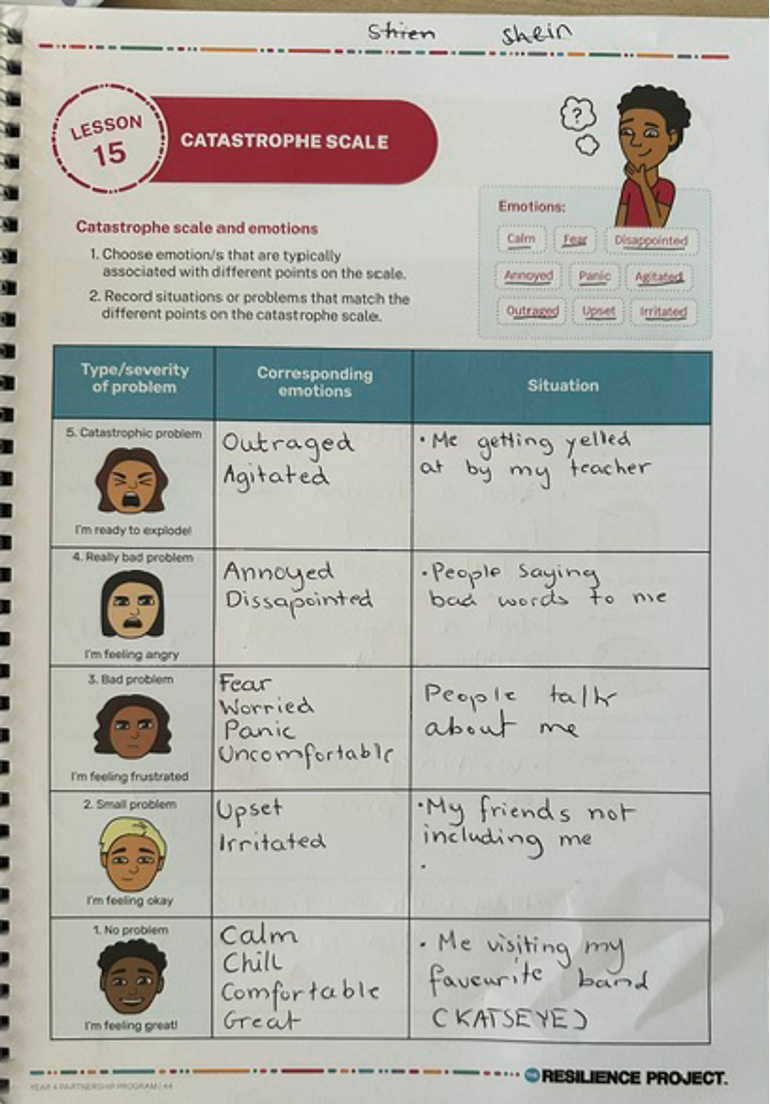
In SEL, students have been developing their social and emotional skills by learning and practising a range of calming strategies to help manage their emotions and respond positively to challenging situations. They explored how to recognise situations where they may need support and practised appropriate ways to seek and ask for help. Students also investigated what can cause feelings of anger and learned different strategies for managing anger in healthy and constructive ways. A key focus was understanding the catastrophe scale, which helped students recognise that problems can vary in size and that their responses can be matched appropriately to the situation.