
Japanese
Minasan Konnichiwa! (Hello everyone.)
Welcome to Week 7 Japanese!
Japanese
Minasan Konnichiwa! (Hello everyone.)
Welcome to Week 7 Japanese!
Japanese Convenience Store
Year 3 to 6 students have been learning about “KONBINI-Japanese Convenience Store”.
A konbini (short for "convenience store") is much more than a typical convenience store found in other countries. Some stores are open 24/7 and are located on nearly every street corner in Japanese cities, providing easy access to food, drinks, and essential services such as sending parcels, paying bills, purchasing tickets at any time of day or night.
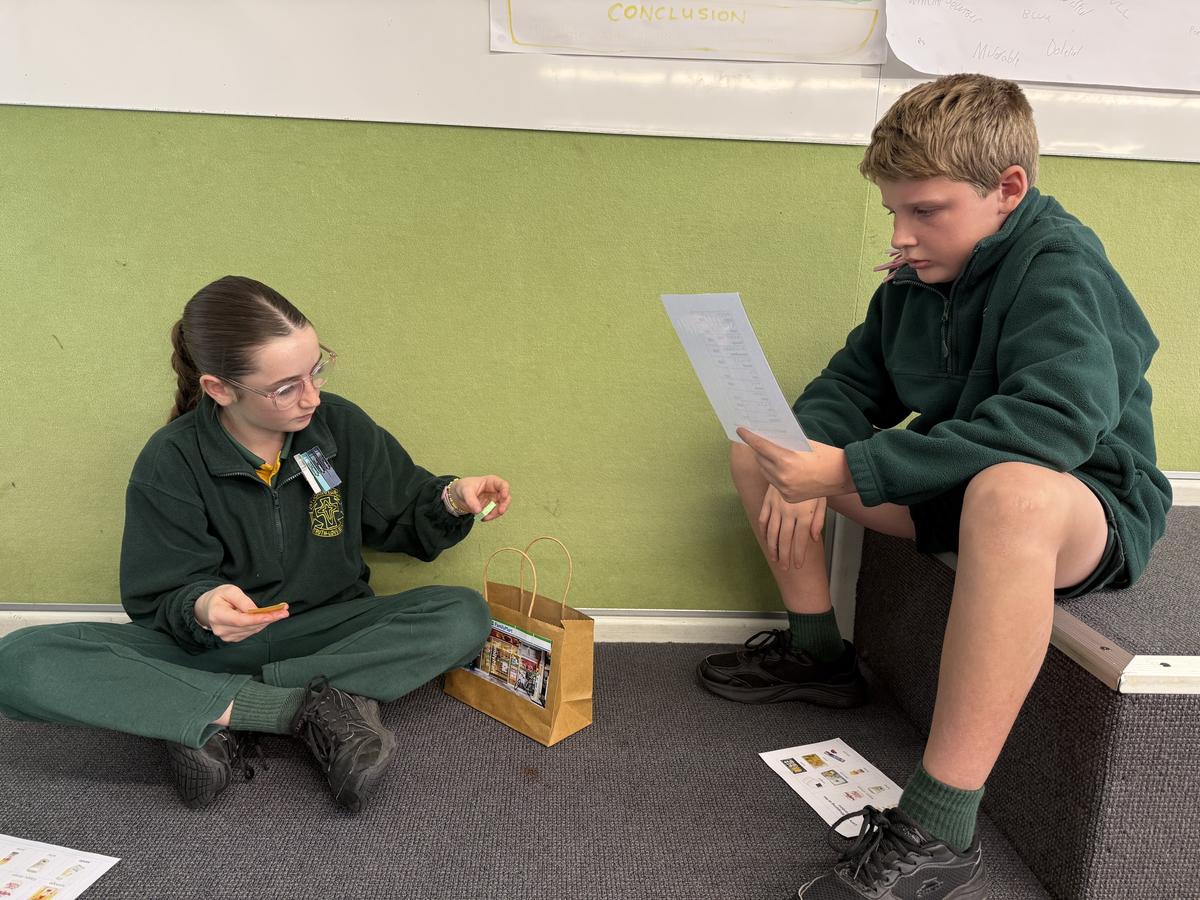
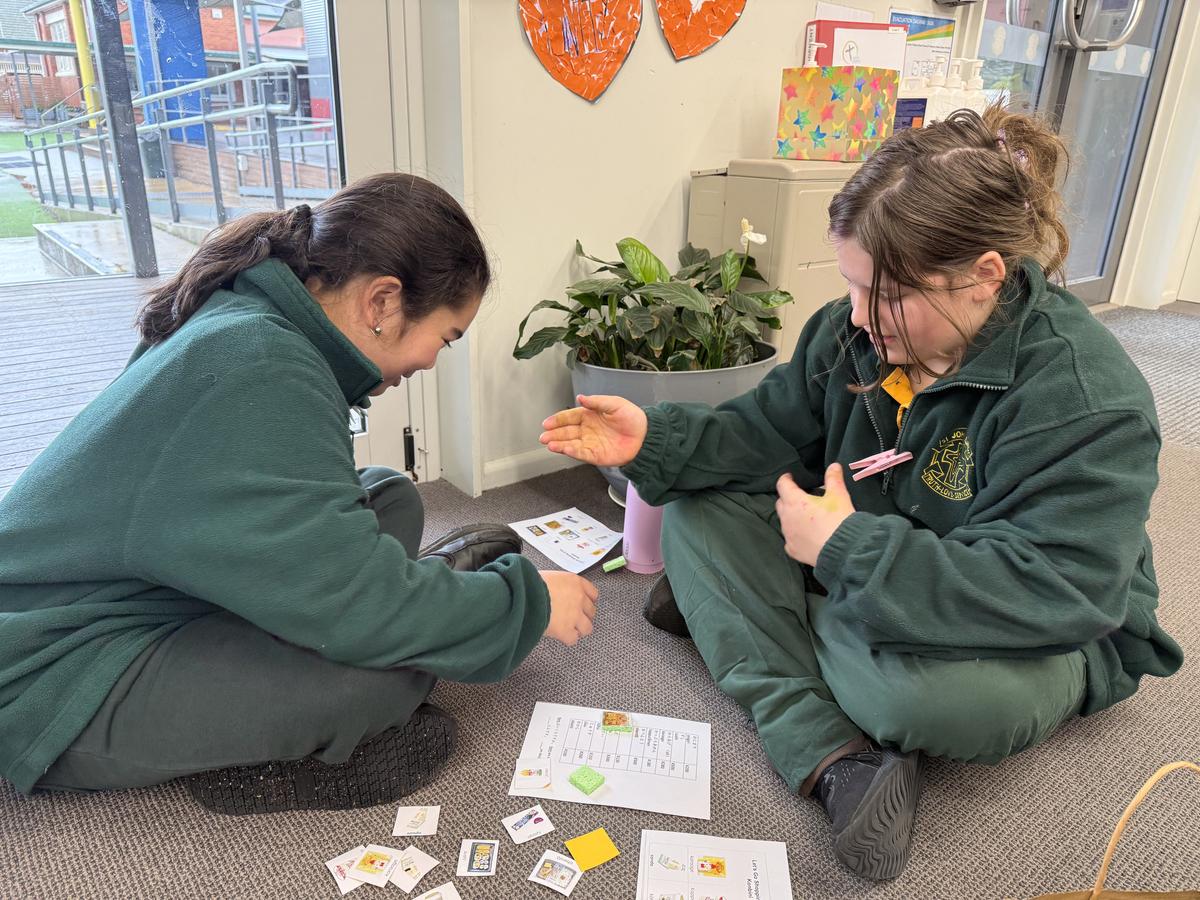
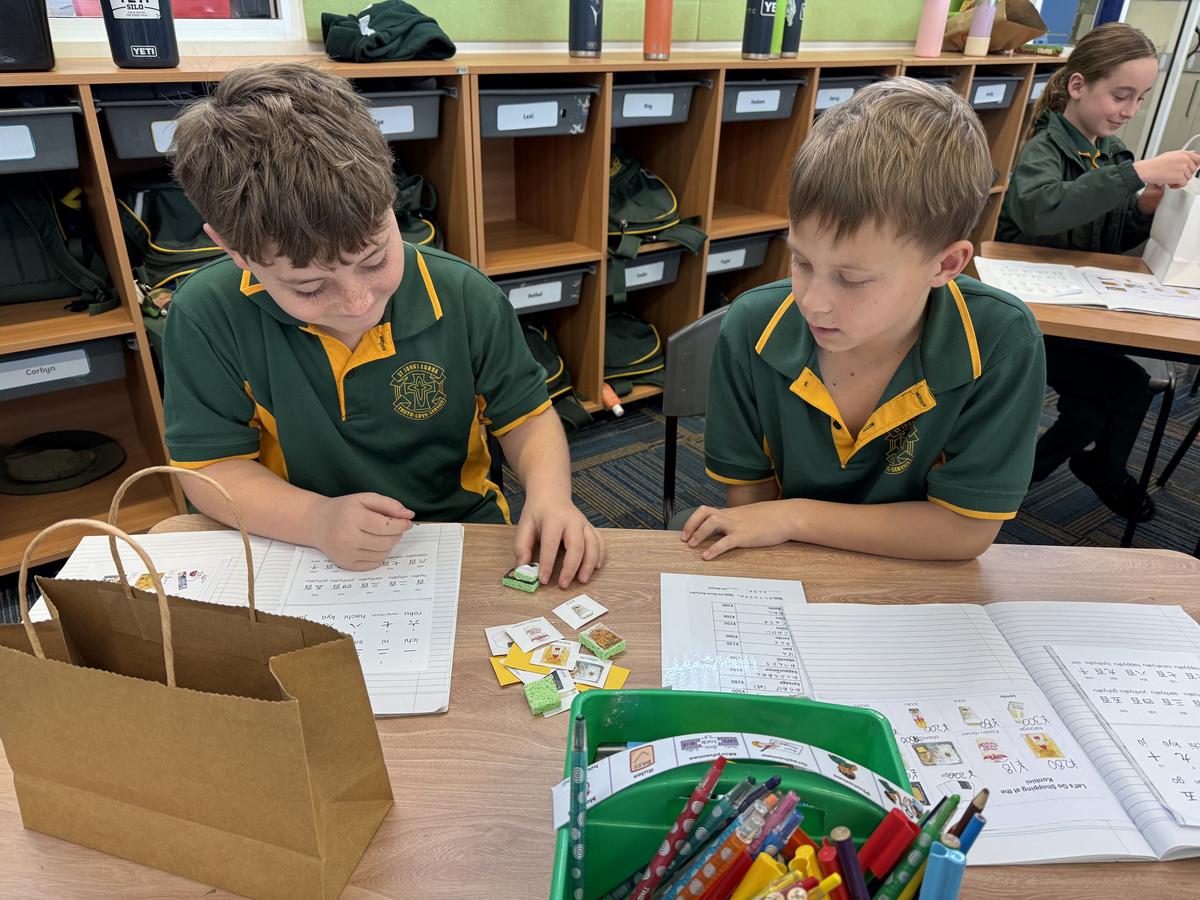
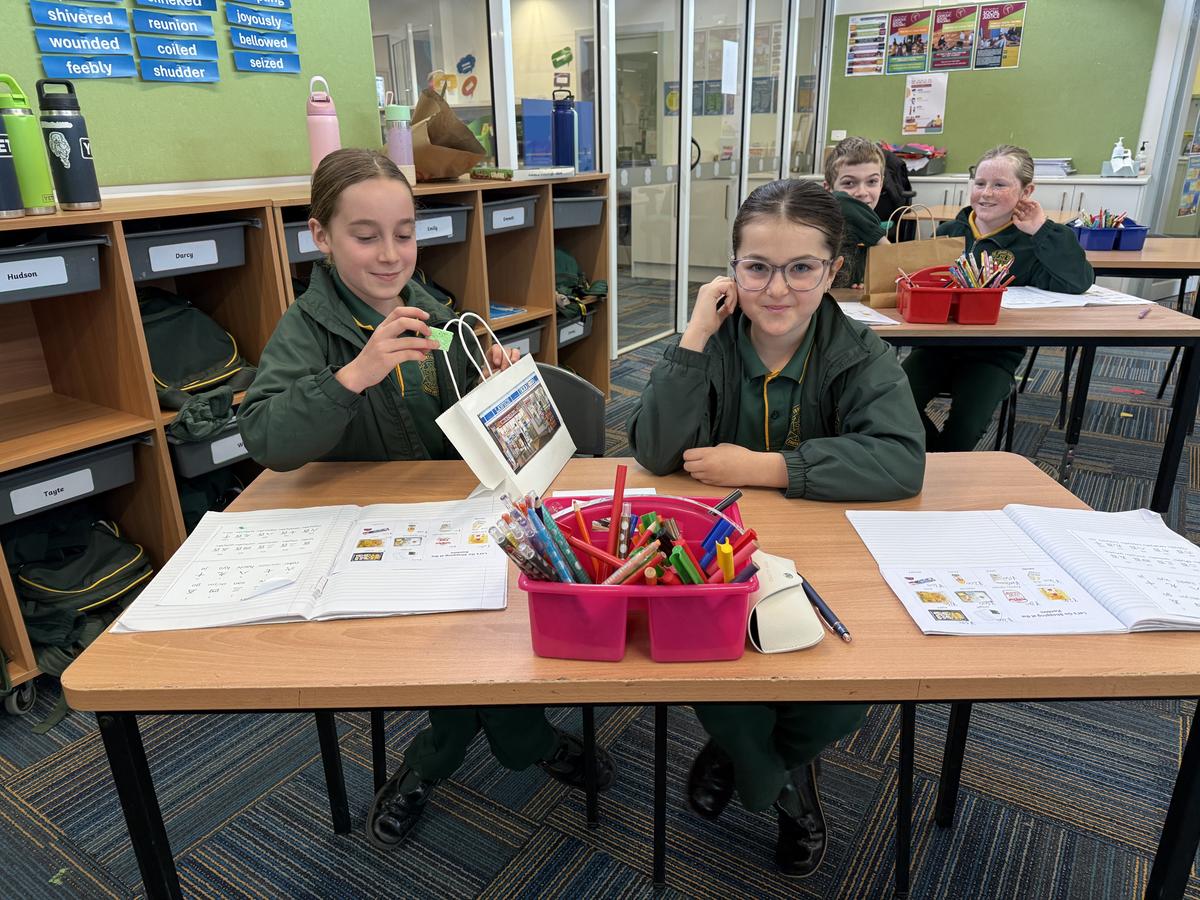
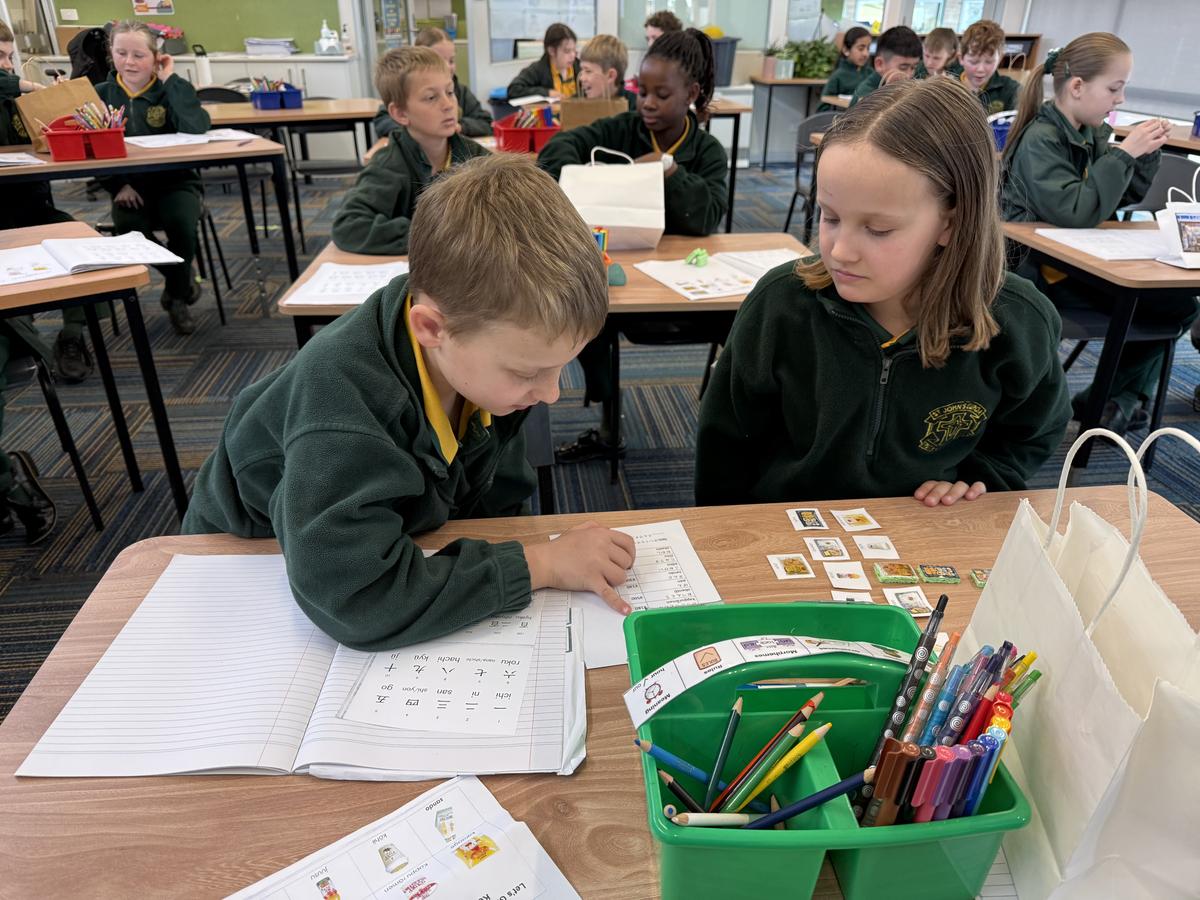
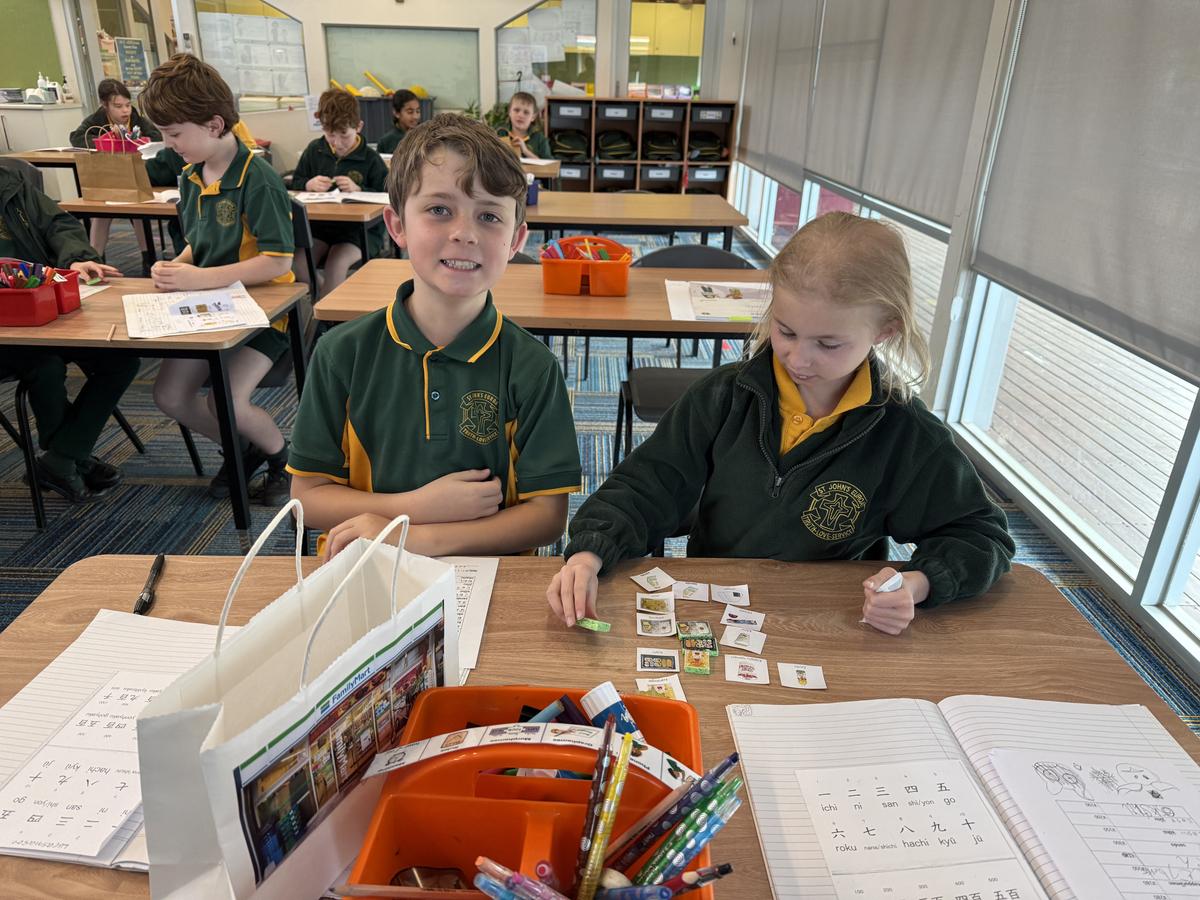
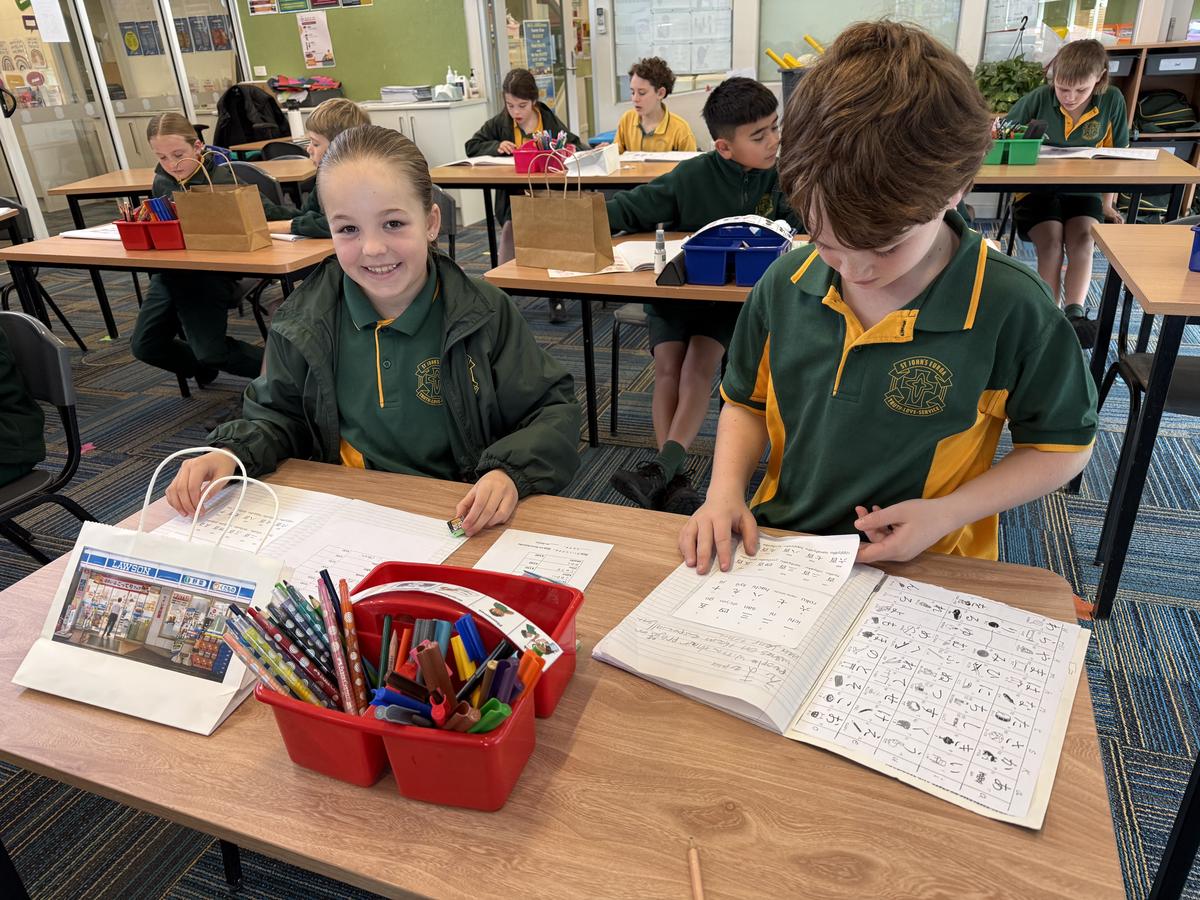
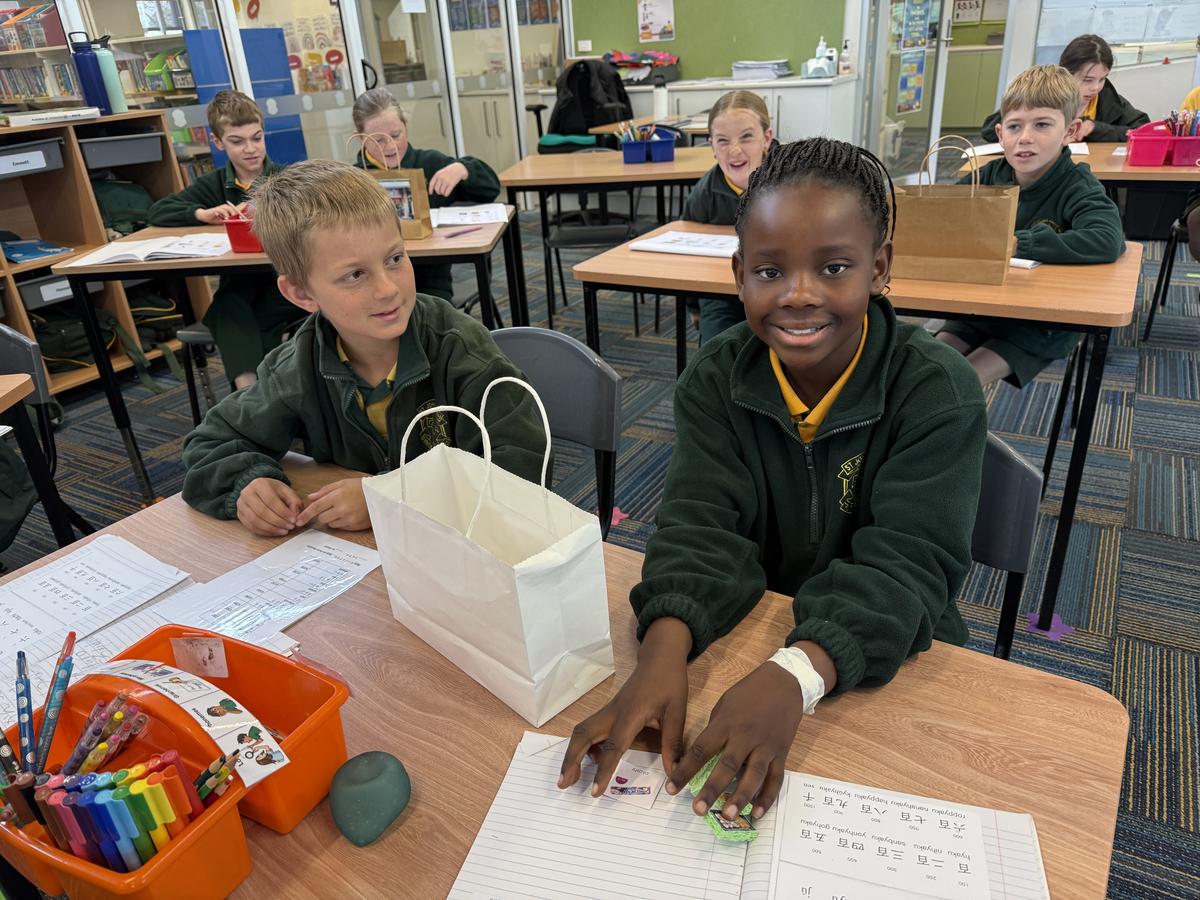
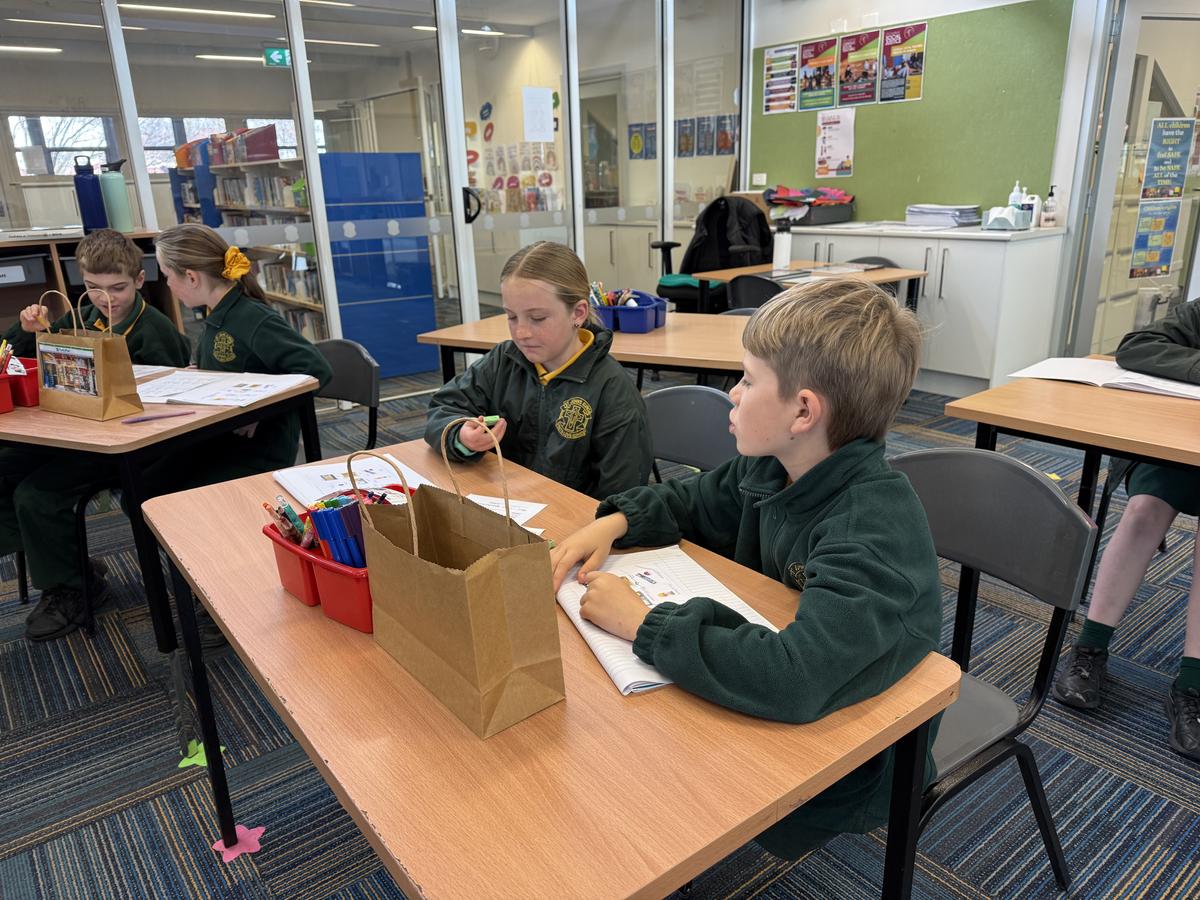
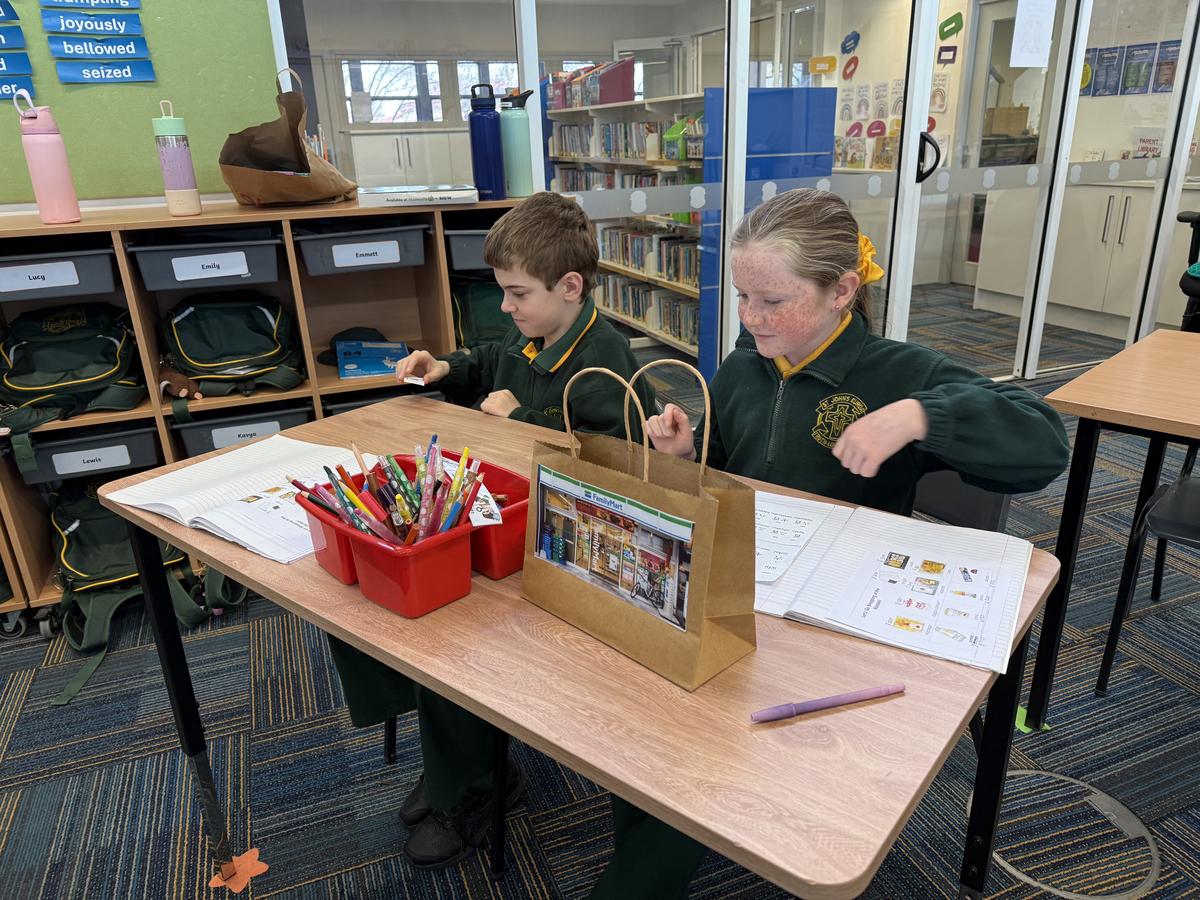
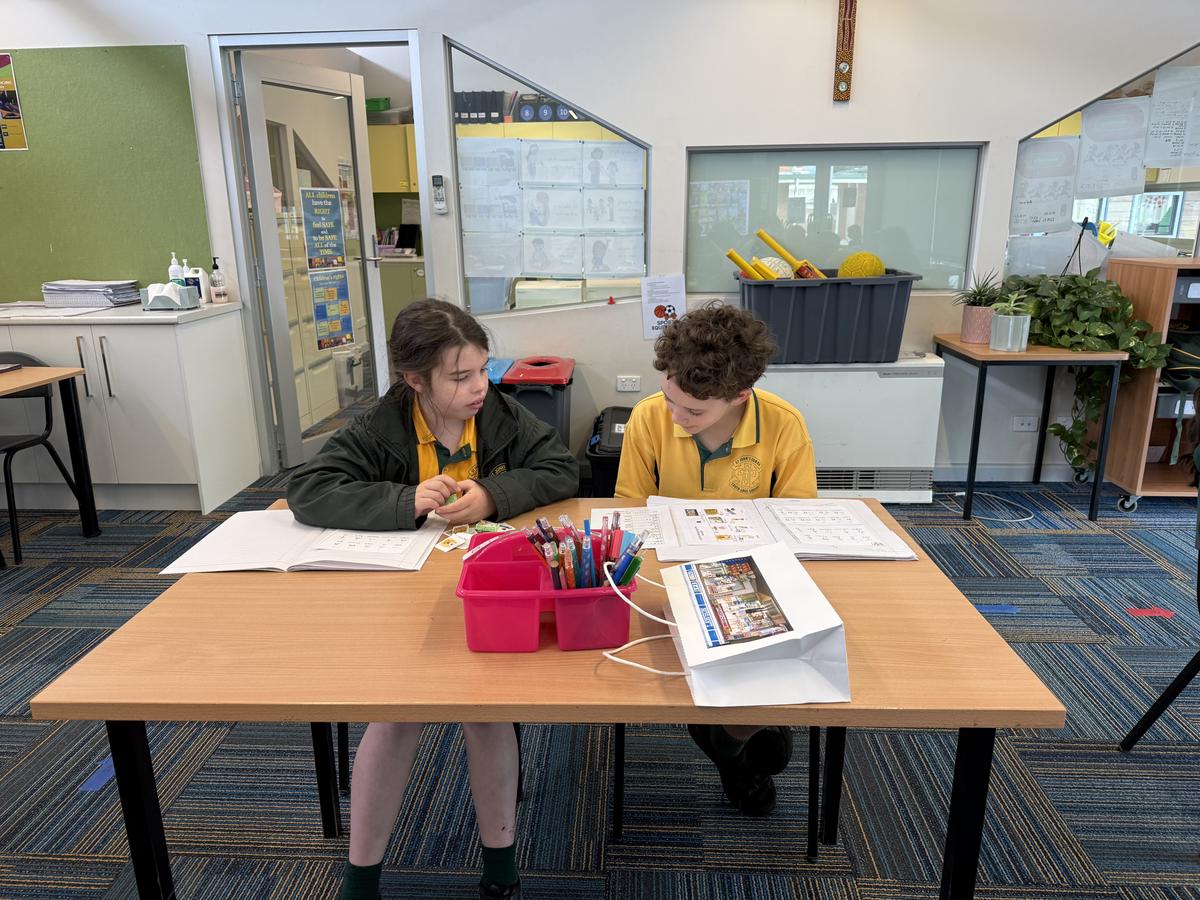
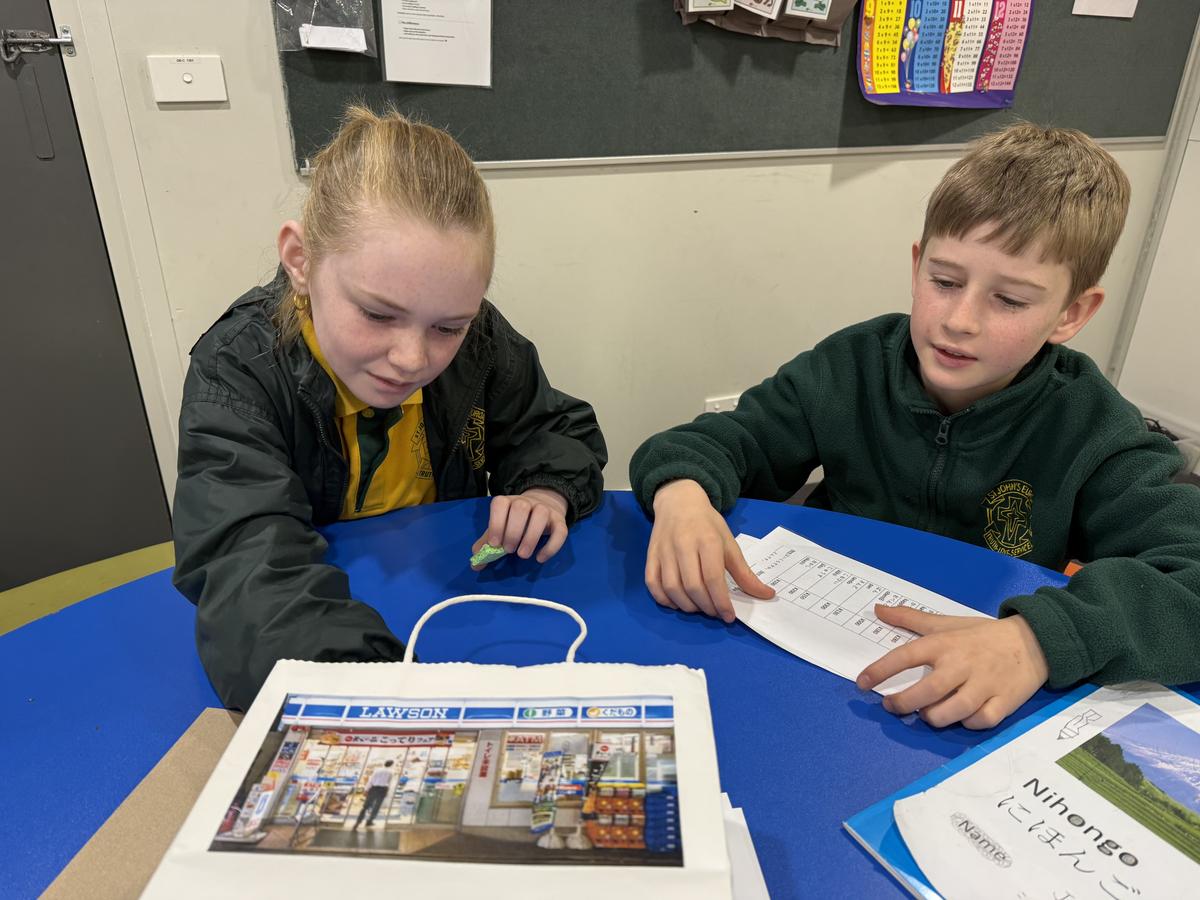
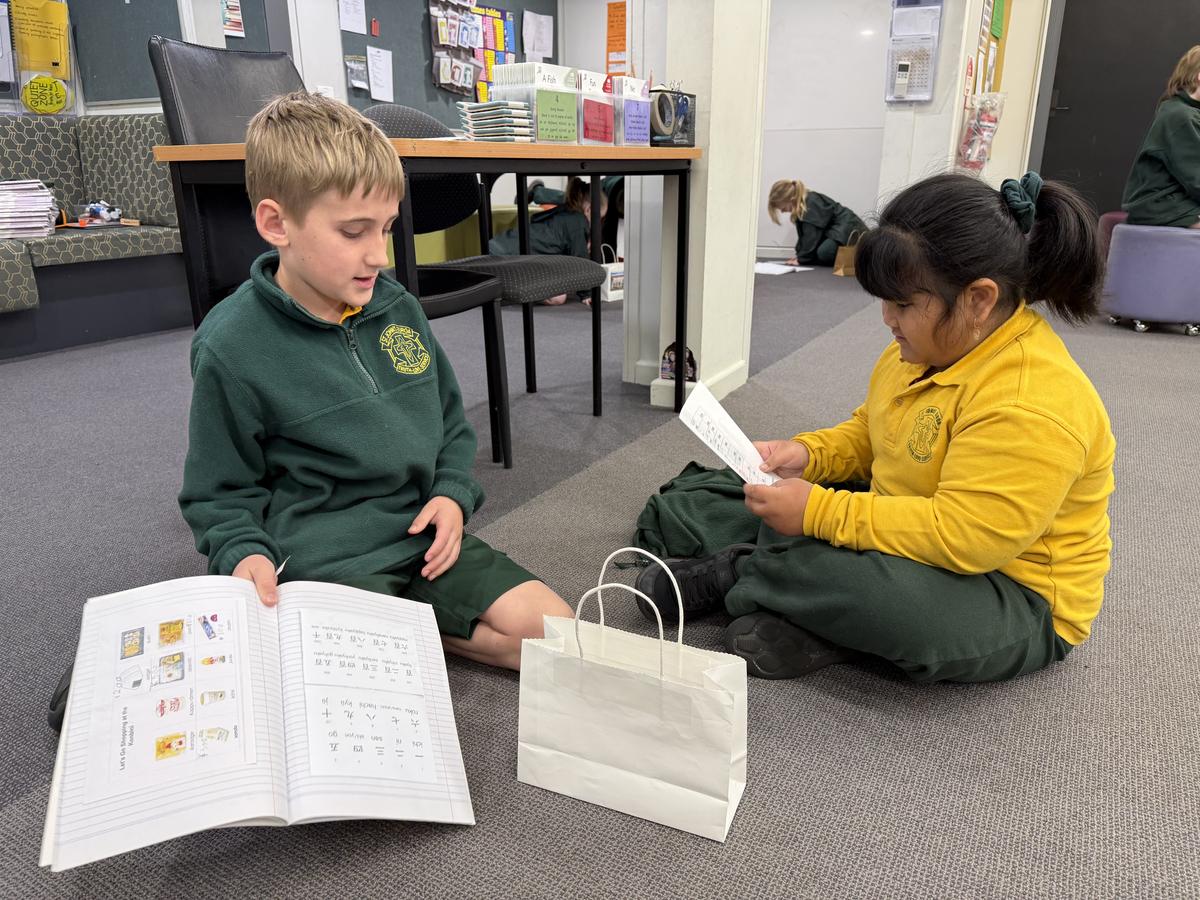
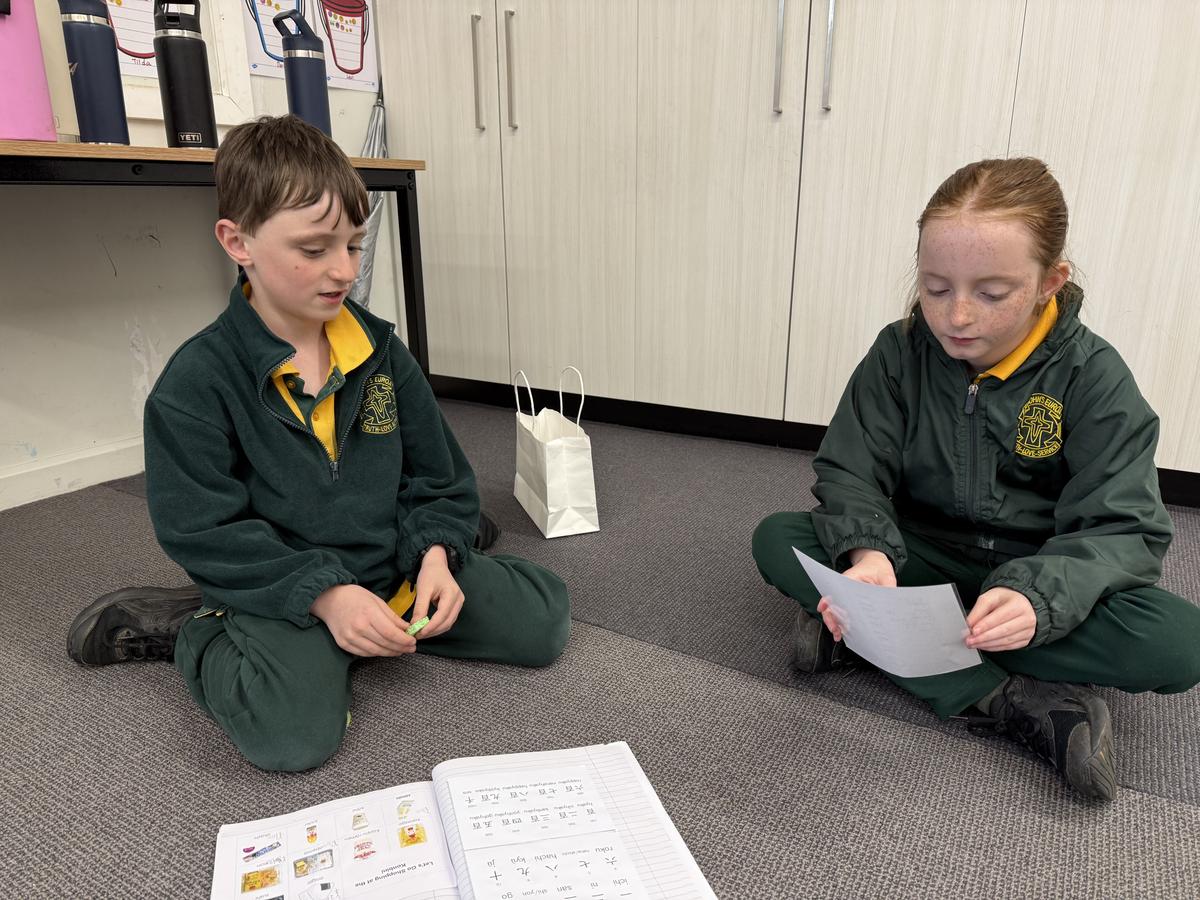
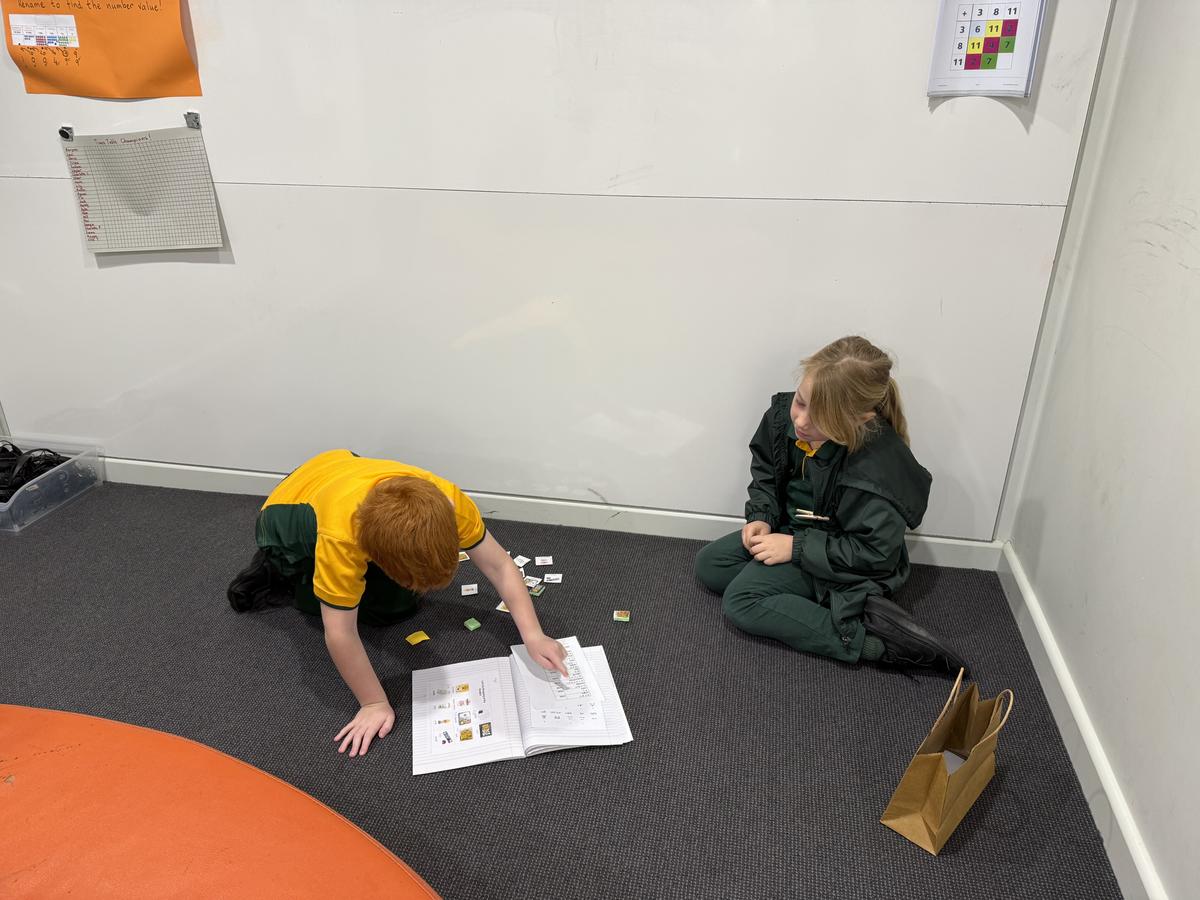
Students looked at photos and videos, learnt the Japanese names of some food and drinks that are available in konbini and practiced paired conversation to ask/answer the prices in Japanese using props.
Conversation
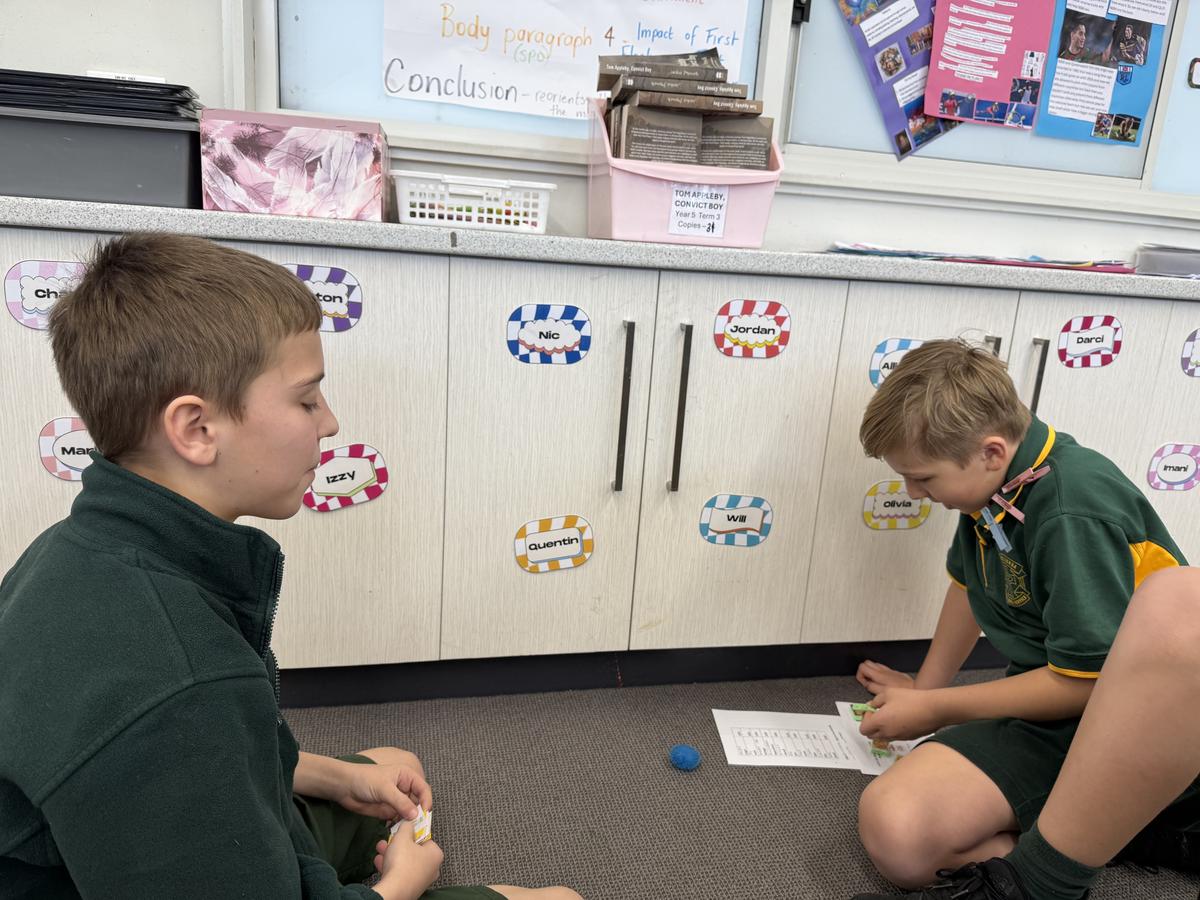
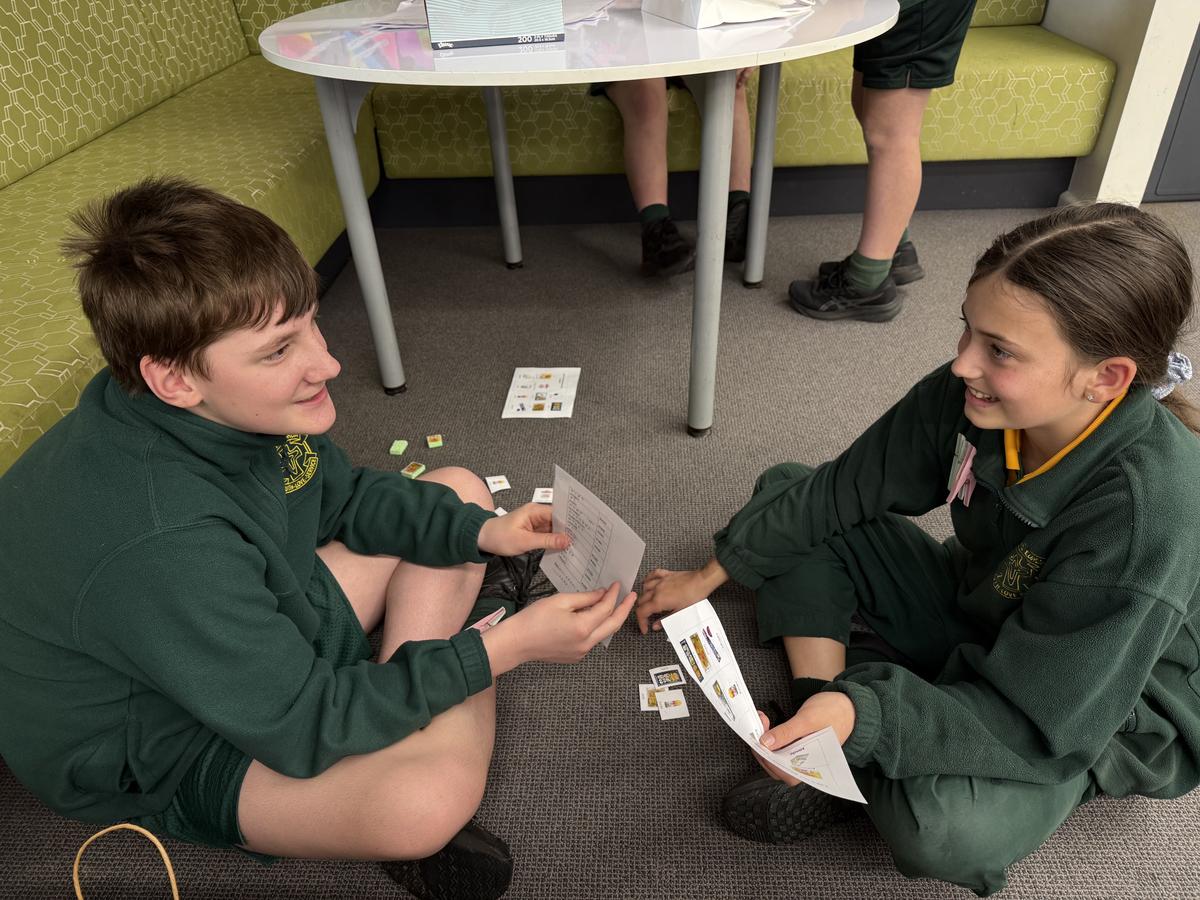
Students participated in pair/group conversations in Japanese using props of typical Konbini food and drinks, asking “How much is ___?” and answering “It’s ___ yen.”
Number practice
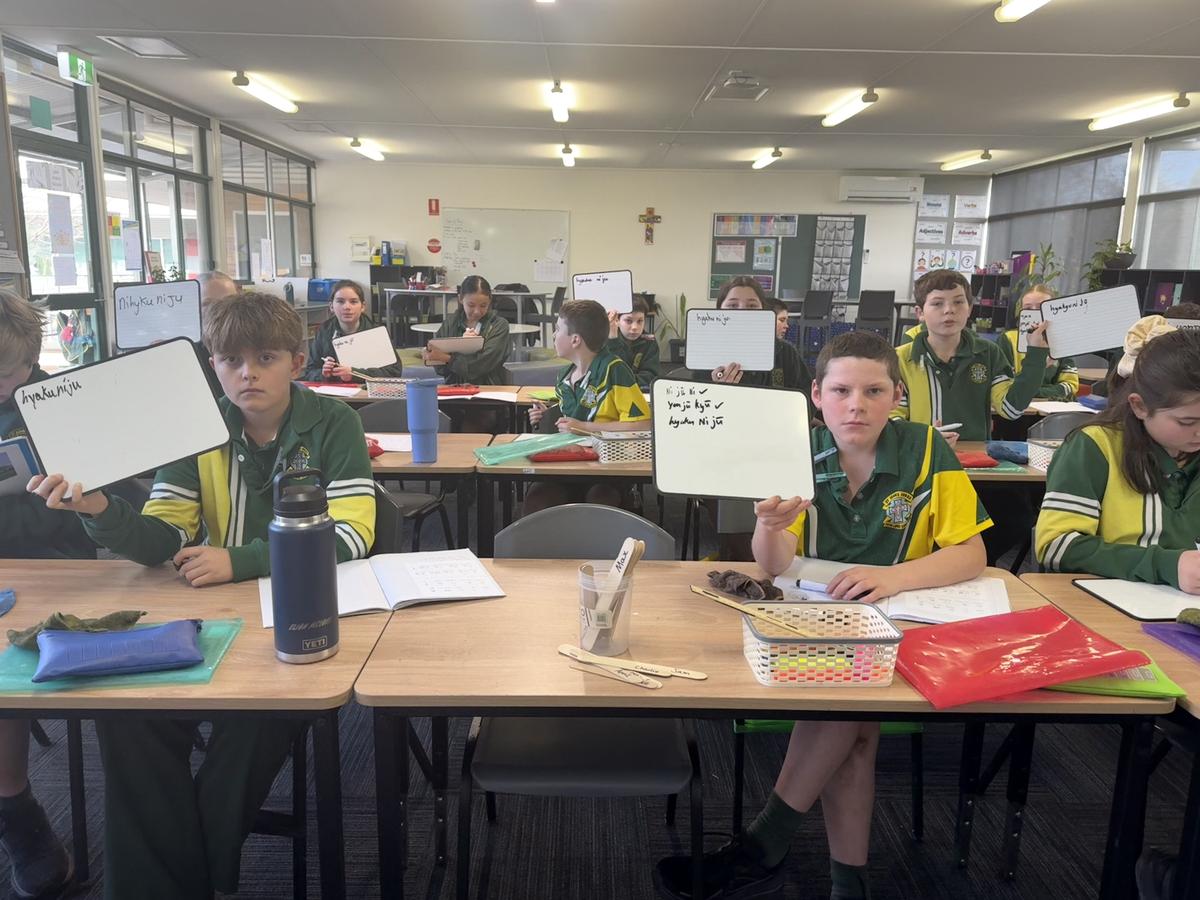
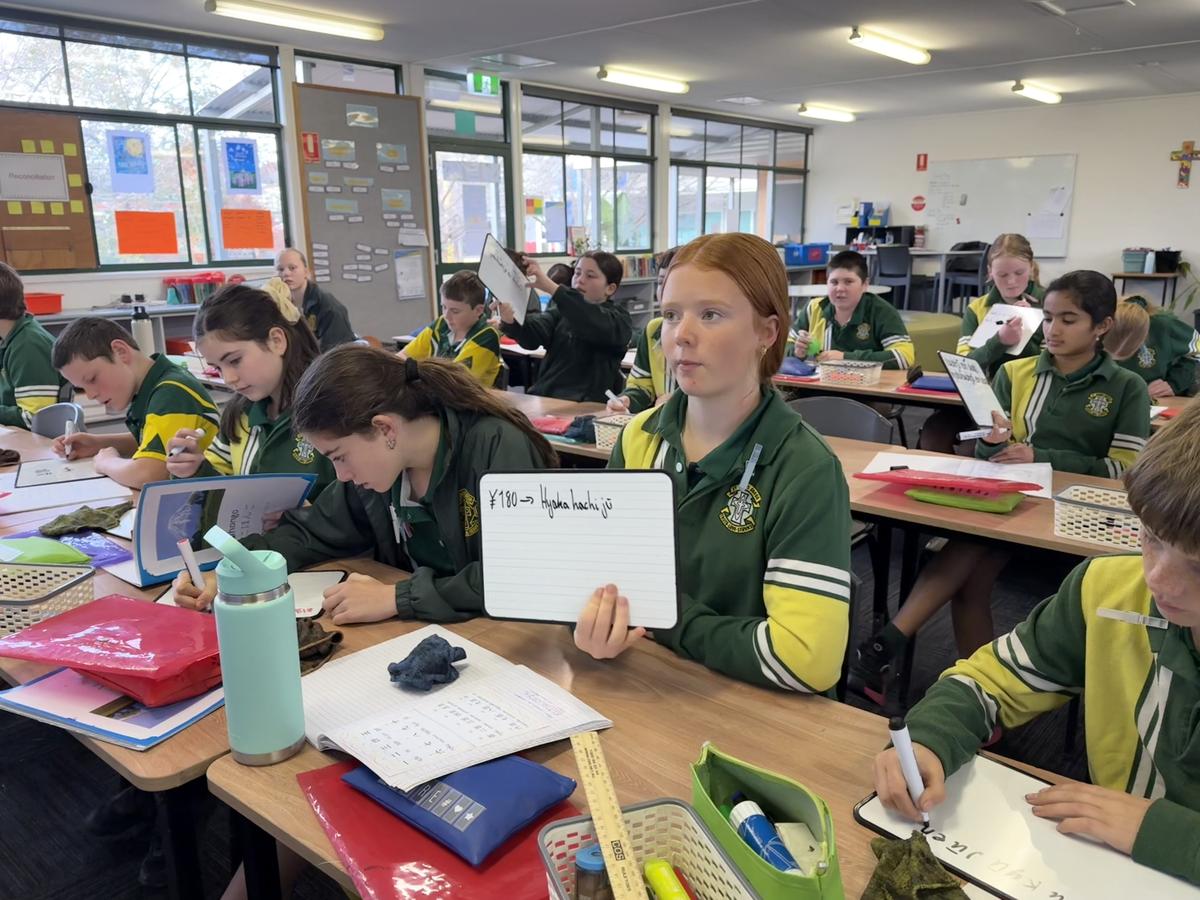
Students have been practicing numbers in Japanese using the mini white board.
Songs
Through learning songs in Japanese, students practiced asking/answering prices in Japanese.
Origami
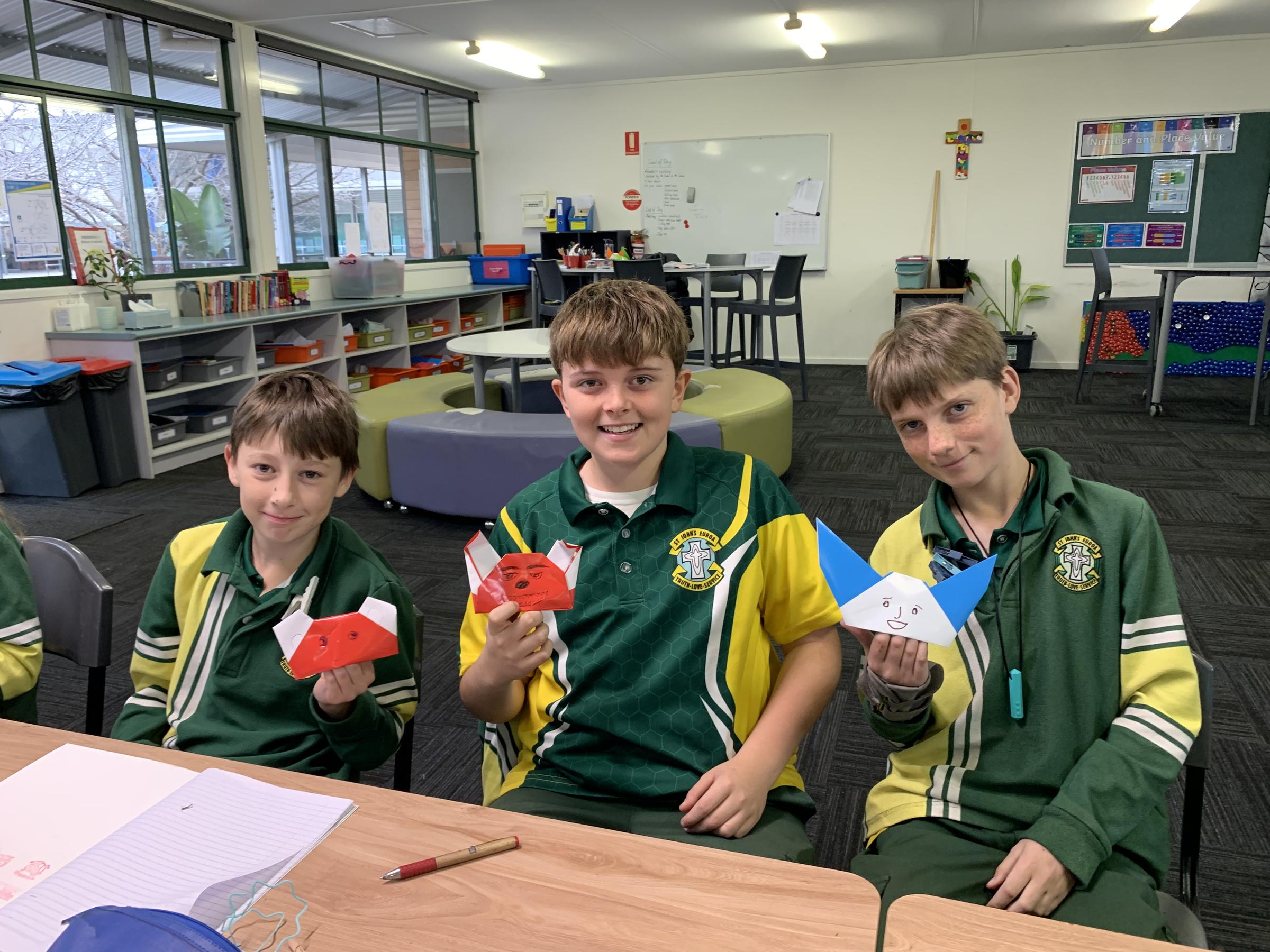
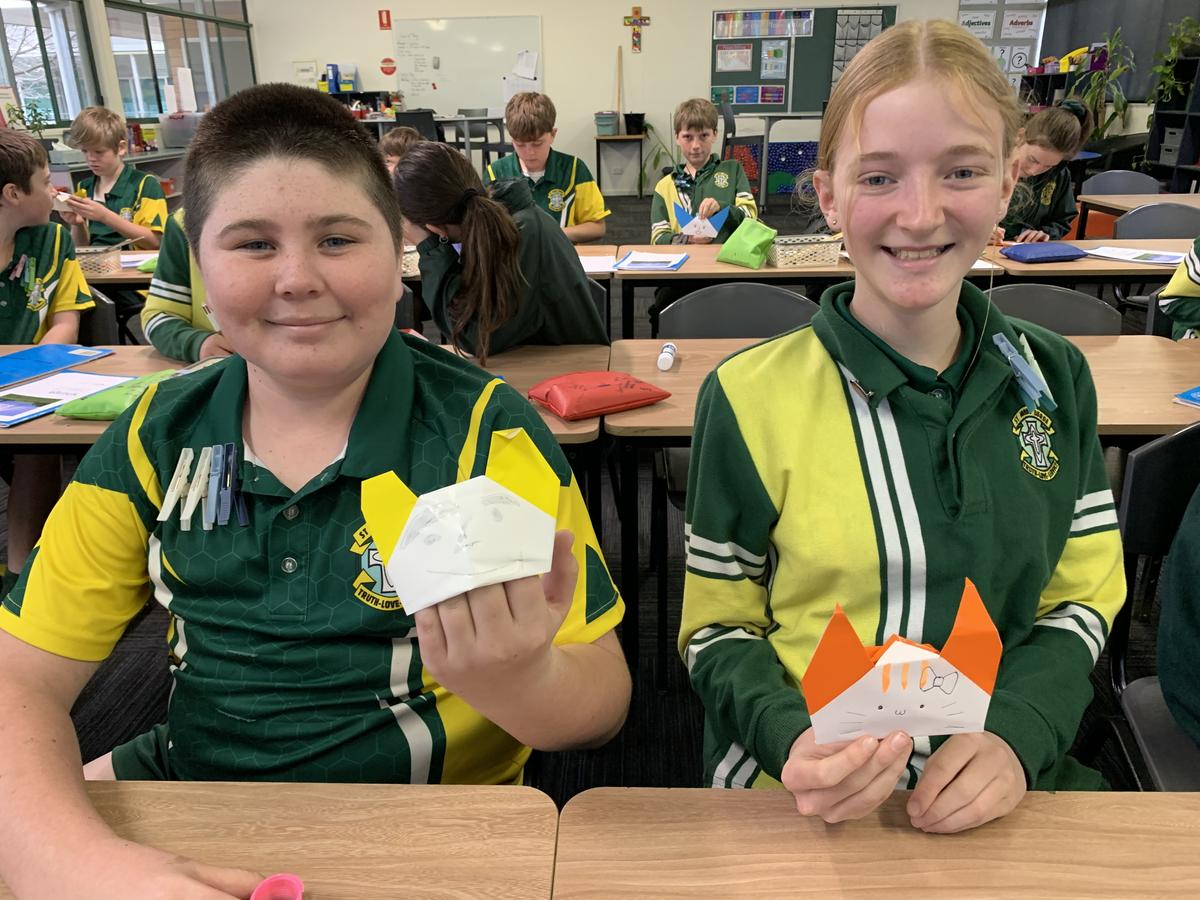
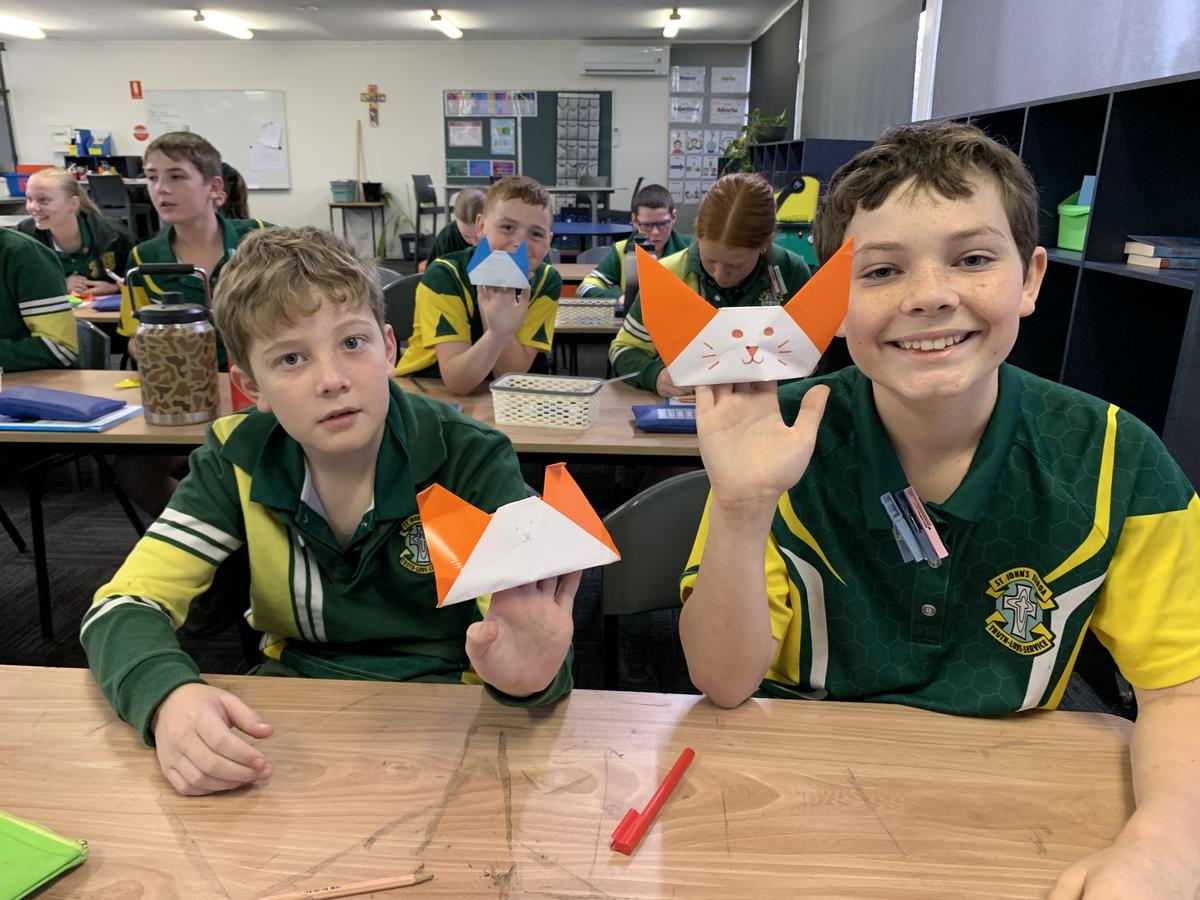
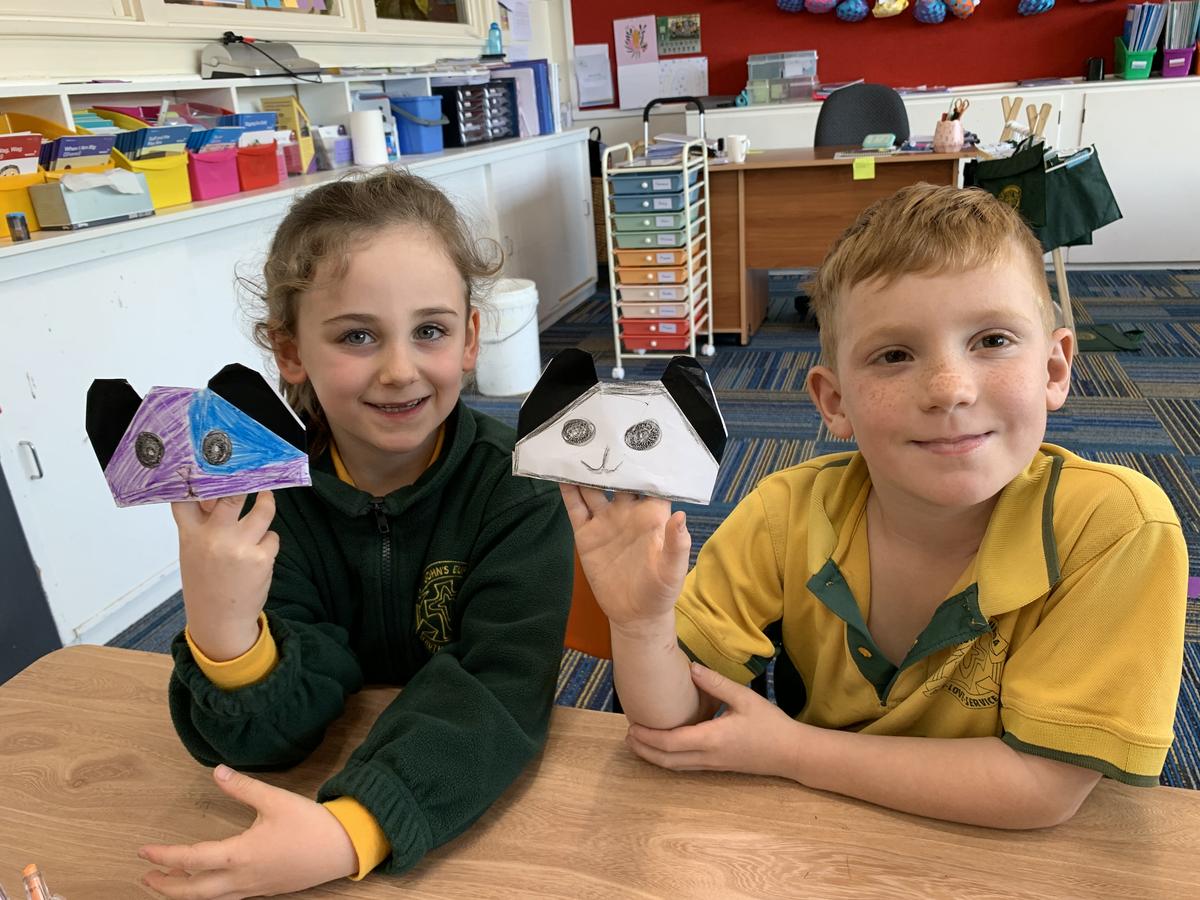
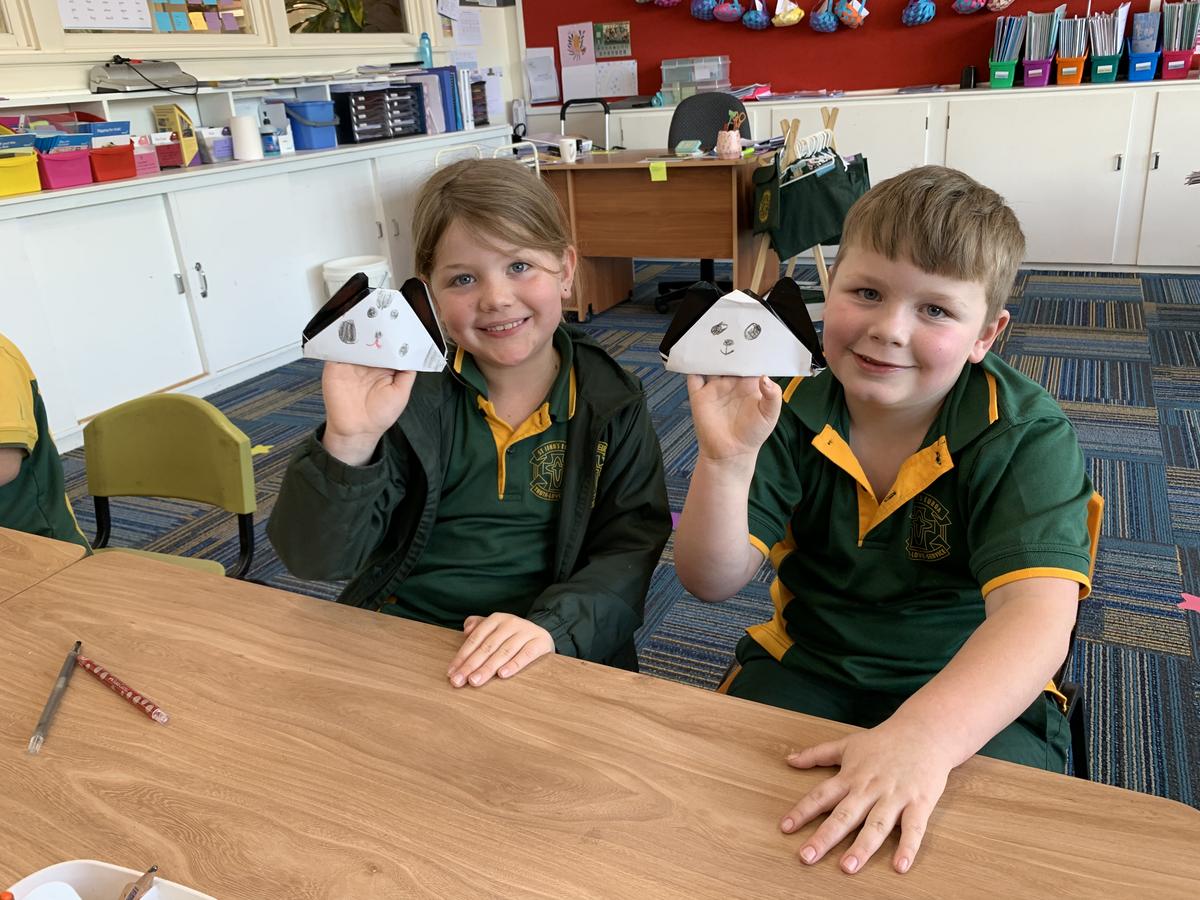
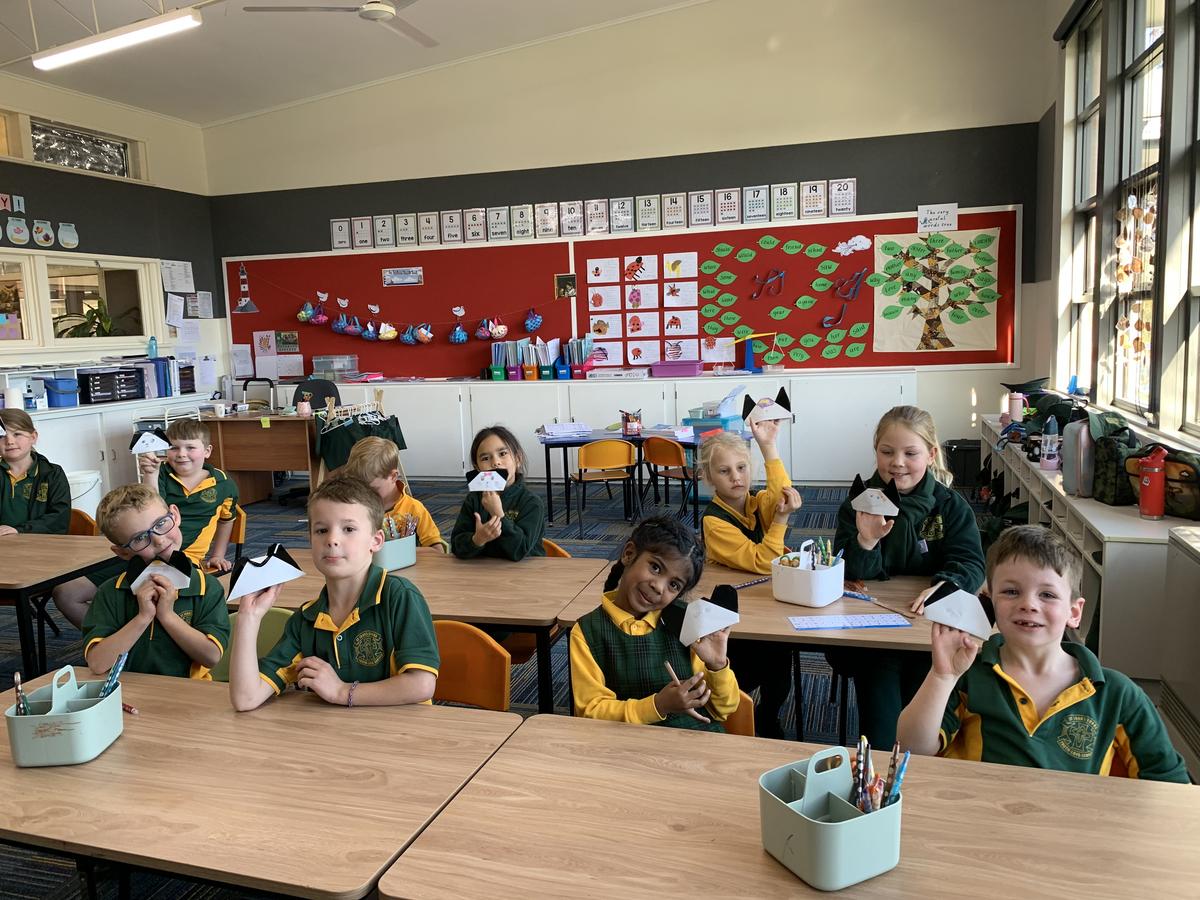
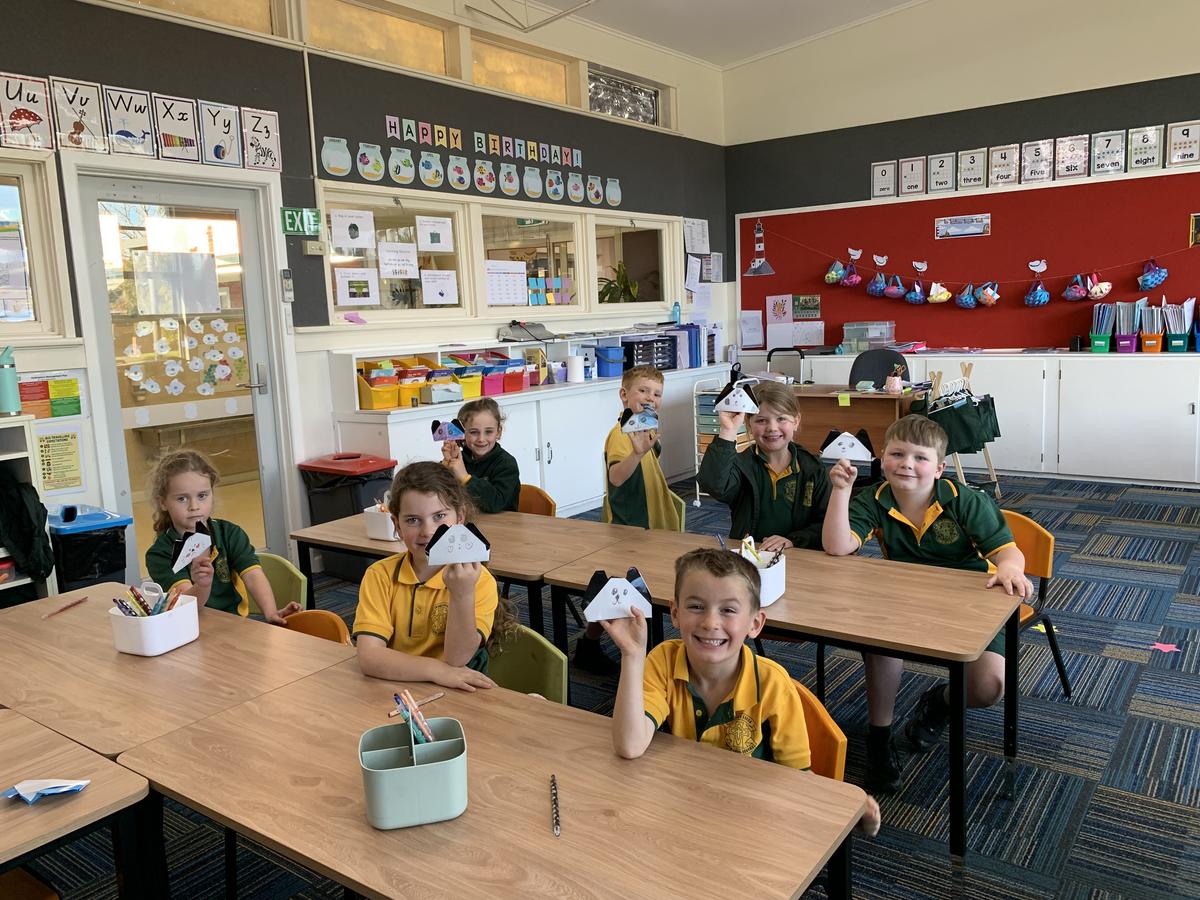
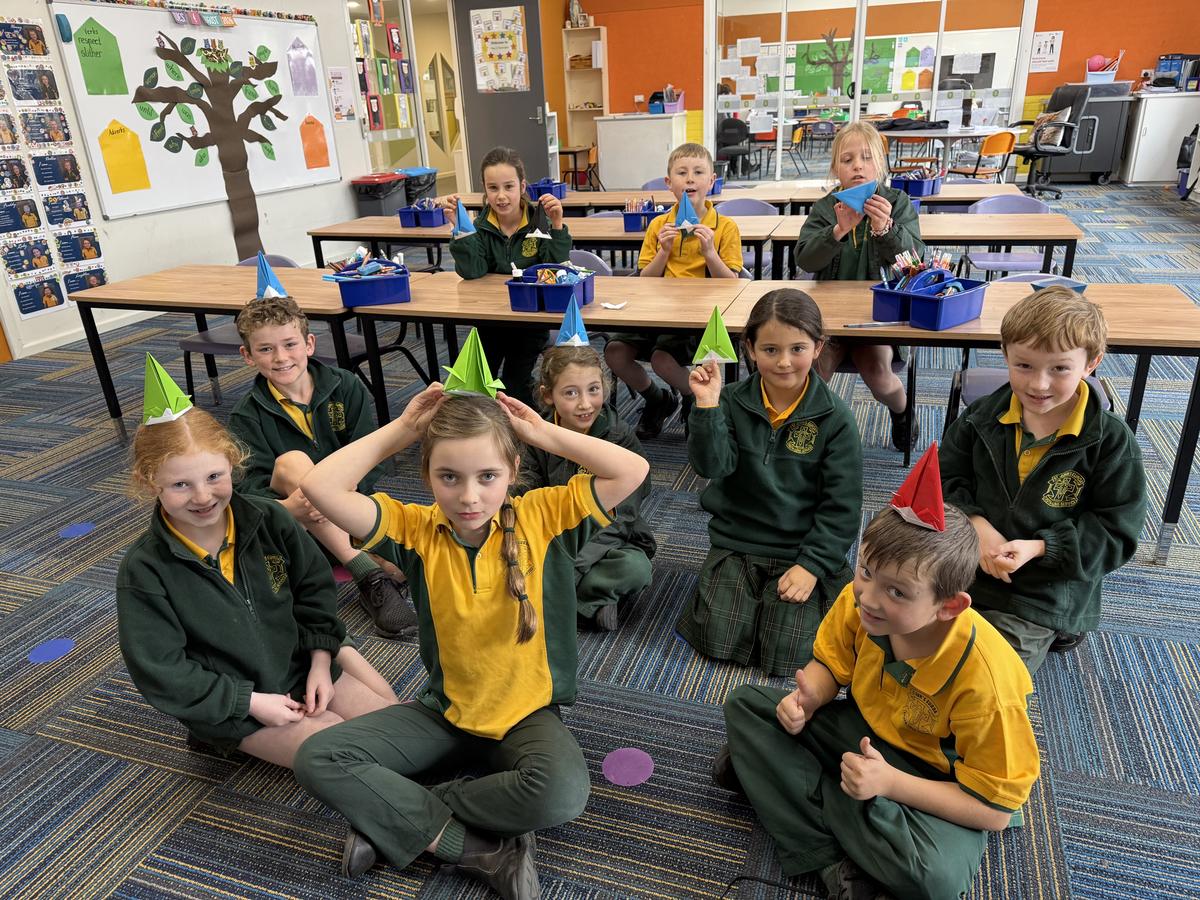
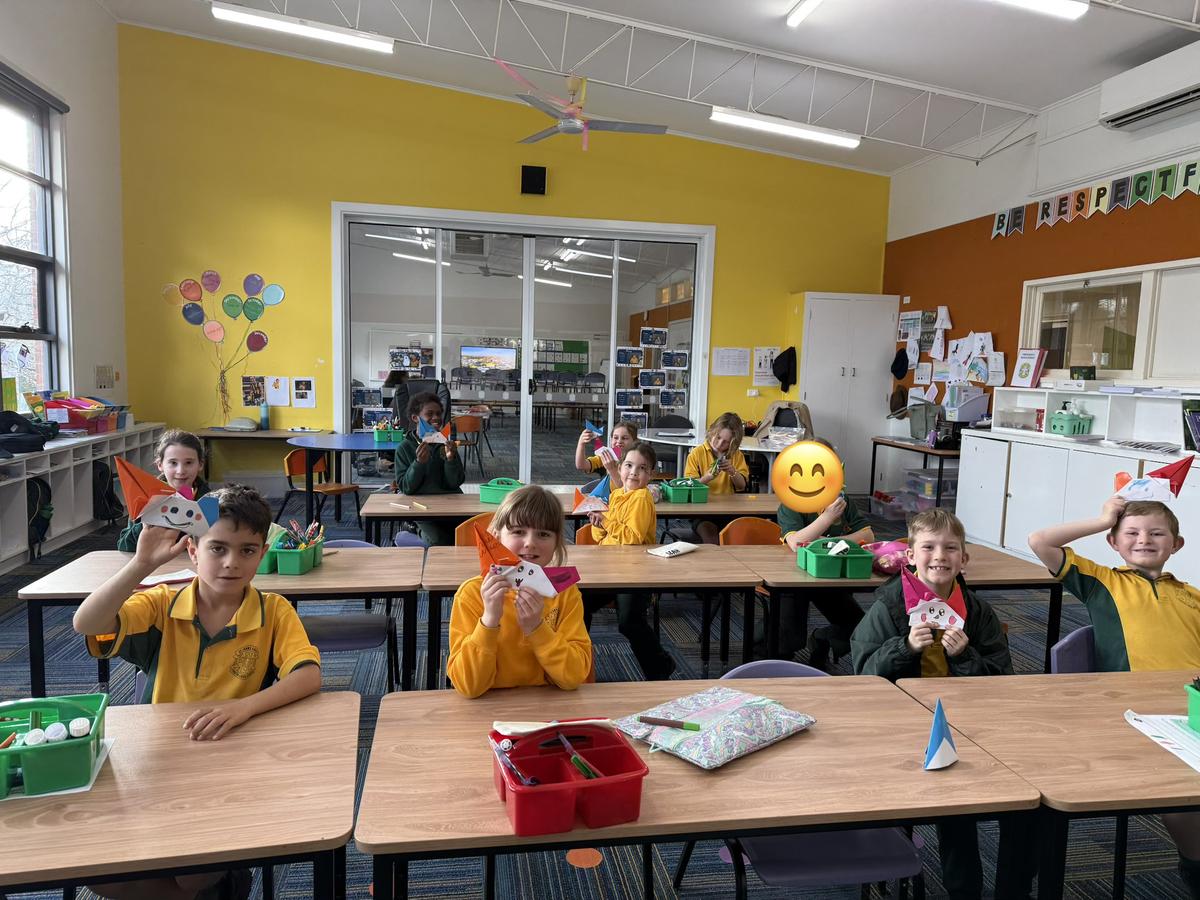
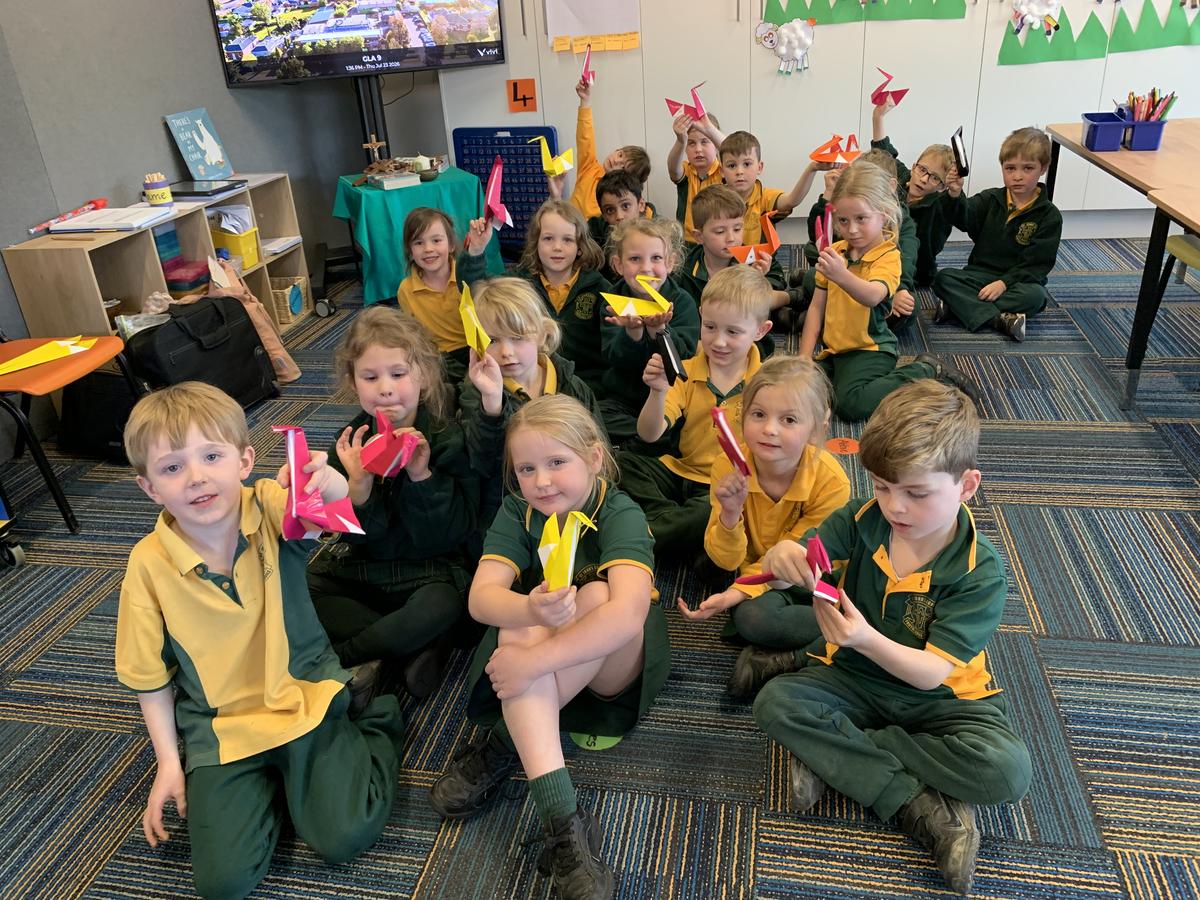
We made some Origami such as puppets and love heart bookmark.
Year 6 Christmas in July
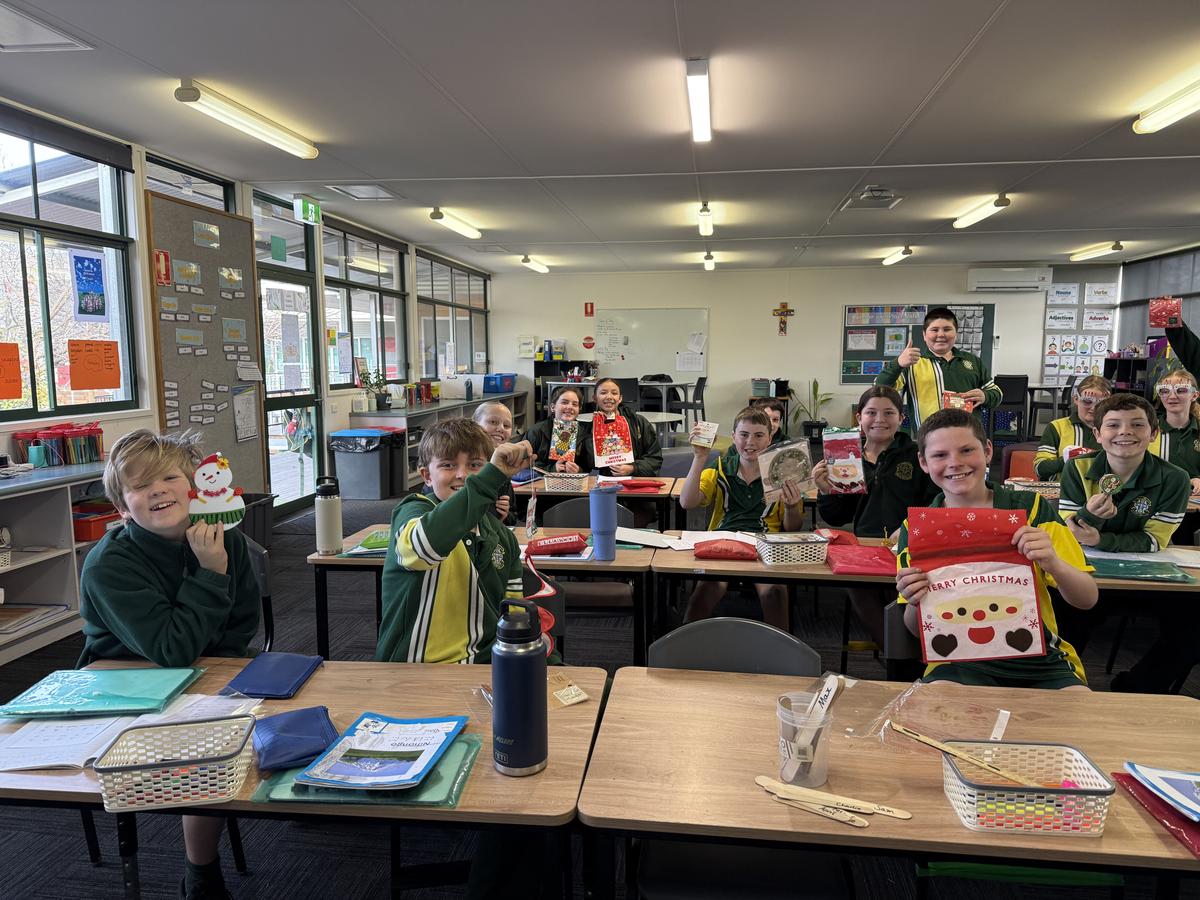
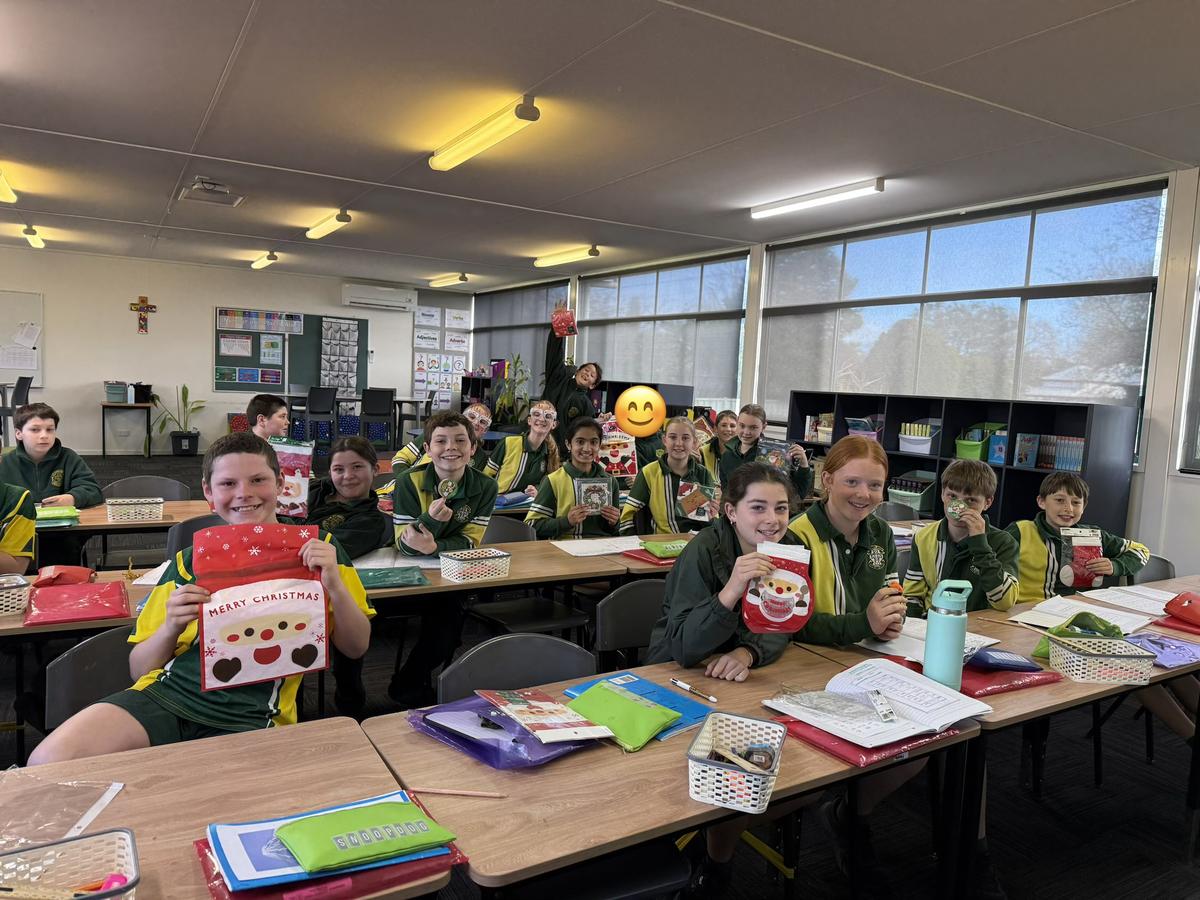
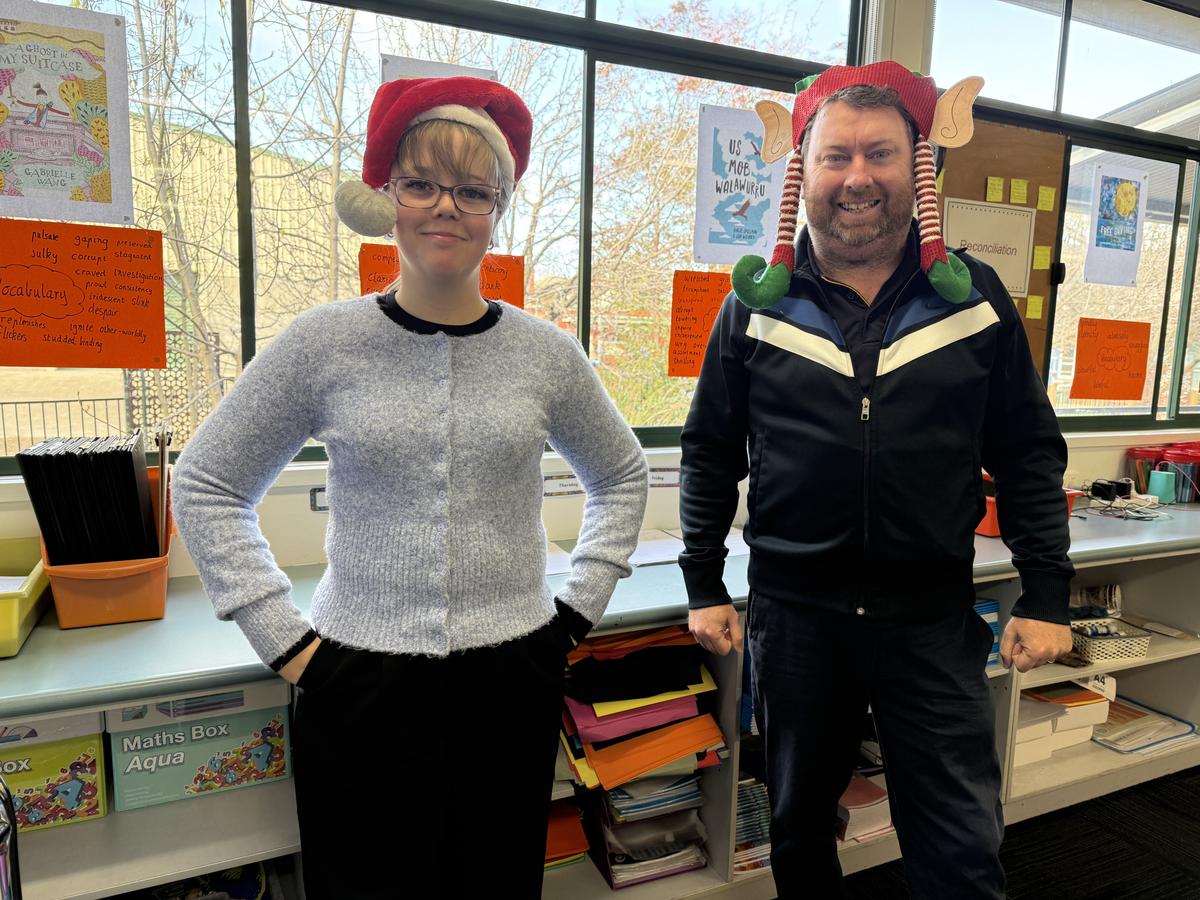
Year 6 students have been learning so well in our Japanese classes, and earned a reward at the end of July. As part of an exercise to comprehend numbers in Japanese, each student received a lucky number in Japanese and received a small gift from Japan. Well done Year 6!
Things around the classroom
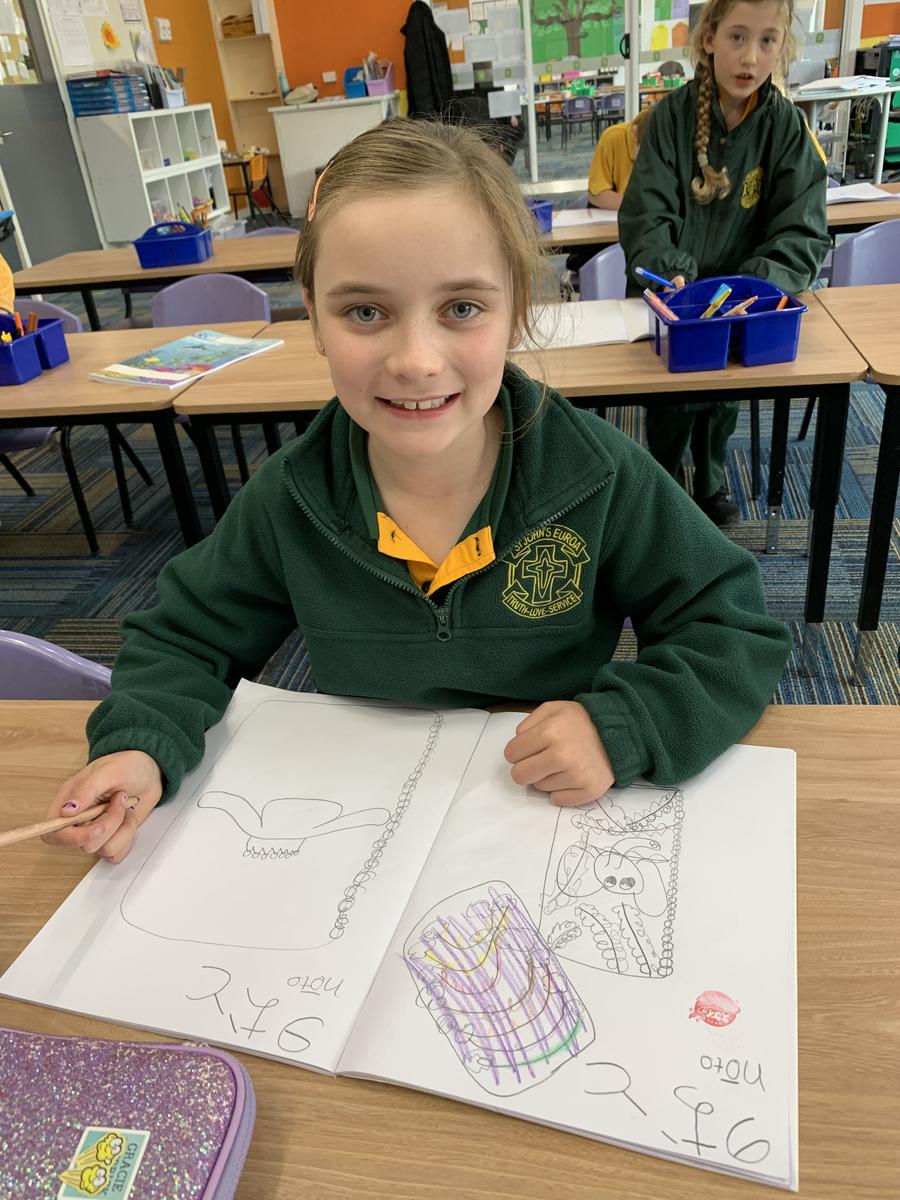
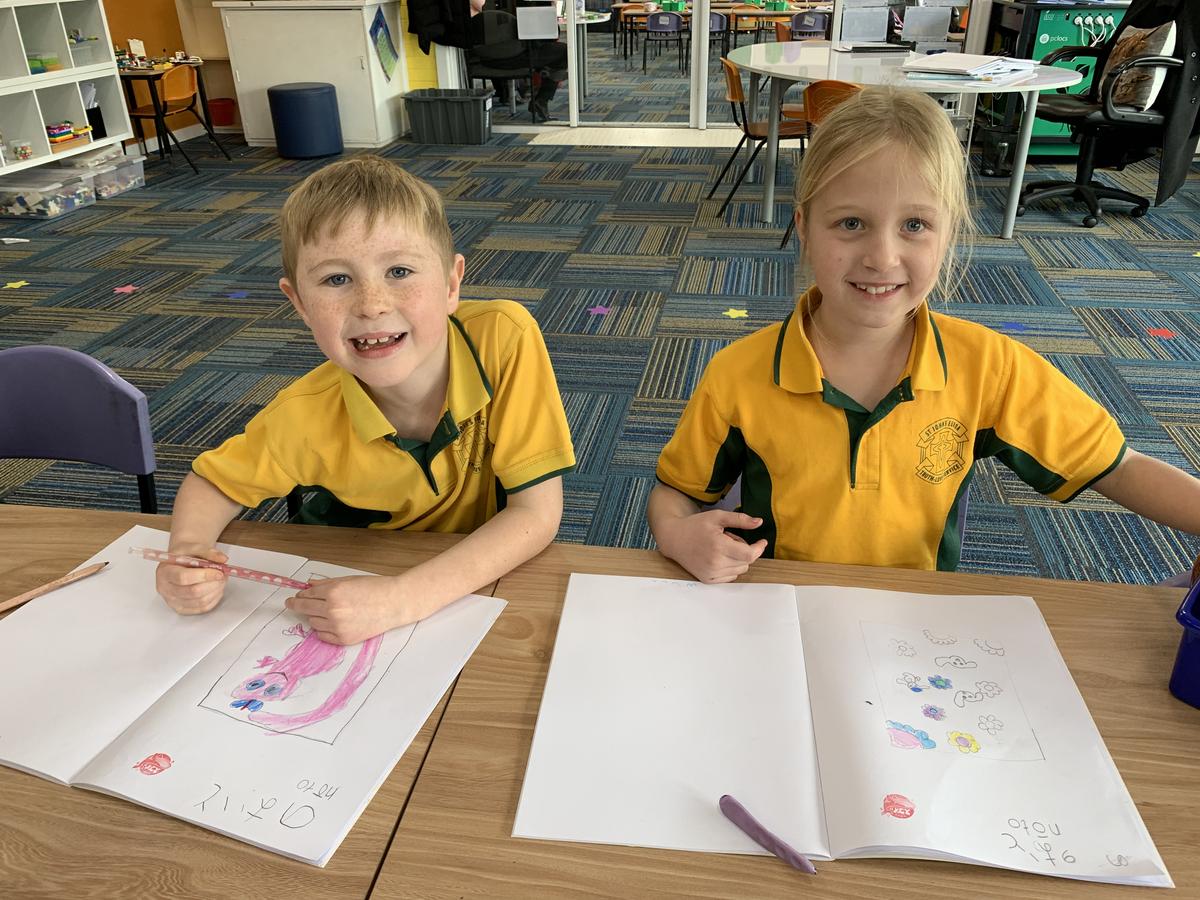
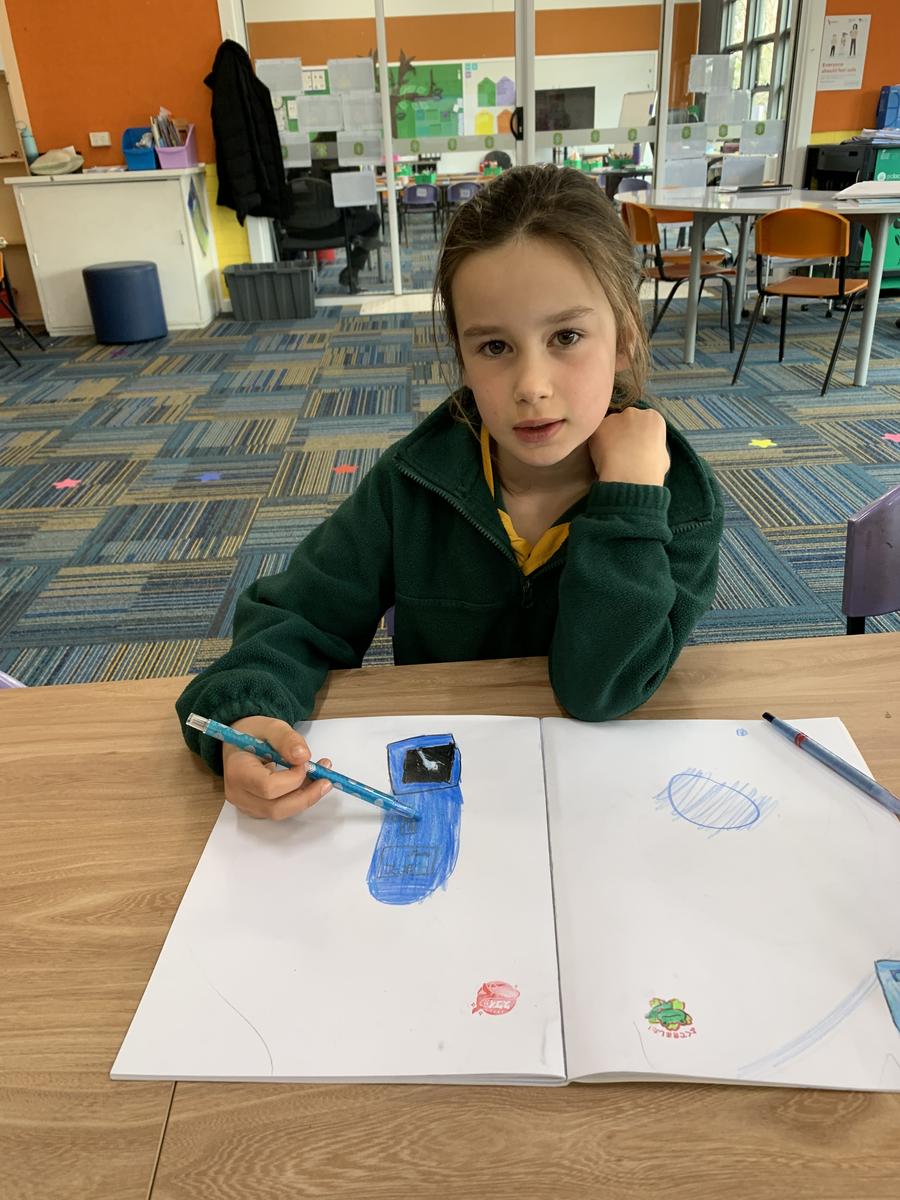
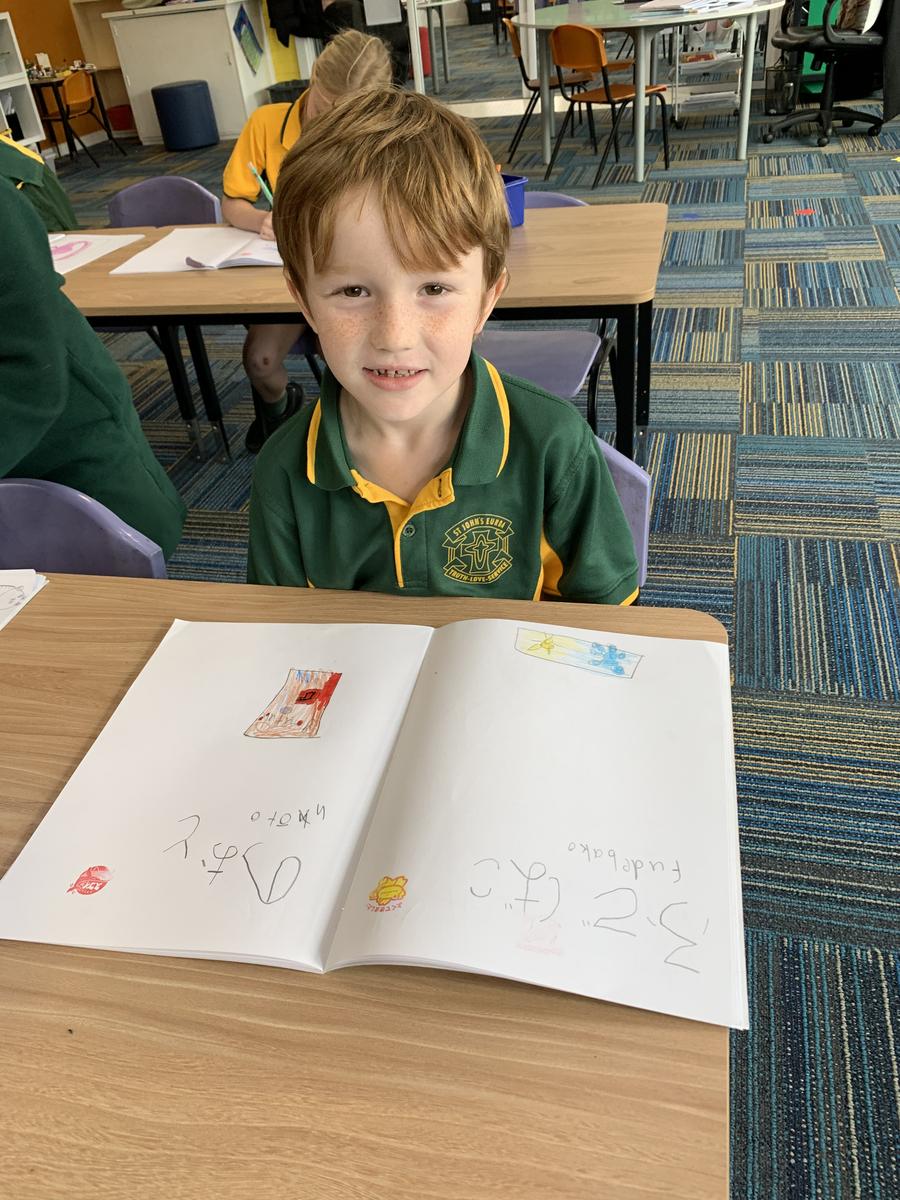
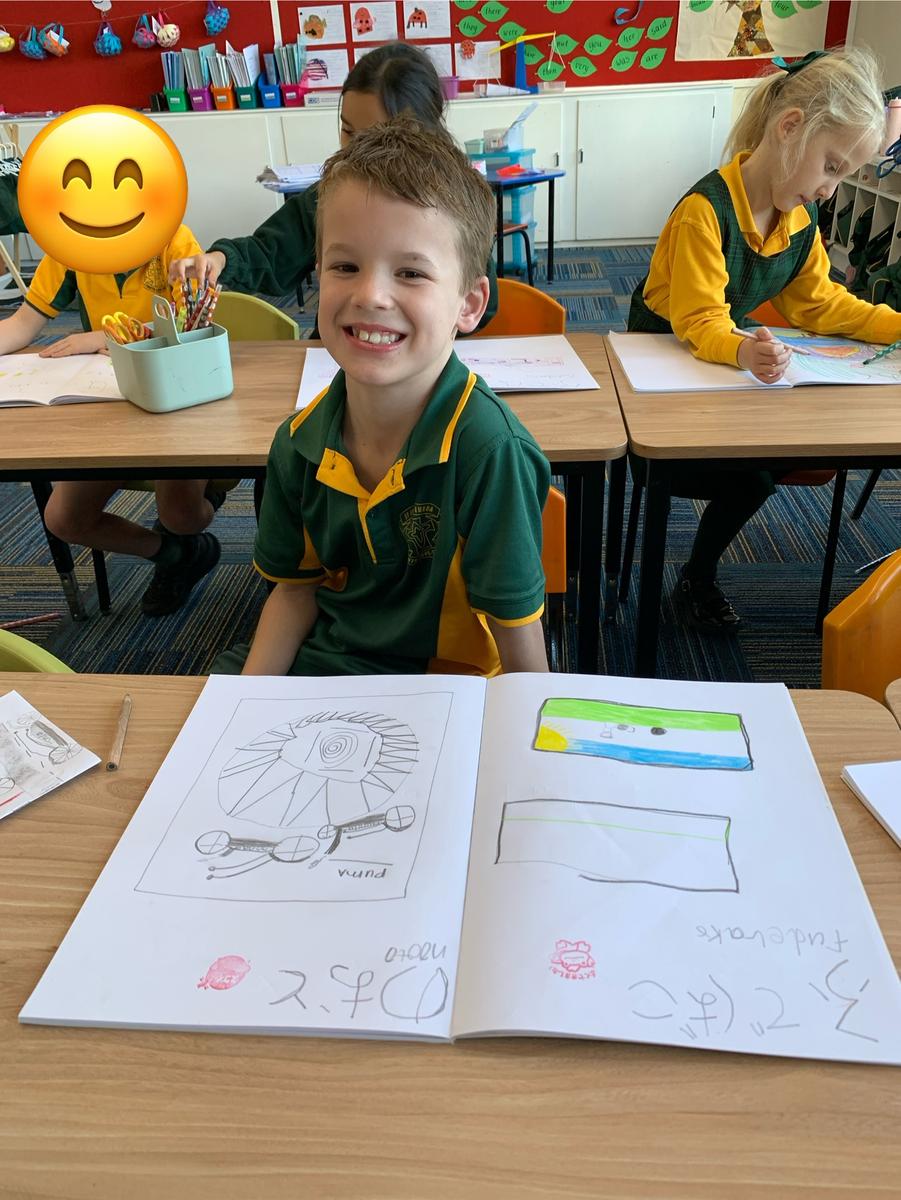
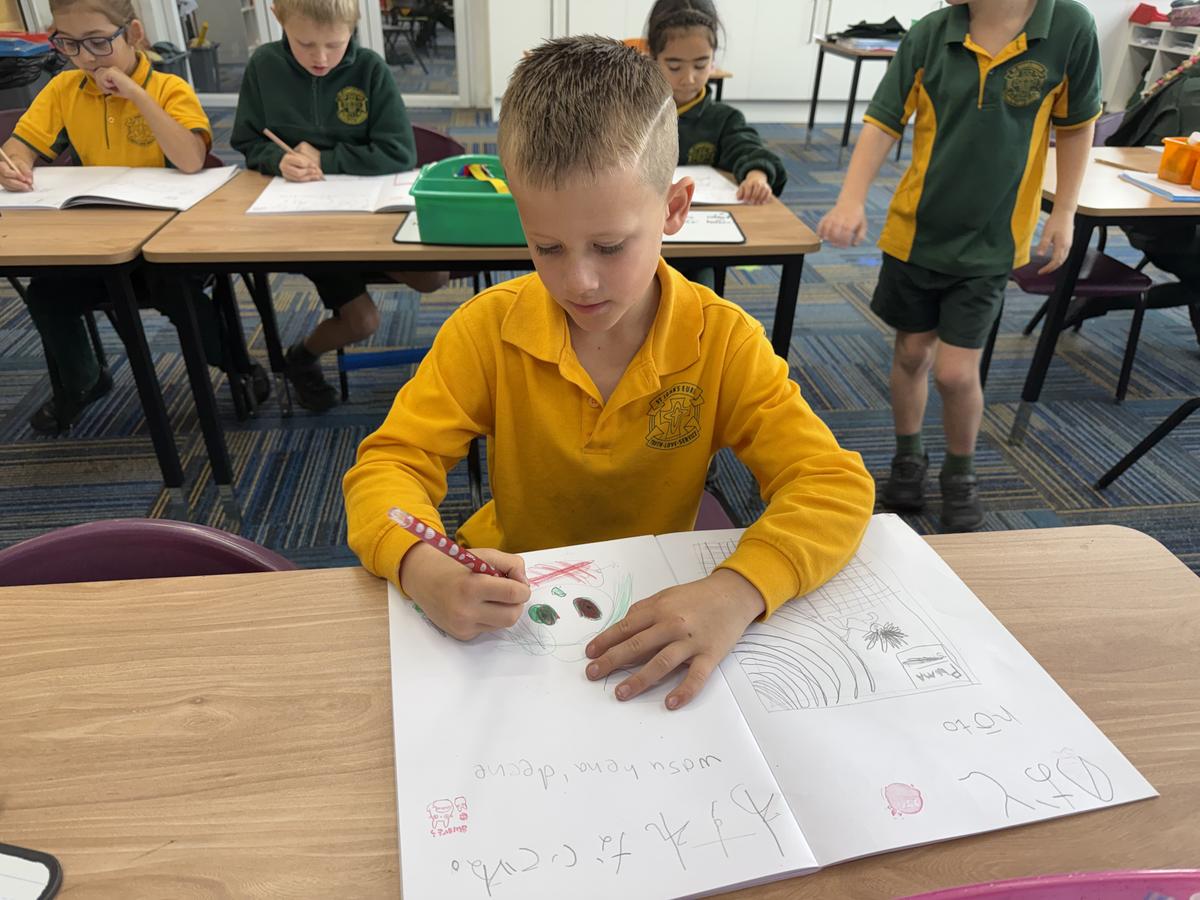
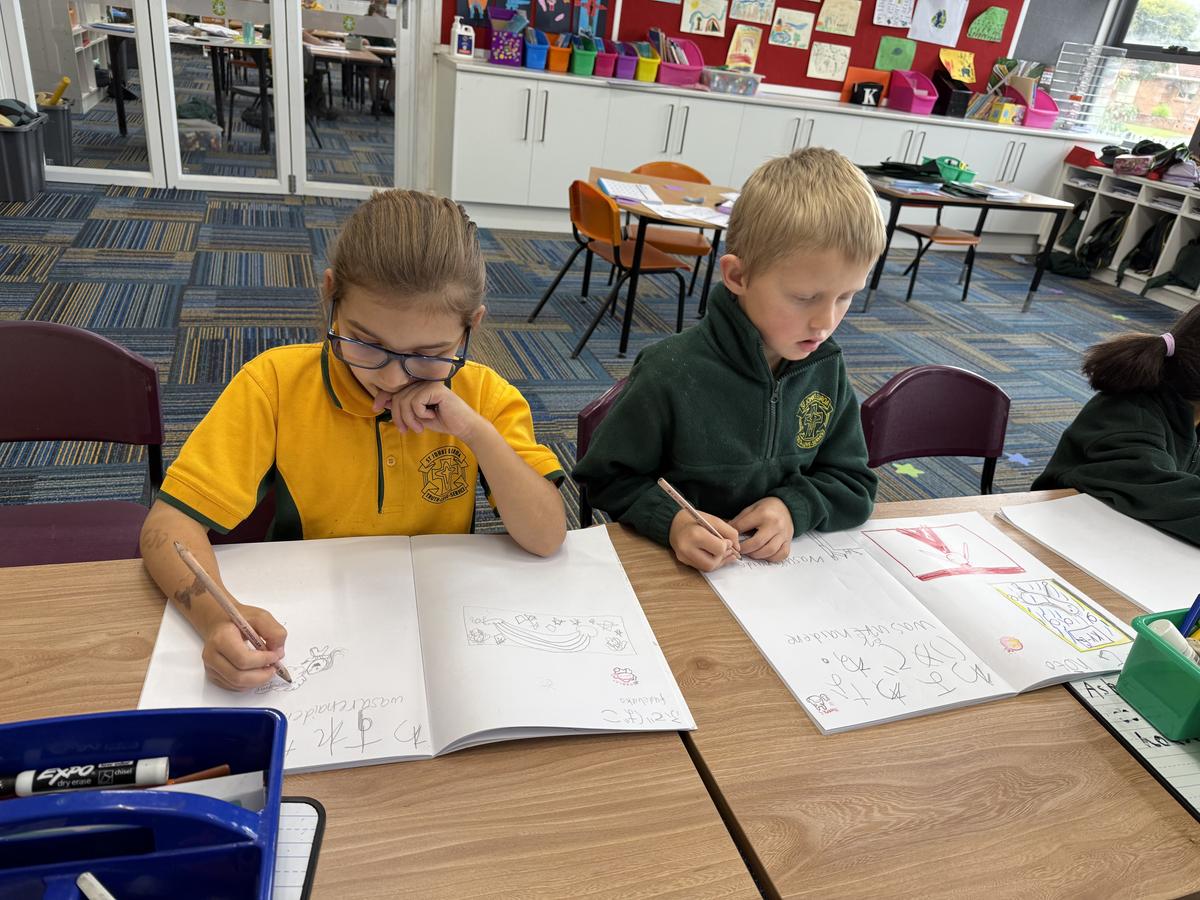
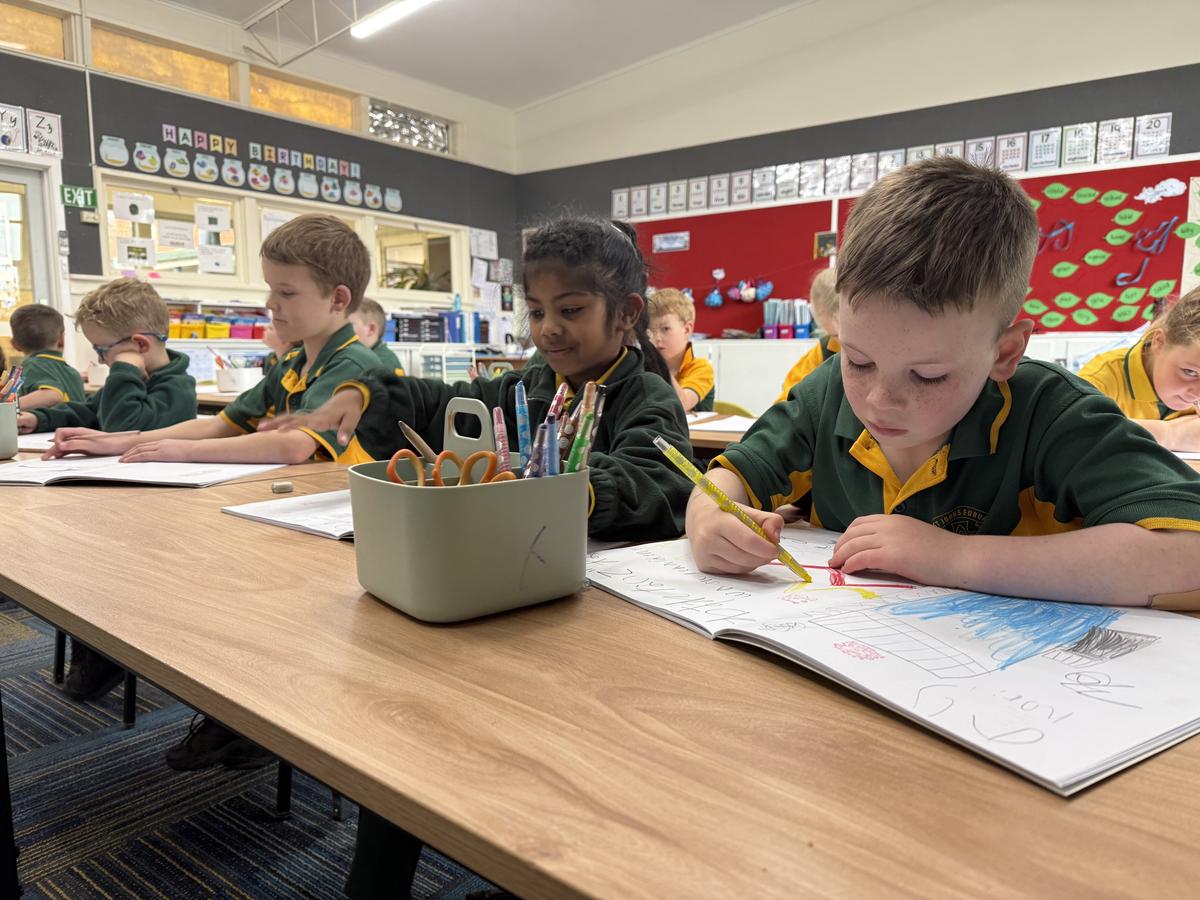
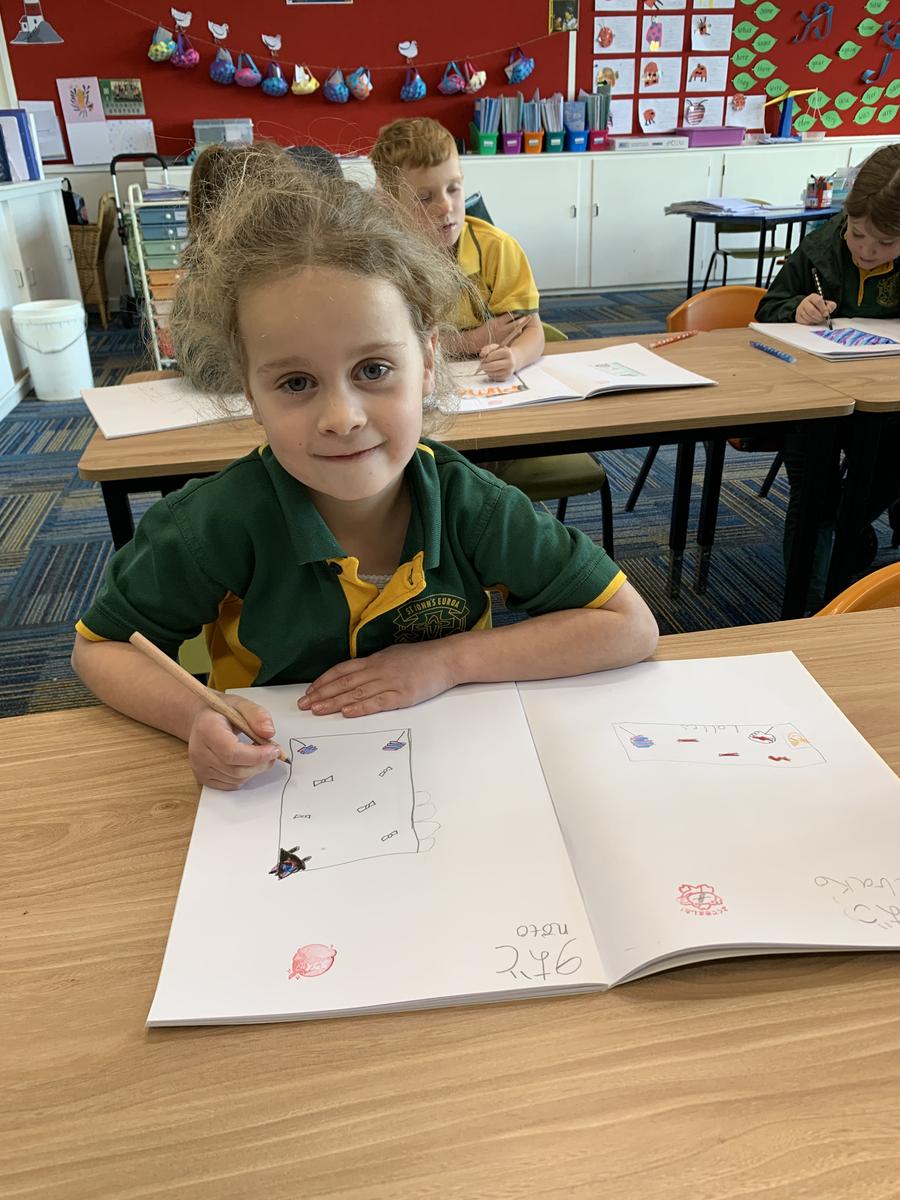
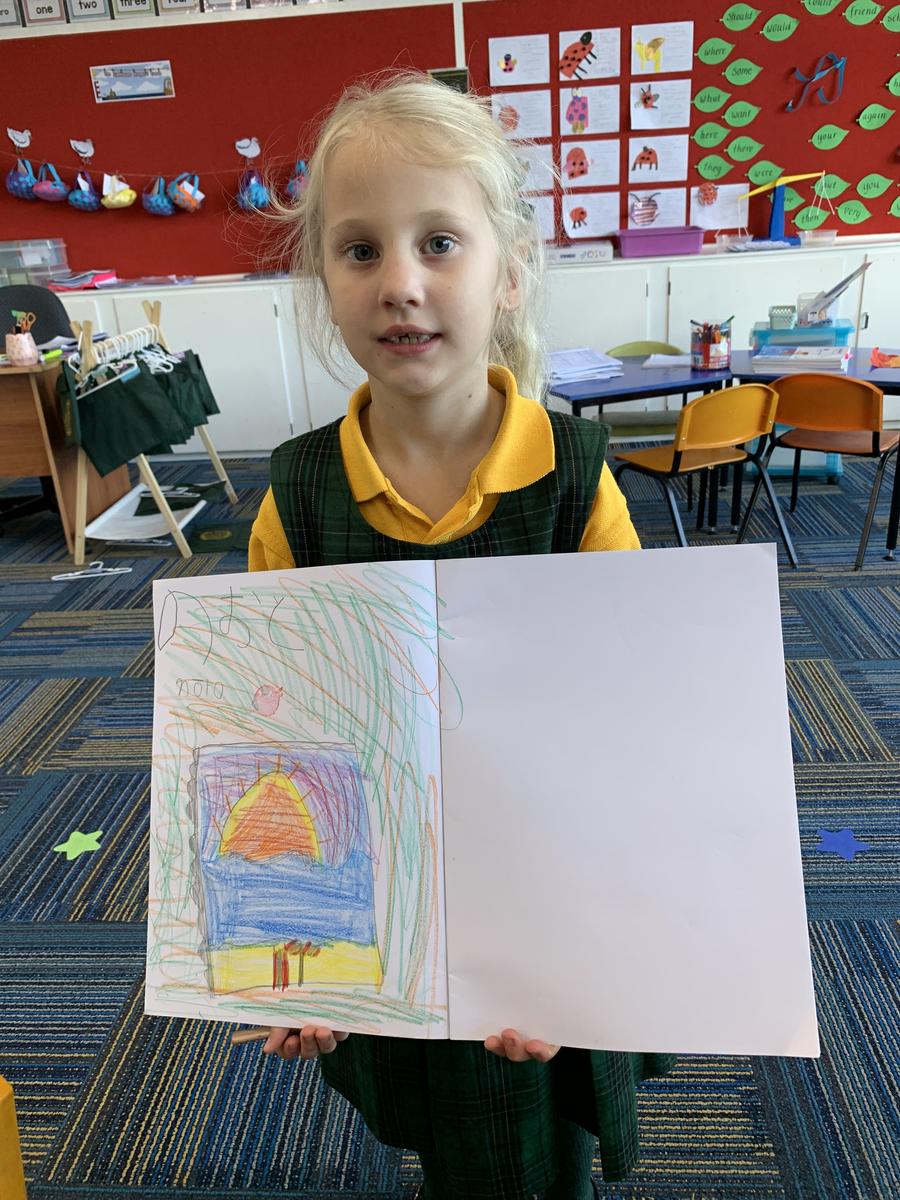
Year 1 and 2 students have been continuing to learn about “Things around the classroom”. They have learnt the terms rubber, pencil, scissors, ruler, pencil case, notebook, book and glue in Japanese. We talked about what kind of stationary is popular in Japan, and students wrote some words and drew pictures to reinforce their meaning. Students designed their own pencil, notebook, book and glue. They are now ready to learn the “Don’t forget” song in Japanese using all the words they have been learning!
Songs
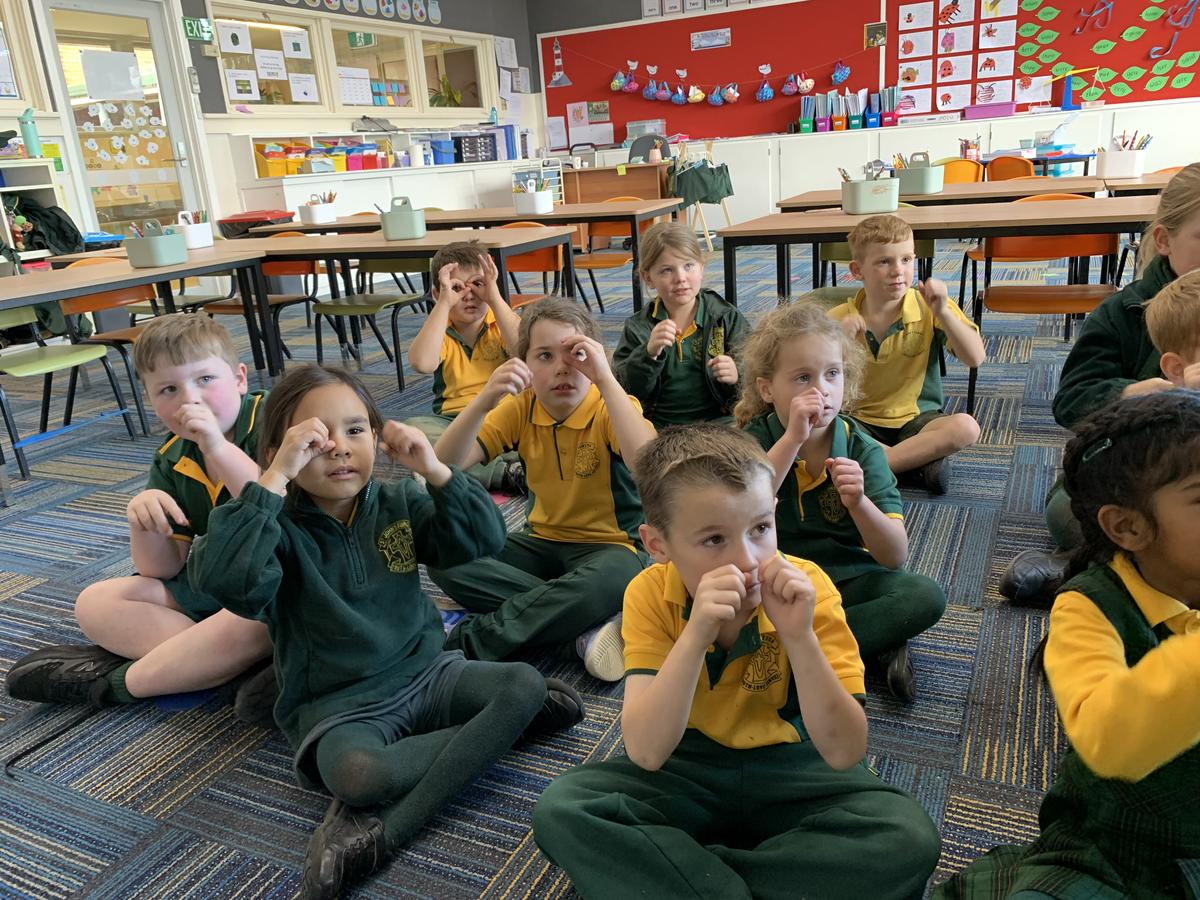
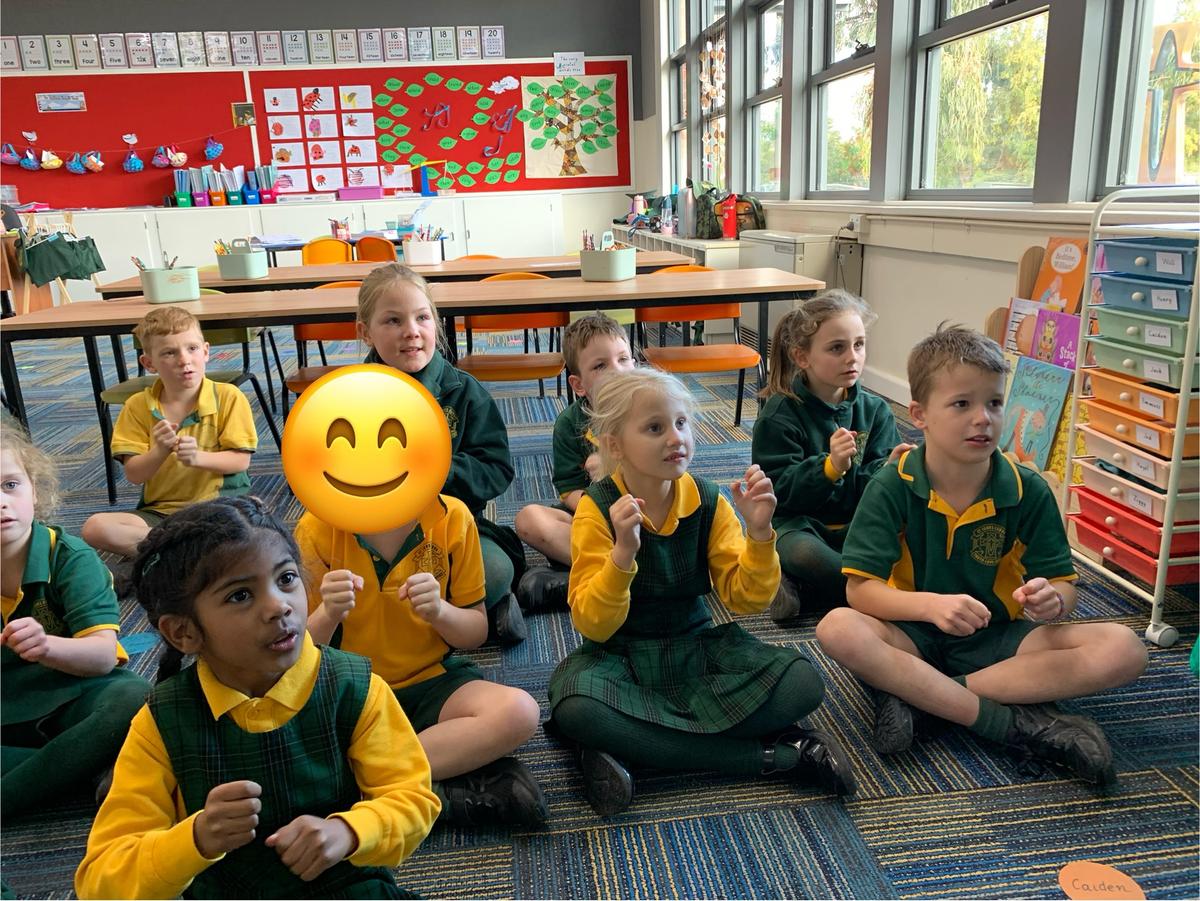
Through learning songs in Japanese, students have practiced greetings, body parts, big and small, animals, colours, fruits and vegetables.
Writing
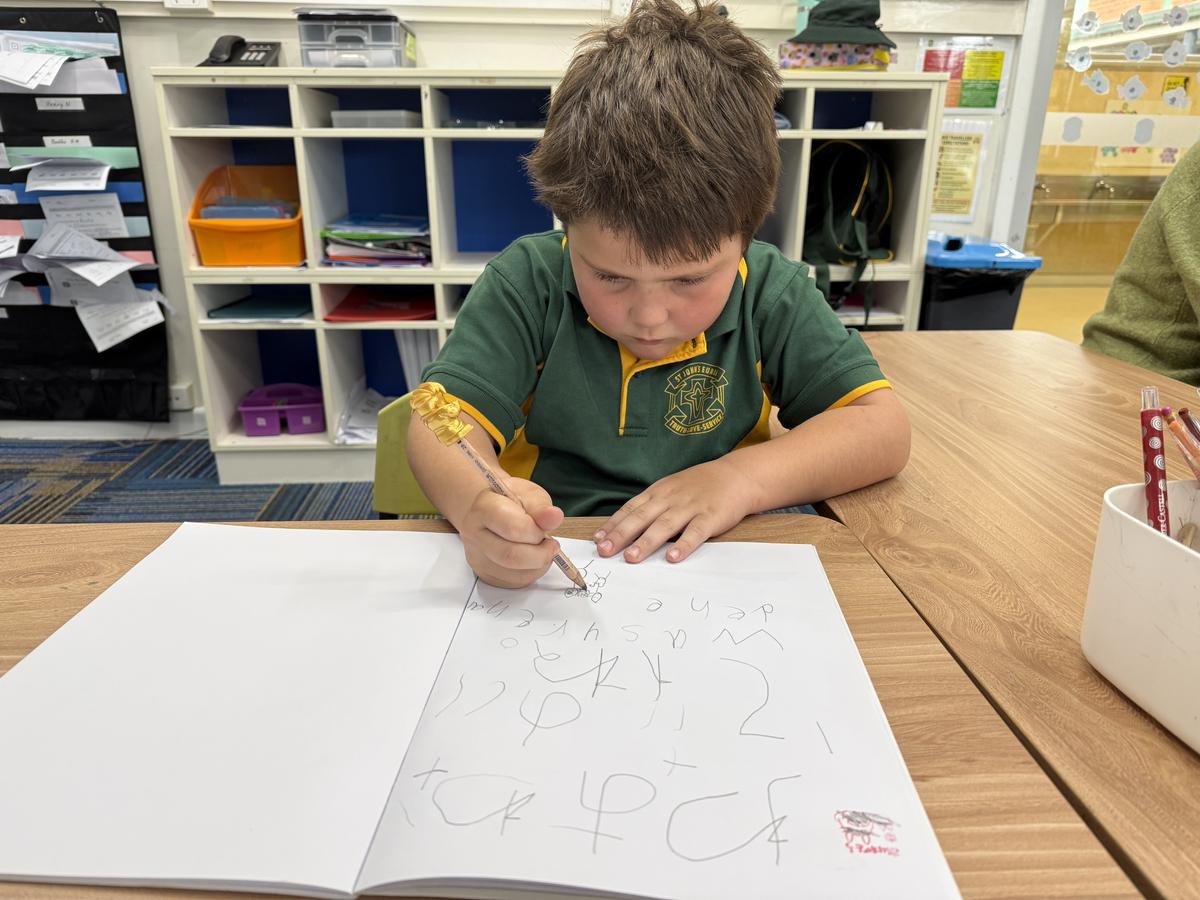
After students focus on topics for the lesson, they practice writing the words and sentences to reinforce their vocabulary.
Origami
Foundation students have continued to practice greetings, numbers, body parts, colours, animals, likes and dislikes, counting, how to introduce themselves and reading/writing Hiragana (Japanese alphabet).
Students have also learnt the names of some fruits such as apple, strawberry, banana and grapes, and how to say "I'm hungry" in Japanese.
We made Origami swan and love heart bookmark.
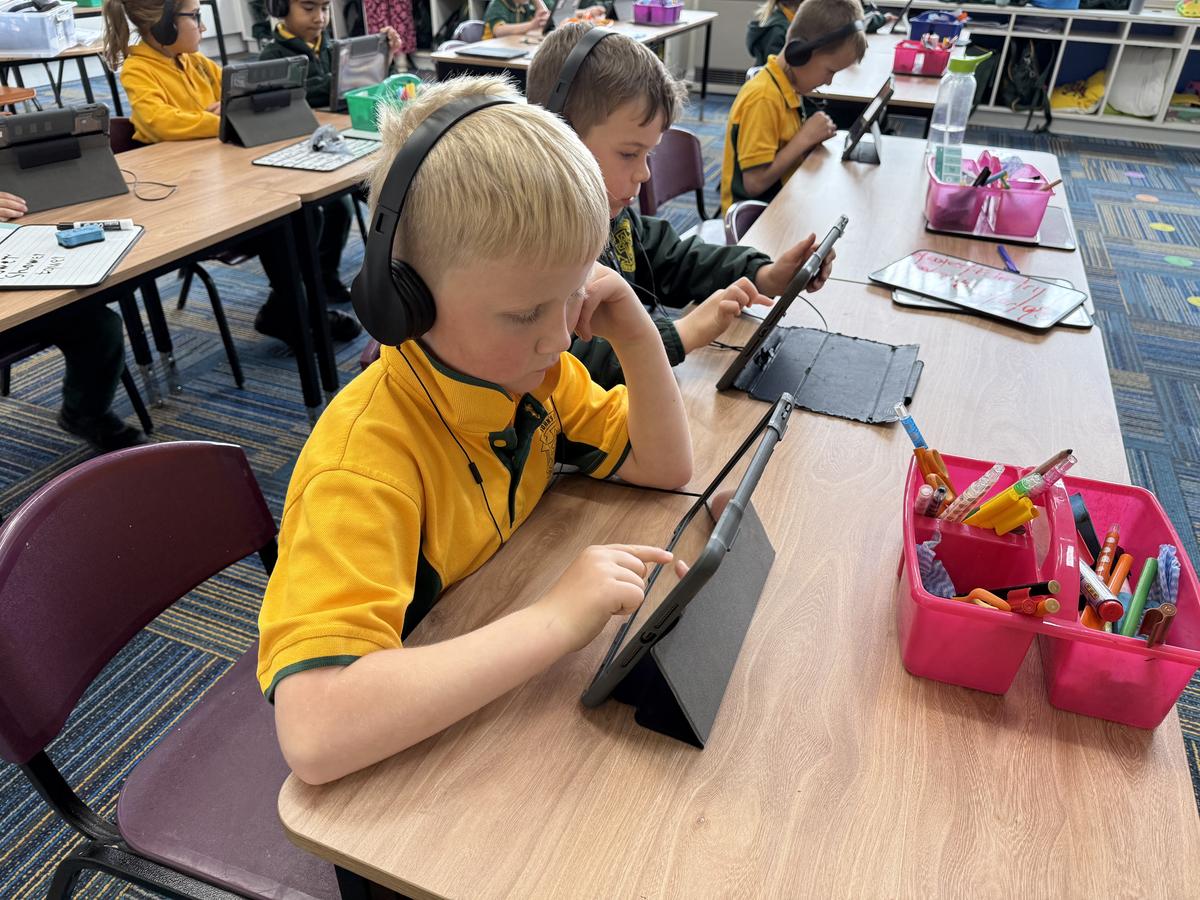
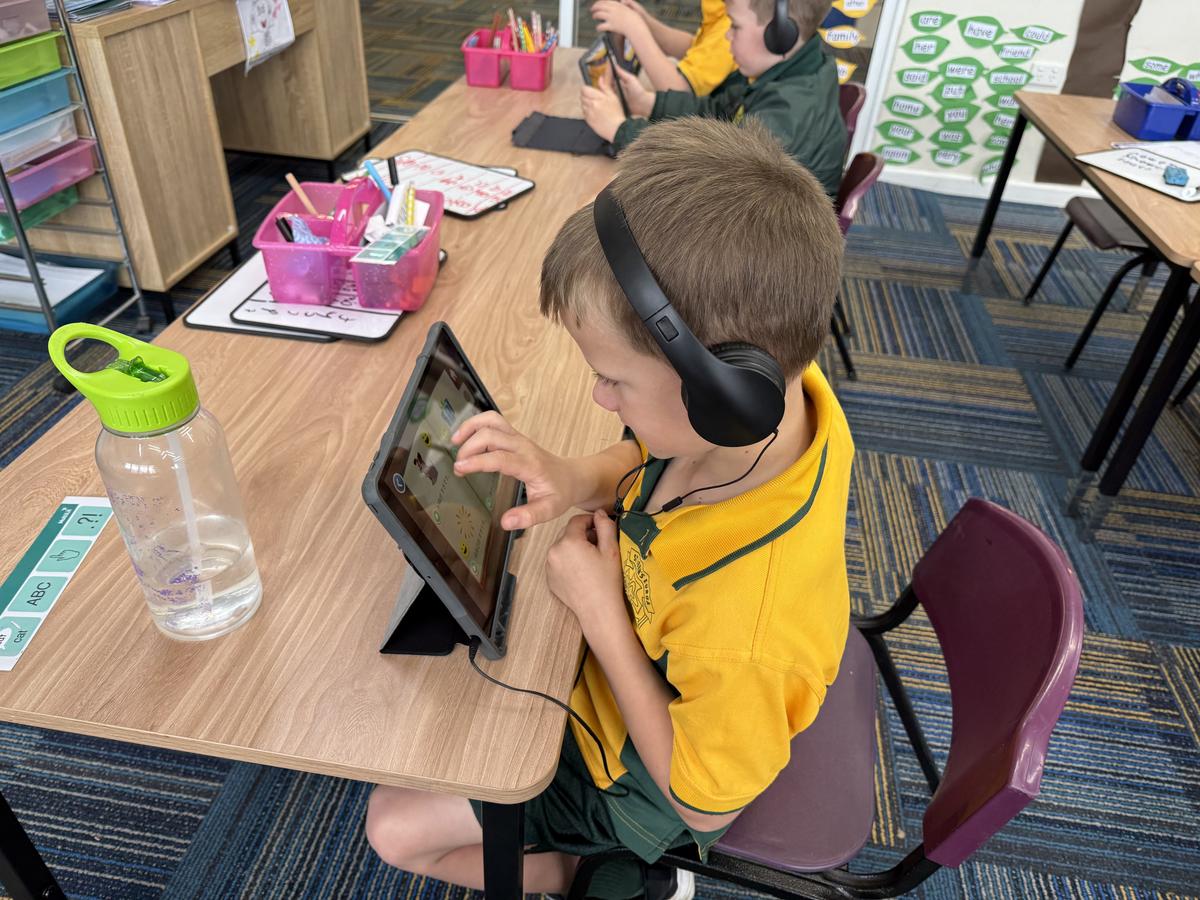
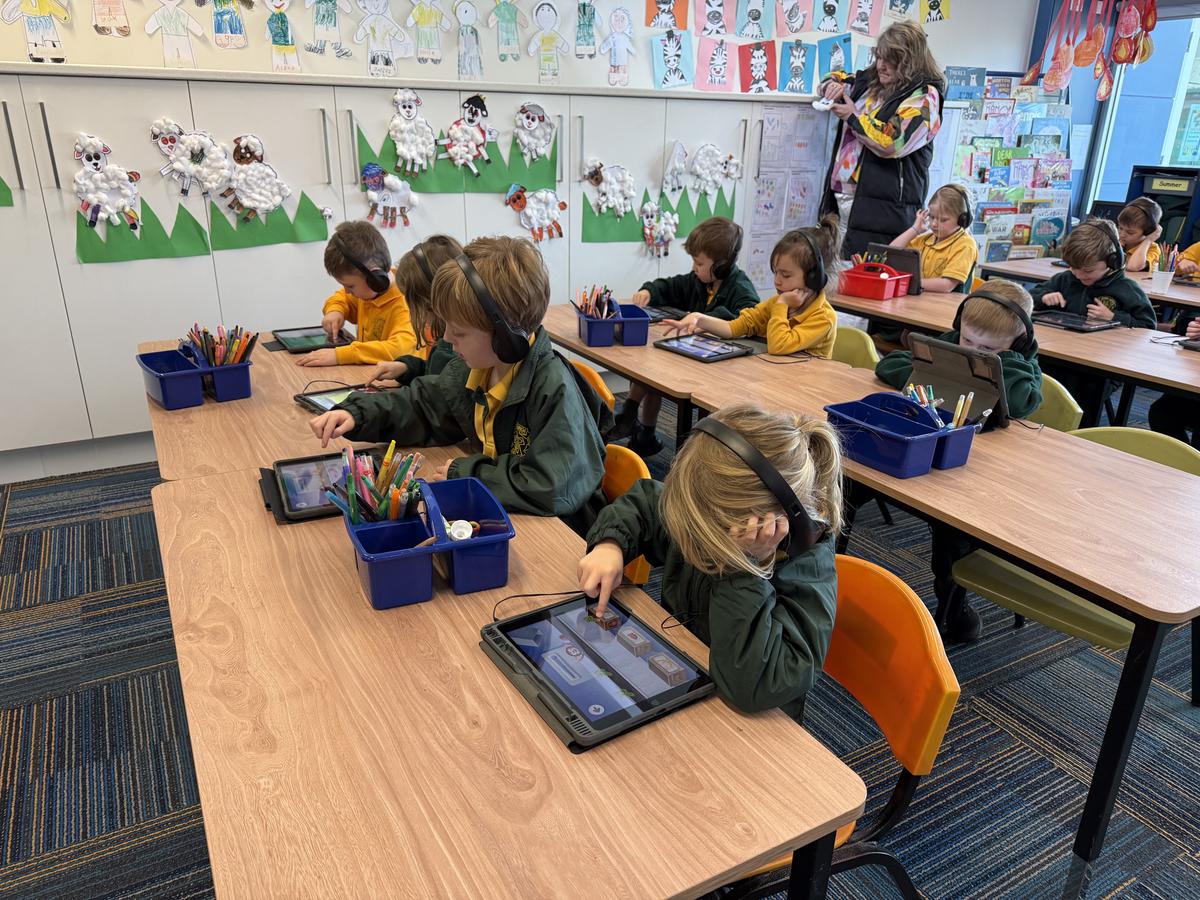
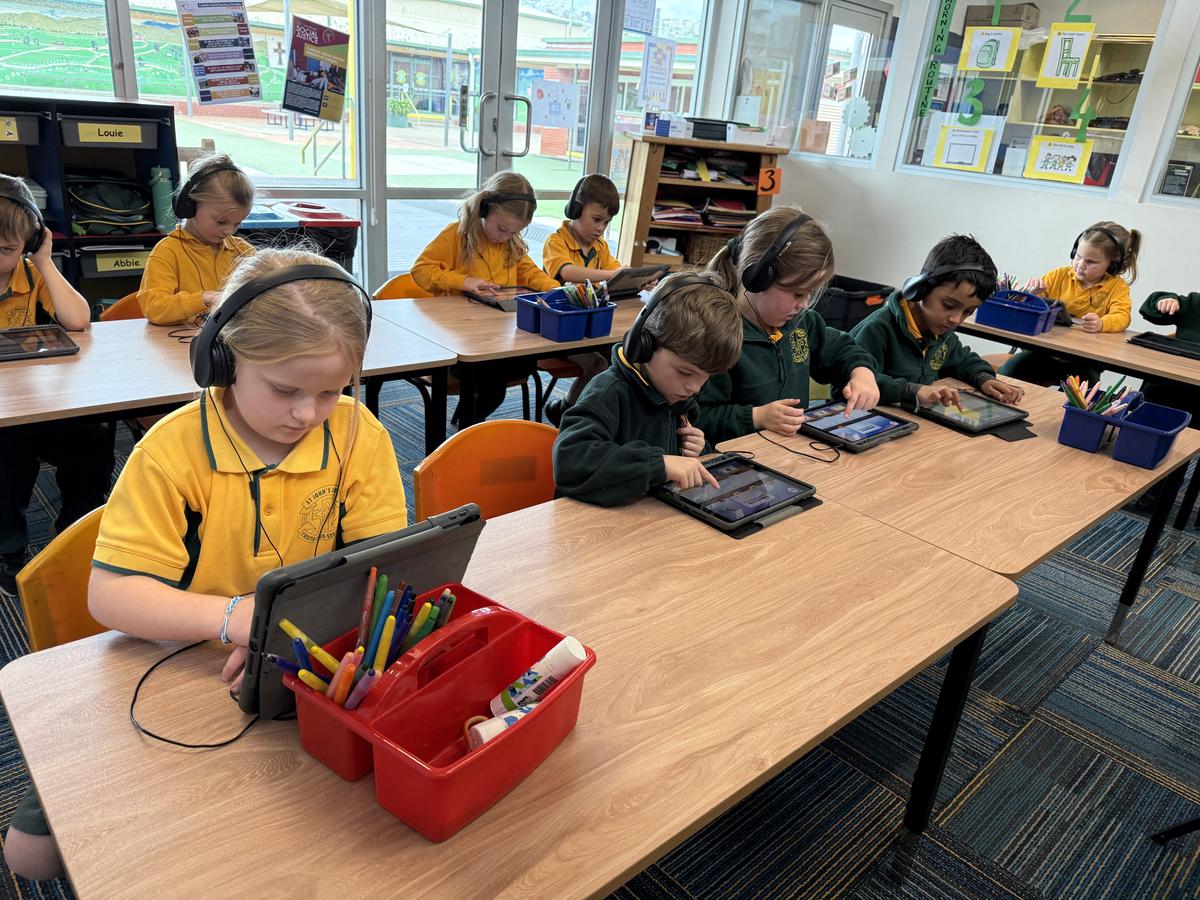
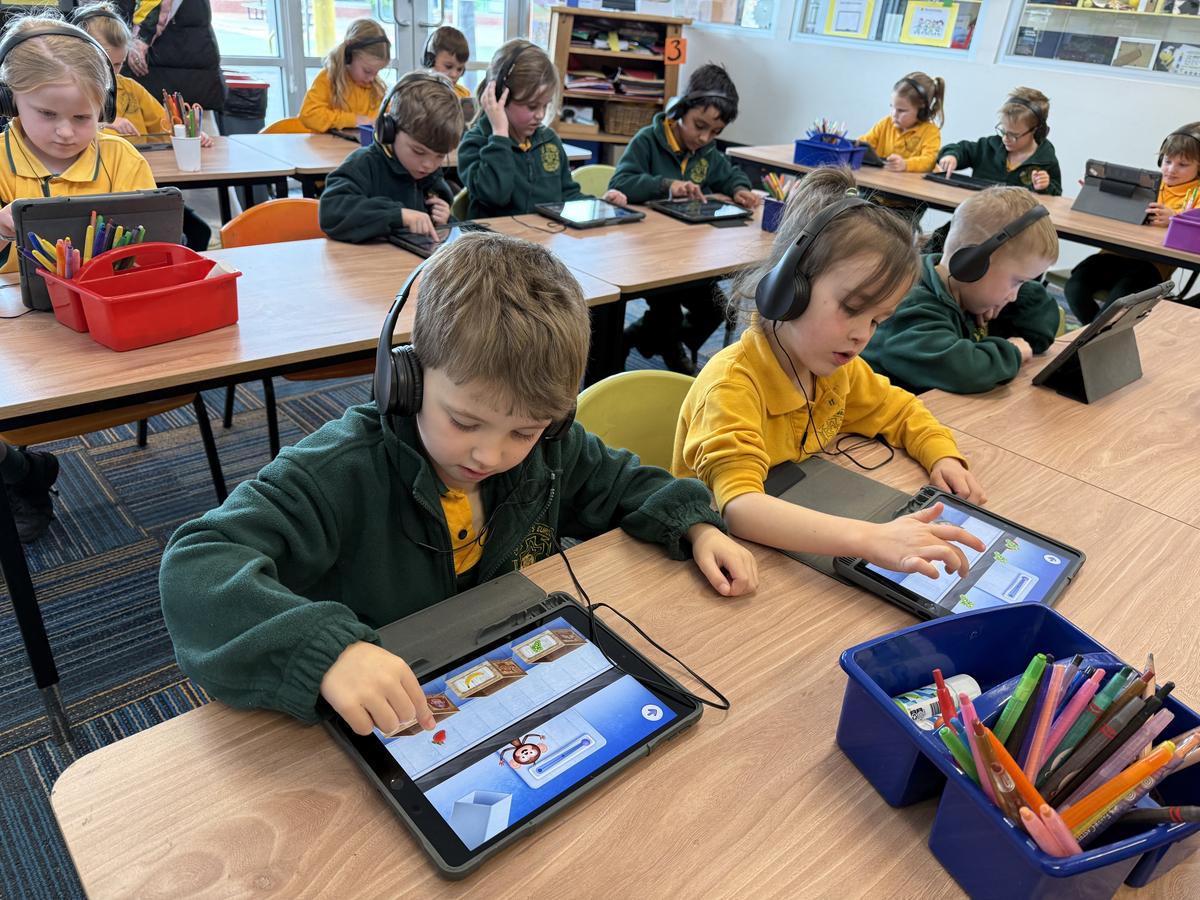
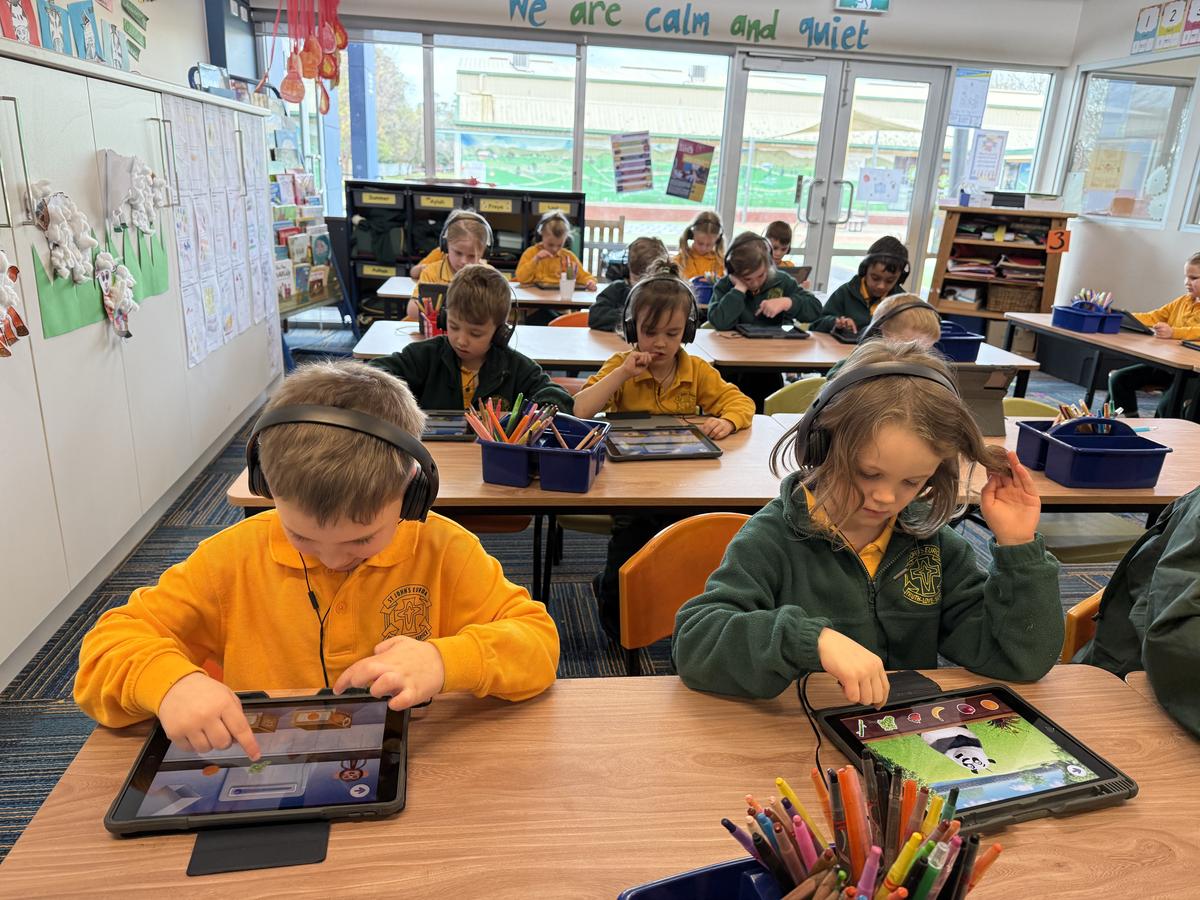
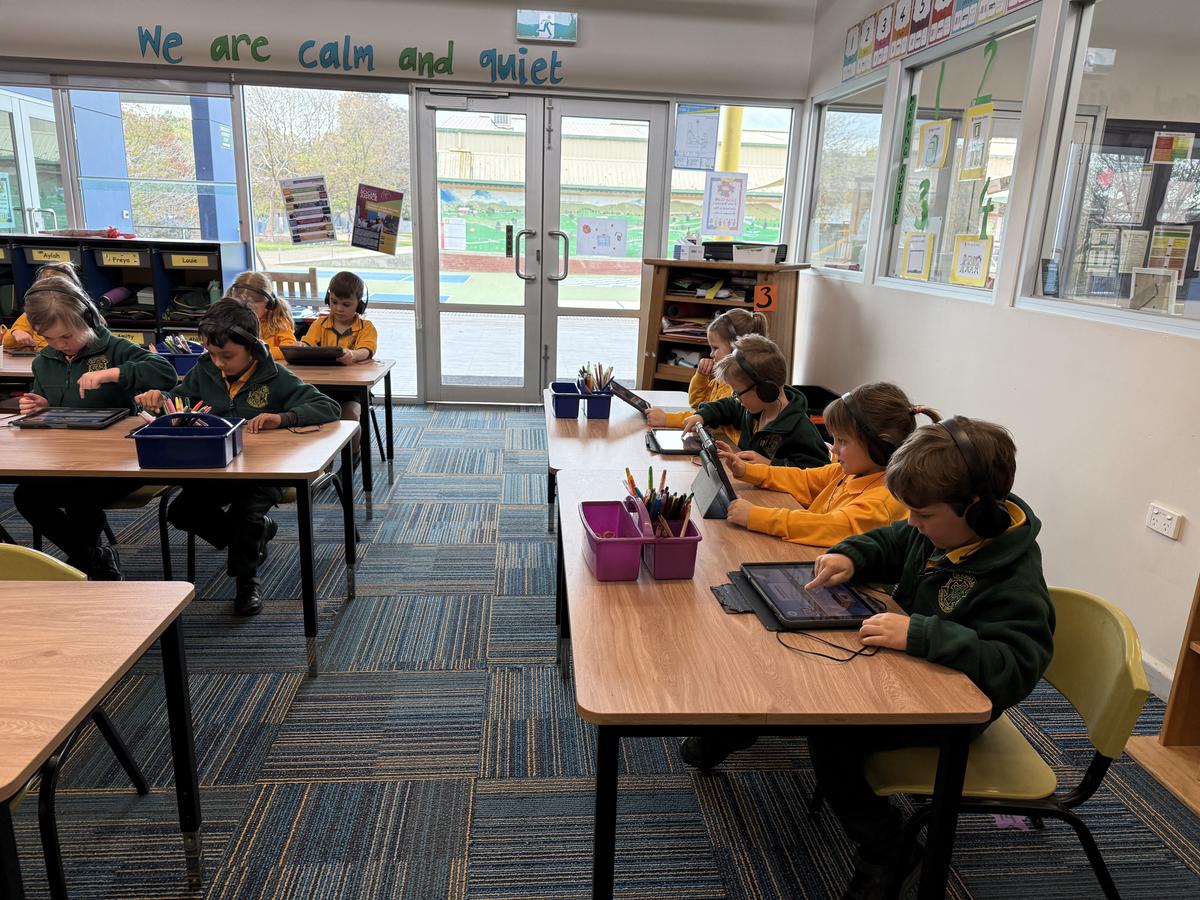
ELLA (Early Learning Languages Australia) is a valuable program to learn Japanese language and culture, using interactive games on iPads. Year1/ 2 students focused on “school” and practiced the names of items around the classroom. Foundation students focused on the names of fruits and have learnt how to say “I’m hungry” in Japanese. They are learning so much from this great program while having lots of fun!
Thank you (arigato).
Ayako Mizushima (Mizu Sensei)