STEM
Welcome to our STEM update for Term 3!
Foundation
Movement
Over the first few weeks of Term 3, Foundation students have been exploring how different objects move. We began by investigating objects that require human effort to move and those powered by batteries. Through investigations, students have explored how shape, size and materials influence the movement of objects.
Our investigations included using a ramp to test if objects slide or roll, using straws to explore how air can make objects move and how the size of the object impacts this, and exploring the elasticity of objects by investigating which one bounces higher.
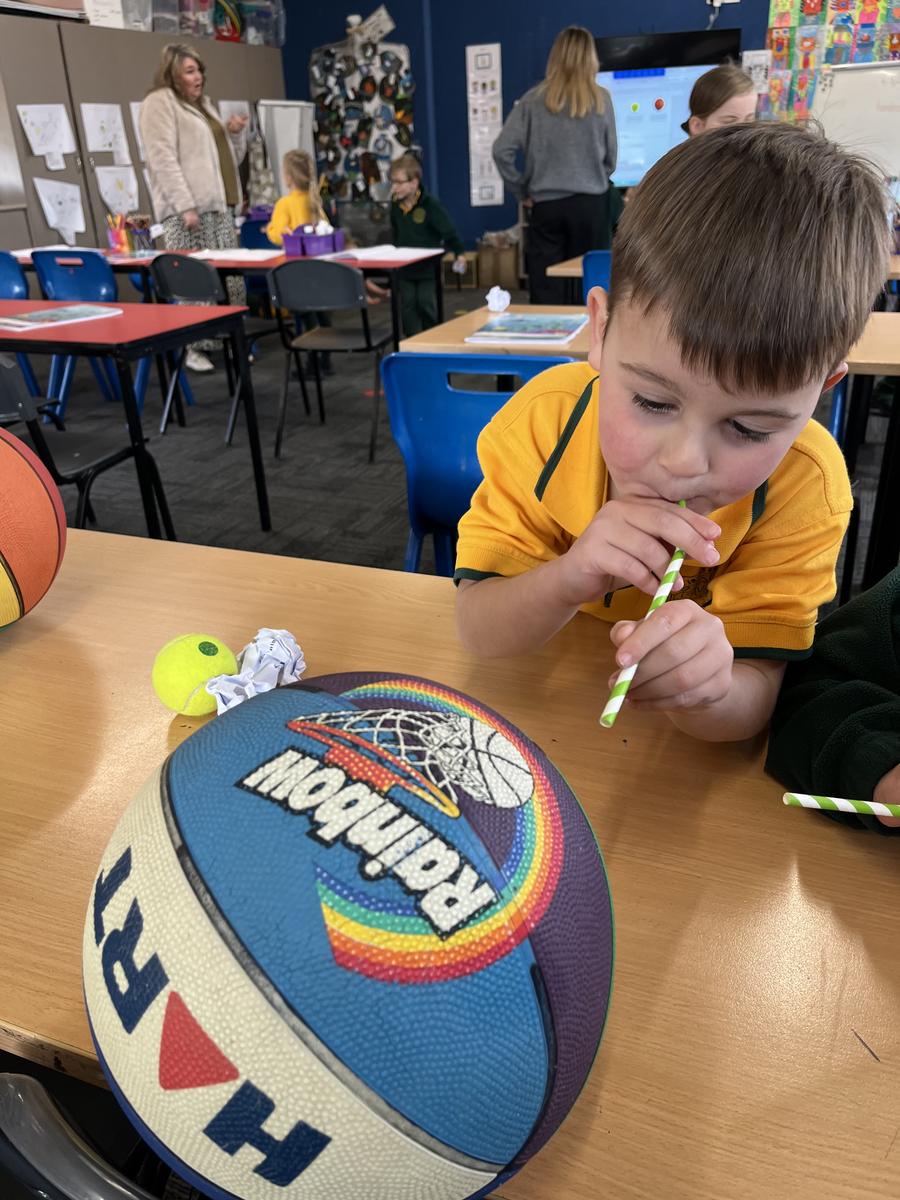
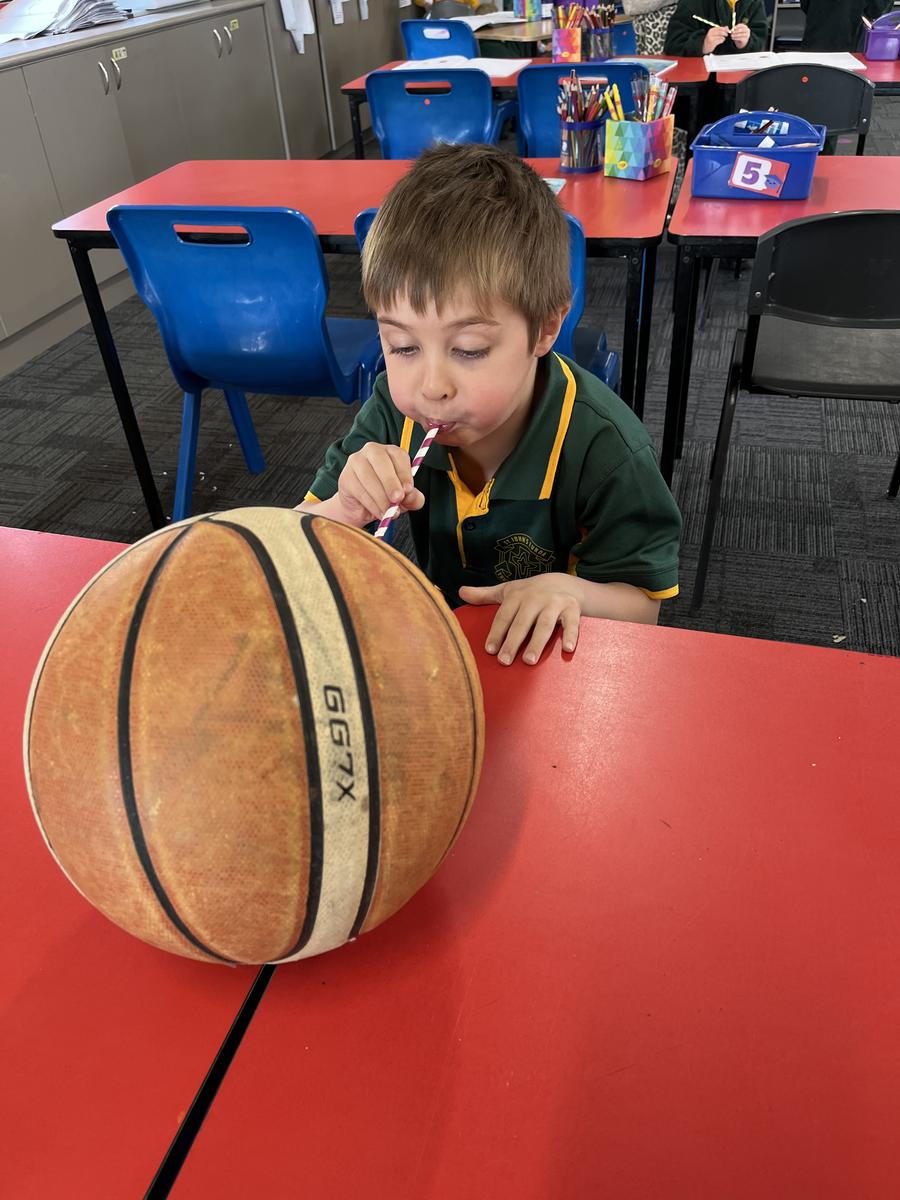
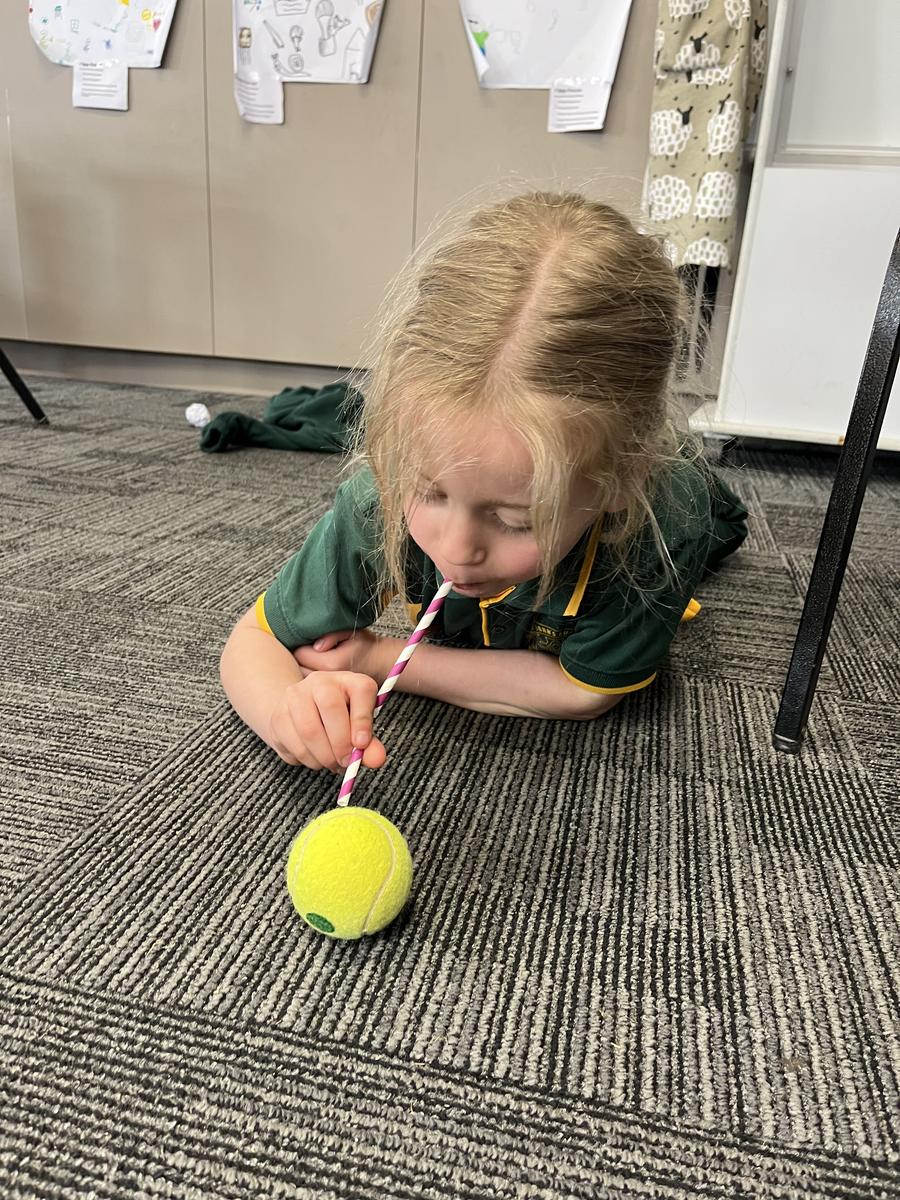
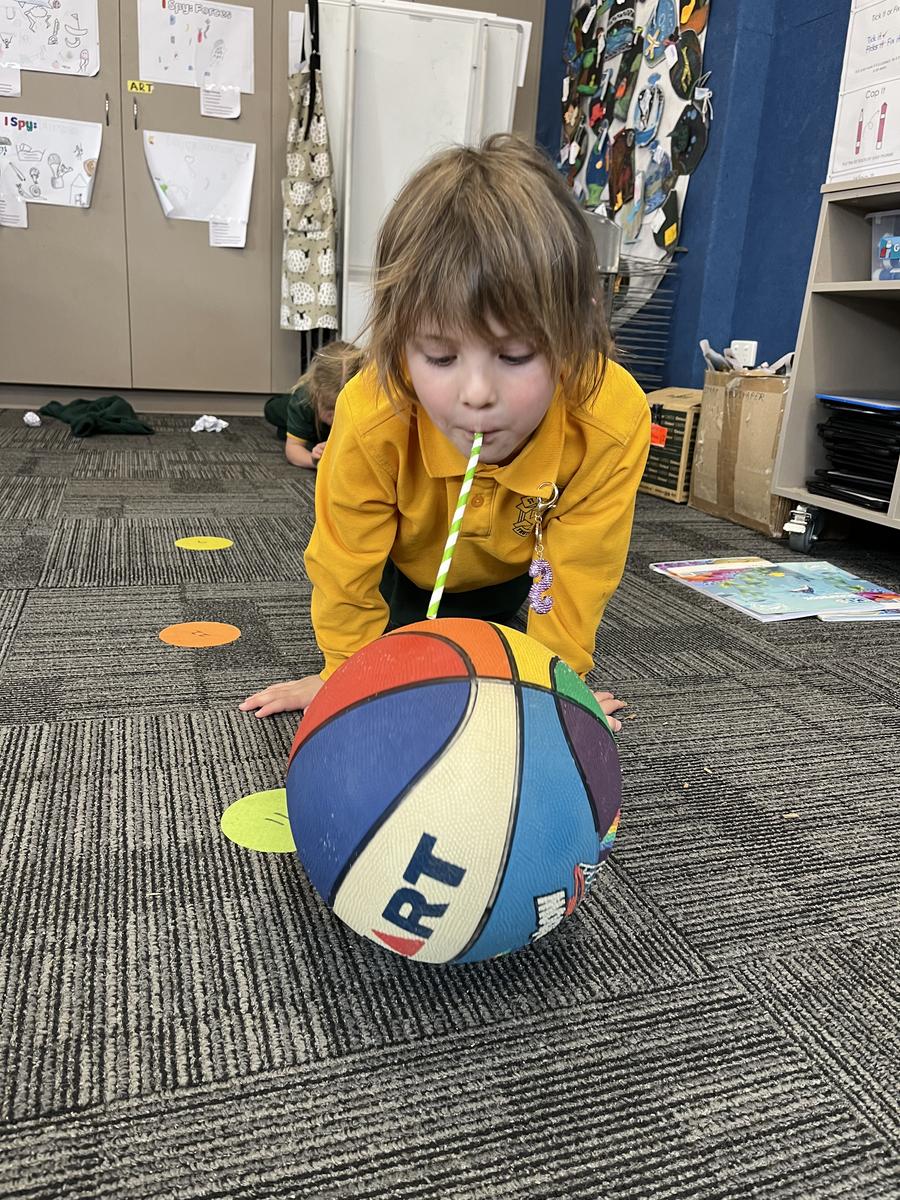
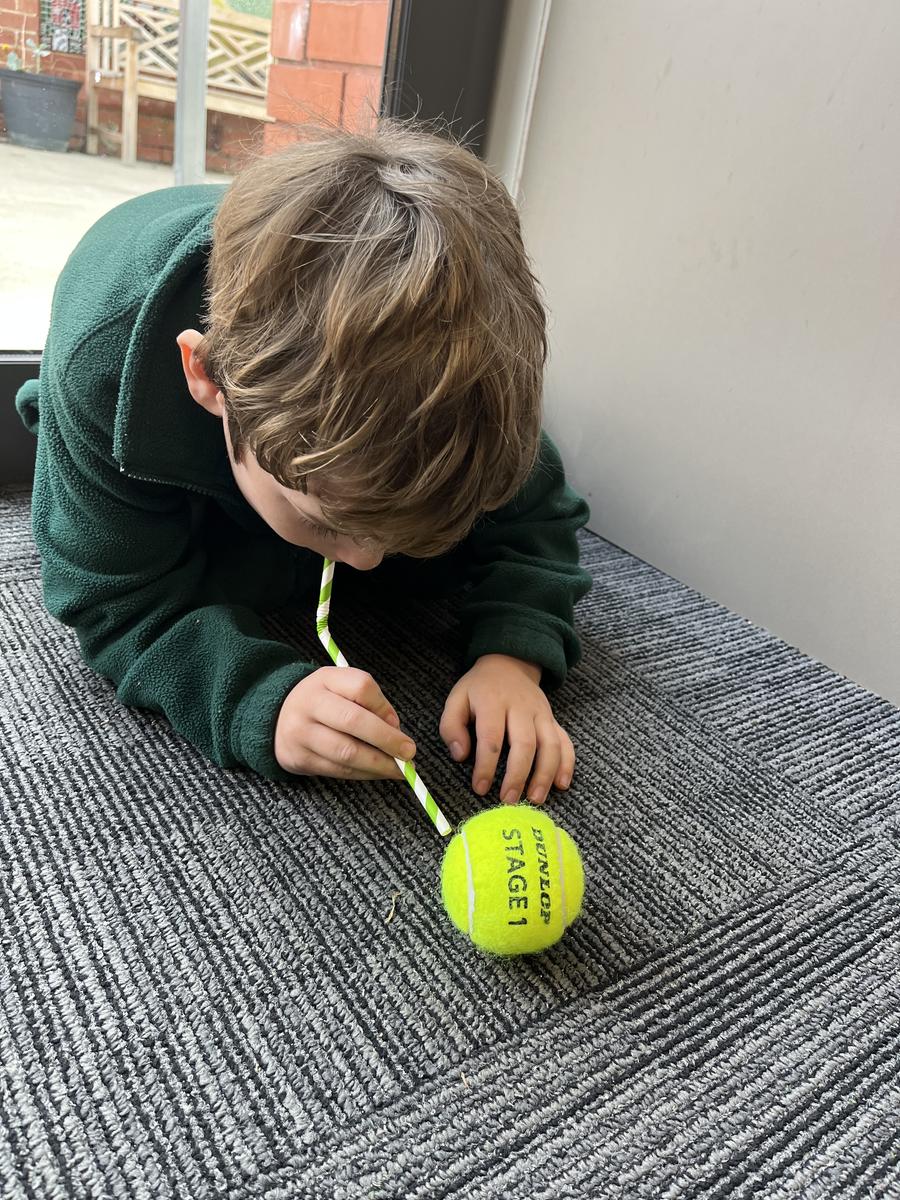
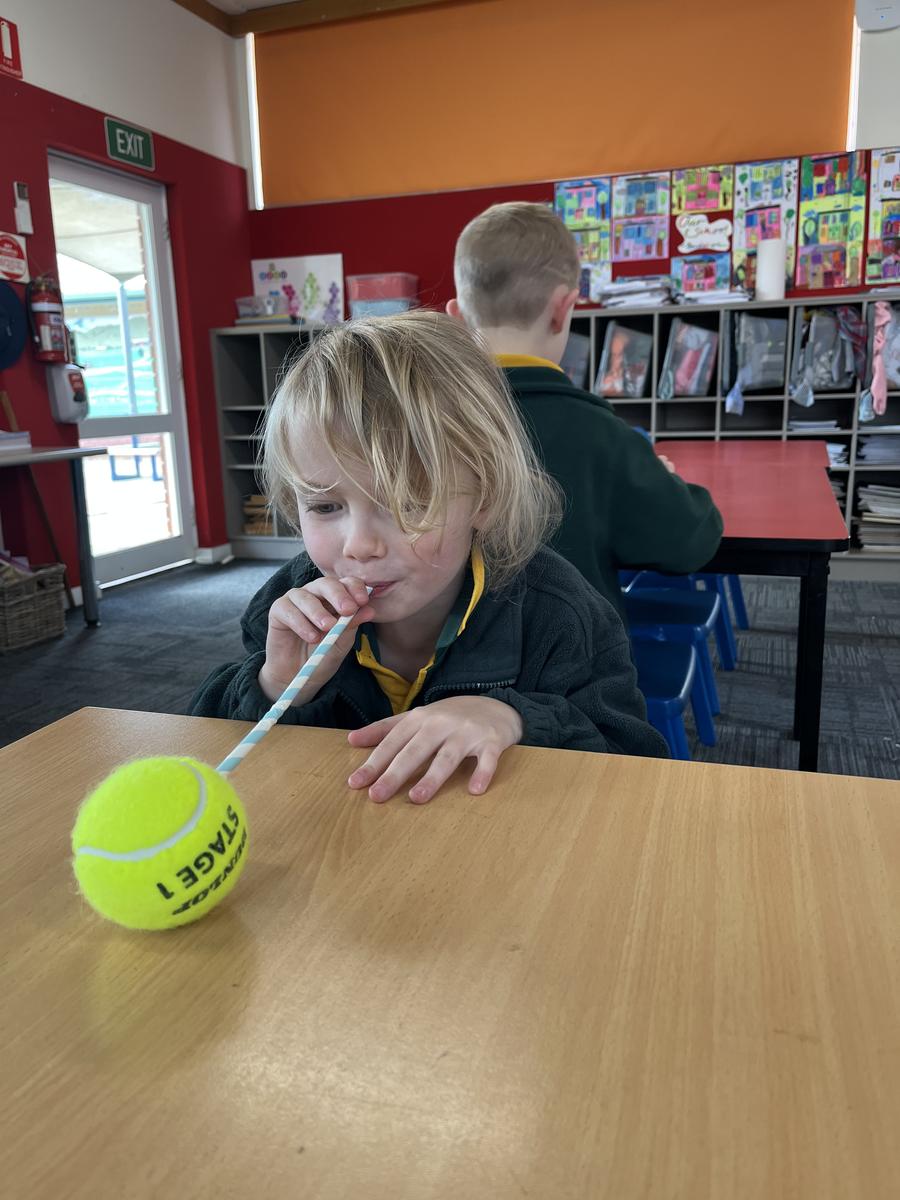
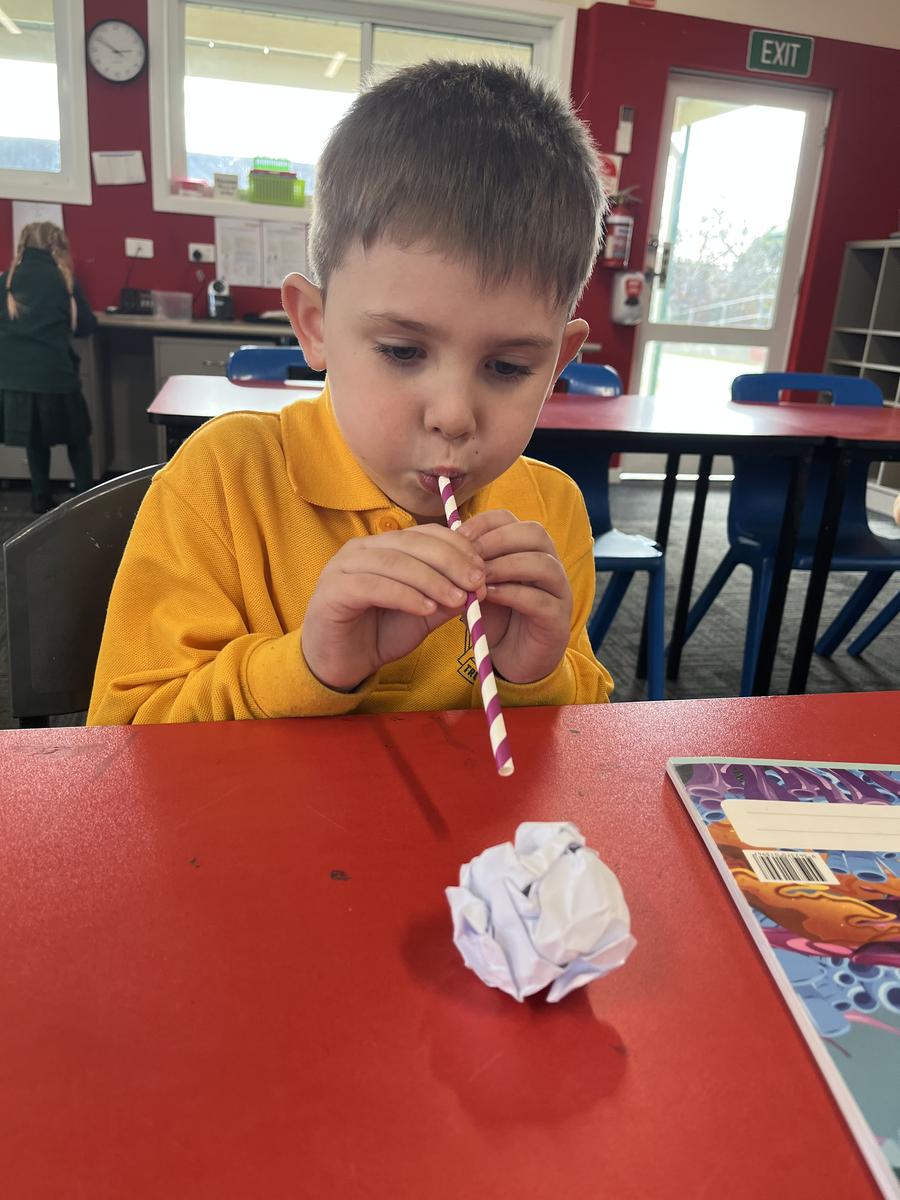
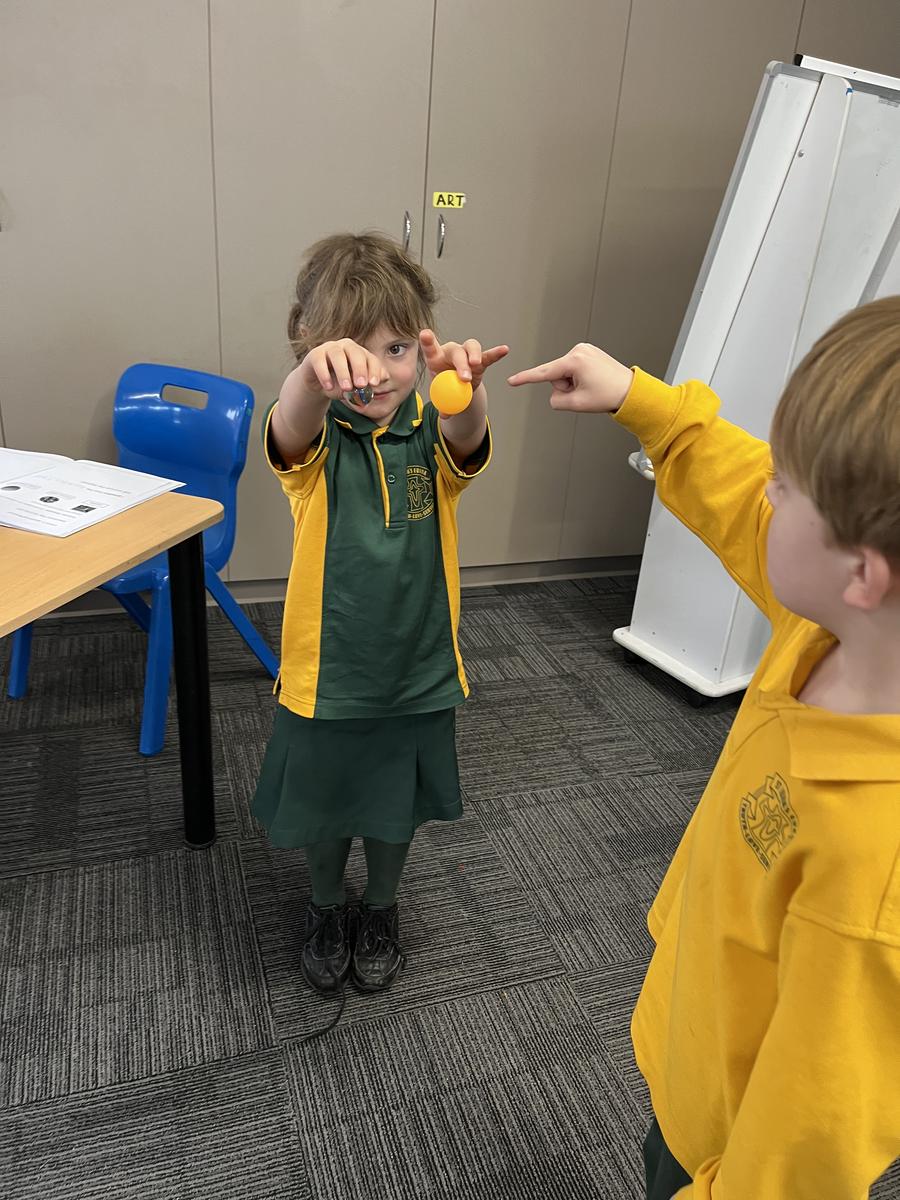
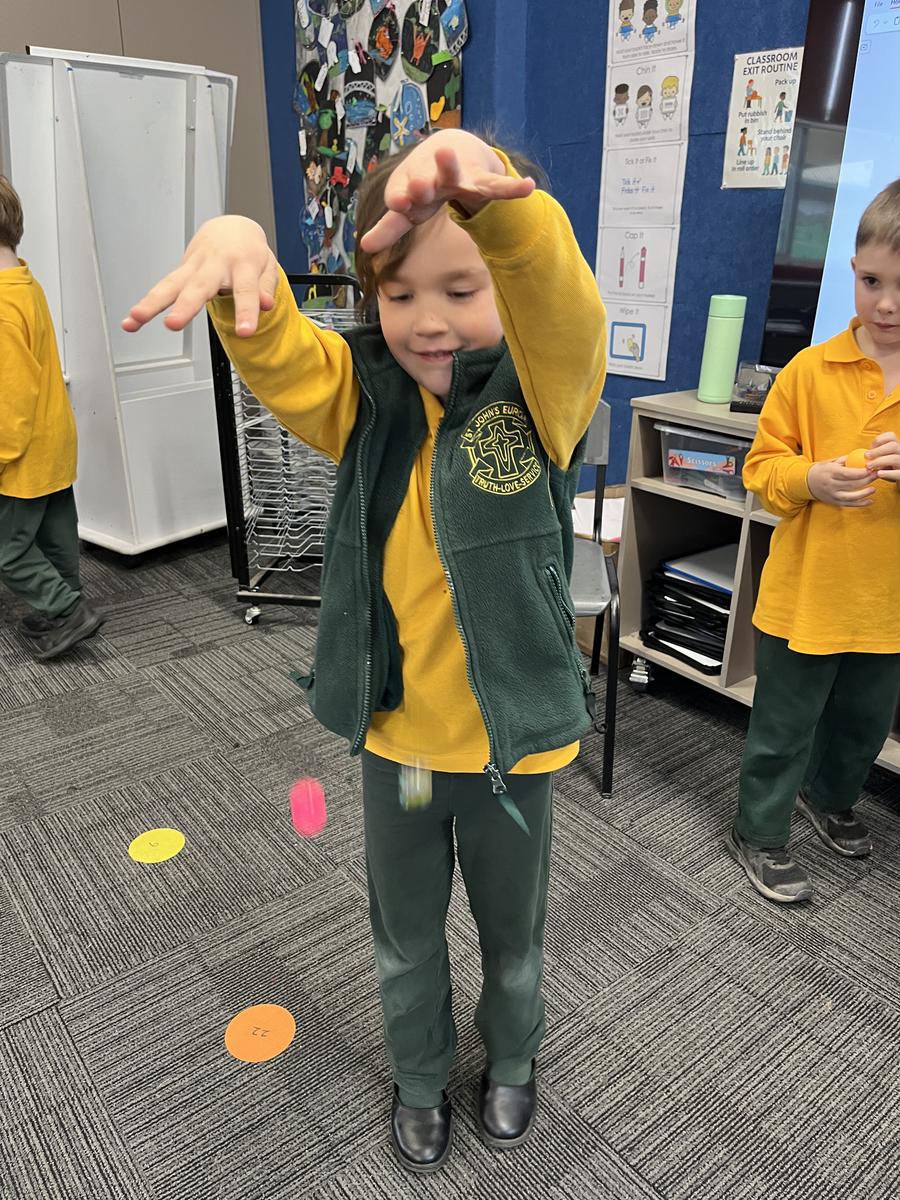
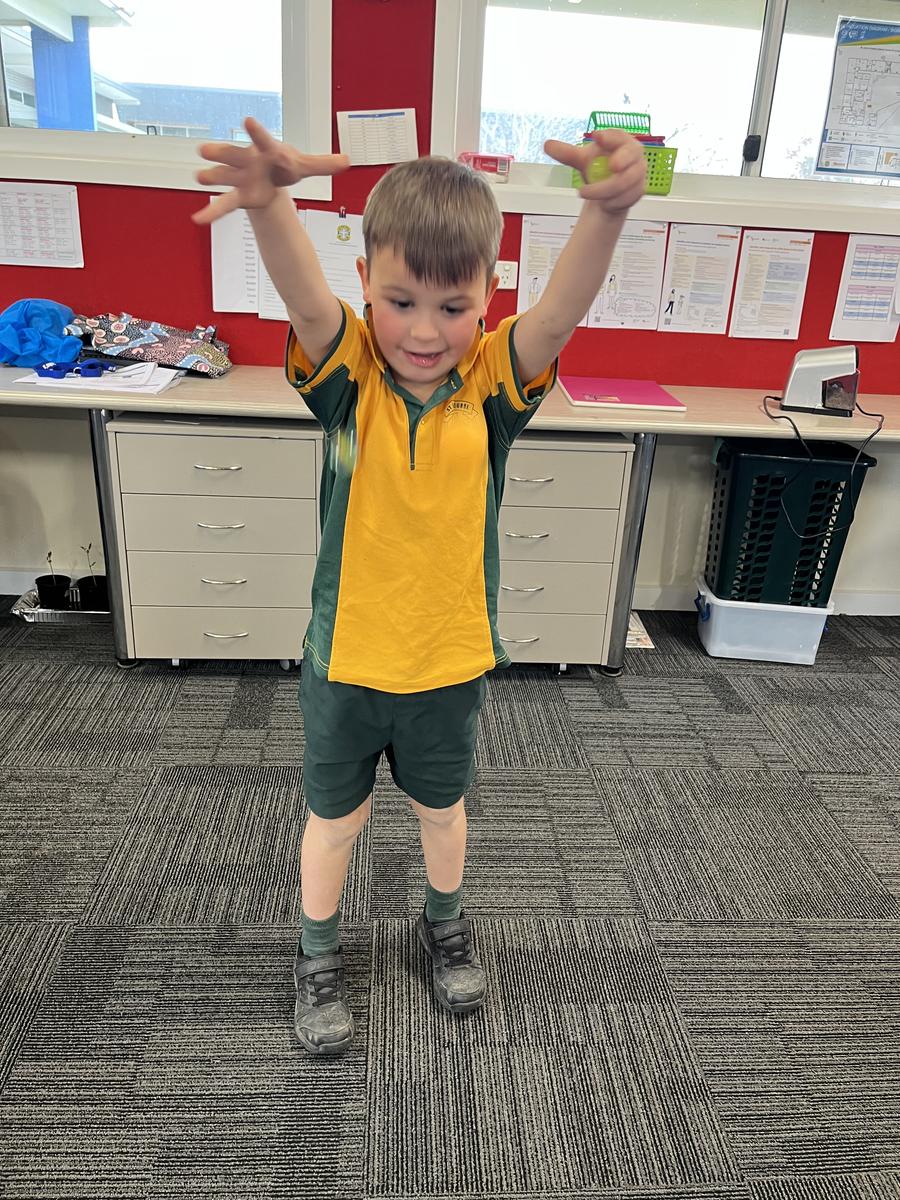
Through these hands-on investigations, students are developing their understanding of factors that can impact and influence the movement of objects.
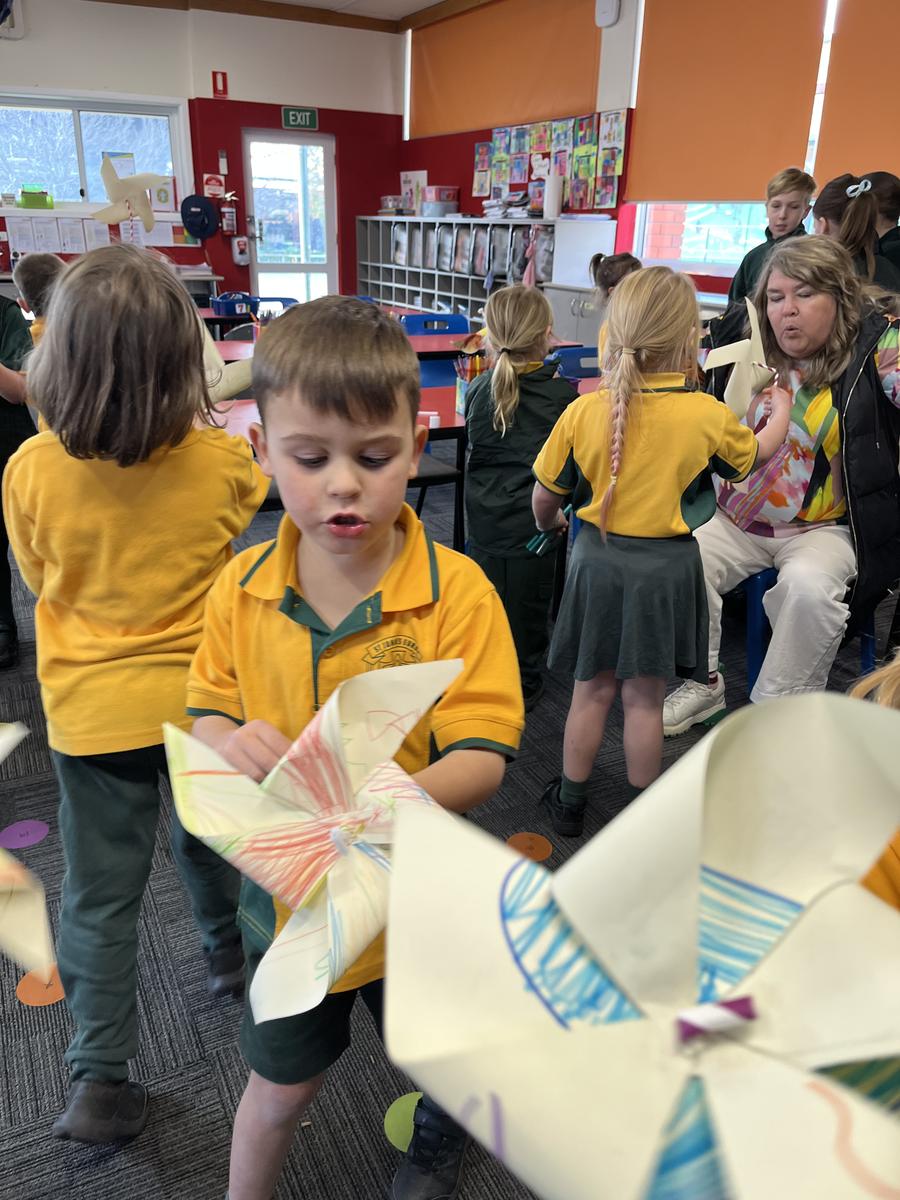
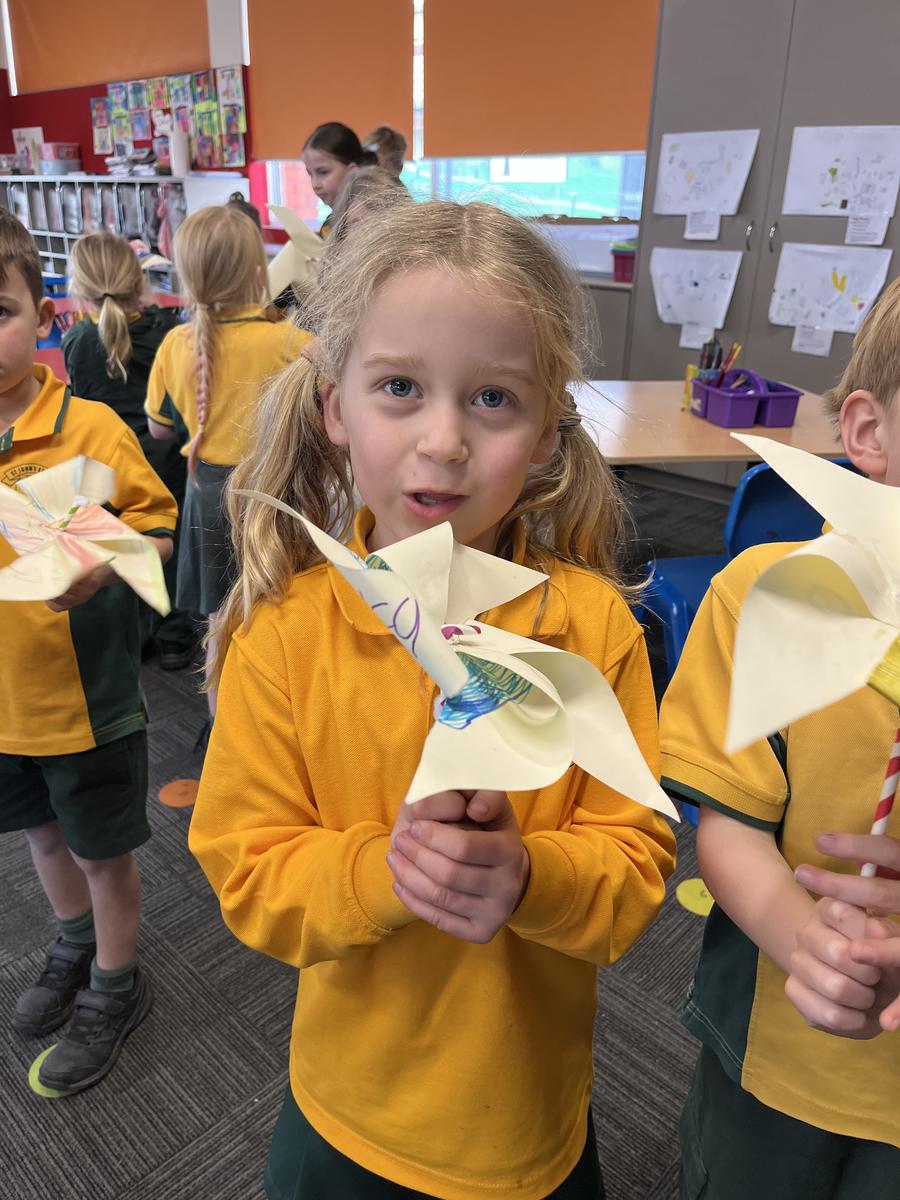
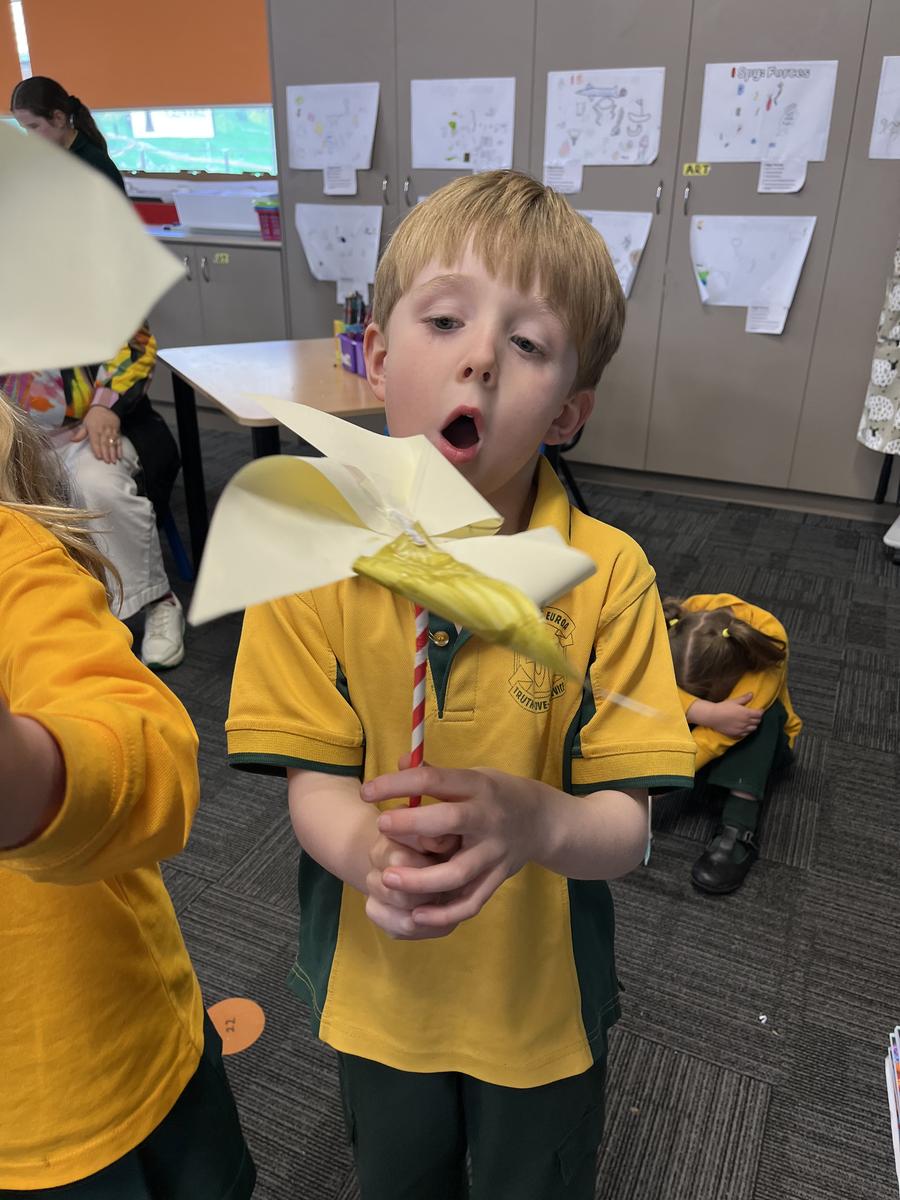
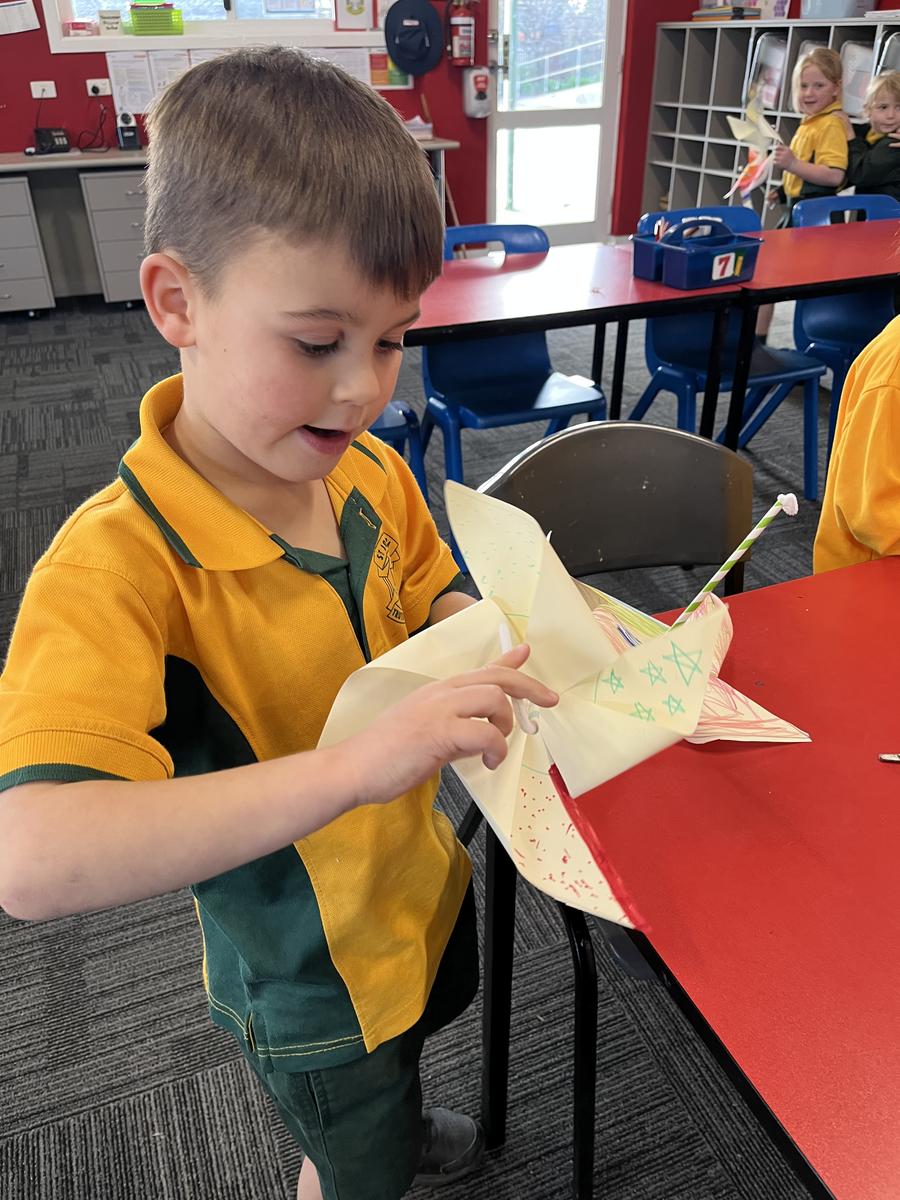
Students also had lots of fun making windmills and exploring how to make them move.
Year 1 and Year 2
Sounds Studio
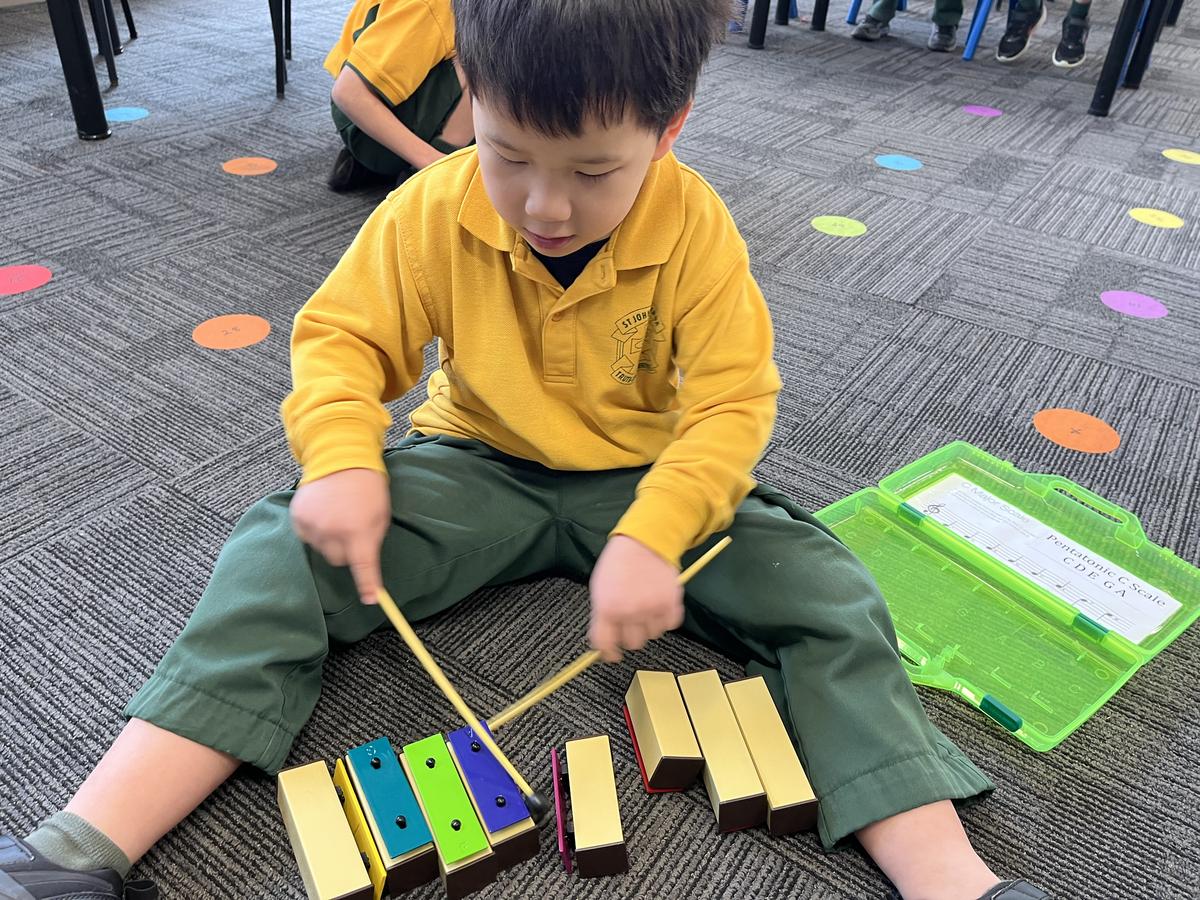
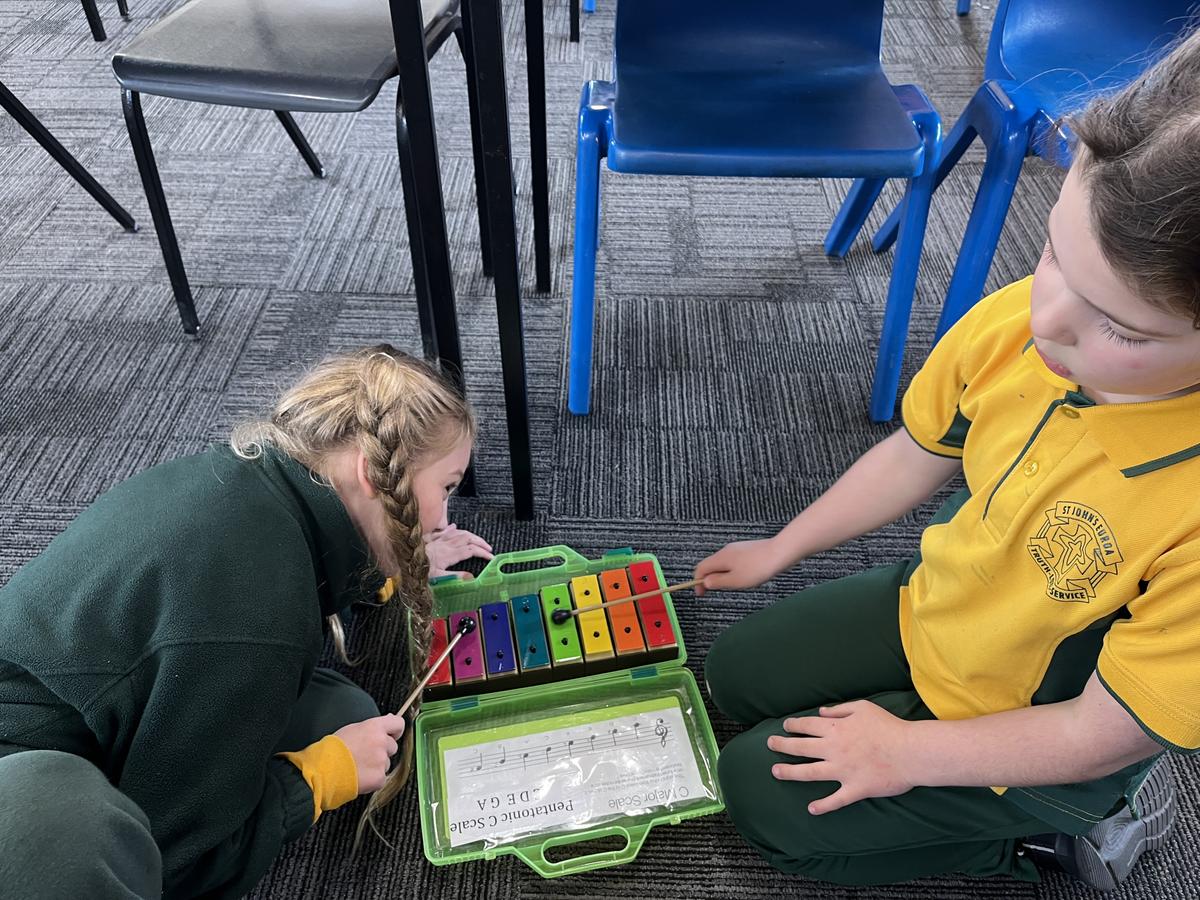
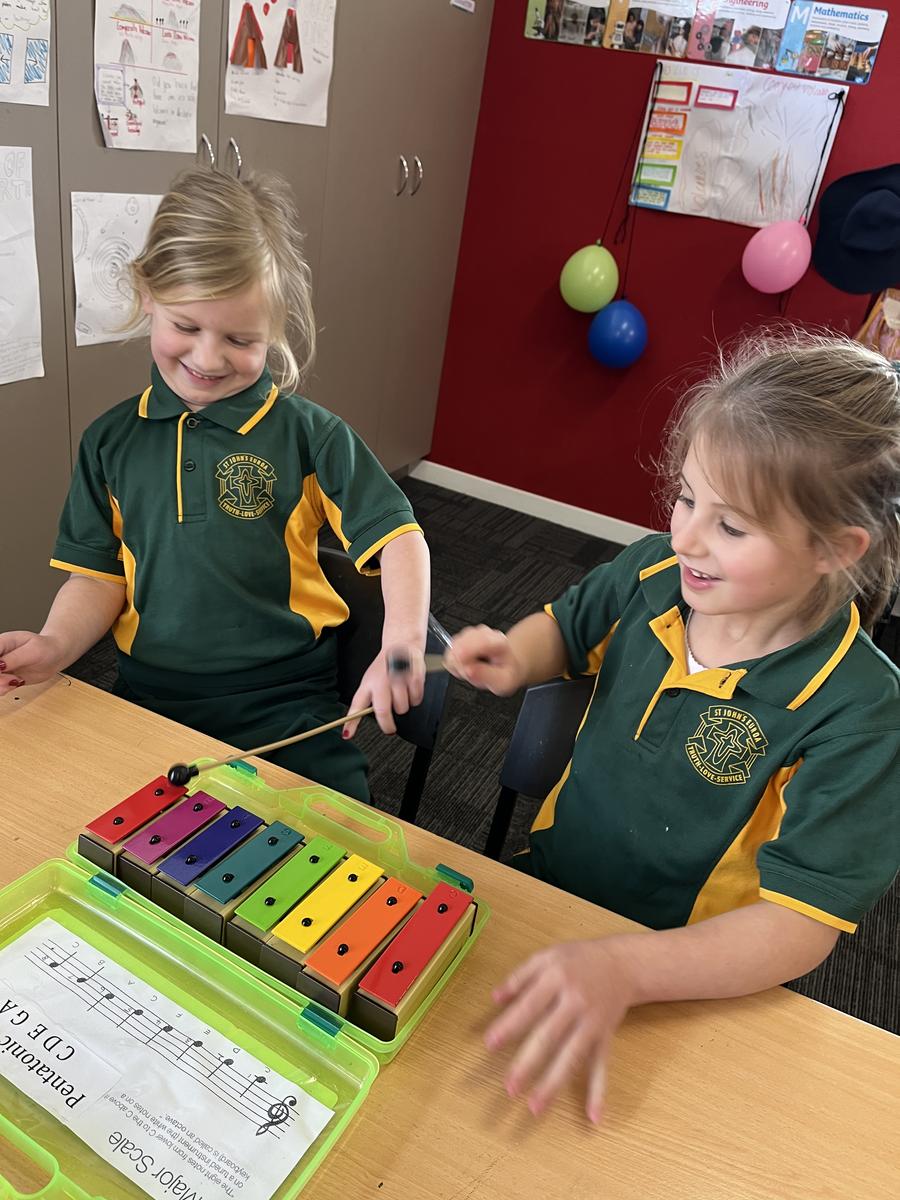
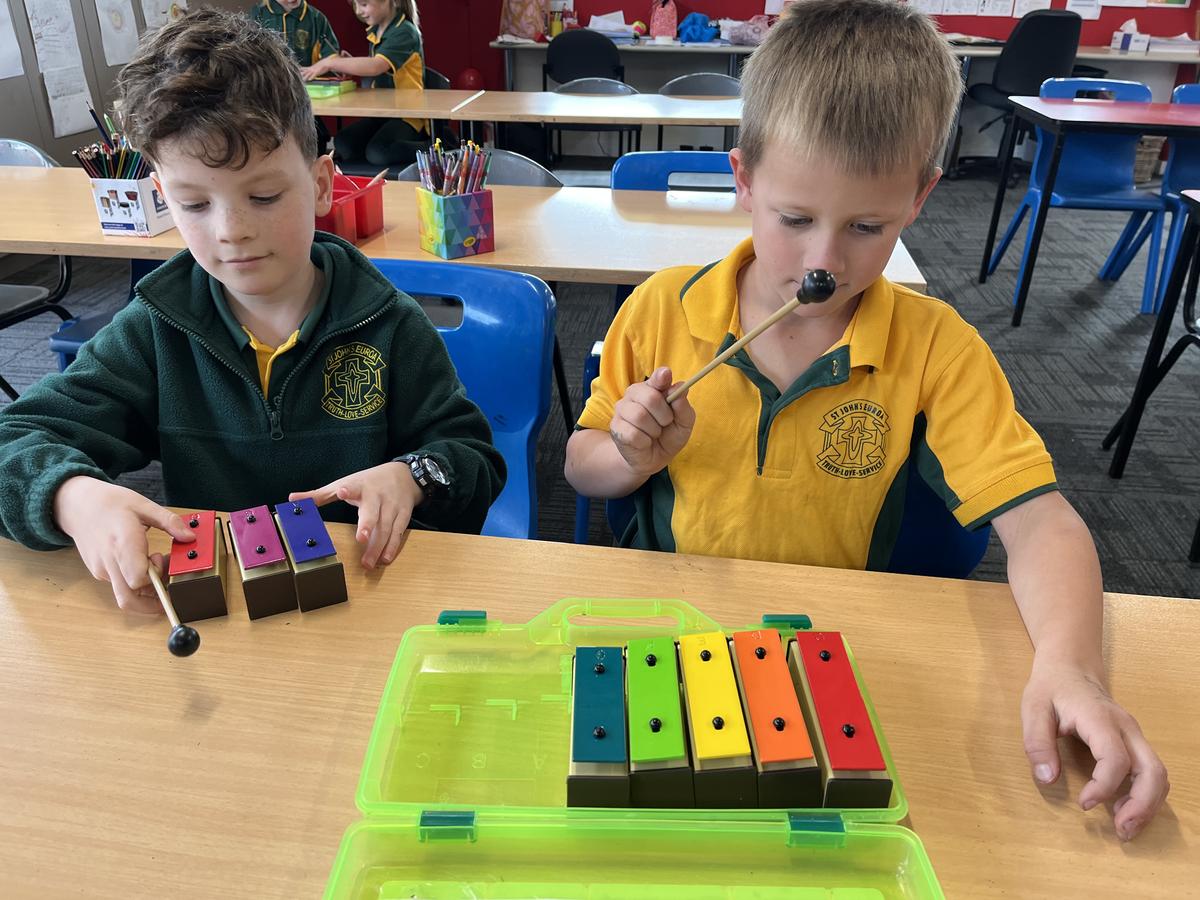
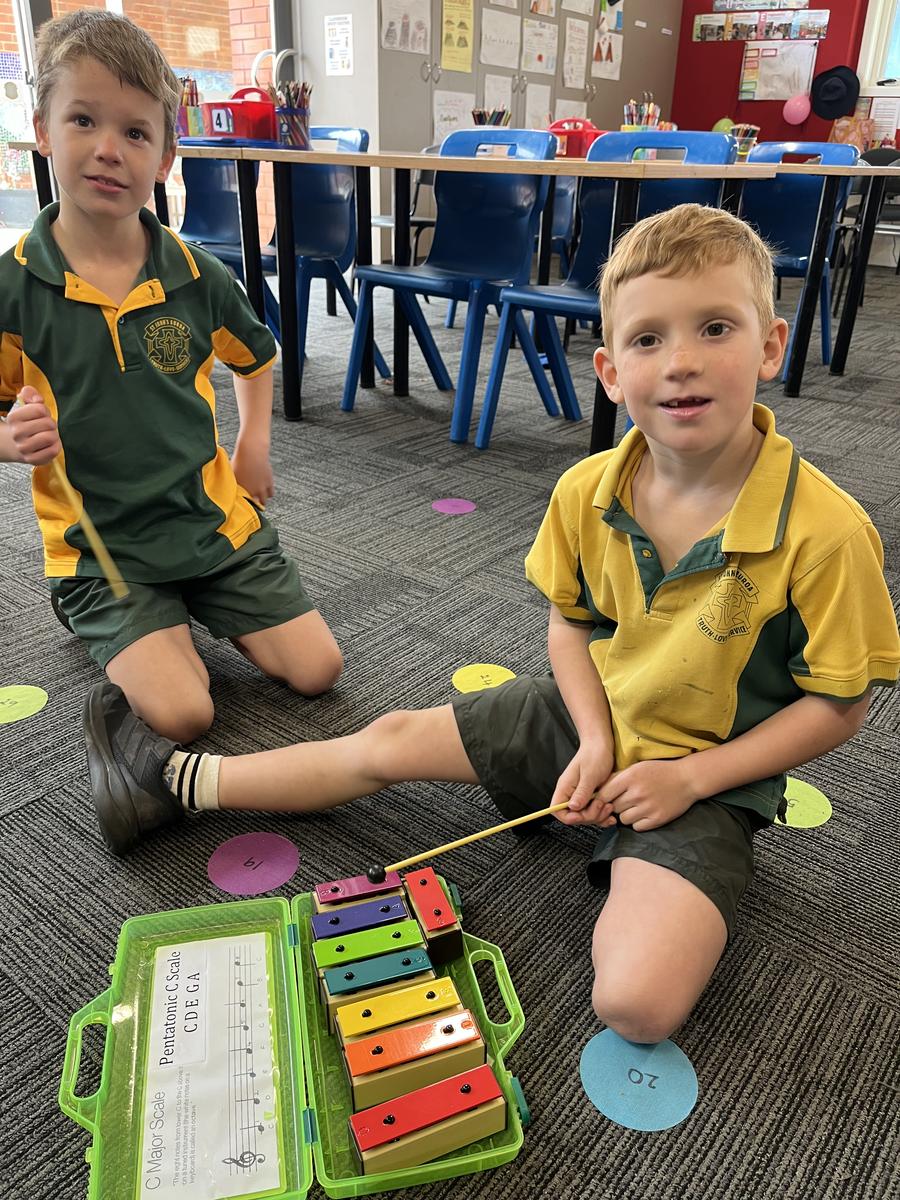
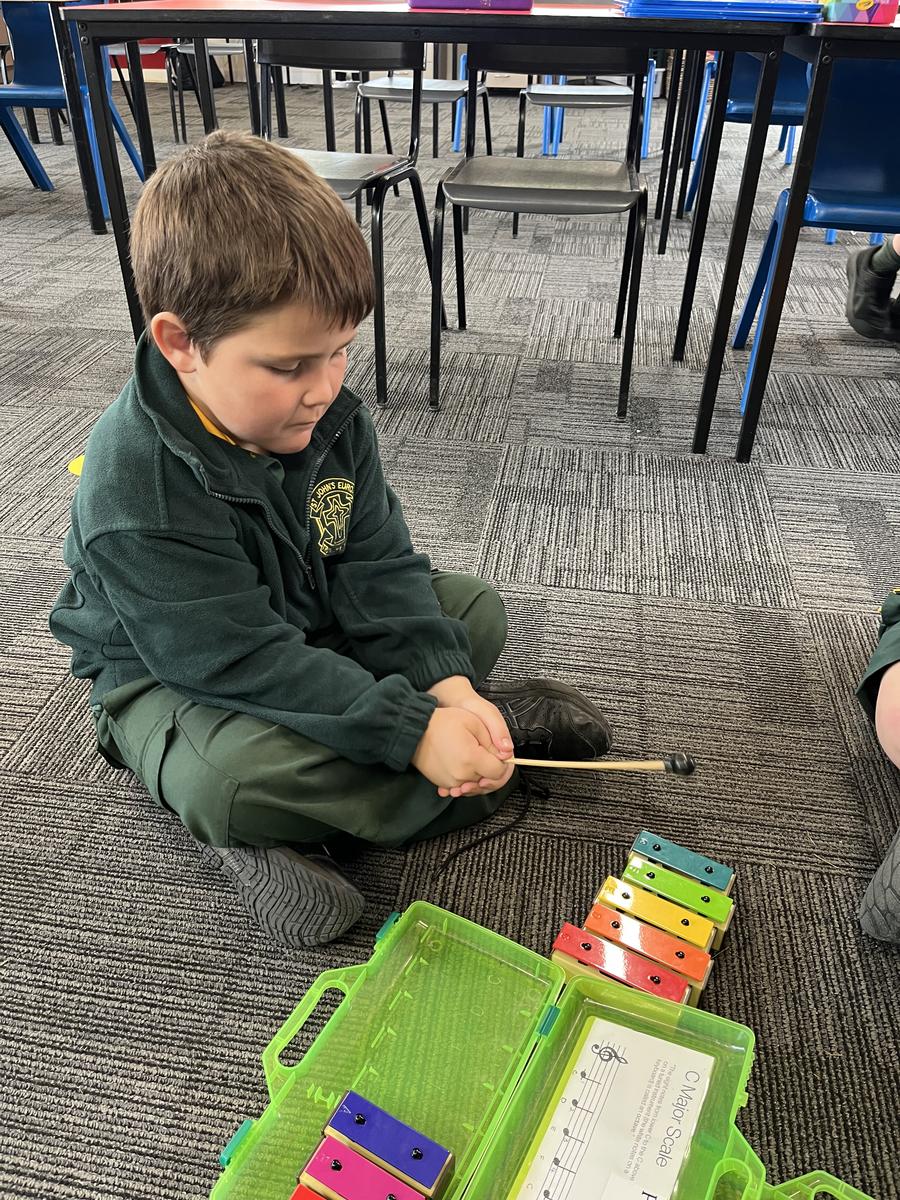
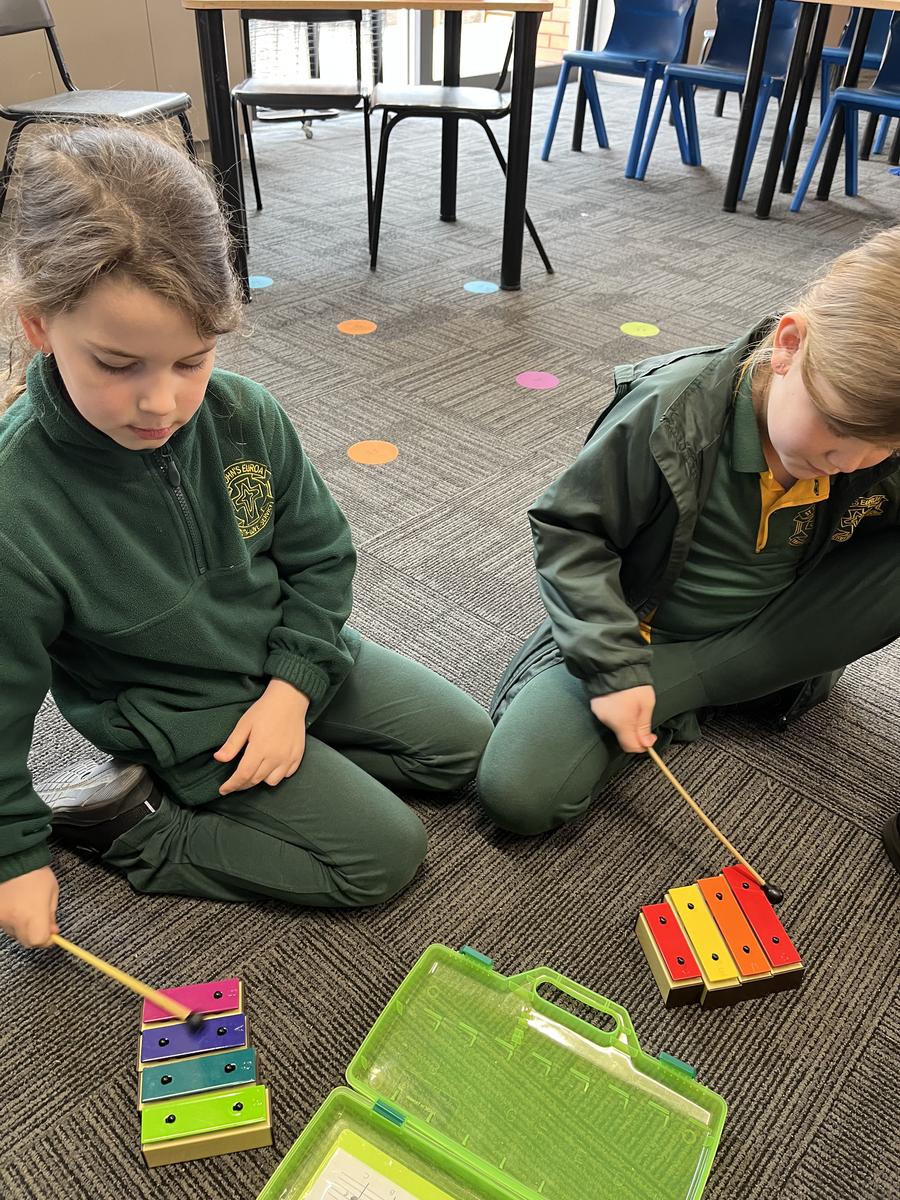
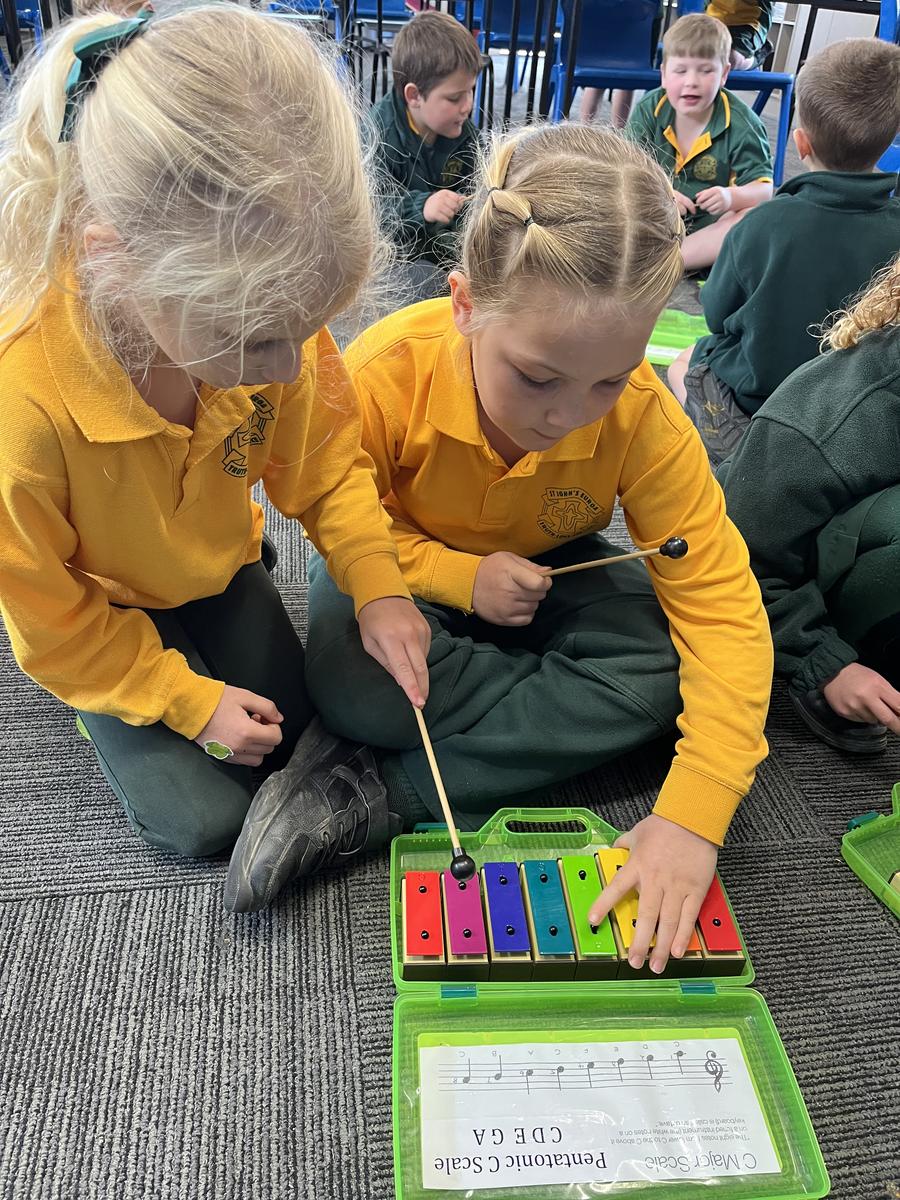
To begin Term 3, Year 1 and Year 2 students have been exploring all things sound! Our STEM classroom may have been a little noisier than usual as students investigated different ways to create sound using musical instruments and a range of everyday objects.
We have also enjoyed learning how sound effects are created in films and cartoons. One of our favourite discoveries was that coconut shells can be used to create the sound of a galloping horse, just like in Disney cartoons!
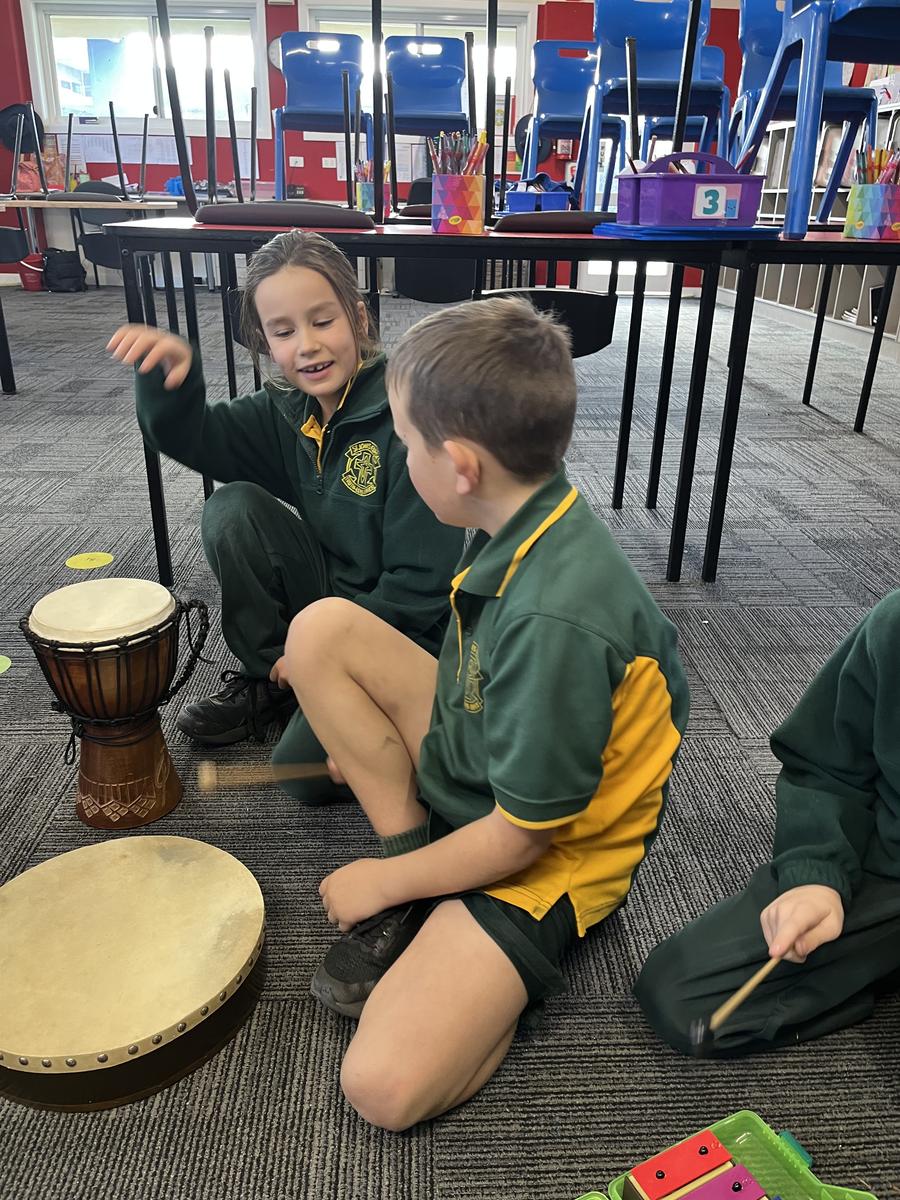
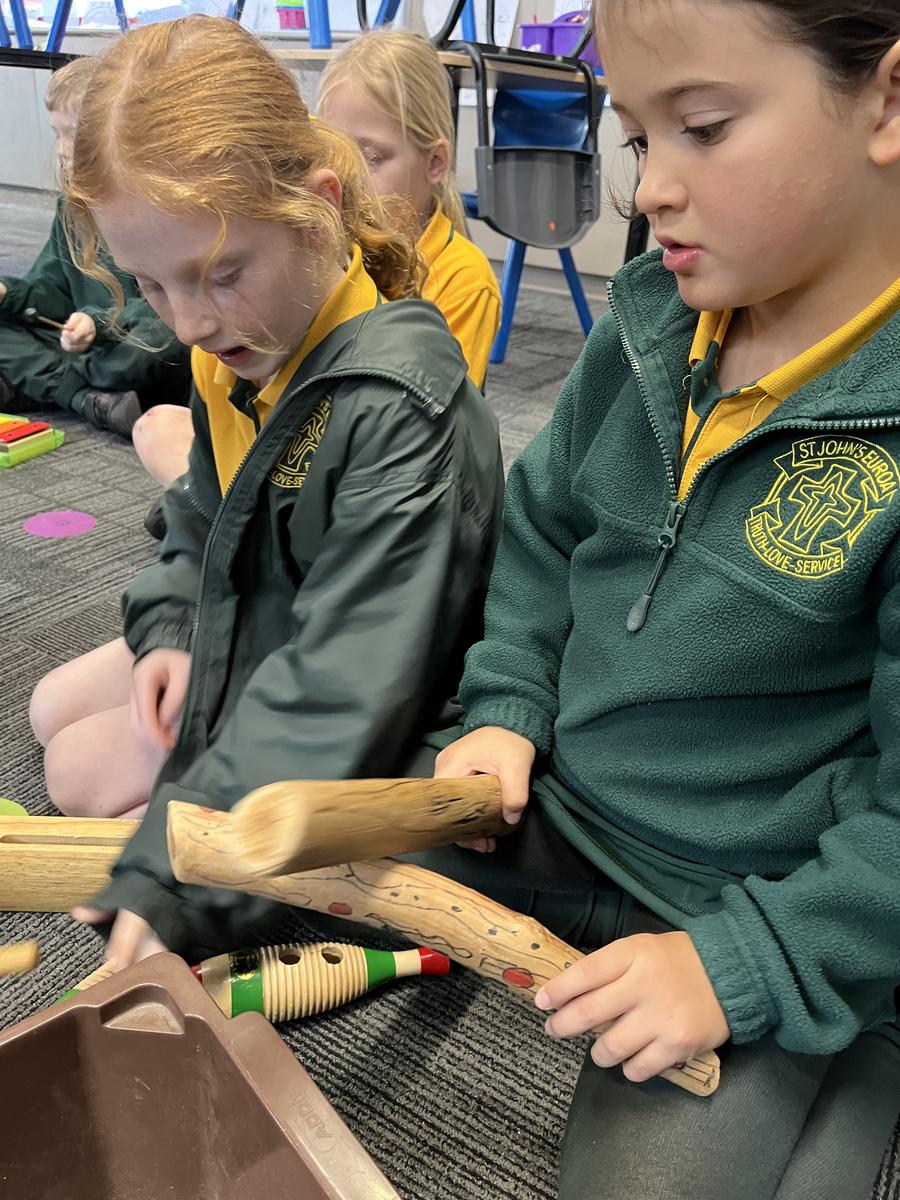
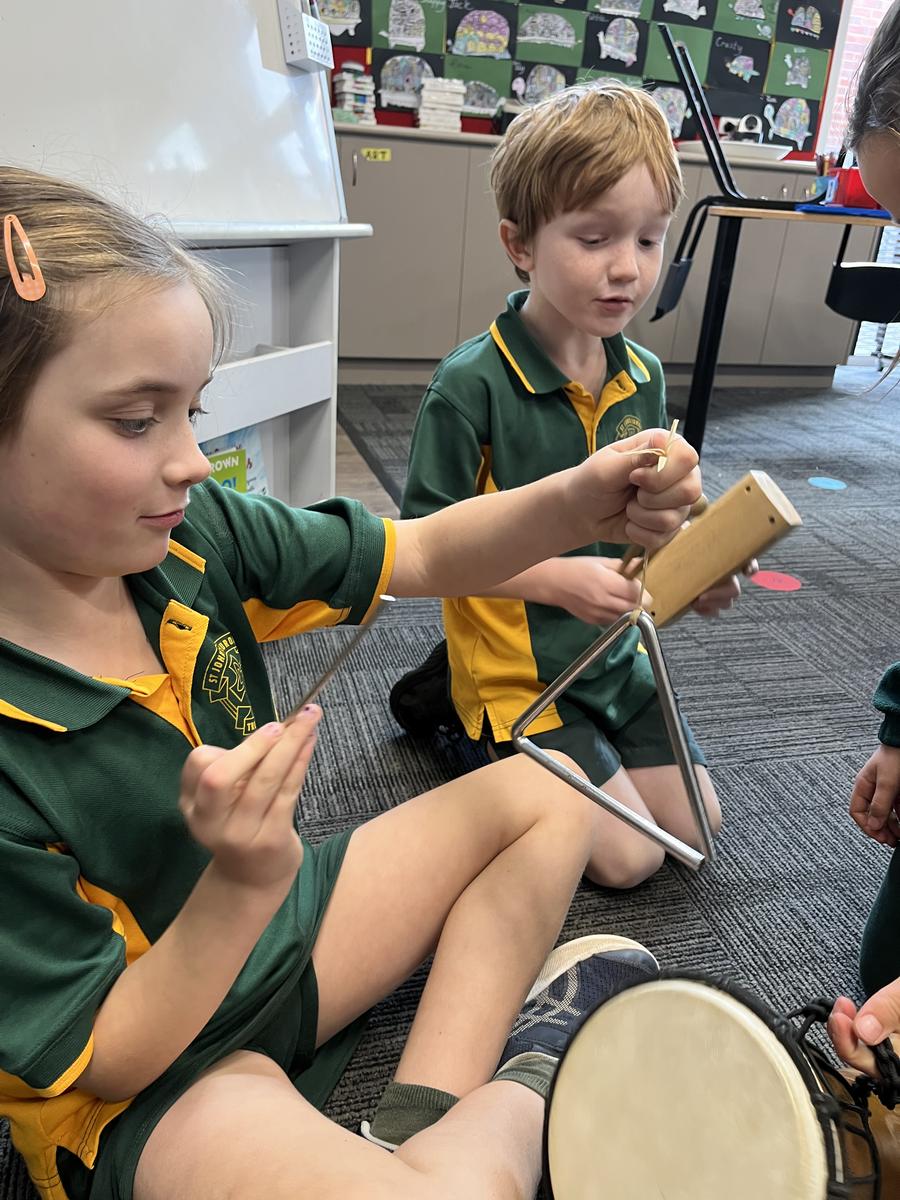
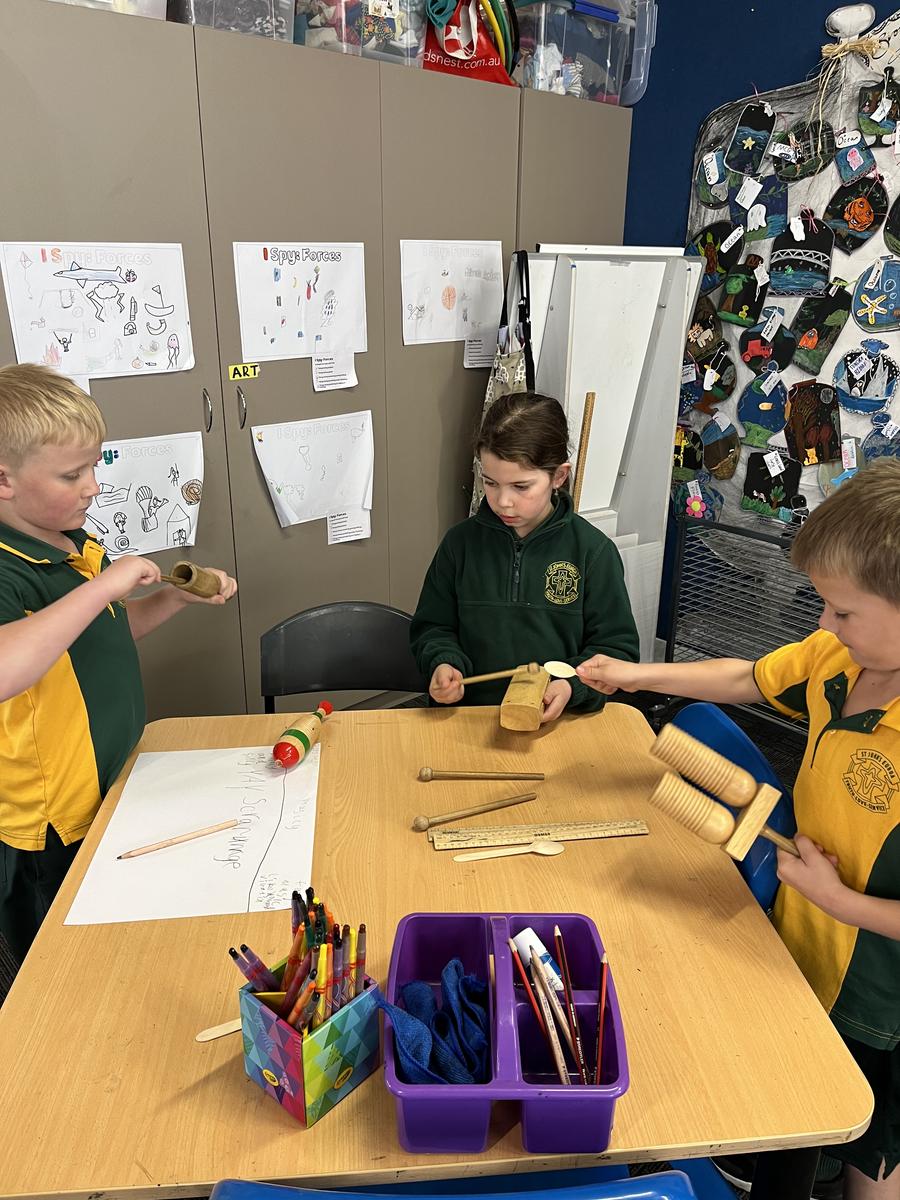
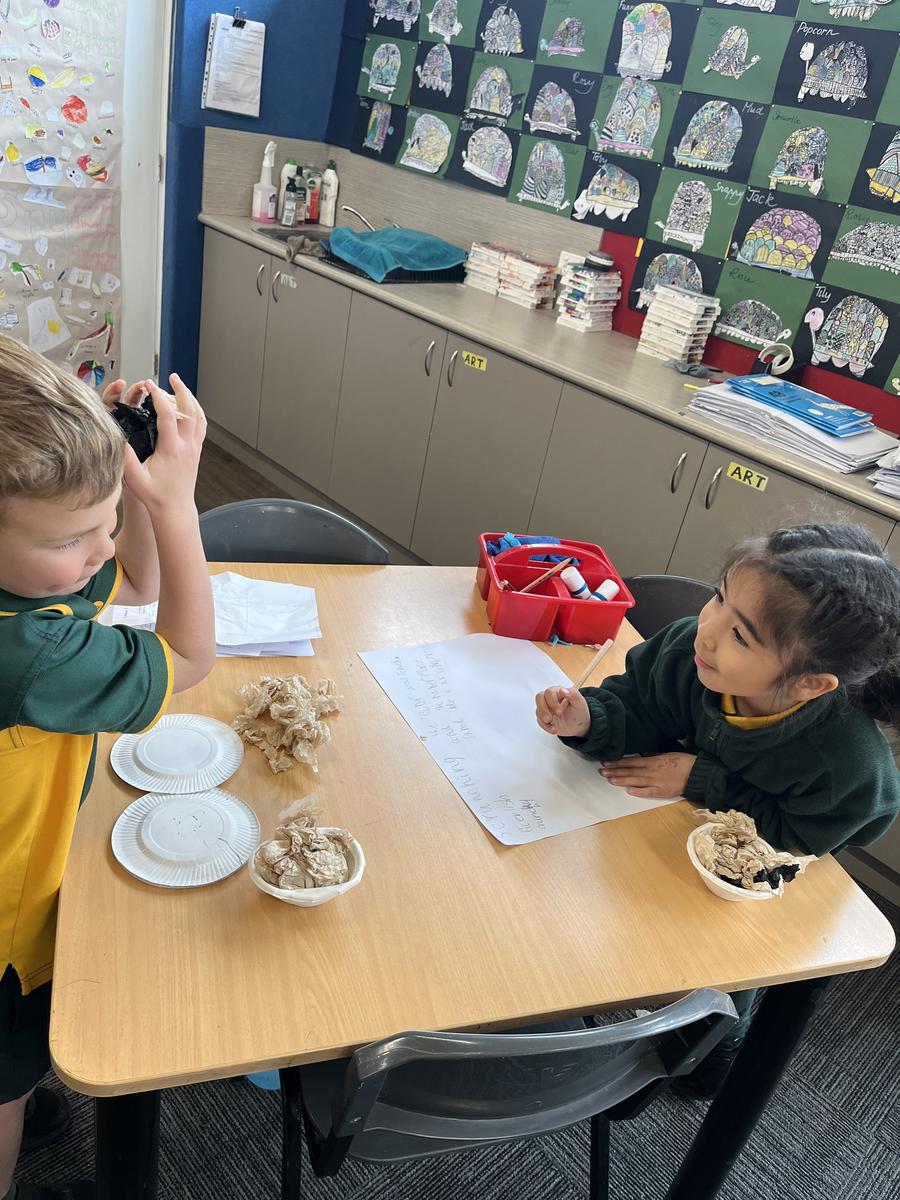
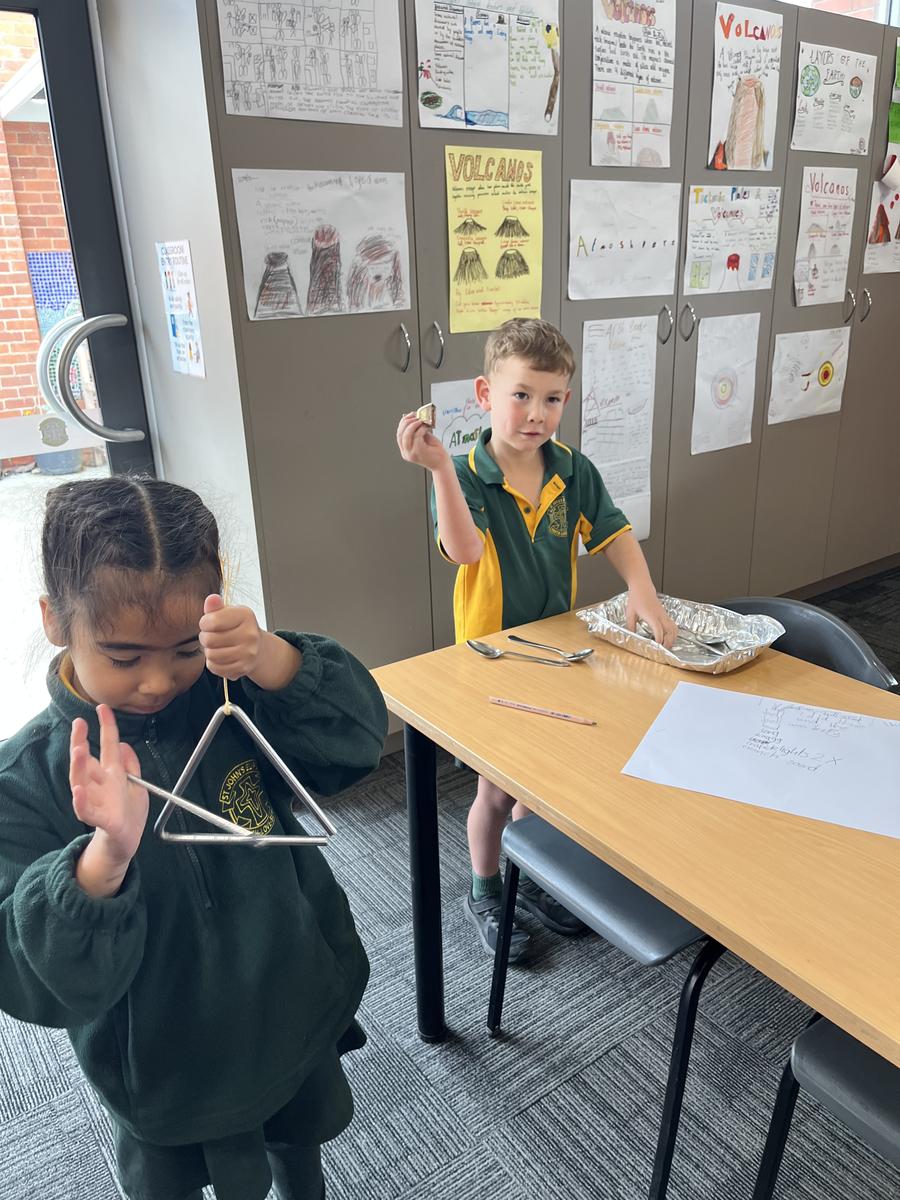
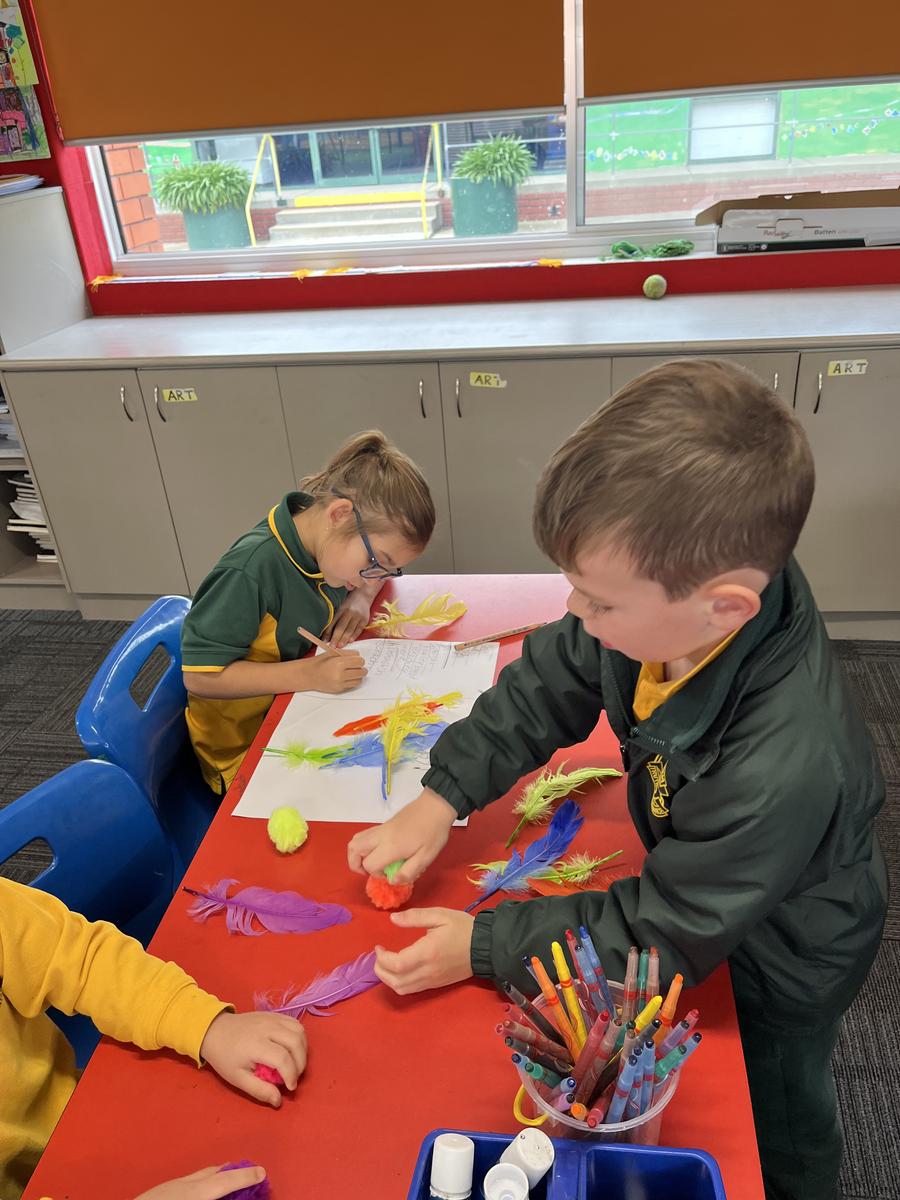
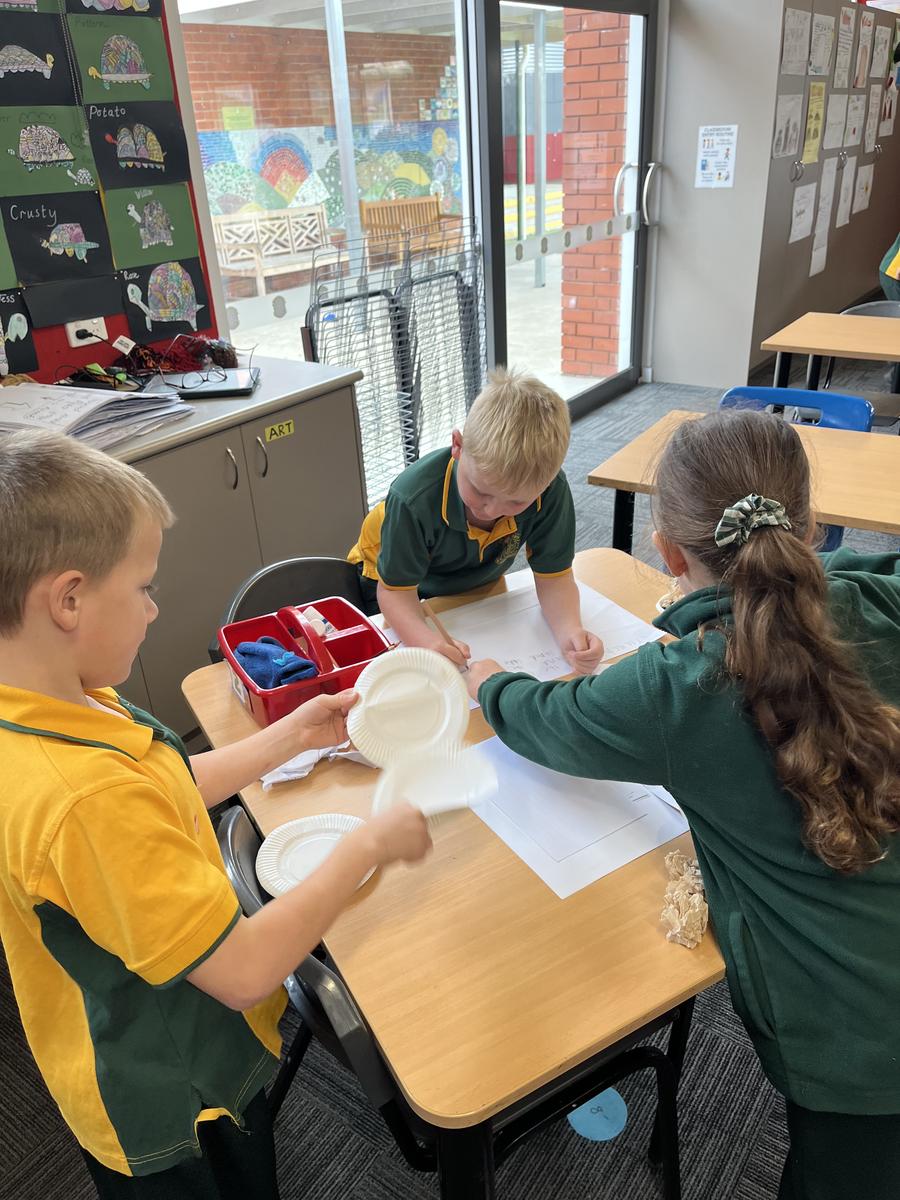
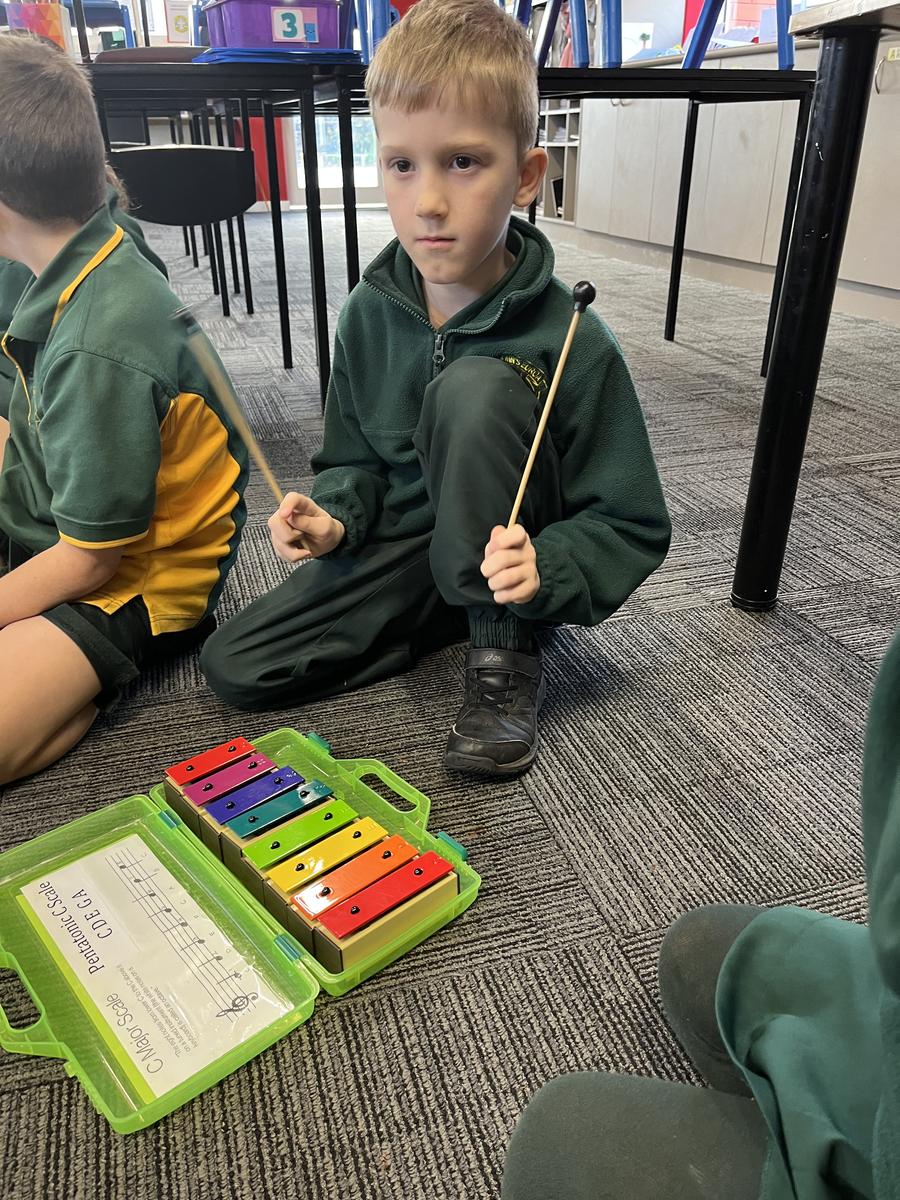
Through a variety of hands-on activities, students have learnt that sounds are made when something vibrates. Using instruments such as drums and triangles, students were able to feel the vibrations that create sound and observe how the sound stops when the vibrations are stopped by placing a hand on the instrument. These investigations helped students develop their understanding of how sound is created, how it travels through the air as sound waves and how we hear it.
Year 3 and Year 4
Motion
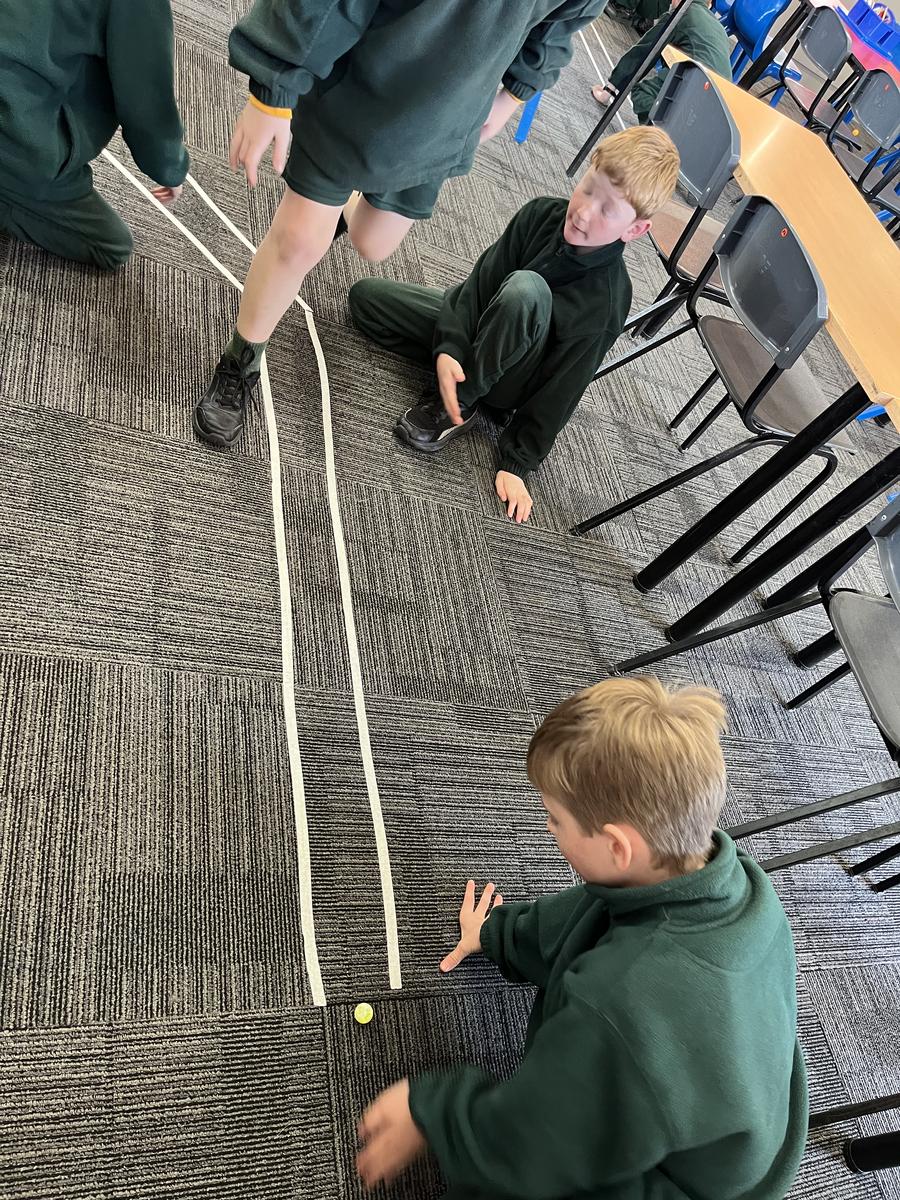
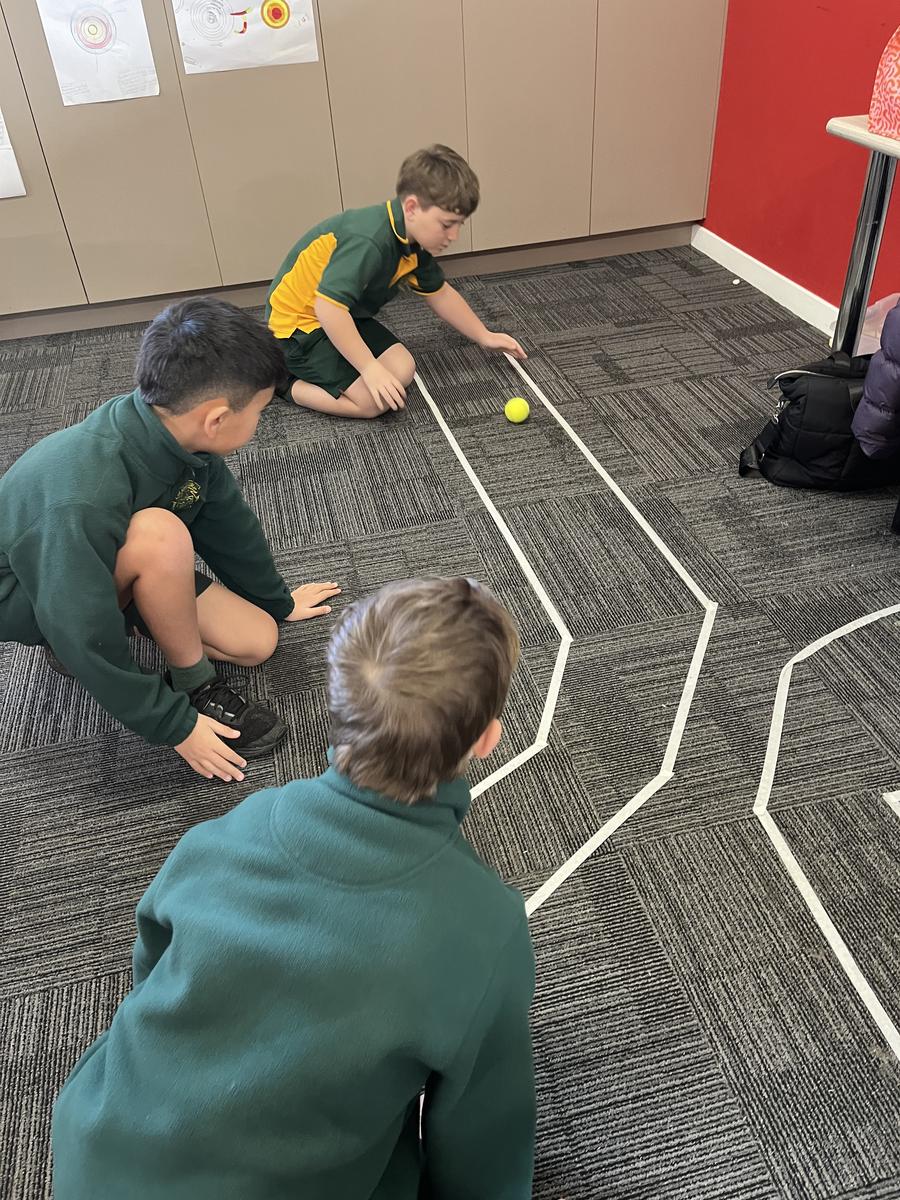
This term, students in years 3 and 4 have extended their understanding of forces to explore how different forces influence motion. To begin, students learnt that motion can be defined and described in terms of speed and direction and that different forces can change the motion of an object. We practiced creating force arrow diagrams to represent the direction and magnitude of forces acting on an object. Students participated in a 'ball path challenge', exploring how they can use force to change the speed and direction of a ball to keep it on the track.
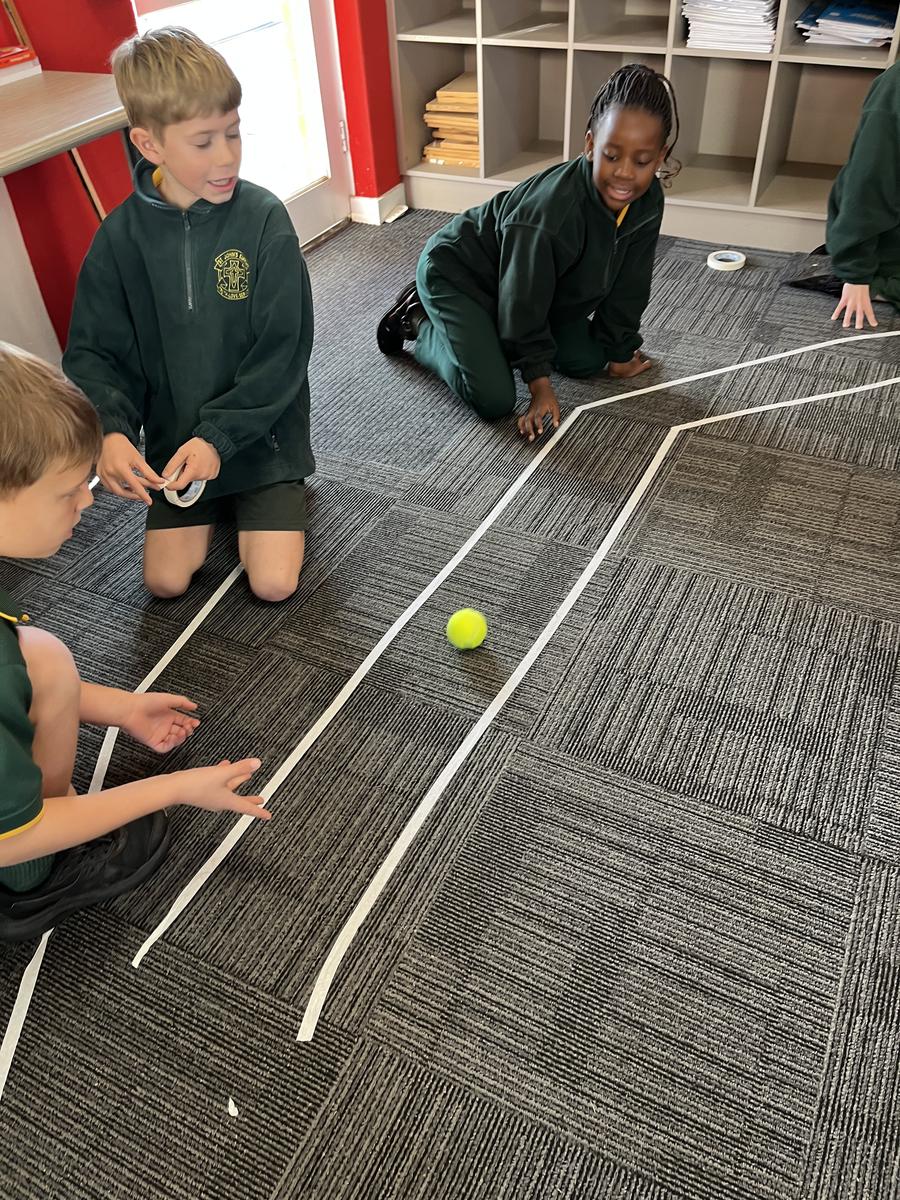
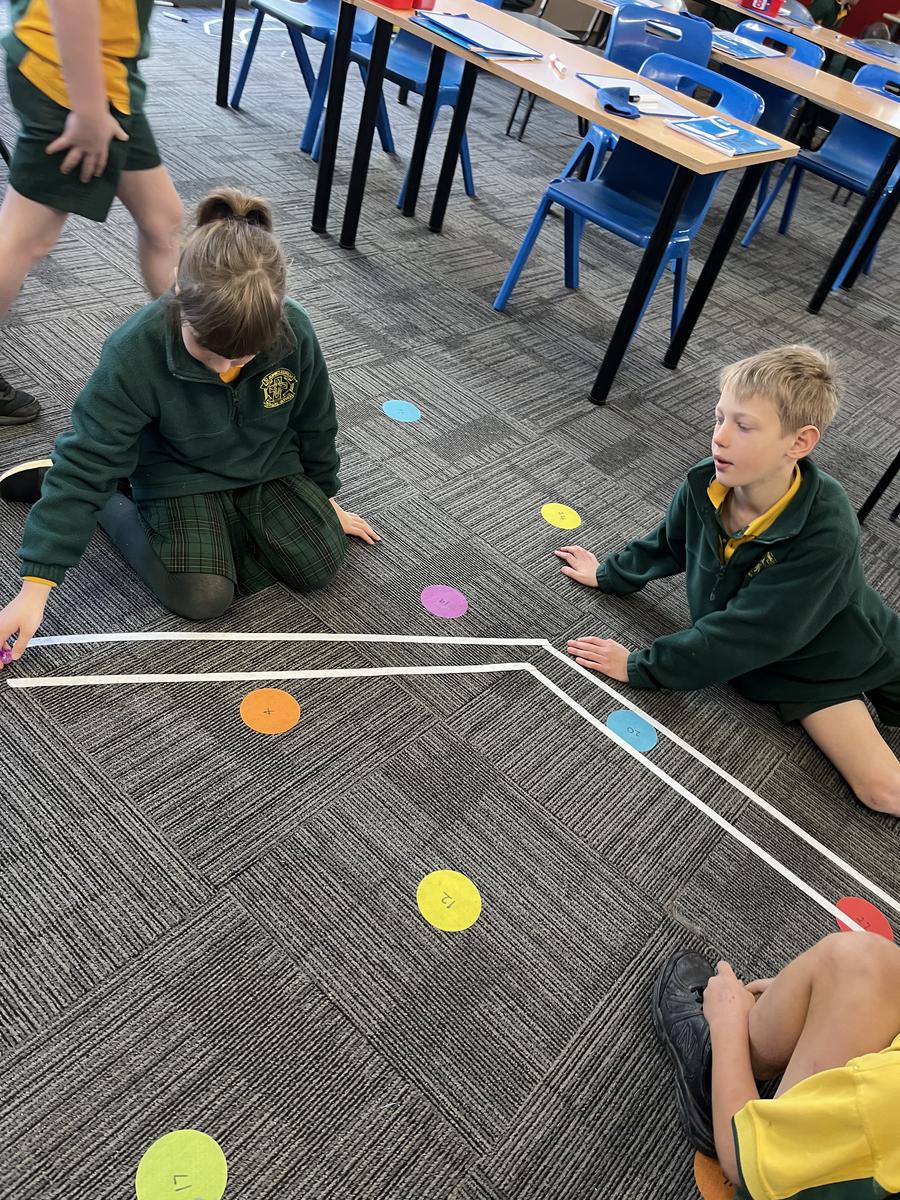
To investigate air resistance, students created airplanes, helicopters and gliders, exploring which design created more air resistance and how this influenced how long it stayed in the air. Students connected their understanding to nature, identifying how animals, such as gliders, use air resistance to assist them.
Year 5 and Year 6
Plant Survival
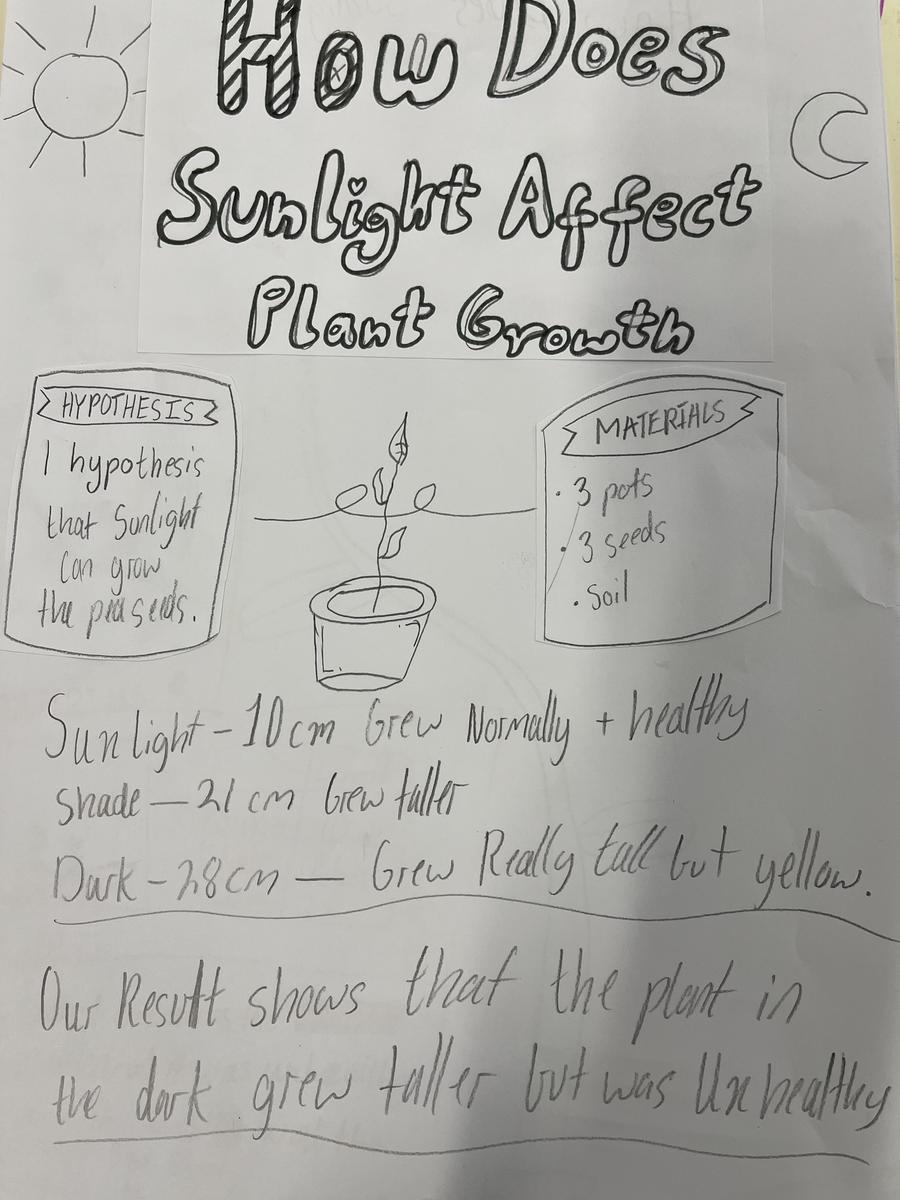
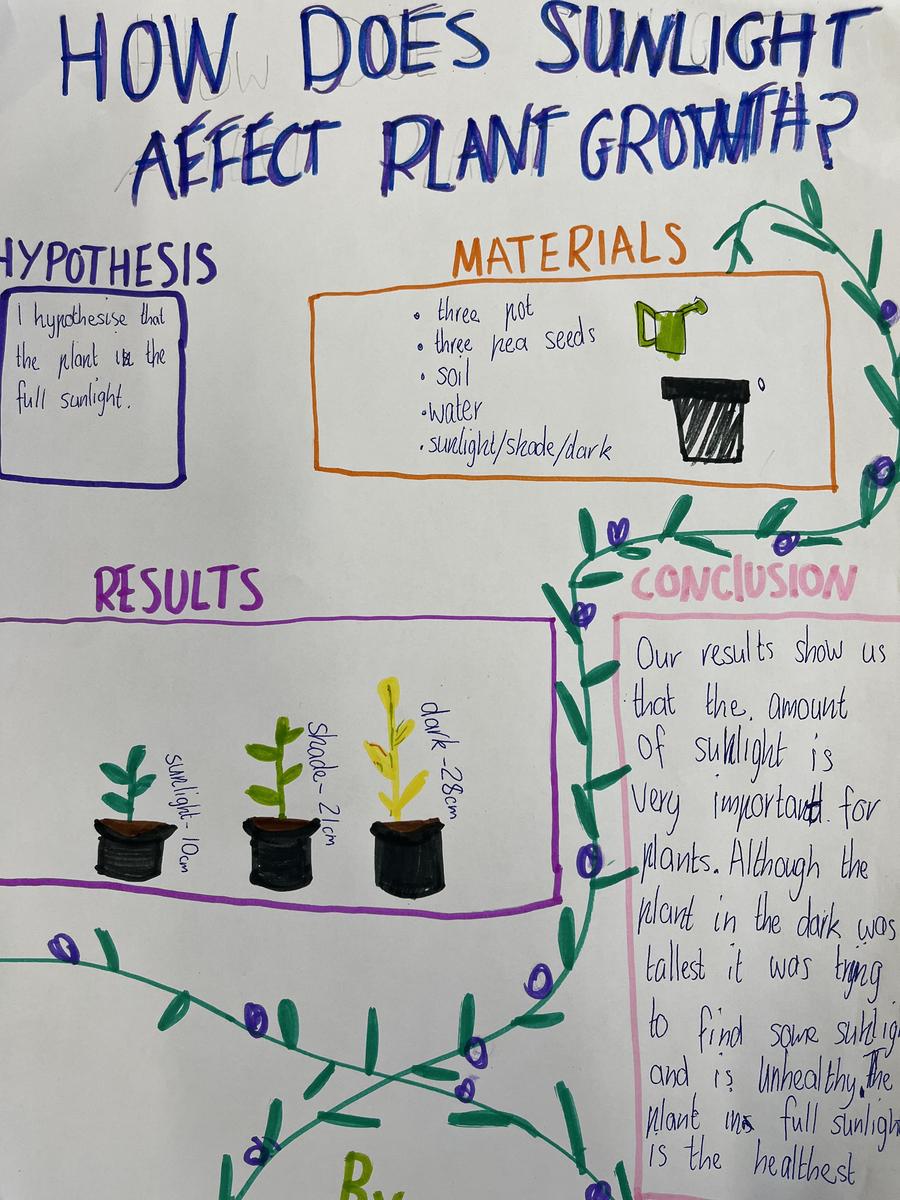
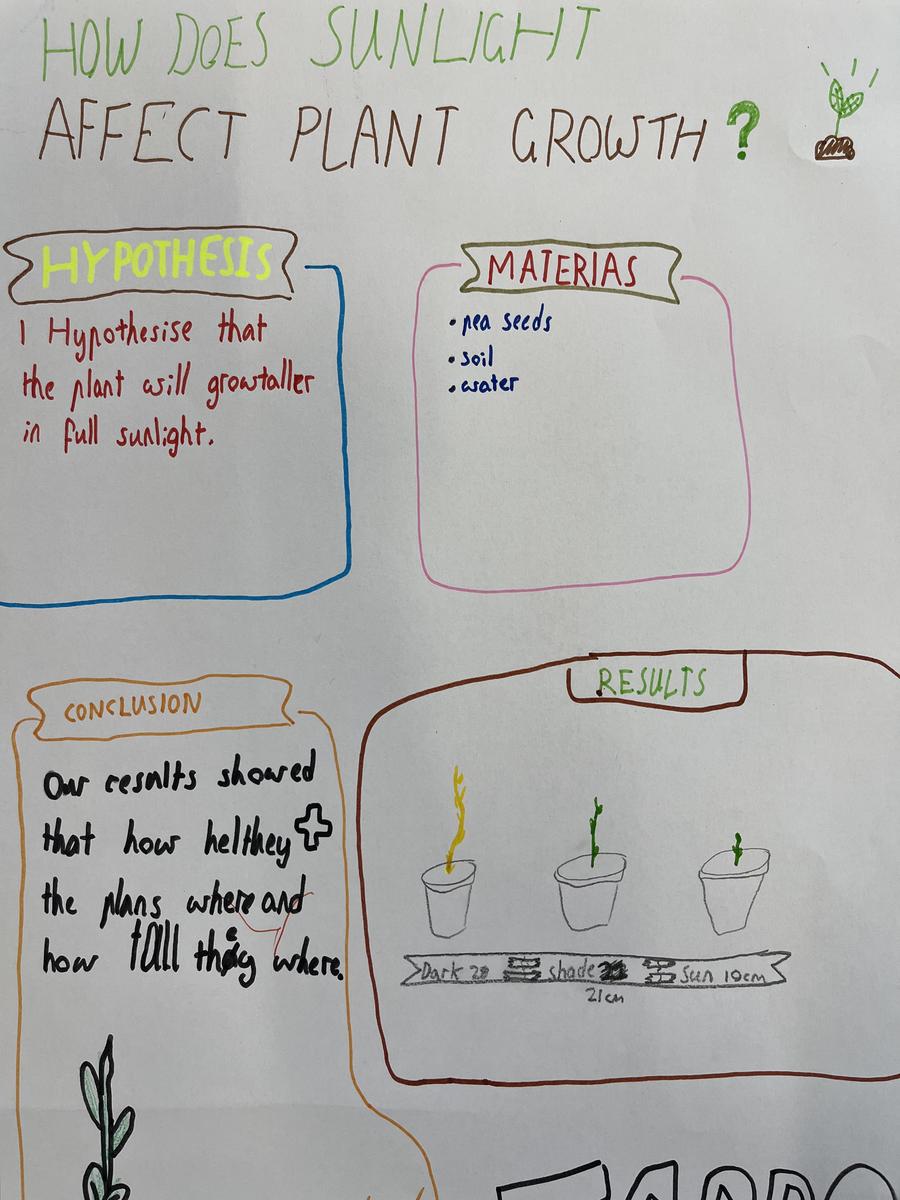
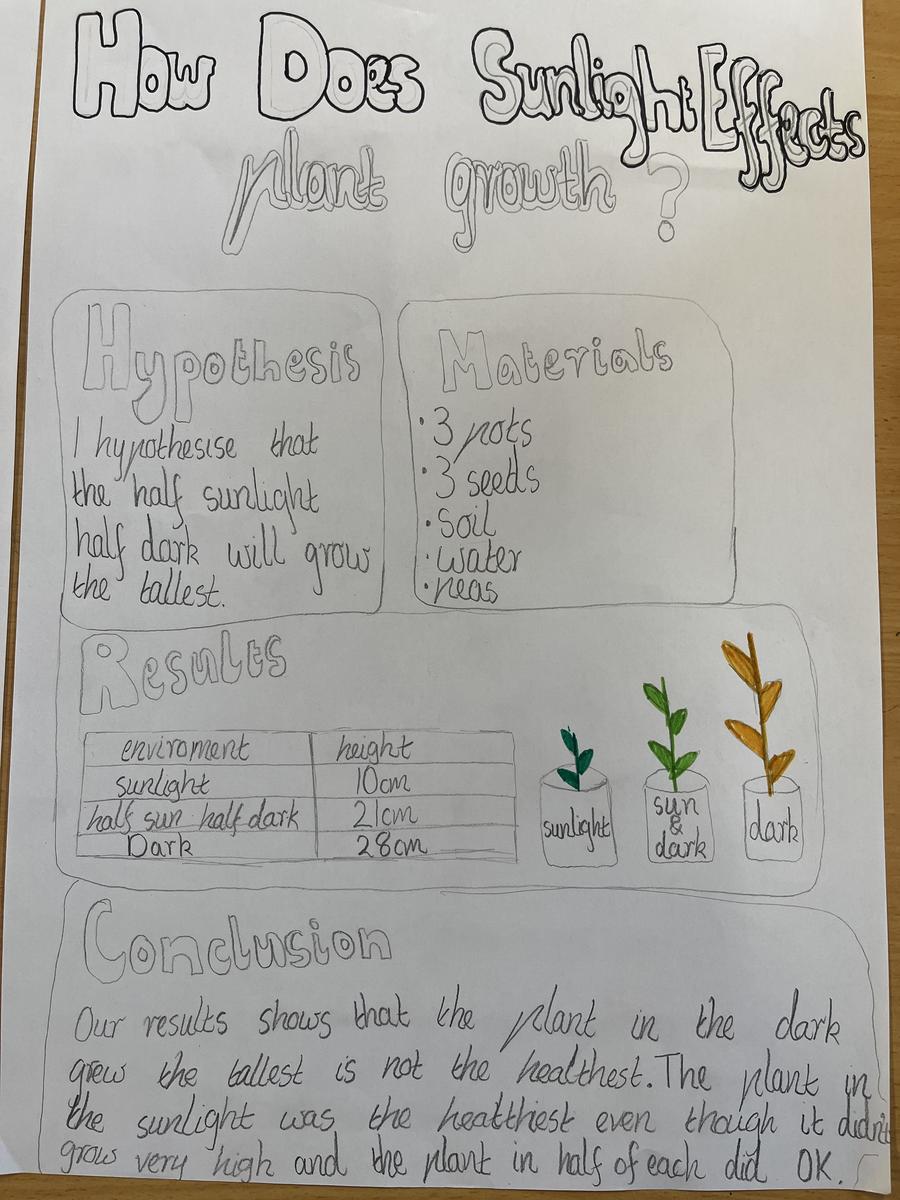
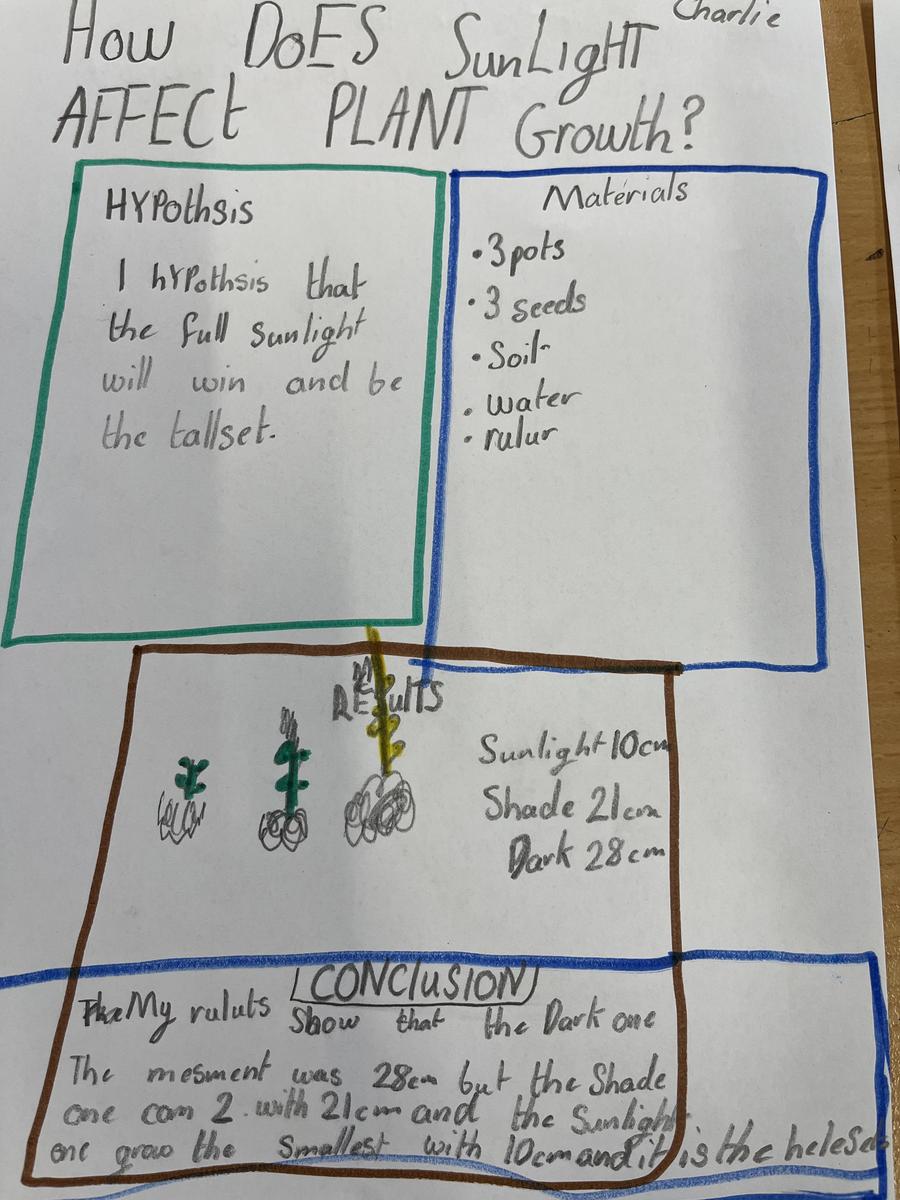
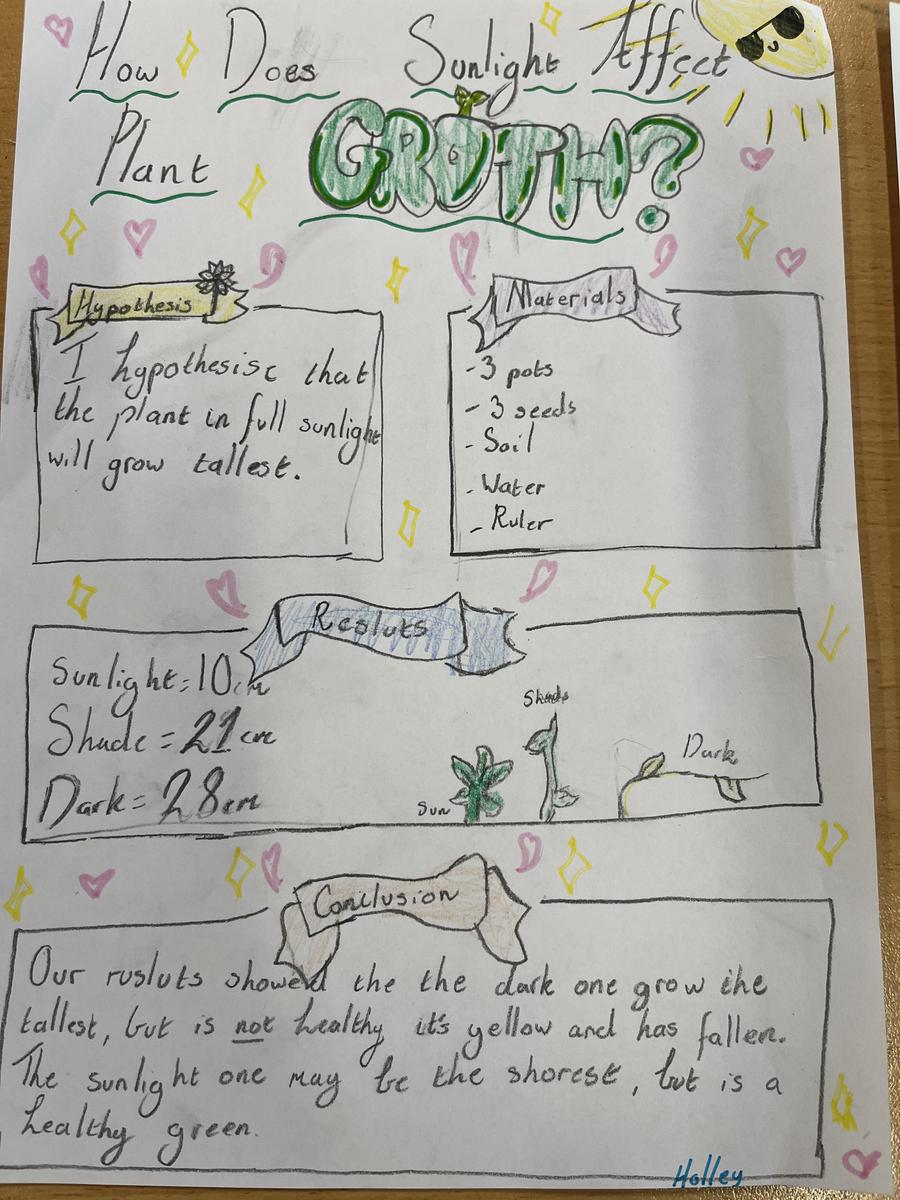
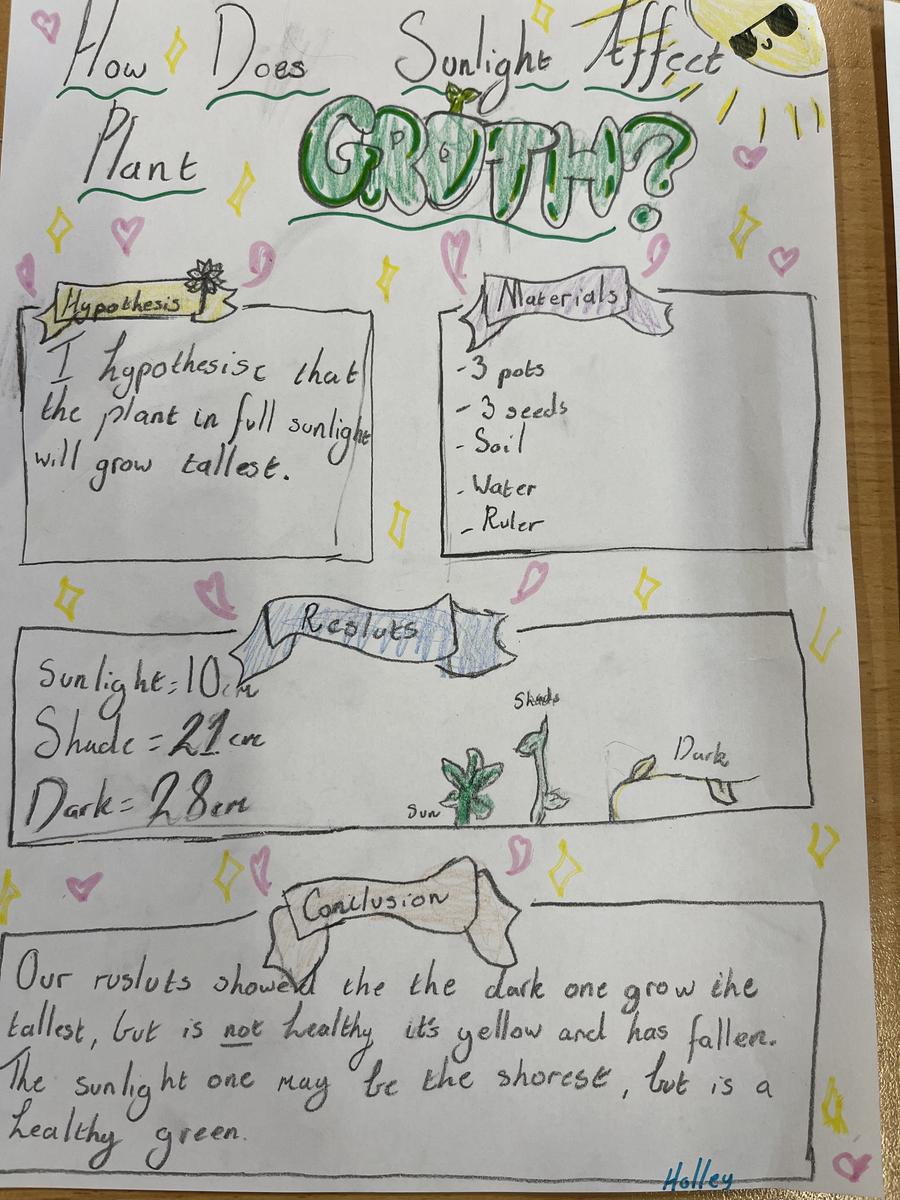
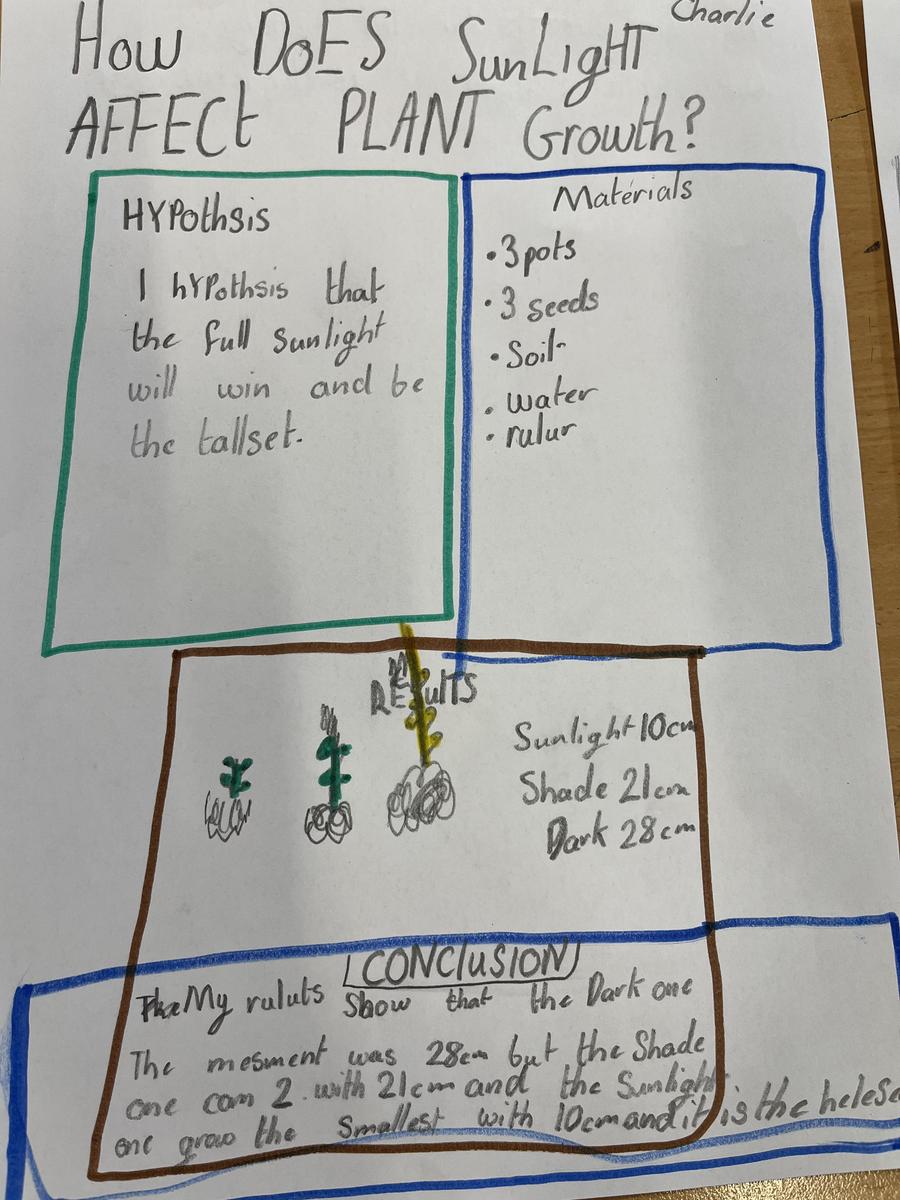
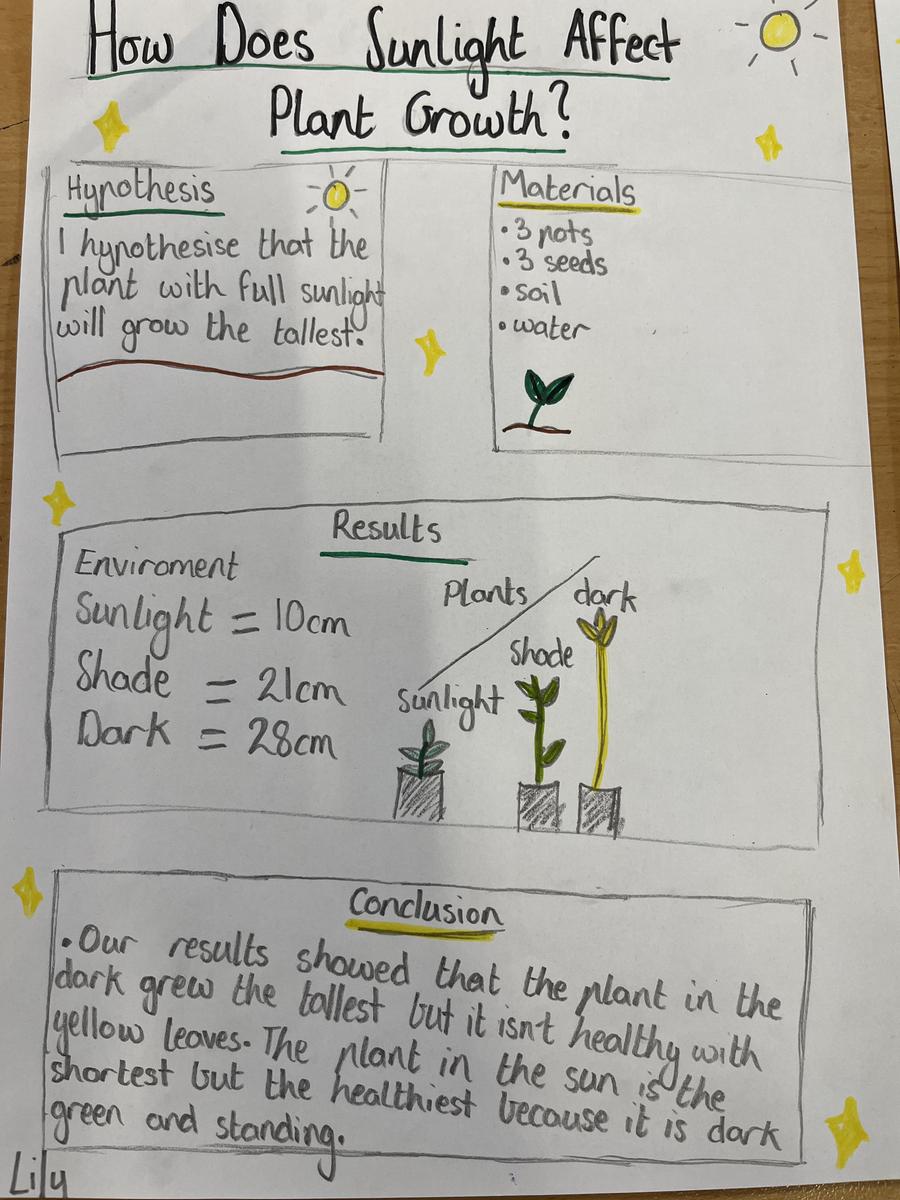
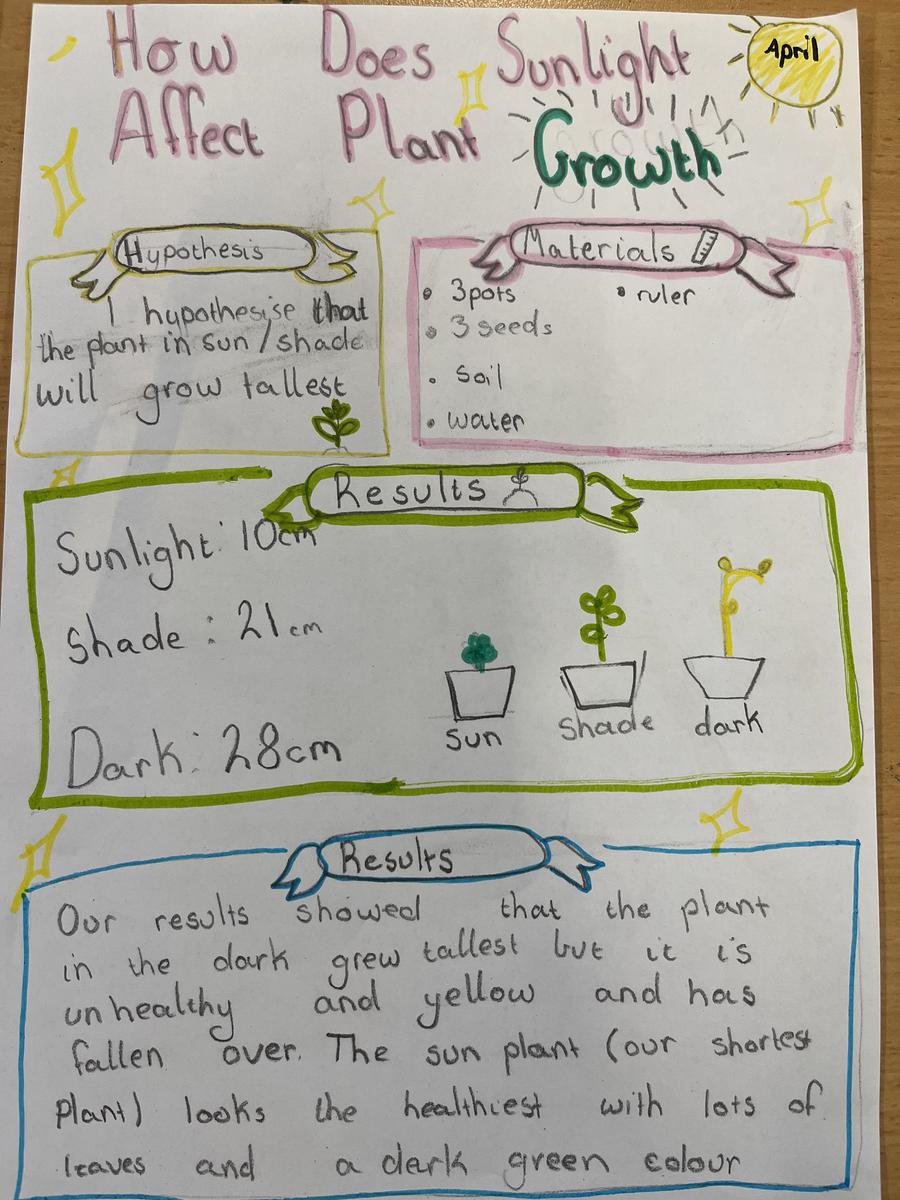
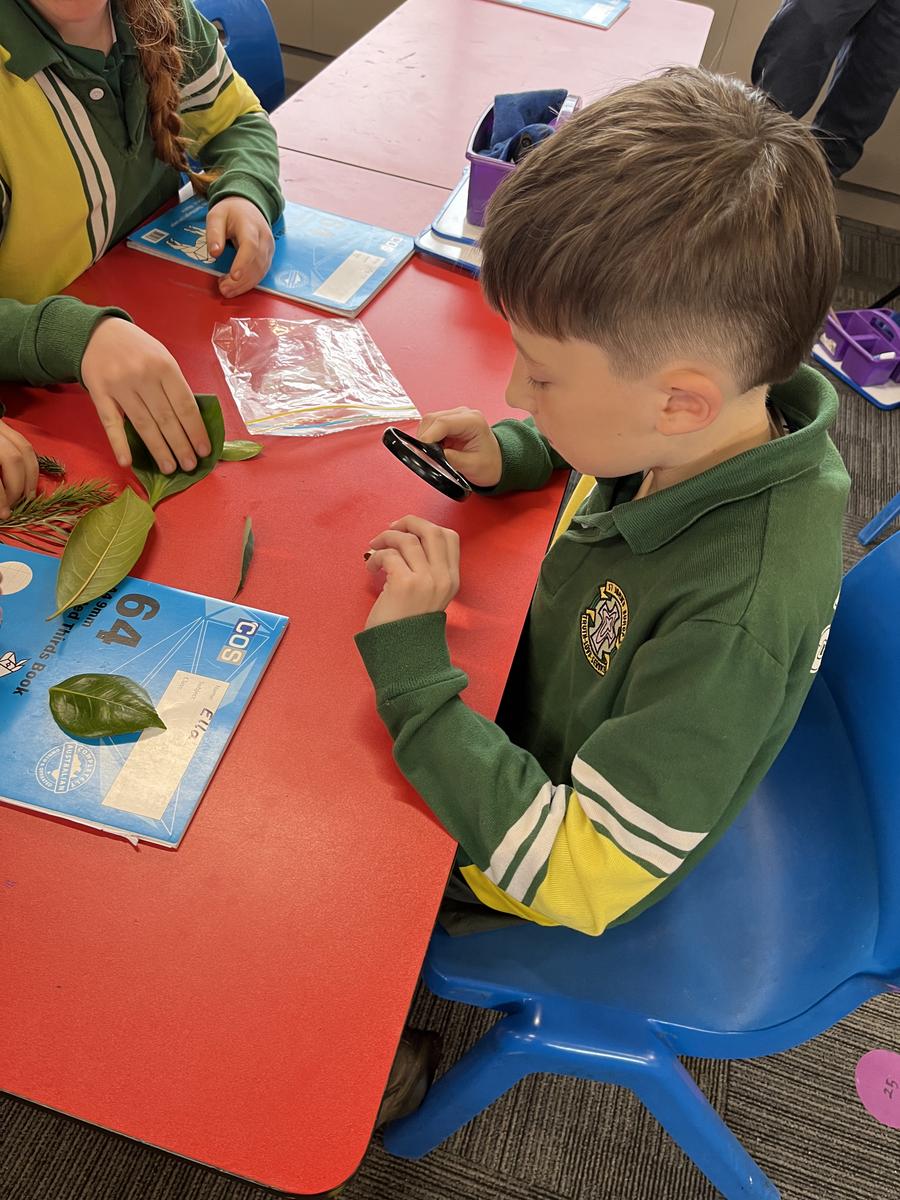
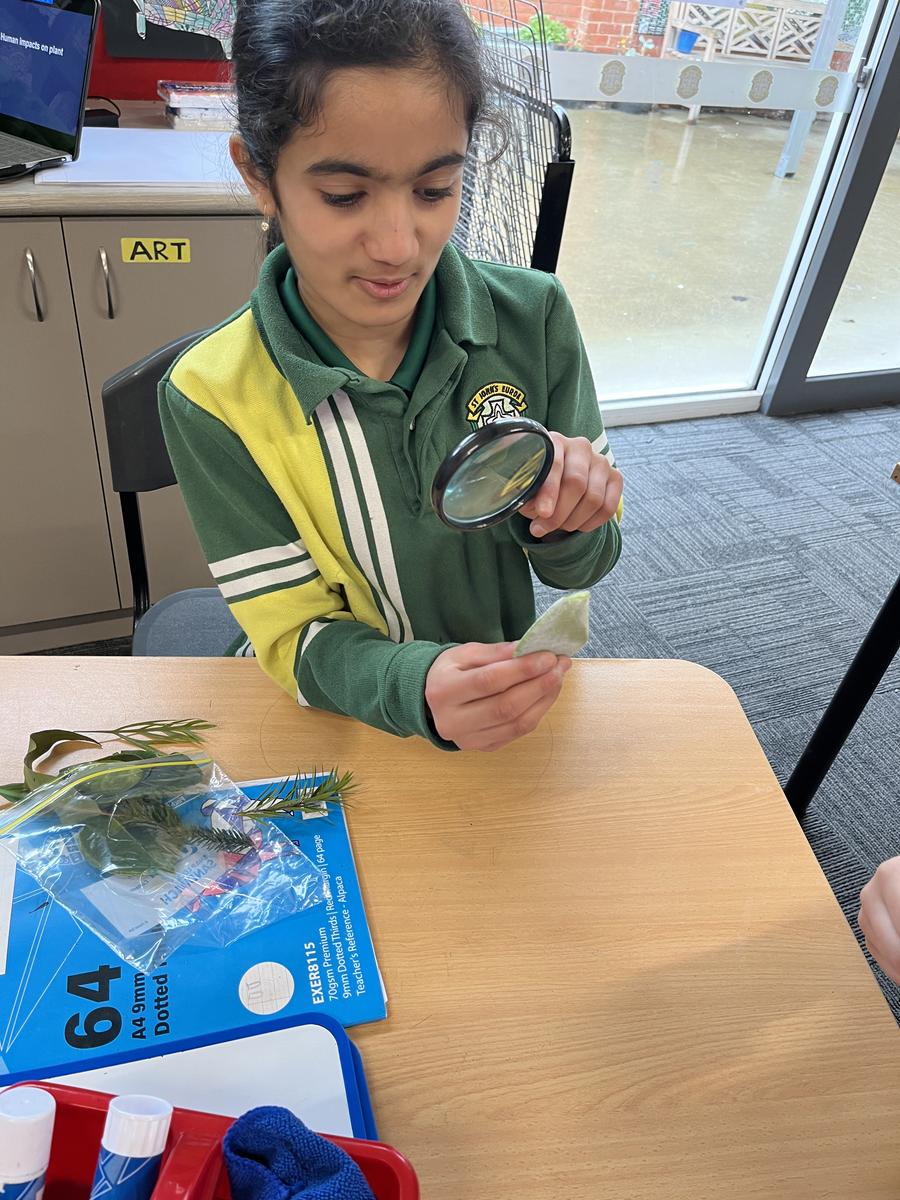
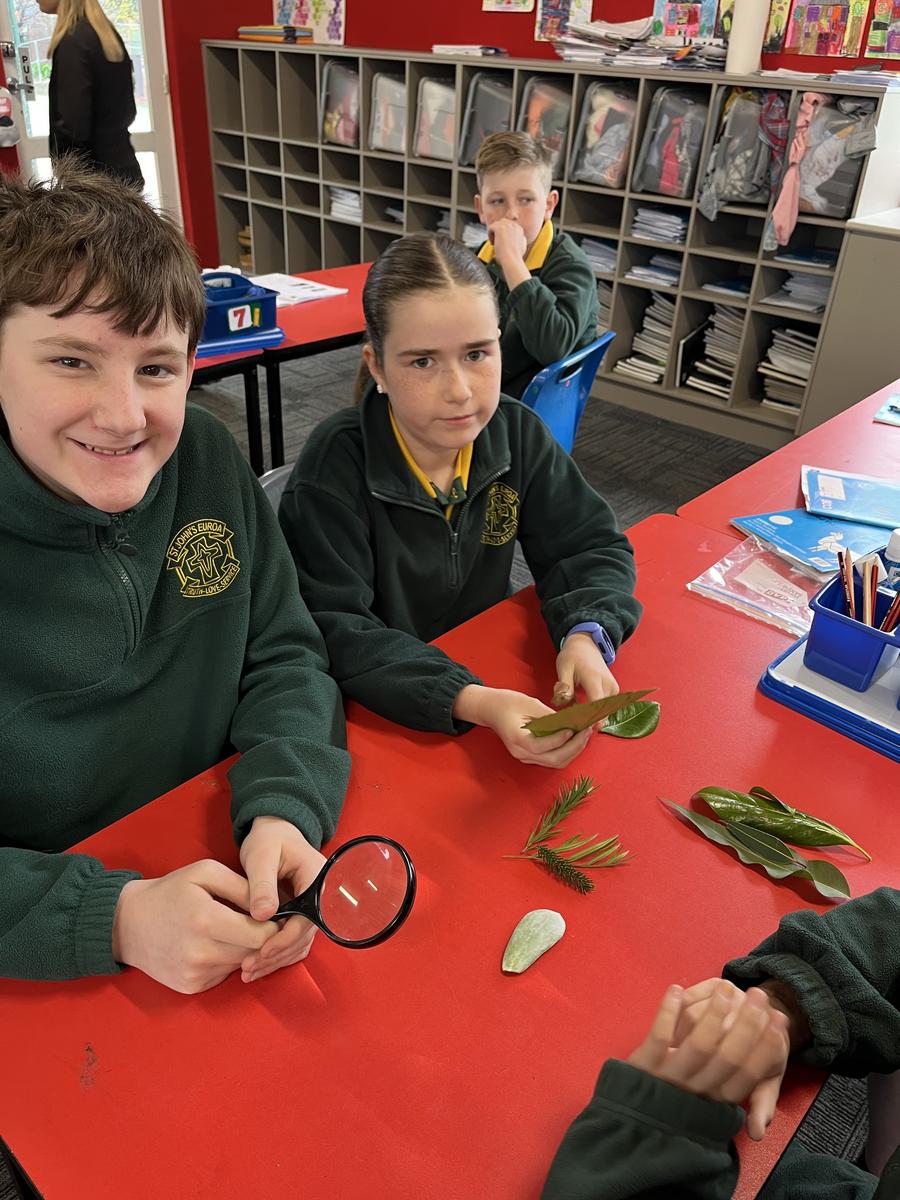
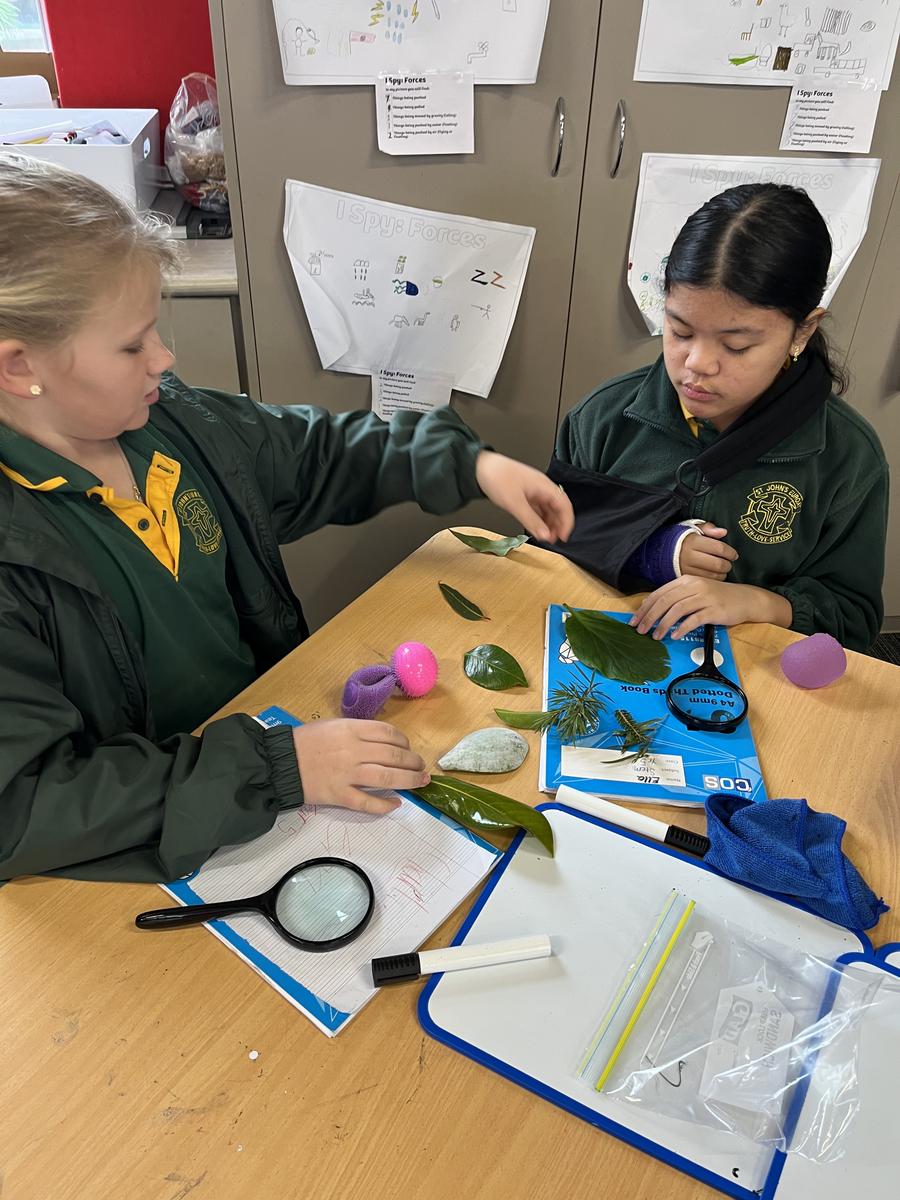
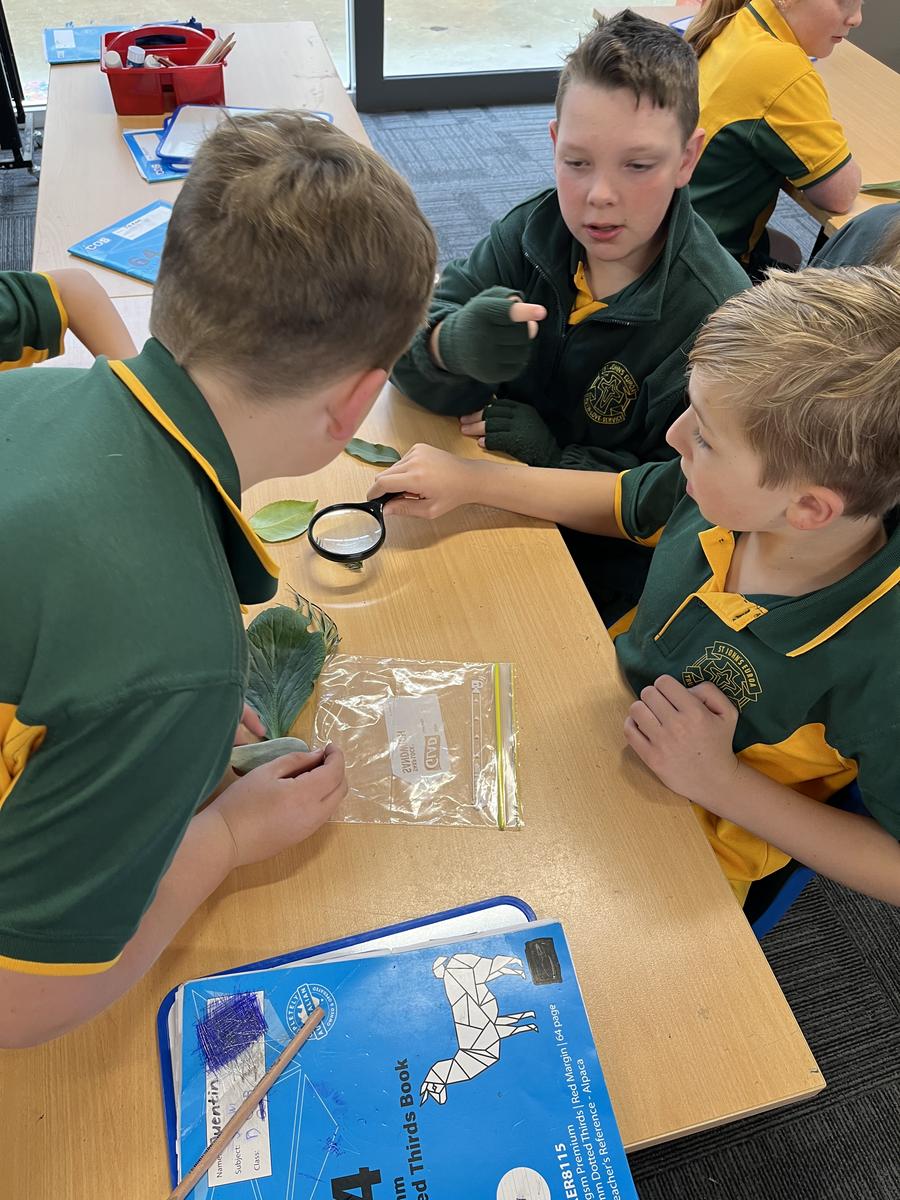
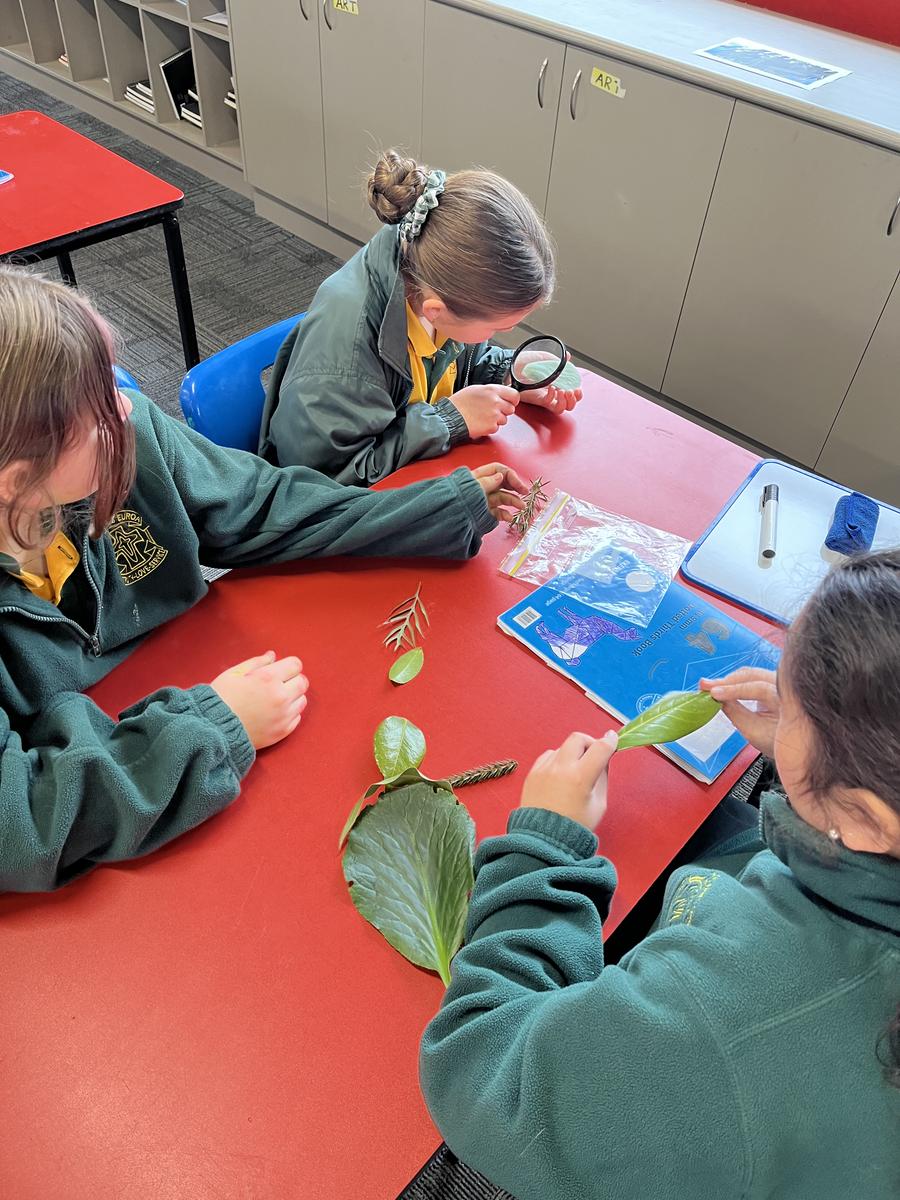
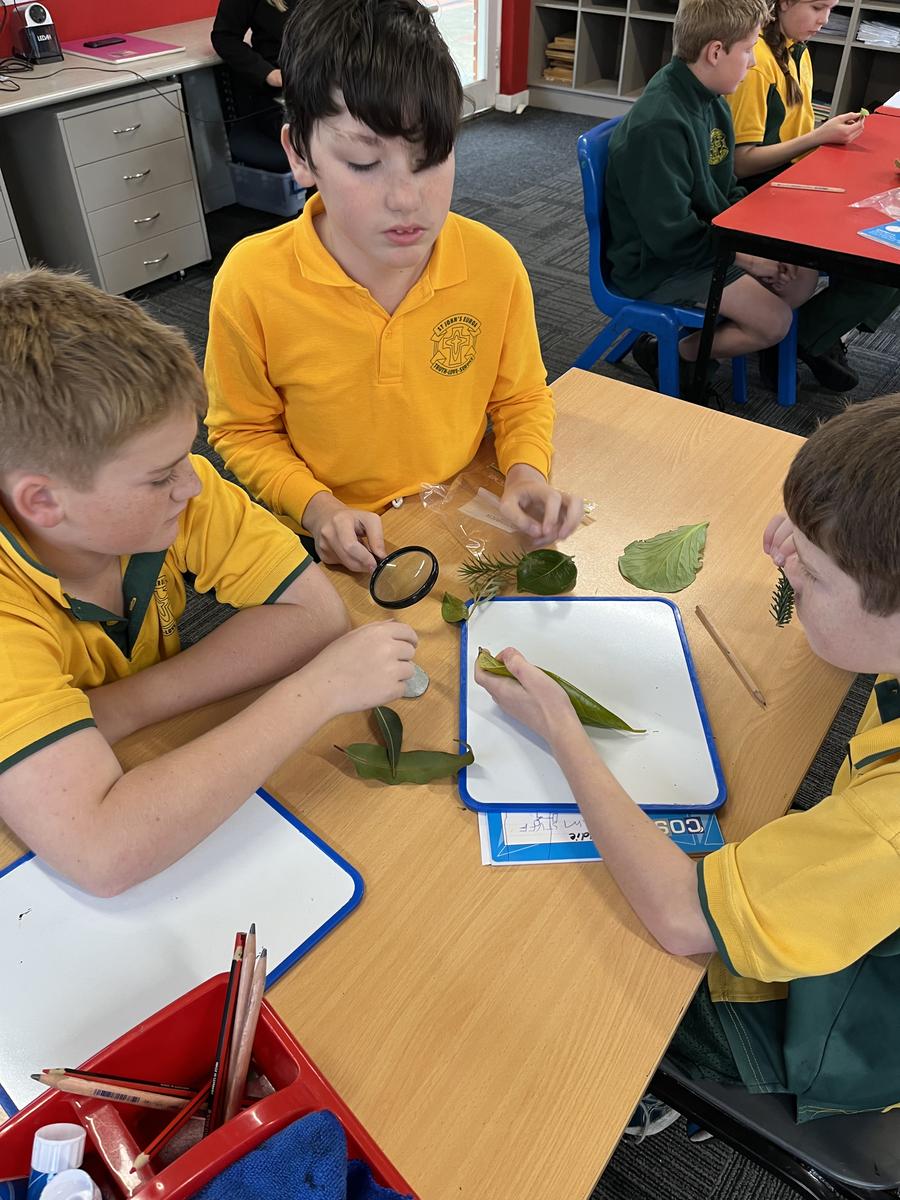
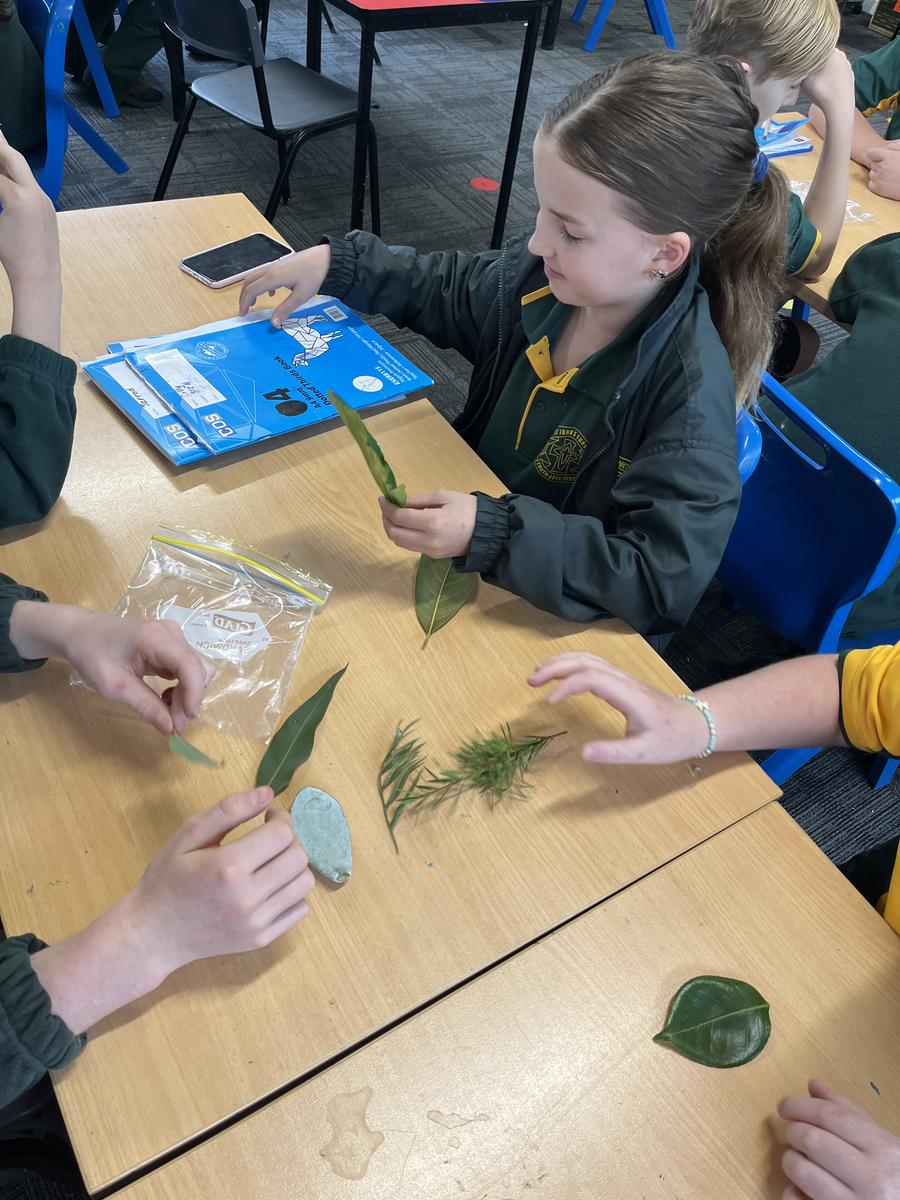
This term, Year 5/6 students have been exploring the theme of plant survival. They investigated the life cycle of plants and discovered how fruits and seeds are special adaptations that help plants reproduce. Using iPad microscopes and magnifying glasses, students closely examined flowers and leaves from a variety of plants, identifying features such as texture, size and shape that support a plant’s survival.
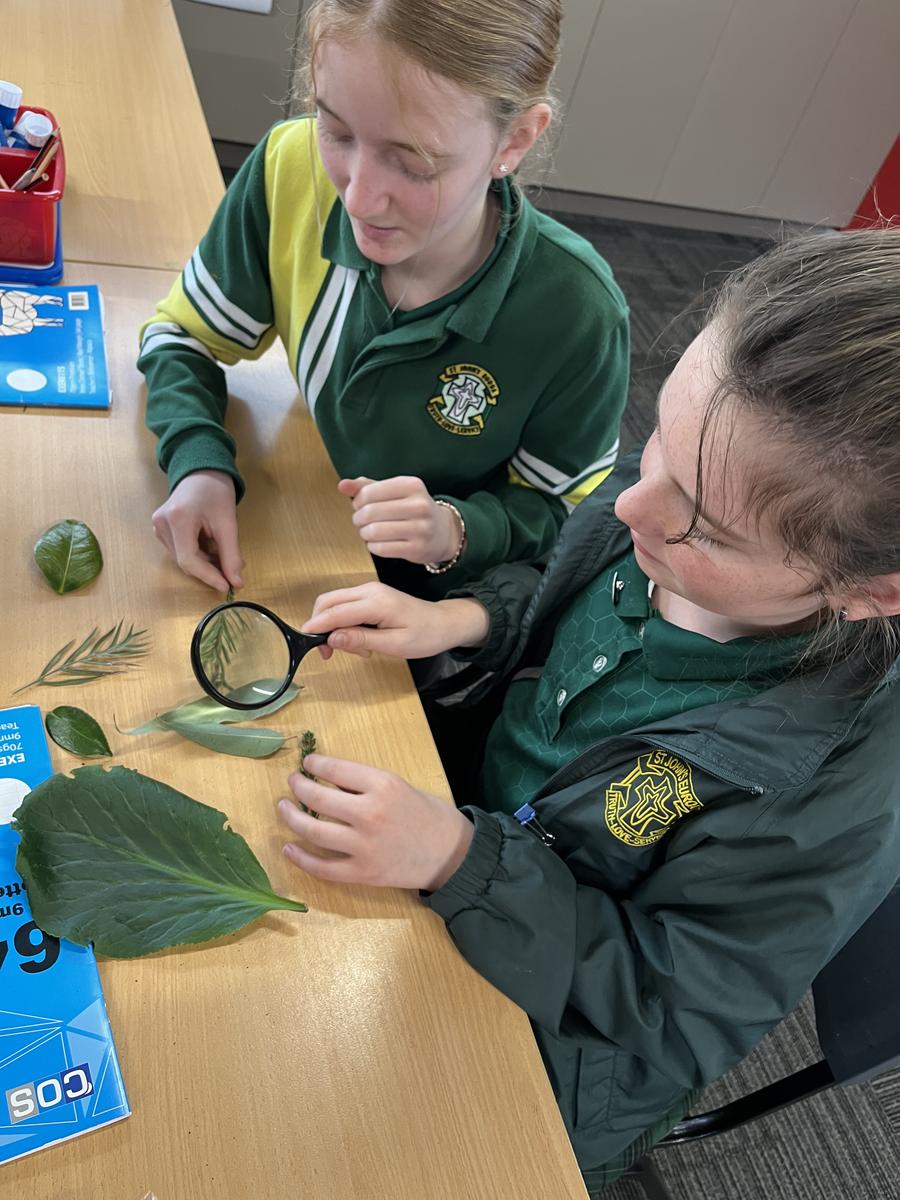
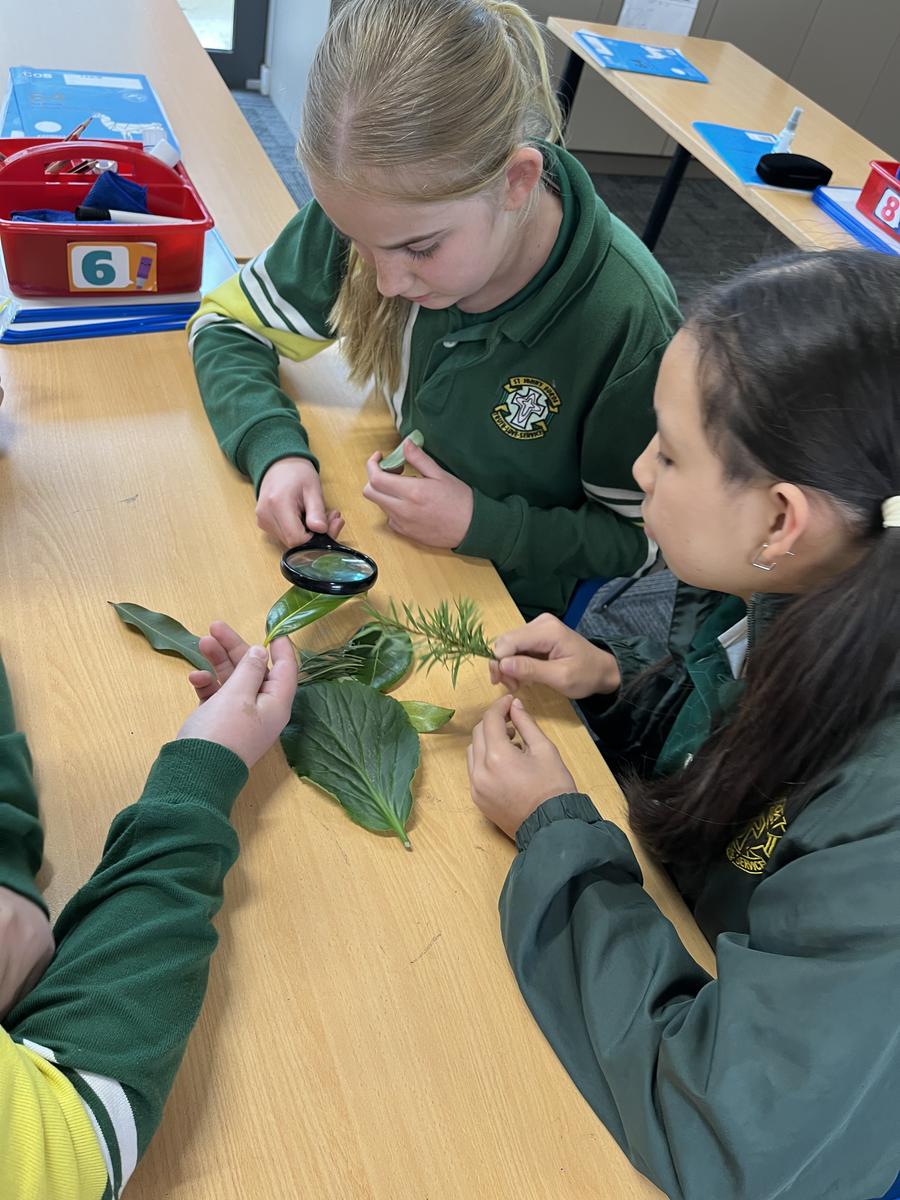
A major focus of the unit was conducting a scientific investigation into the effect of sunlight on plant growth. Students designed a fair test, made hypotheses, recorded observations and presented their findings in a science report. Pea seeds were planted and grown in three different environments: sunlight, shade and darkness. Over four weeks, students measured and compared growth, discovering that the seed grown in the dark reached the greatest height (28 cm), while the seed in sunlight was the shortest (10 cm). However, students also observed that the tallest plant appeared unhealthy, with yellow leaves and poor growth, while the shorter plant grown in sunlight was healthy, dark green and leafy. This investigation helped students understand that plant health is influenced by more than just height and reinforced the importance of careful scientific observation and evidence-based conclusions.