
Year Three
Dear Year 3 Families,
As we come to the end of Term 3, we would like to take this opportunity to reflect on the wonderful learning that has taken place in Year 3. Our students have shown great enthusiasm and effort across all areas of the curriculum, and we are proud of the progress they have made.
Reading
Year 3 students have been developing their skills in identifying the main idea of a text and locating key details that support it.
Students applied this skill using non-fiction texts on the topic of forces, covering push and pull, friction, gravity, and magnetism. Through guided and independent reading, they practised determining what each section was primarily about and identifying the evidence within the text to support this.
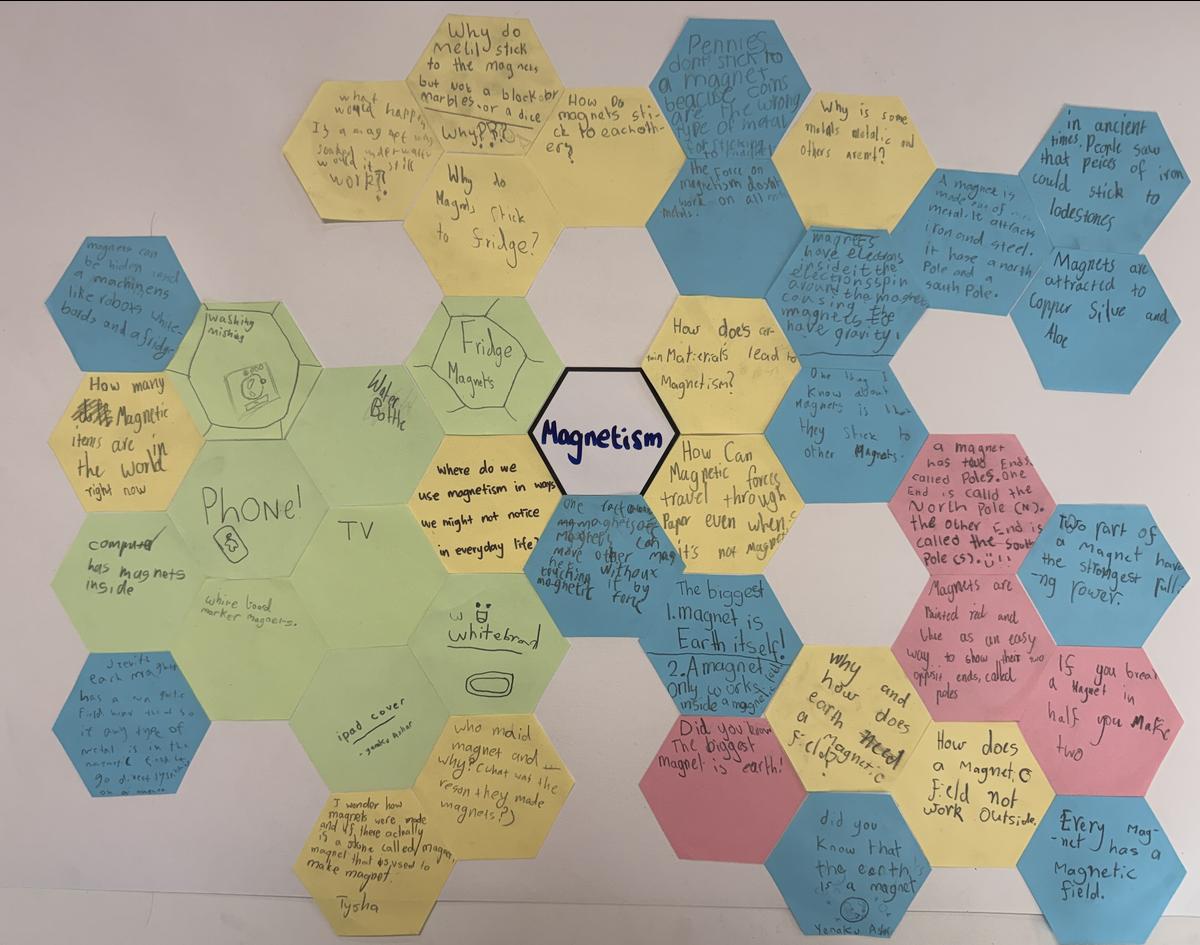
Students also focused on note-taking skills, using texts on simple machines to practise identifying the most important information, recording keywords and short phrases in their own words, and organising their notes under headings.
Writing
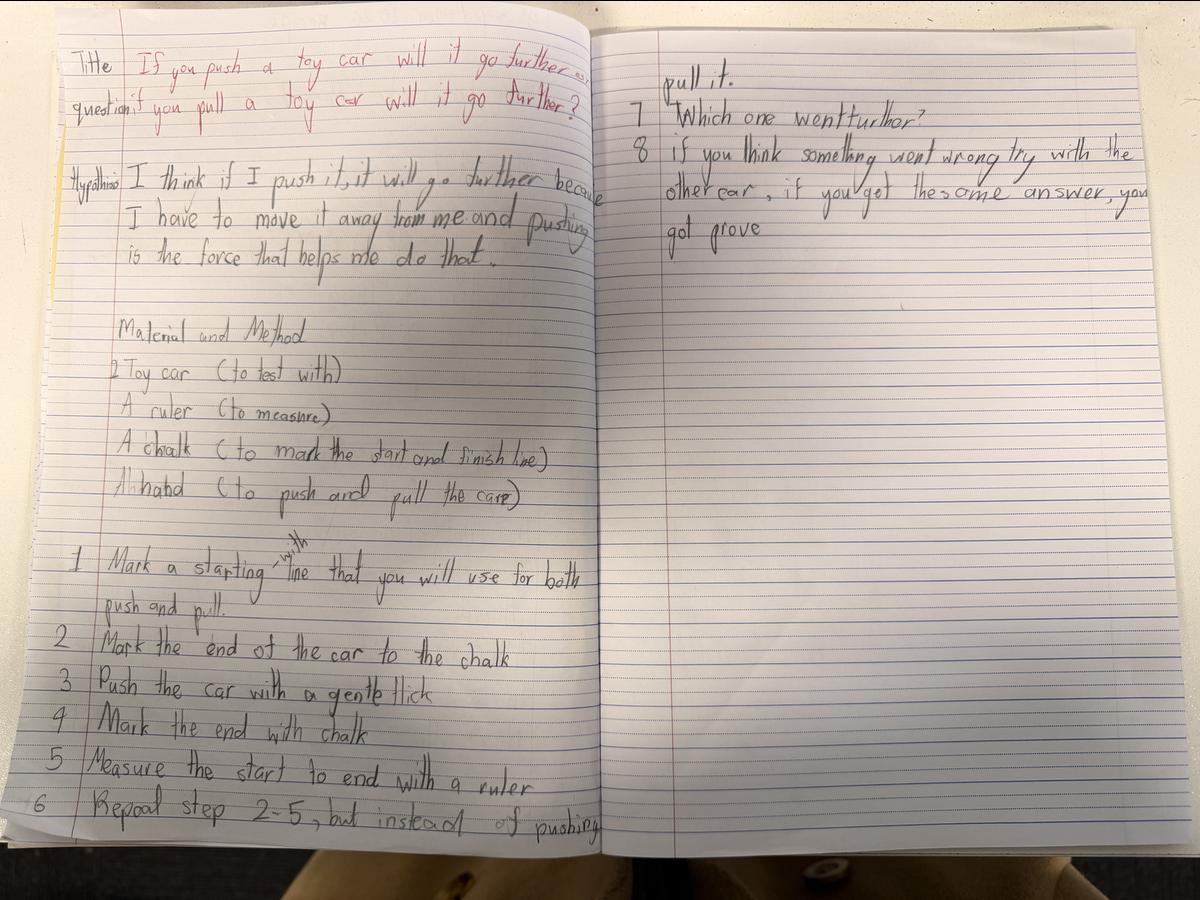
In writing, students conducted simple hands-on experiments related to forces to support their scientific inquiry skills. This included investigating how different surfaces, such as carpet, wood, and sandpaper, affect the speed and movement of an object, allowing them to observe and record the effects of friction firsthand. They also explored which everyday objects are attracted to a magnet, testing a range of materials to draw conclusions about magnetic properties.
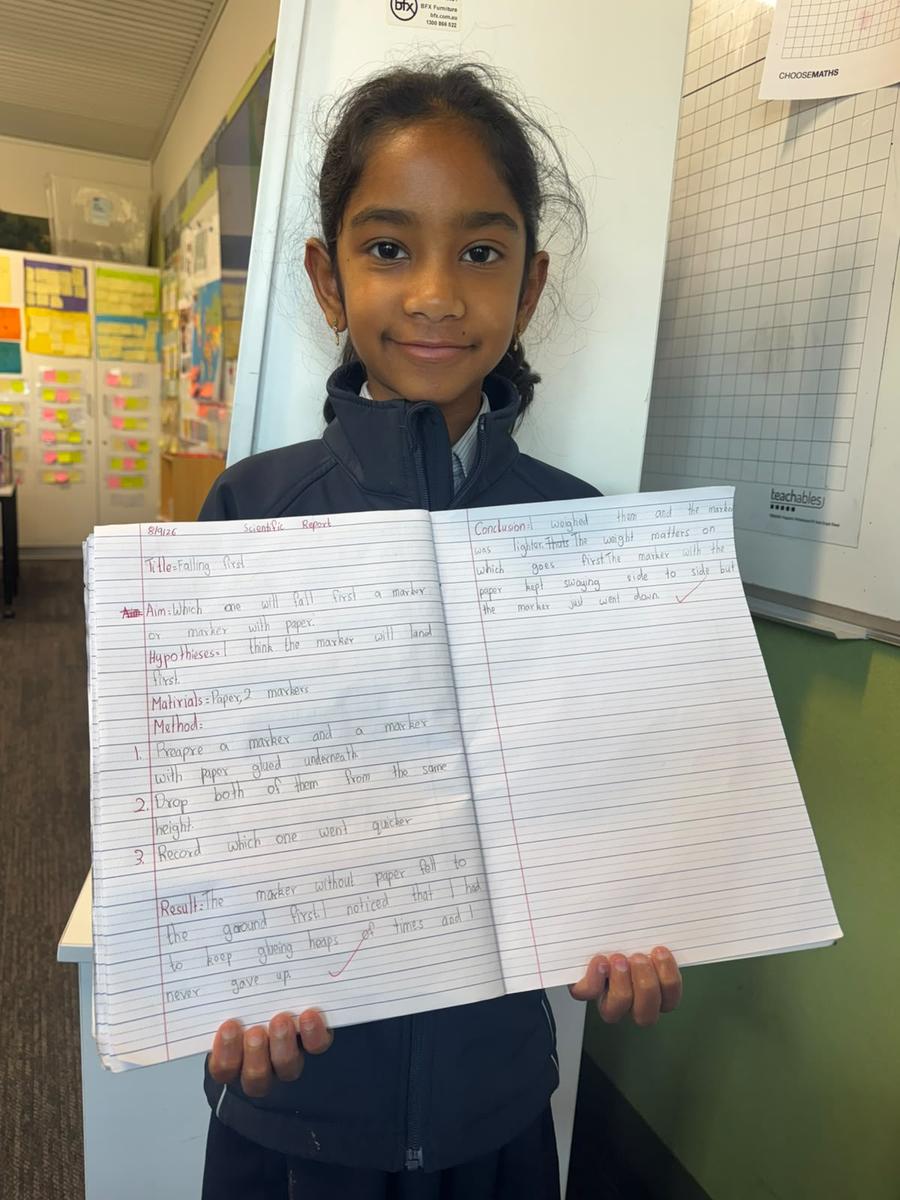
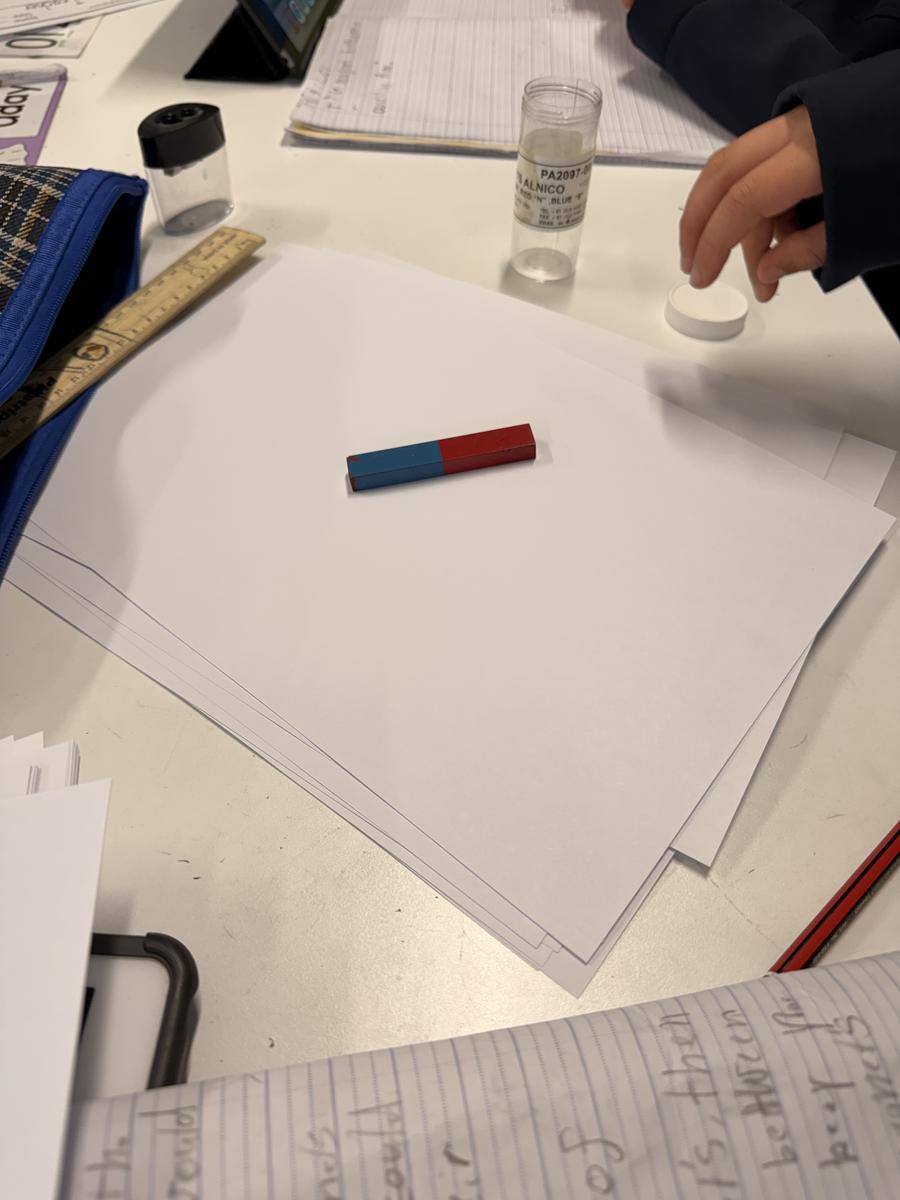
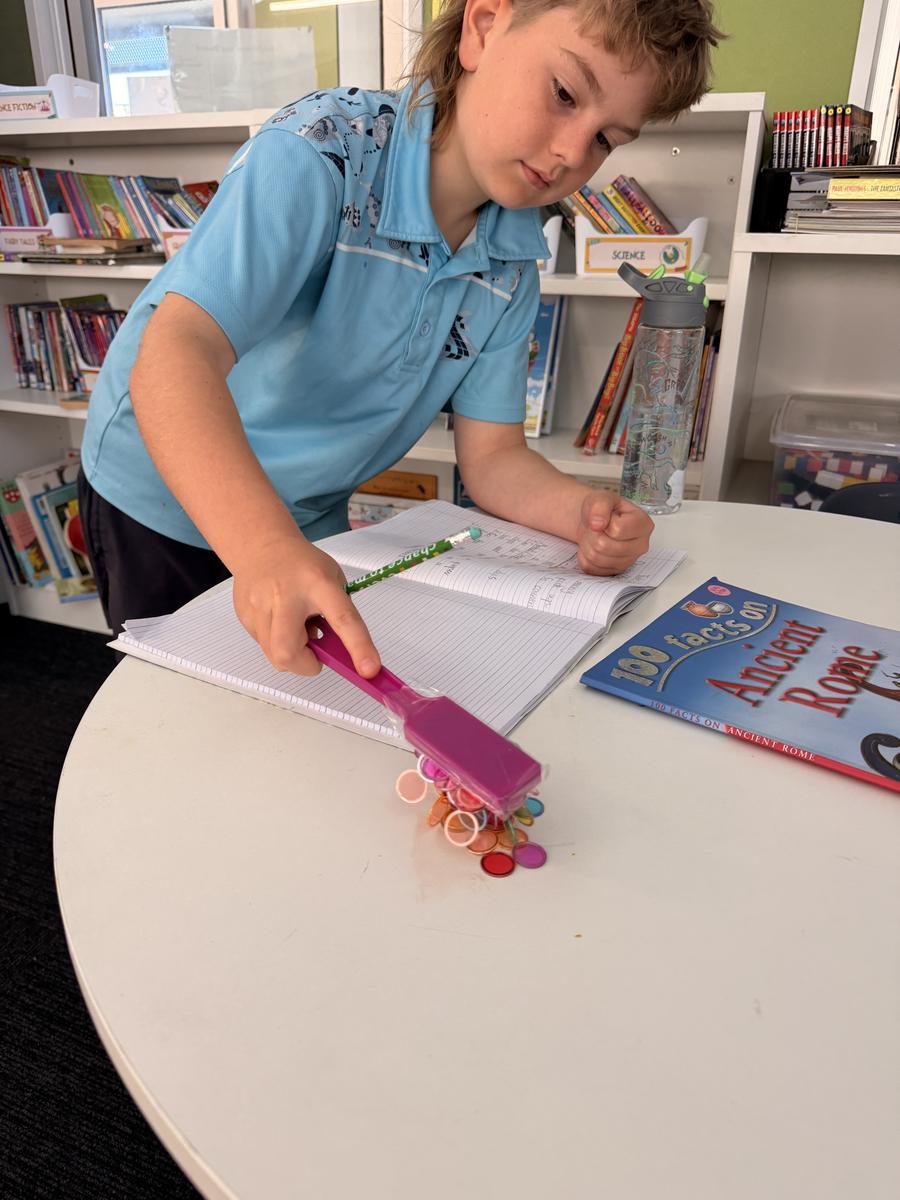
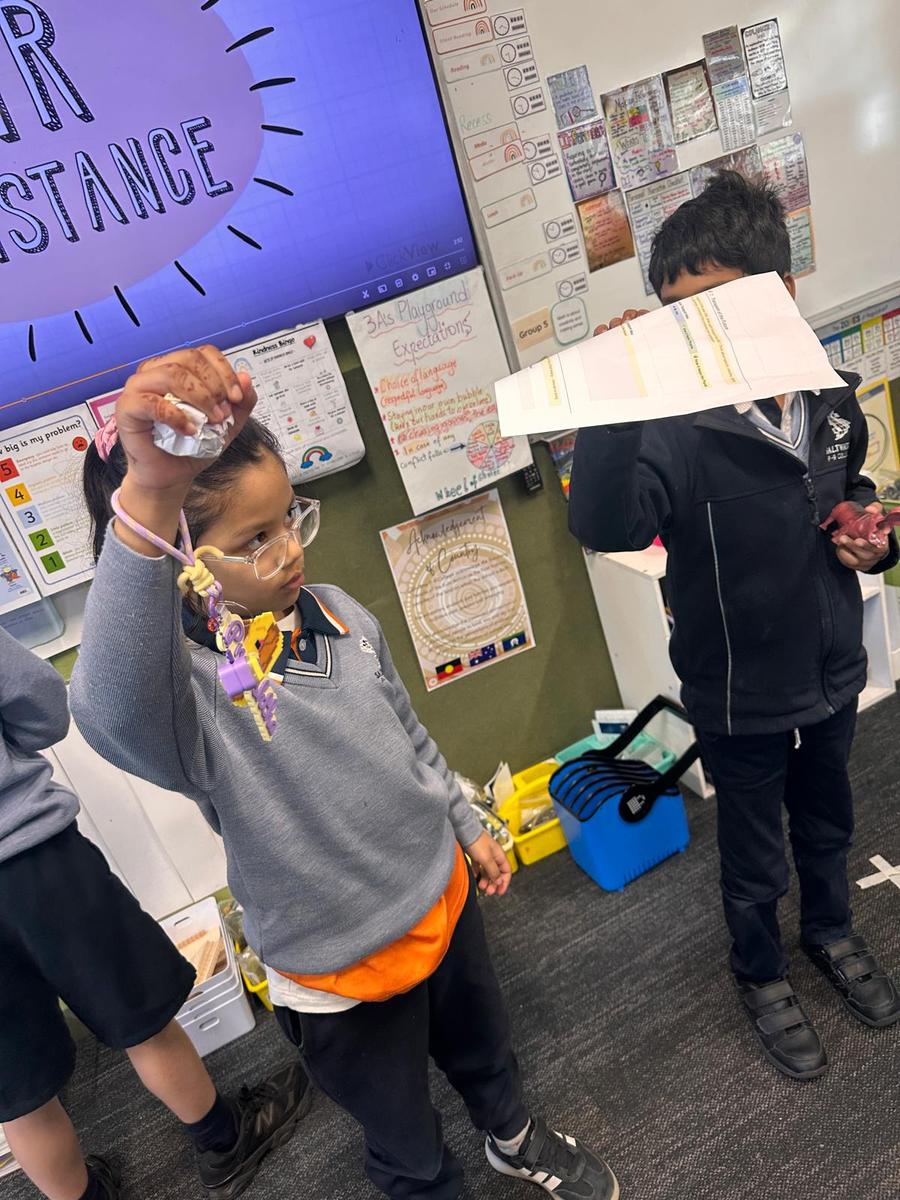
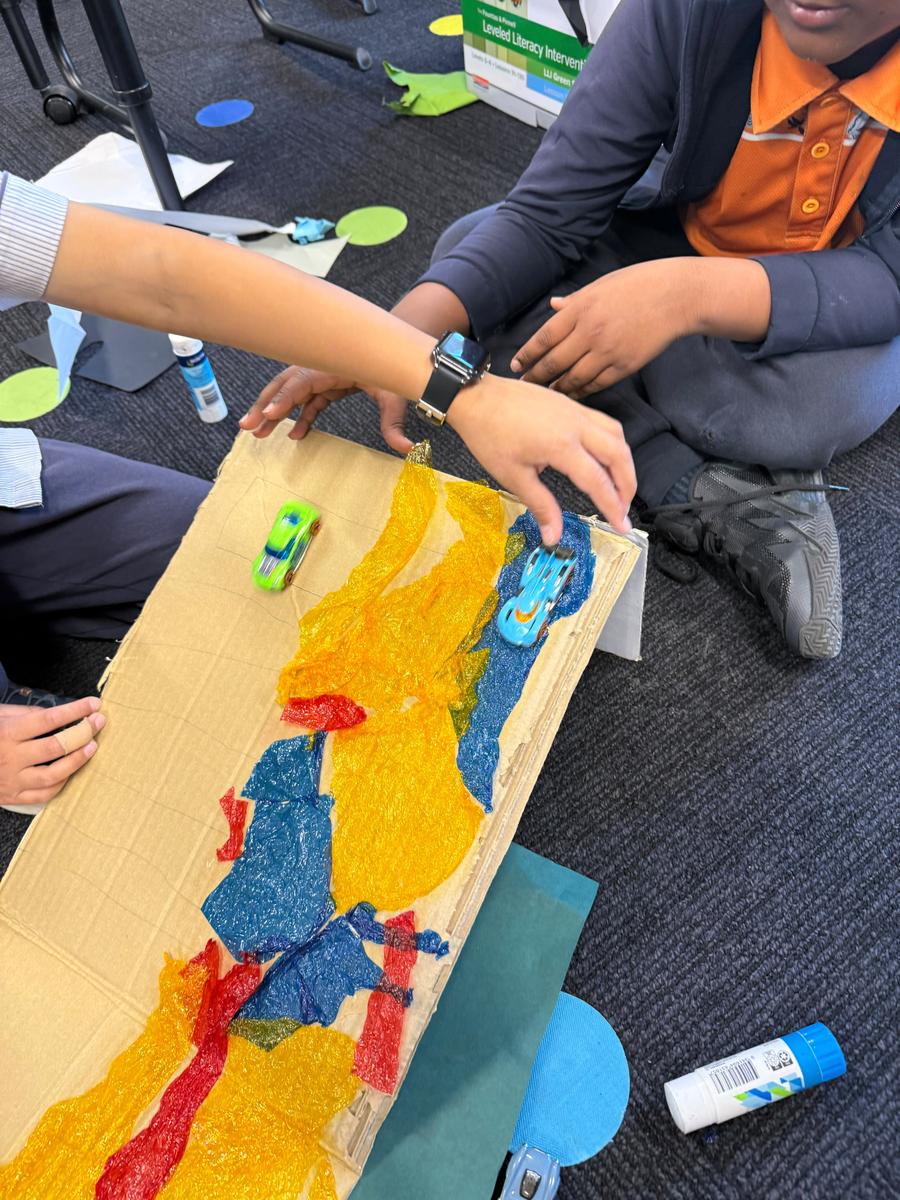
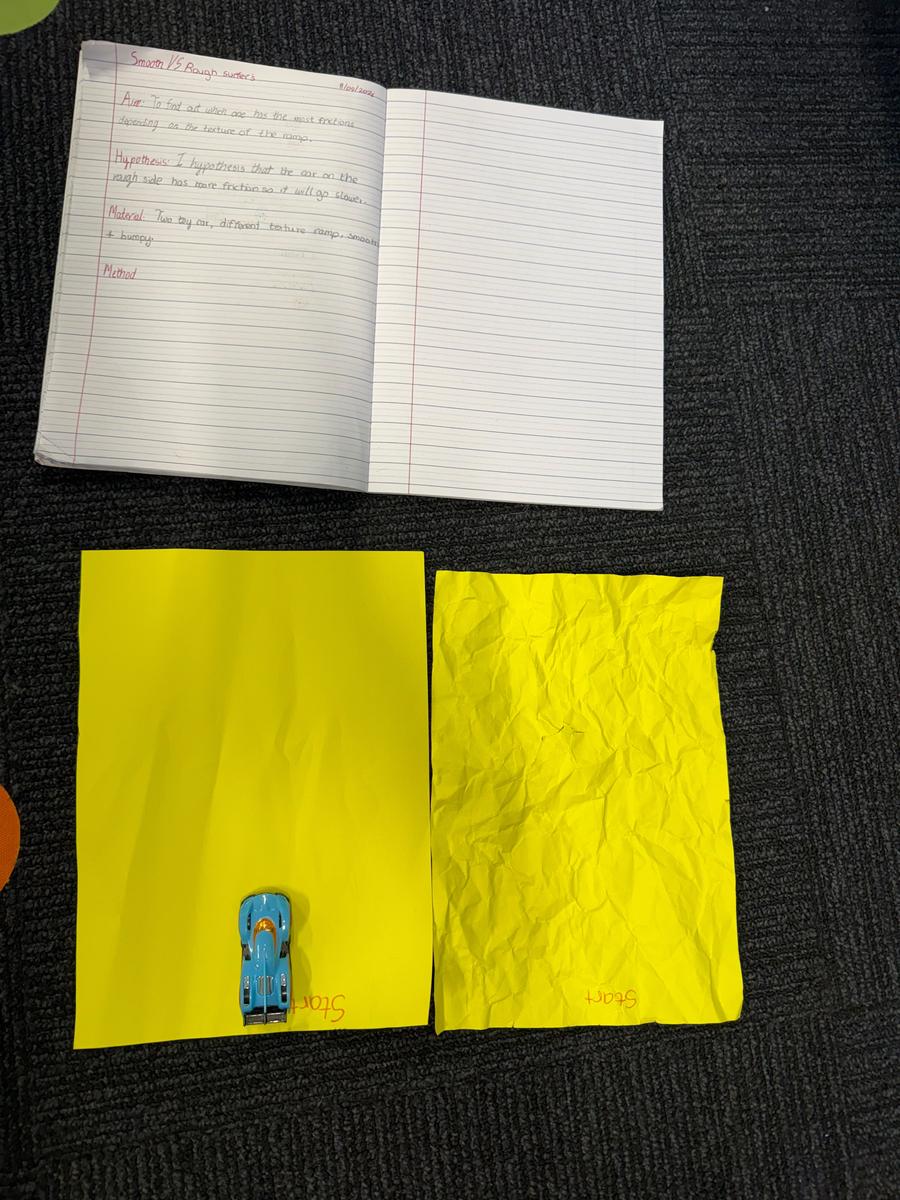
Through these experiments, students learned the key features of a scientific report, including how to write a clear aim, list the materials used, describe the method in sequential steps, record their results, and form a conclusion based on their findings. This process helped strengthen their ability to write in a structured, factual, and objective manner.
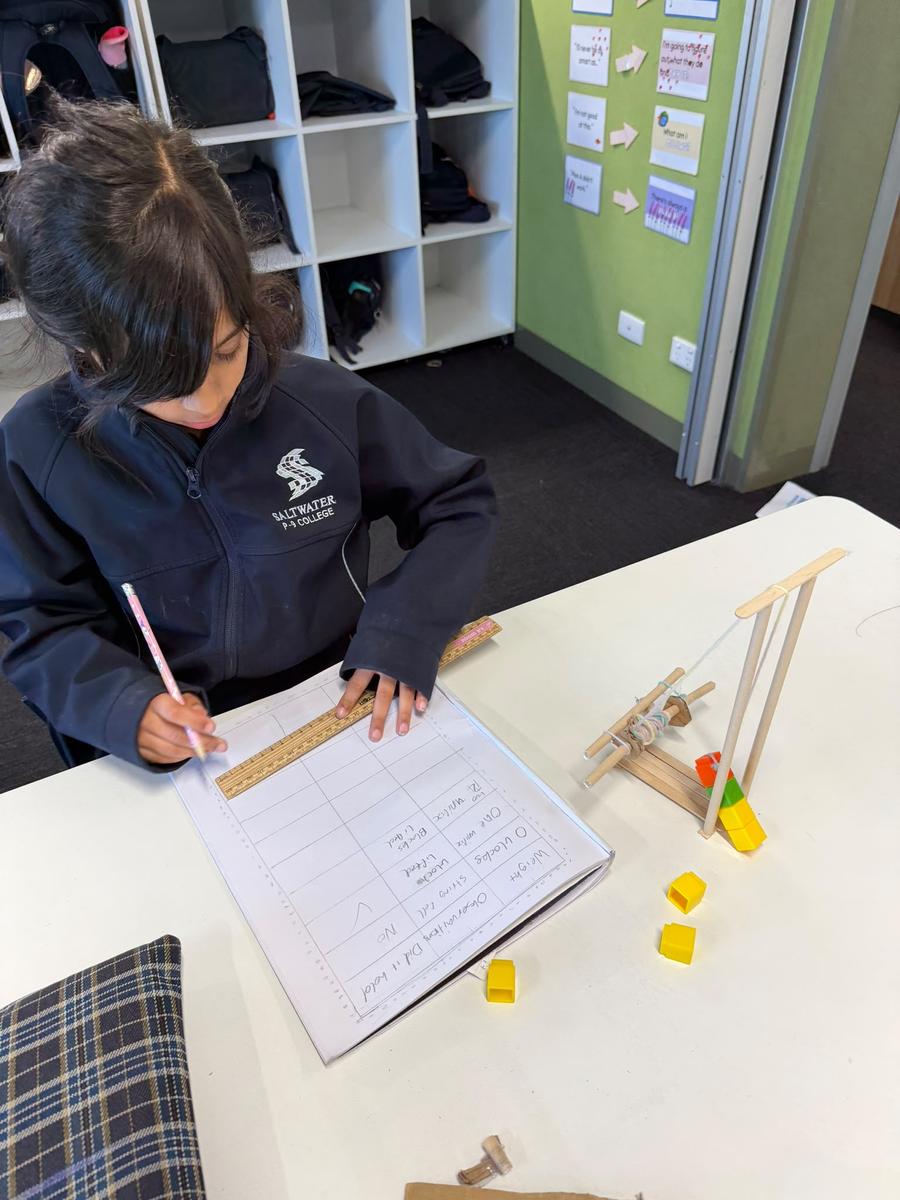
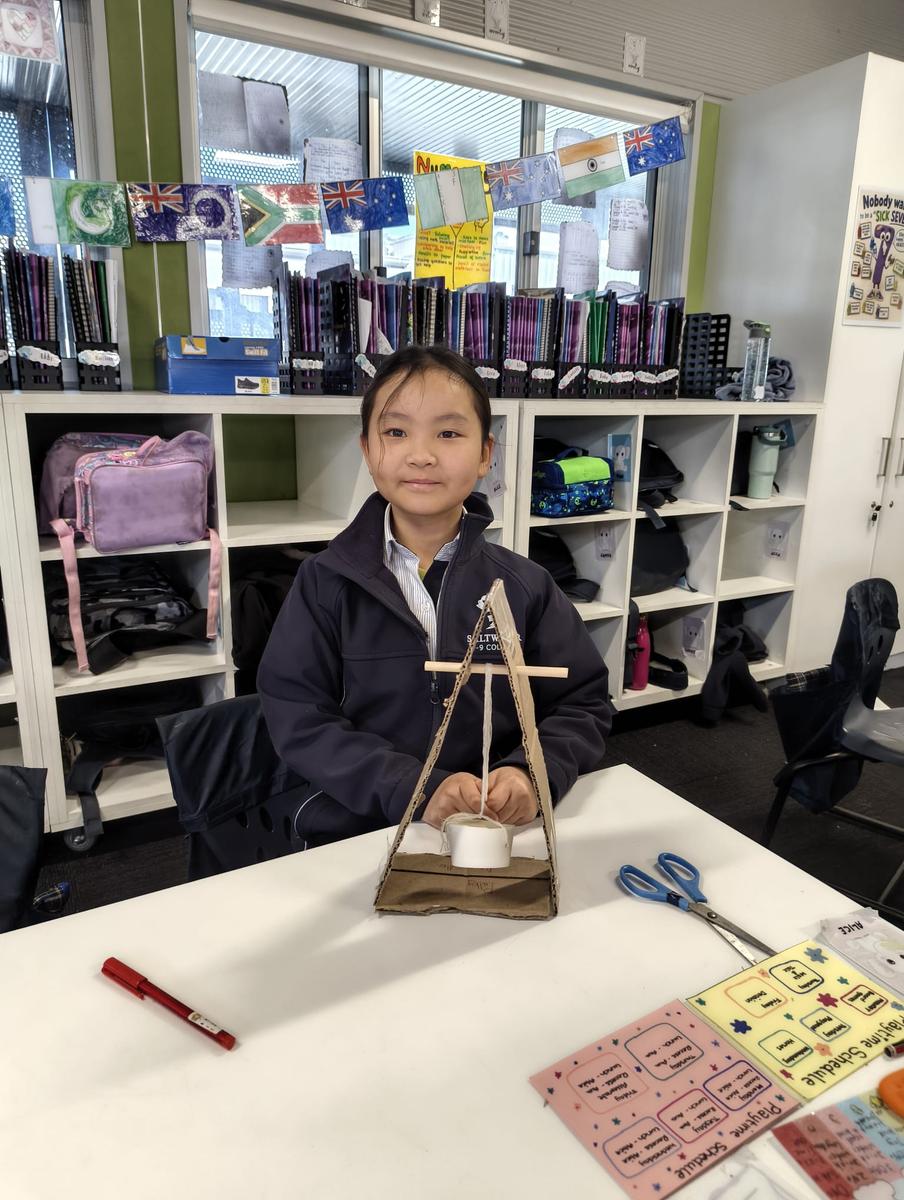
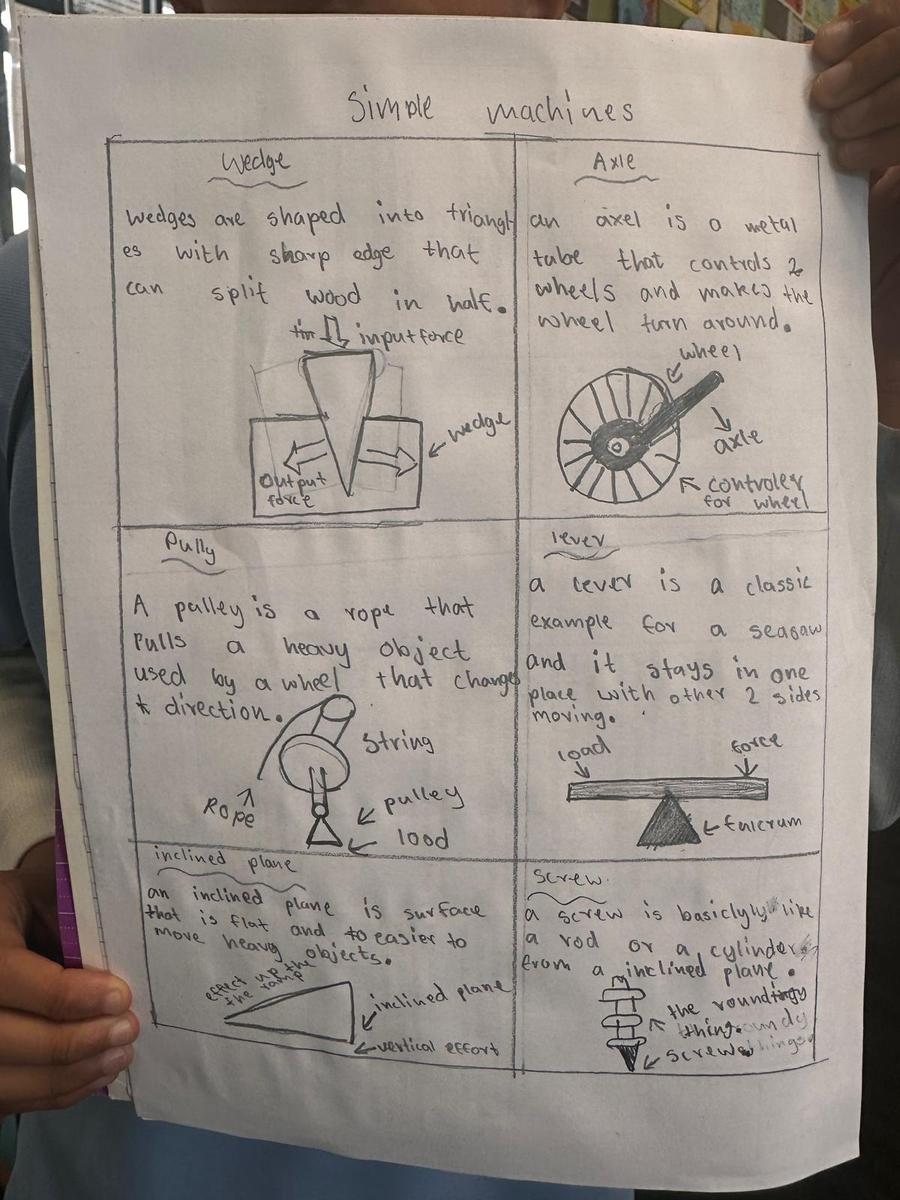
Following this, students moved on to writing explanation texts on the topic of simple machines. They learned how to structure an explanation text with a clear introduction, a logical sequence of ideas, and the use of causal language (such as because, as a result, and this causes) to explain how simple machines work and the purpose they serve.
Numeracy
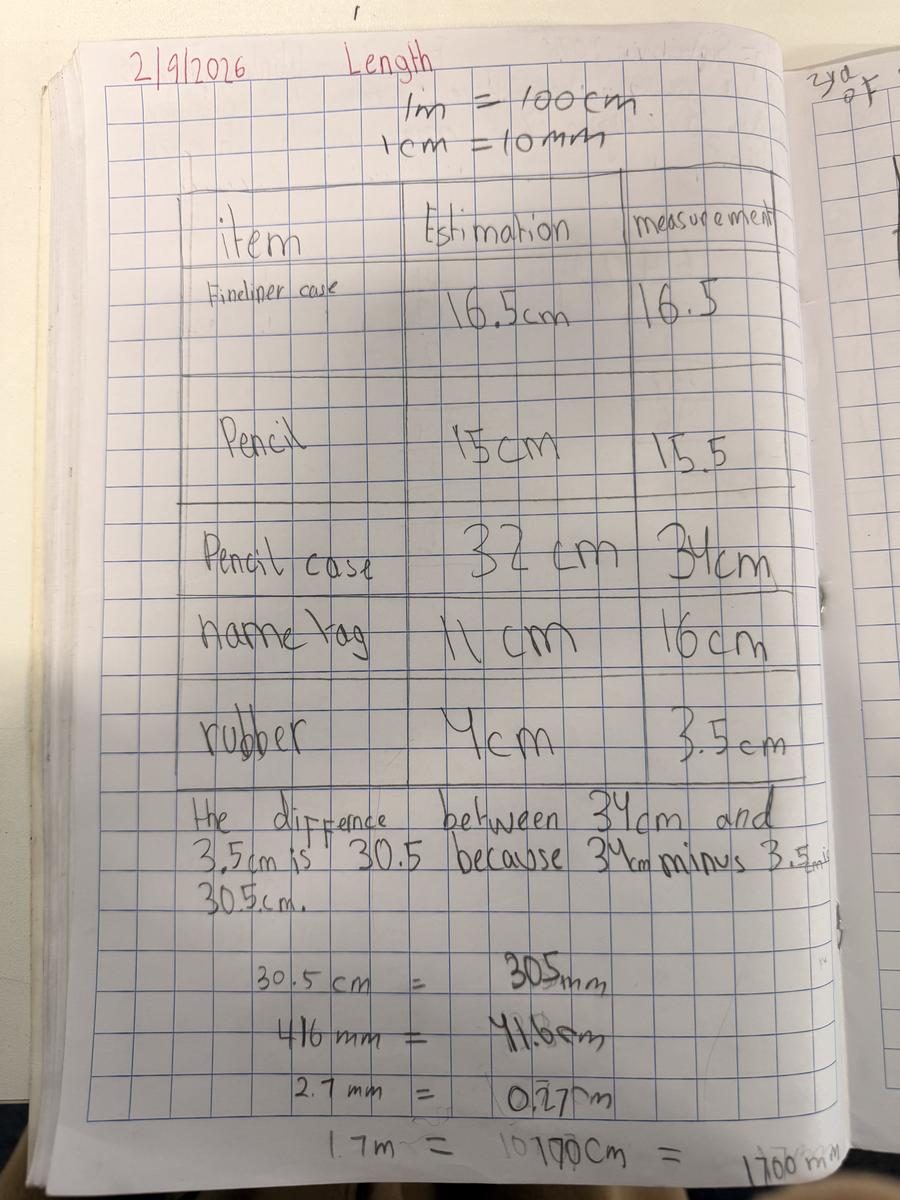
In Numeracy, students have focused on measurement, developing their skills in estimating, measuring, and comparing length, mass, capacity, and volume. They practised estimating measurements before checking their accuracy using appropriate tools, such as rulers, measuring tapes, scales, and measuring jugs, helping them build a stronger sense of size and quantity in real-world contexts.
Students explored length by measuring objects in centimetres and metres, and compared the length of various items to determine which was longer or shorter. In looking at mass, they investigated the weight of different objects using scales, comparing which items were heavier or lighter and estimating mass in grams and kilograms.
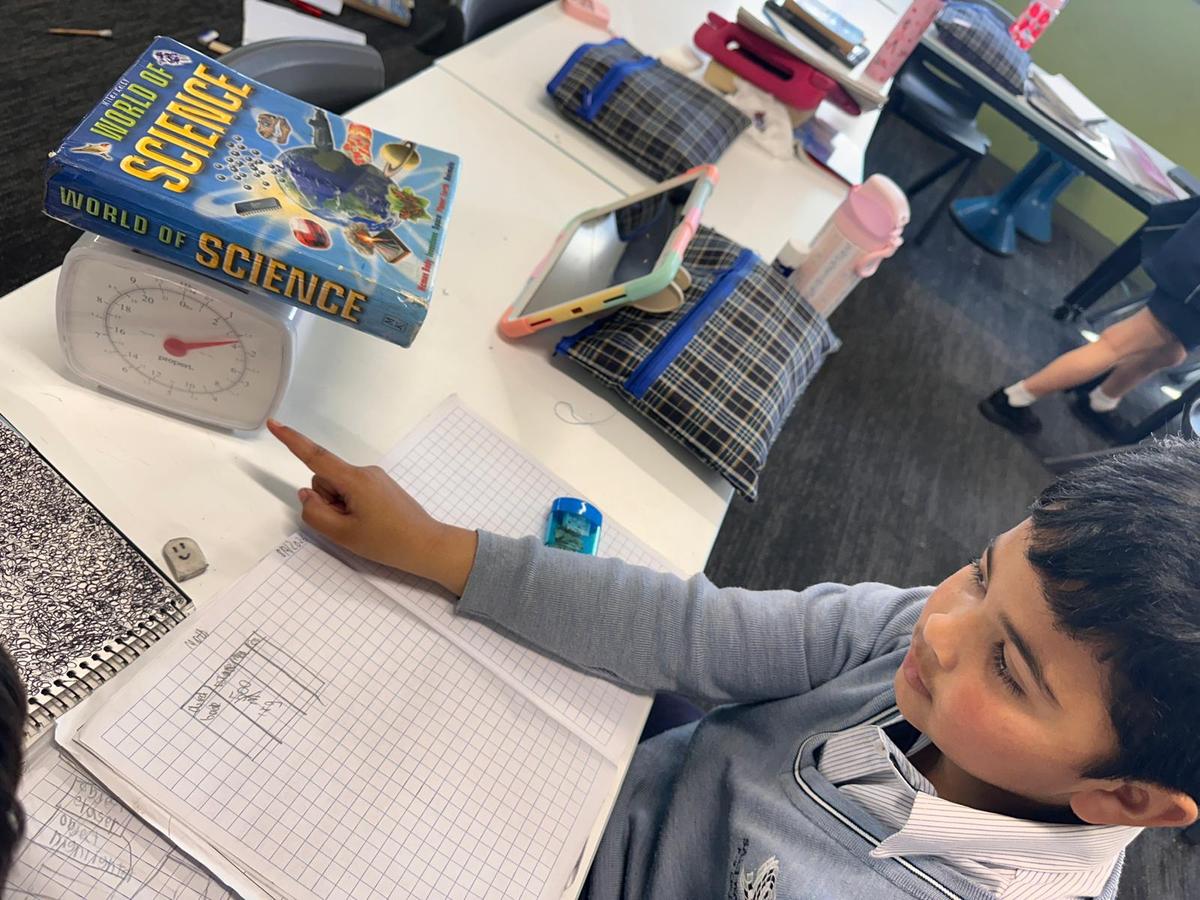
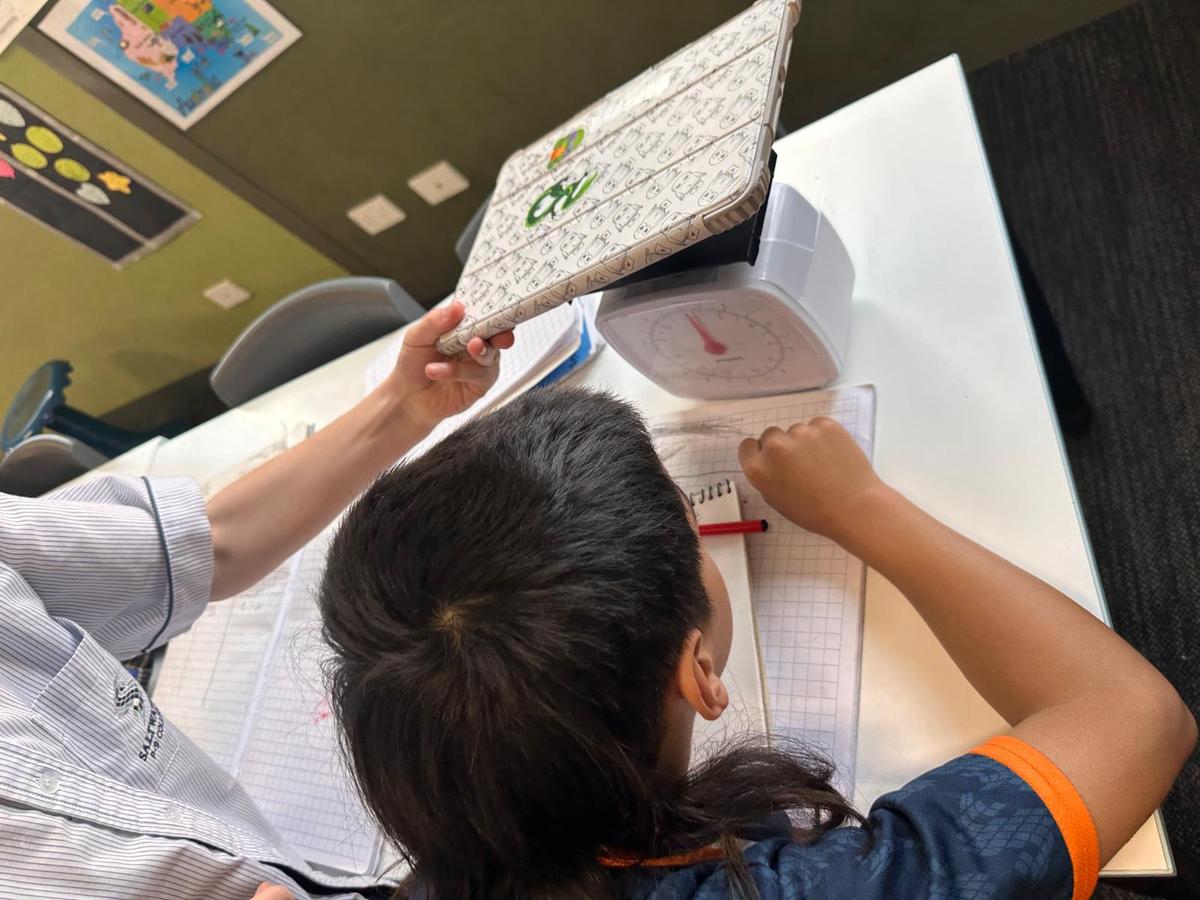
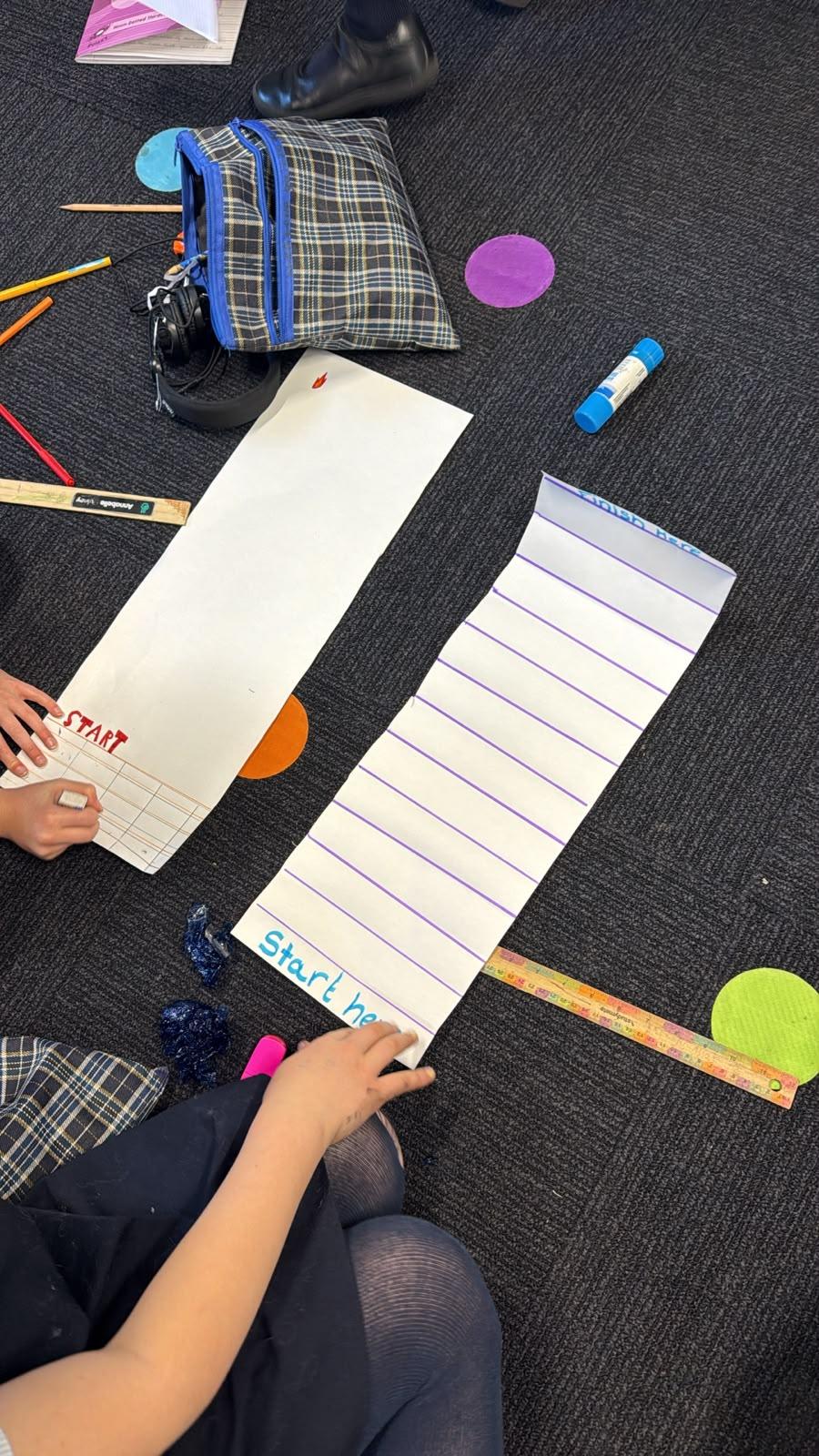
Students also explored capacity and volume, learning the difference between the two concepts, and measured liquids using millilitres and litres. They compared containers to determine which held more or less, and discussed how capacity refers to how much a container can hold, while volume refers to the actual amount of substance within it.
Throughout these lessons, students were encouraged to use appropriate units of measurement and mathematical language to describe and compare their findings accurately.
Reminders
Group 1 Zoo Excursion: Monday 19th October
Classes: 3 A, B, F & G
Group 2 Zoo Excursion: Tuesday 20th October
Classes: 3 C, D, E, H & I
Warm regards,
Year 3 Team