
Faith and Mission
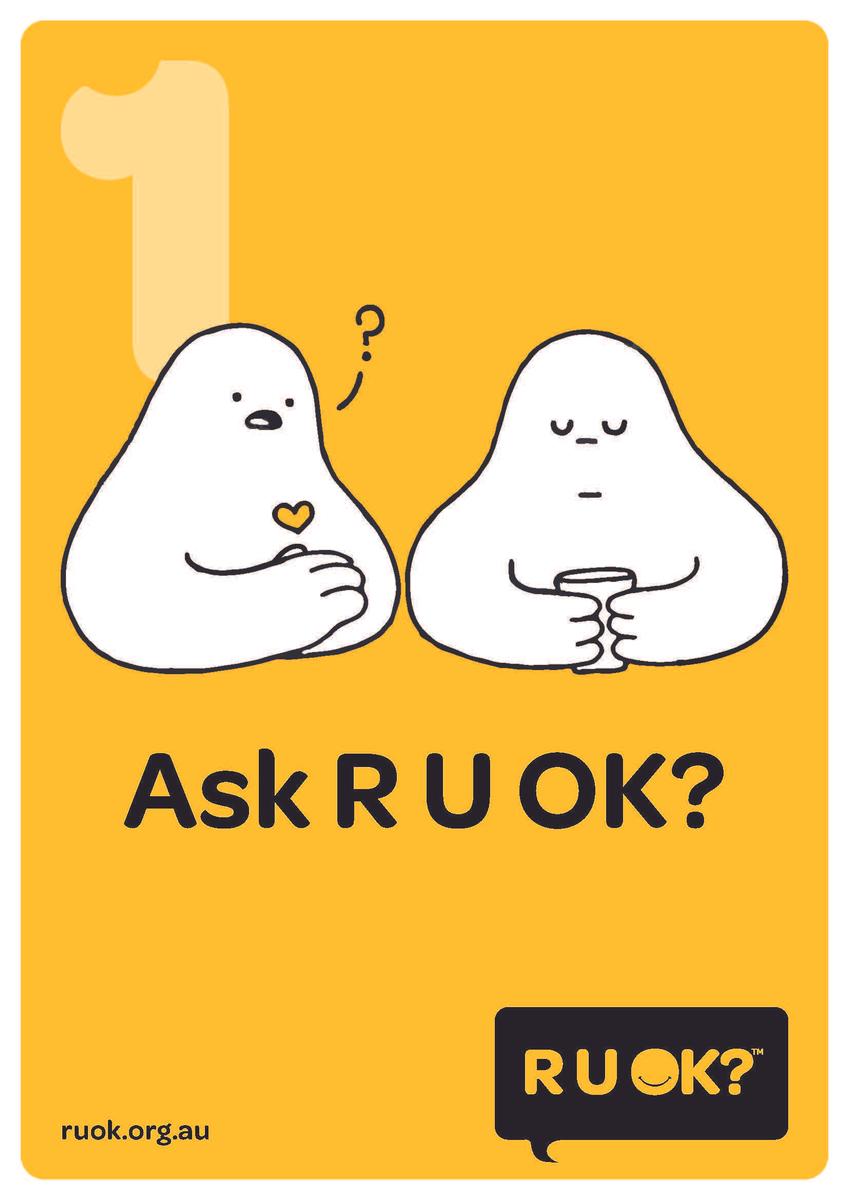
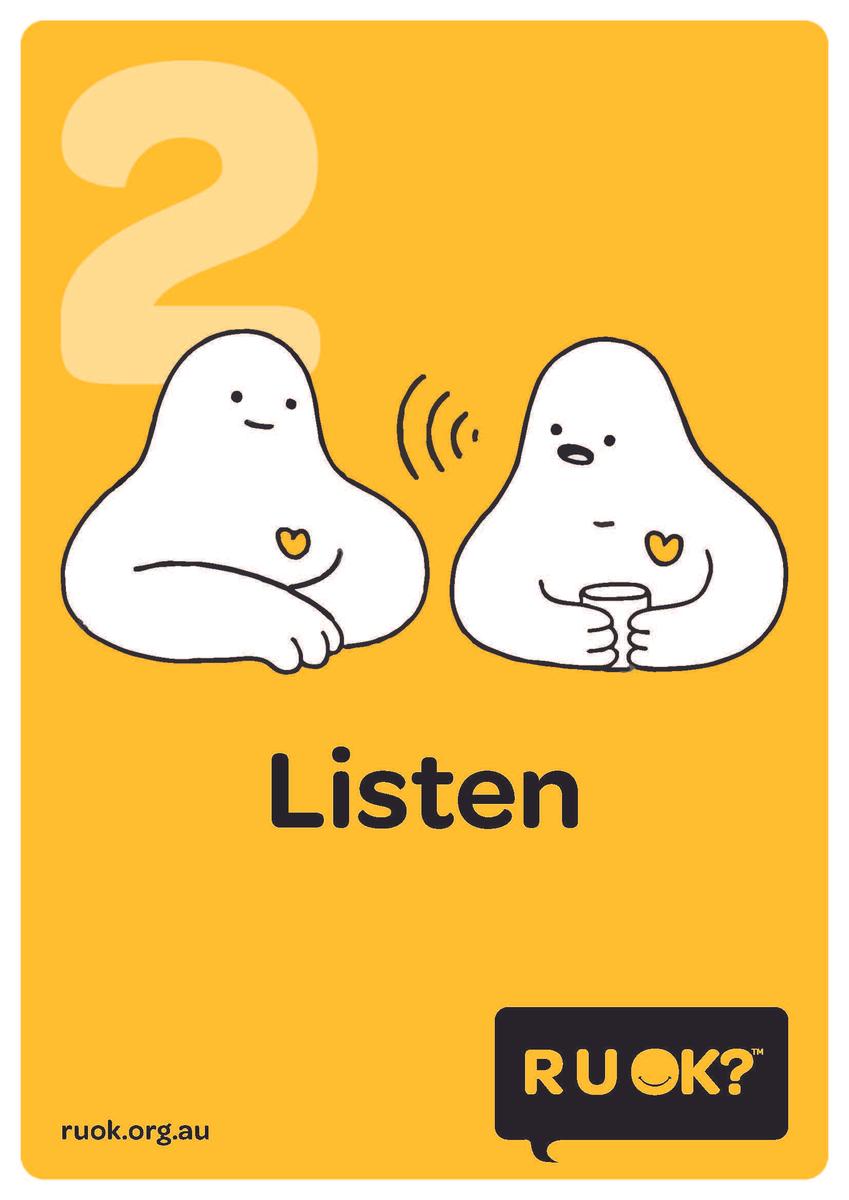
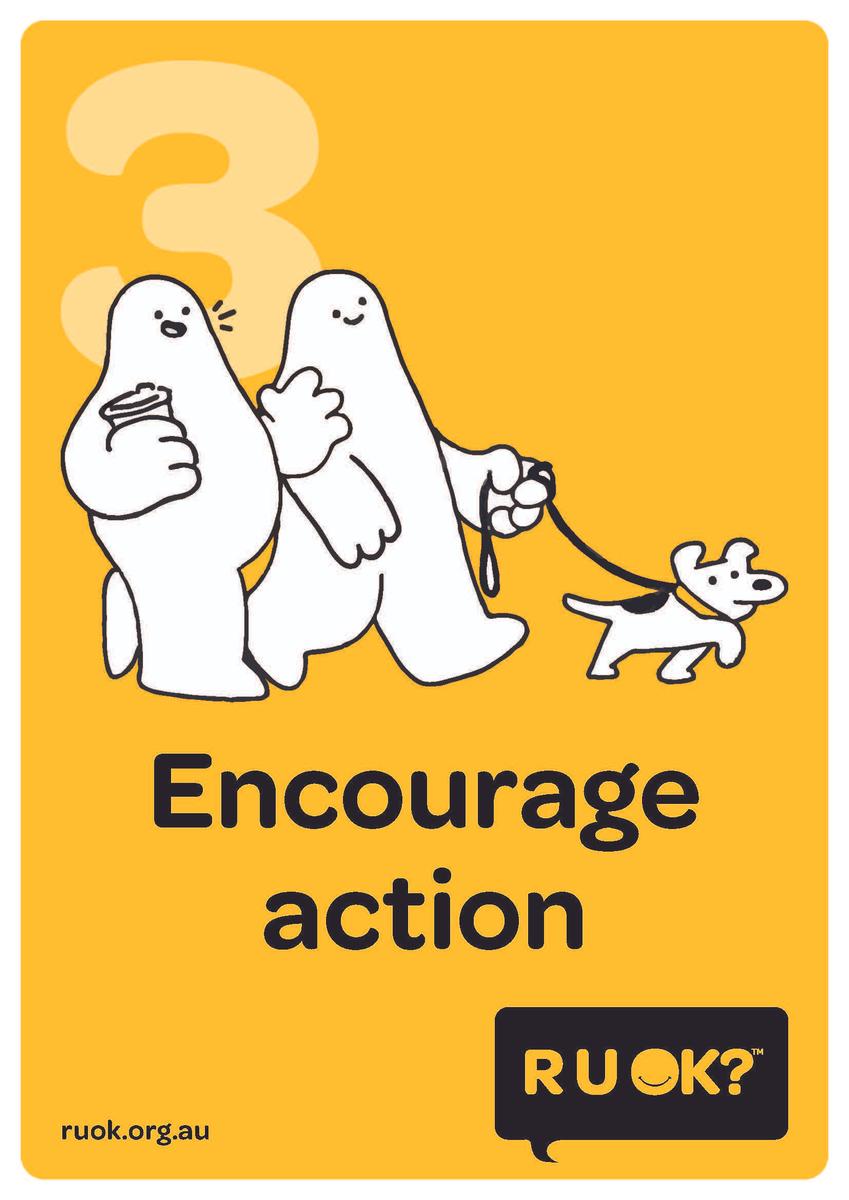
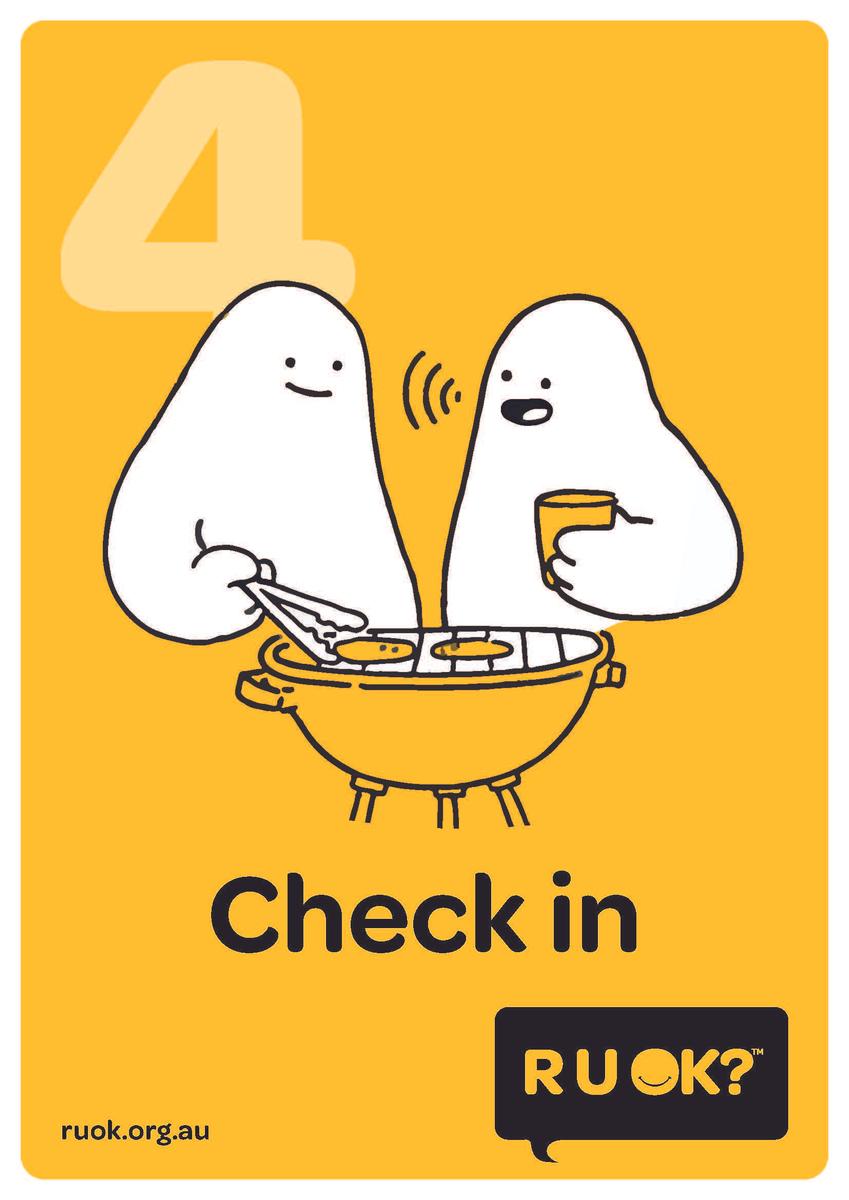
This week, John XXIII College joins schools and communities across Australia in marking R U OK? Week. The 2026 theme, 'Connect. Check In. Make a Difference.' reminds us that small actions can have a lasting impact. Taking time to connect with others, genuinely asking how they are going, and listening with care can make a significant difference in someone's life.
These messages resonate deeply with our Ignatian tradition. At the heart of Ignatian spirituality is Cura Personalis, the call to care for the whole person. We are invited to recognise the dignity of every individual and to be attentive to the needs of those around us. Asking 'R U OK?' is a practical expression of this commitment. It is a way of showing that we see one another, value one another, and are willing to walk alongside one another through both joyful and challenging times.
Throughout the week, students have been engaging with a range of wellbeing initiatives designed to promote healthy habits and meaningful connections. Daily homeroom activities and SEQTA resources have focused on key aspects of wellbeing, including healthy eating, sleep, physical activity, and mental health awareness. Students have been encouraged to reflect on how these everyday choices support their overall wellbeing and capacity to thrive.
The Ignatian practice of the Examen offers a valuable way to support this message. By taking a few moments each day to pause and reflect and become aware of the presence of God in our lives, we become more aware of our own wellbeing and better able to notice when others may need companionship, encouragement, or support. Reflection helps us to be attentive to the movements of our hearts and the needs of our community.
As we conclude the week, we are reminded that genuine care is not confined to a single day or week. Building a culture of belonging, compassion, and connection is an everyday responsibility.

Janeen Murphy
Deputy Principal Faith and Mission
Community Mass
Our Community Mass this morning had a Season of Creation focus. In prayer and carefully chosen songs, we raised our voices in gratitude, and in petition for the care of our earth, its waters and all creatures. For 2026, the Season of Creation theme is Living Water. Water is central to our faith, from the waters over which the Spirit hovered (Gen. 1:2), to our own baptism. The sacrament of baptism brings God’s forgiveness, and in his homily, Fr Huy spoke about the powerful gift of forgiveness that is God’s gift to us, and our gift to the world.
Aligned with the Season of Creation, Pope Leo’s prayer intention for September is water and the care of water. See the video and article below. Pope Leo invites all people:
Let us pray for a just and sustainable management of water, a vital resource, so that everyone may have equal access to it.
Next Friday, 18 September, Year 12 students will prepare their last community Mass. All are welcome to celebrate: Year 12 families, Primary families, Secondary families! Even if the Mass is new to you, feel free to just come to the Chapel at 8:00am. All the responses are on a PowerPoint, and there is no reserved seating.
Community Mass details
- College Chapel
- All welcome!
- Fridays in term time
- Starts at 8:00am; concludes at 8:30am.
Pope Leo’s September prayer intention: for the Care of Water
Fr Andrew Hamilton has kindly given permission to share this reflection, which invites us to consider the context of the Pope’s Prayer. Fr Andy is an Australian Jesuit.
This month Pope Leo asks us to care for water. This is a practical intention – we all need water to live and many wealthy businesses compete with local farmers to use water for industry. Water is political. For human beings, however, water is more than a commodity. It also belongs to the spirit. Some of the loveliest passages in the Scriptures have to do with God’s promise of well-watered lands, flowing streams and green fields. Water also played a central part in the events through which God touched human beings in Jesus’ ministry. It begins with his baptism in the Jordan; He asks a woman at a well for water to quench his thirst and promises water that will fully satisfy. He calls many of his disciples by the lake and shows his power by stilling storms. After his Resurrection he appears to his disciples by the seaside and eats the fish they caught for breakfast. Water is a symbol of plenty. Many poets, too, choose images of water to reflect on the beauty of our world.
Water is a symbol of life. A natural and not an arbitrary symbol. It is essential for living – for drinking, washing, growing crops and supporting herds. Without water human beings and animals die and vegetation yields to desert. Every living being relies on water to live. In just societies it belongs to everyone, not just to the few.
Pope Leo describes water as a vital resource to which everyone should have access. In today’s world that is not guaranteed. Many wars have broken out over water when one nation deprives another of water by damming rivers to support agriculture, mining, and soon to provide AI in their own nations. For Jesus, the sign of a good society was seen when people offer strangers a cup of water in his name. That gesture recognises that water is a vital resource and is a gift that belongs to everyone.
In his prayer intention, Pope Leo does not speak of us as owning water. We manage it. It is a gift that we must share. For that reason we pray that water will be shared justly and sustainably. In managing water we must make sure that it is freely available to the poorest of people in our society. It may not be owned as a private commodity that is available only to those who can pay.
Pope Leo also prays that water will be managed sustainably. We must use water in such a way that it is available for future generations. for coming generations. In our management of the world entrusted to us we are responsible for preserving for our descendants, the watercourses, forests and grasslands of the natural world, and for responding effectively to climate change.
© Andrew Hamilton