
Year 4 Update


4A-Ms Keller
4B-Ms Bartlett

4C-Ms Caprani
4C-Ms Fasham

4D-Mrs Herres

4E-Ms Webster
4A-Ms Keller
4B-Ms Bartlett
4C-Ms Caprani
4C-Ms Fasham
4D-Mrs Herres
4E-Ms Webster
Year 4 News
Term 3, Weeks 3 & 4
A Snapshot of Our Learning in Term 3:
English
- This fortnight, students have continued developing their joined handwriting by refining their touch joins and beginning to learn horizontal joins. It has been wonderful to see students growing in confidence and taking pride in the presentation of their writing.
- We have continued building our literacy skills by identifying and writing simple, compound and complex sentences, investigating the Latin root words 'cept/ceiv' and 'pos/pound', and using scientific and technical vocabulary to write detailed explanation sentences. Students completed an ongoing reporting task on sentence structure, which is now available for families to view on Compass.
- Using the mentor text If Sharks Disappeared, students explored cause and effect by identifying how events are connected and sequencing consequences to explain the impact one event can have on another. Students also began planning and organising ideas, facts and vocabulary for their own information reports.
- We have begun an exciting new text study on Ancient Greece, building our understanding of information texts. Students explored how headings, subheadings, images and captions help organise information, identified literal and inferential information using evidence from the text, and wrote their own factual paragraph about Ancient Greece.
Maths
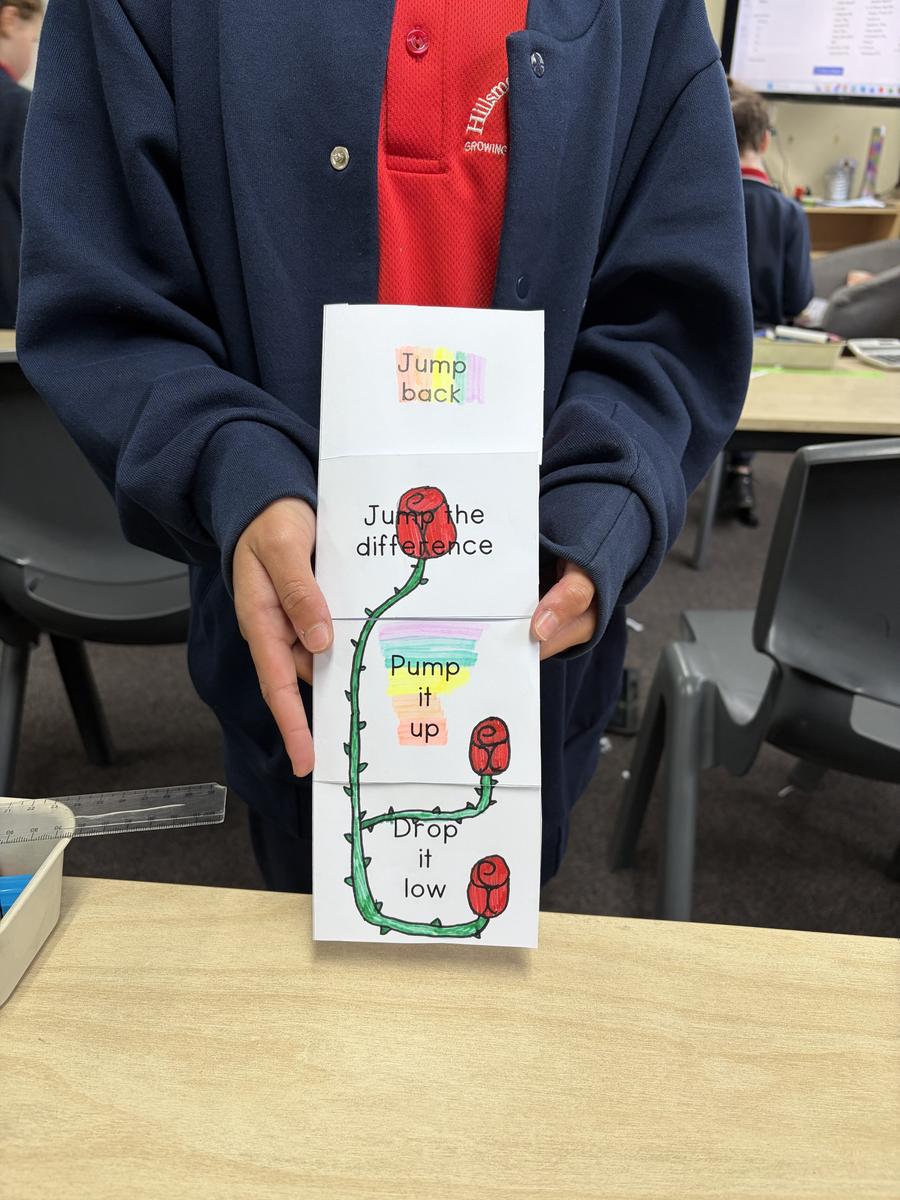
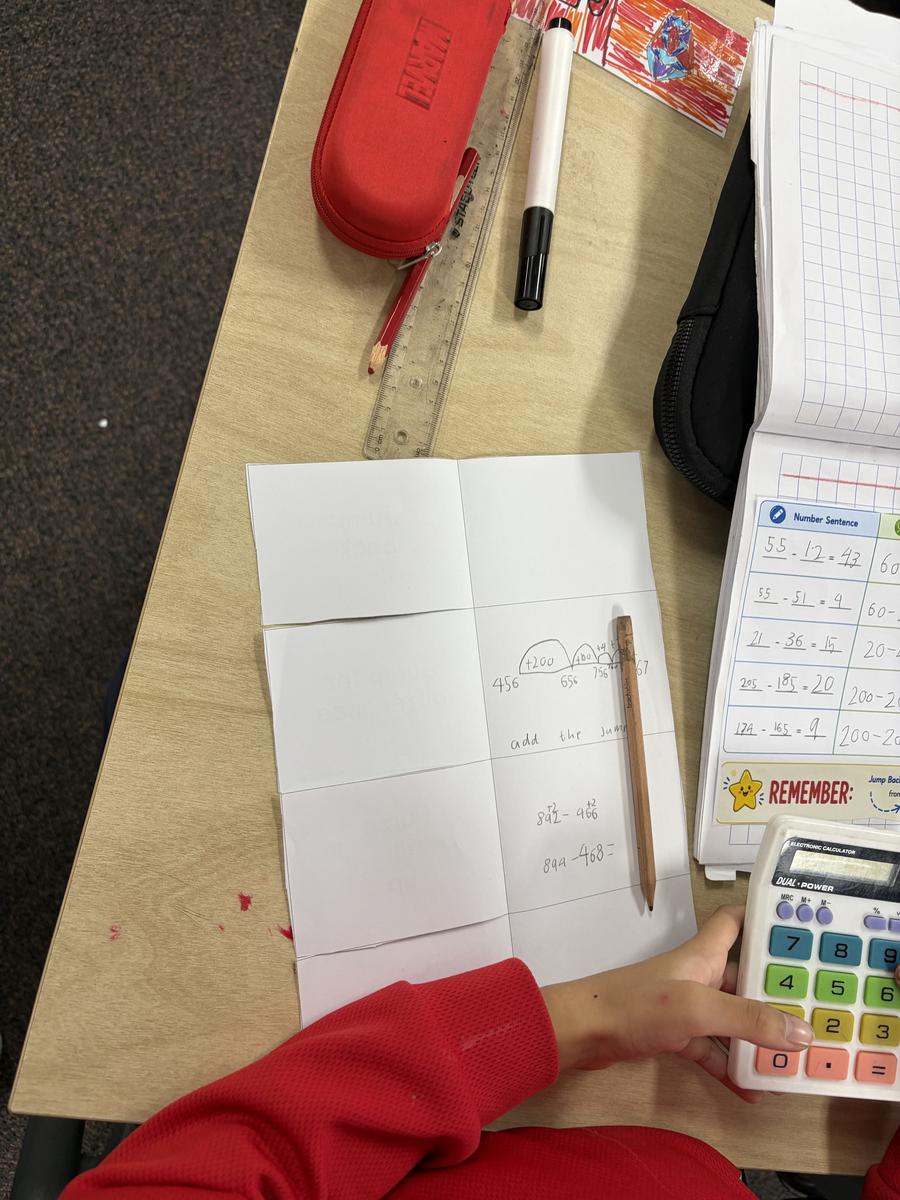
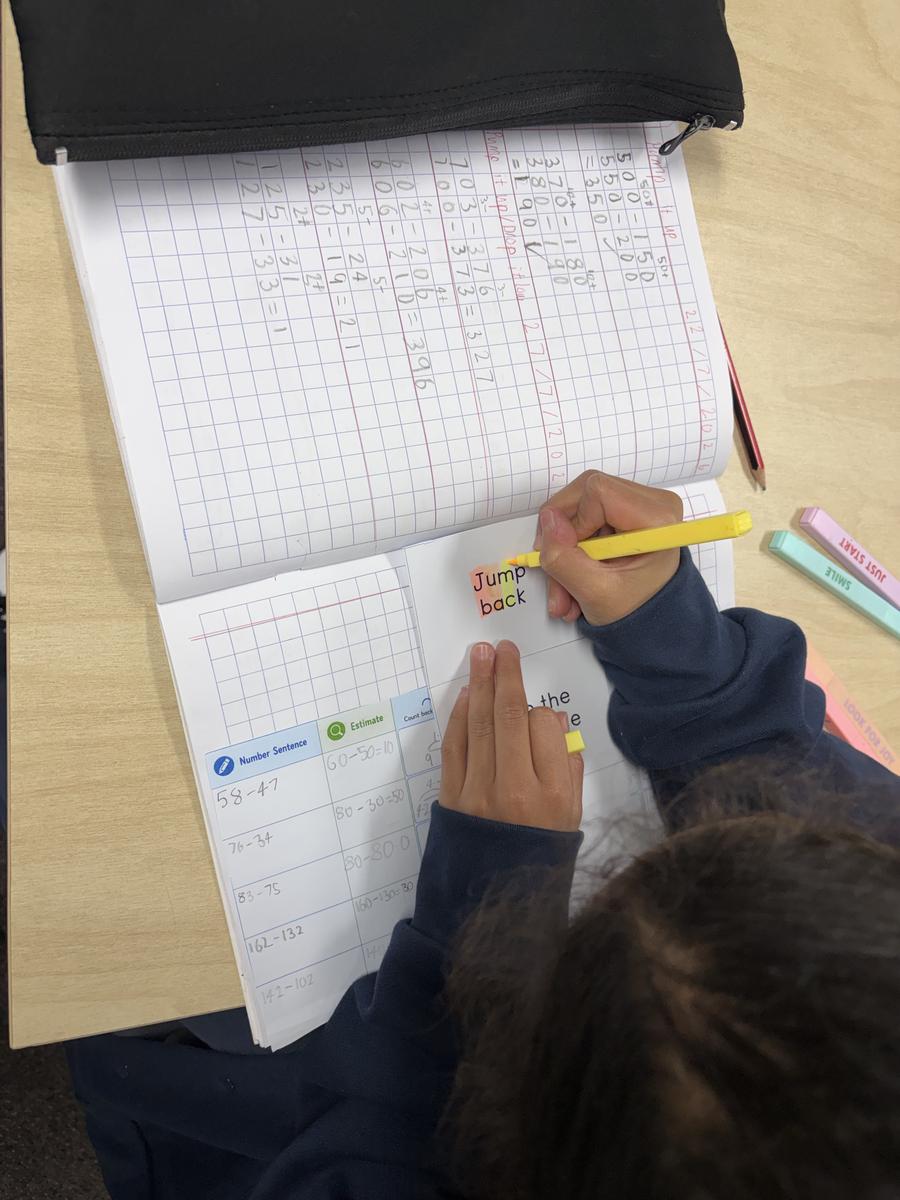
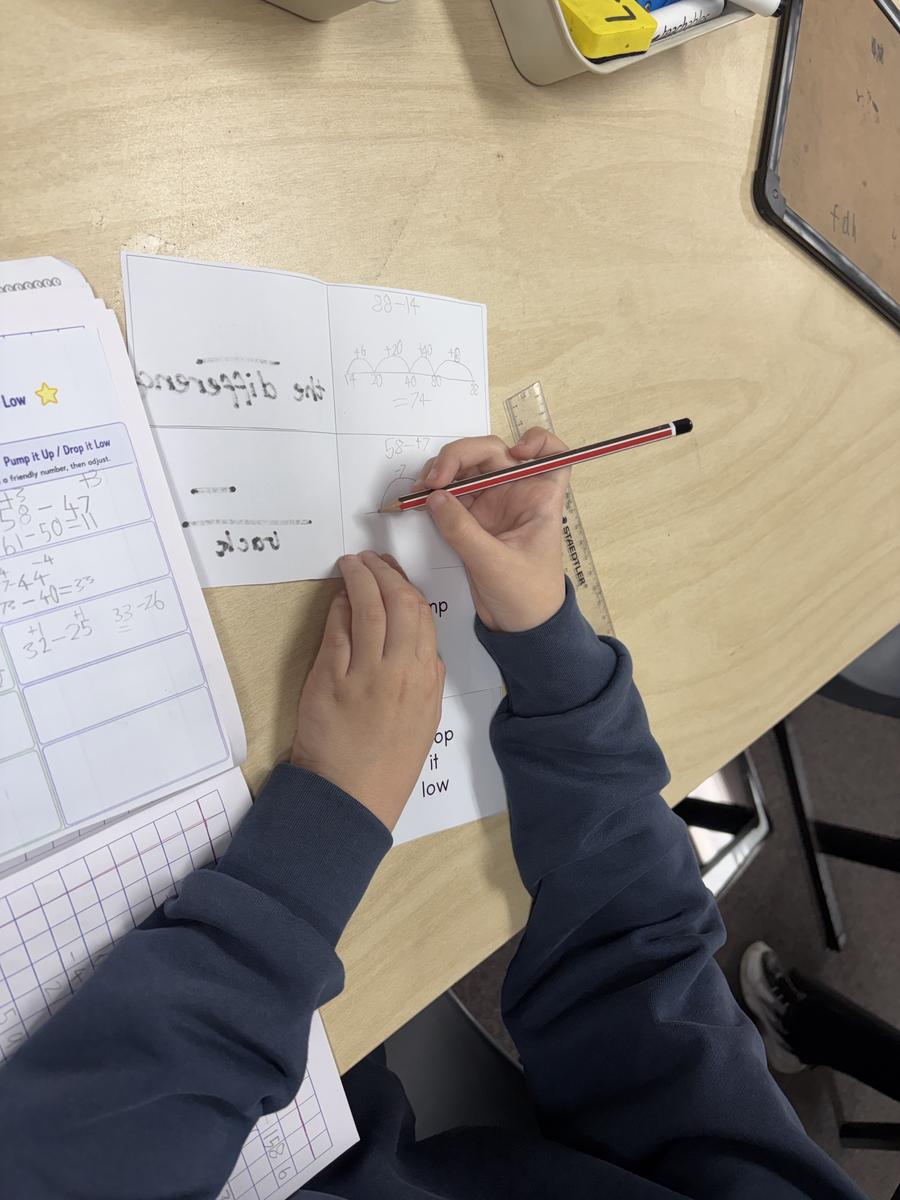
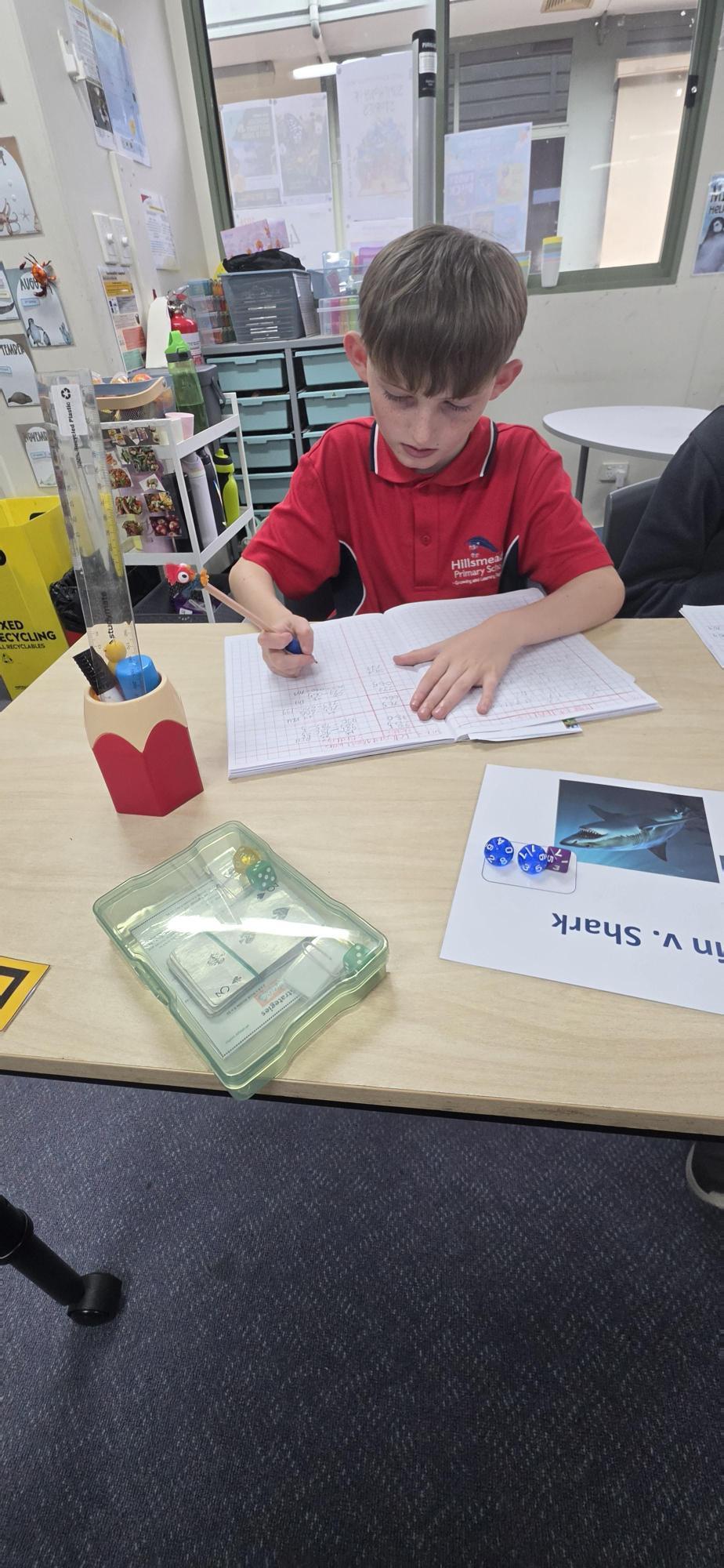
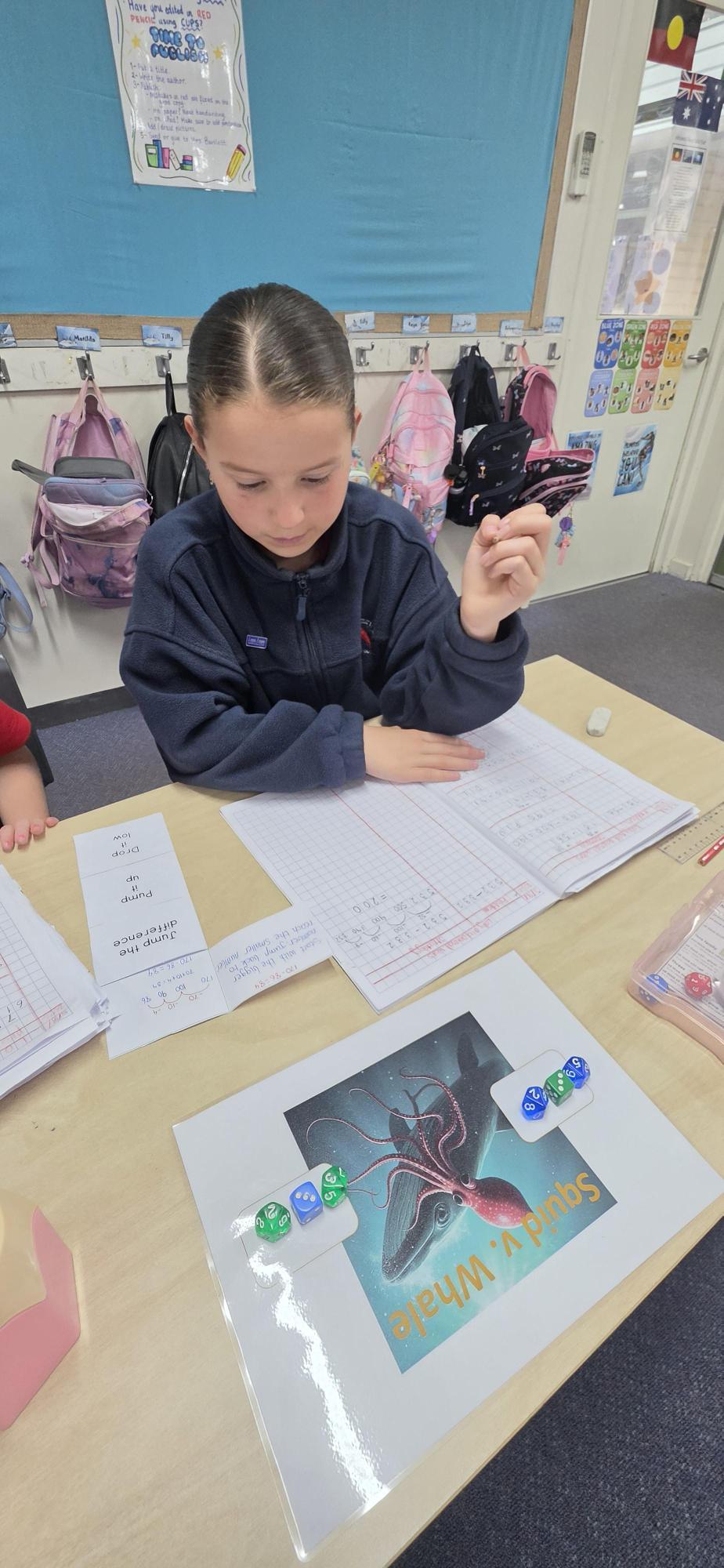
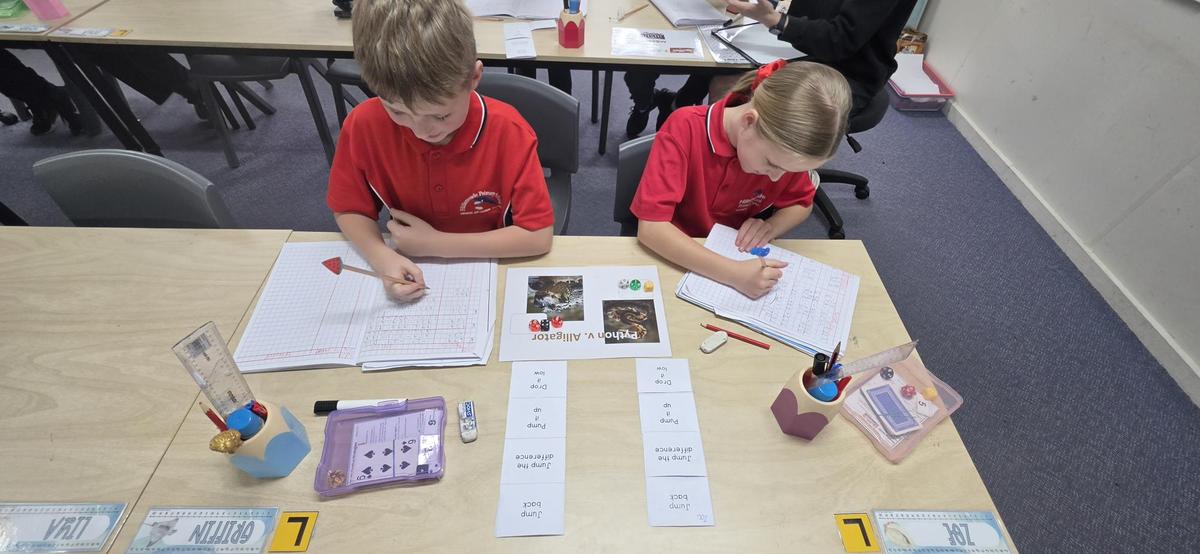
- This fortnight, students have continued building their understanding of efficient subtraction strategies by applying the Pump It Up and Drop It Low transformation strategies. They learnt how to identify numbers that are close to a "friendly" round number, transform both numbers by the same amount, and solve the new equation accurately using vertical subtraction.
- Students also consolidated their learning by creating a Subtraction Strategies Journal, recording when and why to use each strategy, including Jump Back, Jump the Difference, Pump It Up and Drop It Low. This personal reference guide has helped students explain their mathematical thinking and choose the most efficient strategy for different subtraction problems.
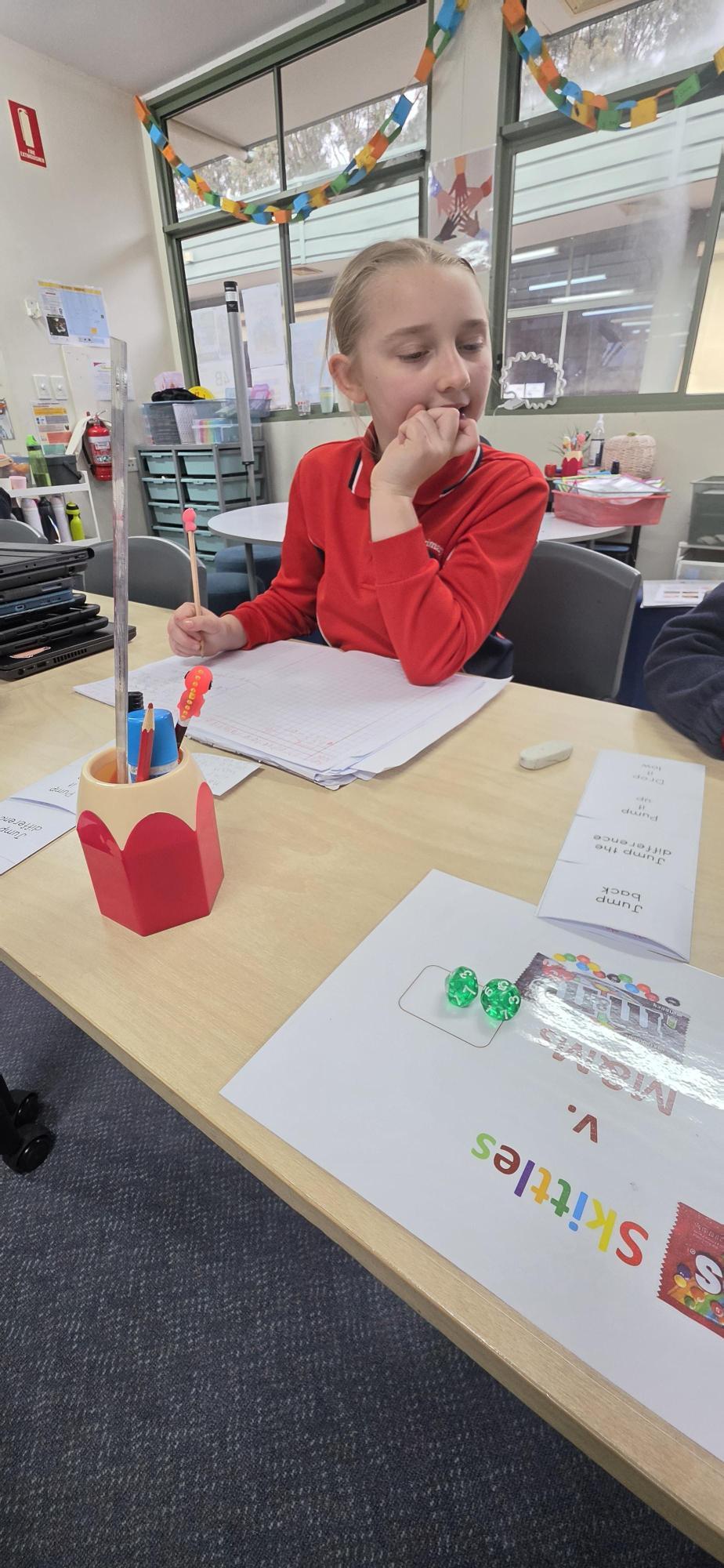
- Throughout Week 4, students applied all four subtraction strategies to a range of equations and worded problems. They practised estimating answers first, identifying important information, selecting the most efficient strategy, and explaining how they reached their solutions.
- At the end of Week 4, students will complete an ongoing reporting assessment to demonstrate their understanding of the subtraction strategies covered throughout our four-week unit. This assessment will be available for families to view on Compass from Friday 21 August.
Inquiry
- This fortnight, students have interpreted climate data and compared temperature and rainfall patterns in different locations. They investigated why places at similar latitudes can experience different climates and used maps, compass directions and distance to describe location.
- Students explored how climate influences vegetation, identifying different climate zones and vegetation regions around the world. They also investigated how environmental features such as water availability, landforms and soils affect plant growth, using satellite images to make geographical observations and draw conclusions.
- Students compared the climate, vegetation and natural features of Australia and Papua New Guinea. They examined how differences in climate and water availability influence the plants, animals and people living in each country, while developing their skills in comparing geographical information using maps and evidence.
Homework Reminders
Reading
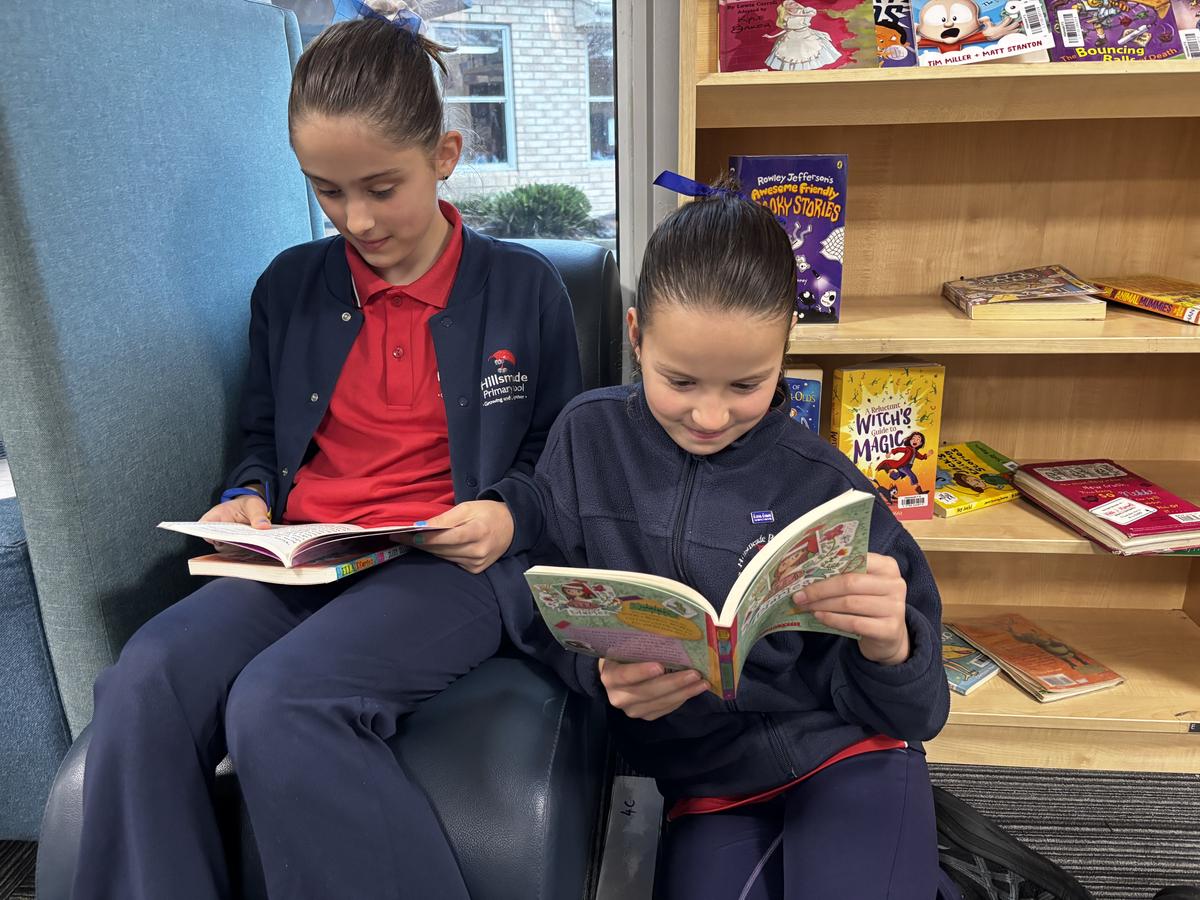
As we begin a new term, we encourage students to settle back into a consistent home reading routine. Regular reading supports fluency, comprehension and confidence, so please continue to make time for reading throughout the week. Students are also reminded to bring their diaries to school each week so their reading can be checked by their teacher.
Spelling
Our spelling words will recommence this term. Please keep an eye out for your child’s new spelling words and encourage them to practise regularly at home. Consistent practice will help strengthen students’ spelling knowledge, vocabulary and overall writing skills.