Wellbeing













 Bairnsdale Secondary College
-----------------------------------------------------------------------------------------------------------------------------

‘Thunderstorm asthma’ is a potent mix of pollens, weather conditions and rain that can trigger severe asthma symptoms. When rain droplets crash into airborne pollen, the pollen grains are broken into tiny particles. These particles can then get further and deeper inside your lungs than the larger pollen grains and can trigger more severe asthma symptoms. If you get hay fever (allergic rhinitis) in the springtime, you could be at risk of thunderstorm asthma. You should be using your asthma preventer before the ‘pollen season’ starts each year and keep using it until pollen levels go down again.
Who gets thunderstorm asthma?
People who are strongly allergic to ryegrass pollen are at highest risk of thunderstorm asthma. Even people without asthma can be at risk of thunderstorm asthma. You could get thunderstorm asthma if you are outside in gusty winds just before a thunderstorm on a day when there is a lot of pollen in the air and you are allergic to ryegrass pollen. This includes people with asthma:
• whose symptoms get worse in springtime
• who are allergic to grass pollen
• who get hay fever in springtime
• who have not been using their preventer.
Hay fever symptoms: Itchy/watery eyes, itchy or runny nose, skin irritation, sneezing
Asthma symptoms: Cough, wheeze, chest tightness, shortness of breath
How to stay safe
- Keep taking your asthma medicines prescribed by your doctor and always carry your reliever inhaler with you.
- Stay up to date with pollen counts and weather forecasts during spring and early summer so you know if a storm is coming (see information on AirRater below).
- Stay inside before and during storms with wind gusts. Ensure windows are shut and the air conditioner is switched to recirculate/recycled.
- Consider wearing a face mask which may help reduce exposure to pollen allergens
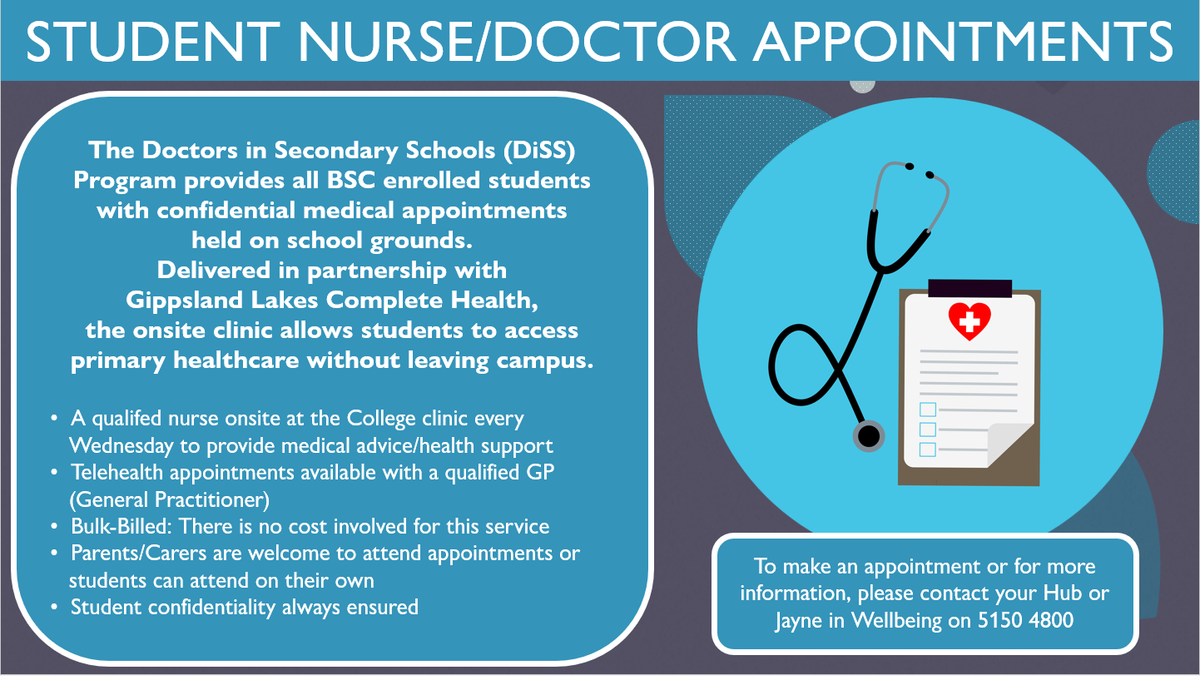
- Make an appointment with your GP for an asthma review and ensure your asthma action plan is up to date. The DiSS (Doctors in Secondary Schools) Program can faciliate student appointments for these plans to be completed.
Know first aid for asthma. Ensure you’re aware of what to do in an asthma emergency if you or a loved one are at risk. Thunderstorm asthma can occur suddenly, and swift action can prevent an asthma attack becoming an asthma emergency.
INFORMATION/RESOURCES
AirRater
AirRater’s pollen network is powered by AirHealth and provides daily pollen counts for select sites across Australia through the AirRater app. Data is collected on over 25 native and introduced pollen types so you can find out what’s in flower now and see how different pollen species might be affecting your symptoms.
-------------------------------------------------------------------------------------------------------------------------------------

LIFE AFTER SCHOOL
Dealing with the end of school is different for everyone. It might be scary, exciting, confusing .. or all of the above! You’ll probably be asked a lot of questions about what you’ll do next, and these can be annoying or make you feel pressured if you don’t have a clear idea of what your future looks like. A lot of young people don’t know what they want and that’s okay too.
Looking at your options
There are no ‘right’ or ‘wrong’ choices and you can always change your mind. Consider the things you enjoyed at school or what you find interesting or fun, and think about all the things you could do and how different some of these common options might make you feel:
- Travelling or taking a gap year
- Studying at TAFE, College or an Institute
- Studying at university
- Working
- Volunteering
Doing another year of high school
If you’re thinking about further study
A lot of young people think about going to TAFE, Uni or doing some kind of training course. Here are some things to help you take that first step:
- Identify areas you’d like to learn more about or jobs you’d be interested in trying
- Research different types of courses in your area of interest
- Visit some of the places you’re thinking of studying at or talk to someone who goes there
- Attend orientation or open days where you can ask questions
- Look at the cost of the course and your eligibility for benefits from Centrelink
Find out who can help you on campus eg. counselling and health services and academic support
If you want to get a job and start working
Sometimes young people decide that working and earning an income is the best option for them after finishing school.
- If you’d like to get a job after leaving school, there are a few things you can do:
- Think about jobs or trades that you’d like to try
- Learn about different kinds of organisations you’d like to work for
- Make a list of your skills, what you’re good at and work experience
- Learn how to write a resume and have someone check it over
Practice answering questions for an interview
Try and remember that the first job you’re offered may not be the job you ultimately want. However, trying different jobs gives you valuable work experience and your first job may be a stepping stone to something else!
If you’re still unsure… seeking advice from a careers counsellor/teacher or talking with friends can help you figure out the next step. For more information visit the following links on the Australian Government Your Career website:
Further study and training: Further study and training | Your Career
Take a Gap Year: Take a gap year | Your Career
Build Your Career: Build your career | Your Career
Aboriginal & Torres Strait Island Peoples: Aboriginal and Torres Strait Islander peoples | Your Career
People with Disability: People with disability | Your Career
Regional, Rural & Remote School Leavers: Regional, rural and remote school leavers | Your Career