
Student Wellbeing
Wellbeing: Strengthening Our Child Safe Community
At St Fidelis, child safety is everyone’s responsibility. As part of our ongoing due diligence and our commitment to creating a child safe organisation, our staff focus on two of the 11 Child Safe Standards each month.
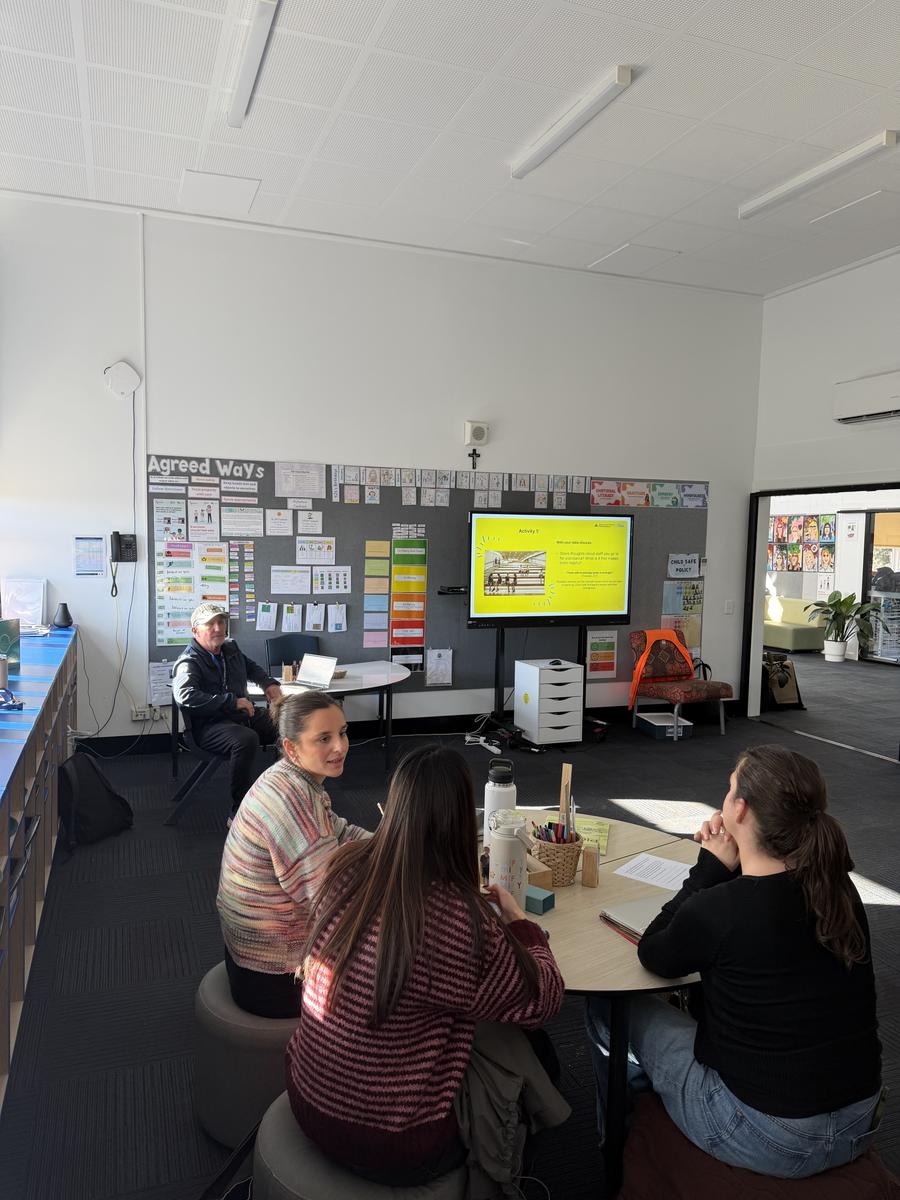
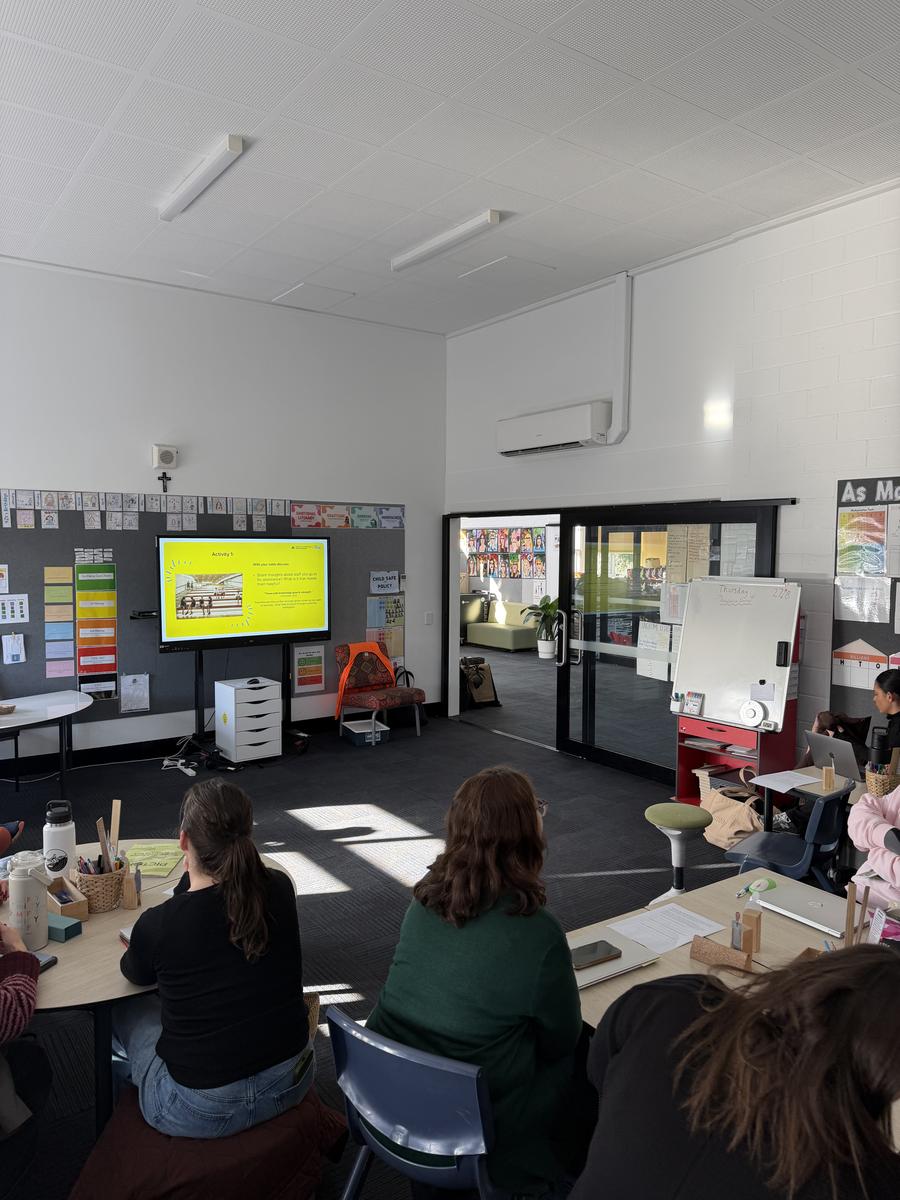
These monthly focus areas provide an opportunity for staff to unpack the Standards, reflect on our current practices and strengthen our knowledge, skills and capacity. This ongoing professional learning is an important part of our staff expectations and helps ensure that child safety is embedded in the way we teach, supervise, communicate and respond to students each day.
What are Child Safe Standards 8 & 9?
Child Safe Standard 8: Staff and volunteers are equipped with the knowledge, skills and awareness to keep children and young people safe through ongoing education and training.
This Standard is about making sure that the adults around children understand their responsibilities for child safety. At school, this includes ongoing professional learning, understanding how to recognise signs that a child may need support, knowing how to respond to concerns and understanding our responsibilities around reporting and responding to child safety concerns.
Child Safe Standard 9: Physical and online environments promote safety and wellbeing while minimising the opportunity for children and young people to be harmed.
This Standard recognises that children's safety extends beyond the classroom. It includes the physical spaces children use at school, as well as their digital environments. We regularly consider how our spaces, routines, technology and online interactions can be designed to promote safety, inclusion and wellbeing.
Building children's capacity to keep themselves safe
Child safety is not only about adults keeping children safe. It is also about building children's knowledge, confidence and skills so they can recognise when something doesn't feel right, understand appropriate boundaries and know how to seek help.
Families can support this learning through everyday conversations:
- Talk about safe and unsafe situations. Ask your child what makes them feel safe at school, at home and online. Help them recognise that their feelings can be an important signal that something may need attention.
- Help your child identify trusted adults. Encourage your child to think about the adults they can go to when they need help. Remind them that if the first person they speak to cannot help, they should keep telling a trusted adult until someone listens and supports them.
- Practise help-seeking. Talking through simple scenarios can help children feel more prepared. You might ask, “What could you do if someone made you feel uncomfortable?” or “Who could you tell if you saw something online that worried you?”
- Talk about online safety. As children become increasingly independent online, regular conversations are important. Encourage your child to tell you if they see something upsetting, receive an unexpected message or feel uncomfortable about an online interaction. Reassure them that they can come to you without fear of getting into trouble.
- Teach children that speaking up is always okay. Children should know that they have the right to feel safe, that adults have a responsibility to listen to them and that telling someone about a concern is never their fault.
Safety is everyone's responsibility
Creating a genuinely child safe community requires ongoing learning, reflection and partnership. Through our staff professional learning, regular engagement with the Child Safe Standards and strong partnerships with families, we continue to build the capacity of our whole community to prevent harm and respond appropriately to concerns.
Most importantly, we want every child to know: you have the right to feel safe, your voice matters, and there are adults who will listen and help.
Wellbeing Leaders | Vicky Karalis & Bianka Zorzut