Wellbeing
BULLYING NO WAY WEEK (August 17th – 24th)
Australia’s national week of action against bullying and violence in schools.
Taking place annually in August, the initiative unites schools to promote inclusivity, celebrate diversity, and equip students with strategies to recognize and respond to bullying. Bullying is everyone’s responsibility, and small acts can make a real difference.
This year’s theme, ‘Small Acts, Big Impact’ reminds us that actions don’t need to be big
to change someone’s world. Small actions – like including someone, speaking up or showing kindness, can create meaningful change. In our schools and communities,
our goal is to build environments where everyone belongs, diversity is celebrated
and bullying is never accepted.
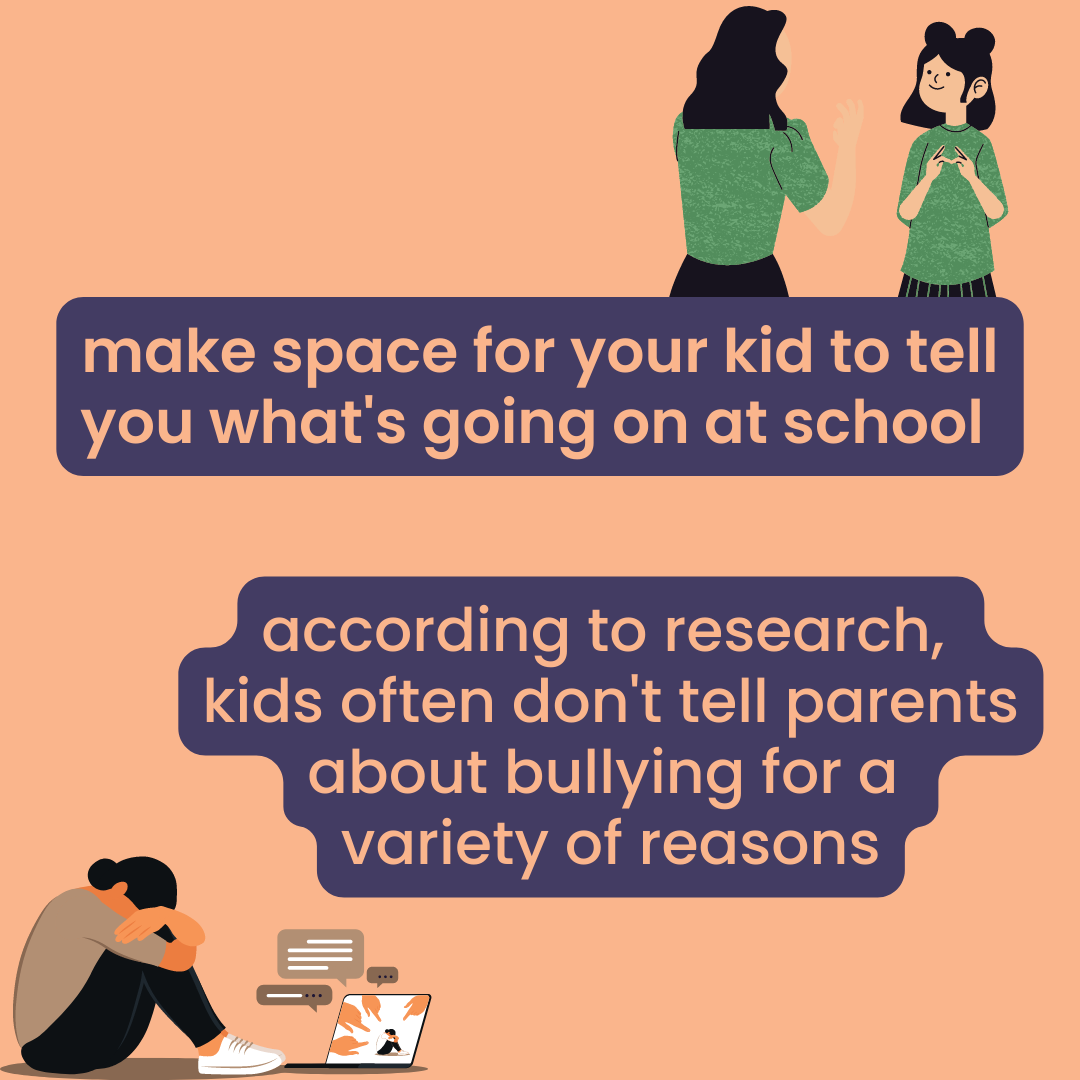
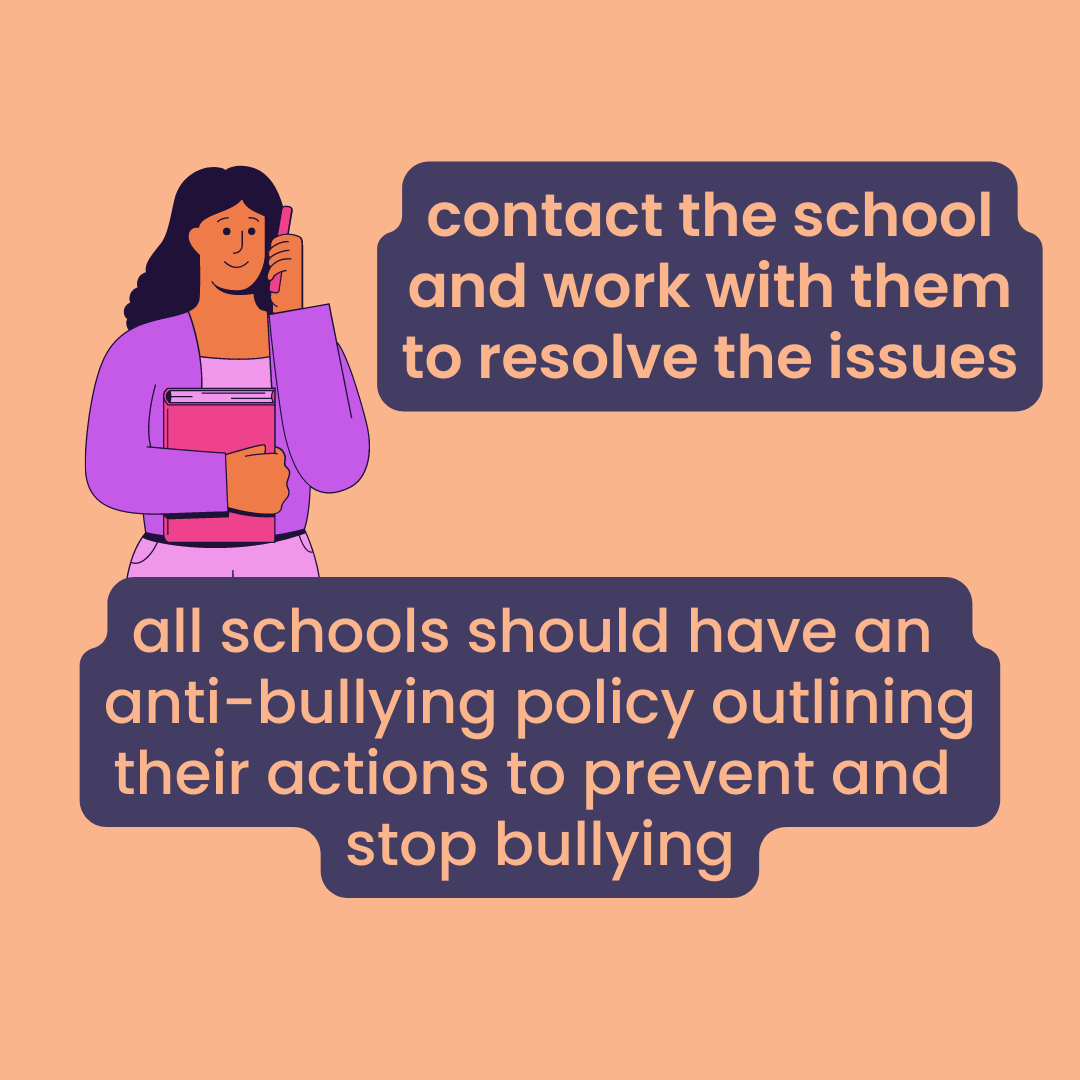
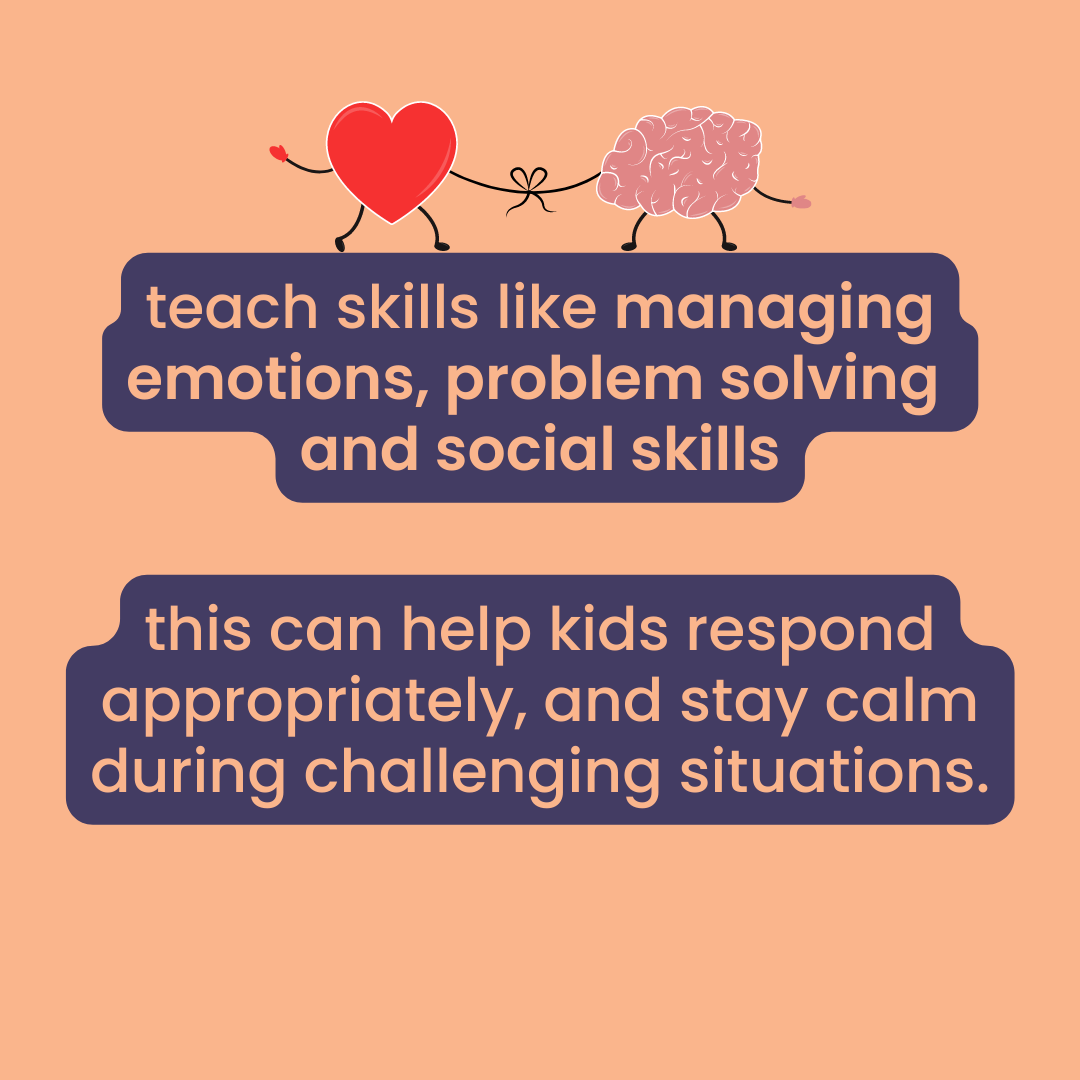
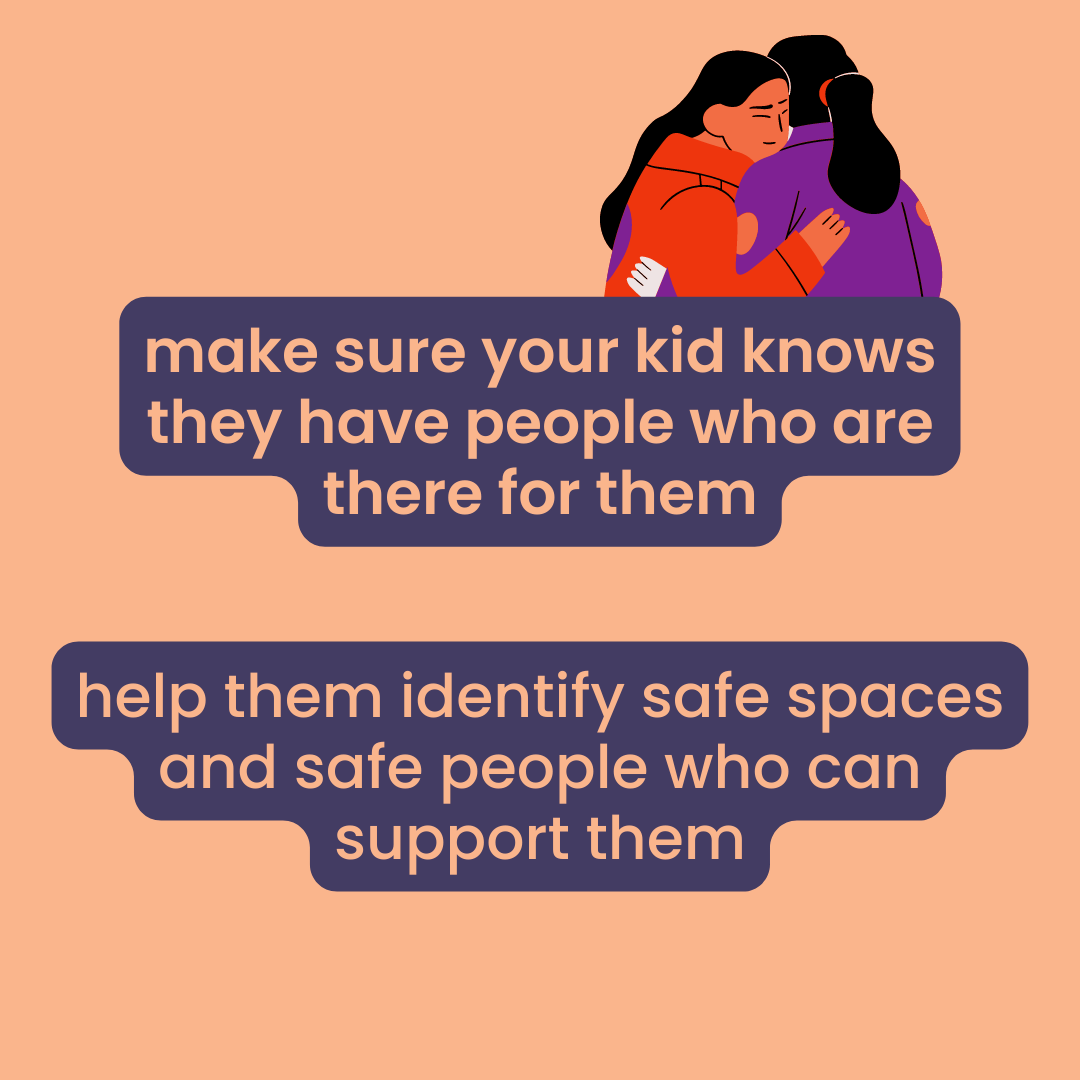
"My kid is being bullied ... what can I do?"
LINKS & RESOURCES:
https://www.letsstopbullying.gov.au/resources-parents-and-carers
https://www.letsstopbullying.gov.au/resources-children-and-young-people
https://www.esafety.gov.au/young-people/video-resources
https://www.esafety.gov.au/young-people
-------------------------------------------------------------------------------------------------------------------------------------
ARE YOU CONCERNED ABOUT YOUR TEEN'S MENTAL HEALTH?
As part of a research trial, the Partners in Parenting (PiP) team at Monash University
are offering an evidence-based, online parenting program for parents of teenagers
(aged 12-17) with concerns about their teen’s mental health.
All parents who take part in the trial will receive access to the PiP program. Parents will be allocated to complete either a self-guided version of the online program (completed entirely in their own time, at their own pace) or be offered the online program plus up to 10 one-on-one coaching sessions via Zoom with a ‘PiP peer coach’ (trained family peer worker at a headspace centre). The program is entirely free, and participants receive reimbursement (gift vouchers) for research surveys completed.
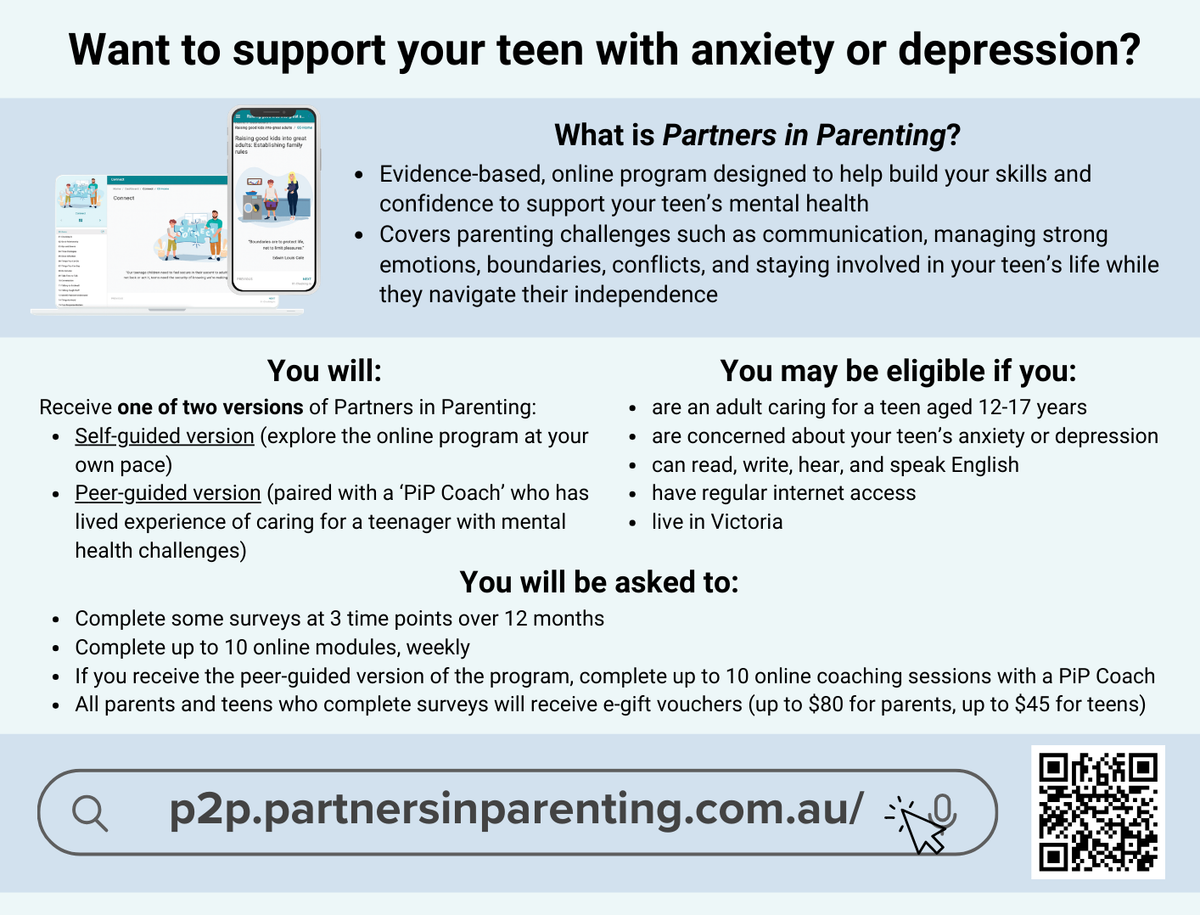
Learn more about PiP:https://p2p.partnersinparenting.com.au/
------------------------------------------------------------------------------------------------------------------------------------
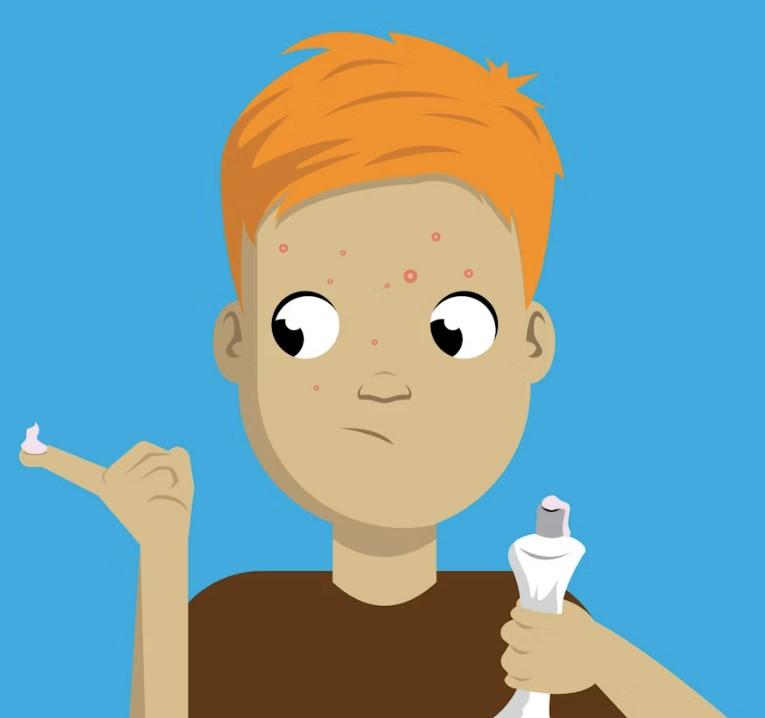
ACNE IN TEENS
What are pimples, and what causes them?
Pimples are small bumps on your skin. They happen when tiny holes in the skin called ‘pores’ get blocked by oil or dead skin cells. You can get pimples anywhere on your body with oil glands, but the face, chest and back are the most common areas.
If you have lots of pimples, you might have a common skin condition called acne. Acne causes pimples and other blemishes on the face and body. Lots of people get acne at some point in their lives – usually when they are teens. It's not a sign of dirtiness, and it doesn’t spread from person to person.
Why do teens get more pimples?
During puberty, your body starts making more hormones. These hormones grow your skin's oil glands. The larger glands can make more oil, which might block your pores and trap dead skin cells and bacteria. Your face, neck, chest and back are most likely to get pimples because they have the most oil glands. The occasional pimple or blackhead is not acne. Acne can run in families. If your parents had acne, there is a higher chance that you will get acne.
The only skincare routine you need
It can be hard to tell which products are good for young skin – especially when skin care is promoted all over social media and in cosmetic stores. The truth is you don't need to use many skin care products as a teen. Many trending ingredients are more likely to irritate your skin than help it. Most teens only need a simple routine with three products: cleanser, moisturiser and sunscreen. The key is washing your face twice a day, keeping your skin hydrated and protecting it from the sun. Unless your GP or a health worker suggests them, you don’t need to use serums or other products. Here is a simple skincare routine you can follow morning and night:
Morning
- Wash your face with water and a soap-free cleanser.
- Put on moisturiser.
- Apply an SPF50 (Sun Protection Factor 50) or higher sunscreen on days when the UV (ultraviolet) rating is 3 or above – usually from late spring and all through summer.
Night
- Wash your face with water and a soap-free cleanser.
Put on moisturiser.
Simple, unscented skincare shouldn’t make acne worse. But if you do have oily, acne-prone skin, you might want to use either moisturiser or SPF (on days with a UV rating of 3 or above), instead of both.
Tips to help your skin health
Wash your face
- Try to wash your face in the morning, at night, and after any sports. Use water and a soap-free cleanser
- Don't use hand soap to clean your face. It can wash away the natural oils your skin needs to stay healthy and hydrated.
Be gentle.
- Scrubbing your skin can make it red and irritated. Use your fingers to apply a gentle cleanser to your face. Then, wash it off with water and gently pat your skin dry with a clean towel.
Stay away from skin scrubs and peels; these can cause itching and redness and make acne worse.
Choose makeup wisely and always take it off at night
- If you wear makeup, choose oil-free or matte-finish products so they won't clog your pores. These are sometimes labelled 'non-comedogenic' or 'non-acnegenic. Taking off your makeup, every day is important so your skin can breathe and your pores are clear.
Use a soap-free cleanser or micellar water to remove your makeup. Makeup remover wipes often have alcohol and other harsh ingredients that can dry your skin.
Protect your skin from the sun
- UV or ultraviolet is a type of energy that the sun makes. The UV rating is higher in late spring and summer. The sun is very strong in Australia. It’s good to get some sun on your skin, but too much can cause damage and might lead to skin cancer later in life. You must protect your skin if the UV rating is 3 or above.
Try to stay in the shade, put on a hat, and wear long clothing. Use sunscreen with SPF50 or above to block the sun from absorbing into your skin. The higher the SPF rating, the more sun protection
Eat a balanced diet
- What you eat can affect your skin, but many skin problems are not directly caused by food. A balanced diet can help your skin stay healthy. There is no perfect diet to stop pimples, though.
- Try to eat more ‘whole foods’ – foods that haven’t changed from their natural state, like fresh fruits and vegetables – and less processed and fried foods, like chocolate and hot chips.
- You don't have to cut out treats; just consider them 'sometimes foods' as part of a balanced diet.
- Make sure you drink enough water each day – usually six to eight cups or 1.5 to 2L (litres).
If you are sweating a lot because you are active or the weather is hot, you need to drink more water
Avoid smoking and vaping
- You probably know smoking is bad for your health, but you might not know that it can harm your skin, too.
- Over time, smoking and vaping can dry out your skin, change its colour and cause early wrinkles.
Smoking and vaping also reduce blood flow, which makes it harder for the body to heal pimples.
There are lots of different treatments for acne. Start by following a simple skincare routine, drinking lots of water, and eating a balanced diet. If this is not helping, speak to a pharmacist or your GP about over-the-counter acne treatments for your skin type. Be careful choosing acne products, as some include harsh chemicals that might make your pimples worse. Always follow the instructions and be patient – your skin will take time to get better.
You can speak to your GP if you feel like you have tried everything to help your acne. They might suggest prescription treatments or refer you to a specialist skin doctor called a dermatologist. If you often worry about your skin and body image or struggle with your mental health, you can speak to a trusted adult, your GP or another health worker, like a psychologist.
Article Credit # (Royal Children’s Hospital Melbourne) Teen Health Info: Pimples and skin health
-------------------------------------------------------------------------------------------------------------------------------------