
Wellbeing Report
Dedicated SOCIAL EMOTIONAL LEARNING (SEL) time at Nazareth
Schools have a responsibility to provide opportunities for students to learn about who they are as people in a social world.
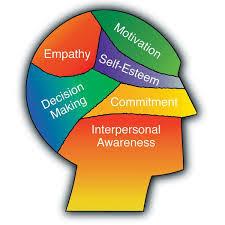
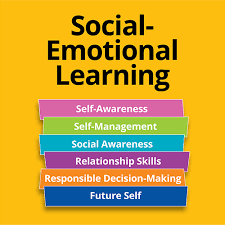
Social and emotional learning is the process of developing and practising important social and emotional understandings and skills. These understandings and skills can be grouped into five key areas.
- Self-awareness skills help us to recognise and understand our feelings and value our strengths and abilities.
- Self-management skills enable us to handle and direct our emotions in appropriate ways.
- Social awareness skills help us to be aware and respectful of the feelings and perspectives of others.
- Relationship skills aid us in dealing positively with relationship problems and other social conflicts.
- Social decision-making skills allow us to consider the consequences of our actions for ourselves and others and make thoughtful, effective decisions.
Students with well-developed social and emotional skills find it easier to manage themselves, relate to others, develop resilience and a sense of self-worth, resolve conflict, engage in teamwork and feel positive about themselves and the world around them. The development of personal and social capability is a foundation for learning and for citizenship, which provides them with useful skills well beyond their school years.
Improving social and emotional skills has a positive influence on children and adolescents’ attitudes, behaviours and performance. Social and emotional learning improves participants’ coping skills and resistance to negative peer pressure, encourages more positive attitudes about themselves and others, improves social behaviours and cooperation with others, decreases risky, antisocial and aggressive behaviours and decreases emotional problems.
Each week student have EXTENDED PASTORAL time for 50 minutes
On Day 2, students are in their Pastoral Groups with their Pastoral Teacher. This is an opportunity for these groups to bond, and for pastoral teachers to get to know their students from both a personal and learning lens. It is also an opportunity for House assemblies, providing important time for creating a sense of house celebration and belonging.
Day 7 Extended Pastoral time is devoted to Social Emotional learning time. Students do this in their house year level group, as SEL is a tailored program for specific ages.
Term 2 we had a focus on Emotional Intelligence – the ability to perceive, control, and evaluate emotions, skills can be explicitly taught. This includes:
- The ability to express and control emotions is essential, but so is the ability to understand, interpret, and respond to the emotions of others.
- Thinking before reacting - calm their emotions and think more rationally about all the factors surrounding the emotions being felt
- Greater Self-Awareness - Emotionally intelligent people are not only good at thinking about how other people might feel but they are also adept at understanding their own feelings. Self-awareness allows people to consider the many different factors that contribute to their emotions.
Empathy for Others - A large part of emotional intelligence is being able to think about and empathize with how other people are feeling. This often involves considering how you would respond if you were in the same situation.
People who have strong emotional intelligence are able to consider the perspectives, experiences, and emotions of other people and use this information to explain why people behave the way that they do.
Improving emotional intelligence is a long journey of growth and development, and well worth explicitly focusing on. It supports our student’s personal growth and ability to have strong healthy relationships.
Term 3 has a strong focus on respectful relationships, to facilitate positive, healthy interactions with others. A variety of different resources are used to deliver this curriculum, including online platforms ‘The Resilience Project’ and ‘Wellio’, and lessons incorporating values drawn from our Christian faith. We all have both rights and responsibilities within our social relationships and interactions, and these can be explicitly taught.
In Term 4, our focus is more specifically targeted to responsible online behaviour, as we recognise this as a vital means of communication, social interaction and accessing of information.

Ms Jackie Kol
Director of Wellbeing