
Principal's Report
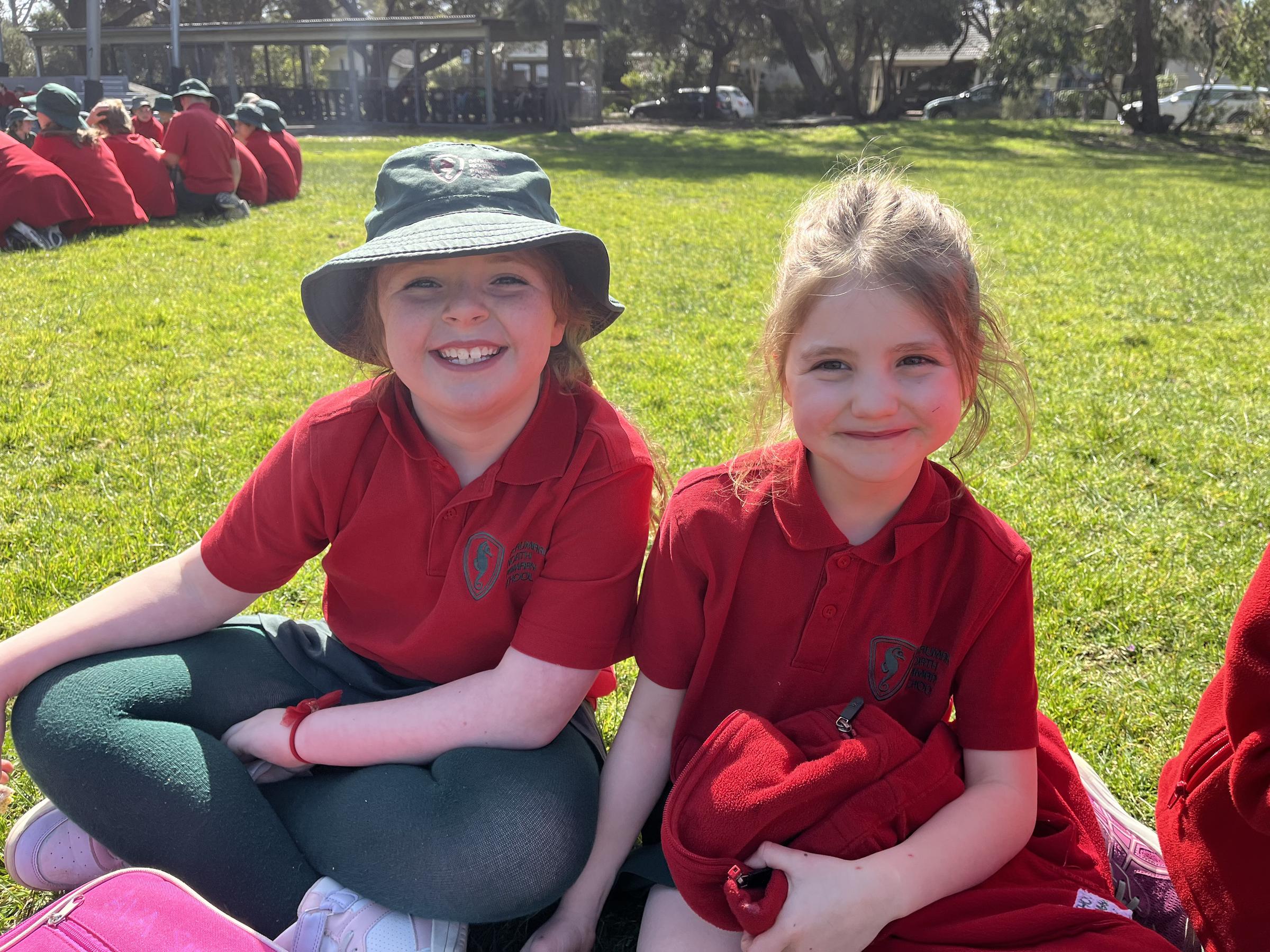
I don't know whether it is the nicer weather or the fact that the holidays are getting closer, but I have noticed something lovely around the school lately. More and more students are making great eye contact when they respond to my greetings, stopping for a chat, and telling me about their weekends. One student even asked about my weekend and whether I had managed to get some rest!
These small interactions matter. Learning to greet others, listen, respond, and show interest in another person is an important part of developing social confidence and strong relationships. It is something I really appreciate about our students.
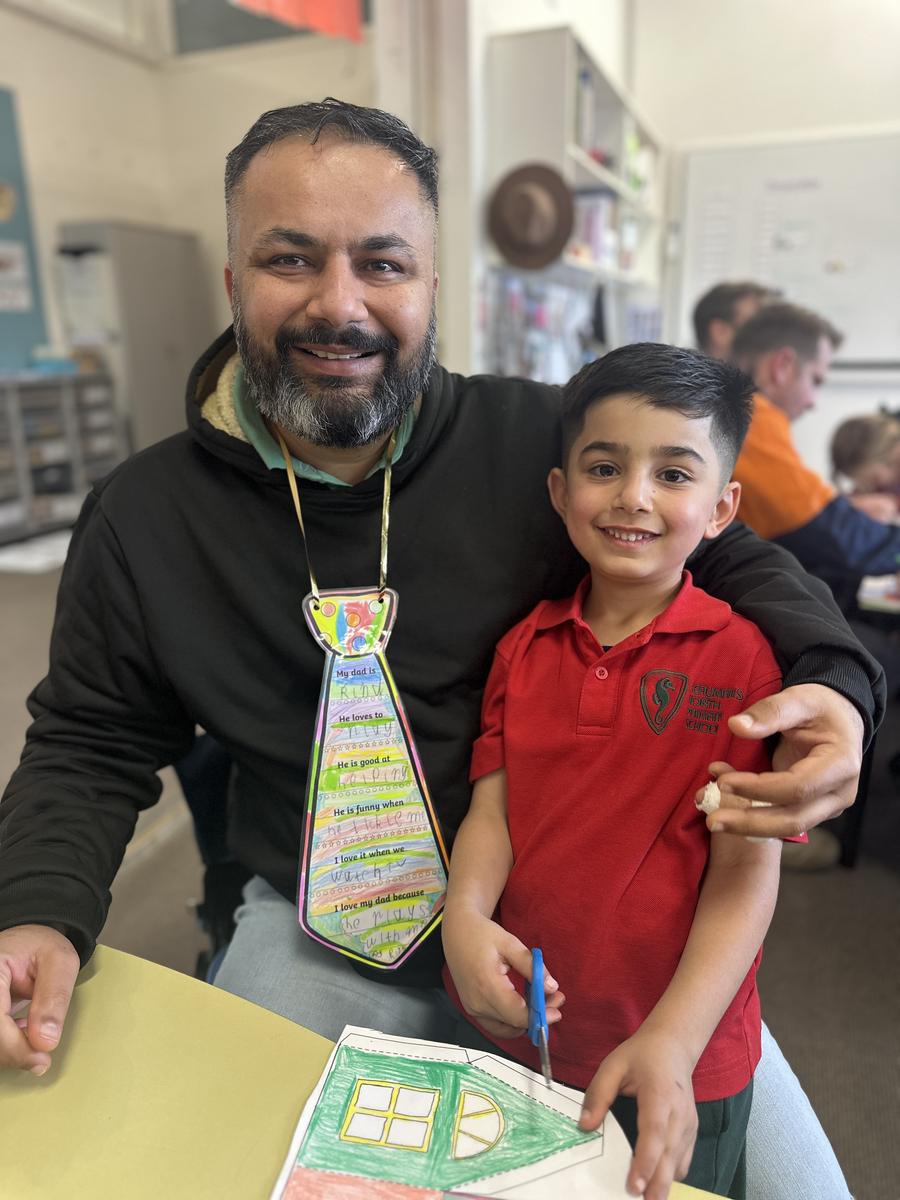
I want to deeply thank the P&F for continuing to support our beautiful BNPS community culture. Nat and Jess ran a morning tea for the new Prep parent orientation morning, and Alison and Kerryn, along with many volunteers, organised and ran the Fathers and Special Friends stall.
Wonderful Learning Around the School
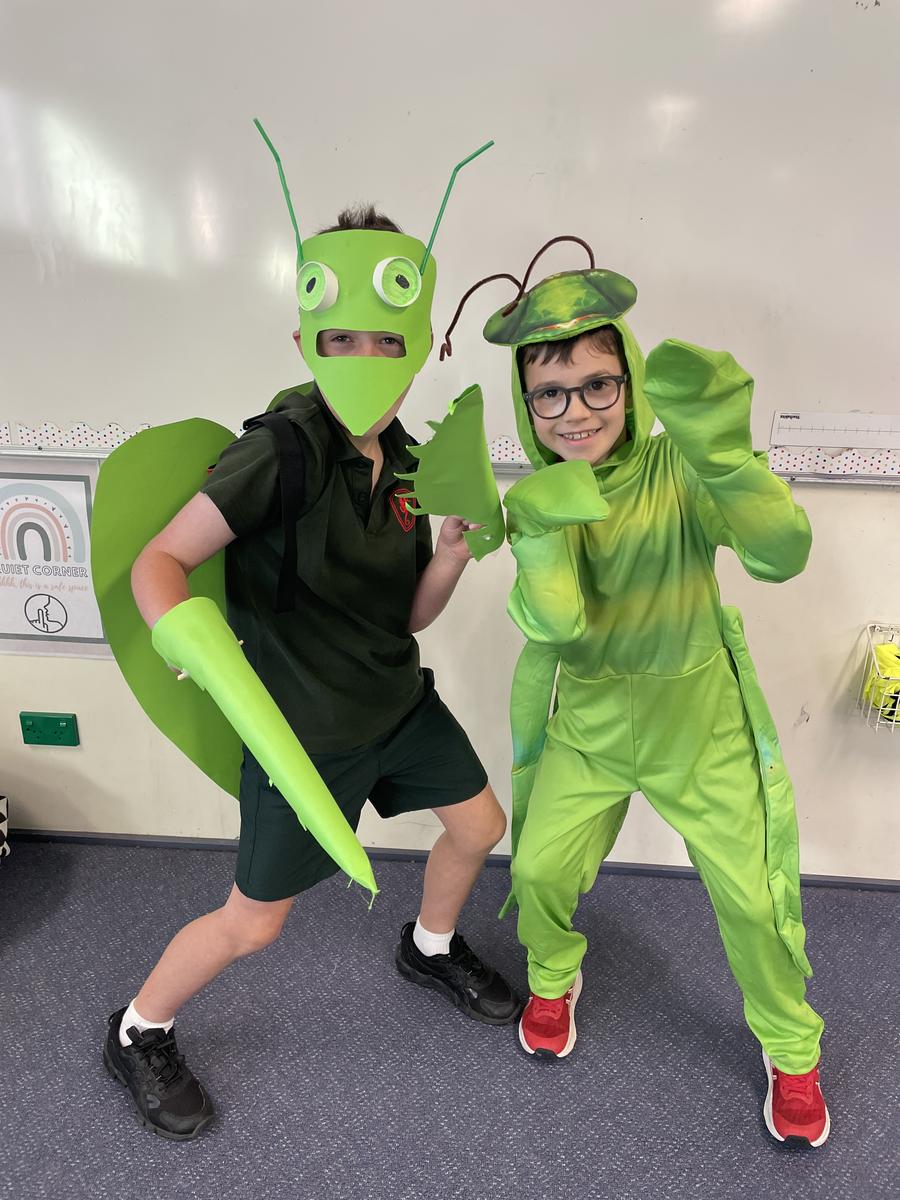
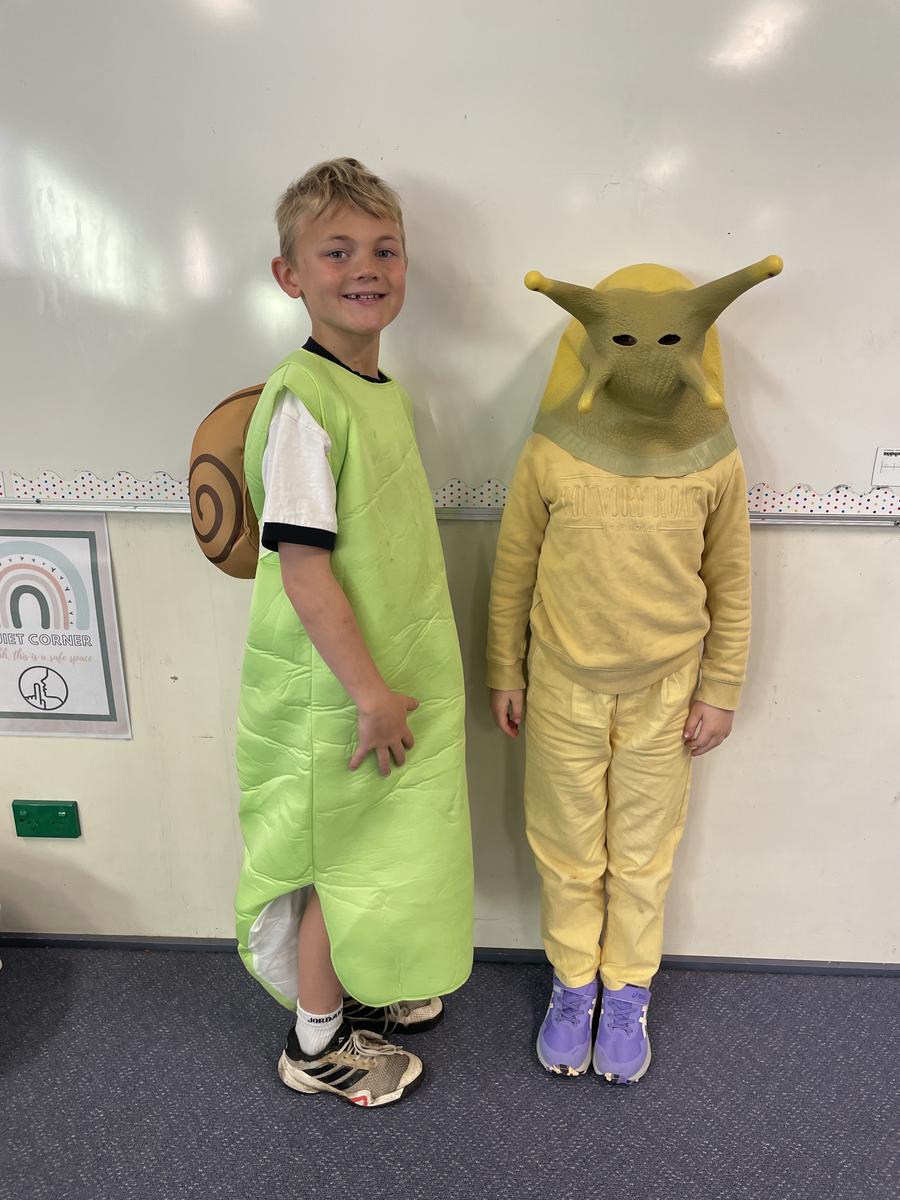
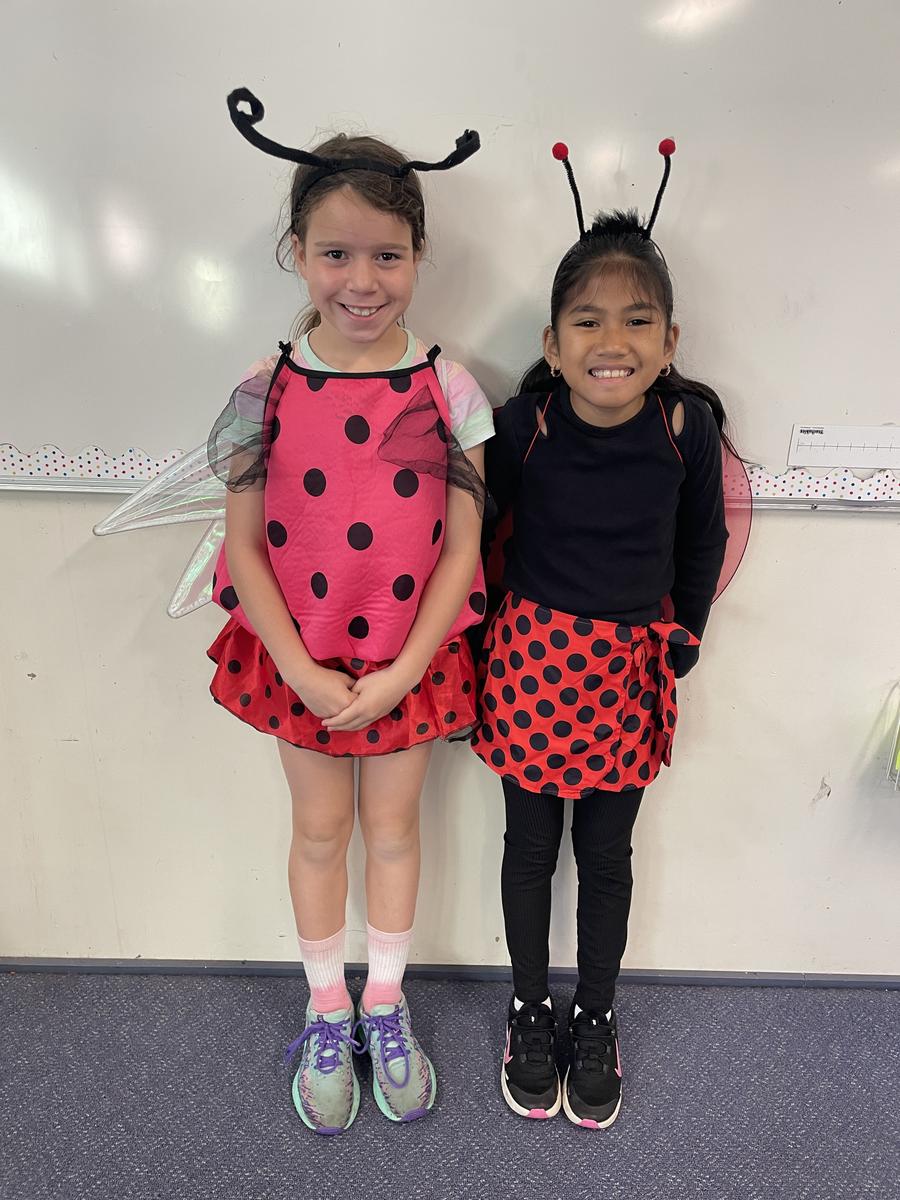
I was thrilled to visit our Year 2 classrooms last week for the Mini-Beast Showcase. I spoke with a number of parents who commented positively on the hands-on, analogue nature of the presentations. It was wonderful to see the development of students' fine motor skills through their handwriting, illustrations, and carefully constructed work. Congratulations to all the children who committed wholeheartedly to the occasion—including dressing up as their favourite mini-beast—and to our Year 2 teachers for the outstanding learning that sat behind the showcase. Chapeau!
I also had the opportunity to see the wax wraps created by our Year 4 students. I am just hoping Mrs Ball eventually managed to get all the wax out of her clothes!
In Year 3, I spent some time talking with students about their current text study, The Elephant by Peter Carnavas. They explained how the grey elephant represents big feelings, and we talked about sadness as a normal part of being human. I was genuinely moved by the thoughtfulness of their reflections, and incredibly proud reading some of the rich language students had used to describe complex emotions. It is a privilege to see children developing the vocabulary and confidence to express ideas like these.
The Magic of Books
What is better than one opportunity to dress up? TWO opportunities to dress up!
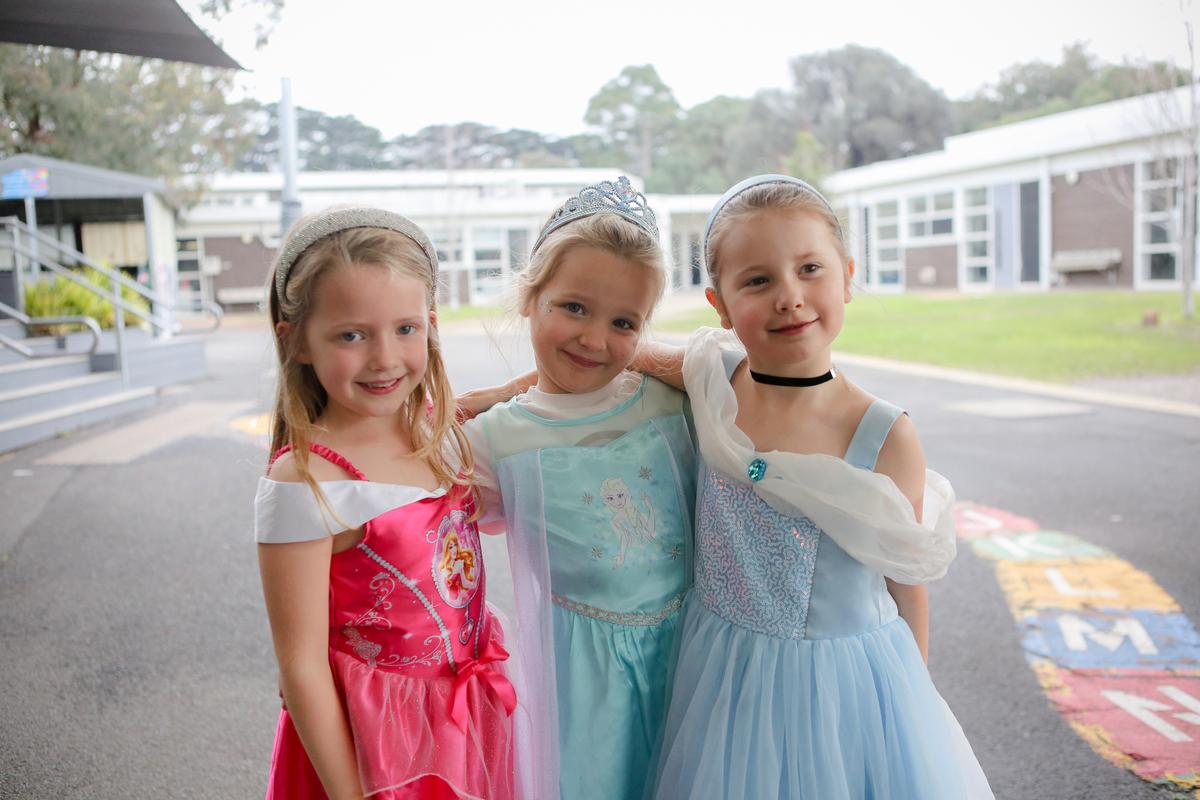
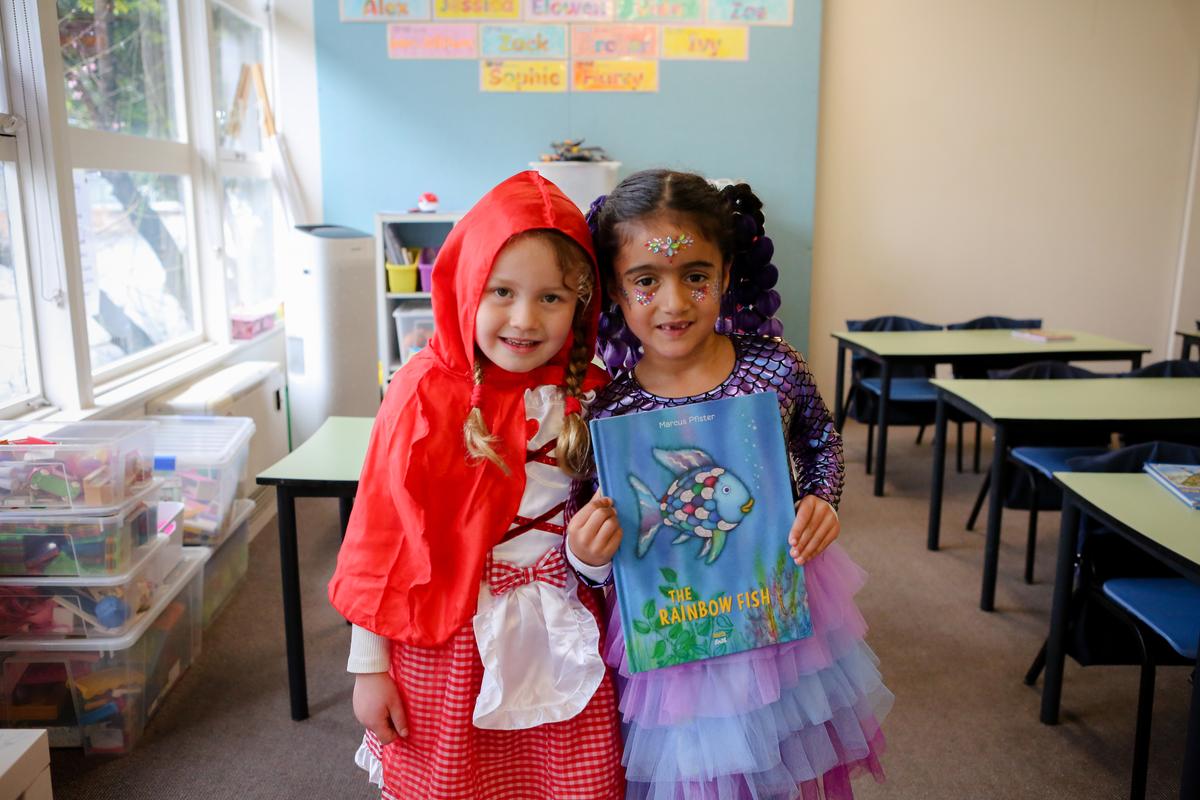
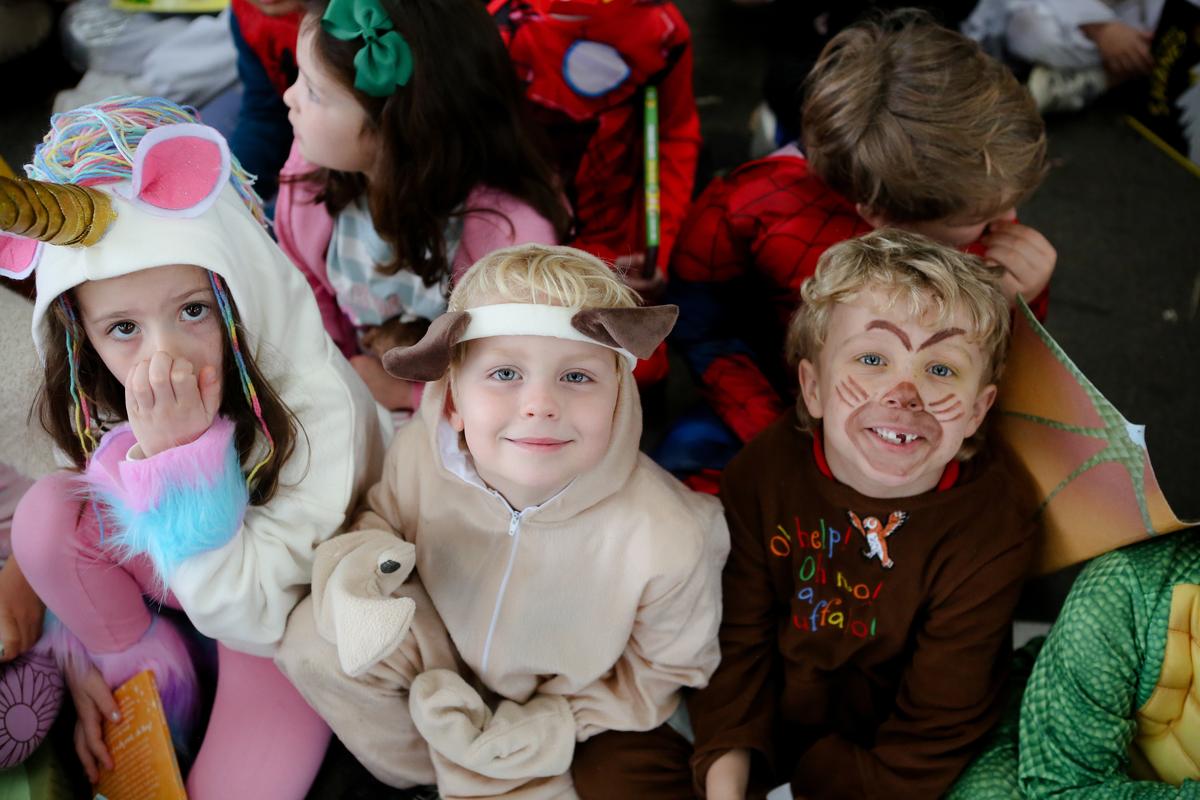
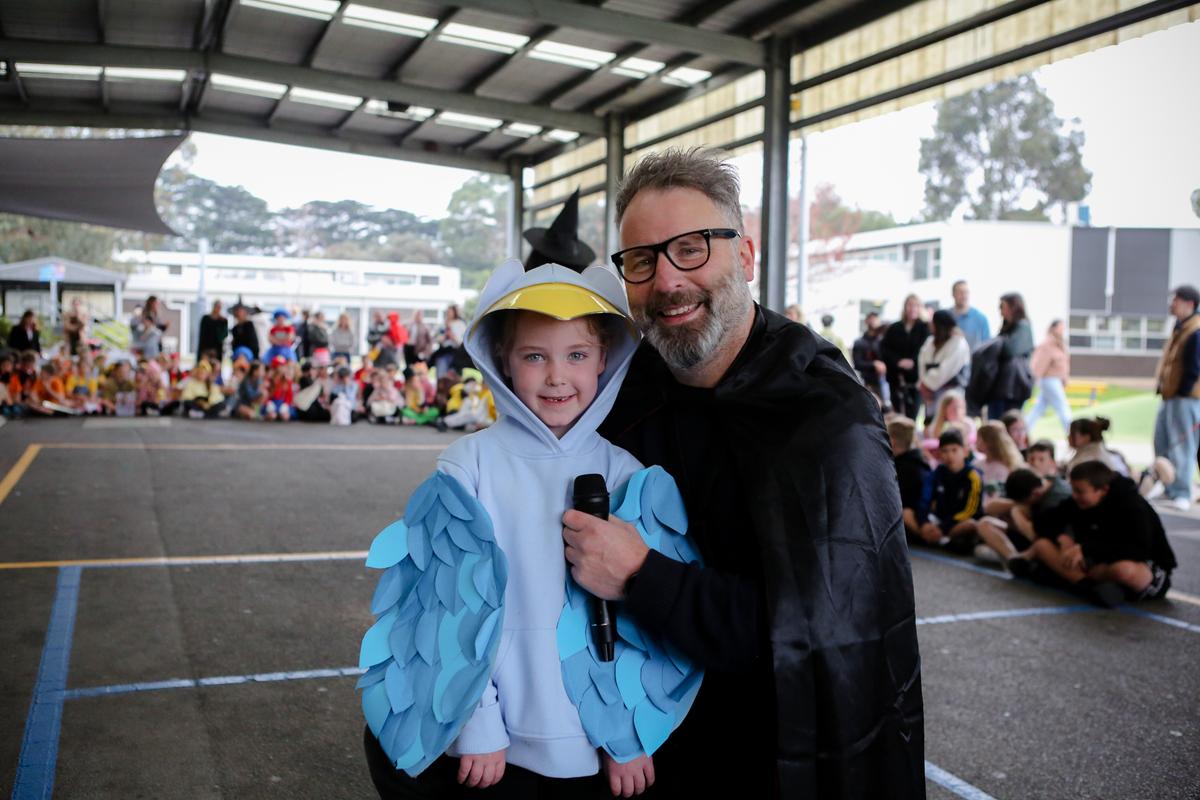
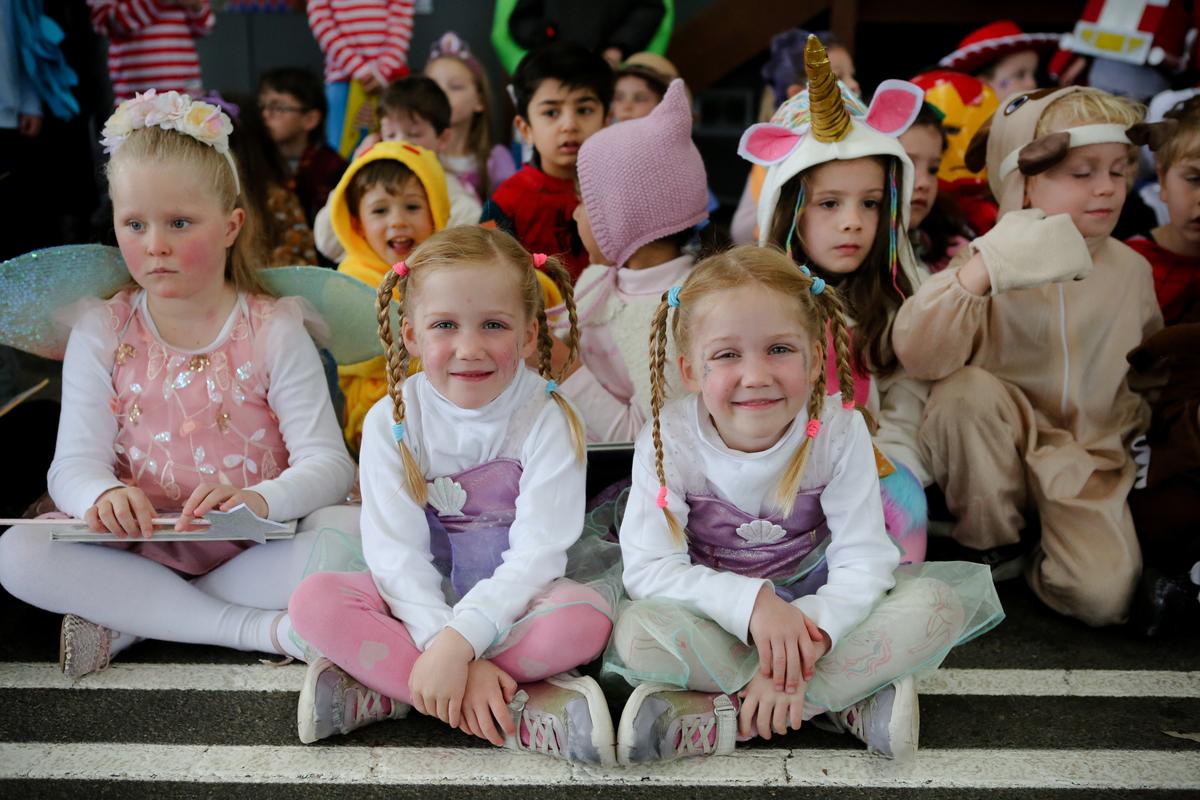
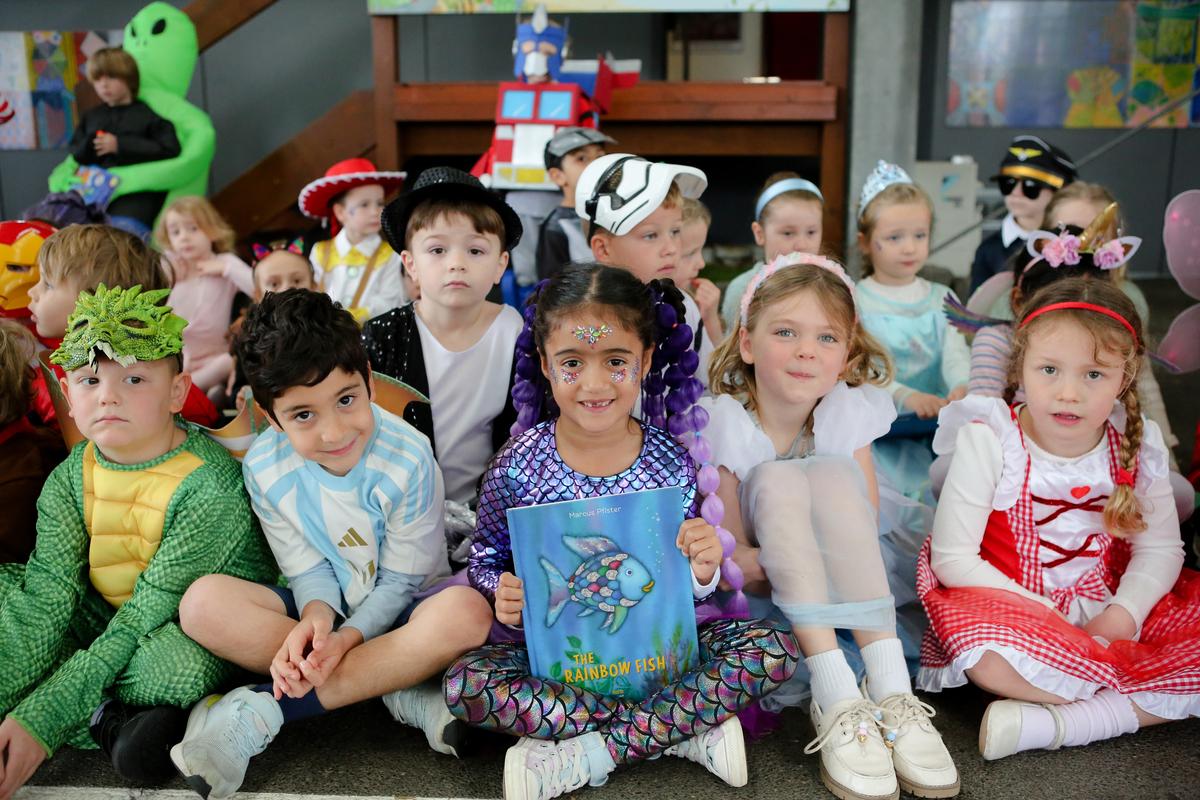
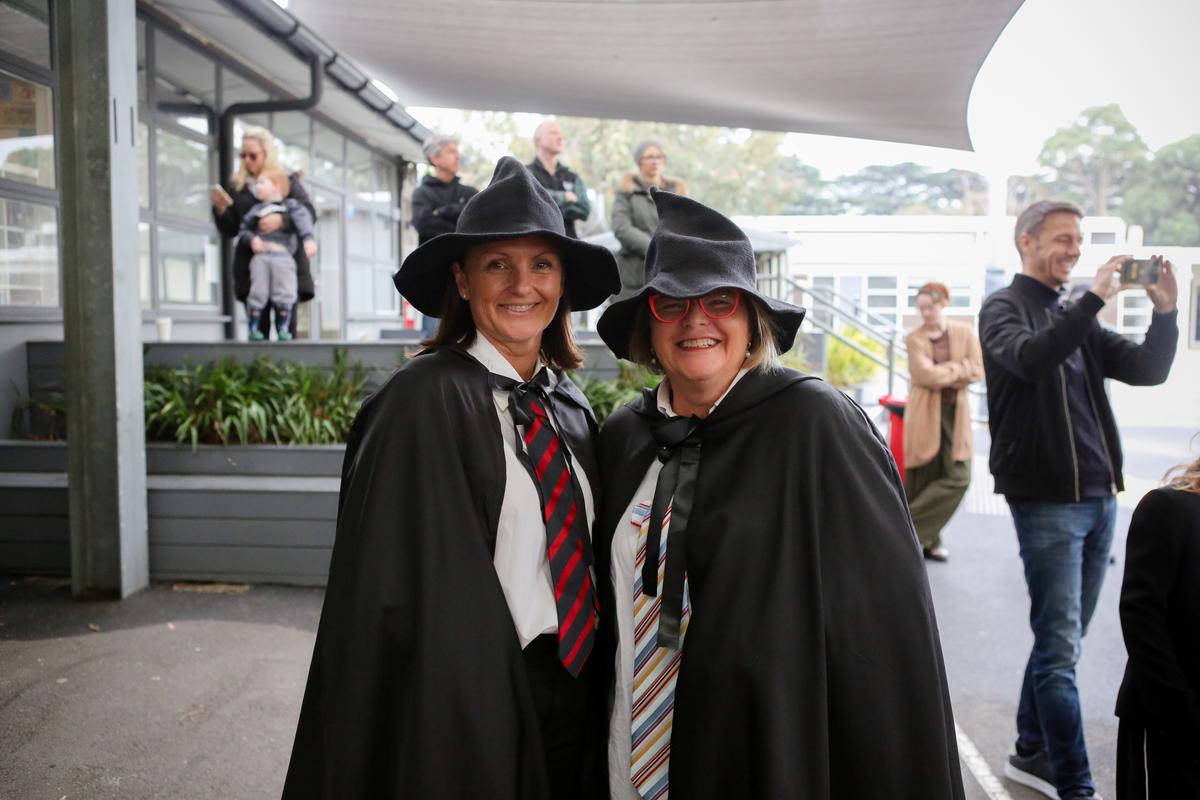
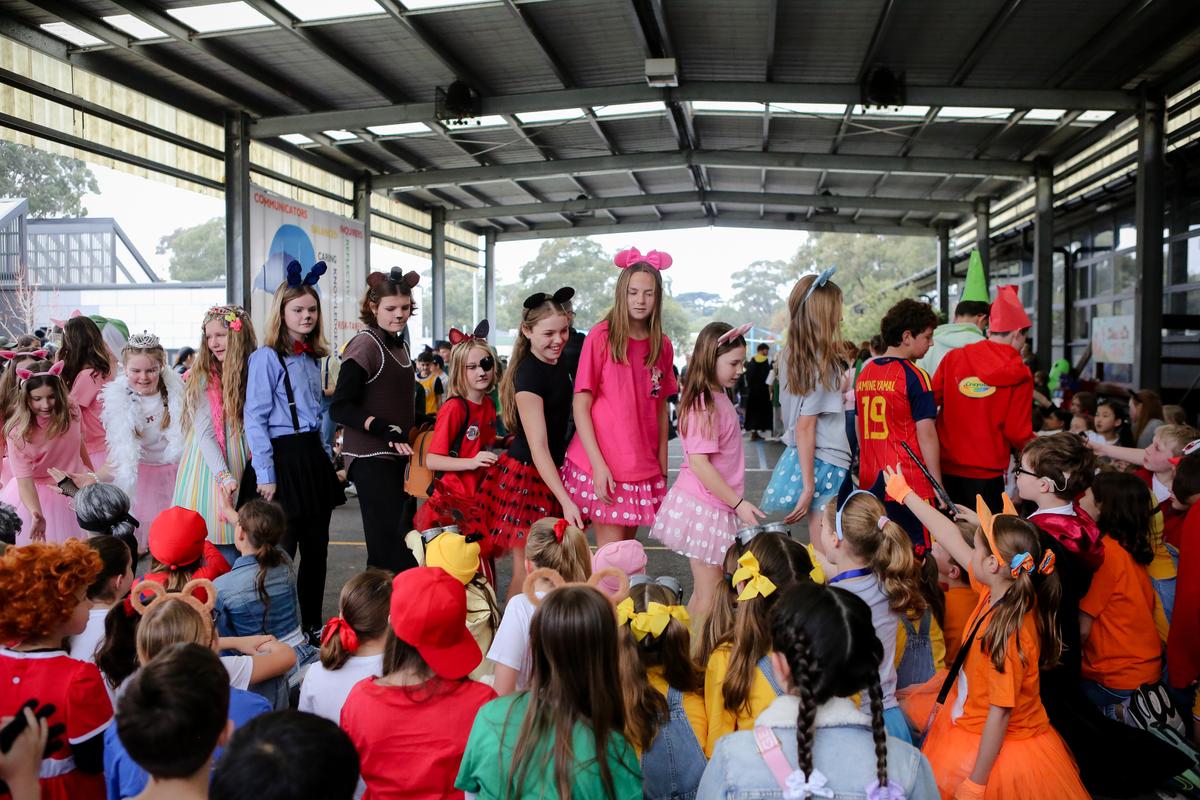
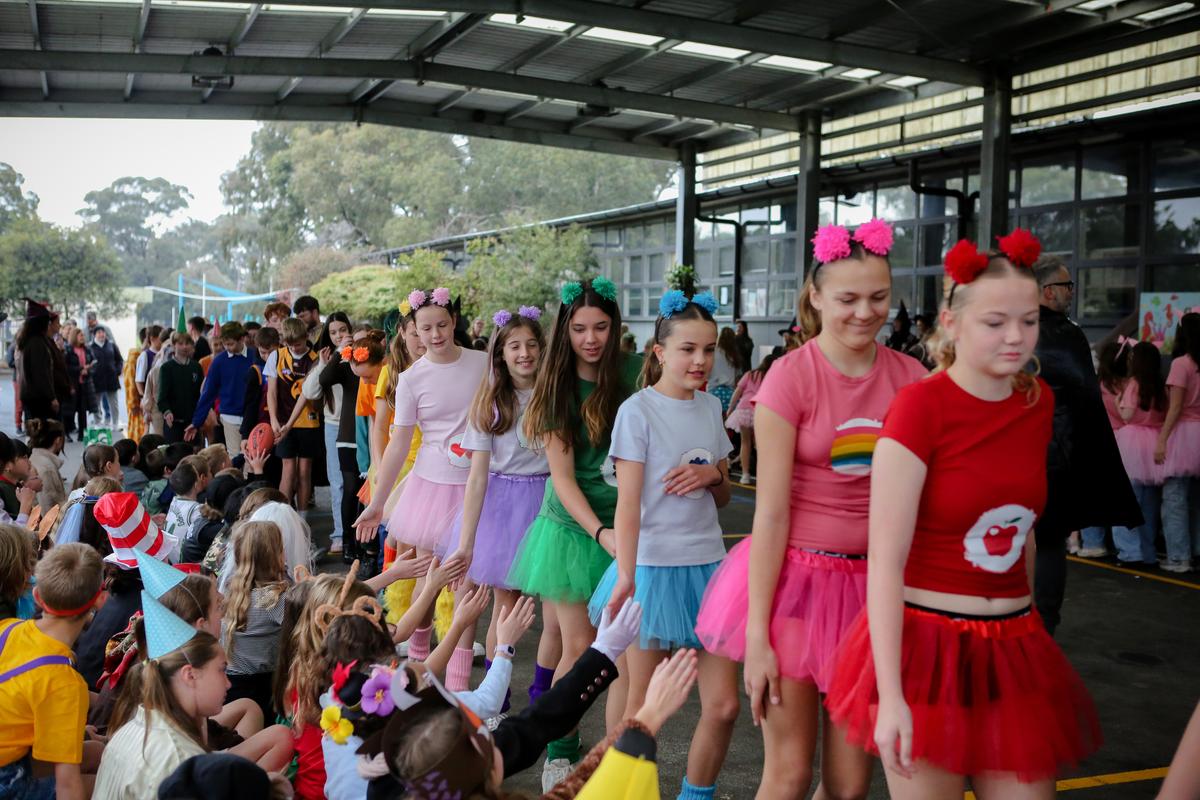
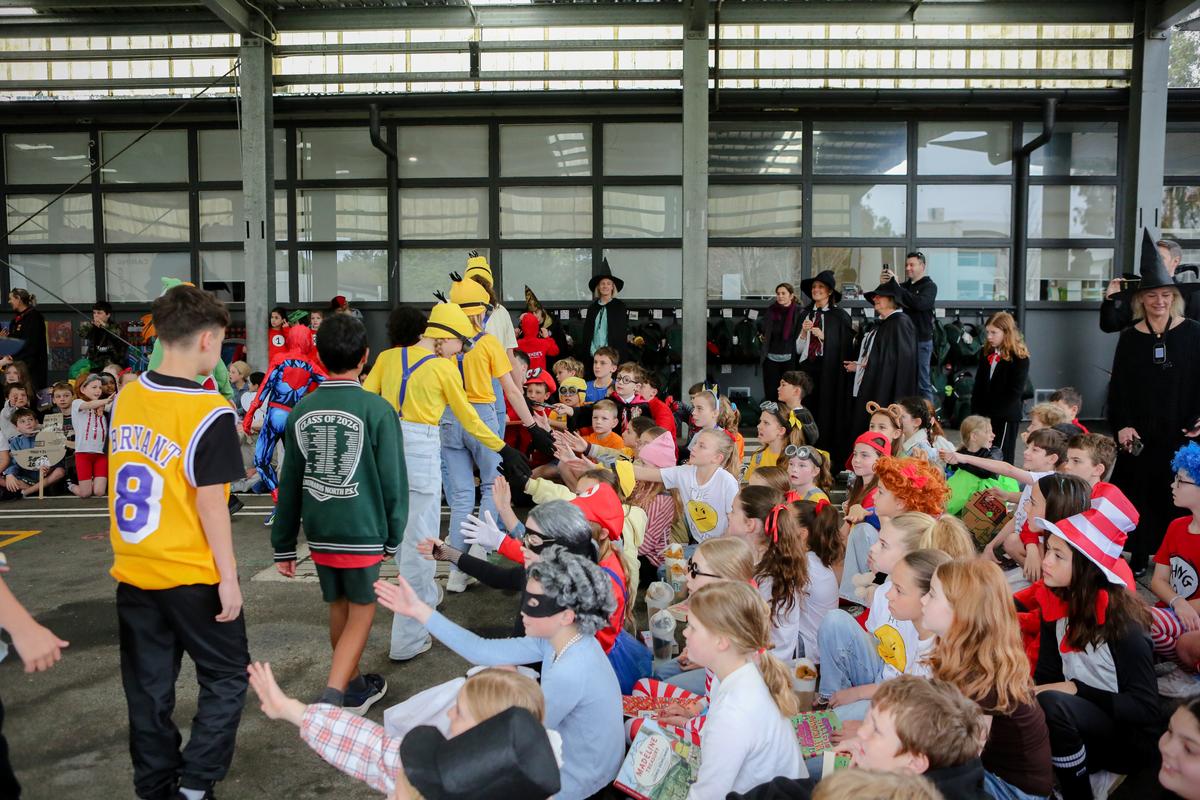
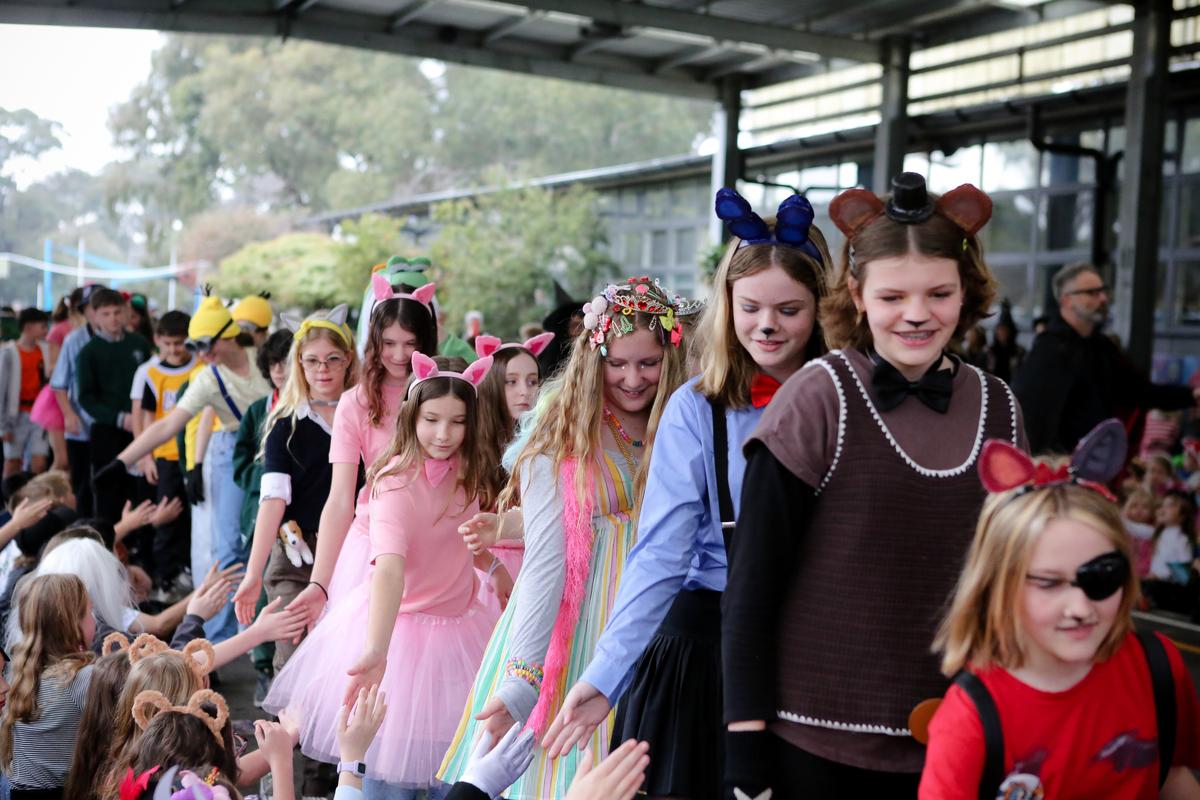
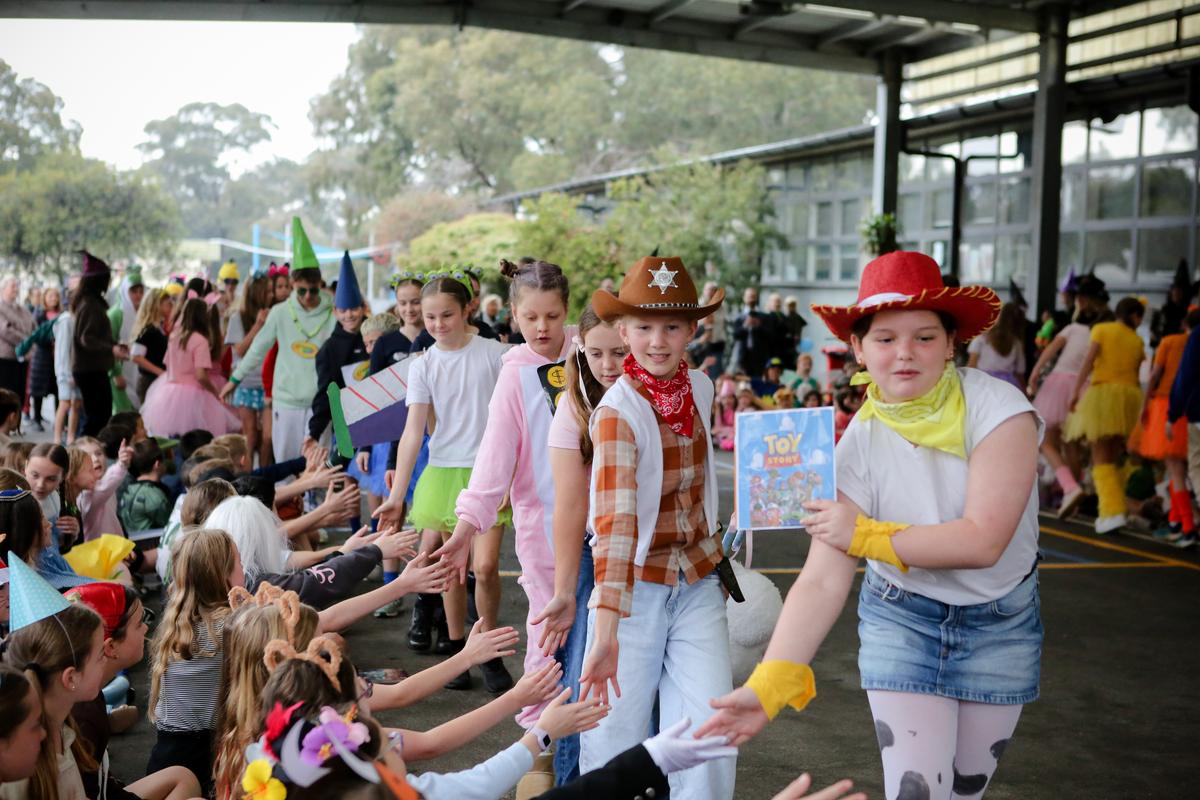
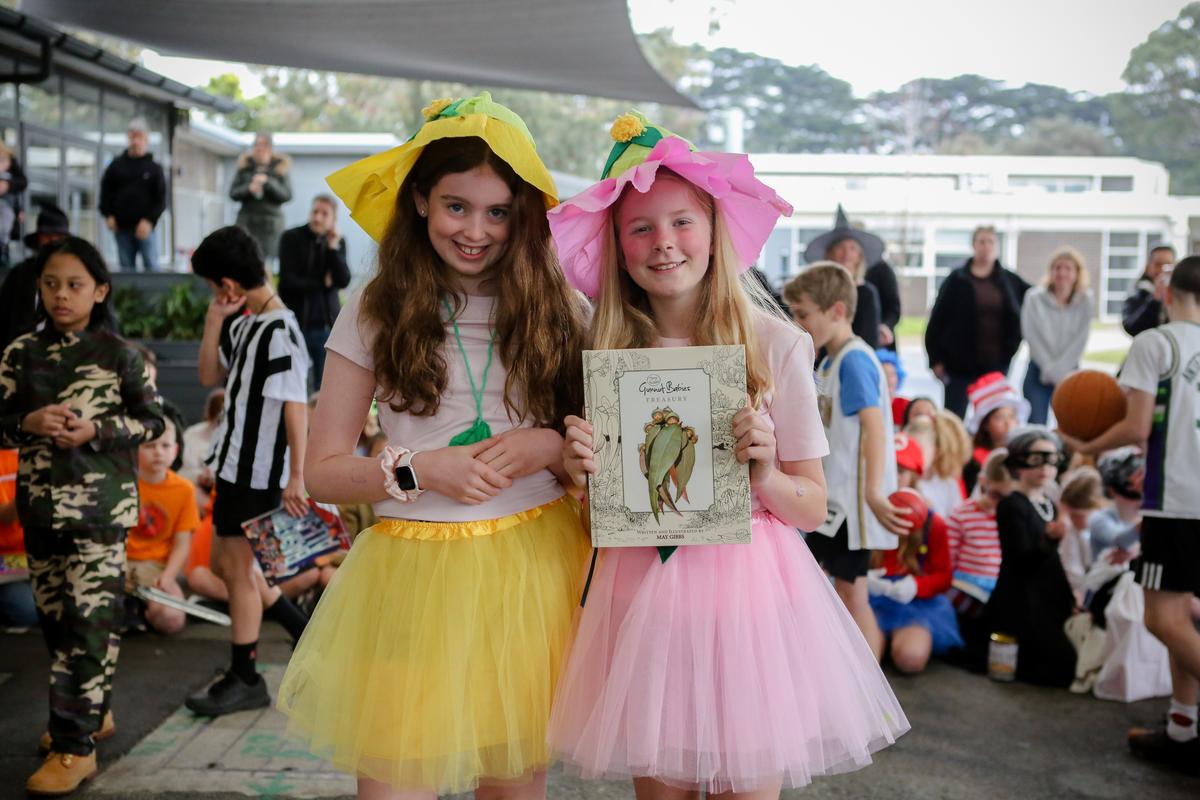
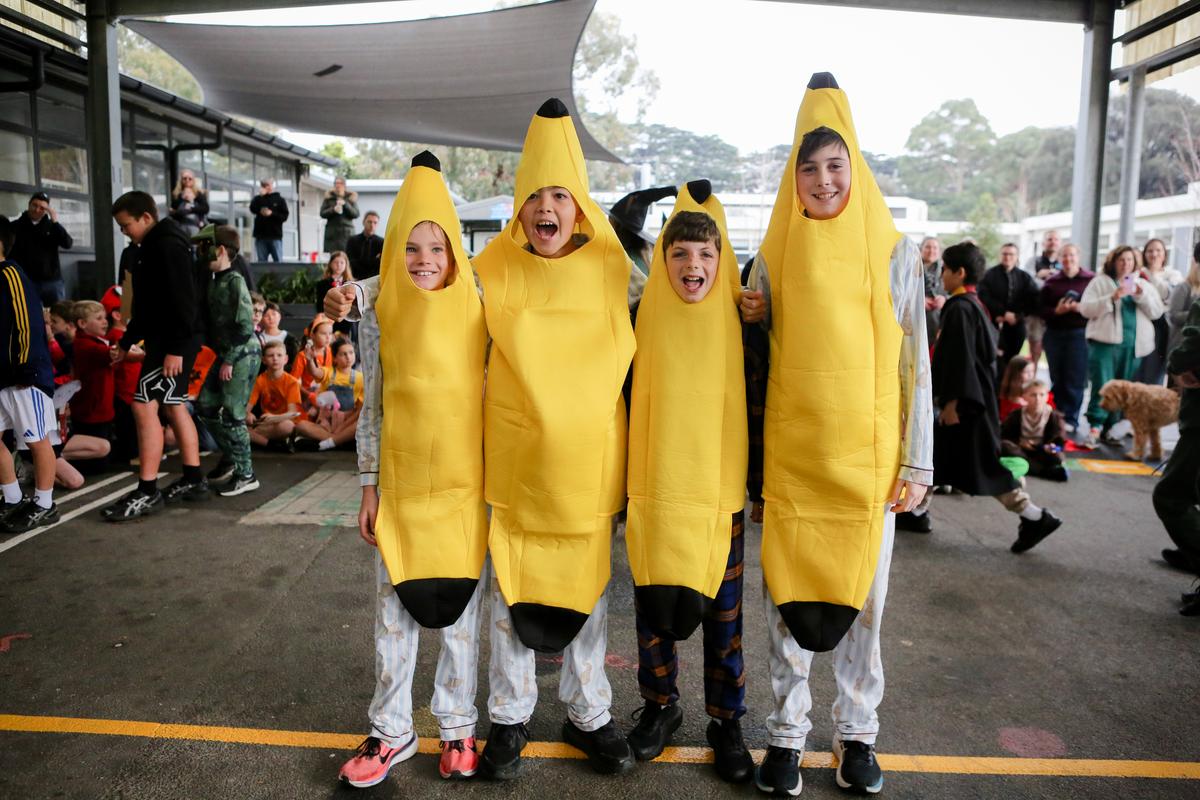
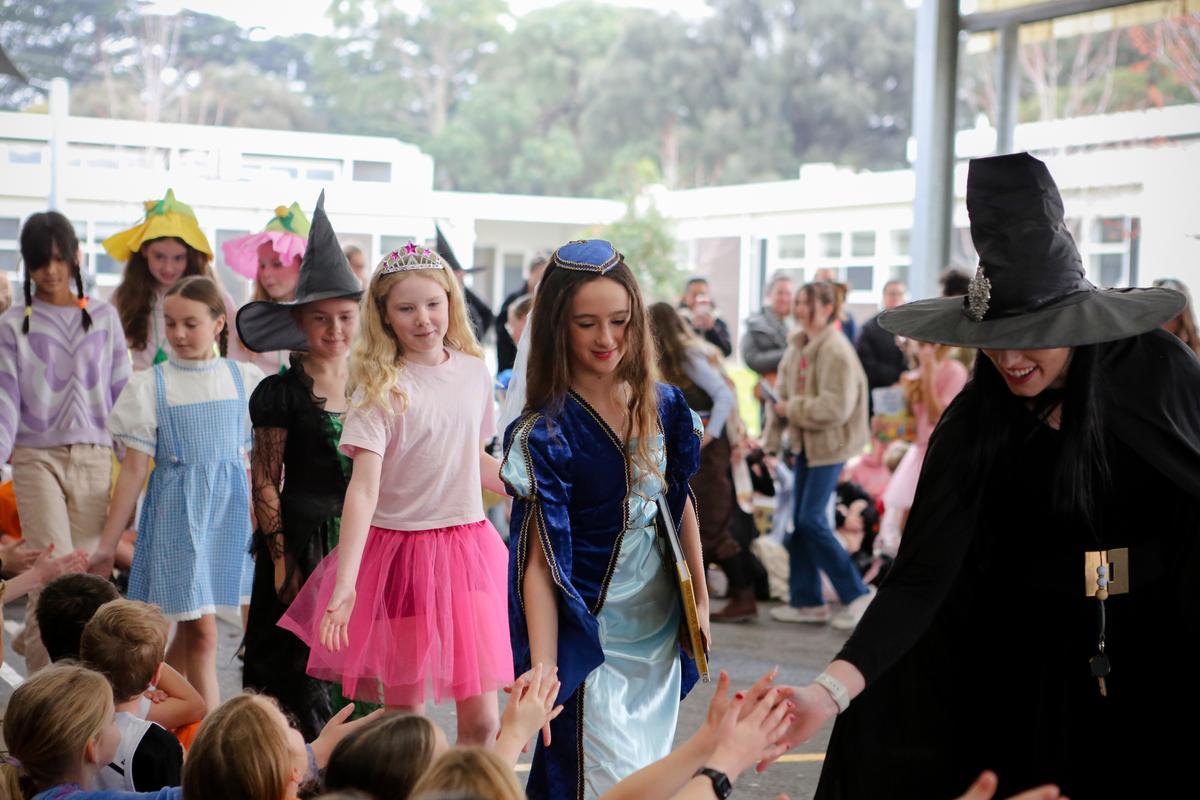
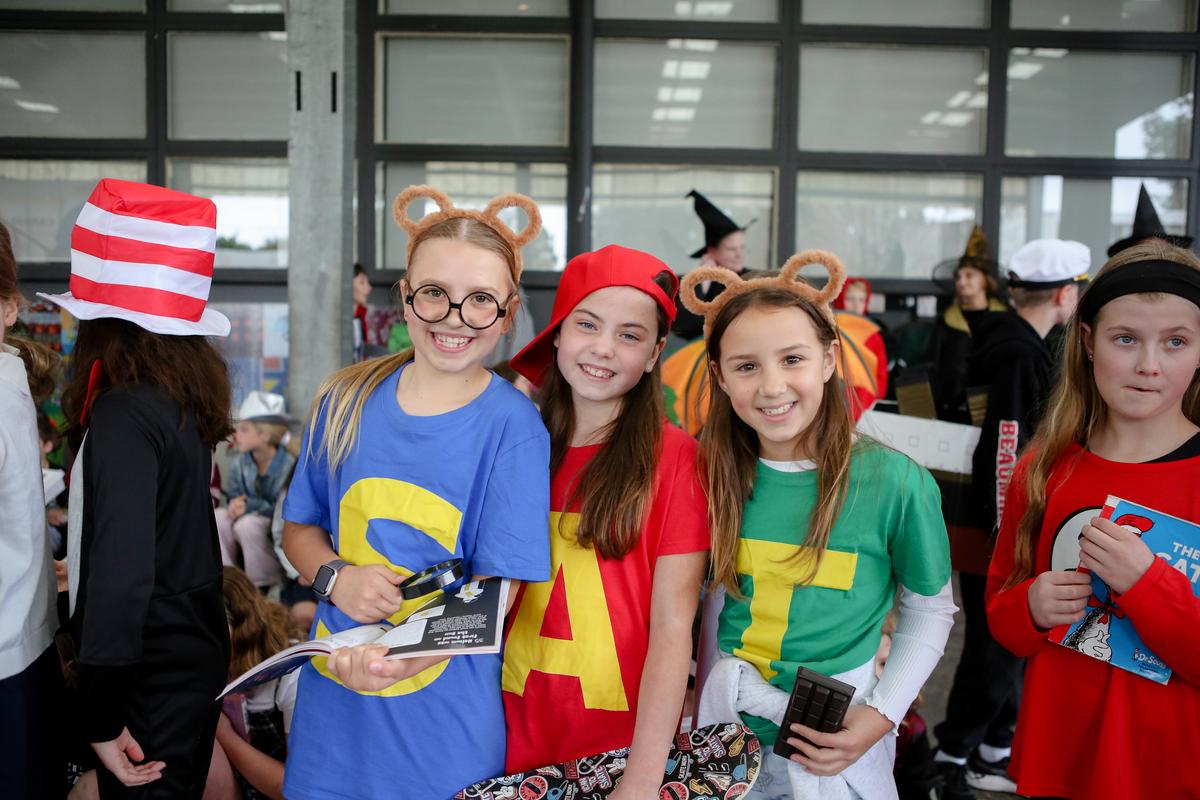
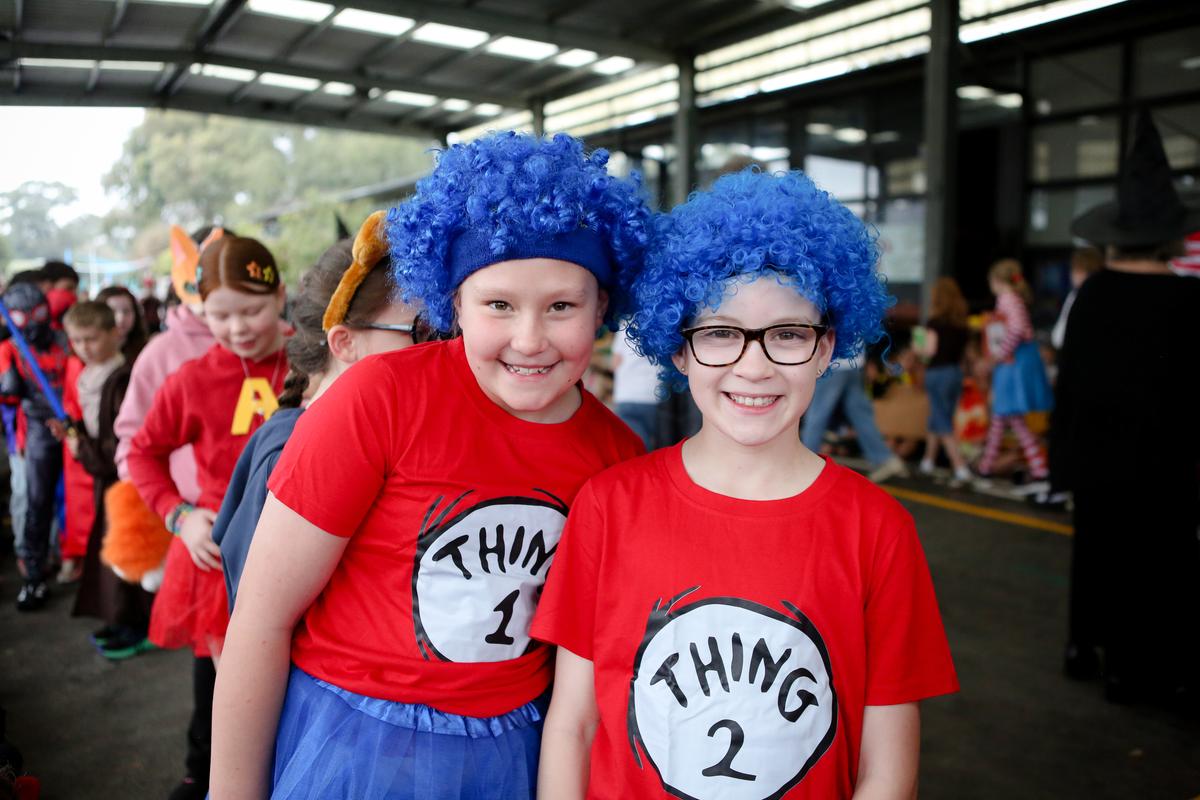
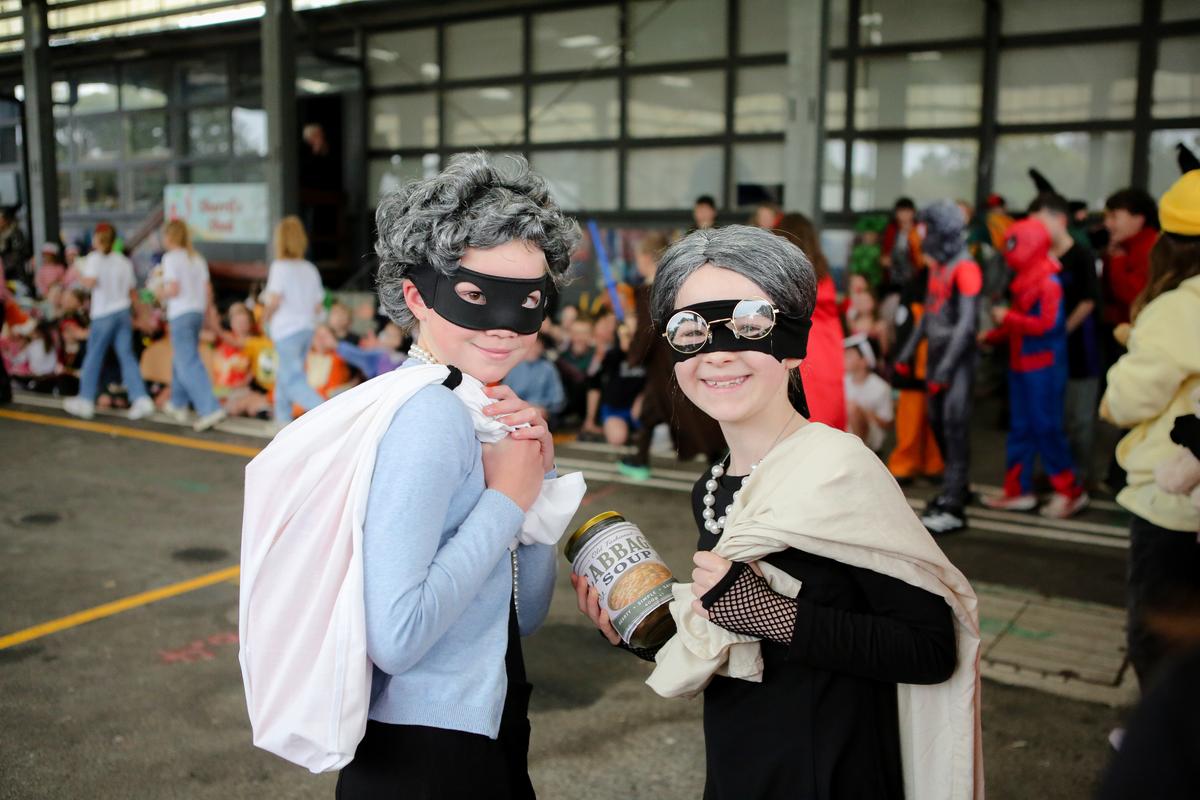
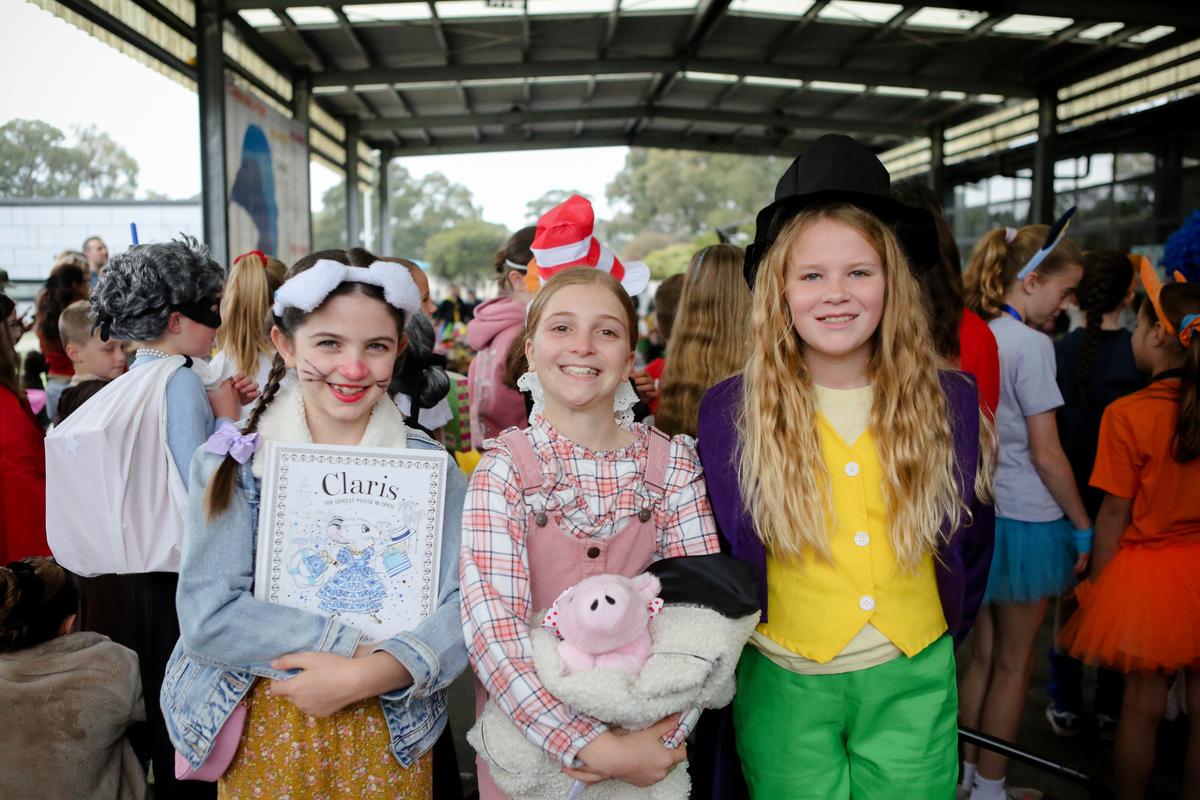
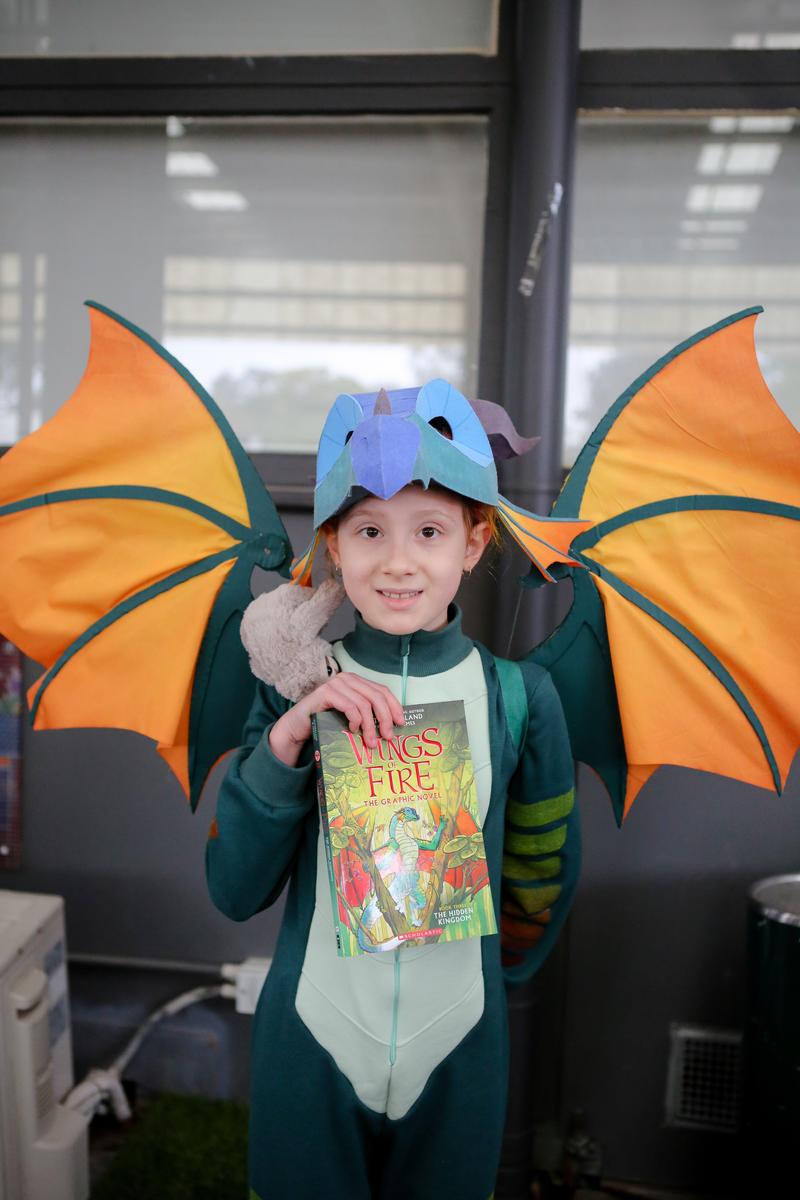
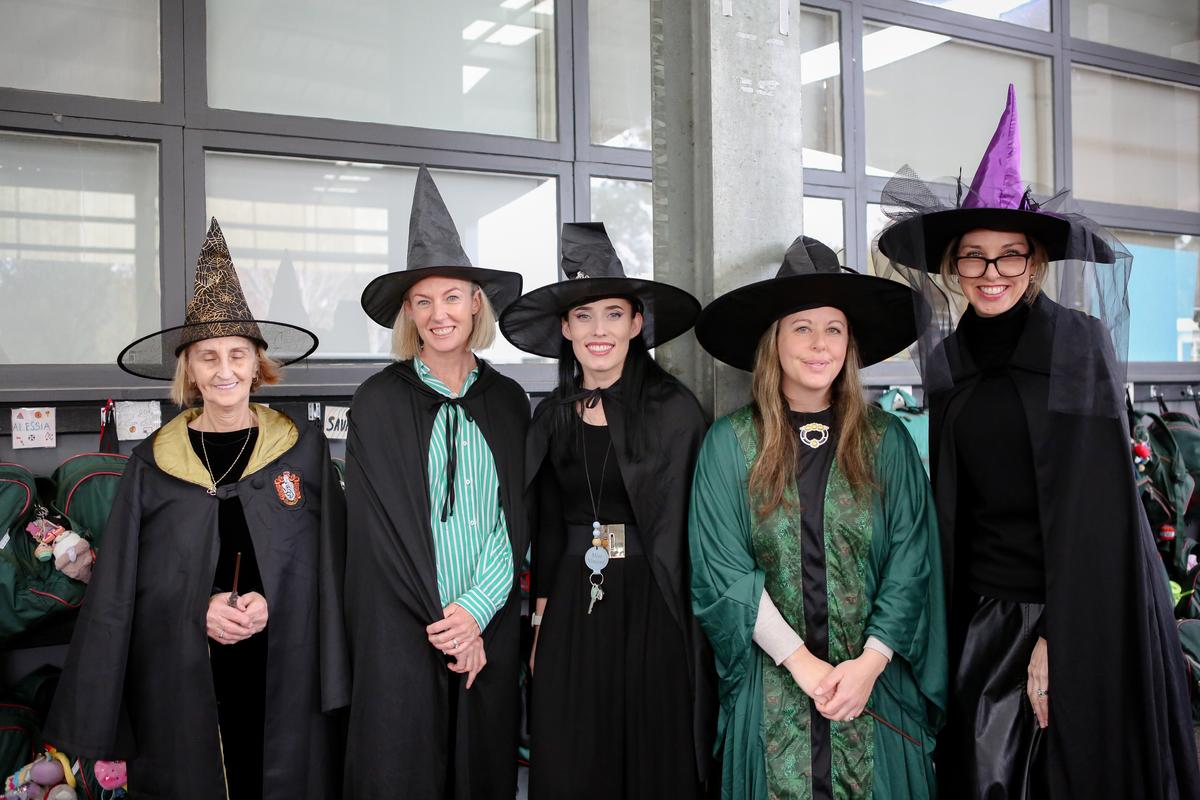
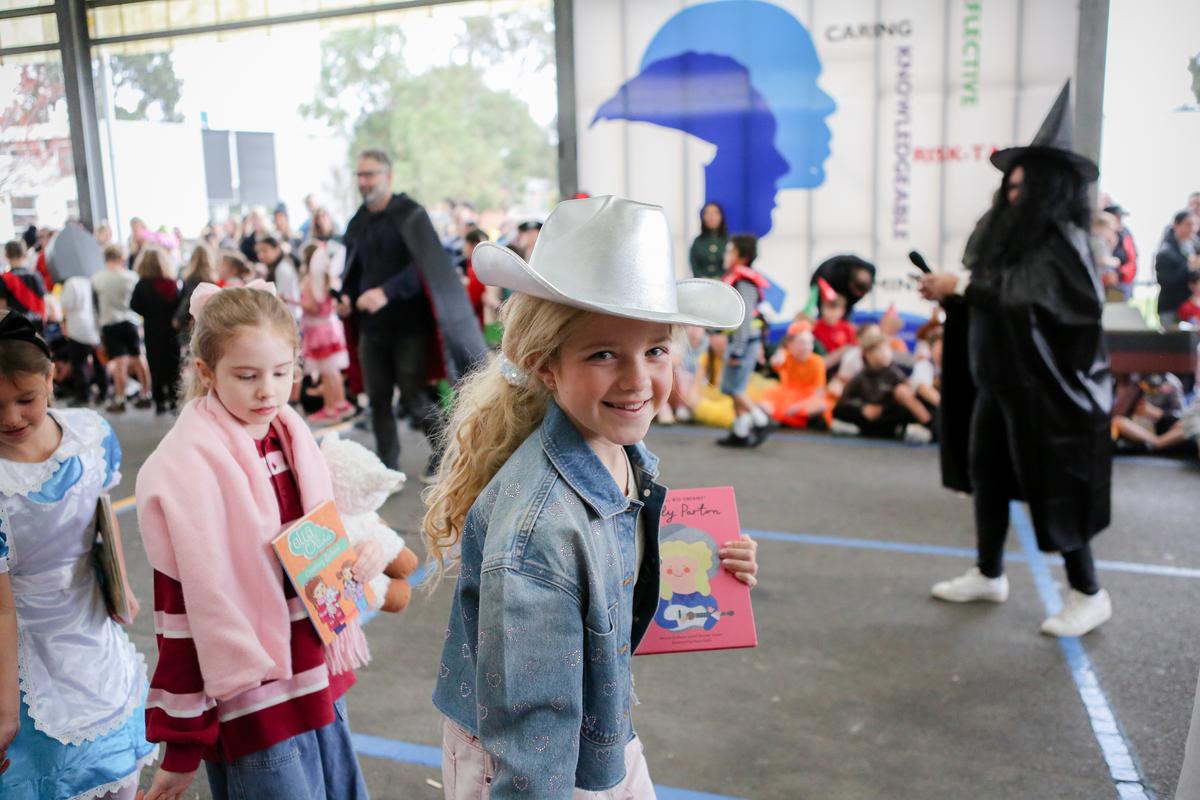
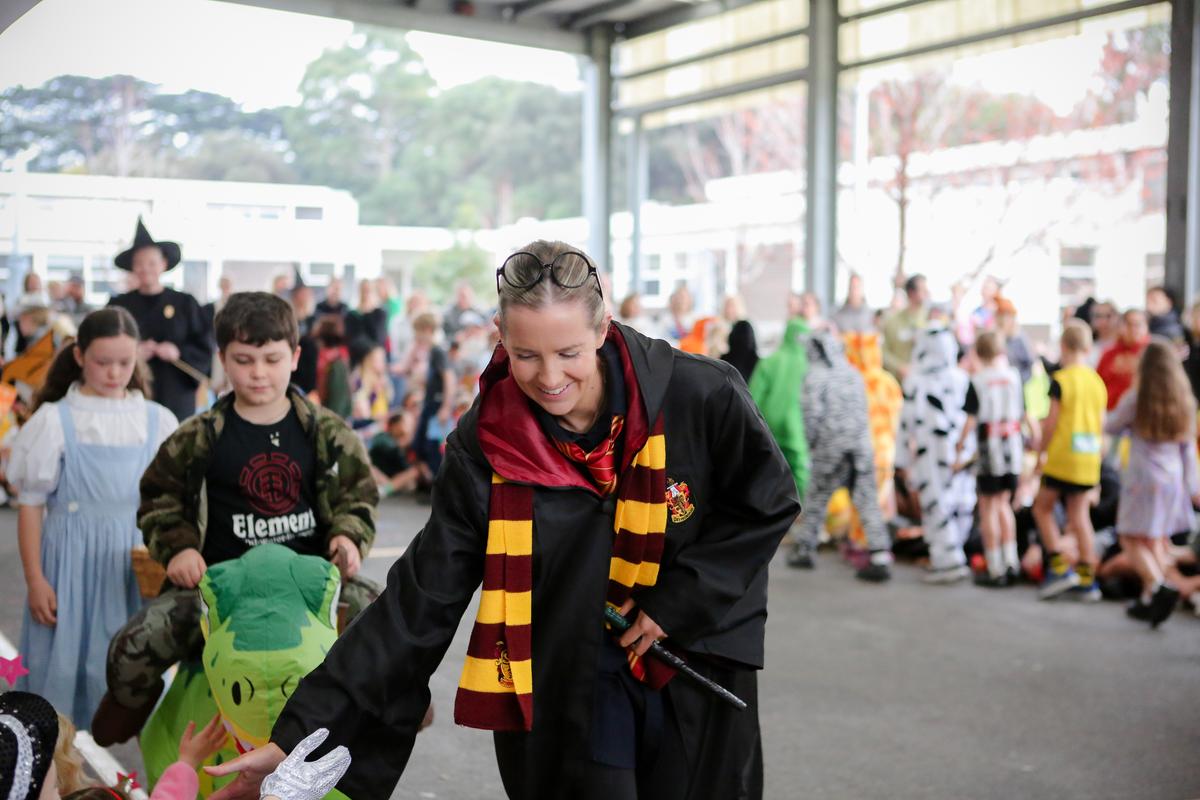
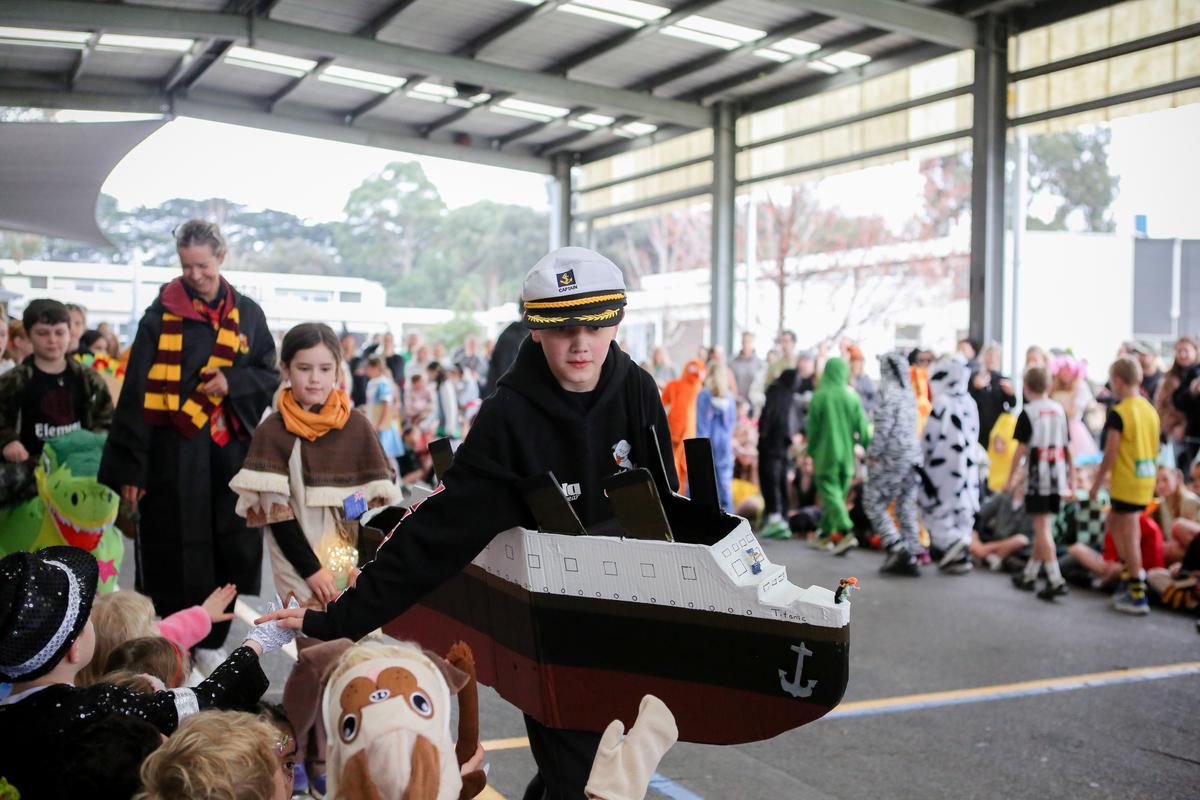
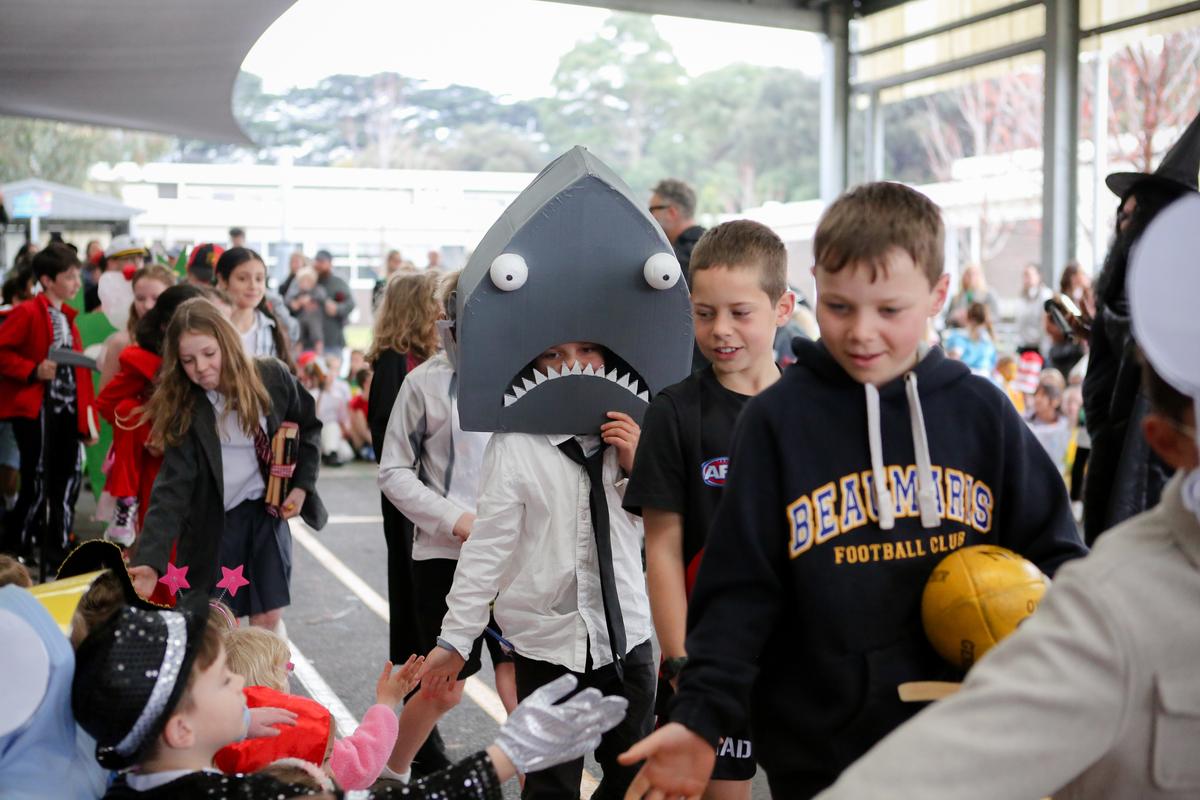
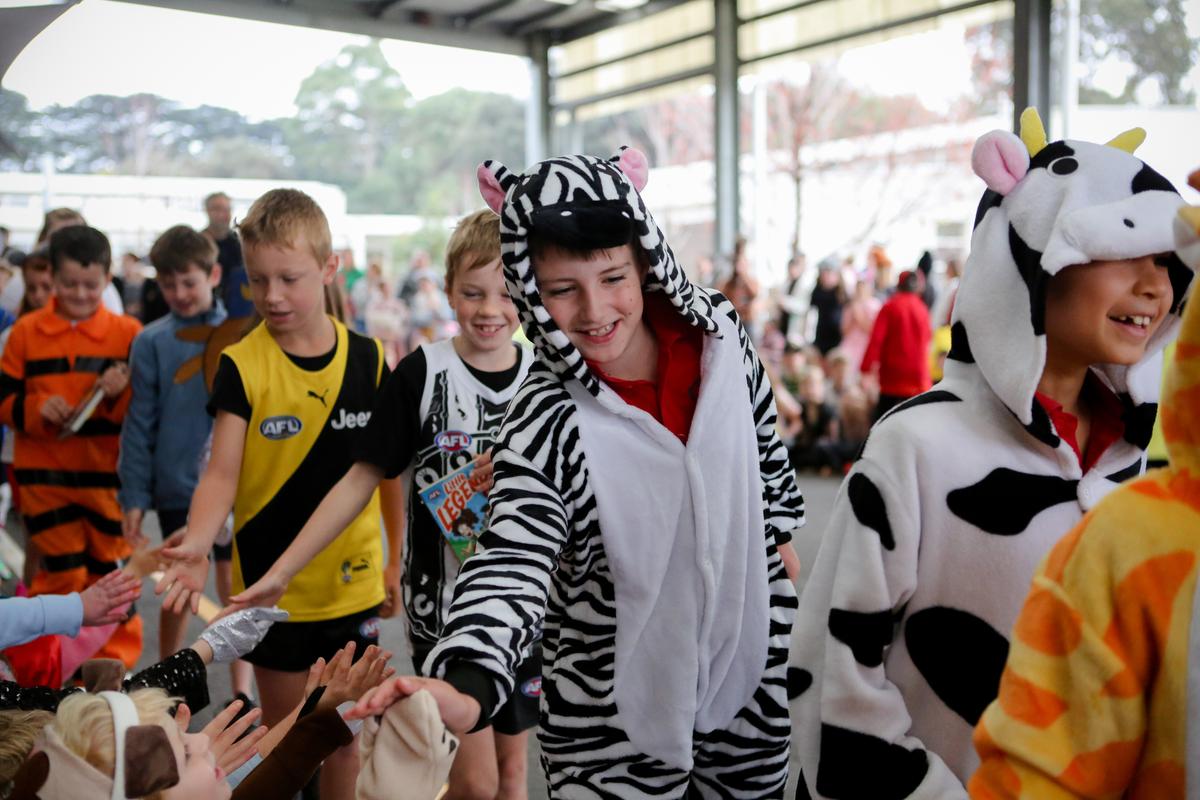
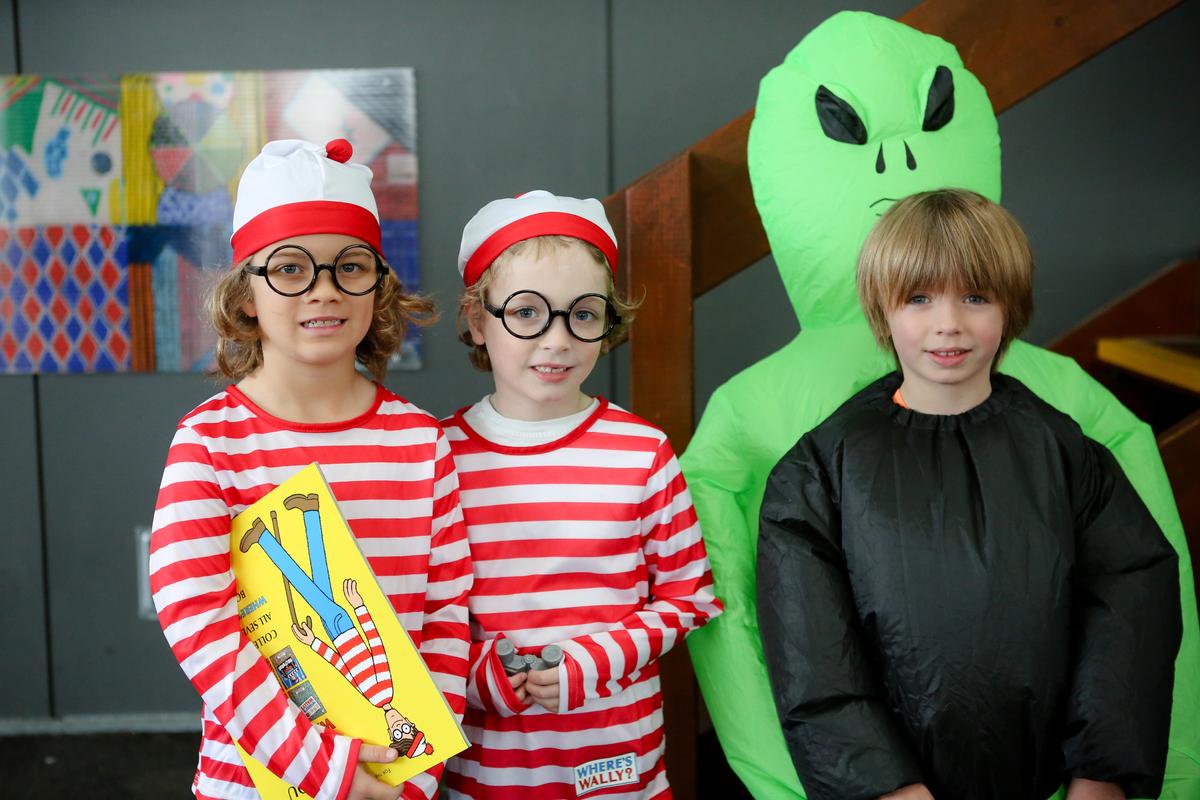
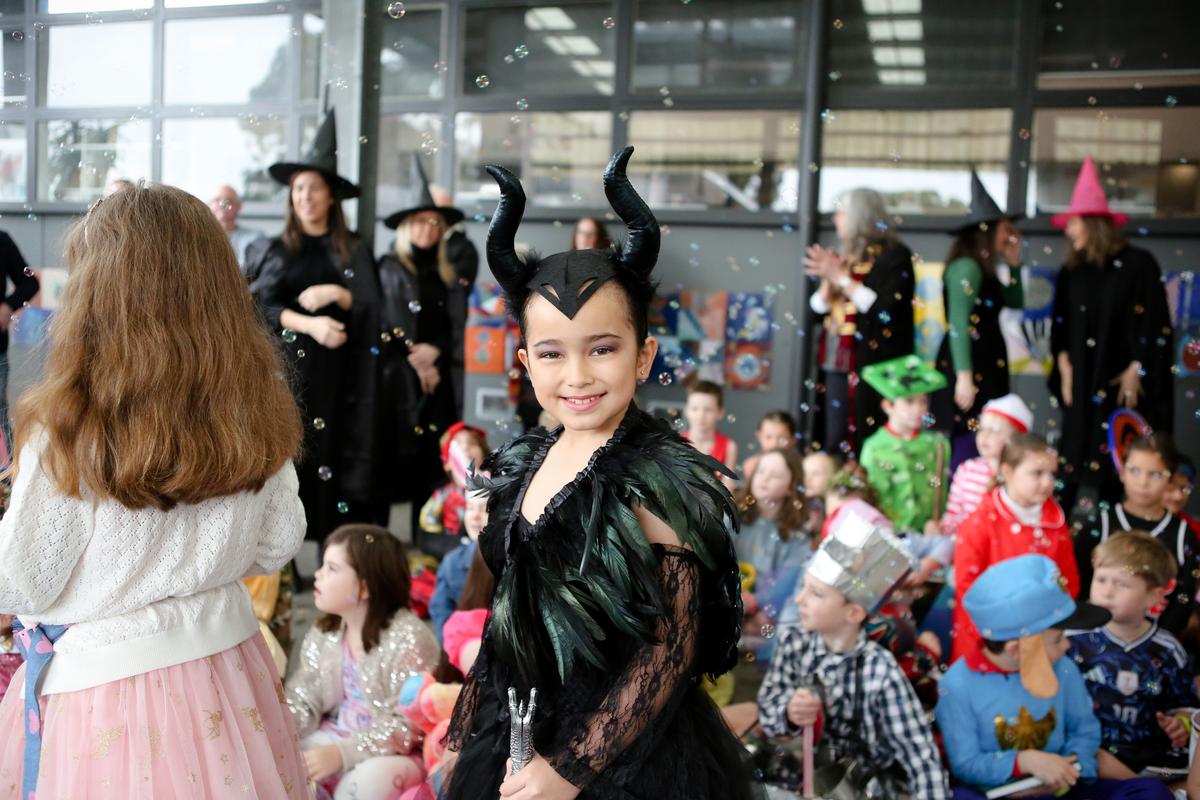
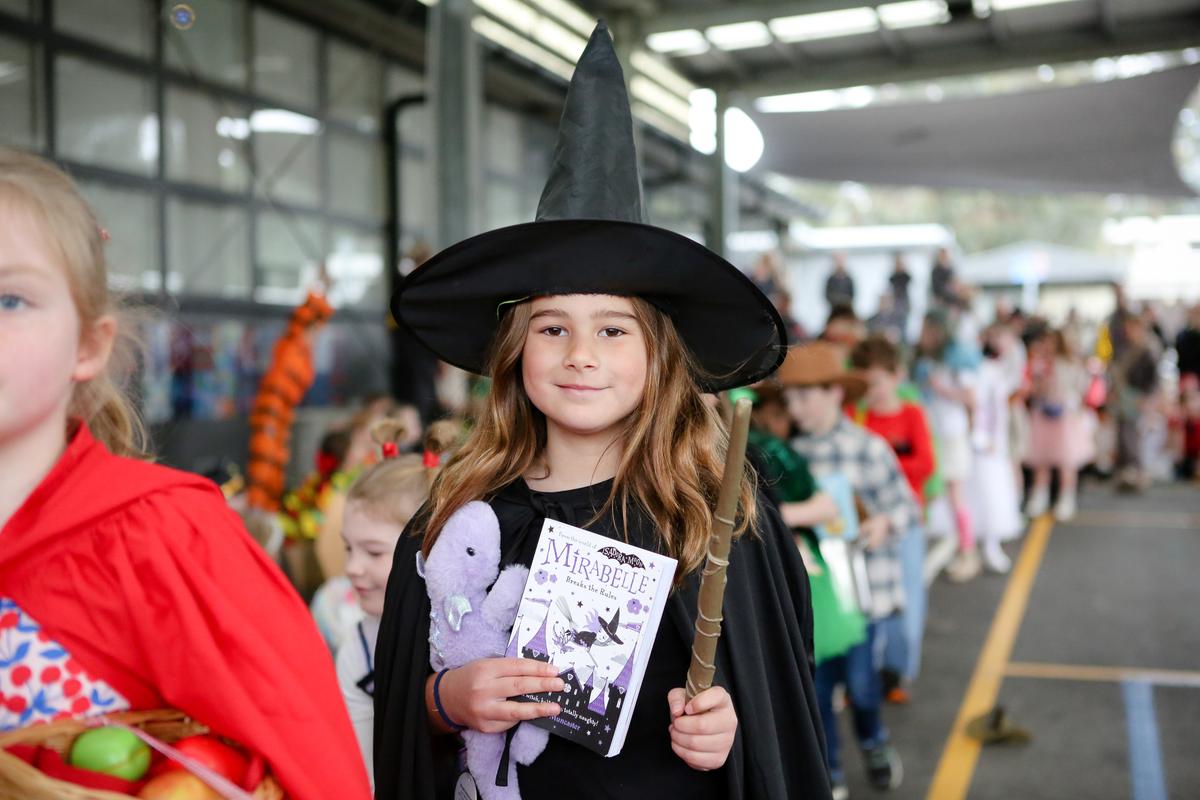
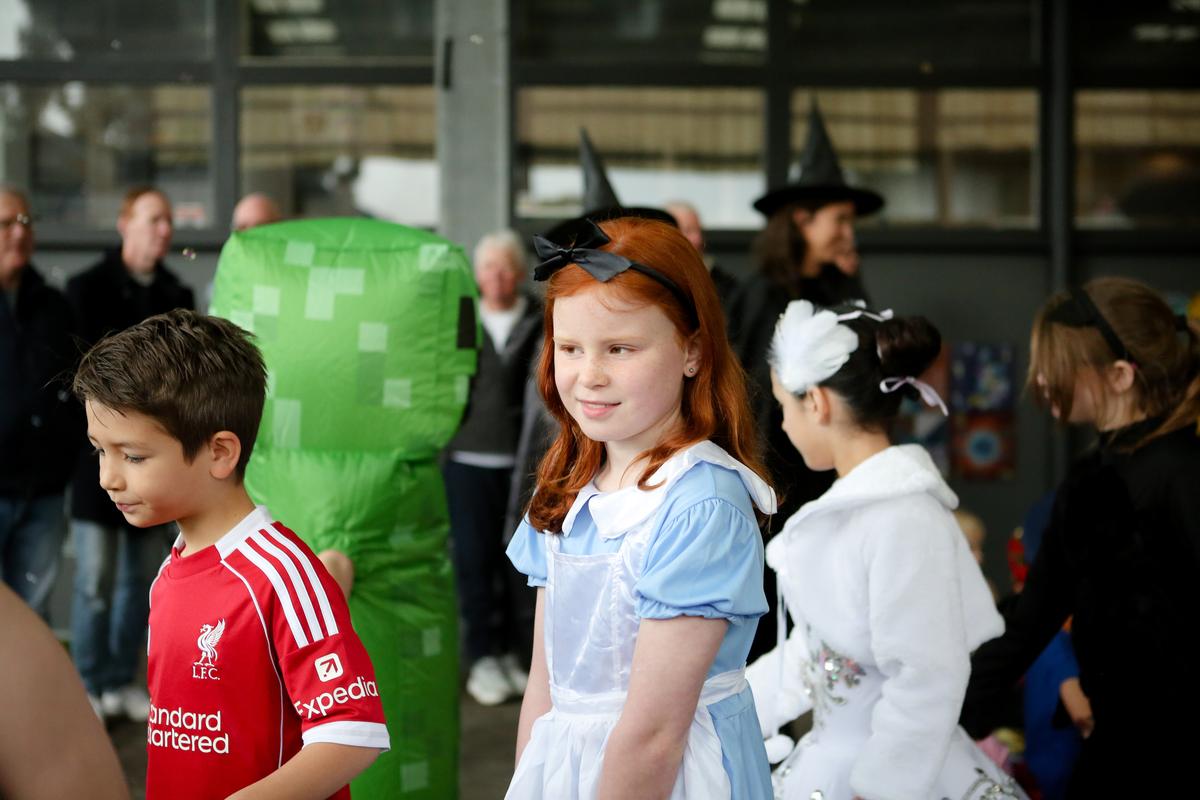
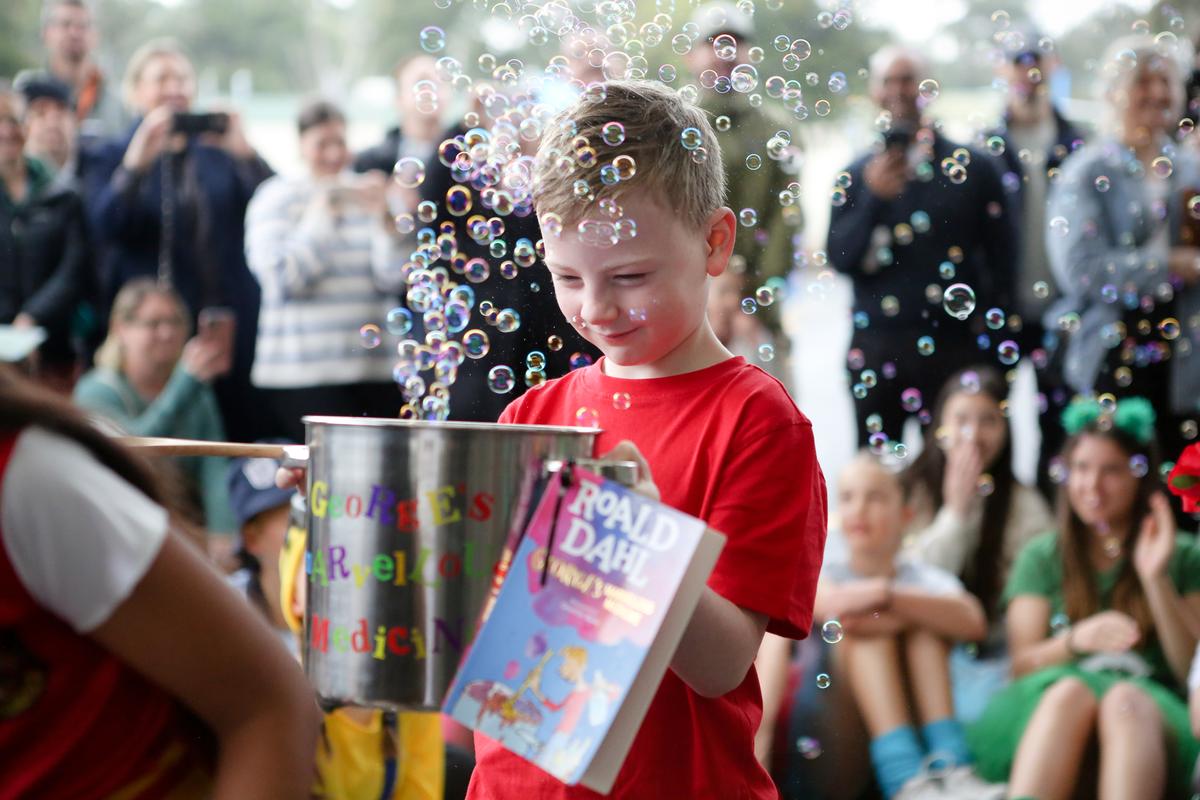
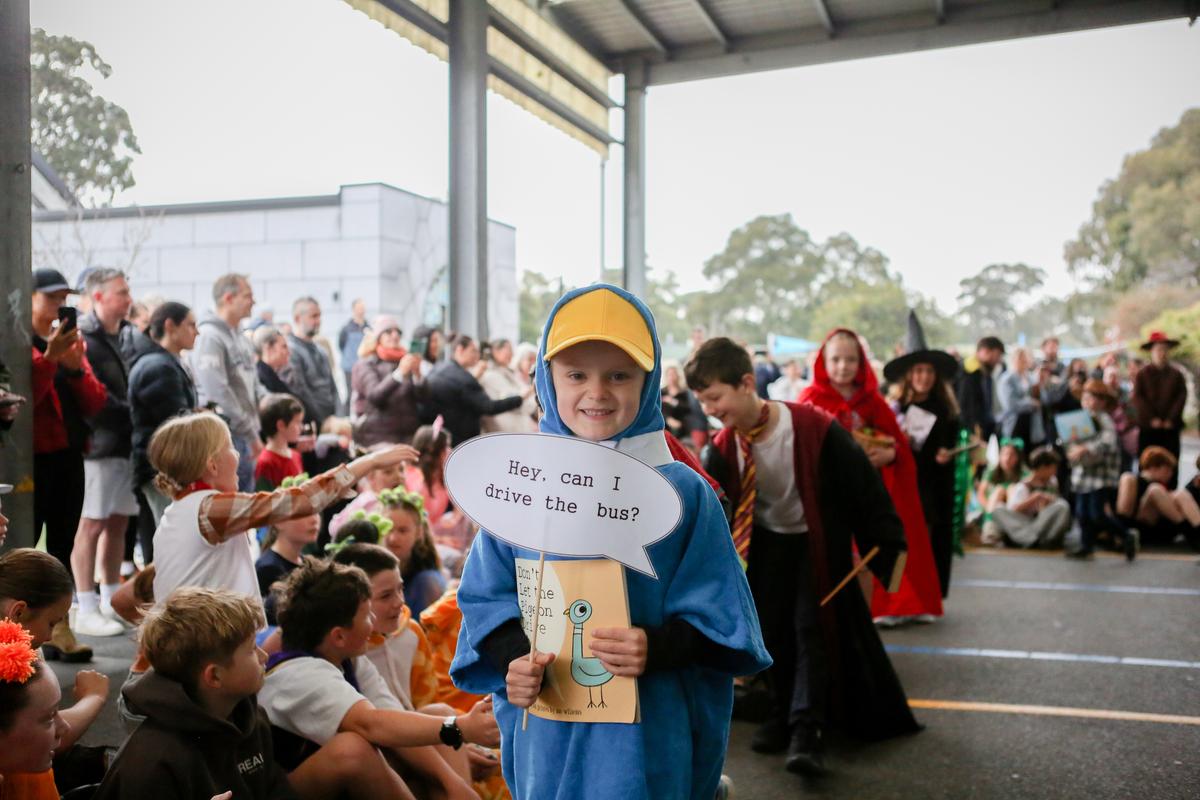
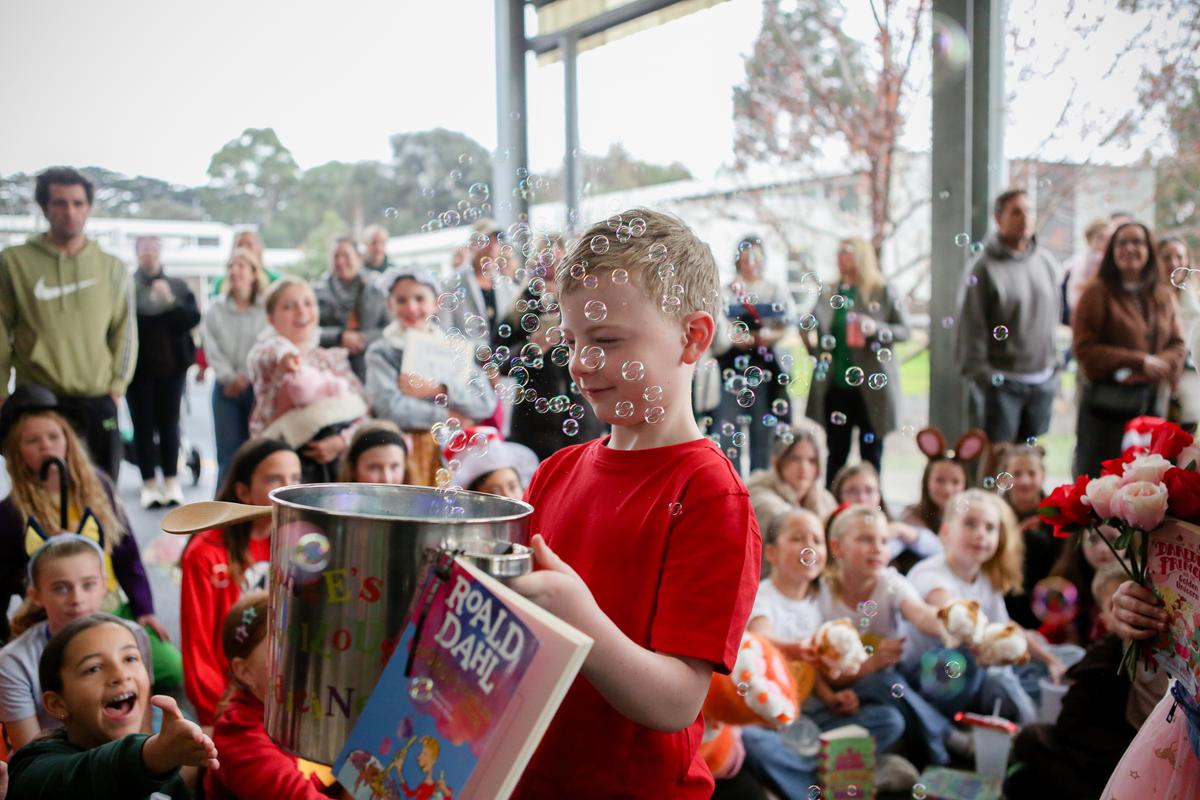
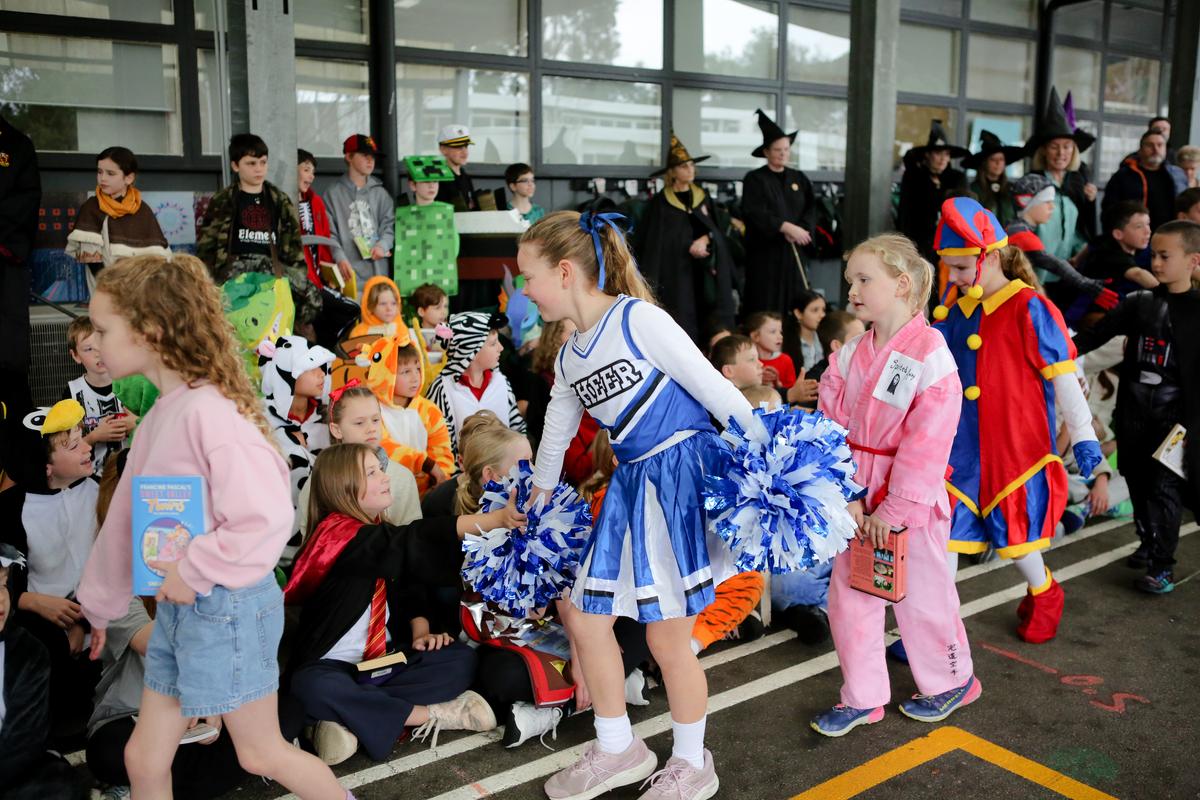
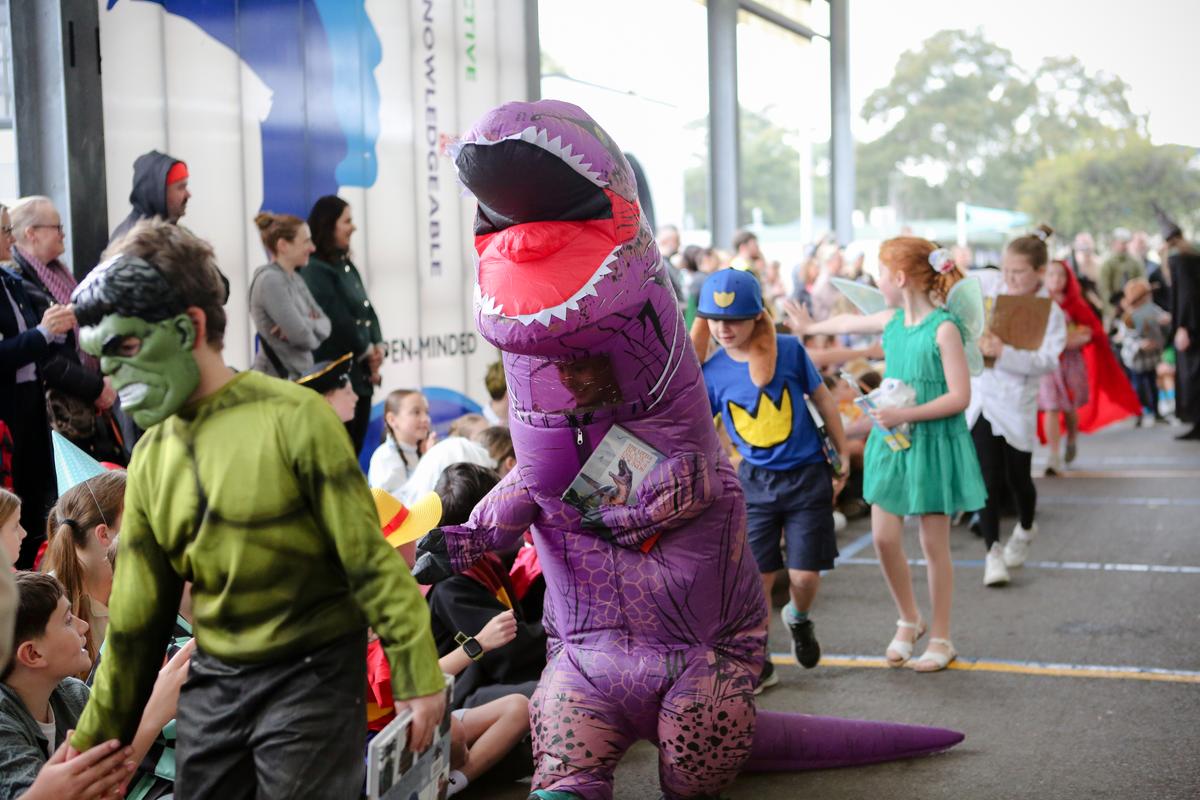
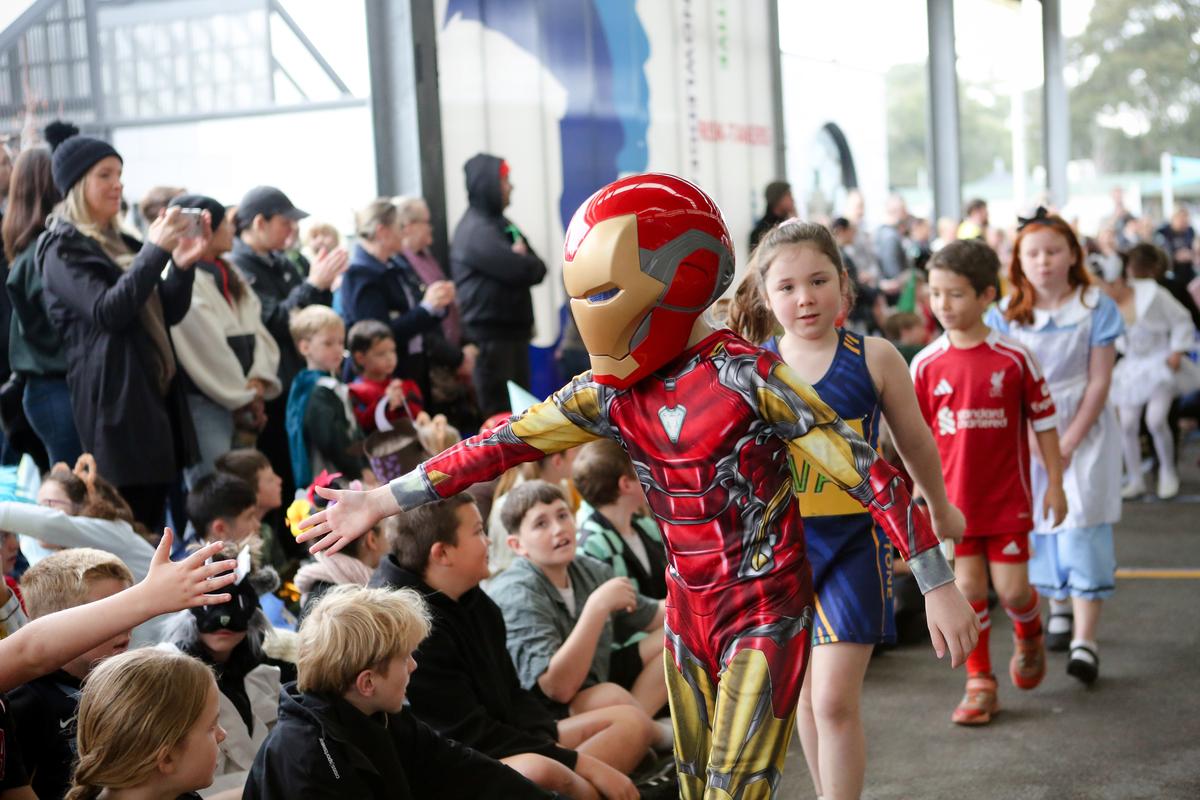
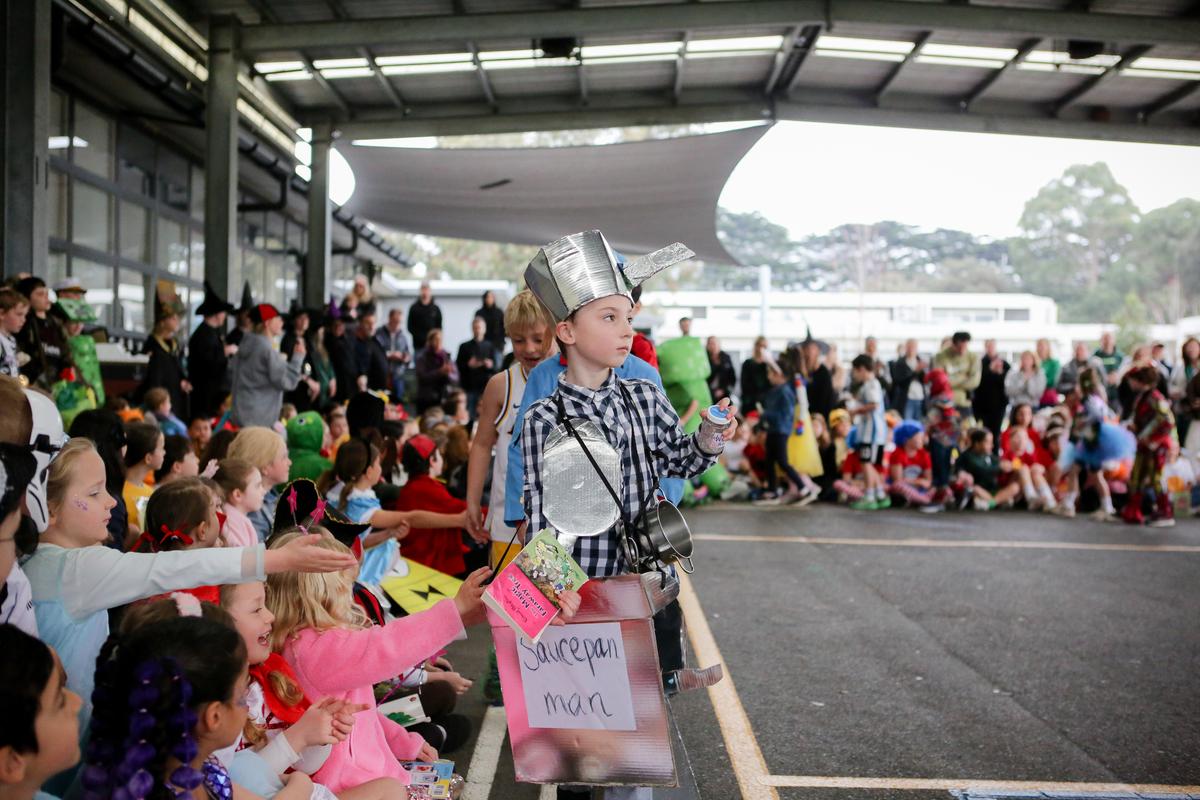
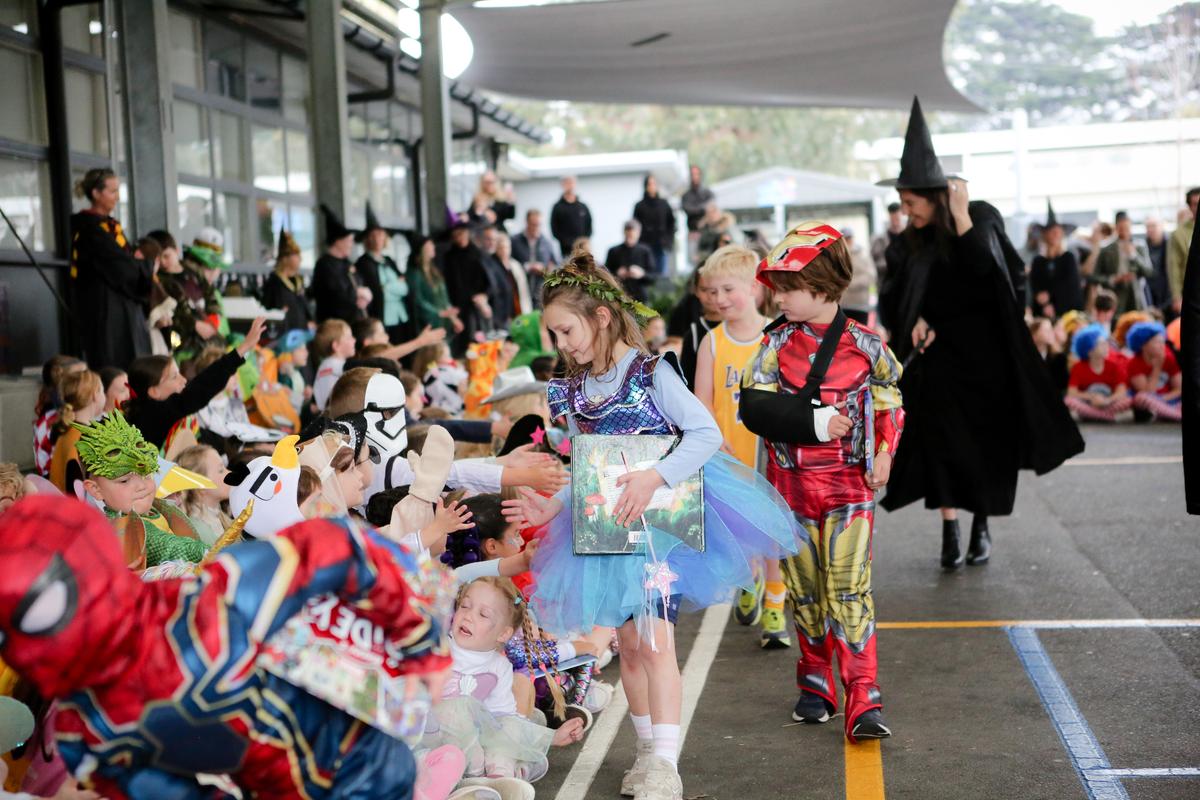
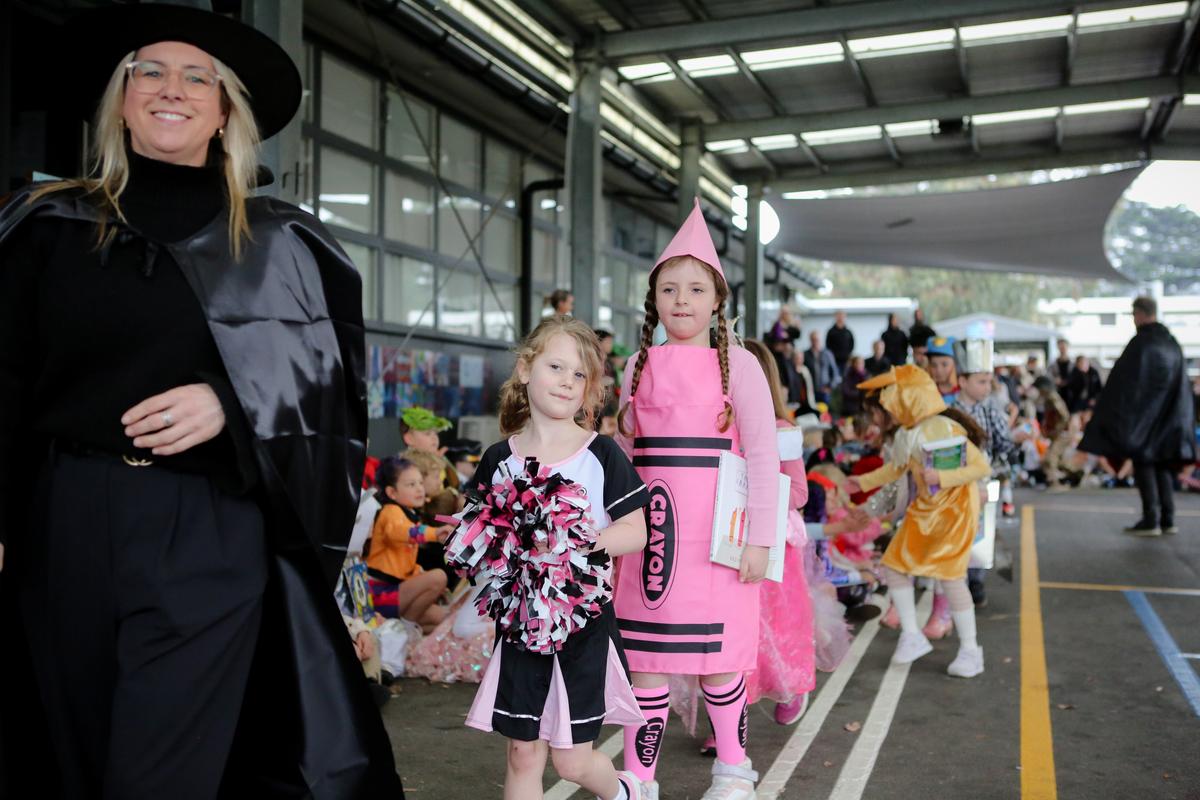
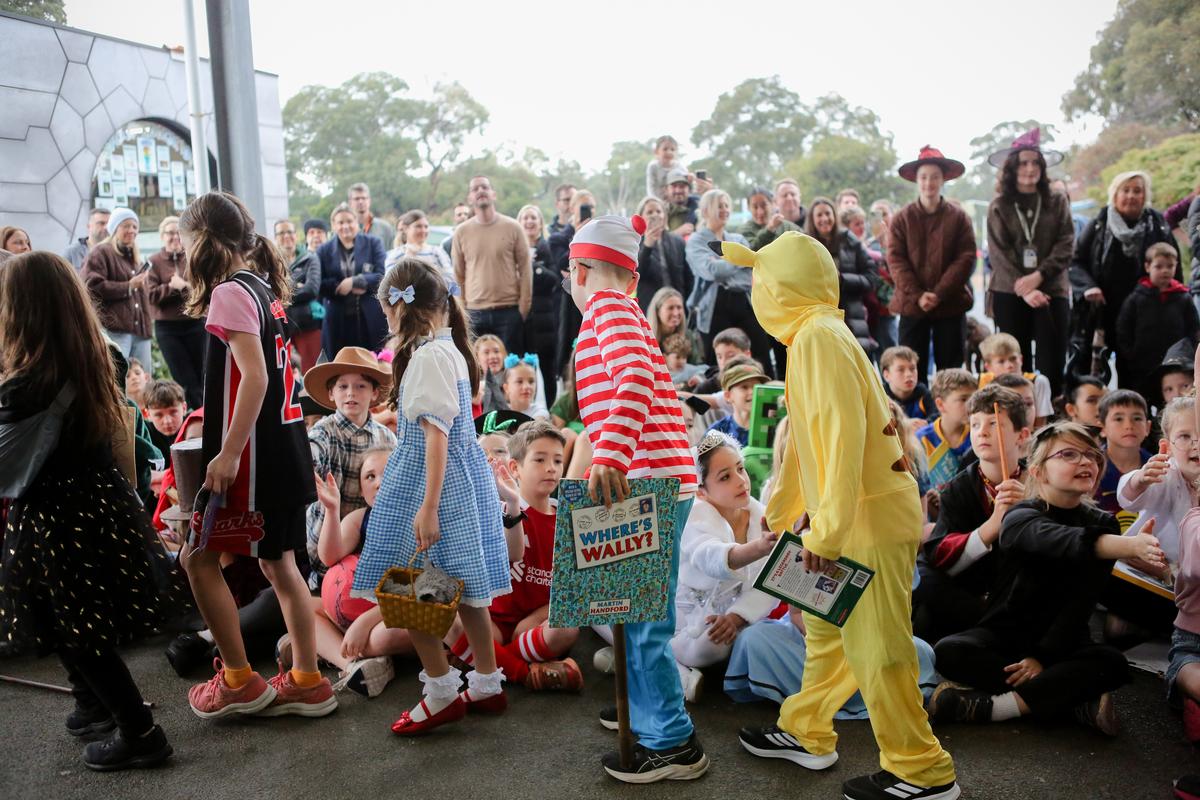
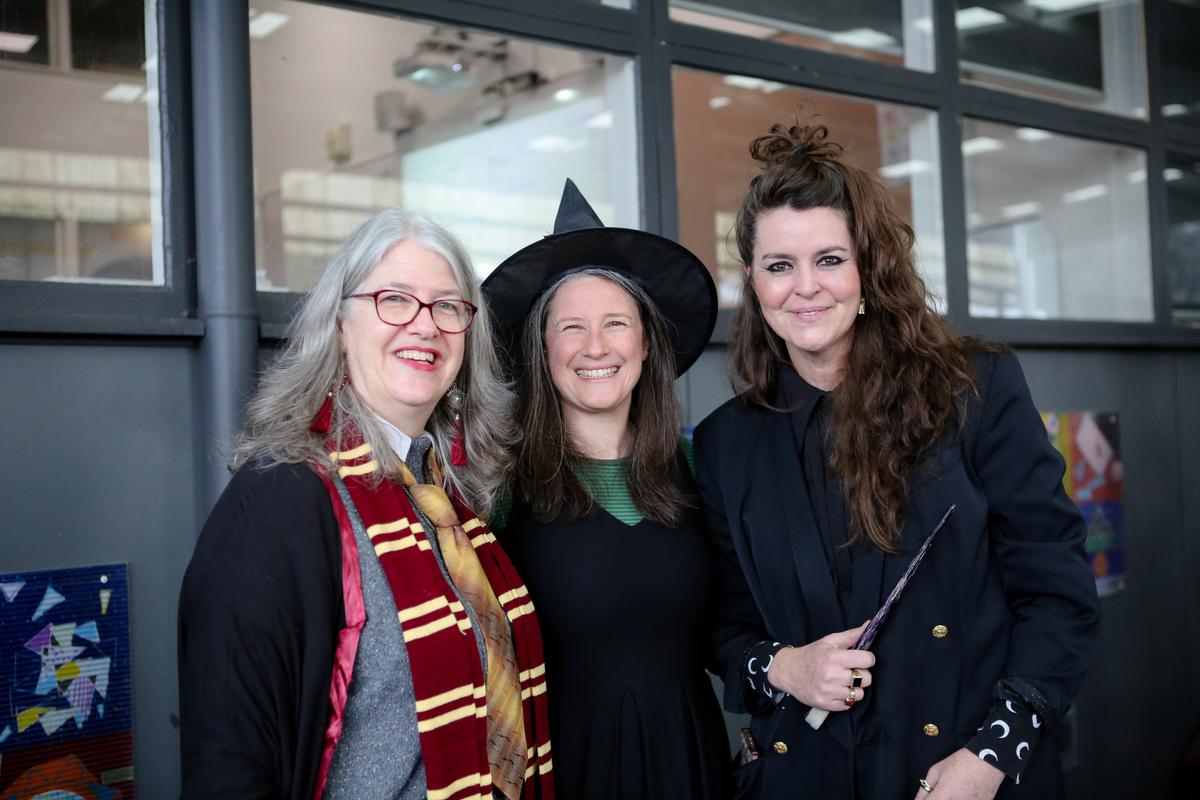
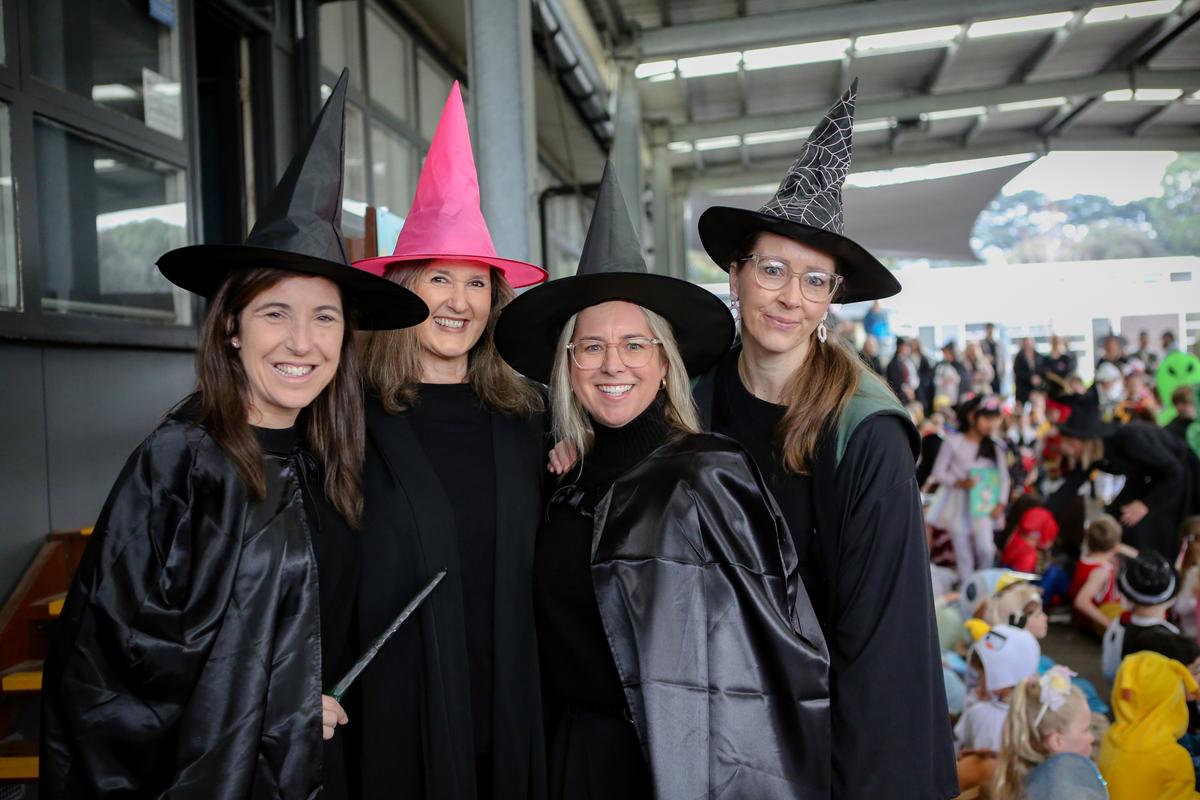
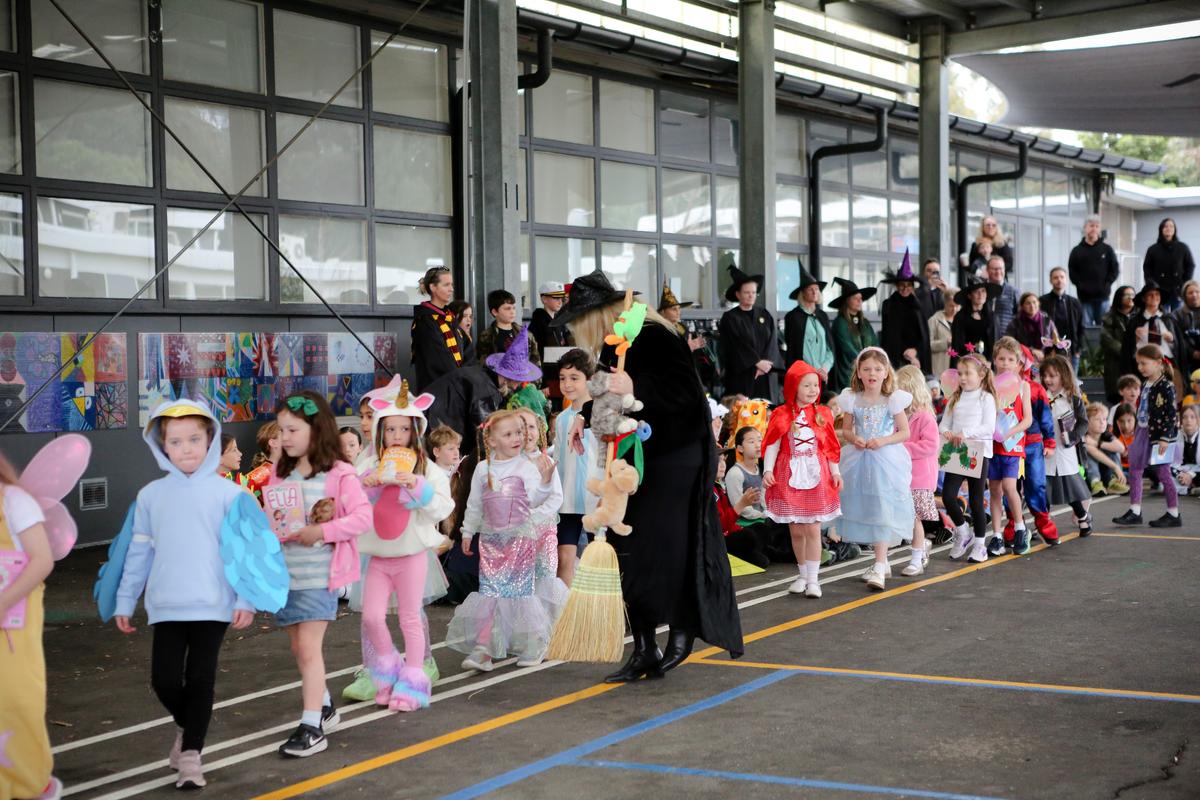
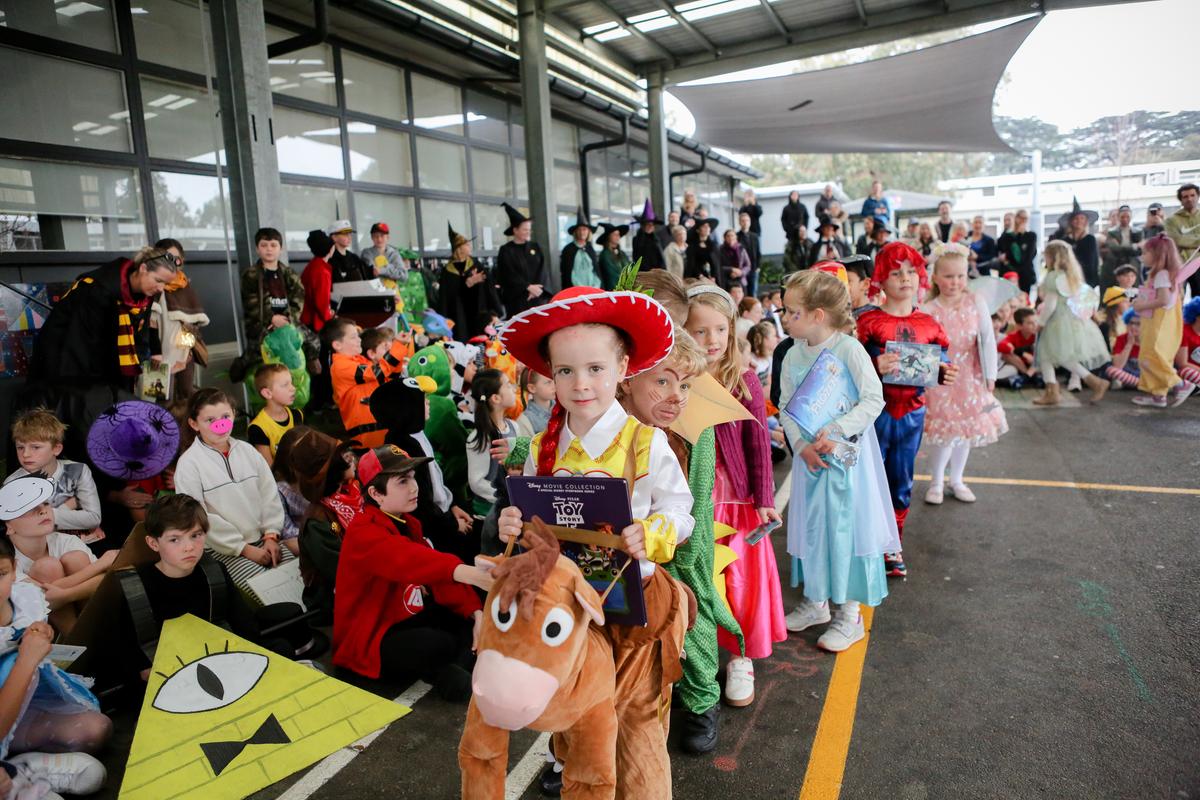
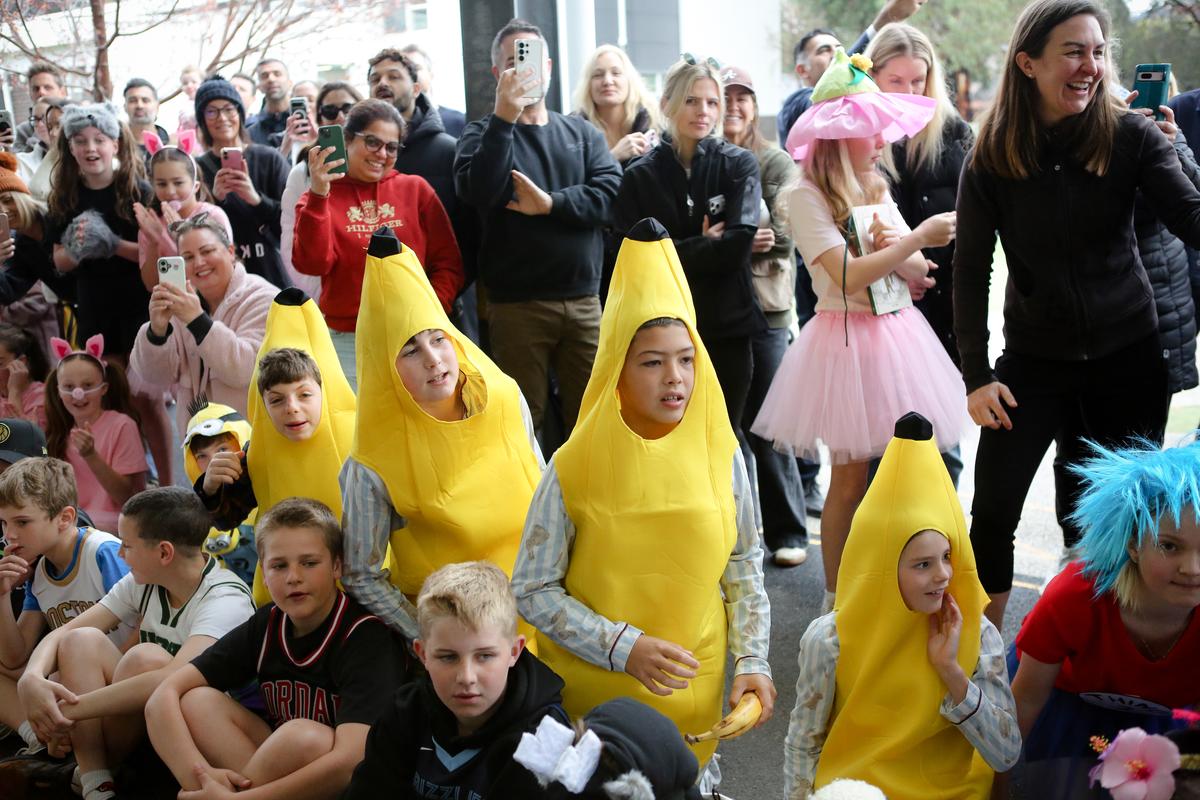
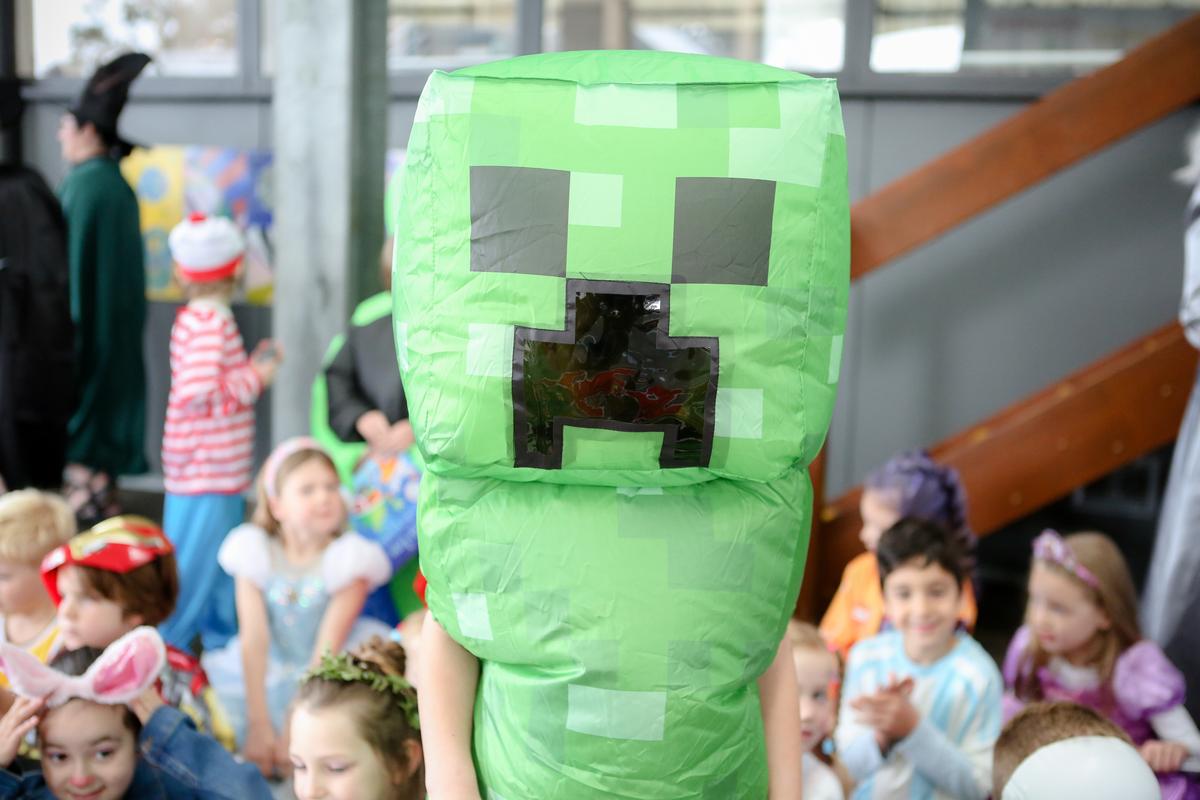
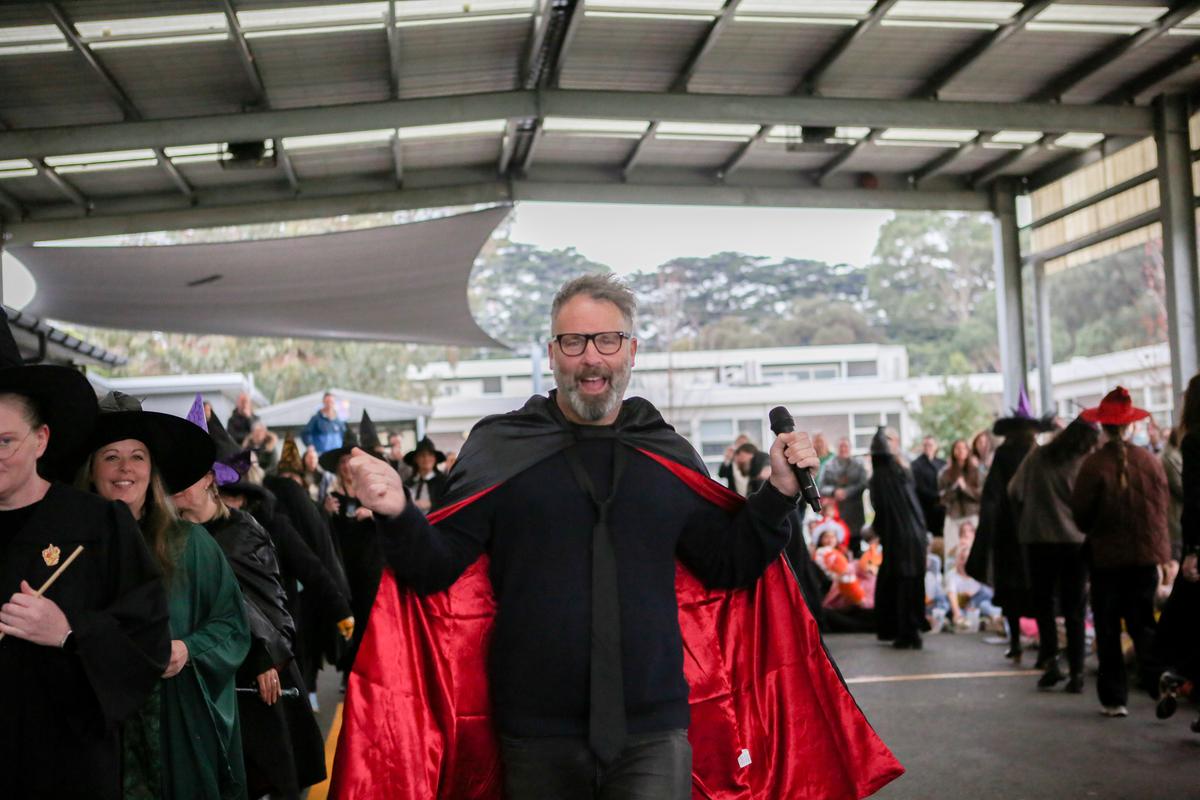
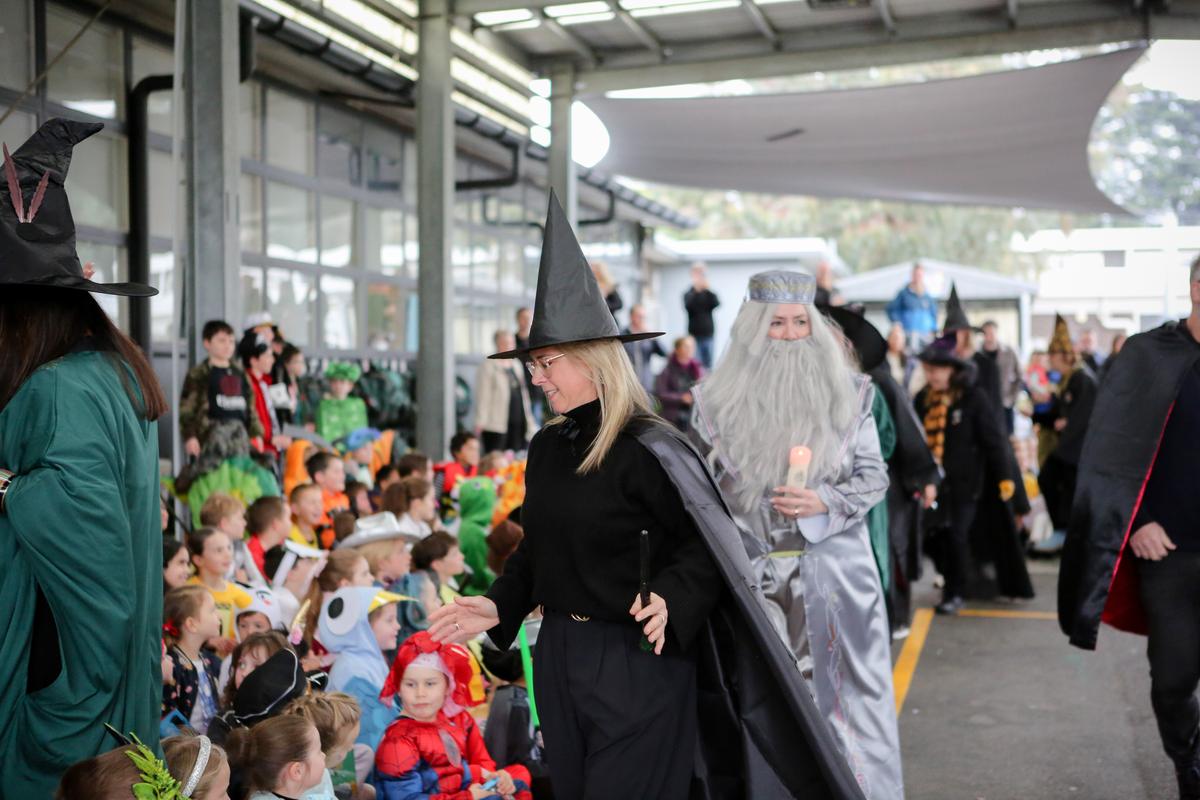
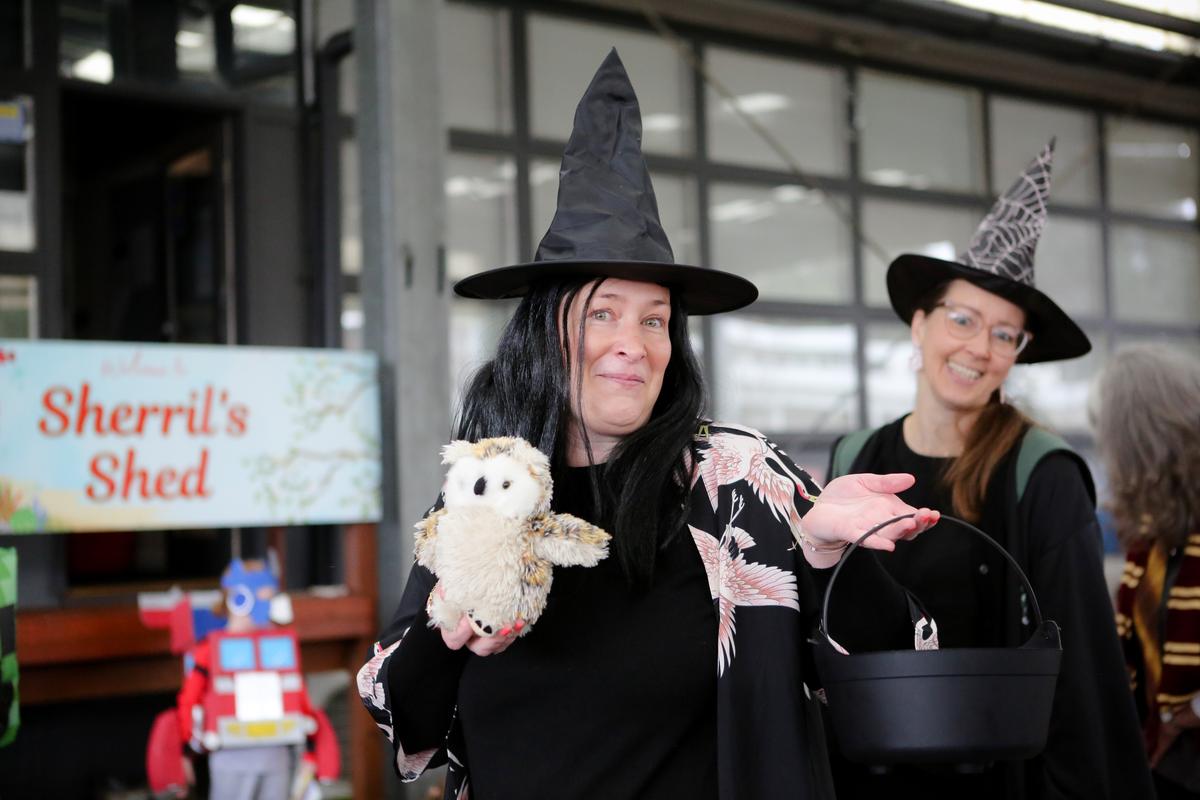
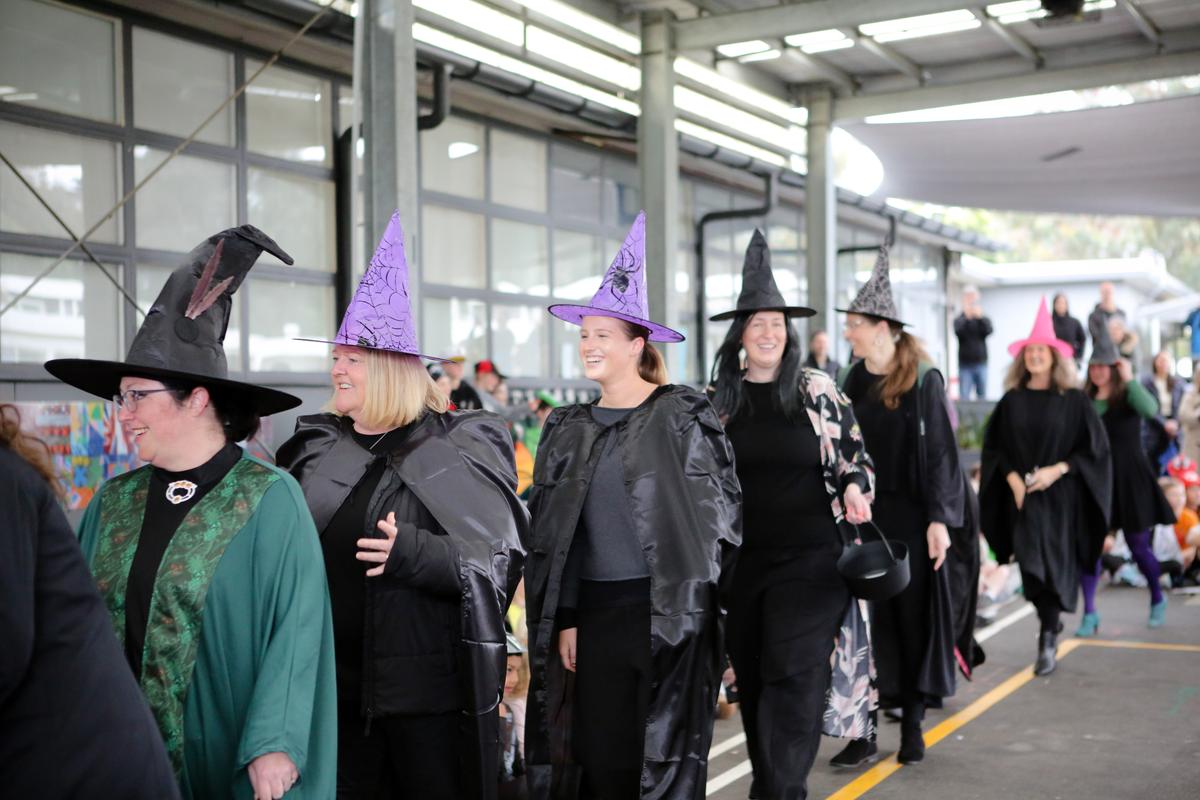
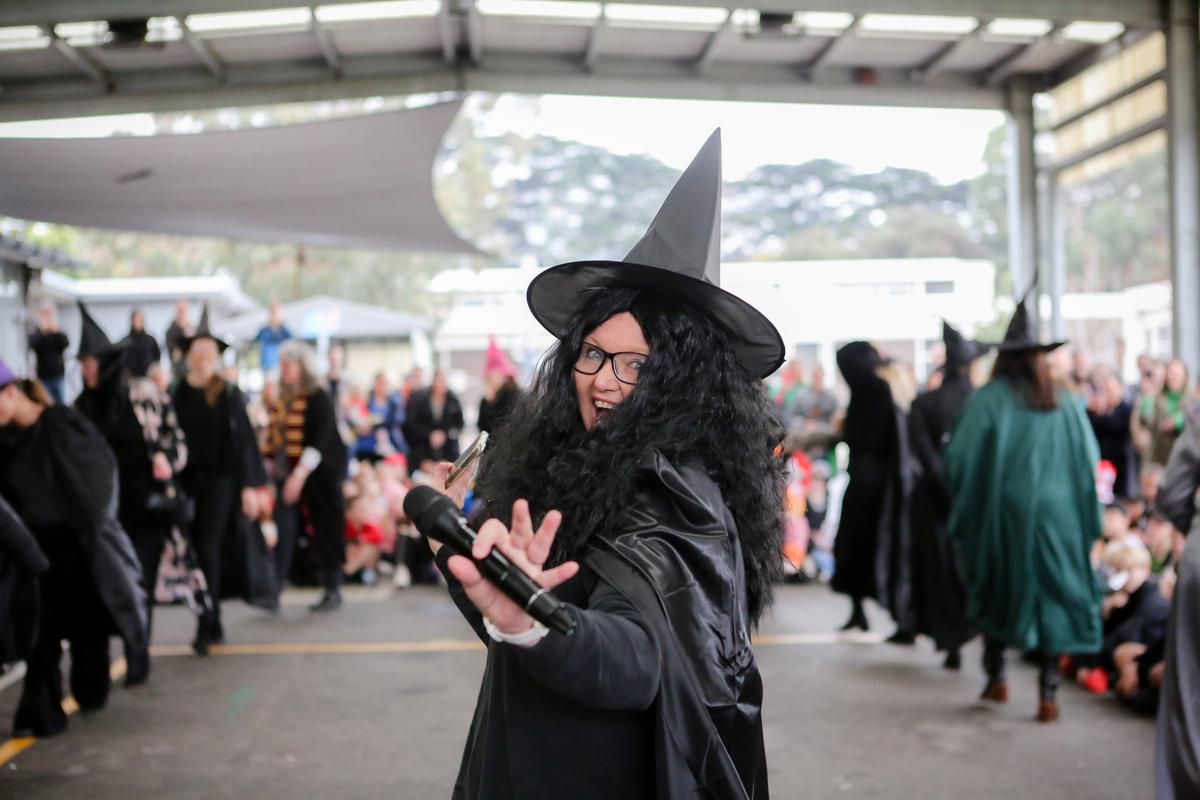
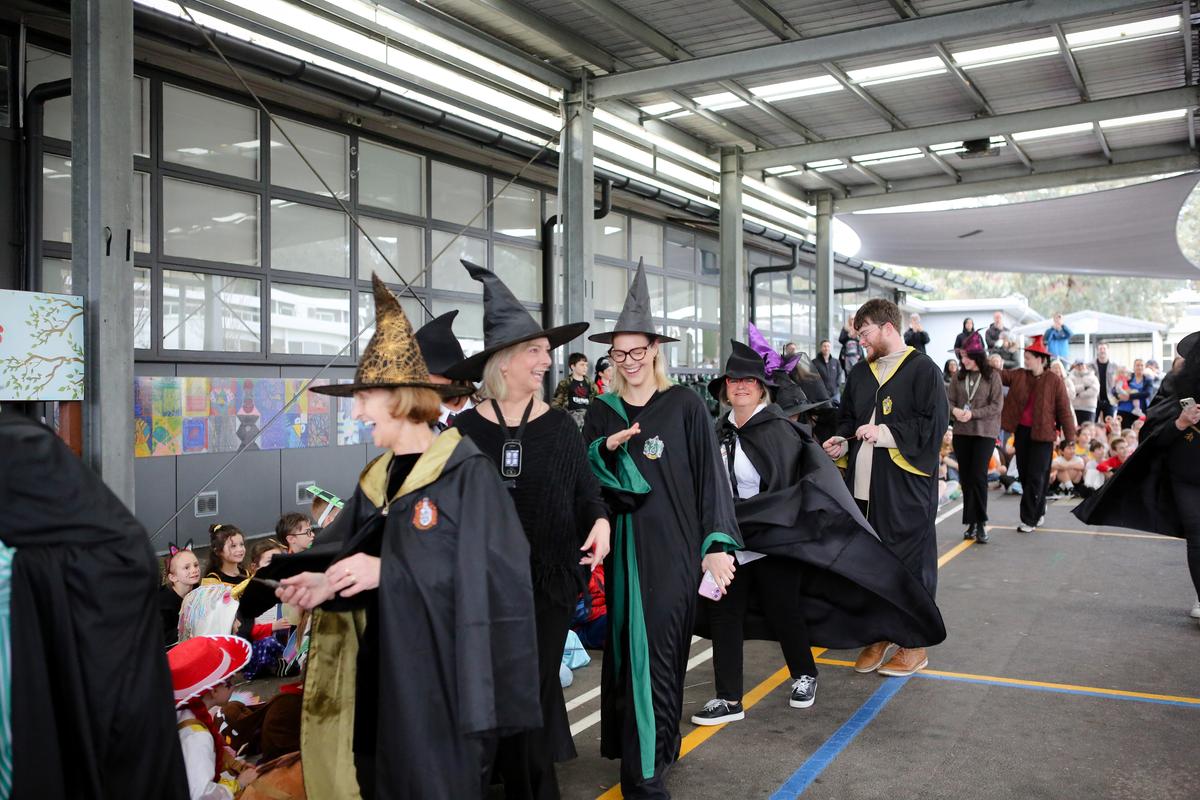
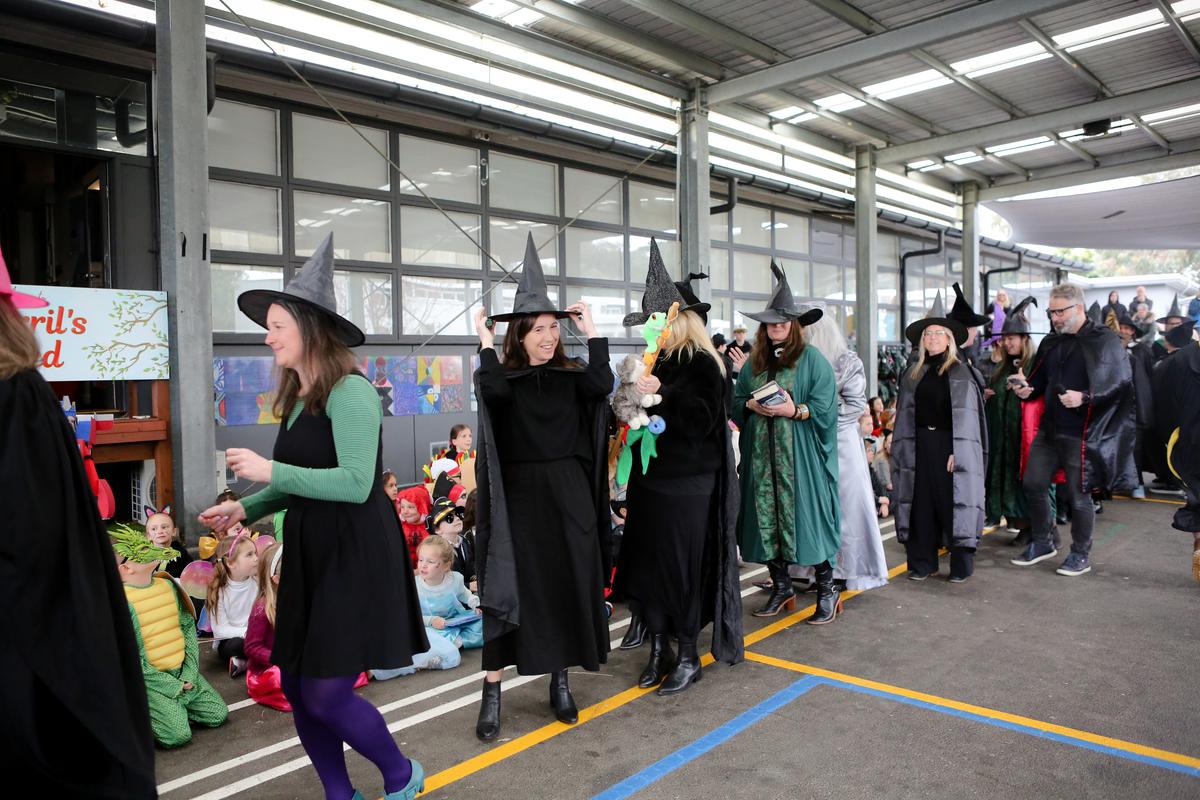
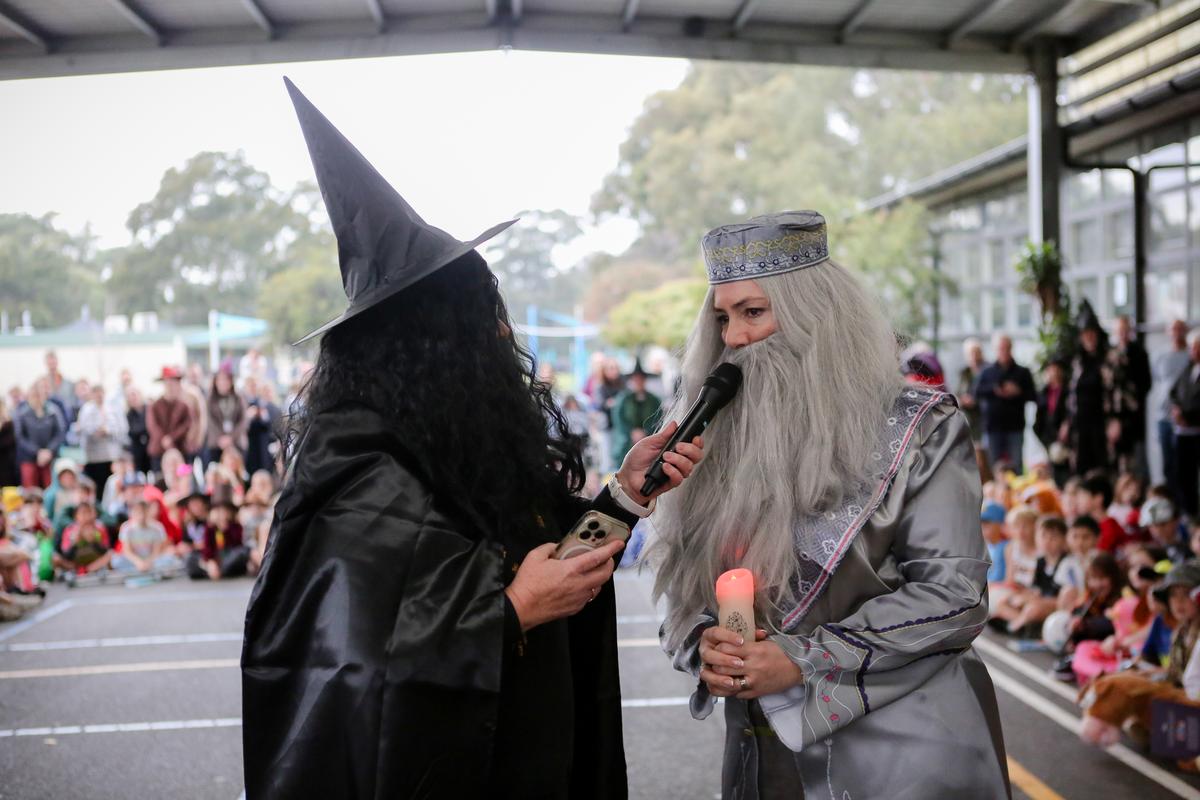
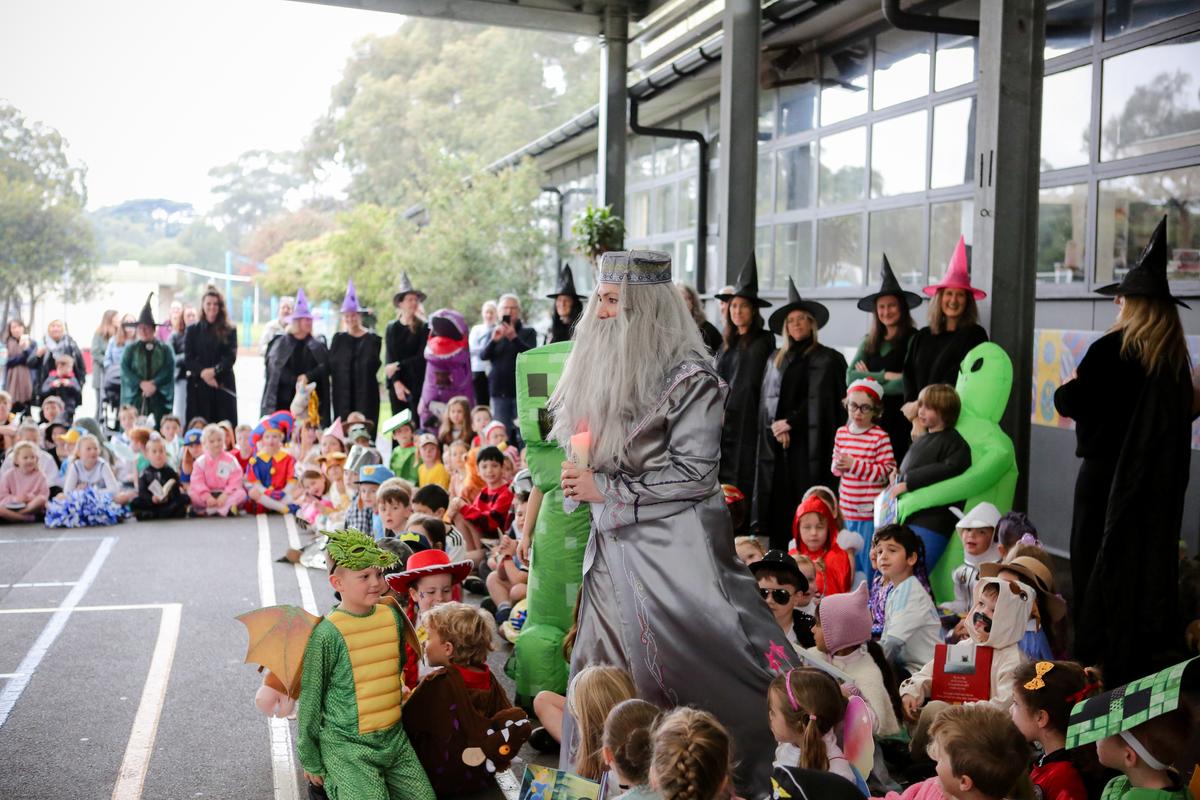
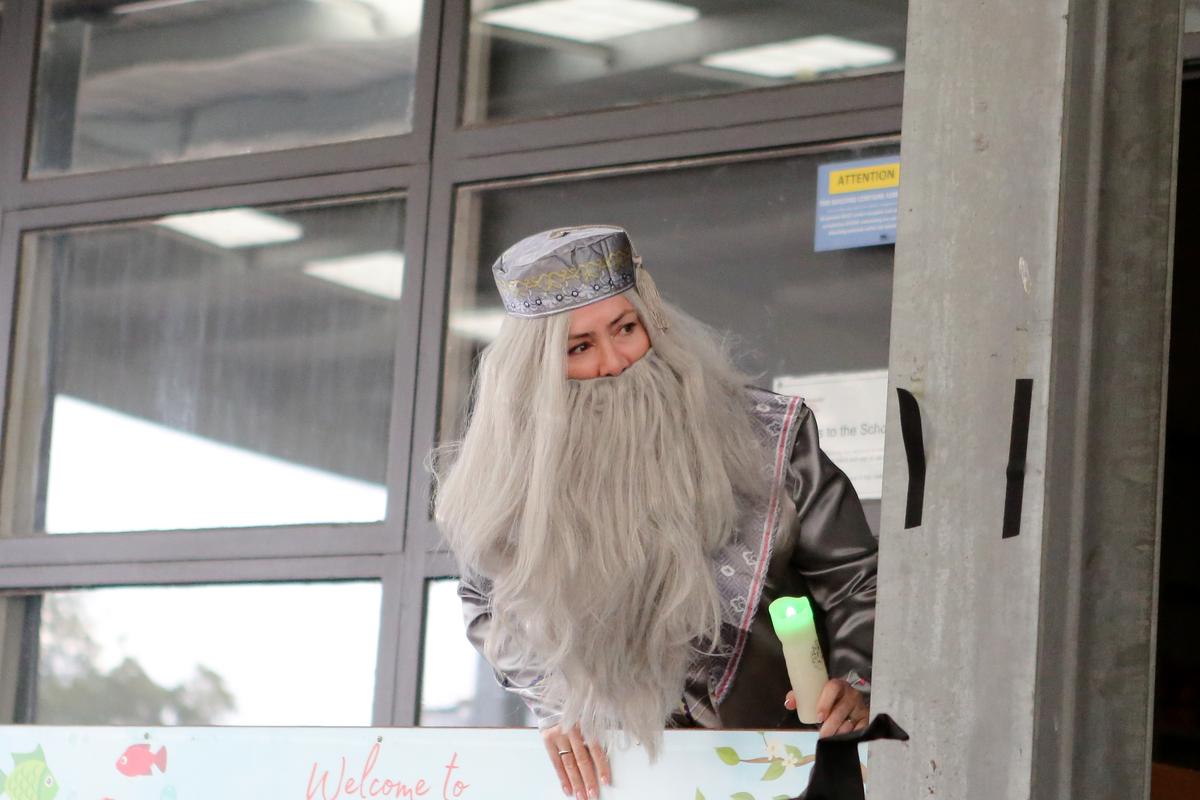
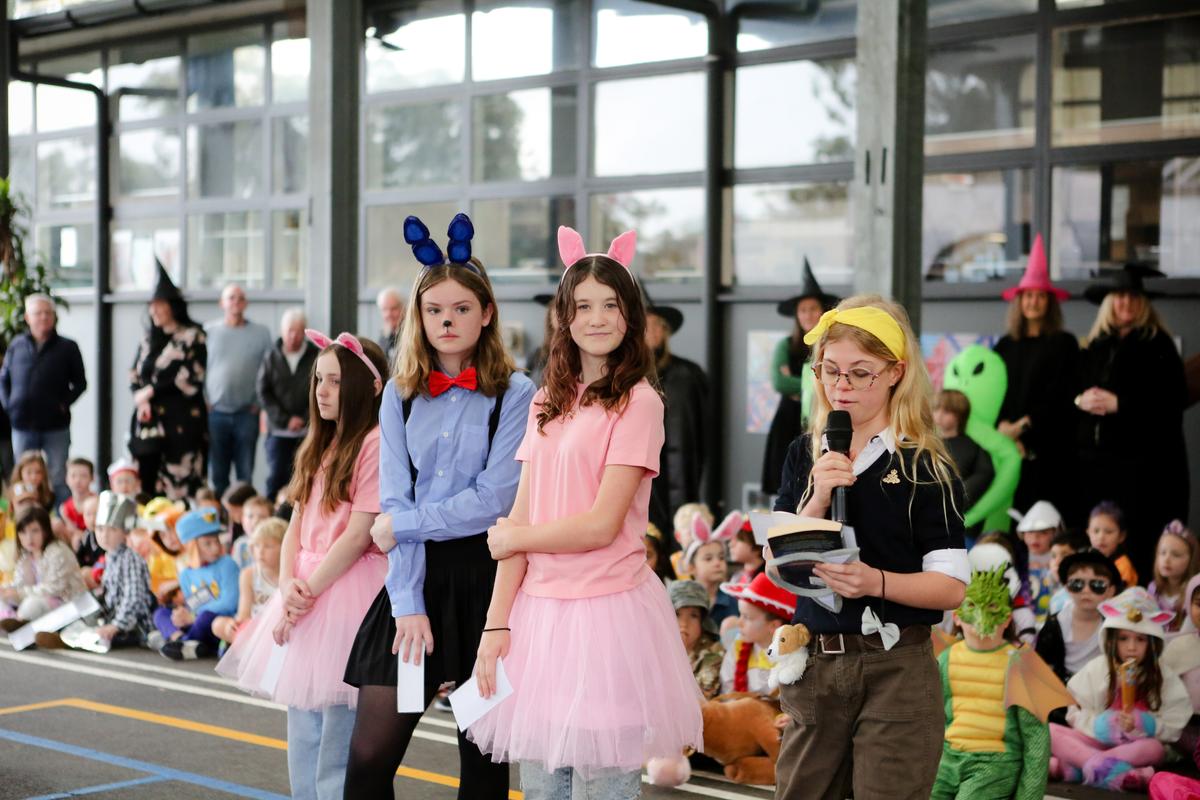
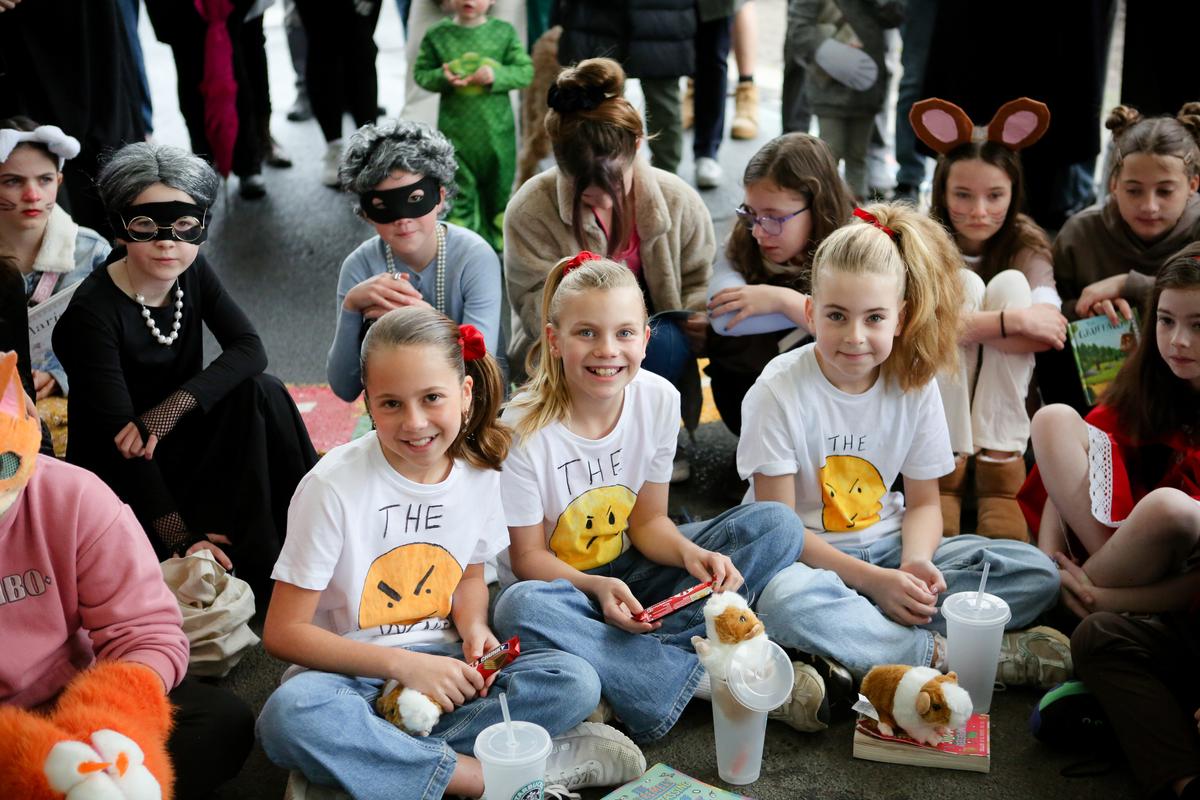
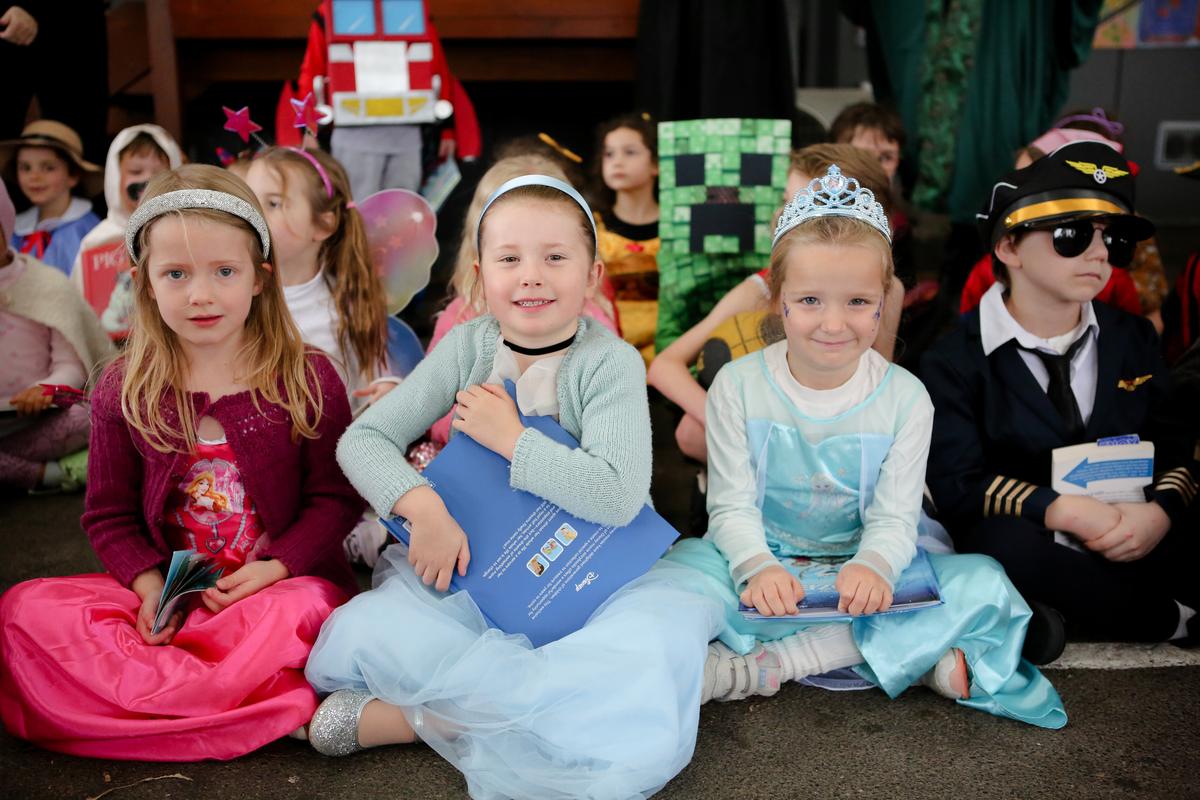
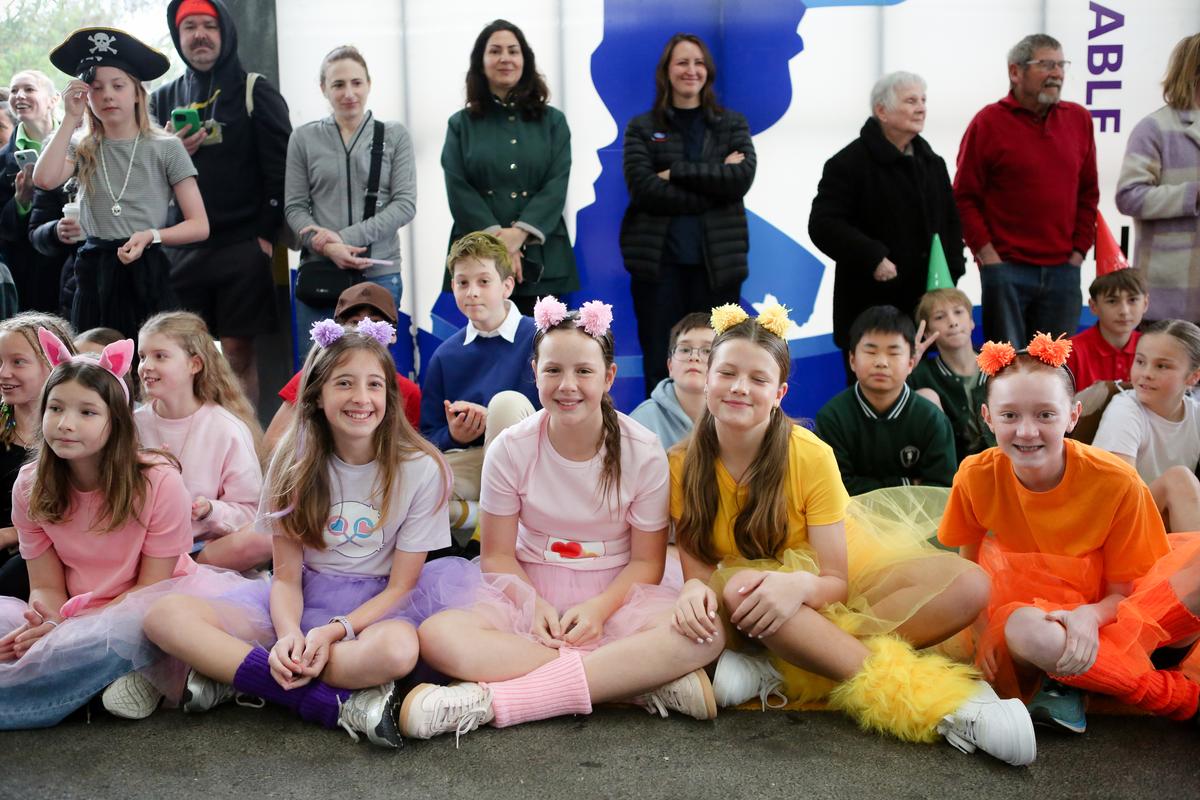
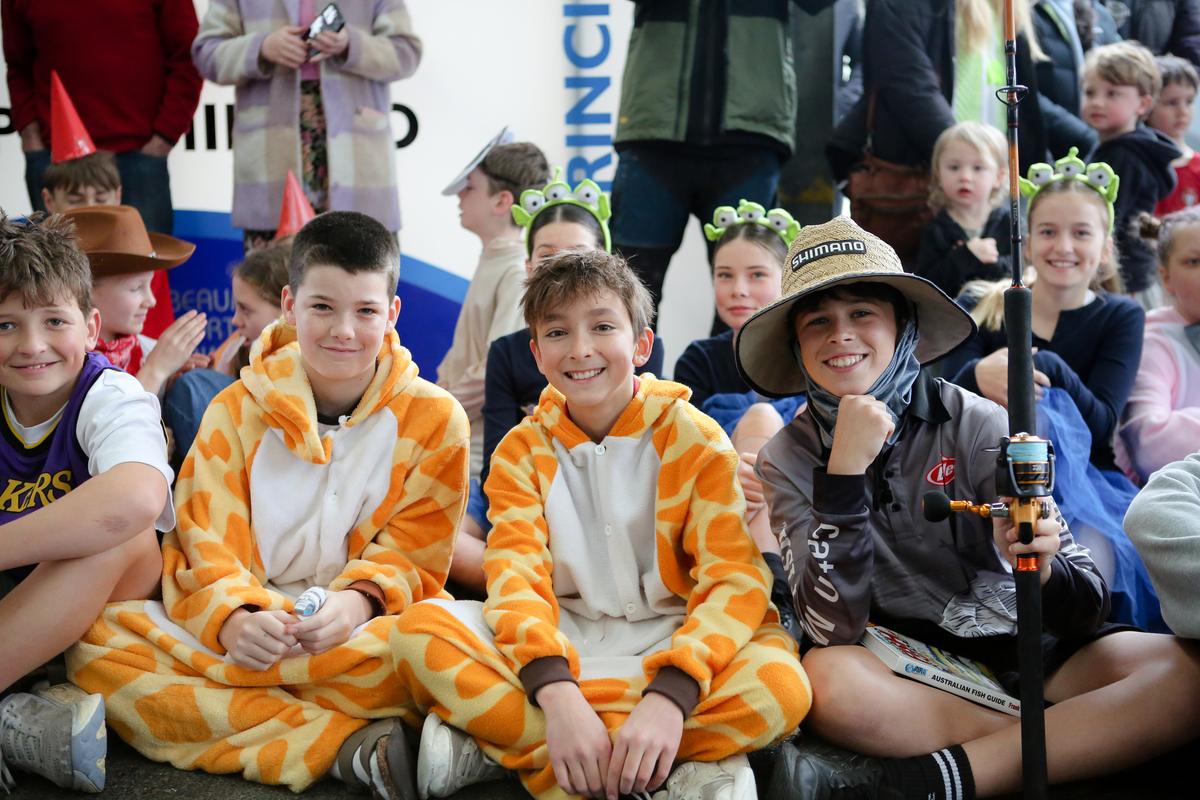
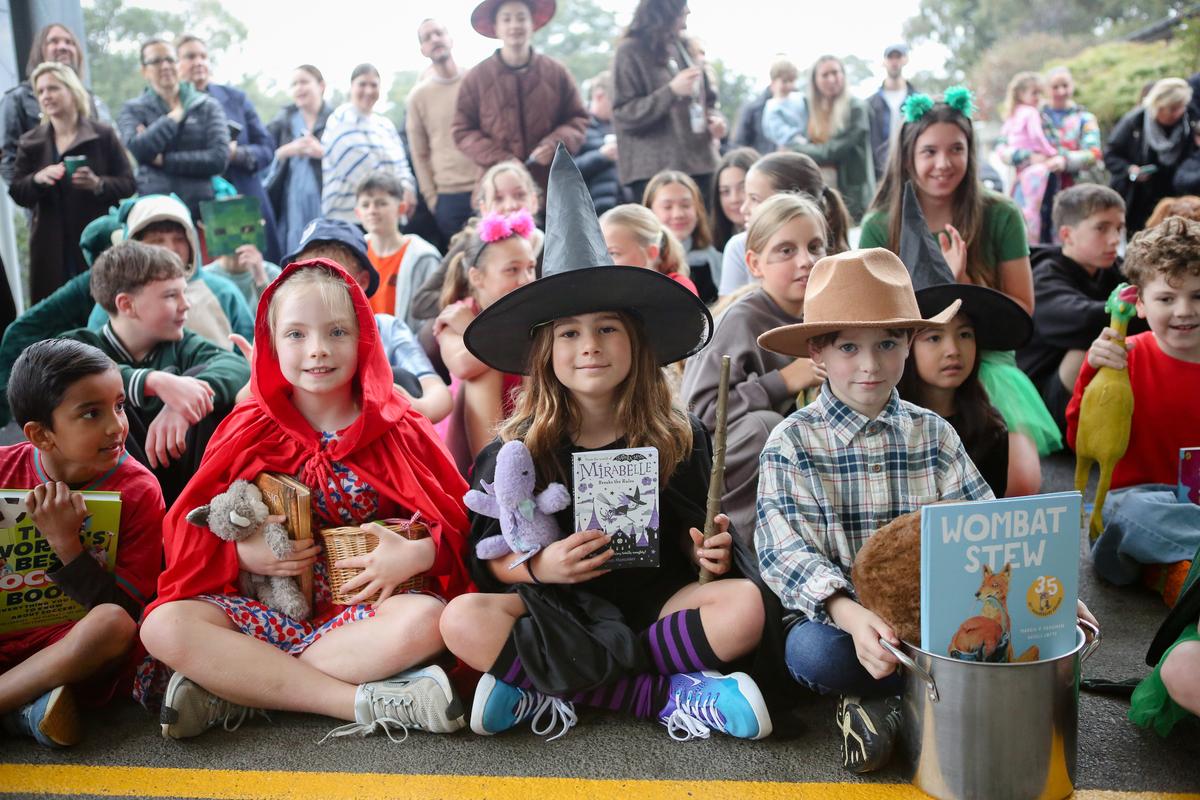
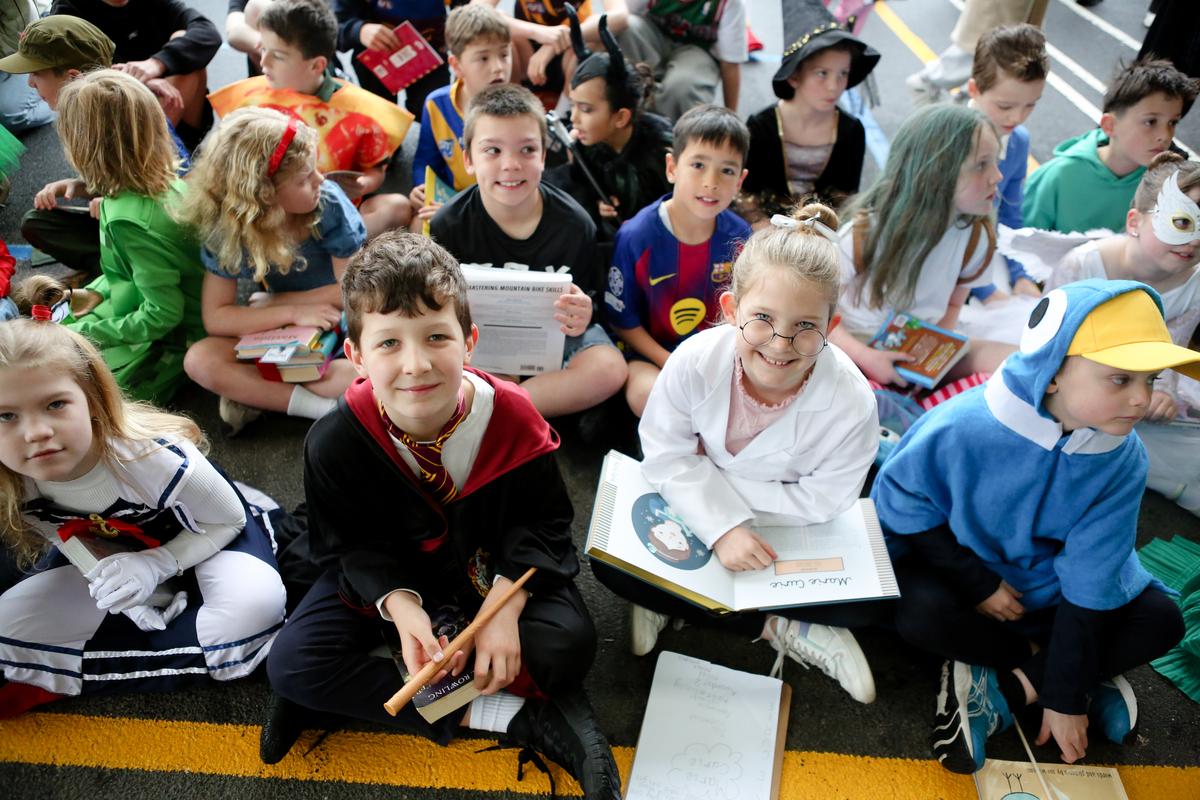
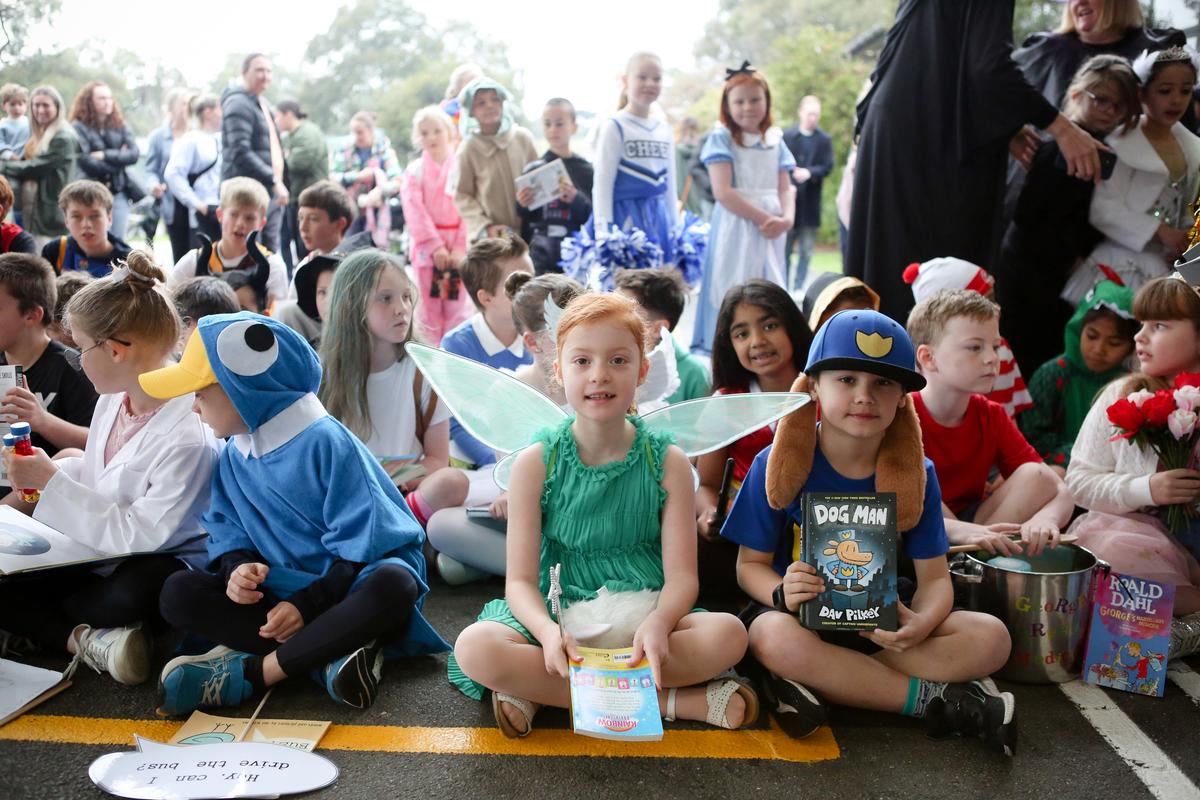
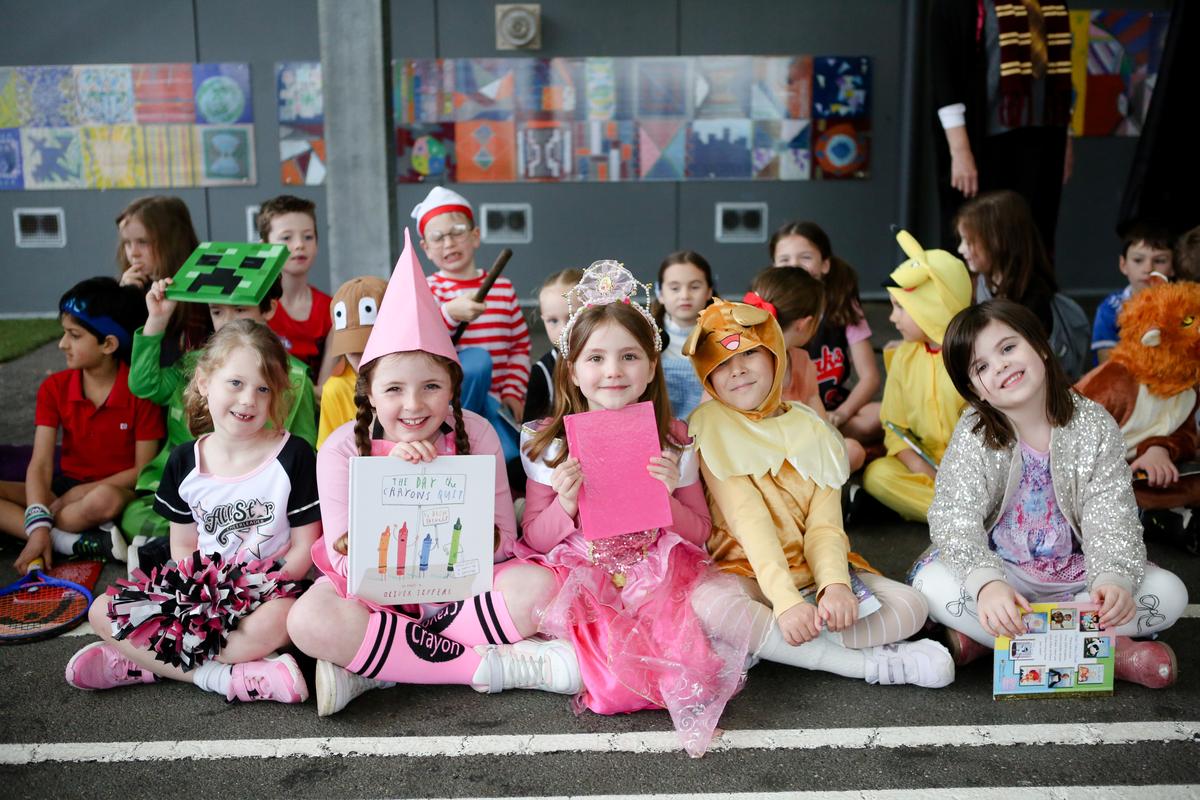
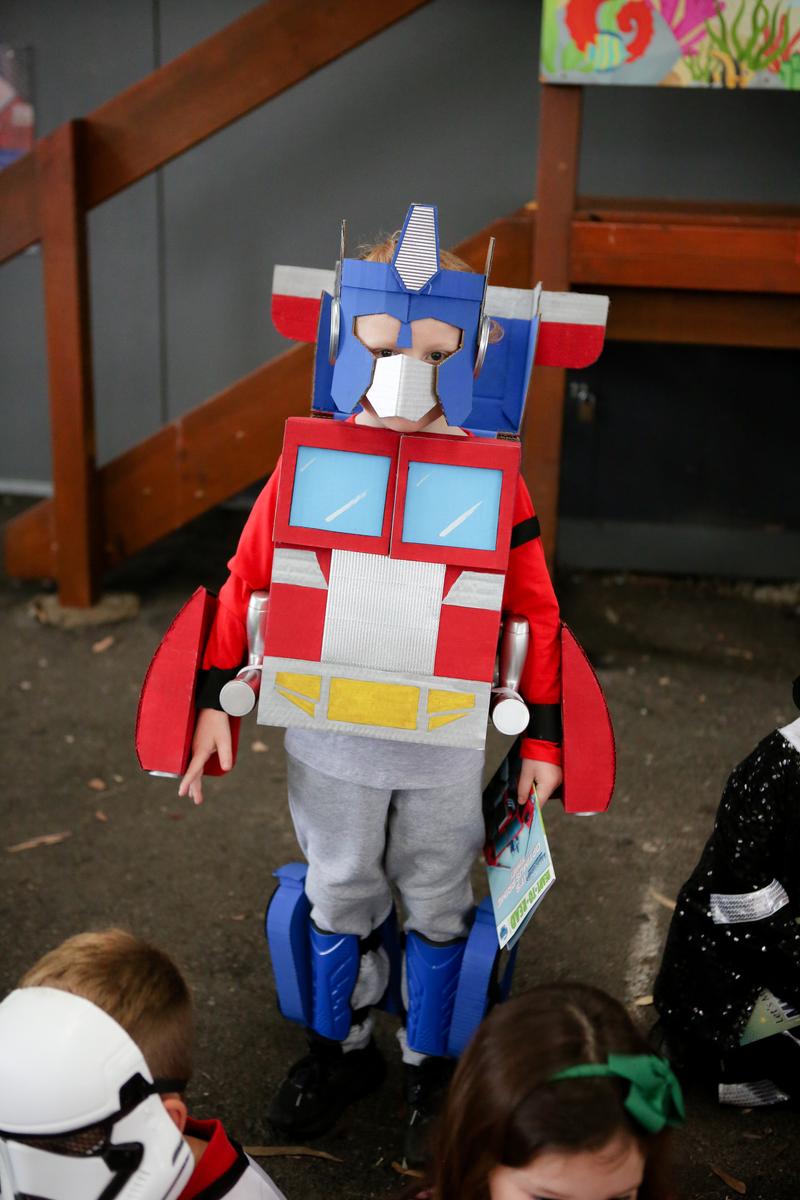
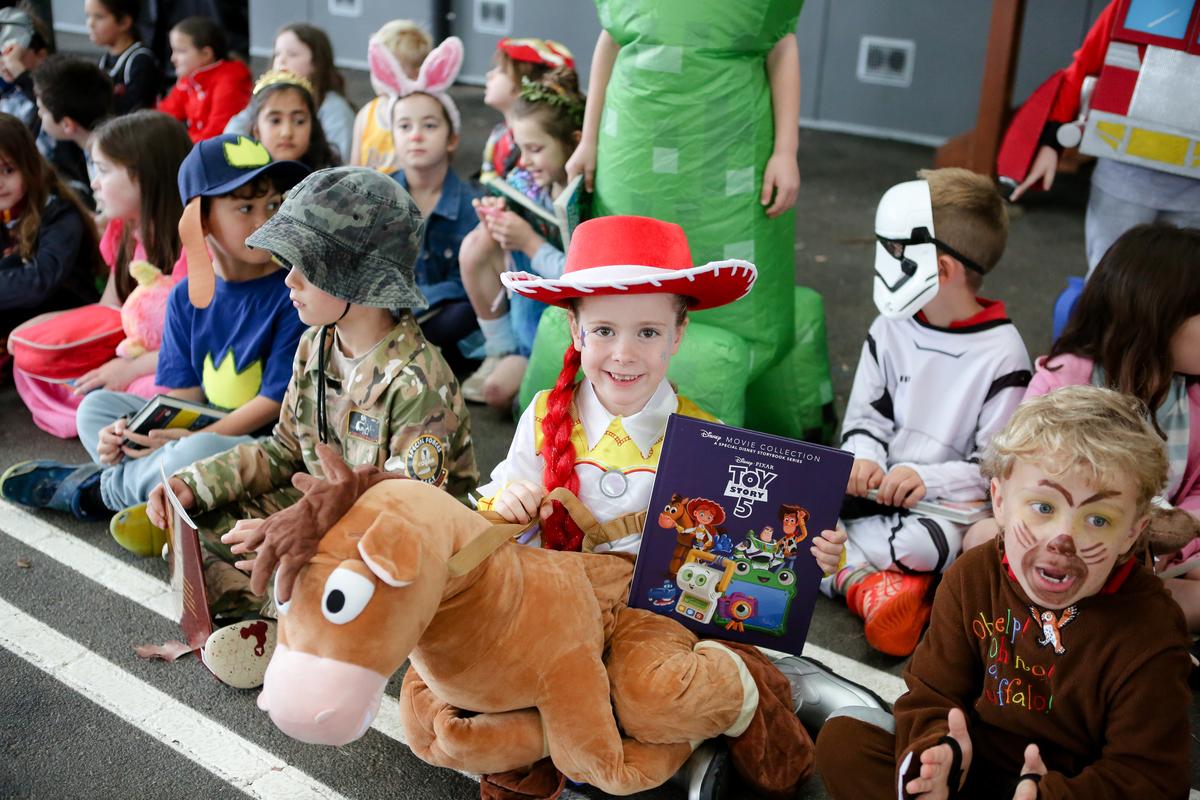
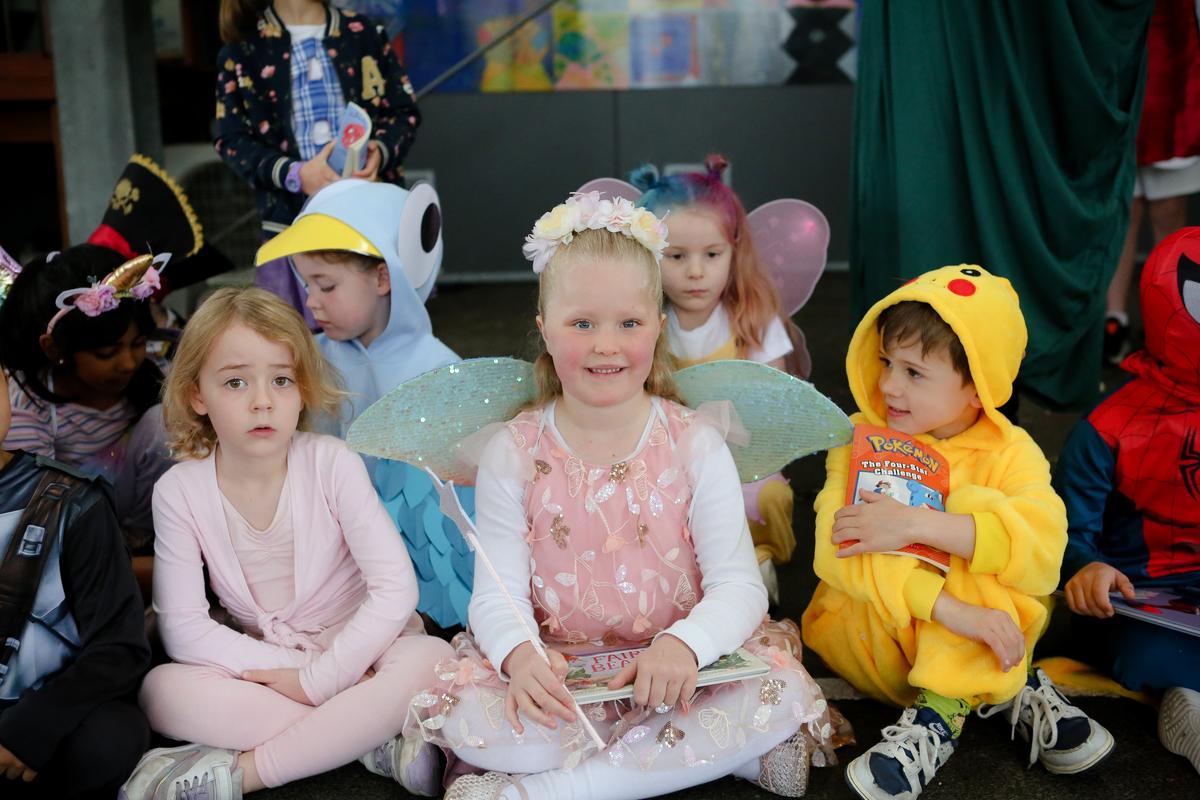
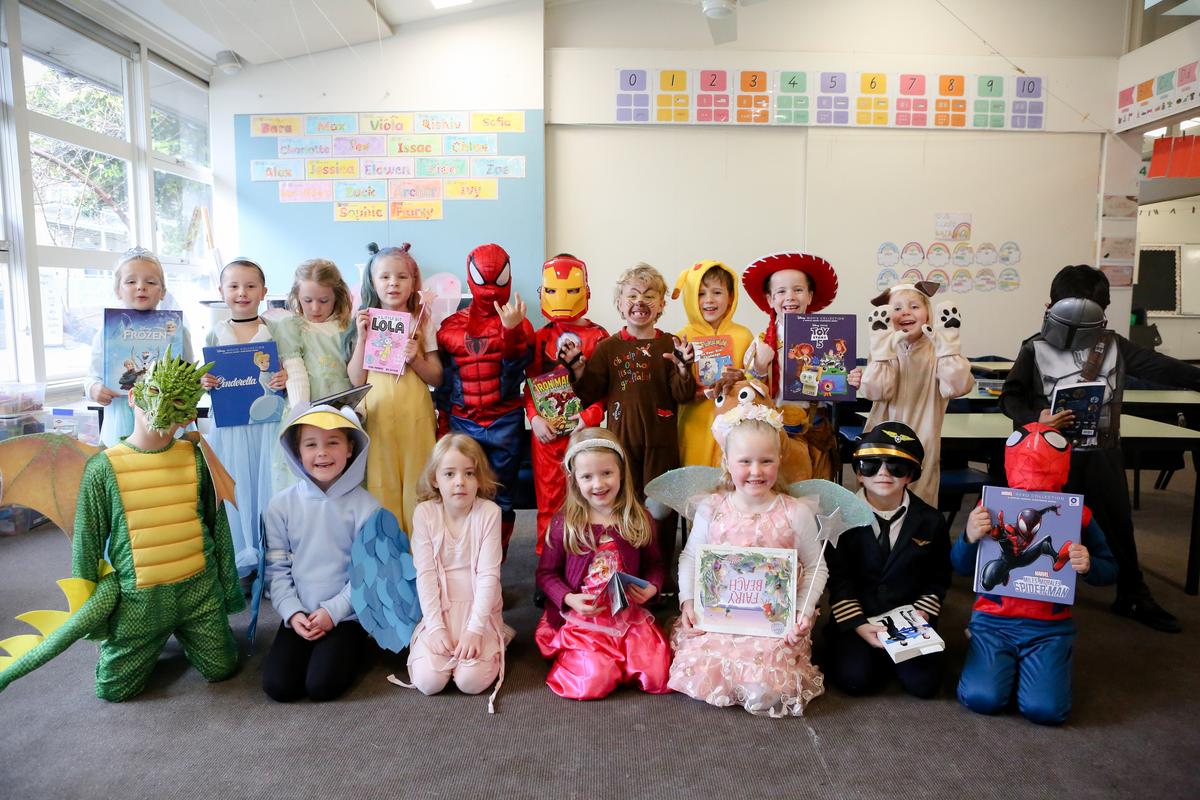
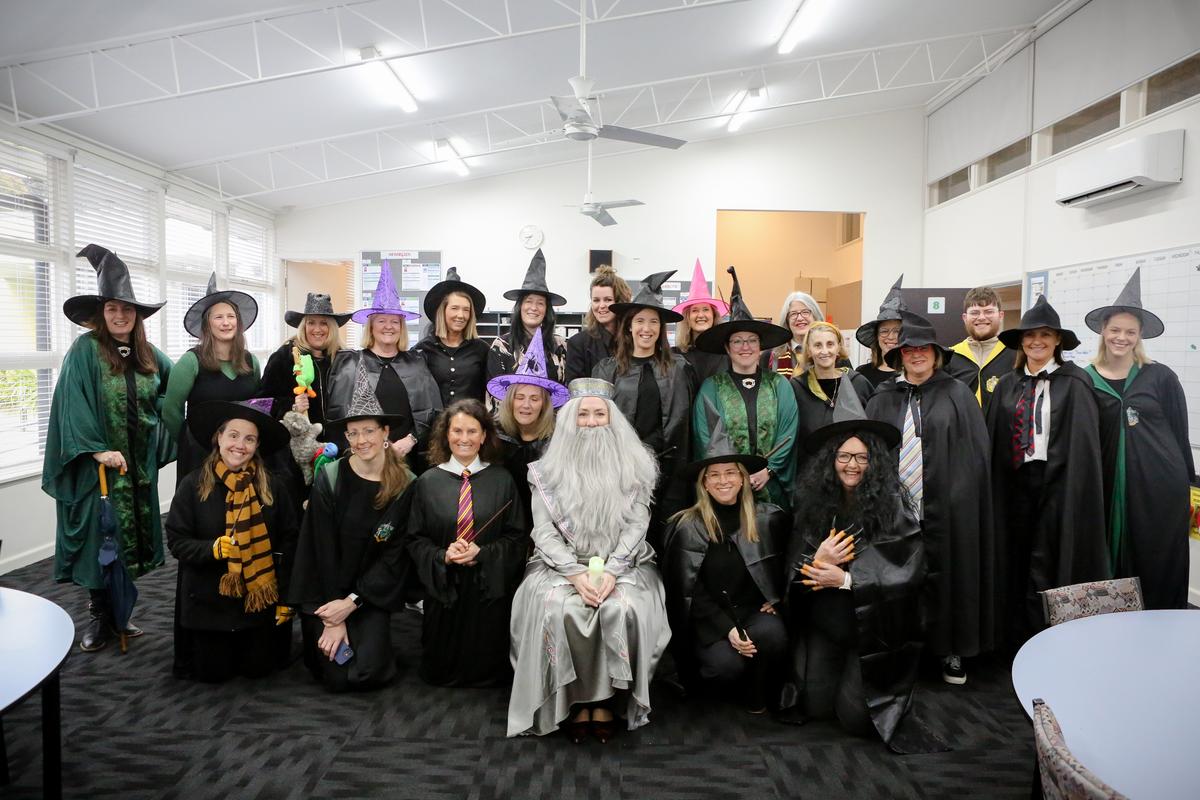
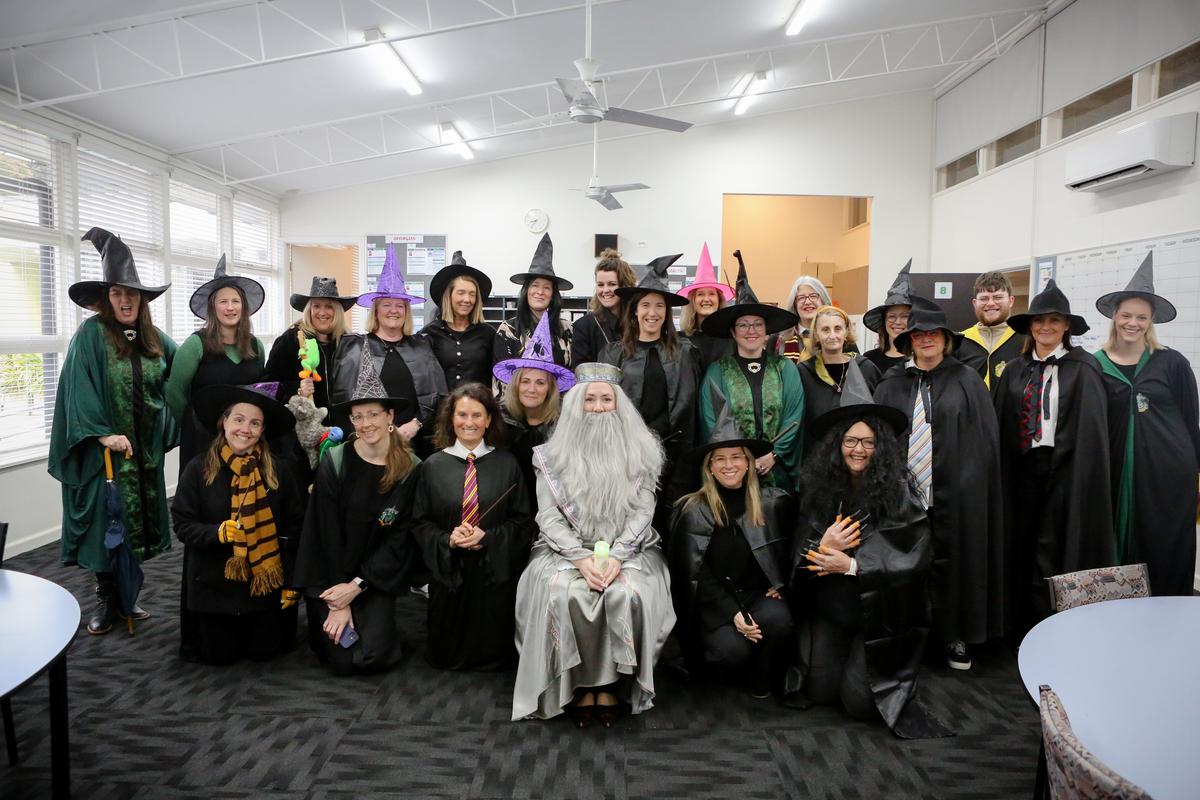
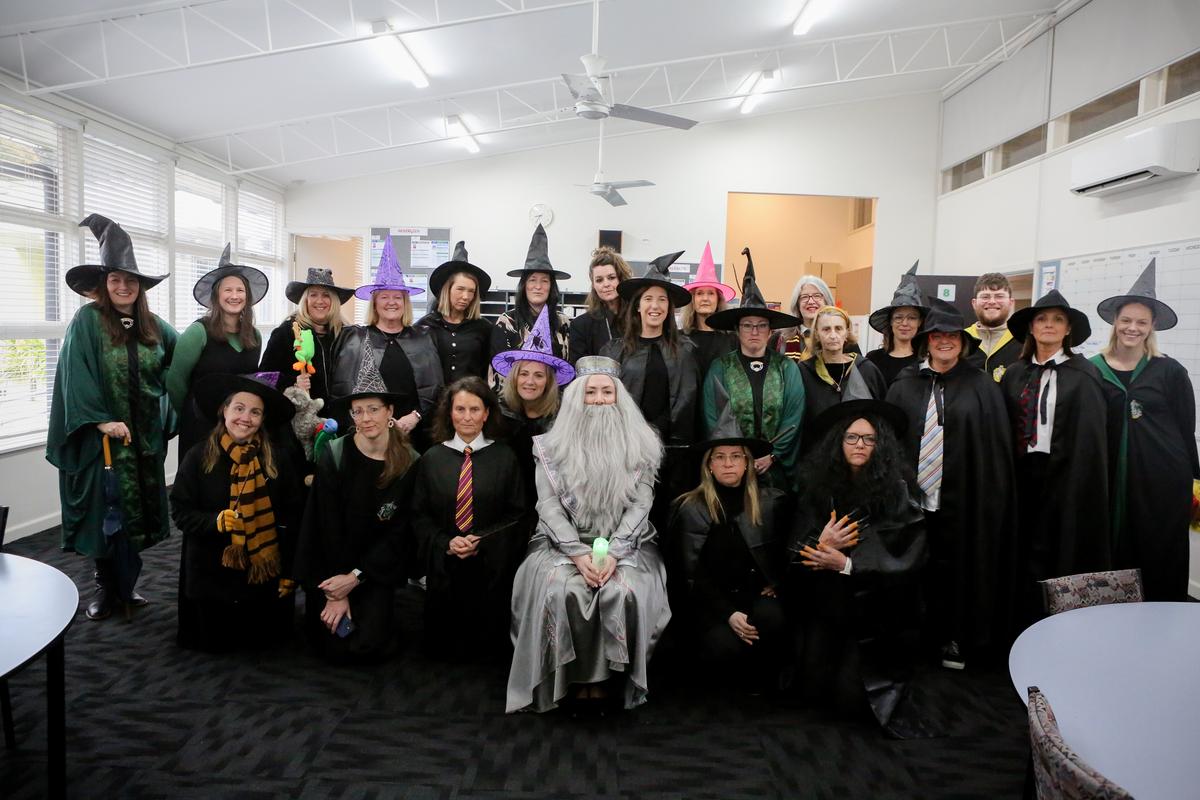
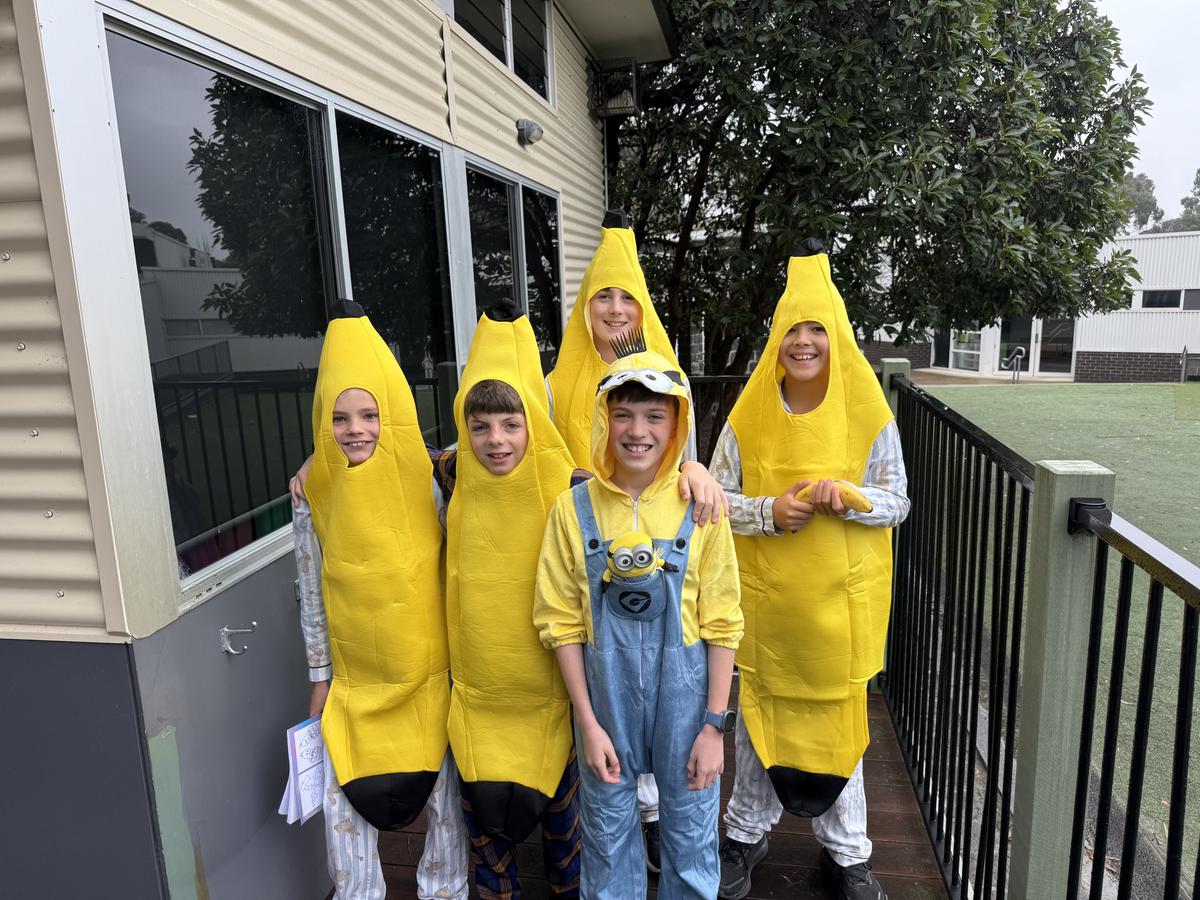
Our Book Week parade was simply magnificent. This was my first Book Week parade in a primary school, and I could not have been more impressed by the creativity and ingenuity on display. The teachers arriving as the staff of Hogwarts were delightful, but seeing children from Prep to Year 6 proudly dressed as characters from favourite books gave me an enormous sense of satisfaction. This is something we should not take for granted: our children know books and stories.
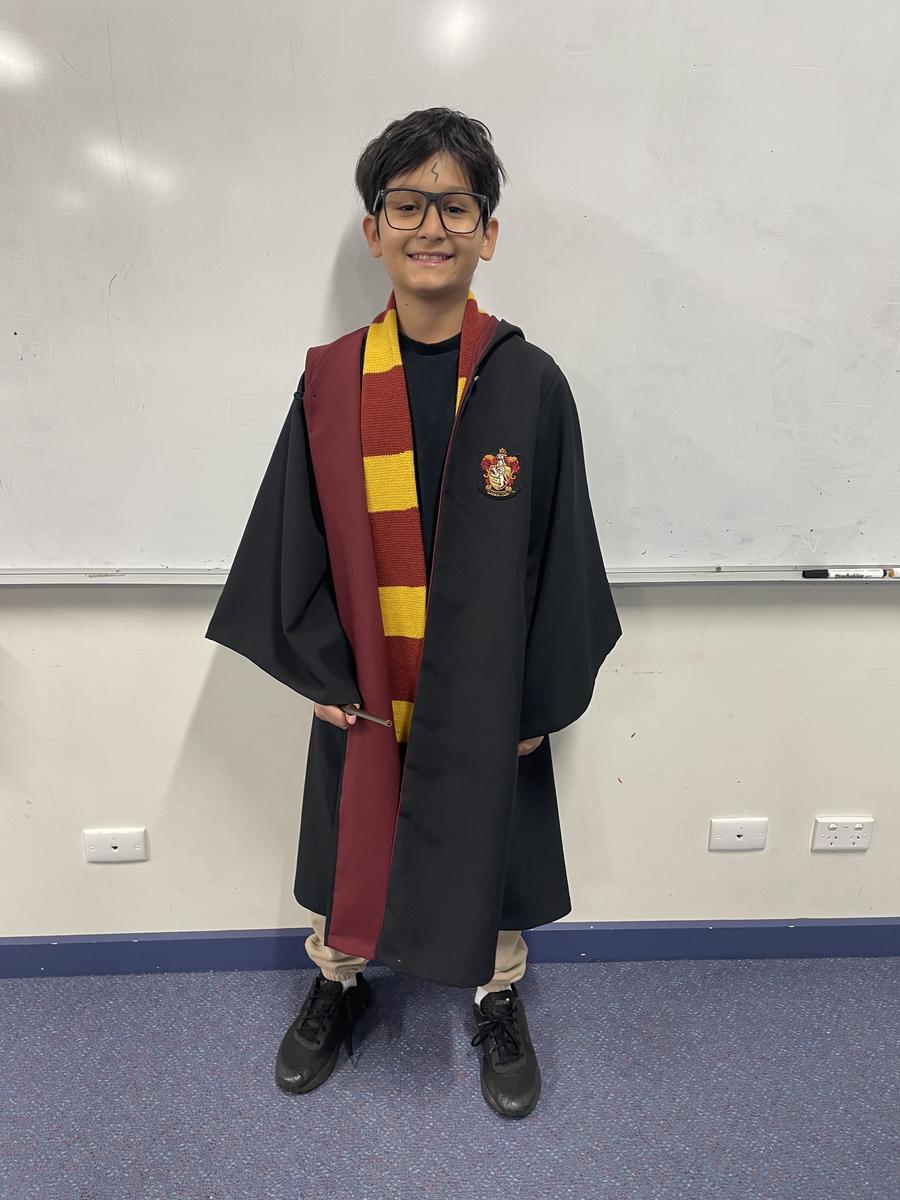
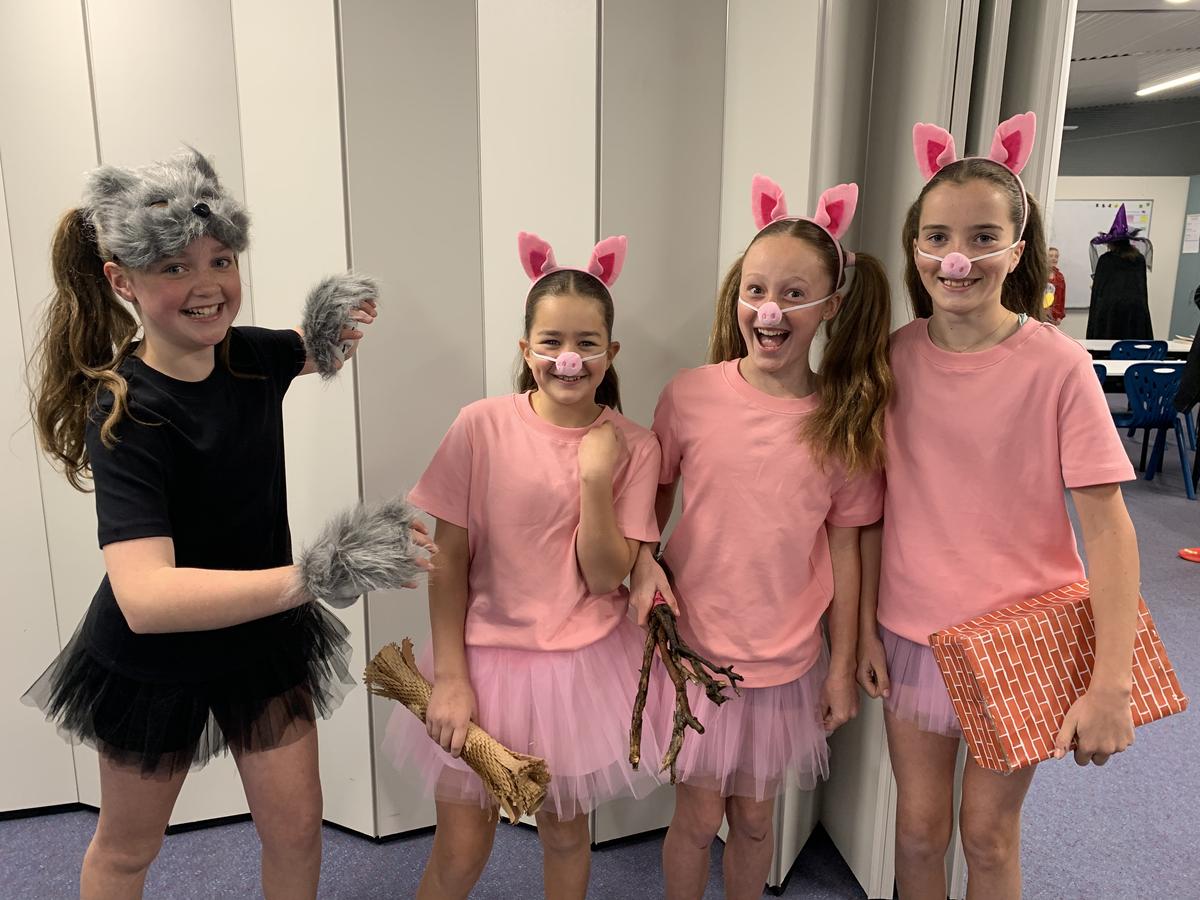
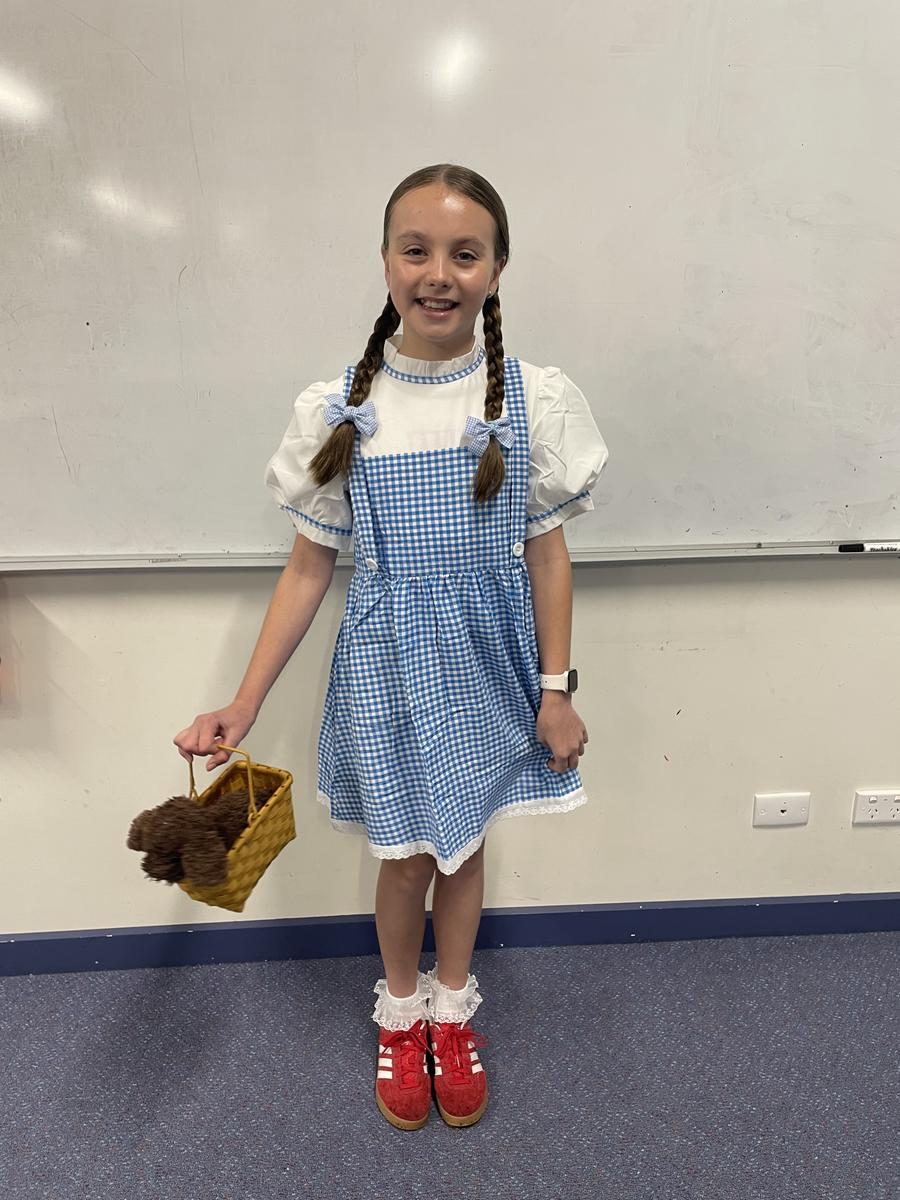
Stories are one of the ways we learn to make sense of the world and the wonderfully complex people within it. Our parent community deserves enormous credit for continuing to champion reading at home. Your investment in books, stories, and conversations is visible in our classrooms. Reading also helps build the knowledge that makes creativity possible. To develop creativity, we must provide people with knowledge, time, and failure.
Knowledge (a wide range of facts, concepts, and importantly - reading and maths fluency), time (multiple exposures to facts, sleep, forgetting, remembering, connecting), and opportunities to fail(and to try again and again). To be creative, we must have thoughts that we can think with.
So, my advice to parents remains the same: keep reading with and to your children for as long as they will let you. It is one of the most valuable gifts you can give them.
And while we are talking about books, don't forget our Book Fair. Details are available through your Compass newsfeed, and the colouring competition closes on 14 September.
A Little About Learning and Memory
I have continued my own learning about how the brain learns, and lately I have been thinking a great deal about memory.
One useful distinction for education is between working memory and long-term memory. Working memory is the small mental workspace we use to hold and manipulate information while we are thinking. Its capacity is very limited (3-7 items), particularly when we are dealing with unfamiliar information. Long-term memory, by contrast, is where our accumulated knowledge and skills are stored, and it is considered to be limitless.
This matters enormously for teaching and parenting.
When children encounter something new, we should not expect them to hear it once and simply “know” it. New learning is fragile. Children need opportunities to encounter important knowledge again, retrieve it from memory, practise it, and connect it with things they already know. With time and successful practice, knowledge becomes increasingly secure and easier to access.
This is also why forgetting isn't necessarily evidence that a child wasn't listening! Forgetting is a normal part of learning. Revisiting and retrieving knowledge helps make it stronger. I think this is an important message for our students. Having to be reminded of something, practise it again or work hard to remember it does not mean you are failing to learn. Very often, that effort is part of learning. If this interests you, have a look into cognitive load theory, retrieval practice, and spaced practice. Alternatively, stop me in the playground and ask—I never seem to tire of talking about how the brain learns!
R U OK? Day
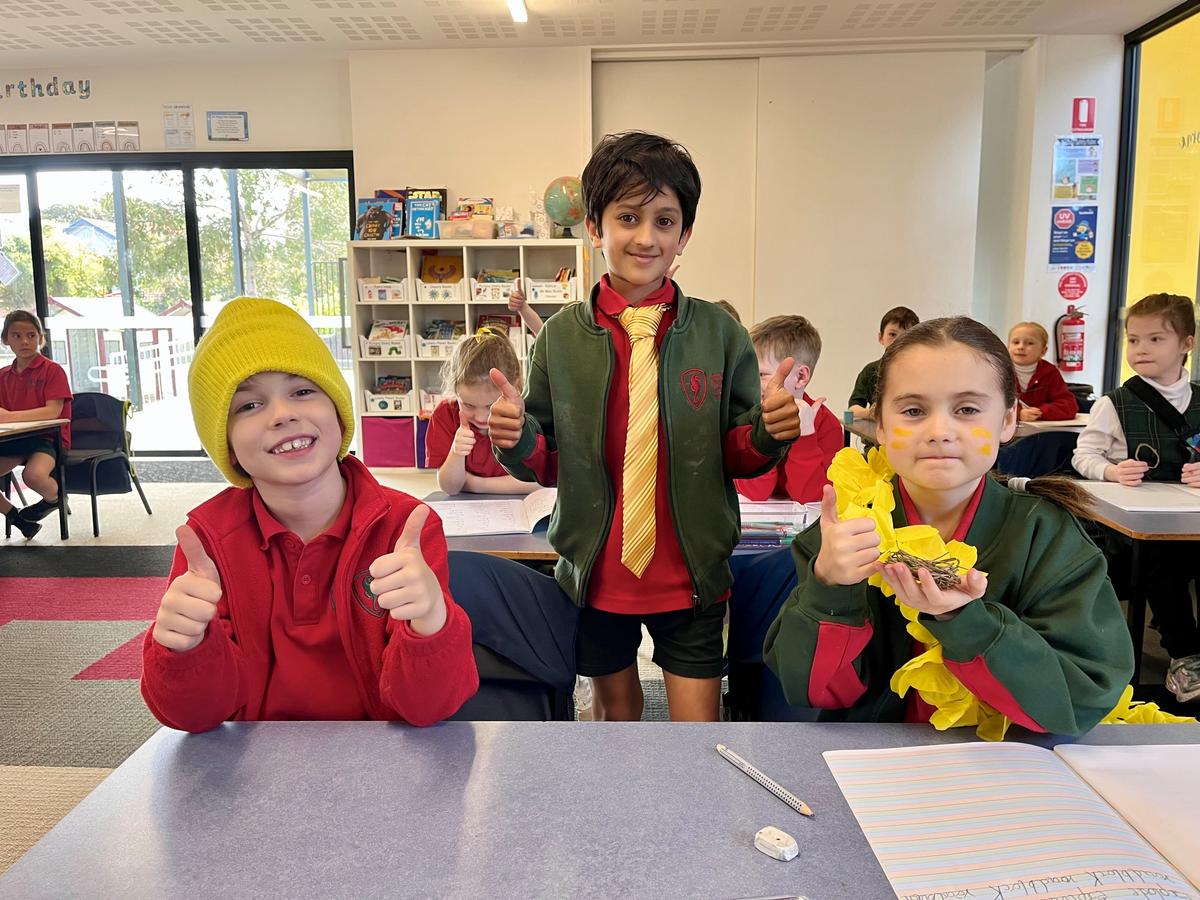
Today you may notice touches of yellow adorning students' uniforms as we acknowledge R U OK? Day. While today provides a visible reminder to check in with the people around us, at BNPS we want this to be something we practise every day. Being part of a community means noticing others, listening carefully, and sometimes adjusting what we say or do to make room for someone else's feelings. In many ways, that brings me back to where I began this newsletter: a child stopping to look someone in the eye and genuinely asking, “How was your weekend?” Small gestures of connection matter.
Heading Towards the Holidays
As we approach the final week of Term 3, I want to congratulate our students and staff on another enormously productive term and thank our families for the many ways you continue to support our school. I hope everyone enjoys a safe and restful holiday. I will be spending mine in lovely Melbourne, taking every opportunity I can to escape down the Peninsula—and hopefully enjoying a little more of this beautiful spring weather.
Wishing everyone a wonderful end to Term 3.
Warm regards,
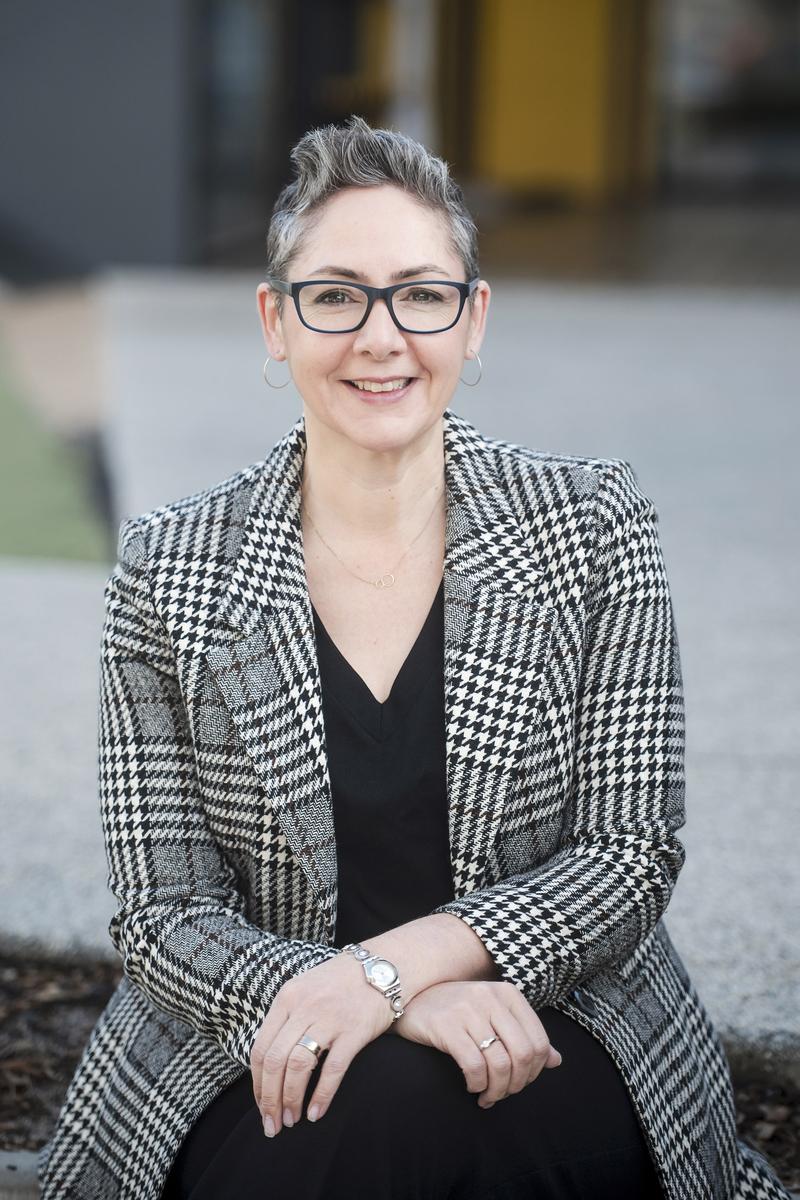
Julia Stoppa
Principal