
HUB News

BASIS - Behaviour Assessment and Supports in Schools
🌈 BEHAVIOUR IS COMMUNICATION 🌈
💭 Did you know?
Children’s behaviour often has a purpose. Before children have fully developed the skills to explain their emotions and needs, they often communicate through their actions.
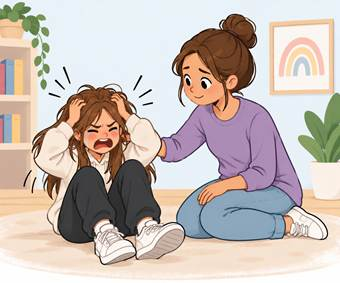
A tantrum, refusal, tears, withdrawal or attention-seeking behaviour might actually be a child’s way of saying:
💛 “I need some connection.”
😴 “I’m tired.”
😟 “I’m feeling overwhelmed.”
🗣️ “I don’t know how to explain what I need.”
🤗 “I need some reassurance.”
😤 “I’m frustrated and need help calming down.”
🔍 LOOK BEYOND THE BEHAVIOUR
Instead of only asking:
“Why are they behaving like this?”
Try asking:
💡 “What are they trying to communicate?”
Taking a moment to consider what might be happening underneath the behaviour can help us better understand what a child needs and how we can support them.
🏡 WHAT CAN WE DO?
🌟 Stay calm
Children often look to trusted adults for help regulating big emotions. A calm response can help them feel safe and supported.
🌟 Name the feeling
Try saying, “I can see you’re feeling frustrated. Let’s work through it together.”
🌟 Look for patterns
Consider whether the behaviour happens when your child is tired, hungry, overwhelmed or experiencing a change in routine.
🌟 Keep boundaries clear
Understanding the reason behind behaviour doesn’t mean every behaviour is okay. Calm, clear and consistent boundaries help children feel secure while learning more appropriate ways to communicate their needs.
🌟 Notice the positives
Praise children when they communicate their feelings, solve a problem or manage a difficult situation positively.
⭐ TRY THIS AT HOME
The next time a challenging behaviour occurs, remember:
👀 PAUSE • NOTICE • CONNECT • RESPOND
PAUSE before reacting.
NOTICE what might have triggered the behaviour.
CONNECT with how your child may be feeling.
RESPOND calmly while maintaining appropriate boundaries.
🌻 REMEMBER...
Every behaviour tells us something.
When we look beyond what a child is doing and consider what they may be communicating, we can help them develop the emotional, social and communication skills they need as they grow.
🌟 BUILDING OUR KNOWLEDGE AT BROOKSIDE
During our most recent Professional Practice Day, ES staff participated in BASIS training to develop a deeper understanding of student behaviour and the purposes that may sit behind it.
Feedback from ES staff following completion of the BASIS modules has been positive, with many describing the training as practical, relevant and directly applicable to their day-to-day roles.
Staff particularly valued the module content on identifying the underlying function of student behaviour and recognising that behaviour can be a form of communication. Several staff noted that this shift in perspective has already changed how they respond in the moment — moving from reacting to the behaviour itself to pausing and considering what the student might be needing or communicating.
Staff also highlighted the modules’ focus on proactive, low-key strategies for de-escalation, which they have found easy to apply during yard duty, transitions and classroom support.
The emphasis on consistent, calm and predictable responses was another key takeaway, with staff reporting greater confidence in supporting students through tricky moments without escalating the situation further.
Overall, ES staff have welcomed the opportunity to build their knowledge and understanding through the BASIS modules and are looking forward to sharing their learning more deeply with the wider staff team later in the year.