Humanities/Innovation
Stepping into the Past: Ancient Egypt Comes Alive Through VR
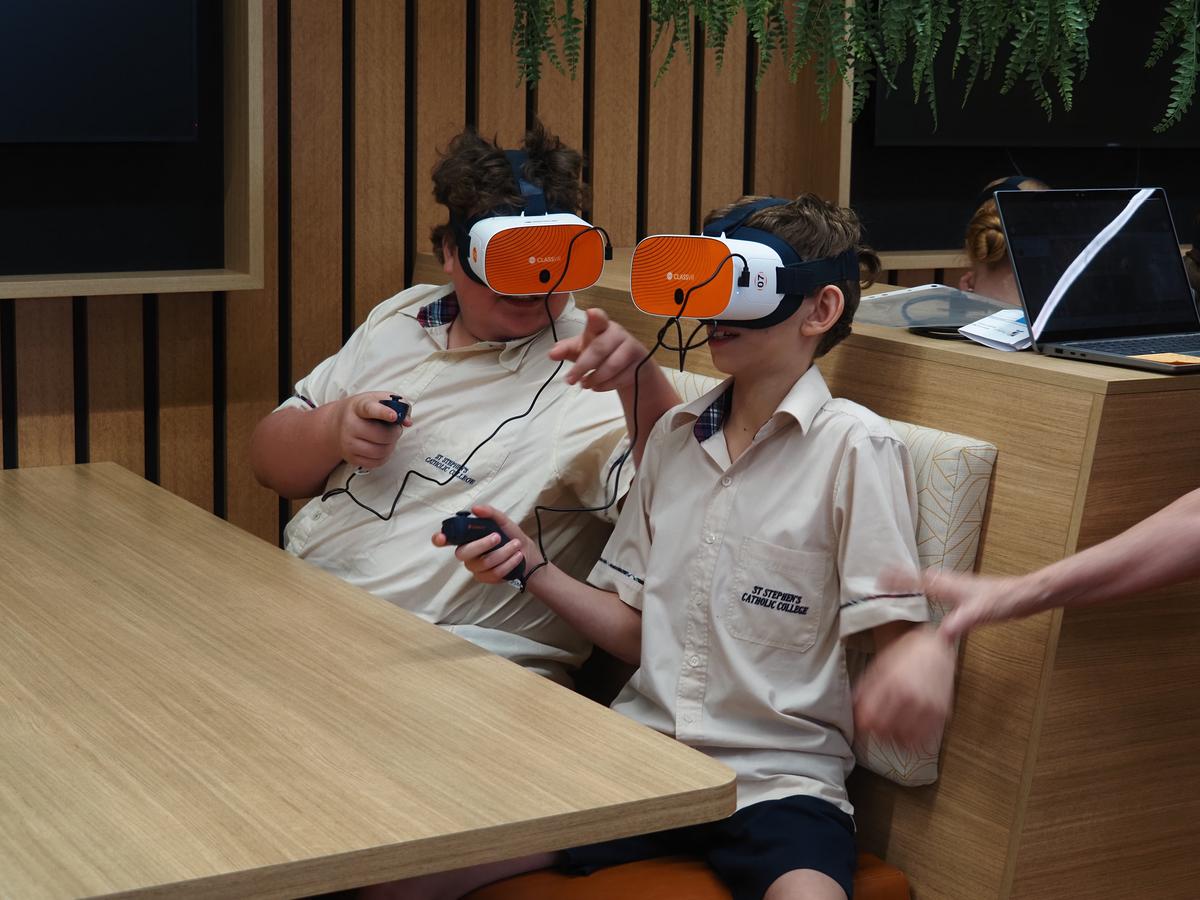
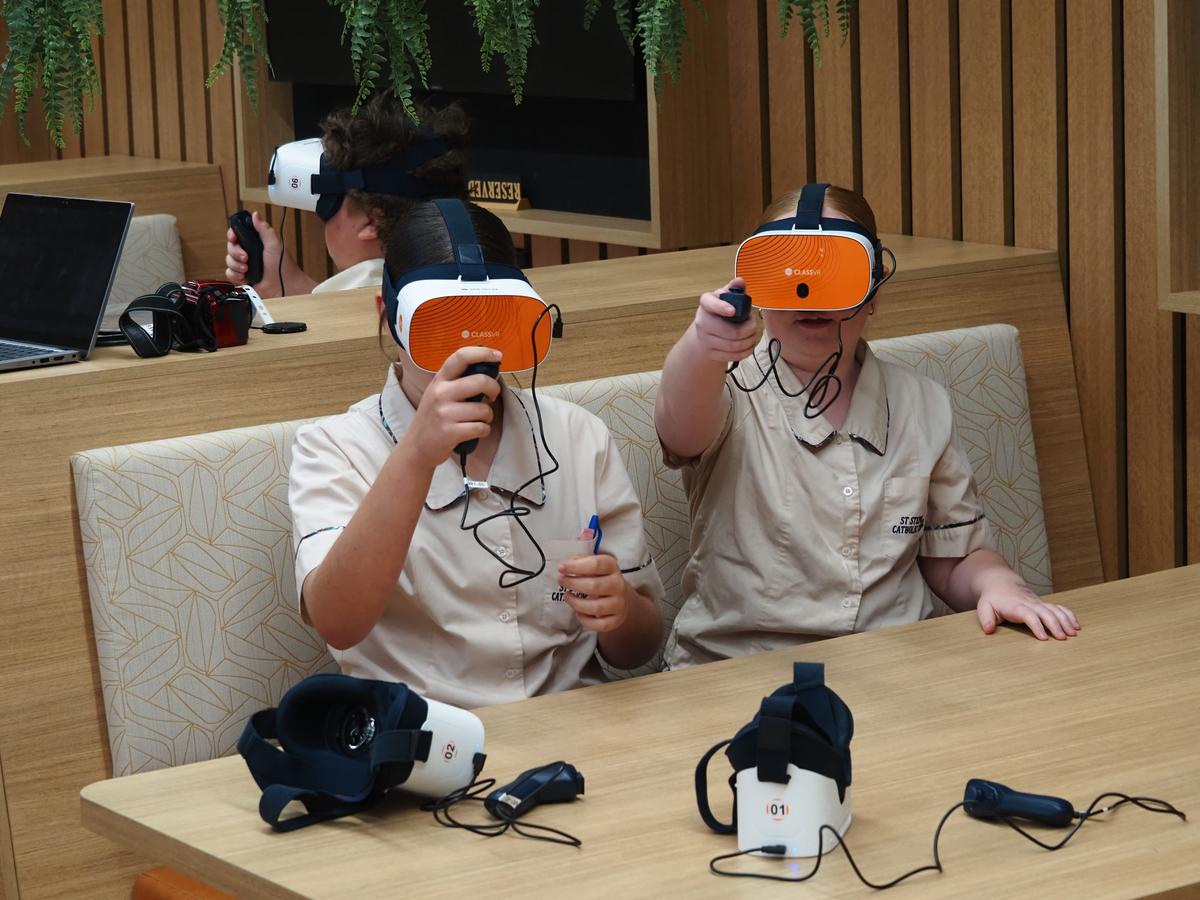
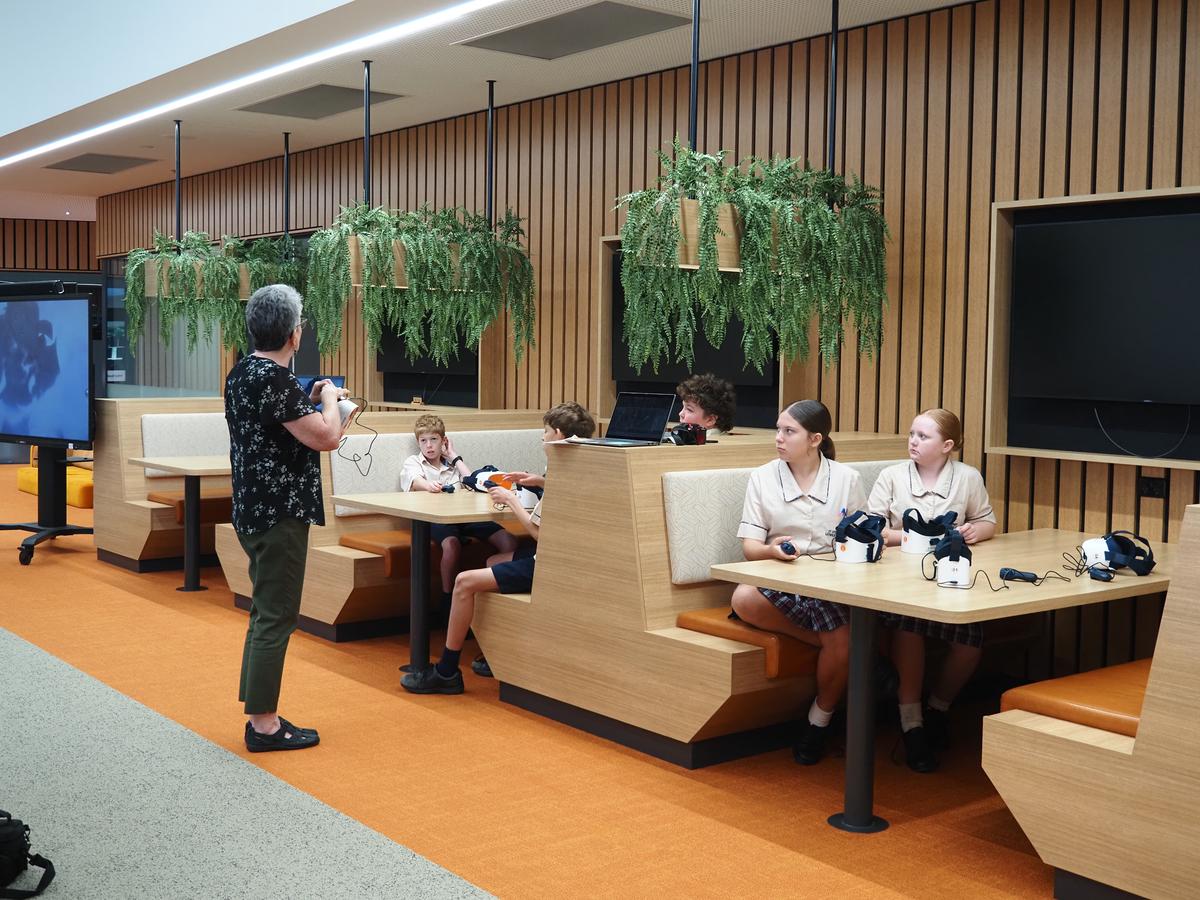
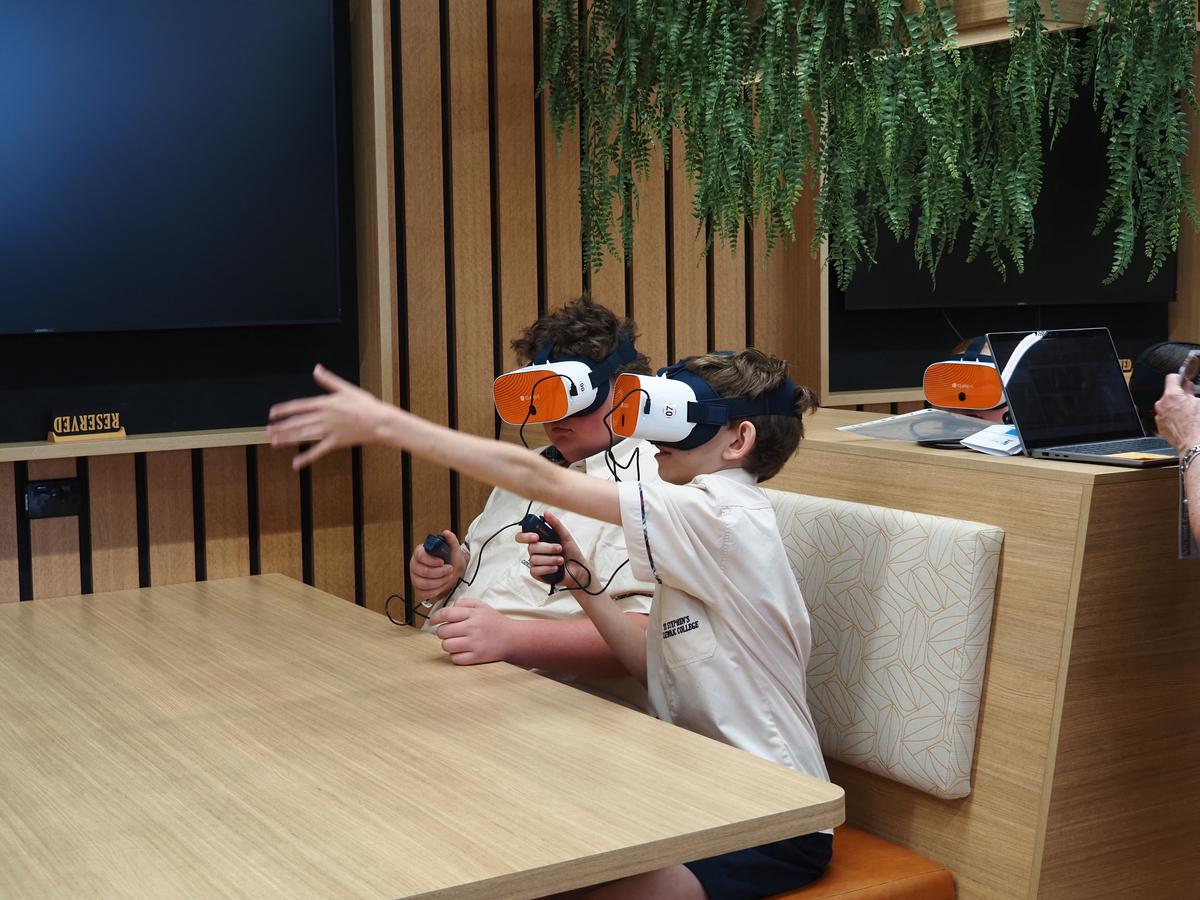
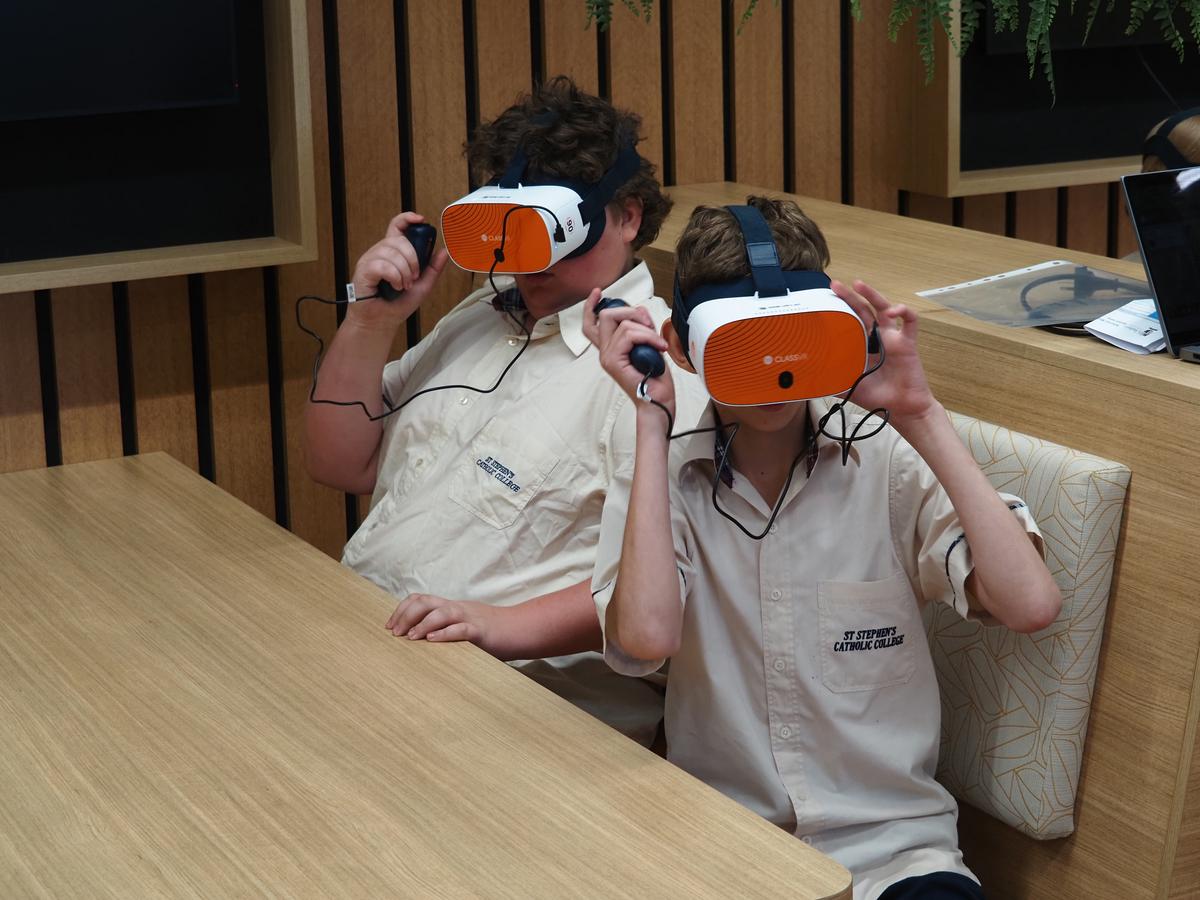
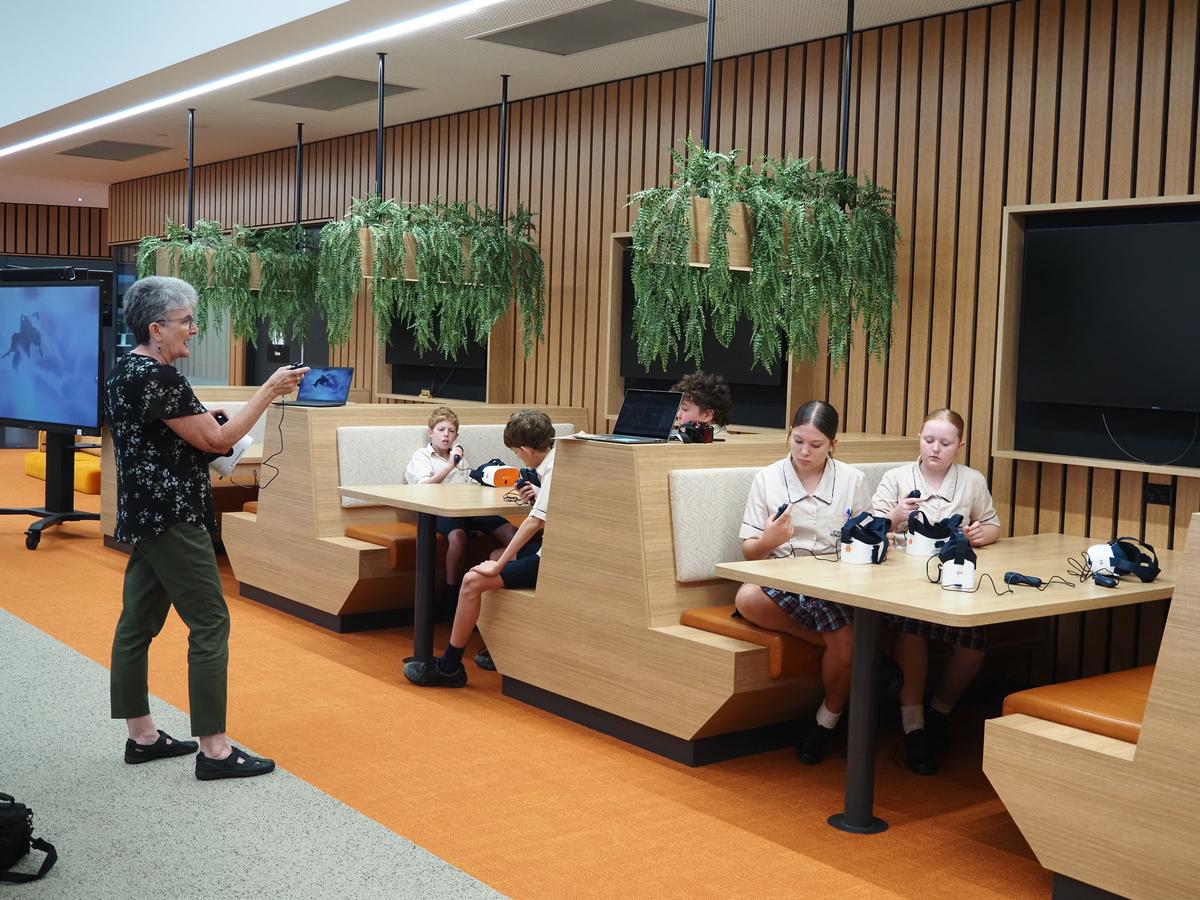
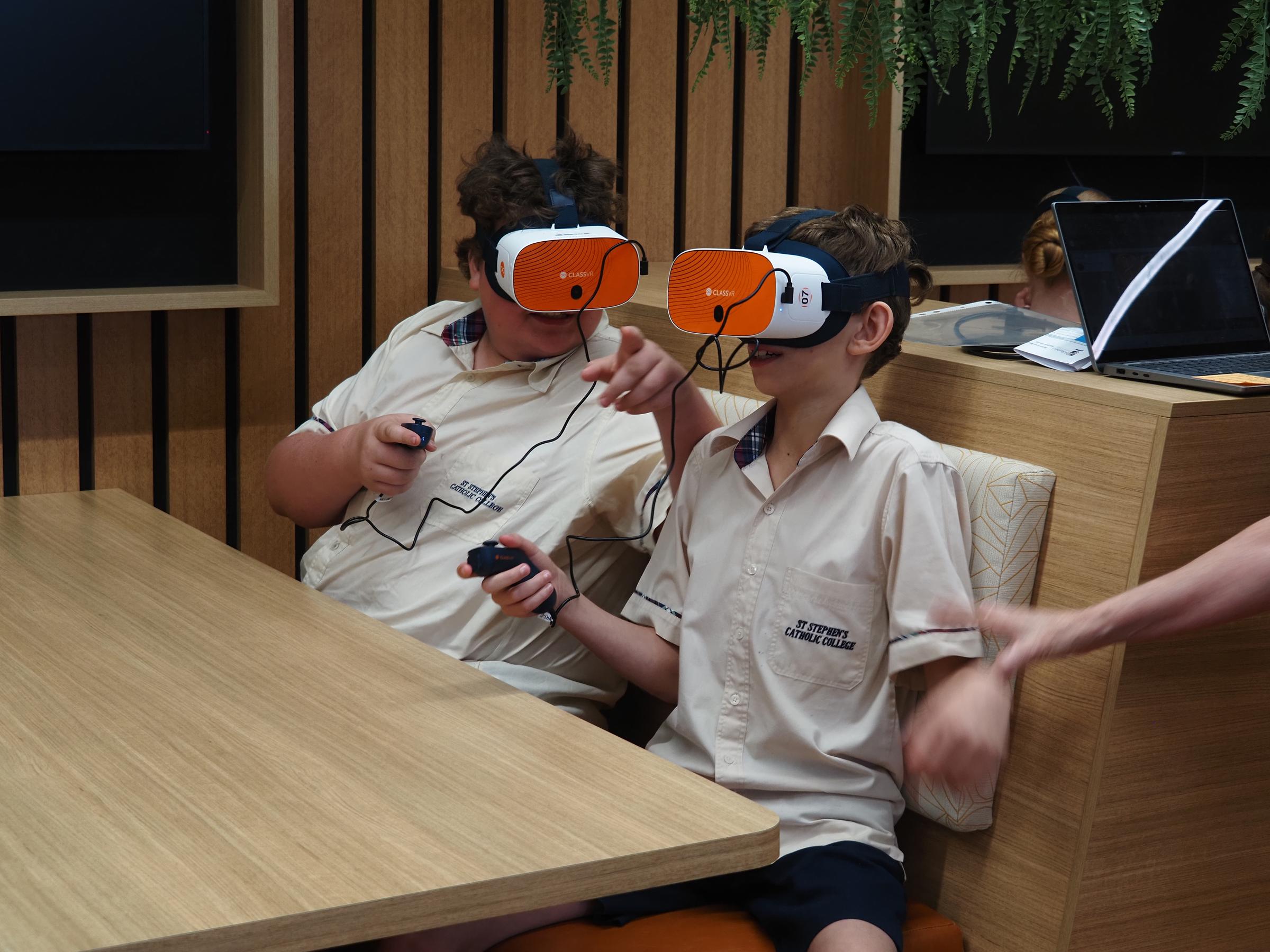
At the end of last term, our Year 7 history students had the exciting opportunity to step beyond the classroom and into the ancient world using virtual reality (VR) headsets. It was rewarding to see students engage so deeply with the past, and this immersive activity truly brought Ancient Egypt to life in a way that textbooks alone cannot achieve.
The experience began at an archaeological dig site, where students were guided through the process of discovery and analysis. They carefully observed artifacts that had already been uncovered, noting how these objects were sorted and catalogued. This stage helped reinforce the importance of archaeology in building our understanding of ancient civilisations and encouraged students to think like historians - questioning, interpreting, and making connections.
From there, students ventured into the tomb itself. Passing through the entrance, they descended a shaft adorned with scenes from the tomb owner’s Book of the Dead. These intricate visuals depicted spells and narratives intended to guide the deceased through the afterlife.
As they progressed, students encountered striking hieroglyphs depicting the Hall of Two Truths. After carefully navigating across a series of unstable planks (a favourite moment for many!), they approached a chamber depicting the Weighing of the Heart Ceremony. This powerful scene showed how the heart of the deceased was measured against the feather of Ma’at, symbolising truth and justice.
Continuing deeper into the tomb, the students entered the burial chamber, where a mummy lay within an elaborately decorated sarcophagus. This moment provided a vivid understanding of burial practices and the significance Egyptians placed on preserving the body for the afterlife.
On either side of the chamber, students discovered additional rooms filled with objects placed to accompany the deceased, including board games, food offerings, and human-like statues known as shabtis. These artefacts helped students grasp the concept of the afterlife as a continuation of earthly existence, where one would still need entertainment, nourishment, and assistance.
Throughout the experience, students demonstrated curiosity, enthusiasm, and a genuine sense of wonder.
This VR activity not only enhanced student engagement but also supported deeper learning by allowing students to visualise and experience historical concepts in context. It was a powerful reminder that history is not just about dates and facts - it is about people, their beliefs, and the worlds they created.
We look forward to incorporating more innovative learning experiences like this in the future.