
Spotlight on Learning
Damascus Community
Spotlight on Learning
Damascus Community
Dear Families,
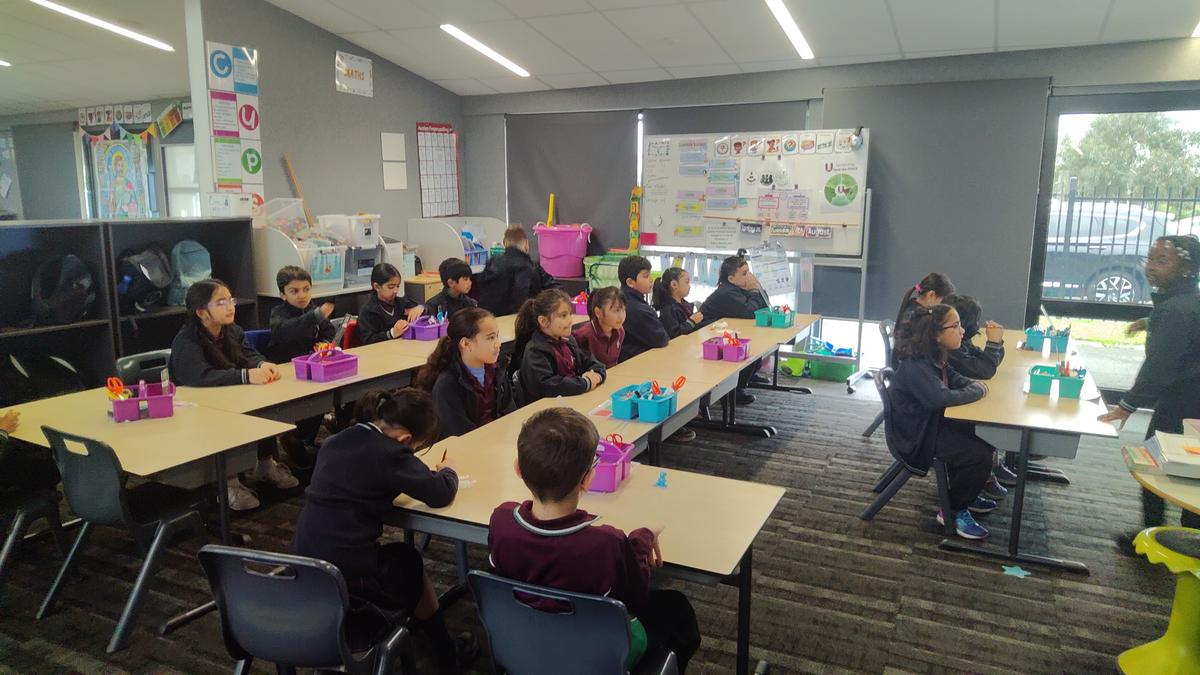
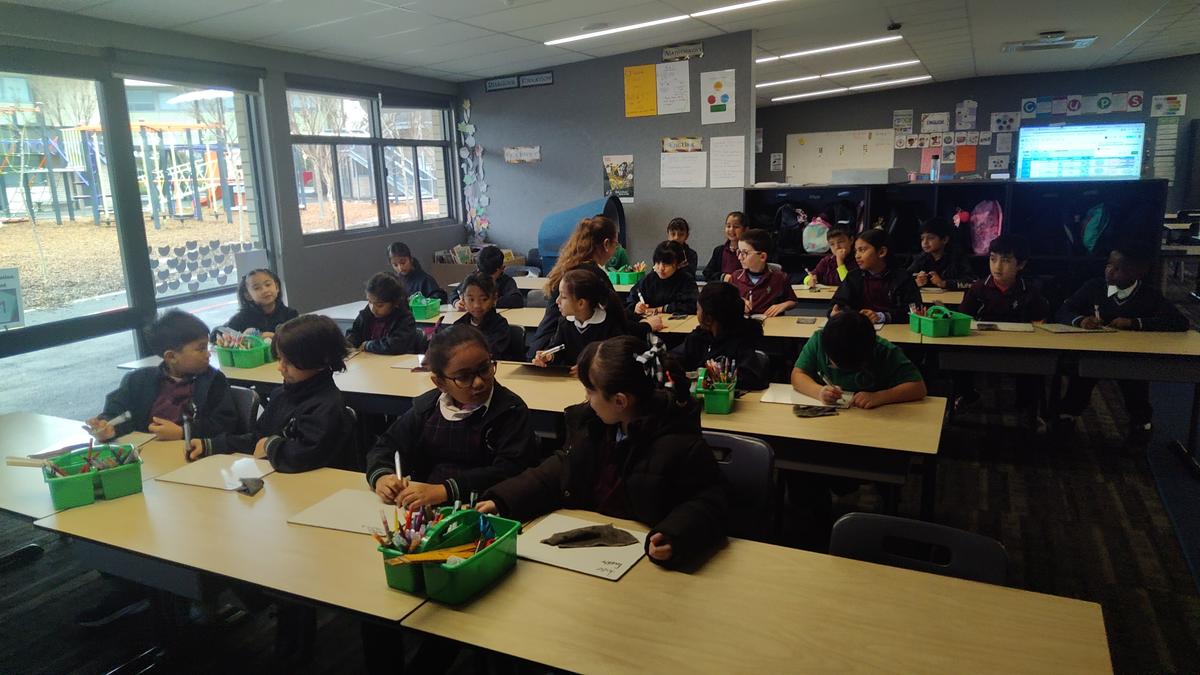
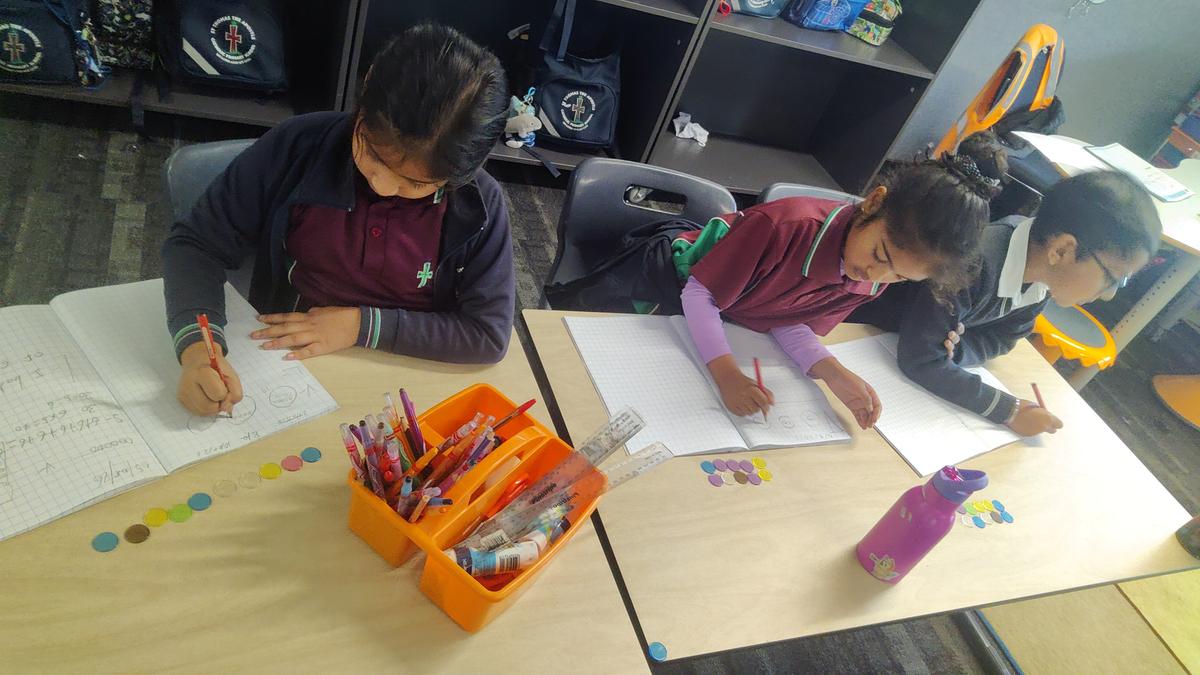
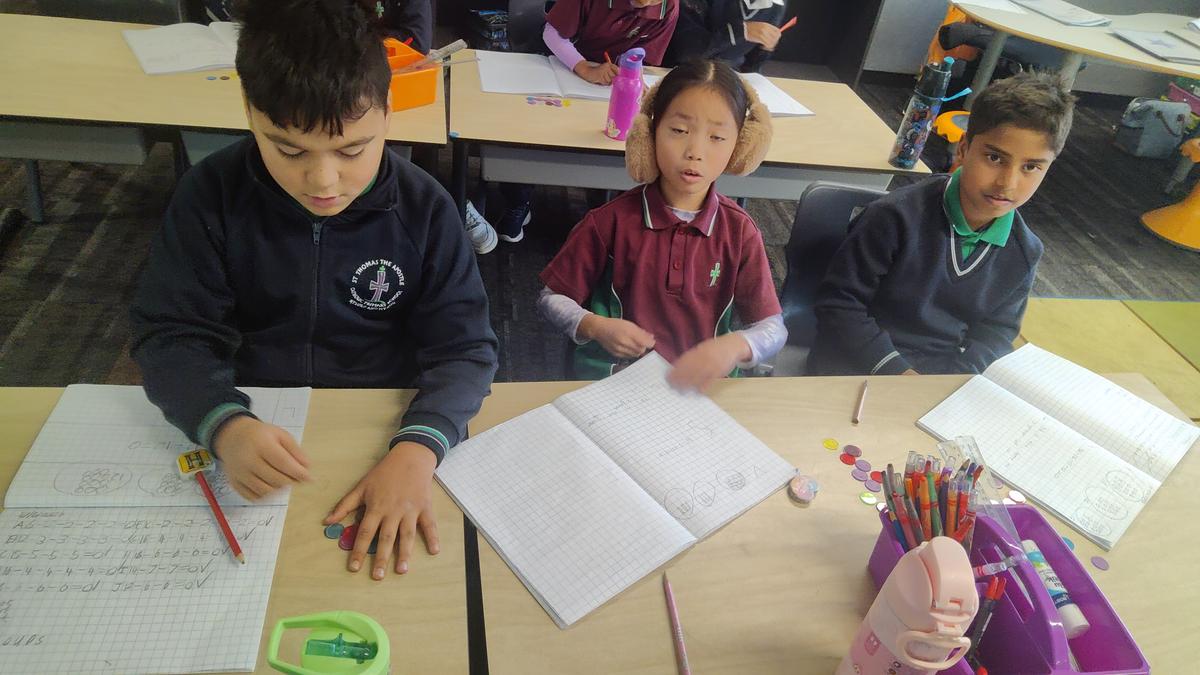
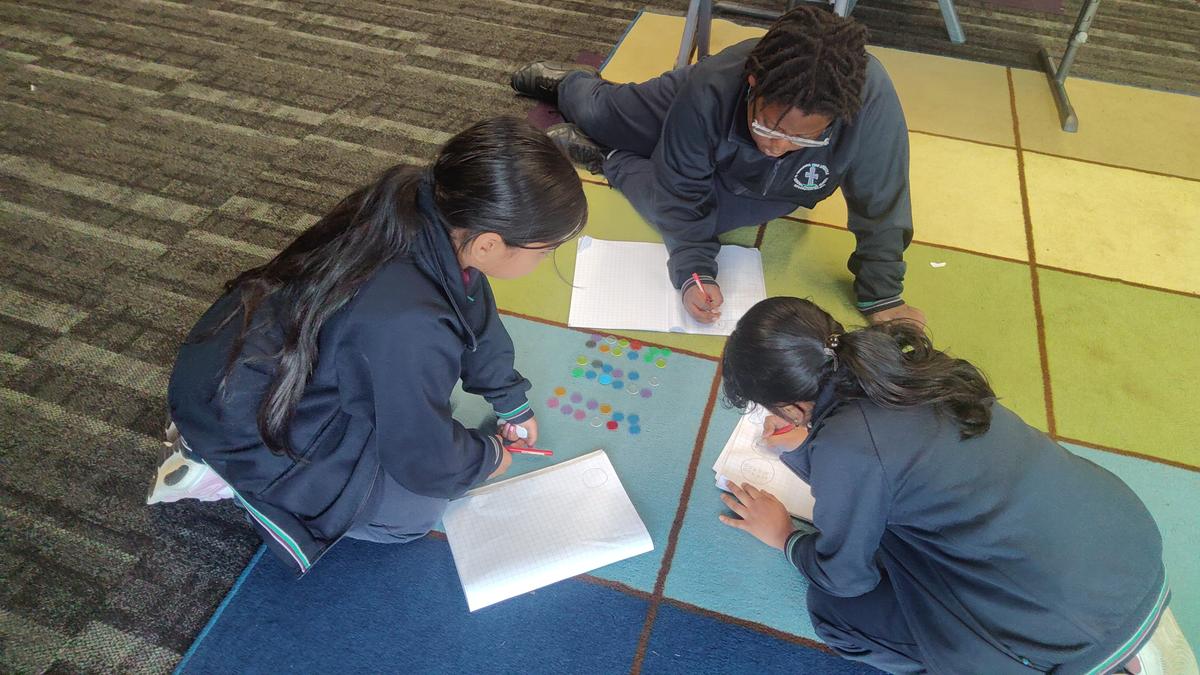
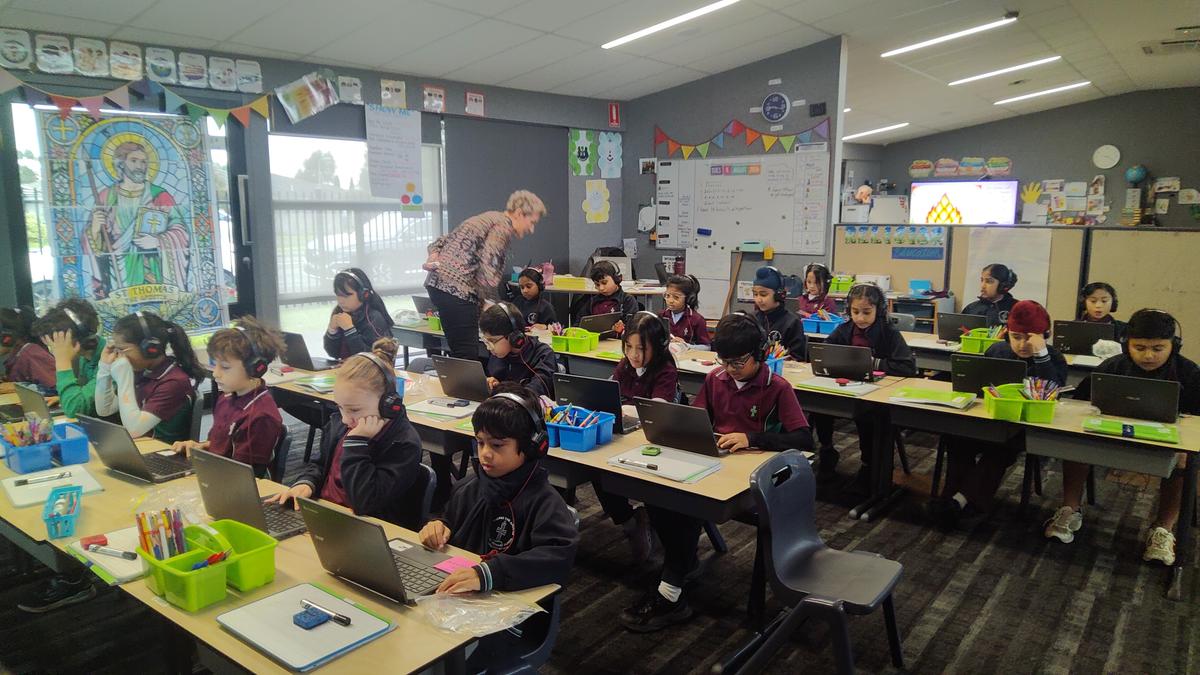
In Week 5, students explored sacraments and the roles people have within faith communities in Religious Education. In English, they studied The Little Refugee, making predictions, sequencing events and inferring character traits and feelings while developing their independent writing skills.
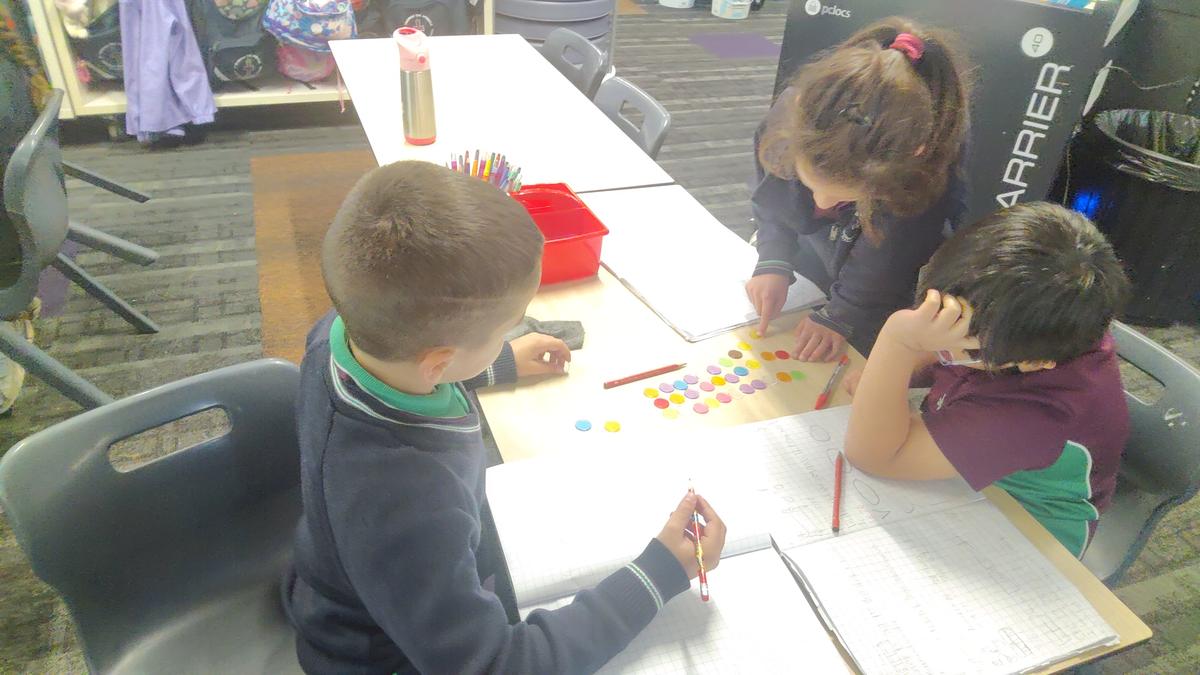
In Mathematics, students used modelling and a range of strategies to solve practical addition, subtraction, multiplication and division problems. In Integrated Curriculum, they explored how dance can communicate culture, traditions and celebrations, while in Auslan they developed visual thinking and practised signs and phrases through interactive activities. In Social and Emotional Learning, students learned about being an upstander, gender fairness and safe, respectful ways to respond to unfair behaviour.
Religious Education:
In Week 6, students will continue exploring sacraments as special celebrations in the life of the Church, with a focus on the symbols and actions used in Baptism and the importance of forgiveness in Reconciliation. They will also learn about the different roles people have within a faith community and how people use their gifts to care for, serve and support others. Students will discuss how celebrations bring communities together and help people remember important beliefs, events and traditions.
English:
For Reading in week 6, students will revise and consolidate key Stage 8 reading skills from Weeks 1–5. They will review common prefixes and suffixes, including mis-, sub-, dis-, -ful, -less, -ness, -ment, -er, -or and -al, and use their understanding of morphemes to build, read and spell multisyllabic words. Students will also revise the /ul/ ‘le’ spelling pattern, strengthen Tier 2 vocabulary, and practise reading connected texts with increasing fluency, accuracy and comprehension.
For Writing, students will continue exploring The Little Refugee by making predictions using the title, cover and illustrations, sequencing key events and inferring Anh Do’s character traits using evidence from the text. They will examine how Anh’s journey changes from the beginning to the end of the story and what this reveals about his experiences. Students will also continue developing correct letter formation, size and spacing, and will plan, write and improve an independent piece by adding detail, strengthening word choices and checking their work.
Mathematics:
In Week 6, students will develop their problem-solving skills by using the Cubes strategy to solve multiplication and division word problems. They will identify important numbers and key words, determine what the question is asking, choose the appropriate operation and solve the problem step by step. Students will draw on their understanding of equal groups, grouping and sharing and explain their answers using complete sentences.
Integrated Curriculum:
In Week 6, students will continue exploring how dance is used by different communities and cultures to celebrate, share traditions and tell stories. They will identify how movement can communicate cultural meaning and develop their own dance movements using the elements of dance and safe dance practices.
Auslan:
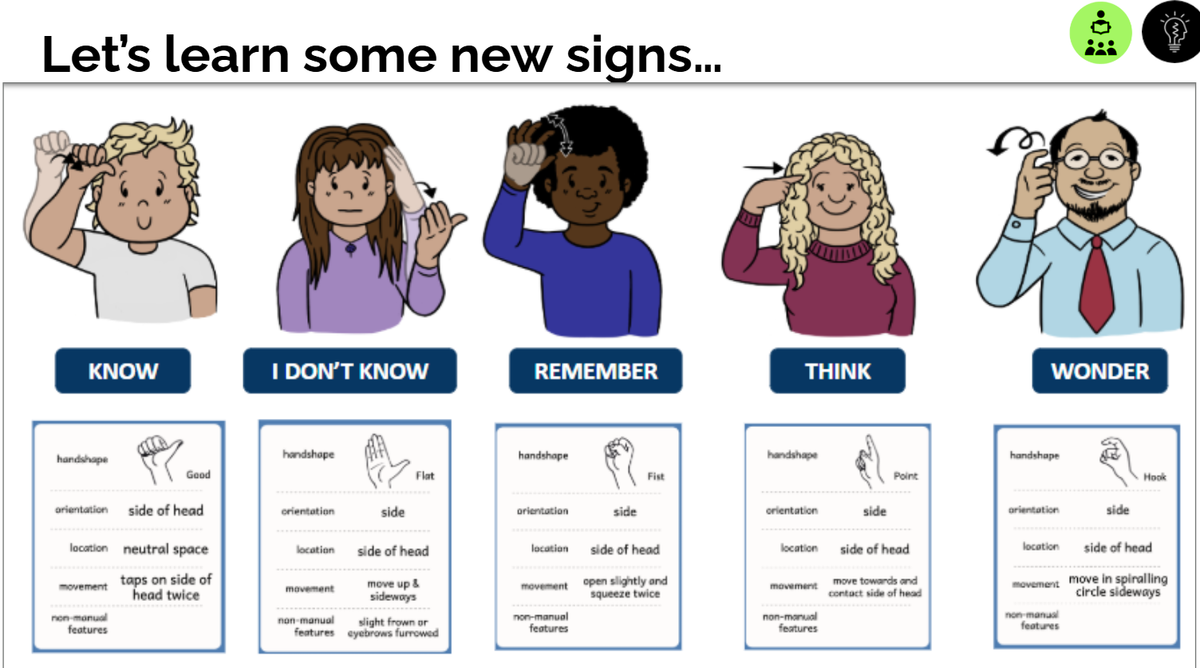
In Week 6, students will use visual thinking to picture and sign actions within stories, with a focus on showing how different objects are closed. They will also continue building their Auslan vocabulary, confidence and fluency by memorising signs and short phrases and practising them through interactive activities such as Catch the Signs/Phrases and Bean Bag Signs.
Social & Emotional Learning:
In Week 6, students will explore fairness, inclusion and how their words and actions can help or hurt others. They will discuss how people may feel when they are excluded, what it means to be gender fair, and how conflicts can arise between individuals. Students will consider appropriate and inappropriate behaviours, recognise how emotions can influence their choices, and practise thinking about consequences to make fair, respectful and responsible decisions.
| Next Week | Event |
|---|---|
| Monday | 2B and 2C PE |
| Tuesday , July 22 | 2D Art and 2A PE; mass with Year 4 |
| Wednesday | 2B and 2C Art |
| Thursday | STSS |
| Friday | 2D PE and 2A Art |
Read together each night and talk about the message in a story. Ask your child what the author might want the reader to think, feel or learn.
Practise maths in everyday life by noticing patterns at home or outside, such as patterns in tiles, clothes, blocks, counting, or nature. Ask your child to describe what repeats or what changes.
Fidget Toys
We kindly ask that students do not bring fidget toys to school unless their use is a planned adjustment in consultation with Allied Health Professionals. Students who bring fidget toys without an approved adjustment will be asked to place them in their school bag for the remainder of the day to take home. We appreciate your support in encouraging your child to leave fidget toys at home.
Please ensure that you are labelling your child's belongings.
Please remind your child to change their reading books when they need to.
The Damascus Team





damascus@cranbourneeast.catholic.edu.au (all teachers) or
| Staff Members | Email Address | |
|---|---|---|
| 2A - Cassandra Schalks | cschalks@cranbourneeast.catholic.edu.au | |
| 2A - Amanda Karam (alt Mondays) | akaram@cranbourneeast.catholic.edu.au | |
| 2B - Esha Blake | eblake@cranbourneeast.catholic.edu.au | |
| 2C - Angela McCullagh | amccullagh@cranbourneeast.catholic.edu.au | |
| 2D - Nuwani Bandara | nbandara@cranbourneeast.catholic.edu.au | |
| 2D - Amy Richardson (Friday) | arichardson@cranbourneeast.catholic.edu.au |