
Careers Corner

Mock Interviews
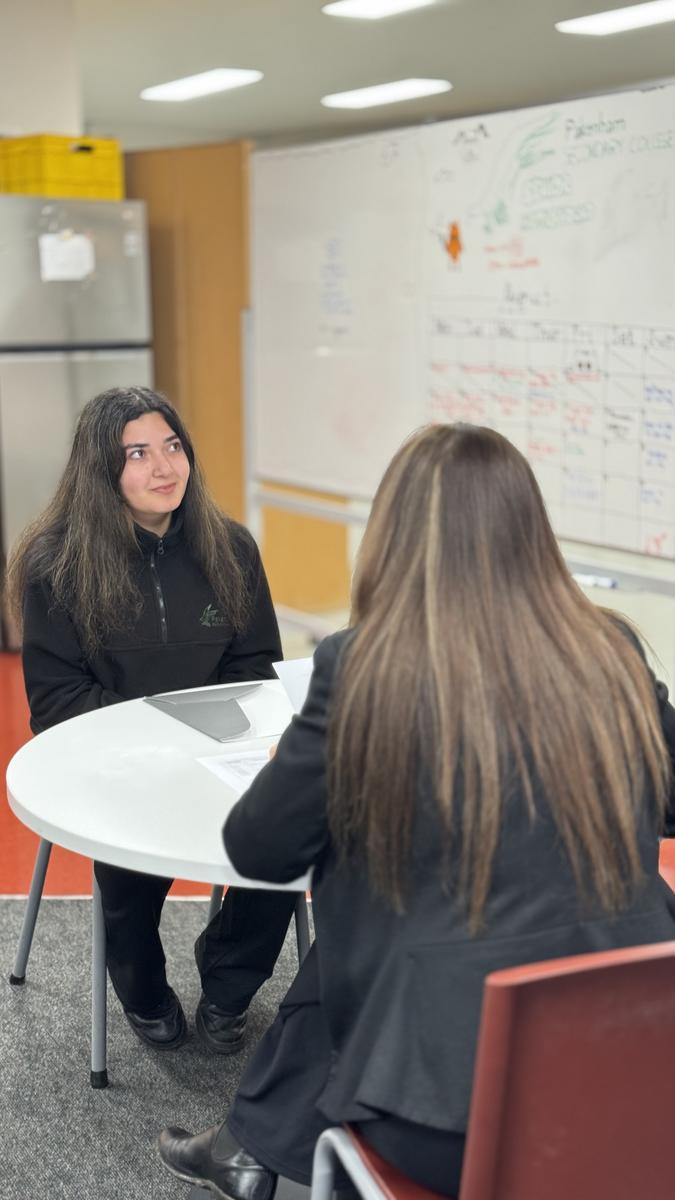
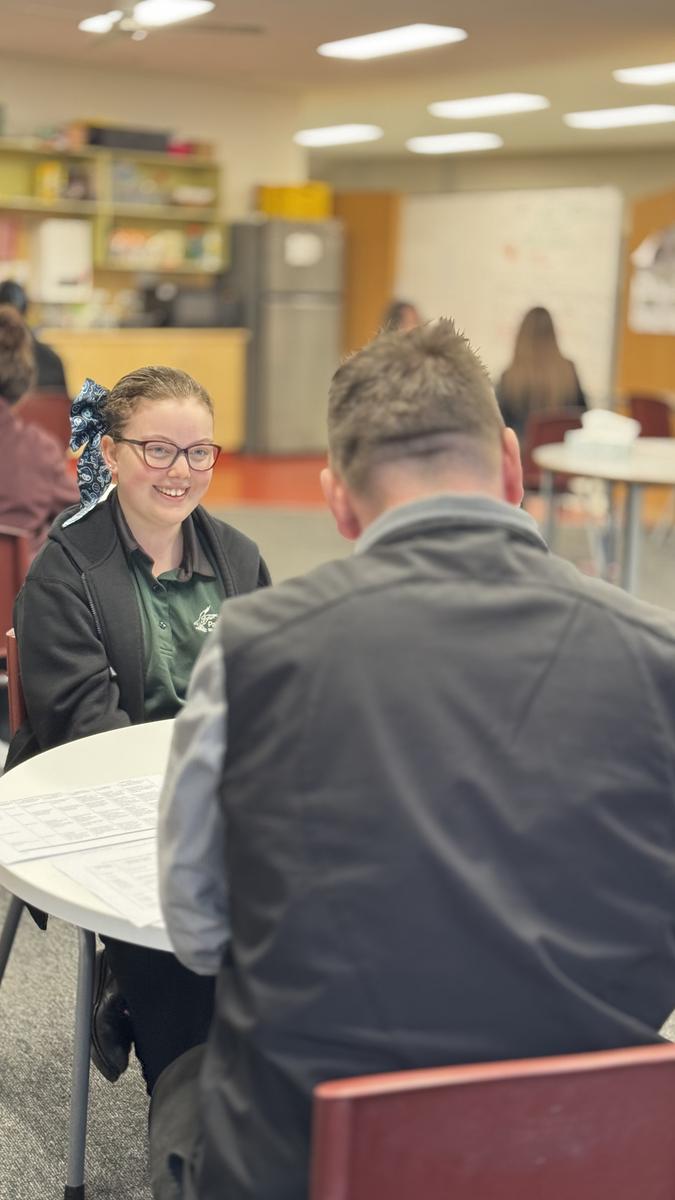
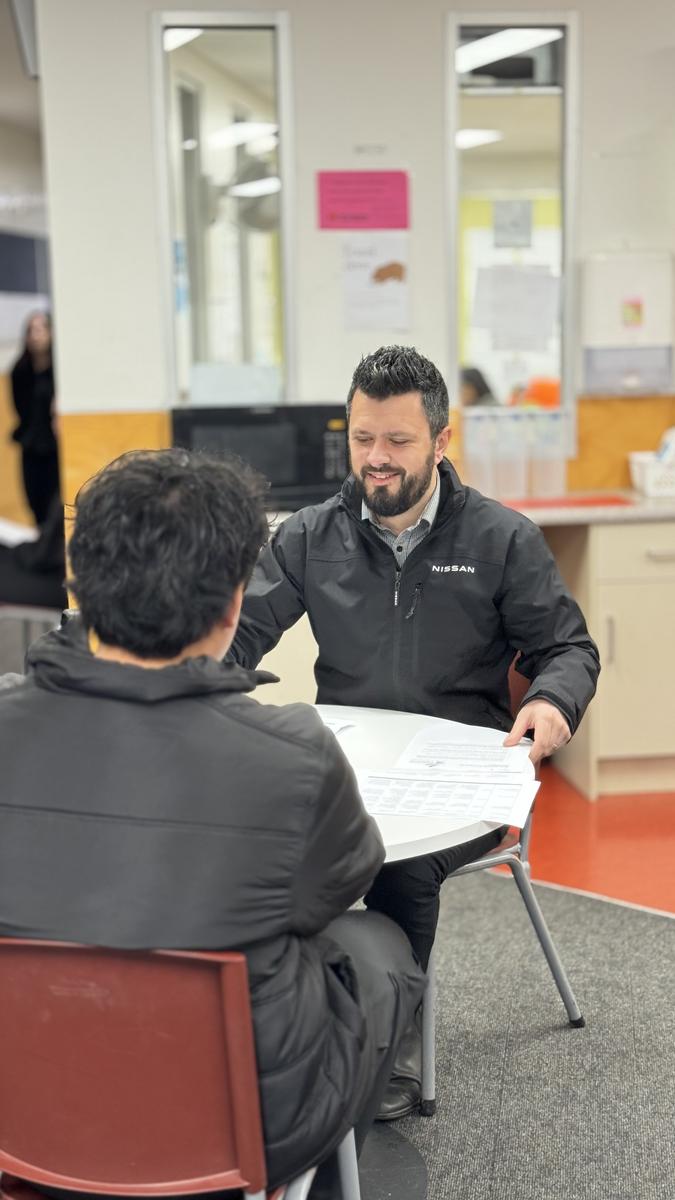
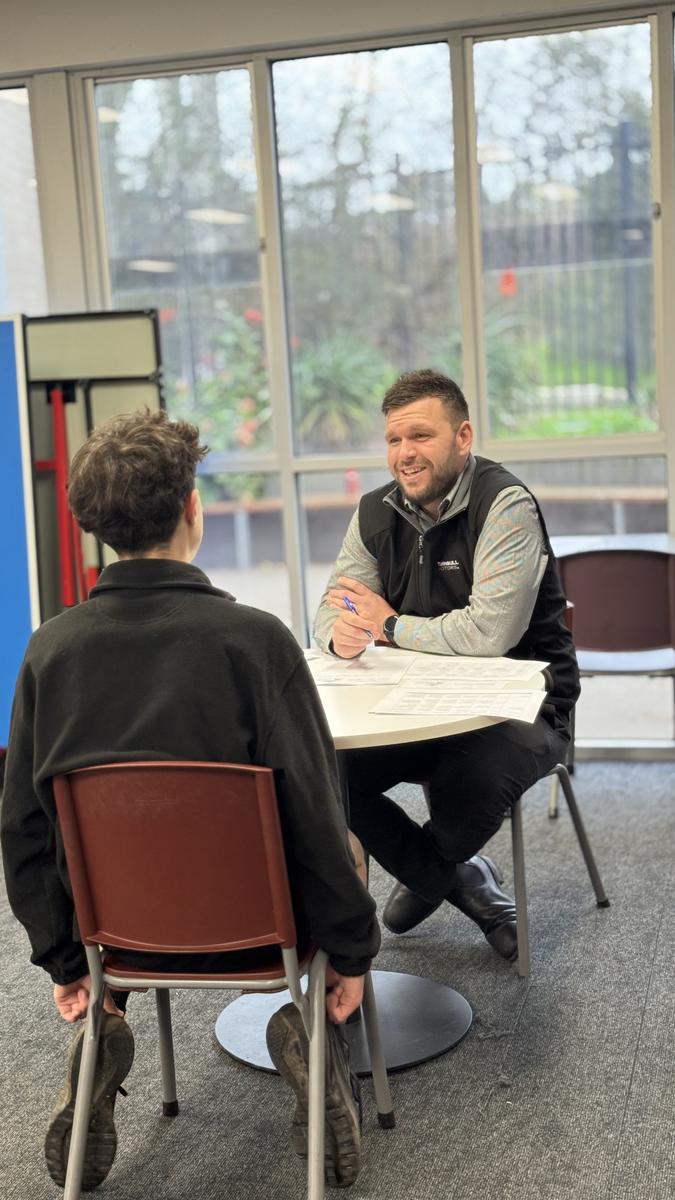
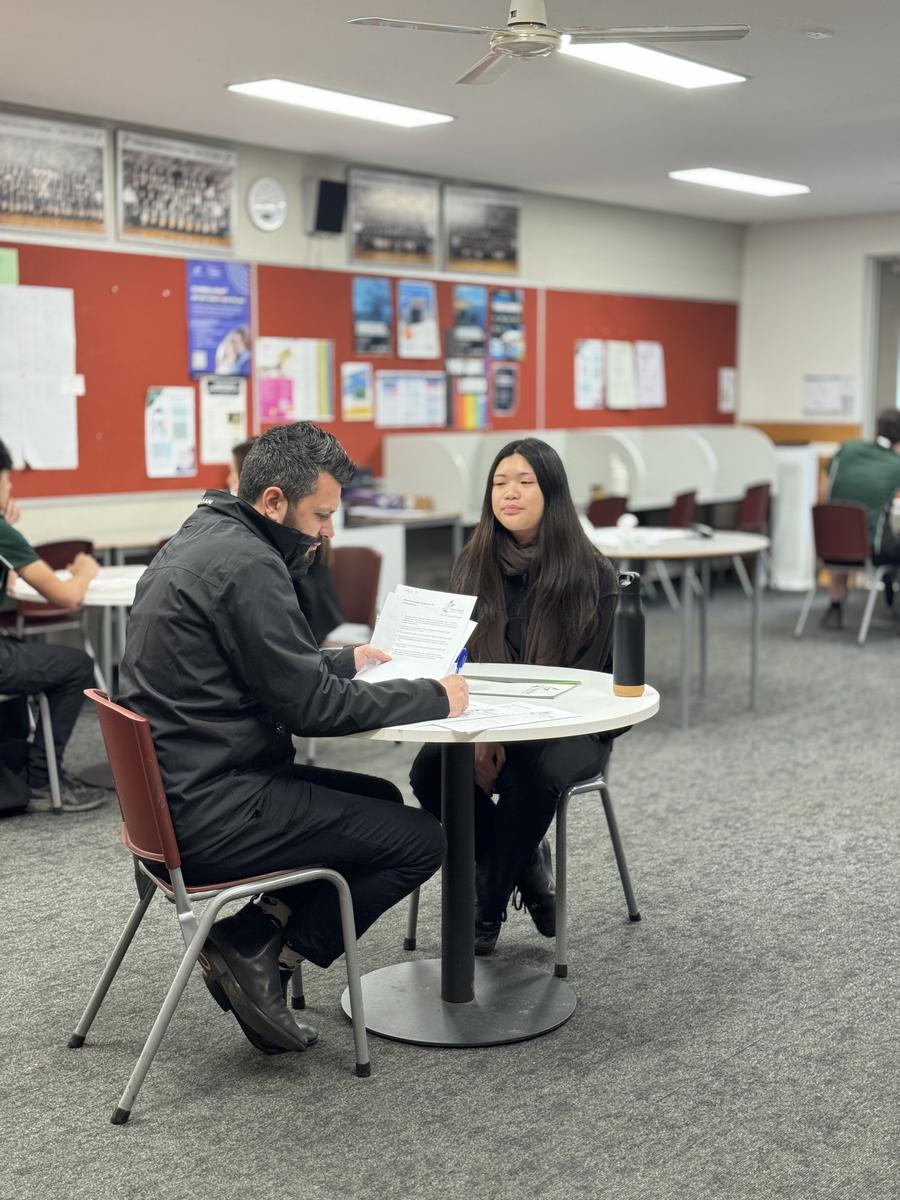
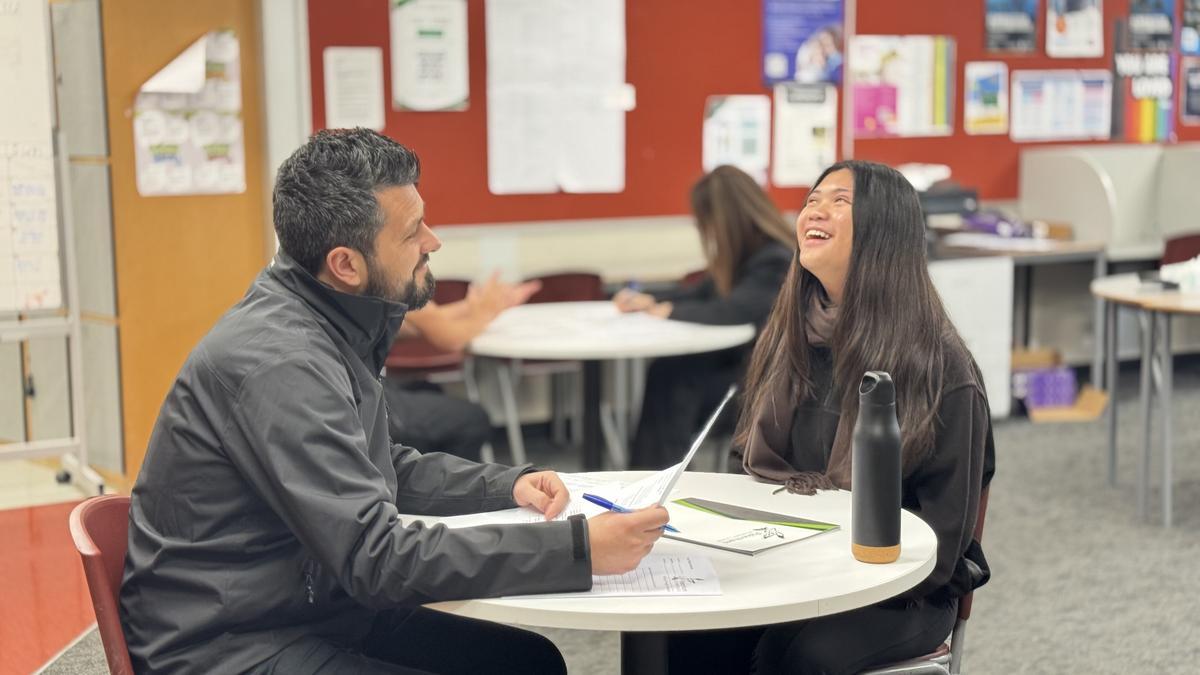
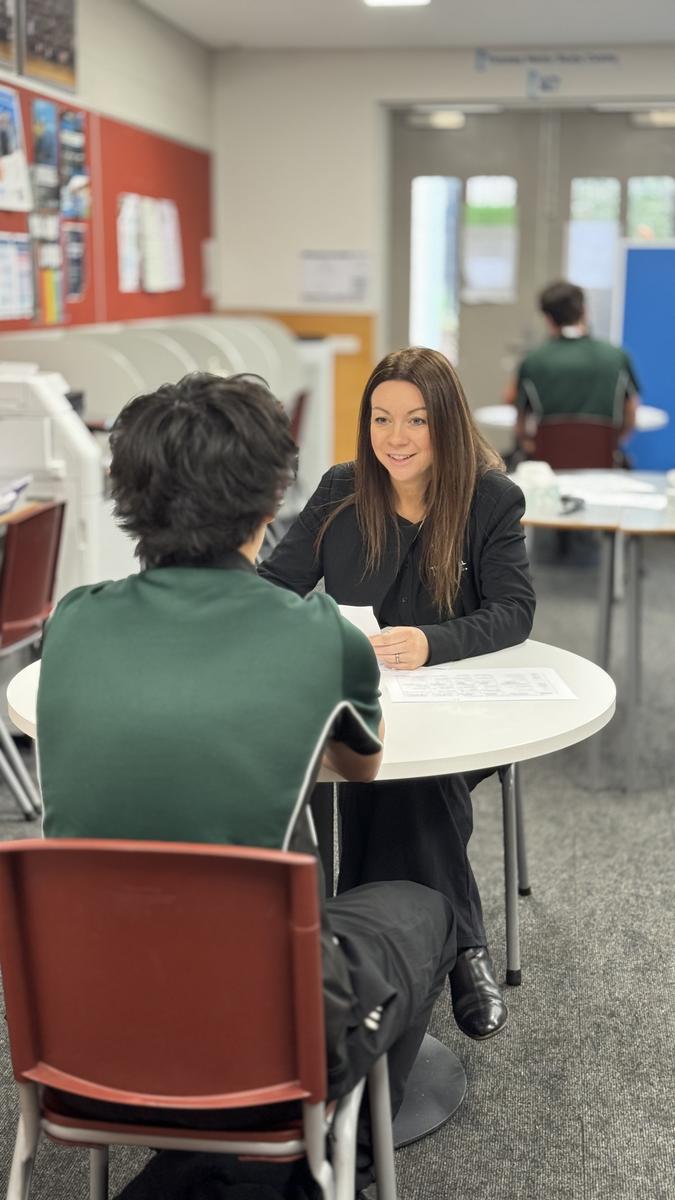
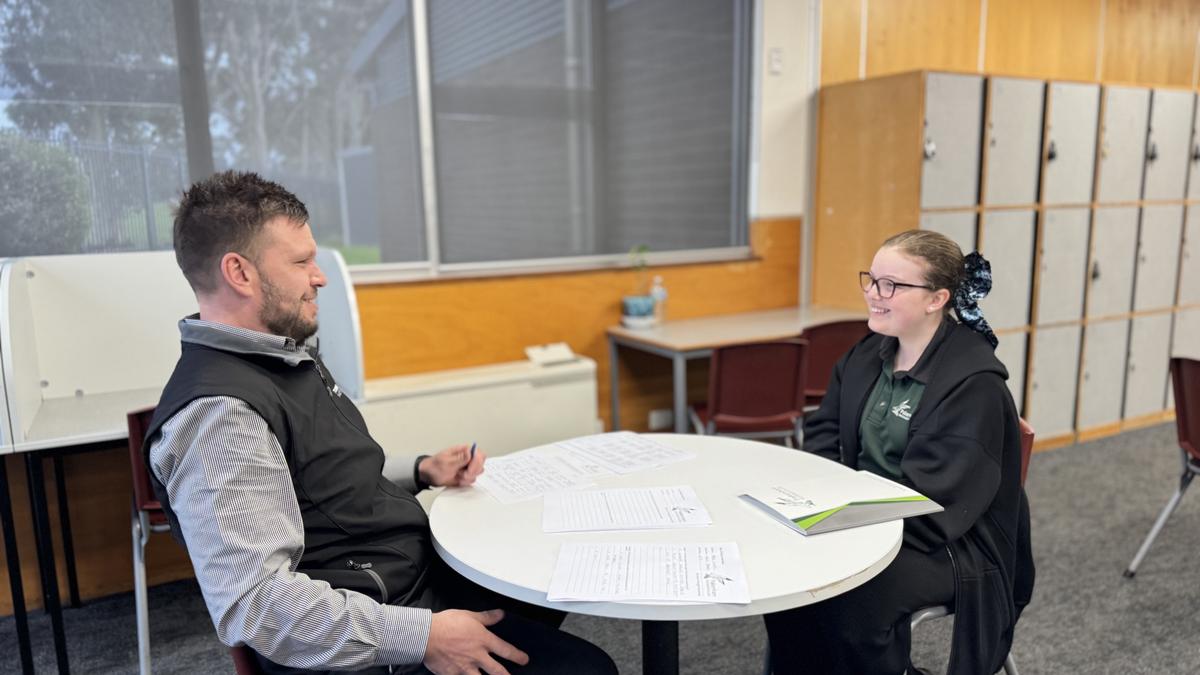
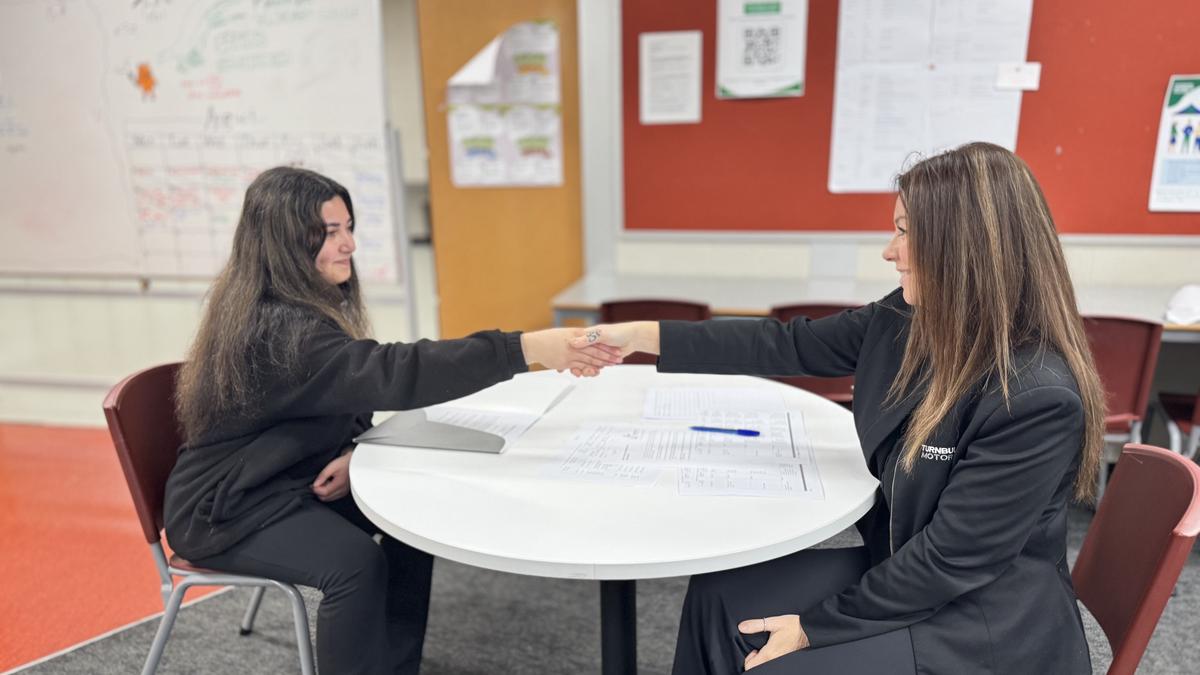
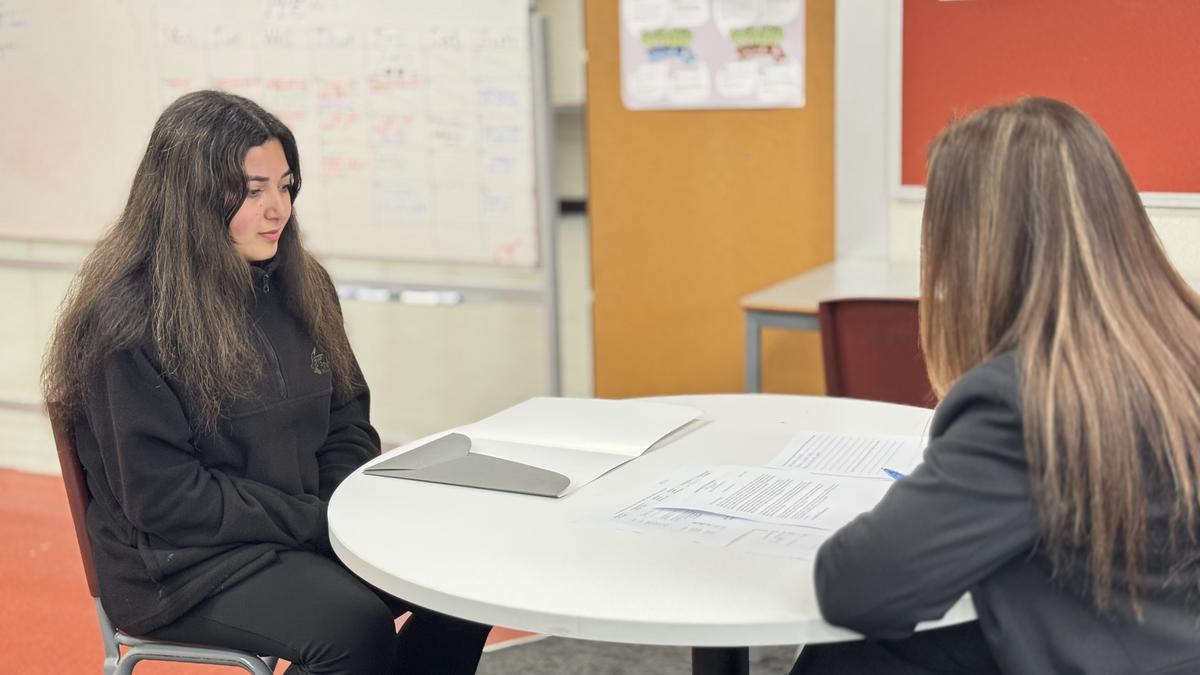
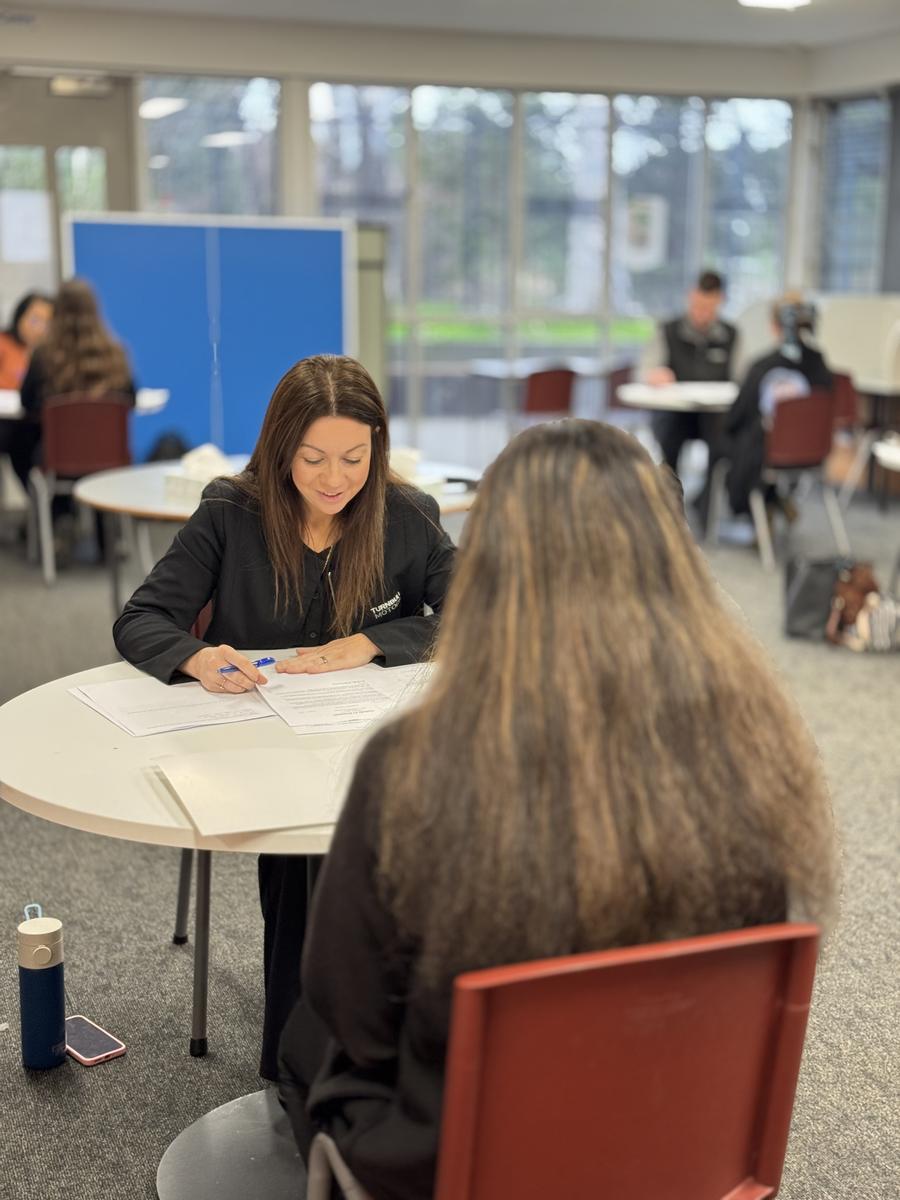
Our Year 10 and 11 students recently had the opportunity to take part in Mock Interviews, providing them with valuable experience in preparing for and participating in a professional interview.
The interviews gave students the chance to practise answering questions, communicating their skills and experiences and presenting themselves confidently in an interview setting. Students also received valuable feedback to help them develop their interview skills and prepare for future employment opportunities.
Experiences such as these provide an important connection between classroom learning and the world of work, helping our students build confidence and develop practical skills they can take with them beyond school.
We sincerely thank all of the staff, community members and local businesses who generously gave their time to interview our students and share their knowledge and experience. A special thank you to the staff from Warragul Nissan and Mitsubishi for supporting our students and helping make this valuable experience possible.
Why AI won’t be the end of work as we know it

Every generation has panicked about technology taking their jobs: the car, the computer, the internet. None of them ended work as we know it, and AI won’t either. Australia’s real problem right now is a skills shortage, not a job shortage. Stay curious, keep learning, and you’ll be fine.
Every generation has had its “this changes everything” moment. Ours just happens to involve chatbots.
The headlines are hard to ignore. AI is coming for your job. Robots are taking over. Half the workforce will be obsolete by 2030. If you’ve spent any time on the internet lately, you’d be forgiven for thinking we’re all about to be replaced by a piece of software.
But here’s the thing. We’ve been here before. Many times, in fact. And every single time, the world didn’t end. It changed.
The loom didn’t kill tailoring. The car didn’t kill travel. The computer didn’t kill offices.
When the Industrial Revolution hit in the late 1700s, textile workers rioted in the streets of England. The Luddites, as they came to be known, smashed machinery because they were terrified it would take their livelihoods. And look, they weren’t wrong that things would change. But what they couldn’t see was that the same revolution that disrupted one kind of work was simultaneously creating dozens of new kinds.
Factory supervisors. Engineers. Railway workers. Electricians. Jobs that didn’t exist before the machines arrived.
Then came the car. Blacksmiths and stable hands panicked. What happened? Mechanics, driving instructors, road builders, traffic controllers, and eventually an entire automotive industry employing millions worldwide took their place.
Then the computer. Typing pools and filing clerks were, correctly, worried about their futures. But the same wave that made some roles redundant created software developers, IT support staff, data analysts, UX designers, and an entire digital economy.
And then the internet. The same story, again. Bookshops, travel agents, and video rental stores struggled. But e-commerce managers, social media coordinators, SEO specialists, content creators, and influencers (yes, really) became real careers.
Every single time, the pattern was the same: panic, disruption, adaptation, growth.
So where are we now?
Right now, in Australia, we are not facing a jobs crisis. We are facing a skills shortage.
According to Jobs and Skills Australia’s 2025 Occupation Shortage List, 29% of assessed occupations across the country are currently in shortage. Nearly half of all trade roles and two in five professional positions don’t have enough people to fill them, particularly in health, education and construction. And Australia needs 312,000 additional tech workers by 2030, with only around 7,000 IT graduates entering the workforce each year.
The biggest workforce problem we’re likely to face isn’t too many people chasing too few jobs. It’s not enough people with the right skills to fill the roles that already exist, and the new ones being created right now.
Jobs and Skills Australia’s own Generative AI Capacity Study, released in August 2025, found that AI is “likely to augment the way that we work rather than replace jobs through automation.” That’s a government body, using current data, telling us the sky isn’t falling.
Yes, some roles will change. Or disappear.
It would be dishonest to say nothing is shifting. It is. Data entry, basic admin, routine document processing, and some customer service roles are already being reshaped by automation, and that’s a genuine disruption for the people in those roles.
Atlassian, the Australian software company behind Jira and Confluence, made headlines in March 2026 when it cut around 10% of its global workforce, roughly 1,600 people, explicitly citing a pivot to AI. In his memo to staff, CEO Mike Cannon-Brookes wrote that the changes would allow Atlassian to “self-fund further investment in AI and enterprise sales.” The company said AI had changed the mix of skills and number of roles it needed.
Worth noting: in October 2025, Cannon-Brookes had publicly stated that Atlassian would employ more engineers in five years, not fewer. Five months later, over 900 of those same R&D roles were cut. Whether that’s AI genuinely driving the decision, or investor pressure finding a convenient cover story, several analysts have pointed out it’s not entirely clear. “AI-washing” was the term OpenAI CEO Sam Altman used in February 2026 to describe companies using AI as justification for cuts they had other reasons to make.
That contradiction is real, and it’s uncomfortable. Nobody wants to be on the wrong side of a technology shift.
But the Atlassian story is one data point. And it needs context.
Because the same technology is growing other companies faster than ever.
Canva, another Australian success story headquartered in Sydney, tells a very different story. While much of the global tech sector pulled back on hiring, Canva expanded its global team by nearly 40%, opened new offices in Melbourne, London, Austin, and San Francisco, and as of early 2026 was advertising more than 300 open roles. Their head of talent told Capital Brief they receive over 300,000 applications a year and hire “very intentionally.”
The difference? Canva isn’t using AI to replace its people. It’s using AI to build products that more people want, which in turn requires more people to build, market, and support them.
PwC’s 2025 Global AI Jobs Barometer backs this up. In Australia, industries that have embraced AI have seen revenue per employee grow three times faster than those that haven’t. And between 2019 and 2024, jobs in roles where humans work alongside AI grew by 47%. AI-skilled workers in Australia are commanding a 56% wage premium on average.
The technology is creating value, and where there’s value, there are jobs.
The roles being created right now
AI engineering is currently the number one fastest-growing job in Australia, according to LinkedIn’s Jobs on the Rise 2026 list. Director of Artificial Intelligence sits at number four. But it’s not just pure tech roles.
Think about what the AI era is already creating demand for: people who can train and supervise AI systems, prompt engineers, AI ethicists, machine learning specialists, cybersecurity professionals (a critical shortage, with Australian data breaches up 25% year on year), and roles focused on the very human skills AI can’t replicate: empathy, judgement, creativity, leadership, and complex problem-solving.
And then there’s the broader picture. Australia’s modelling suggests that in an AI-enabled economy, construction, healthcare, hospitality, and trades will actually need more workers than today, not fewer. If AI handles more of the routine cognitive work, someone still has to build the houses, care for people, and cook the food.
It’s okay to be nervous about this
Being uncertain about a rapidly changing world is completely human. These shifts are real, and they are moving fast. Nobody has a perfect map for where this goes.
But the data tells a more reassuring story than the headlines do. Four in ten Australian organisations reported an increase in entry-level roles because of AI in late 2025, compared to just 19% that reported a decline, according to the Australian HR Institute. Demand for AI skills in Australian job postings has grown from 2,000 in 2012 to 23,000 in 2024.
The workers most at risk aren’t the ones who are scared. They’re the ones who aren’t paying attention.
The question isn’t whether AI will change your career. It will. The question is whether you’ll be someone who shapes that change, or someone who waits for it to arrive.
What this means for you
You don’t need to become a software engineer. But getting curious about how AI works, building skills that sit alongside it (creativity, communication, critical thinking, care), and staying open to learning will put you ahead of the curve in almost any career direction.
Every generation has faced its version of this. The ones who thrived weren’t the ones who resisted the shift, and they weren’t the ones who panicked either. Your version of that moment is right now.
Courtesy of Explore Careers
University and TAFE Open Days

Attending open days is an important step towards making decisions about your future education and training. Open days allow you to find out about an institution’s courses and programs, explore campus facilities and speak with current students about their experience.
This year institutions are offering a mix of virtual and on-campus experiences. Do your research for specific details and dates and register so you don’t miss out!
University of Melbourne future students events calendar
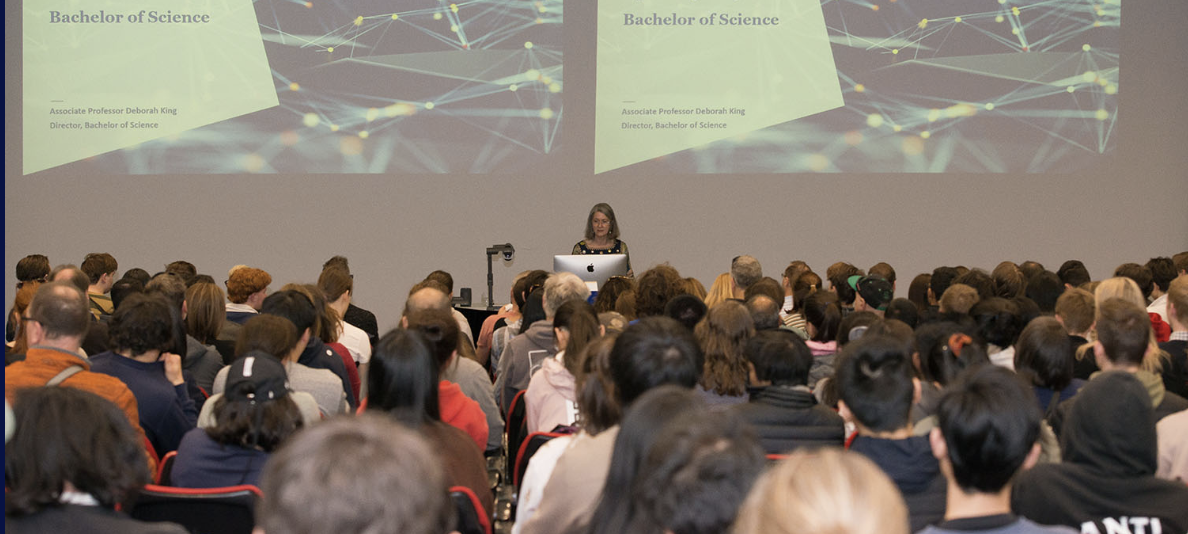
Upcoming events on campus , in-person or online in 2026 - click on the button below
PSC Careers Website

We have a fantastic resource available for students. The PSC Careers Website provides you with all of the latest information that will help you make decisions about your future career and your life beyond school.
You can visit this site to find out about university or TAFE courses and any other type of course available across Australia. The site also has information about VCE, you can search for job vacancies and much more.
In addition to this, please do feel free to drop into the Careers Office if you have any questions.
Information reproduced with permission from Career Tools.