
Year One
Dear Parents and Carers,
It was wonderful to meet with so many families during our Parent Teacher Interviews on Tuesday (Week 3). Thank you for taking the time to discuss your child's learning and progress. We value the strong partnership between home and school and look forward to continuing to work together throughout the year.
Reading:
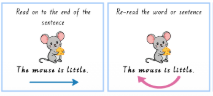
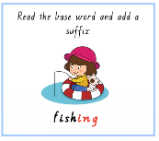
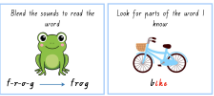
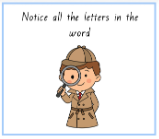
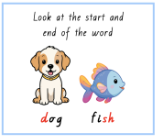
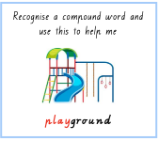
In Reading, students have been developing their fluency and comprehension by using a range of reading strategies. They practised looking at the beginning and end of words, noticing all the letters in a word, blending sounds, identifying familiar word parts, reading compound words, adding suffixes to base words, reading through to the end of a sentence and re-reading when something did not make sense.
Using the mentor texts How the Kangaroos Got Their Tails and Little Red Riding Hood, students explored character traits by identifying how characters look, act, think and feel. They described both positive and negative (inside and outside) character traits using evidence from the text.
Students also learnt to make text-to-self connections to deepen their understanding of stories. They practised summarising texts by identifying the most important events using the SUM strategy (Shorter than the original, Using your own words, Main points only) and the SWBST framework (Somebody, Wanted, But, So, Then).
Handwriting and Word Work/Vocabulary:
In handwriting and word work, students have been exploring and practising a variety of High Frequency Words and the letters; Bb, Dd, Pp, Qq, Jj, Kk, Xx, Zz, Hh and Ff.
Phonics/Spelling:
In Phonics/Spelling, Students have been practising to read and distinguish between real and non-sense words together. They also have been exploring the new blends: nd and nt (focusing on ending blends) and the Split Diagraphs: a-e such as /ake/, /ale/, /ame/ and /ate/. Students have been practising using suffixes to group letters to put at the end of a word which changes the tense of the word such as; s, ed, ing.
Students have continued to practice creating alliterations, identifying the different syllables in words and generating rhyming words. They have explored the 6 different sounds "e" can make and the 5 different sounds "I" can make.
Writing:
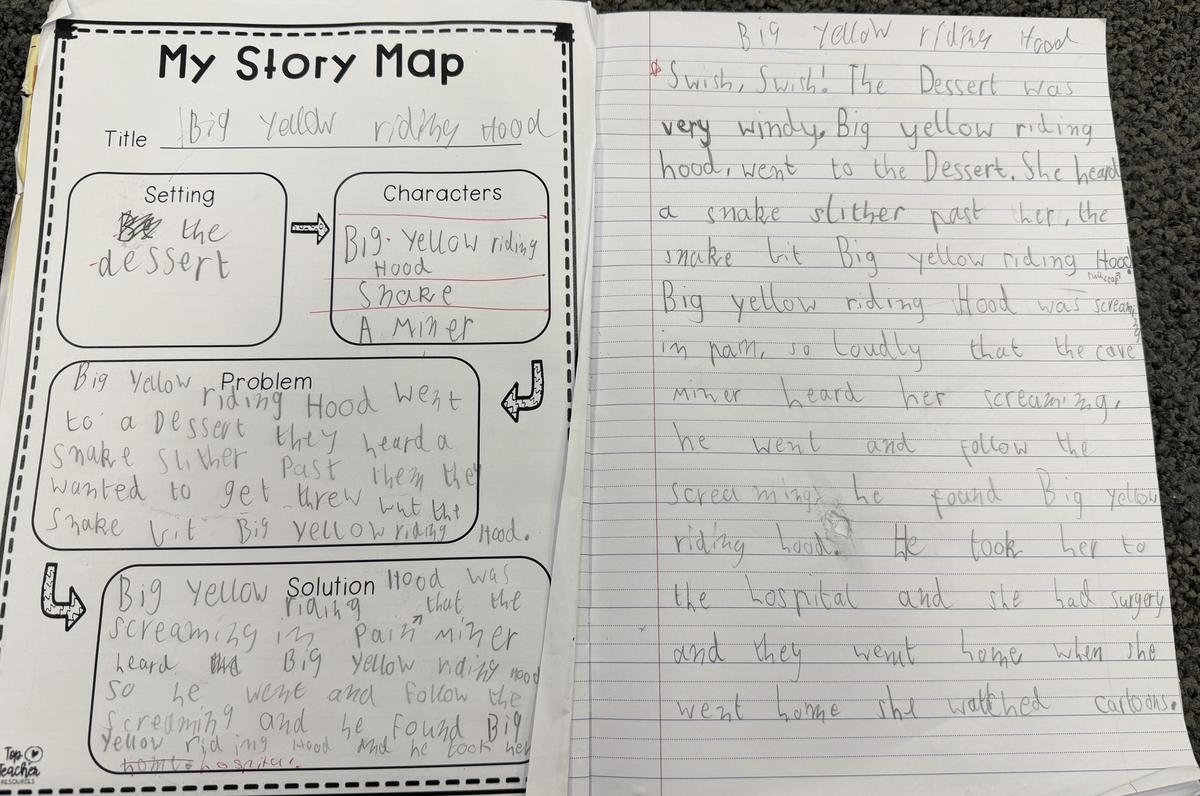
In Writing, students have been exploring the narrative genre and developing their understanding of the key elements that make an engaging story.
Students have learnt to identify the parts of a narrative, including the:
Beginning
Setting
Problem
Rising Action
Climax
Solution
Ending.
Through shared reading of a variety of mentor texts, students explored how authors develop characters by examining their appearance, actions and personality traits. They used evidence from the text to describe and justify their thinking about each character.
Students also explored the importance of a setting by using the five senses to describe places within a story. They then applied this knowledge to create detailed and imaginative settings of their own.
To strengthen their understanding of narrative structure, students compared two stories by identifying their similarities and differences. This helped them recognise how different authors organise and develop their ideas.
Students investigated how authors capture the reader's attention by using engaging "Sizzling Starts". They practised writing a variety of interesting leads using picture prompts, including:
Action
Sound
Dialogue
Question
Description.
Finally, students applied everything they had learnt by using a familiar story as inspiration to innovate and create their own narrative. They planned and wrote their story by changing key elements such as the beginning, setting, characters, problem, resolution and ending, demonstrating their growing confidence as young authors.
Mathematics:
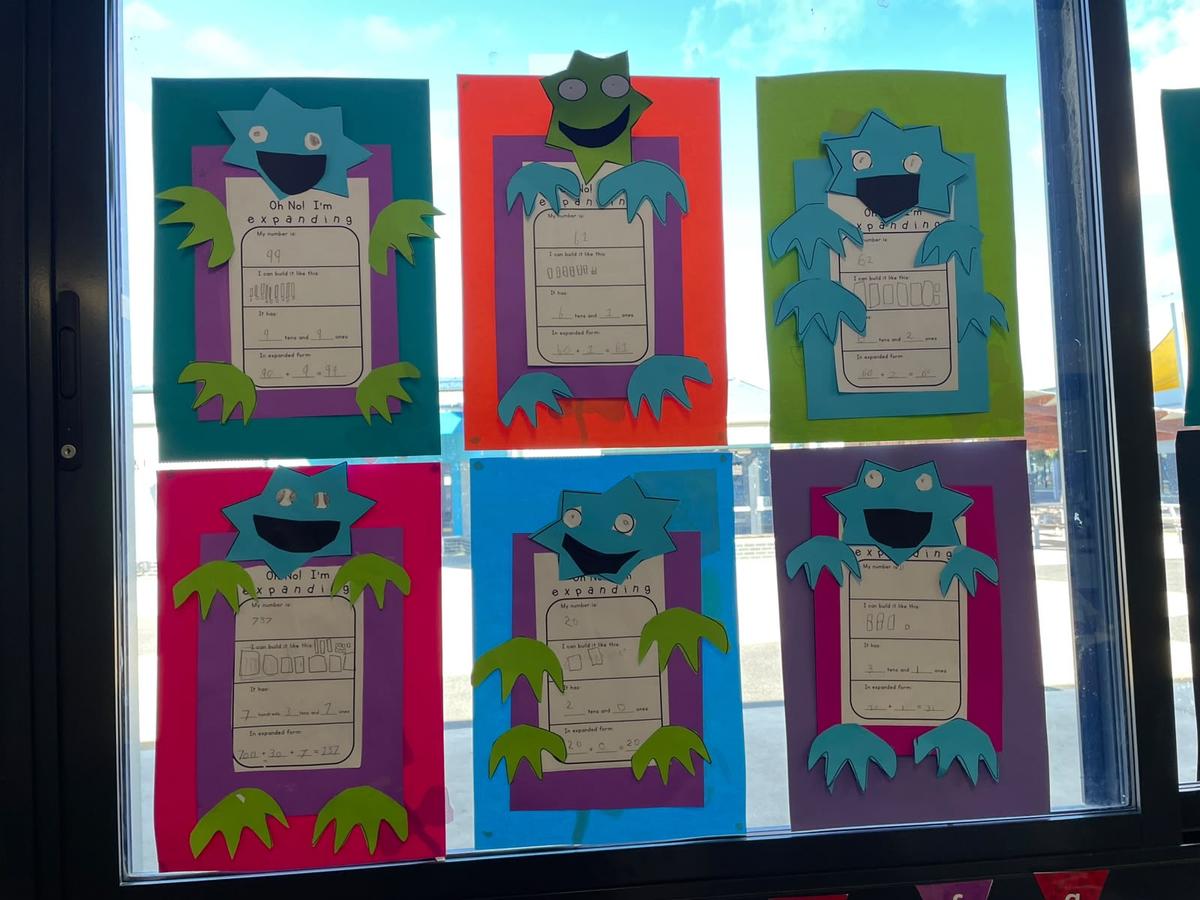
In Mathematics, students have been developing their understanding of place value by exploring how two-digit numbers are made up of tens and ones. They used hands-on materials, including MAB blocks, paddle pop sticks and place value charts, to build, represent and expand numbers (e.g. 34 = 30 + 4). Students also used open number lines to order and locate numbers and learnt to round two-digit numbers to the nearest 10 by identifying the tens before and after a number.
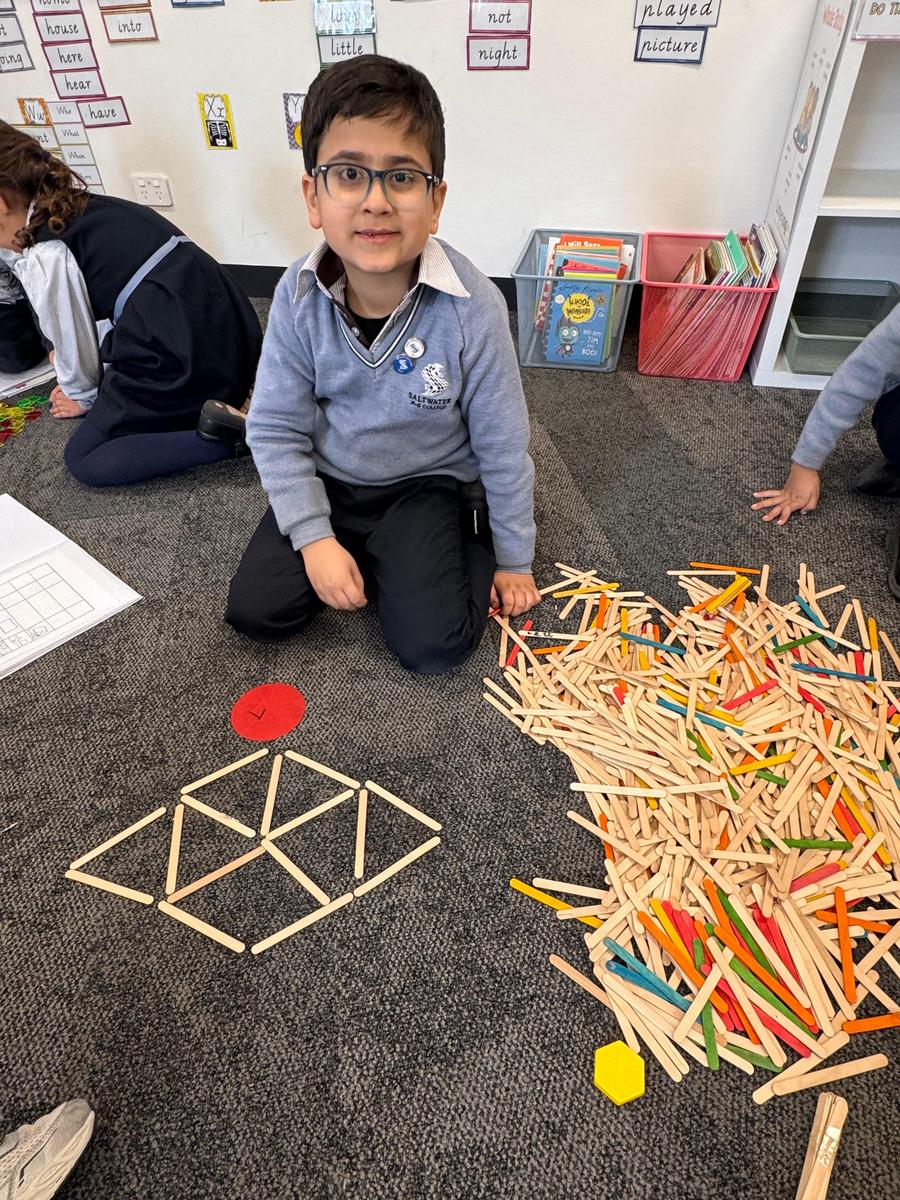
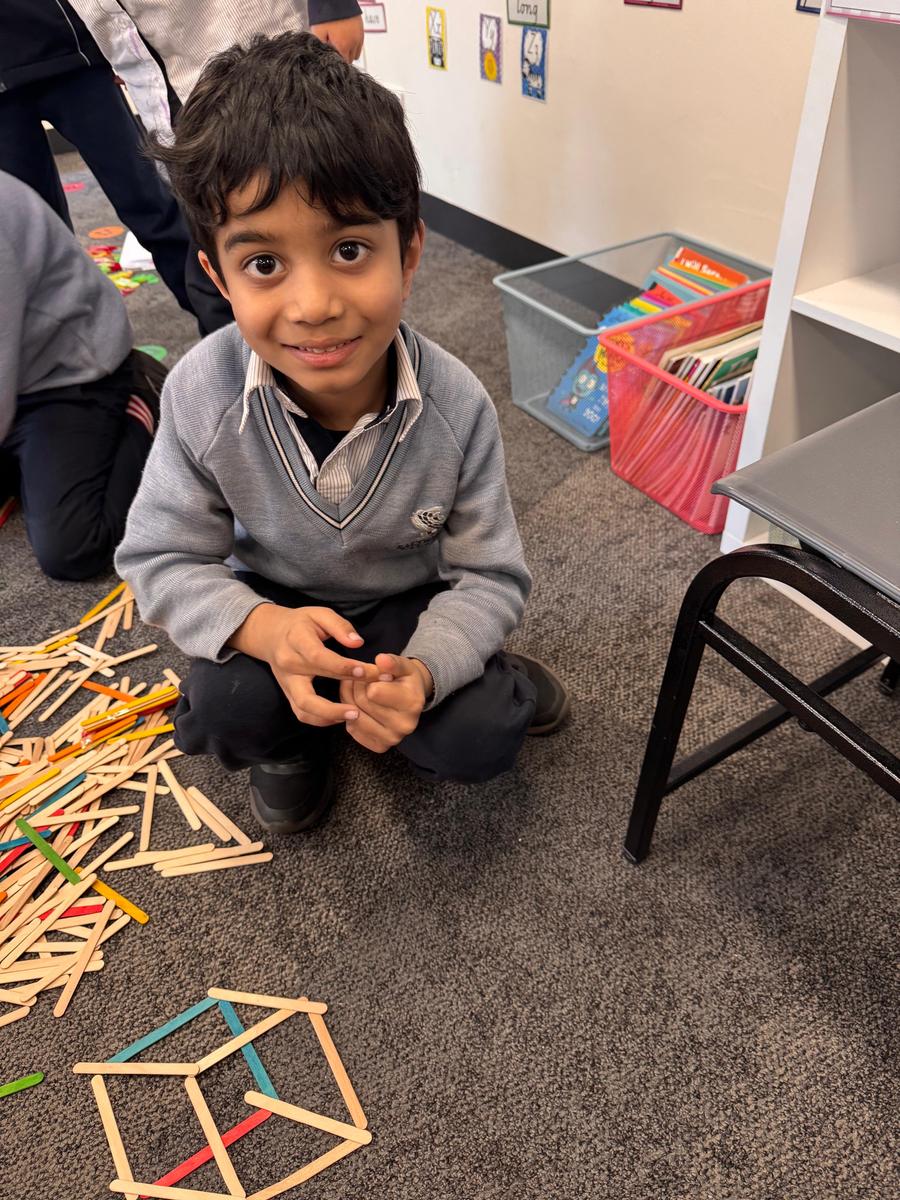
Students also explored the properties of 2D shapes. They learnt to recognise, name and describe a range of shapes, including triangles, quadrilaterals, pentagons, hexagons and octagons, using mathematical vocabulary. Students sorted and classified shapes according to their features, such as the number of sides, equal and unequal sides, straight and curved sides, parallel sides and whether they were regular or irregular. To consolidate their learning, students created their own Shape Monsters, ensuring every part was created using a variety of 2D shapes.
Reminders
Students are to bring to school their reading satchel daily and their iPad.
Our Year 1 Swimming Program will be taking place this term;
Group 1: Week 6 Monday 17th August – Friday 21st August 2026.
Group 2: Week 7 Monday 24th August – Friday 28th August 2026.
Each swimming lesson will run for 45 minutes. To help prepare your child for the program, we encourage families to begin practising independence at home. Please support your child to dry themselves and get dressed independently after showering or swimming. Developing these skills now will help students feel more confident and ensure they are ready to return to learning promptly after each swimming session.
The Premiers Reading Challenge is open and running until September 4th. Students received logins, passwords and bookmarks during Term 2. Students are able to add and record their books that they are currently reading or have finished reading until 4th of September.
Thank you,
The Year 1 Teaching Team.