Year 11
Chemistry Excursion to the University of Melbourne
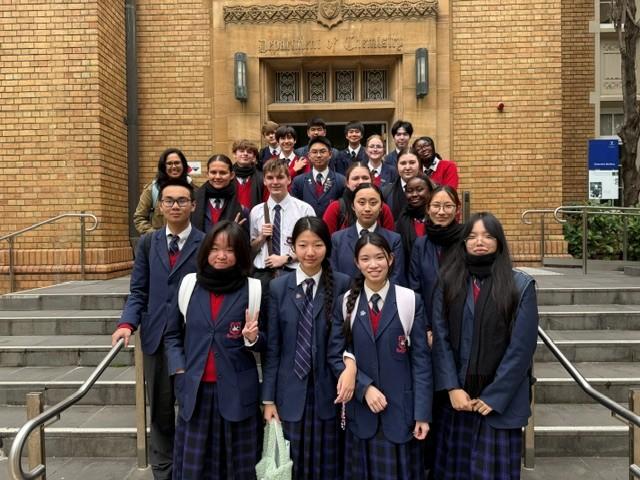
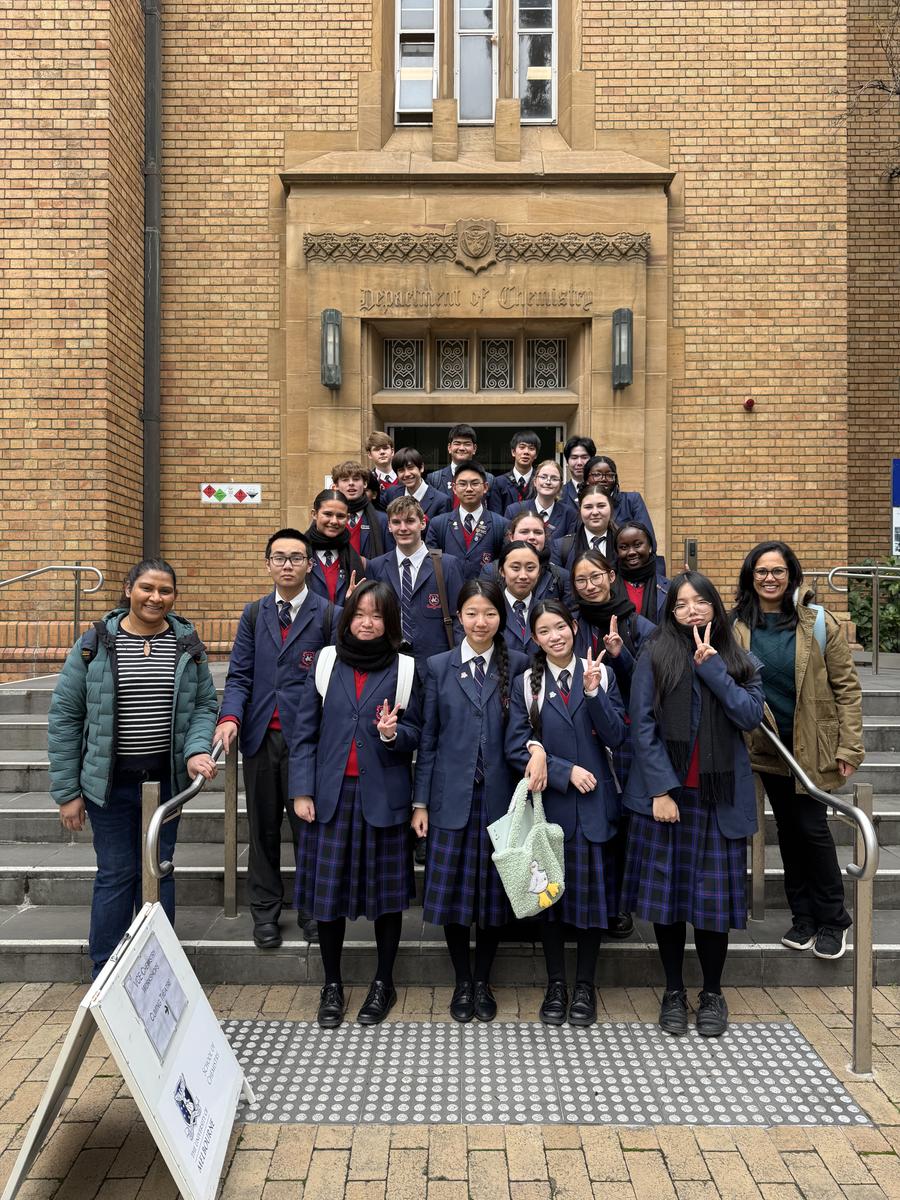
On 22 June 2026, approximately 22 Year 11 Chemistry students participated in an engaging educational excursion to the University of Melbourne, where they were introduced to advanced laboratory analytical techniques used in modern chemistry. Accompanied by Mrs Susie Pereira and Mrs Vinita Seago, students experienced a university-level masterclass designed to extend their understanding of analytical chemistry beyond the classroom.
The day commenced with an informative lecture presented by Mr Mick Moylan, who provided students with an overview of the diverse Bachelor of Science programs offered at the University of Melbourne, together with the wide range of career pathways available in chemistry and the broader scientific disciplines. His presentation encouraged students to consider the many exciting opportunities available through tertiary study in STEM fields.
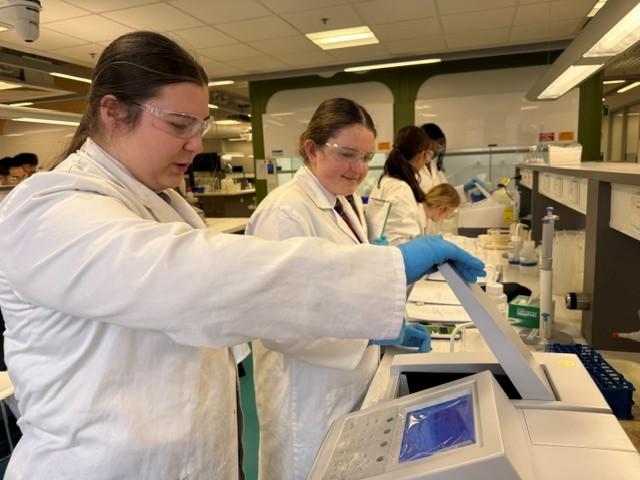
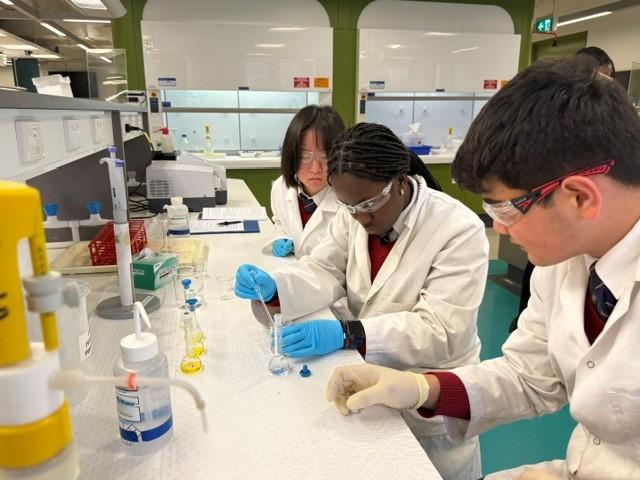
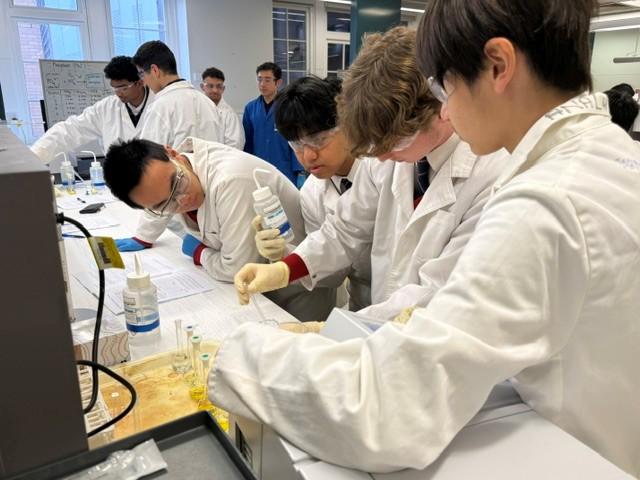
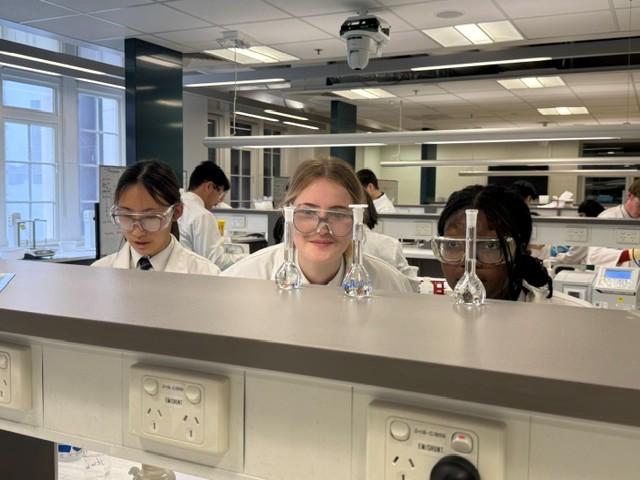
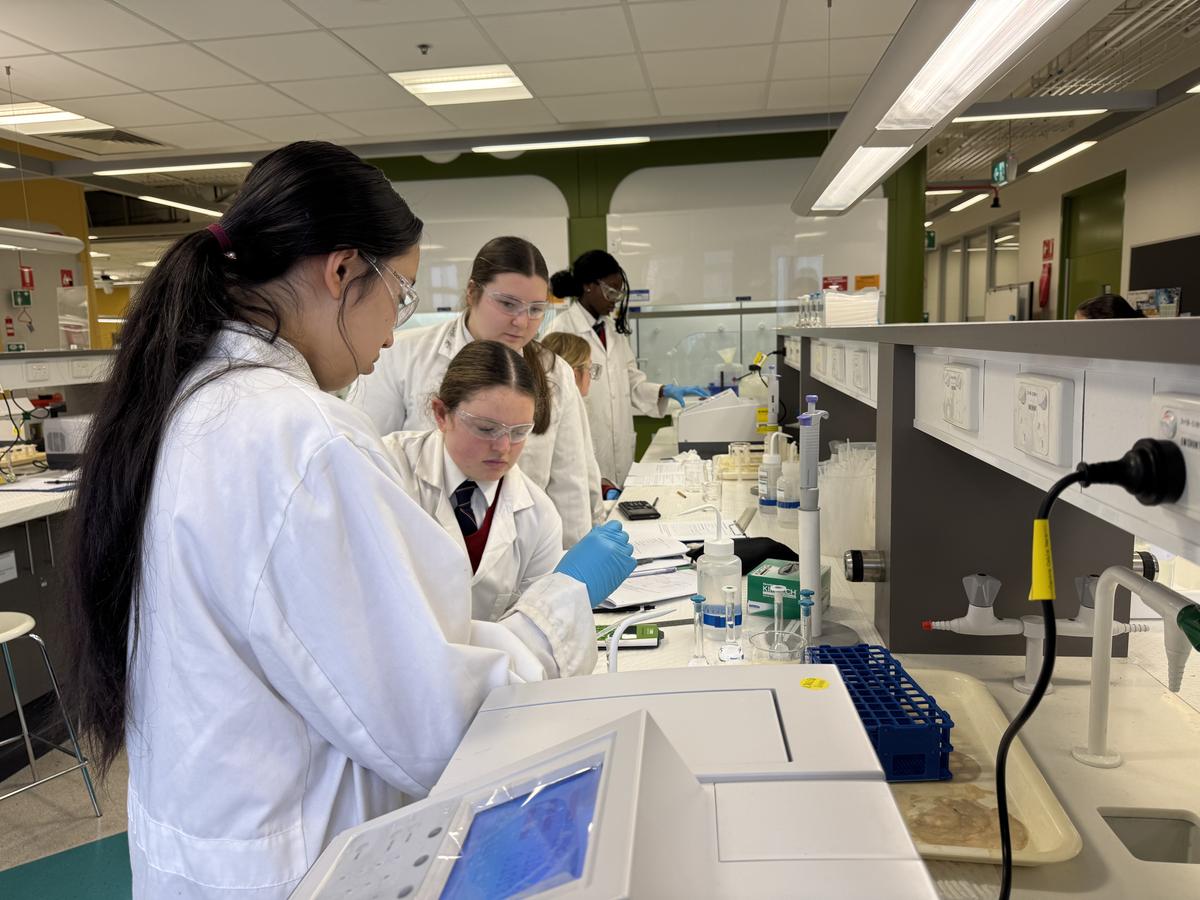
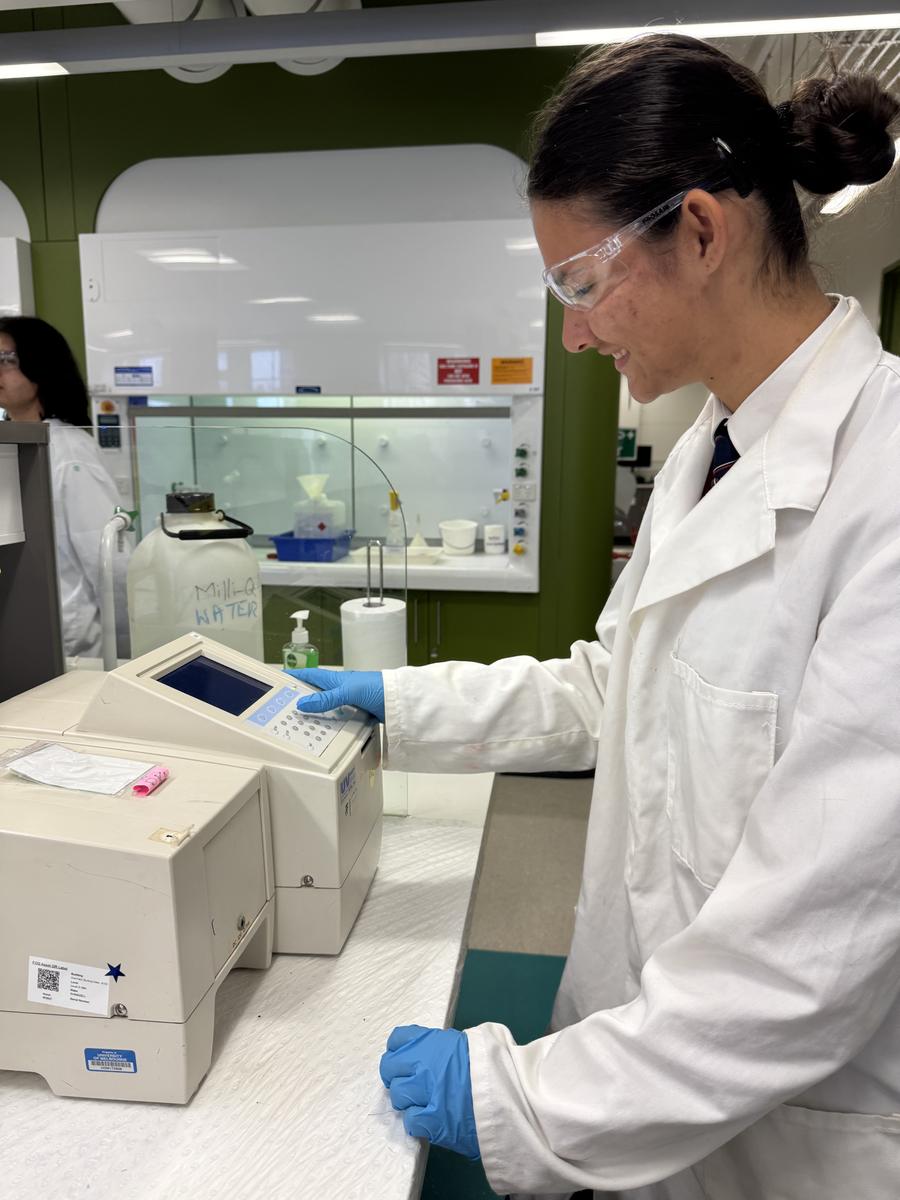
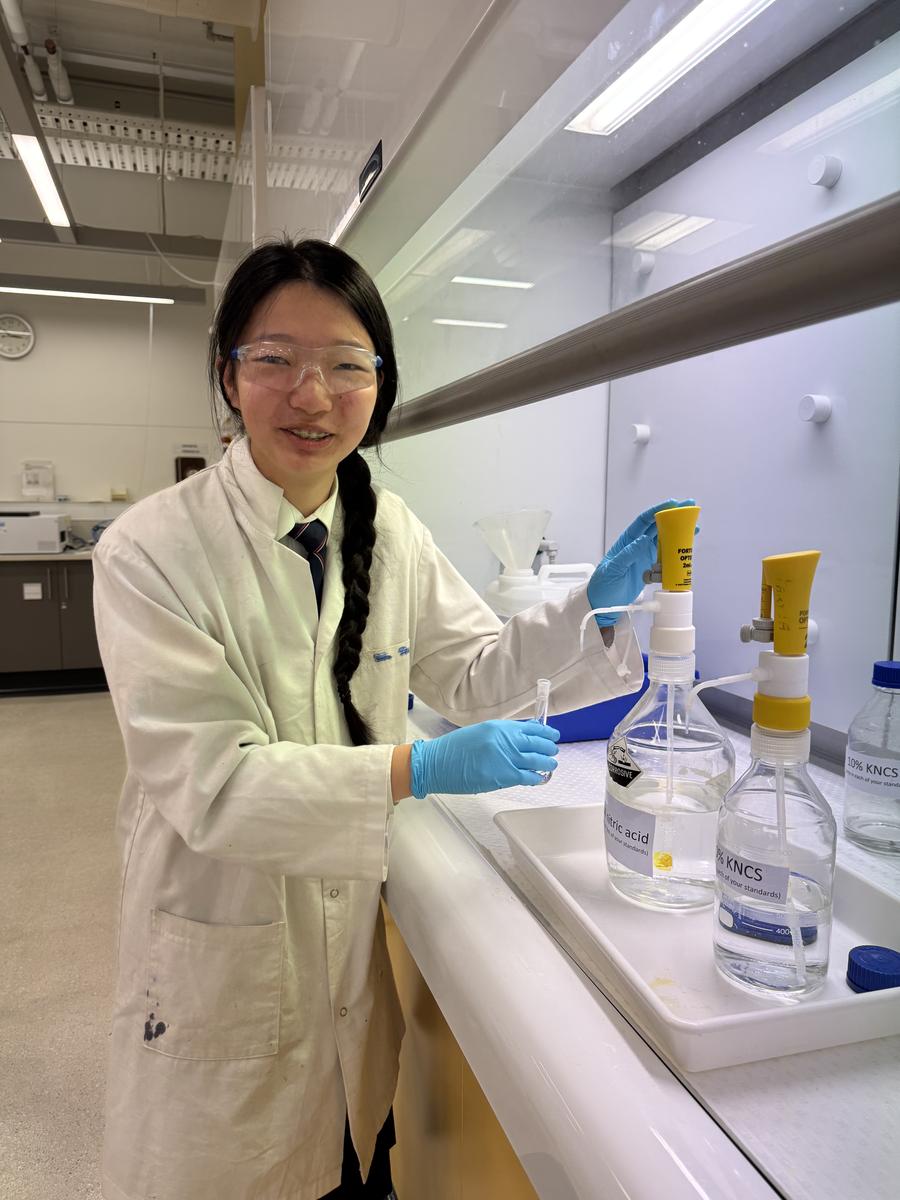
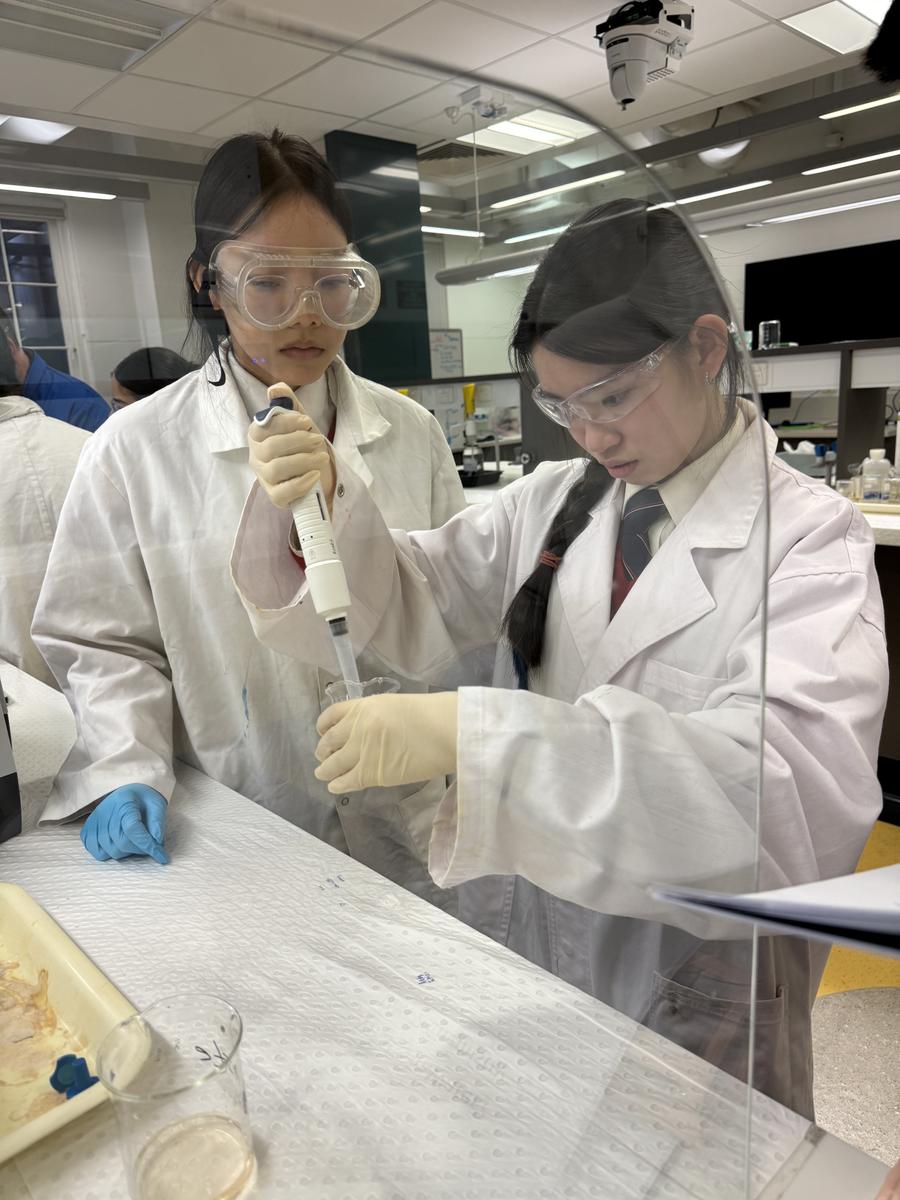
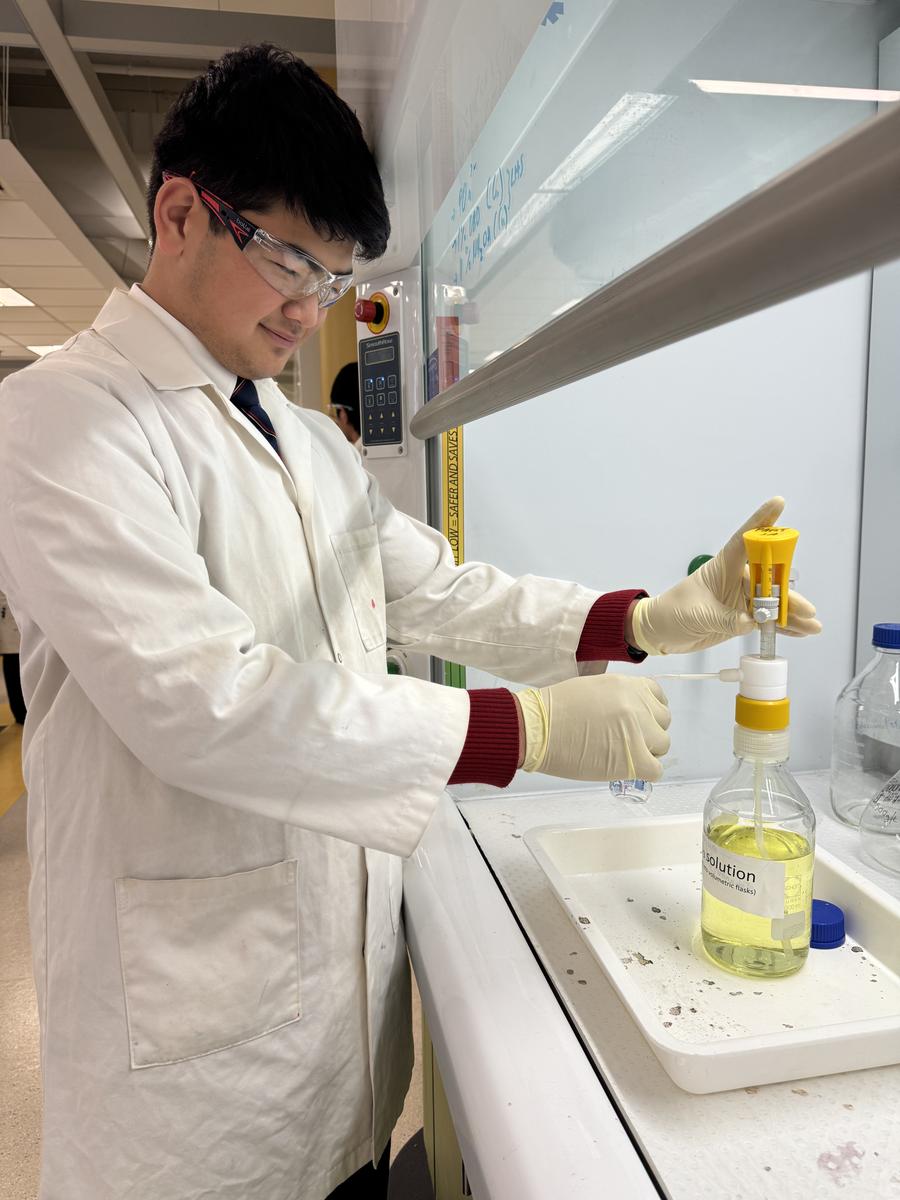
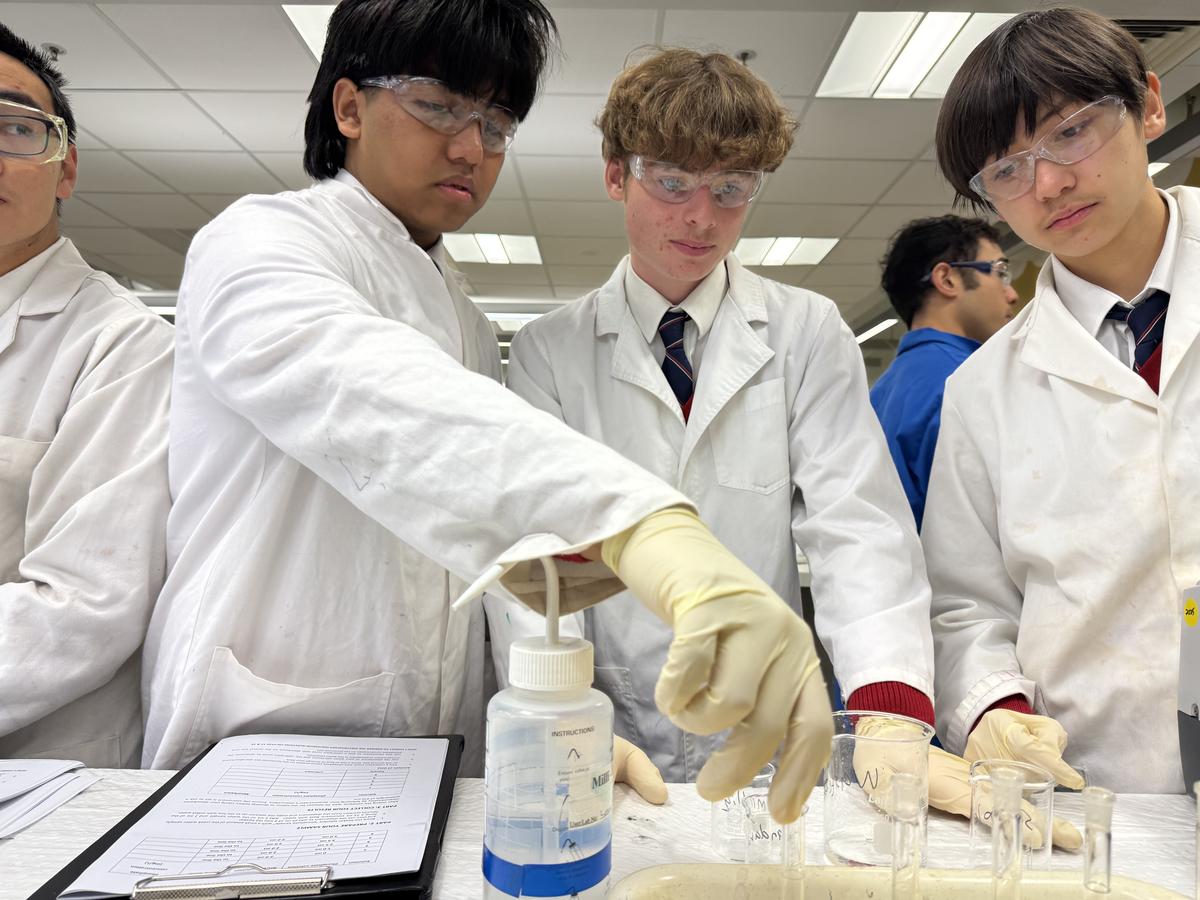
Following the lecture, students were escorted to the University's chemistry laboratories, where postgraduate researchers facilitated a comprehensive workshop on UV-Visible (UV-Vis) Spectroscopy, one of the most widely used analytical techniques in chemistry.
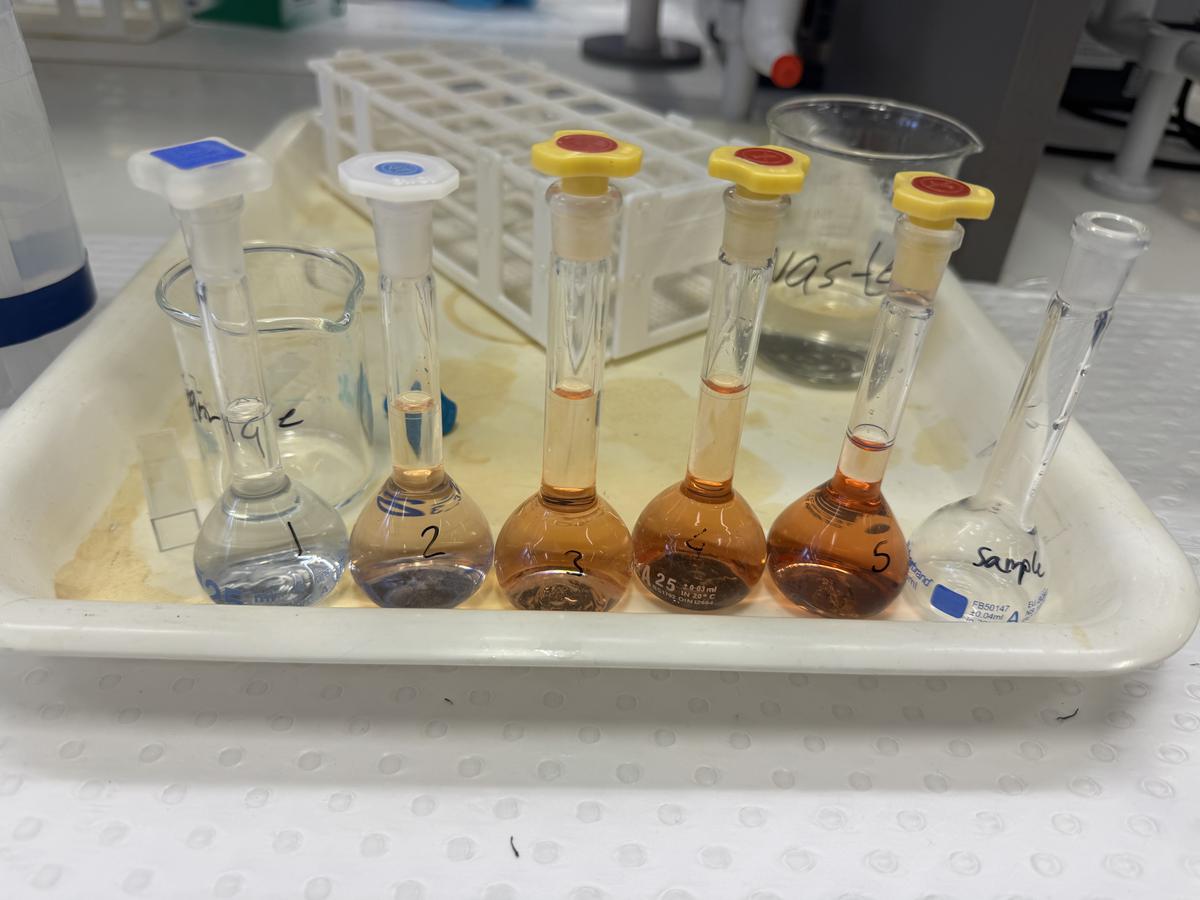
Students gained valuable hands-on experience in preparing aqueous ion samples through accurate serial dilution techniques using automated pipettes, volumetric glassware and standard laboratory equipment. The workshop focused on analysing water samples for environmentally significant ions, including iron, phosphate and nitrate.
The operation and principles of the UV-Vis spectrophotometer were thoroughly explained, enabling students to develop an understanding of how absorbance measurements are used to determine the concentration of dissolved substances. Students then used the spectrophotometer to measure the absorbance of prepared standards, constructed calibration curves and applied these to determine the concentrations of unknown water samples—an authentic application of quantitative chemical analysis used in environmental monitoring and scientific research.
In addition to the practical laboratory investigations, students completed a comprehensive workbook containing guided activities and review questions designed to consolidate the theoretical concepts studied throughout the workshop. Many students found the practical session both engaging and highly enriching, appreciating the opportunity to reinforce key VCE Chemistry concepts through authentic experimental work in a tertiary laboratory environment.
The experience concluded with an introduction to two sophisticated analytical instruments Nuclear Magnetic Resonance (NMR) Spectroscopy and Mass Spectrometry. Students gained valuable insight into how these advanced technologies are used by chemists to identify chemical compounds and investigate molecular structures across a range of scientific and industrial applications.
Overall, the excursion provided an outstanding opportunity for students to engage directly with tertiary-level scientific equipment, laboratory techniques and methodologies. The workshop significantly enhanced students' understanding of UV-Vis spectroscopy and analytical chemistry while strengthening the theoretical knowledge developed in the classroom. Experiences such as these continue to inspire curiosity, foster scientific thinking and encourage students to pursue further studies and careers in the chemical sciences.
The Year 11 Chemistry team extends its sincere appreciation to Mr Mick Moylan, the postgraduate demonstrators and the School of Chemistry at the University of Melbourne for providing such a valuable and engaging educational experience for our students.
Mrs Vinita Seago
Year 11 Chemistry Teacher
Our chemistry class was able to gain a greater appreciation for practical applications of chemistry and broaden our understanding of science in university and the field as a whole. The excursion began with Mick, an individual who was taught by Professor Richard Robson, a University of Melbourne Nobel Prize winner in Chemistry, discussing calibration curves and chromatography, two prevalent components of the excursion. We were soon able to immerse ourselves in the experience of working as a scientist in the lab. We began a practical, in which we utilised the university’s facilities and equipment, while being guided by one of the University of Melbourne’s lecturers. My group tested how different nitrate concentrations affected the absorbance of UV light using a spectrometer. Our results were then plotted on a calibration curve. Through the guided assistance from professionals, we were able to deepen our knowledge of scientific procedure and improve our laboratory skills. Our time here concluded with observing the machinery used in chromatography, while being taught about its uses, efficiency, and versatility across various fields of science. Overall, this excursion enhanced my appreciation for chemistry through its valuable insight and an experience that will support my future studies.
Ailee H (11.15)
There’s a massive difference between studying chemistry in a classroom and actually running the experiment ourselves in a university laboratory. Watching those solutions change colours and getting good data to analyse was incredibly satisfying. My favourite part of the excursion was learning how to use the cool lab equipment that I had never seen before; it really made the idea of doing science at University feel much more real and exciting!
Harry H (11.13)
Business Expo
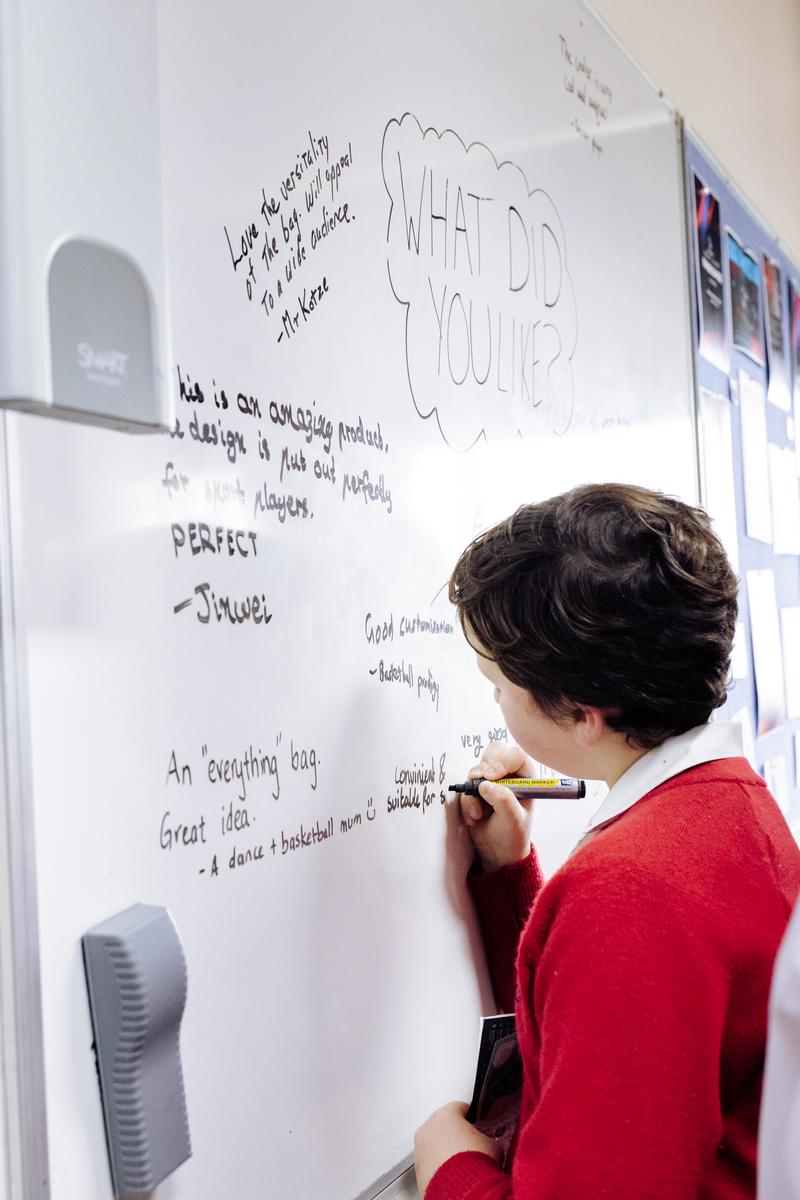
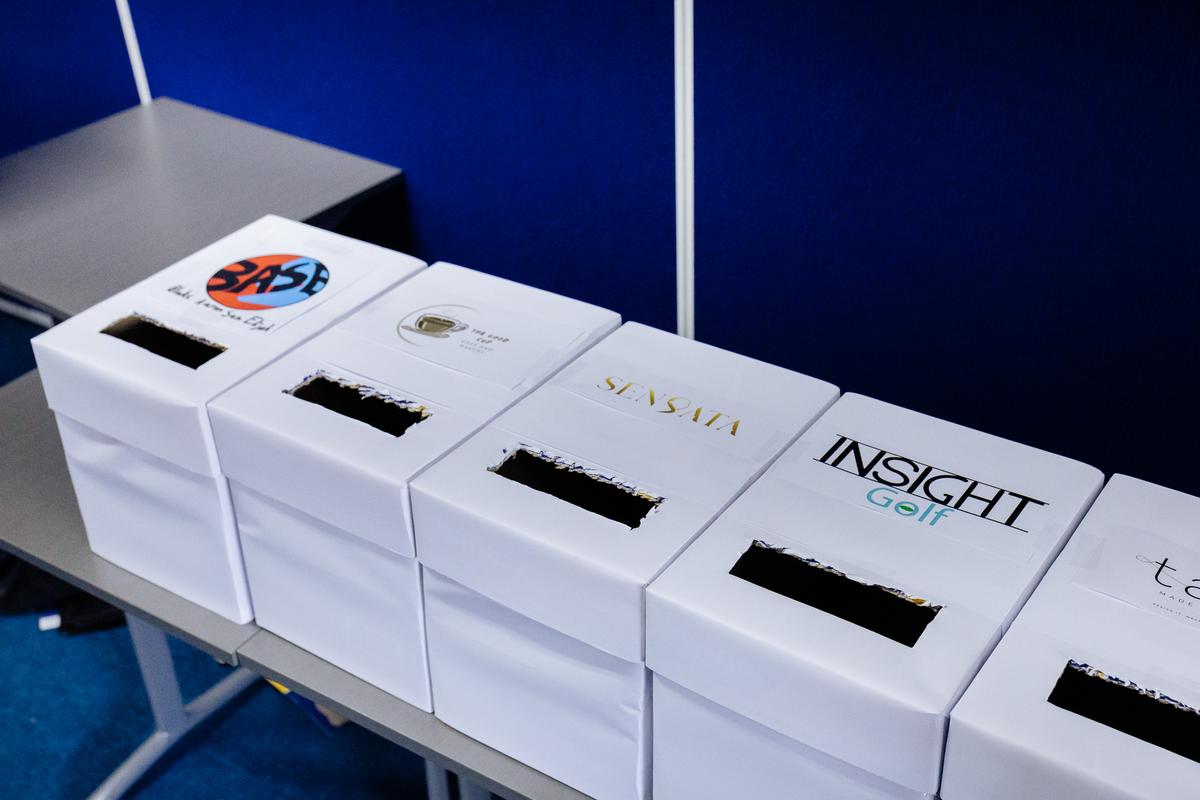
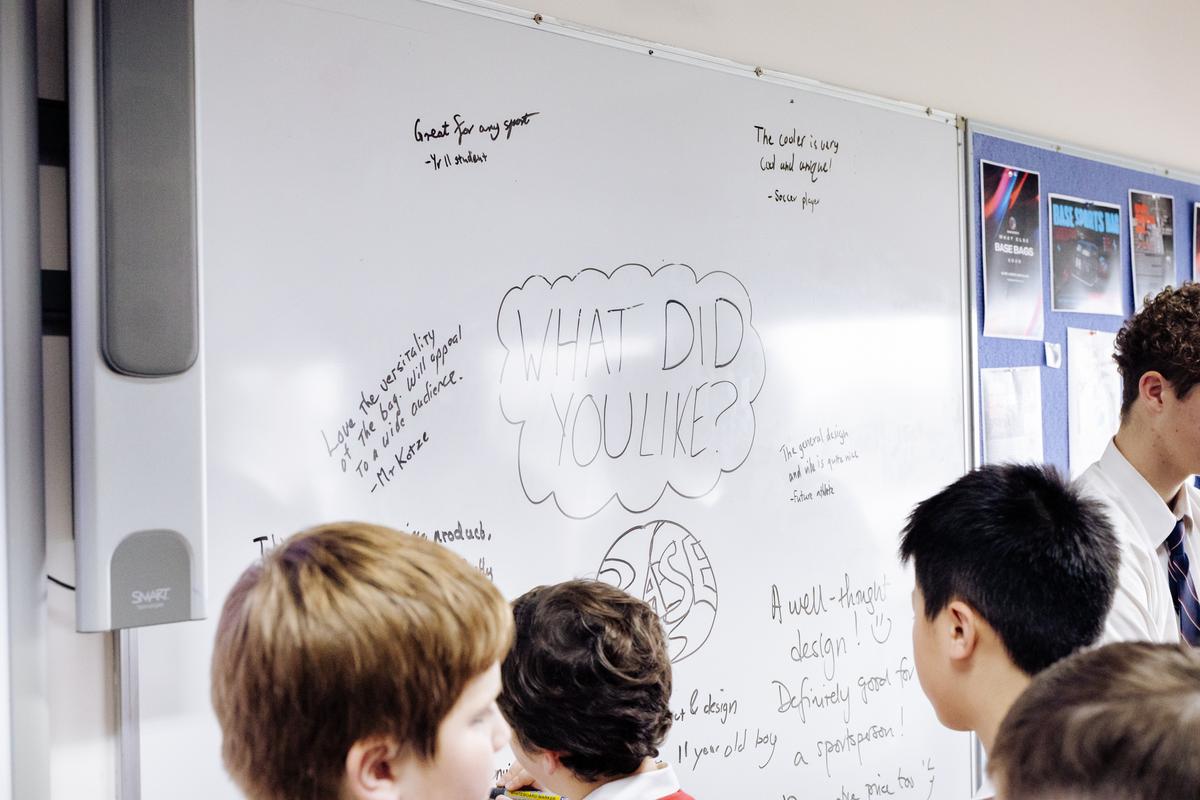
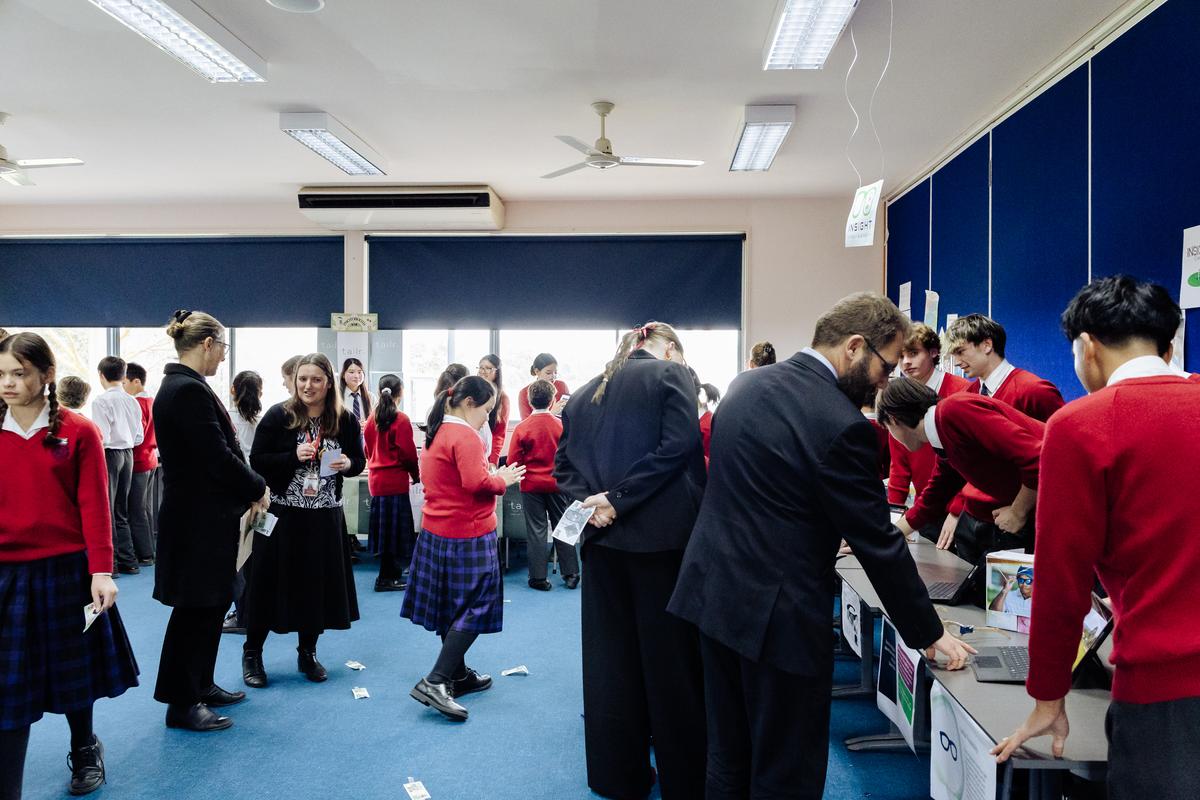
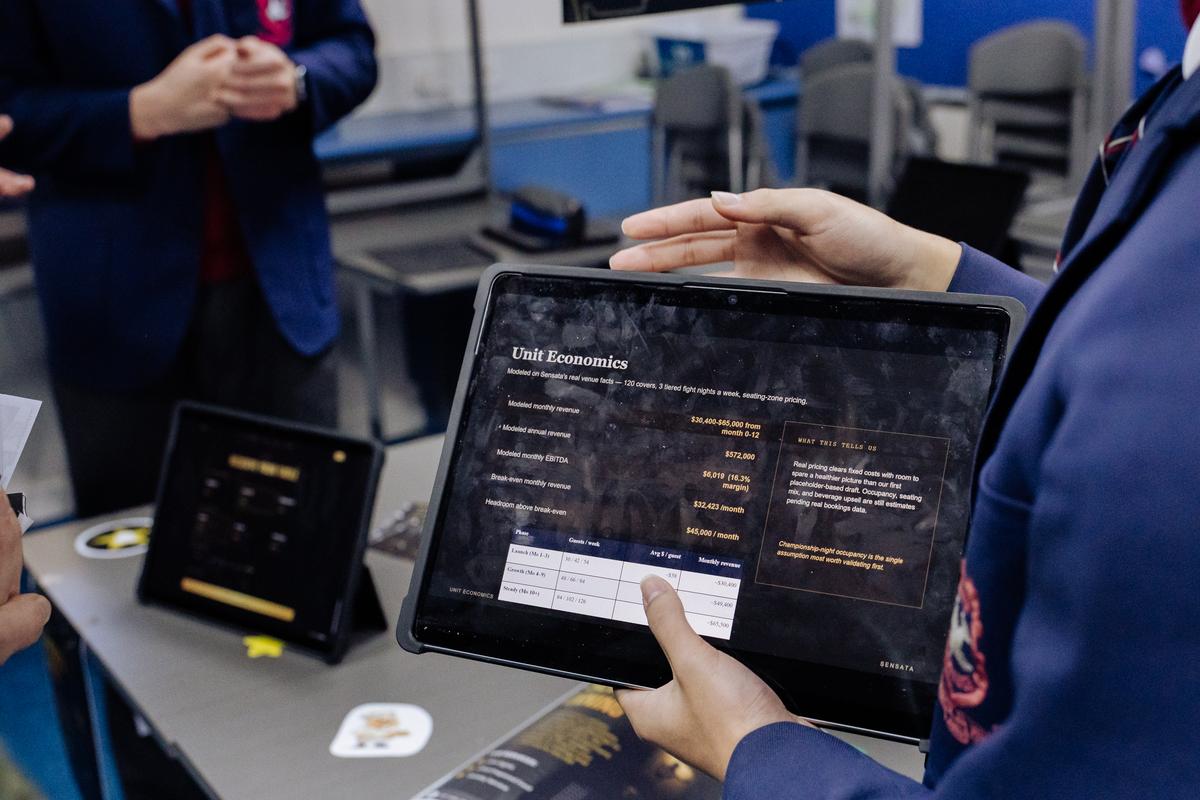
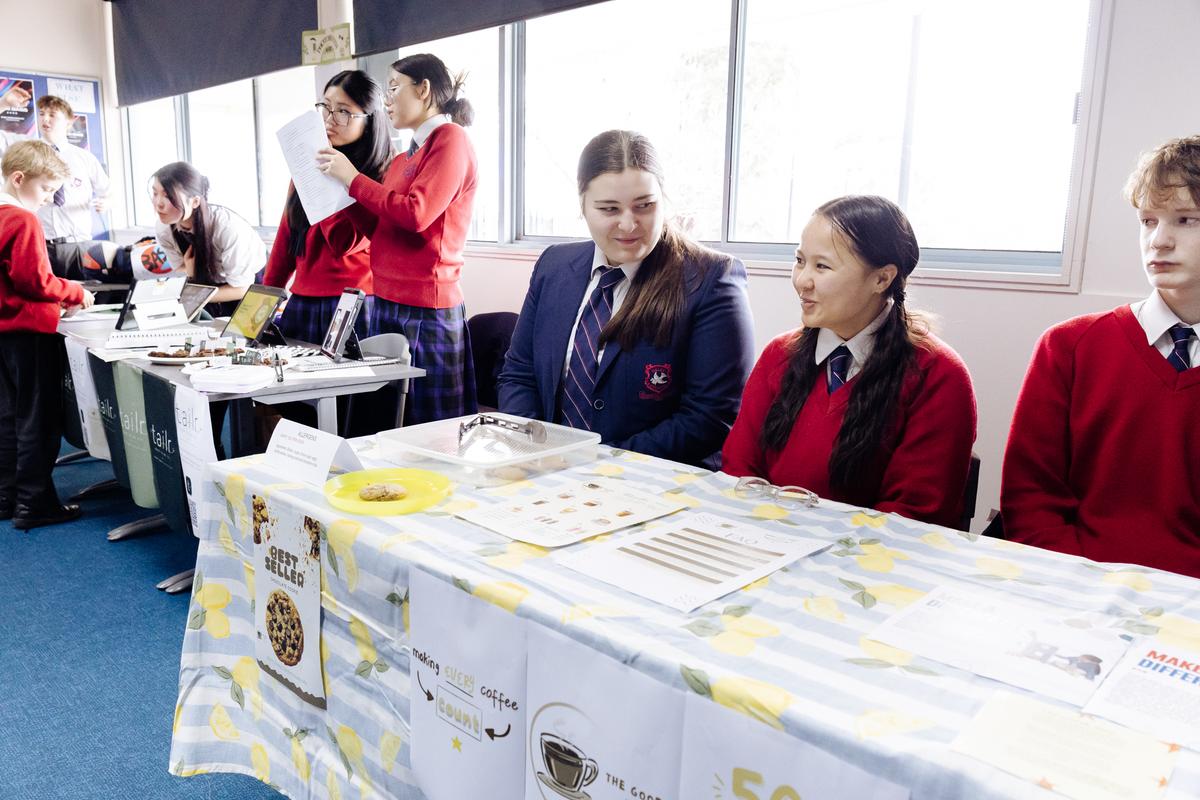
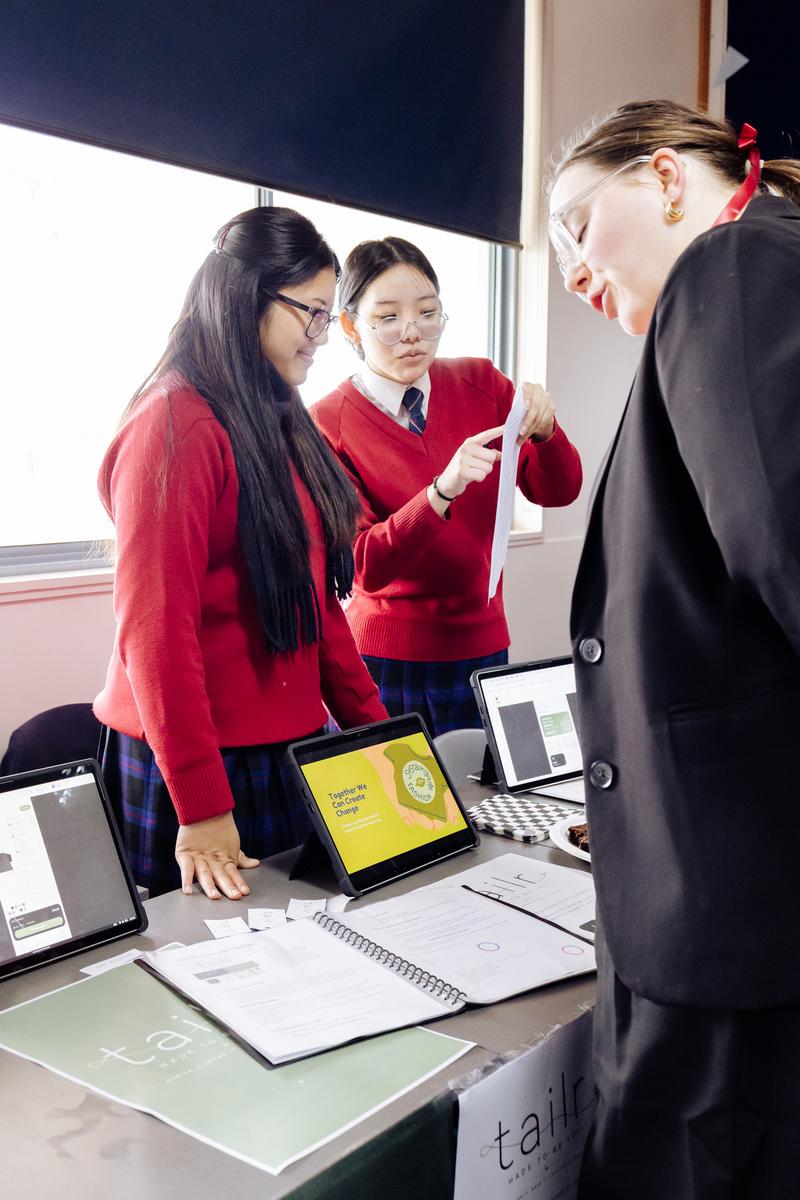
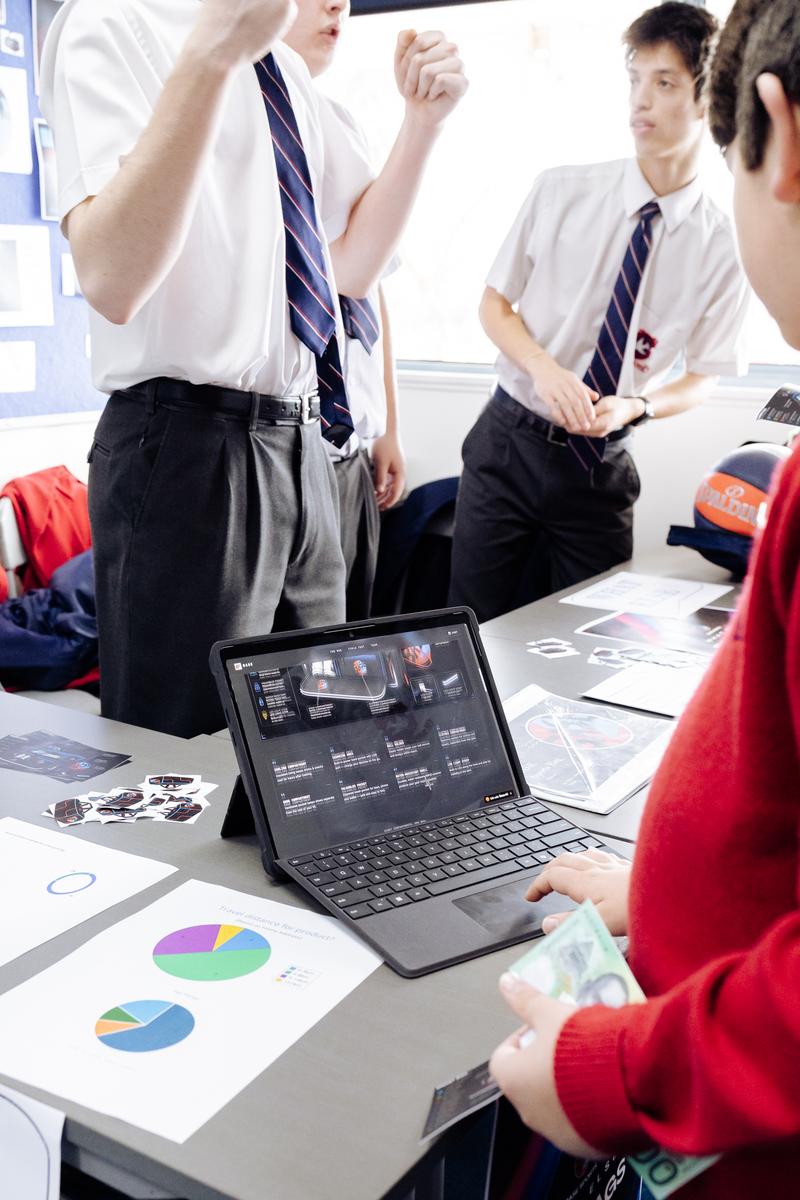
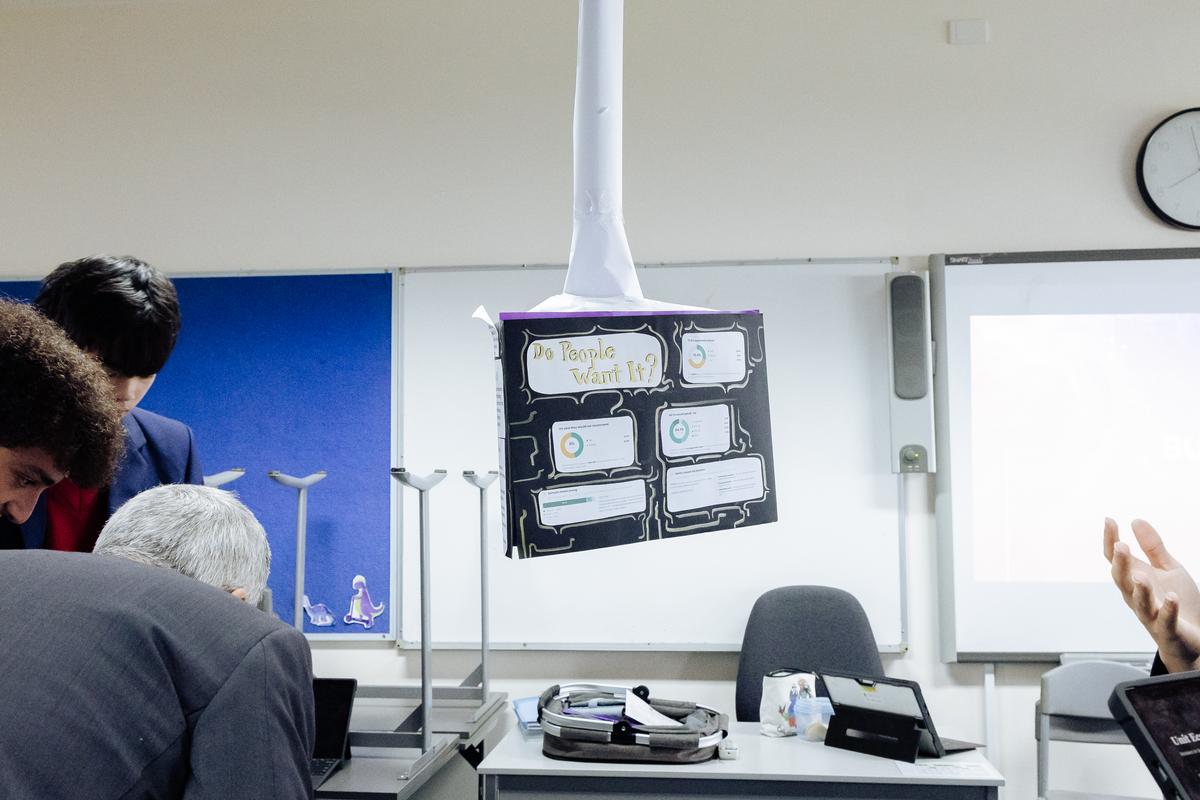
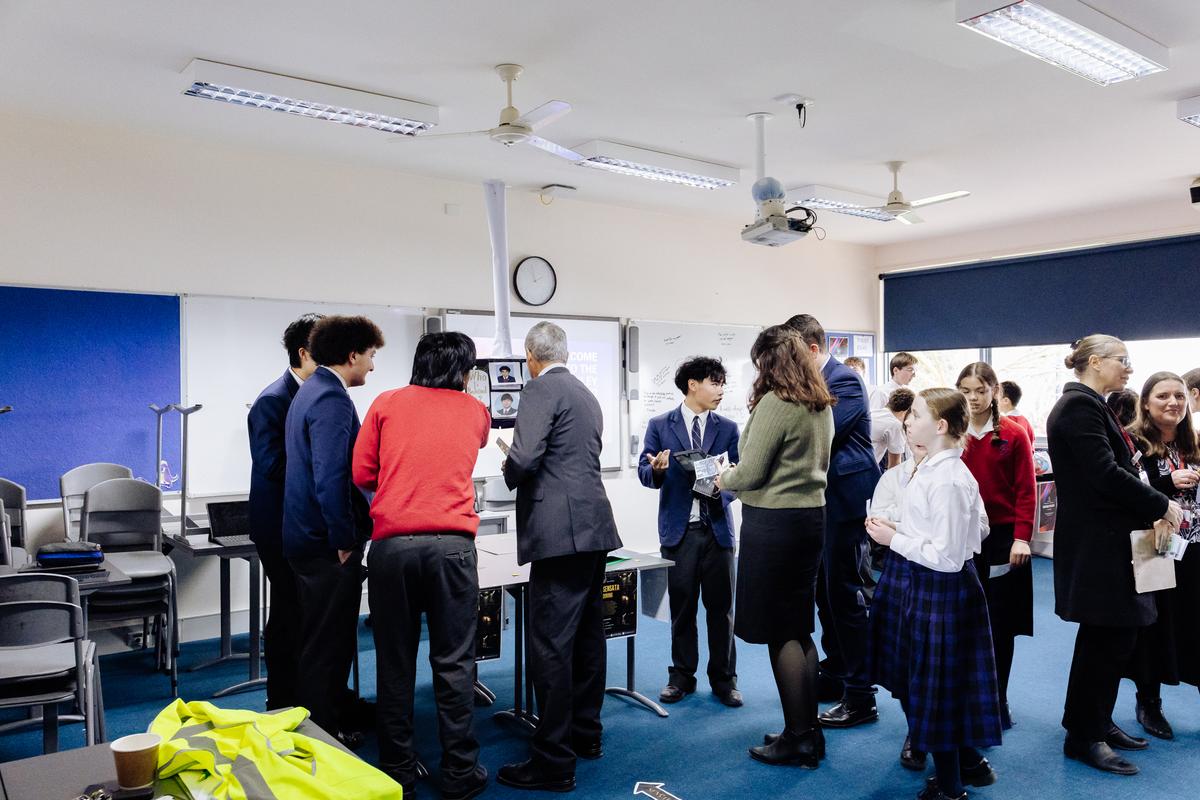
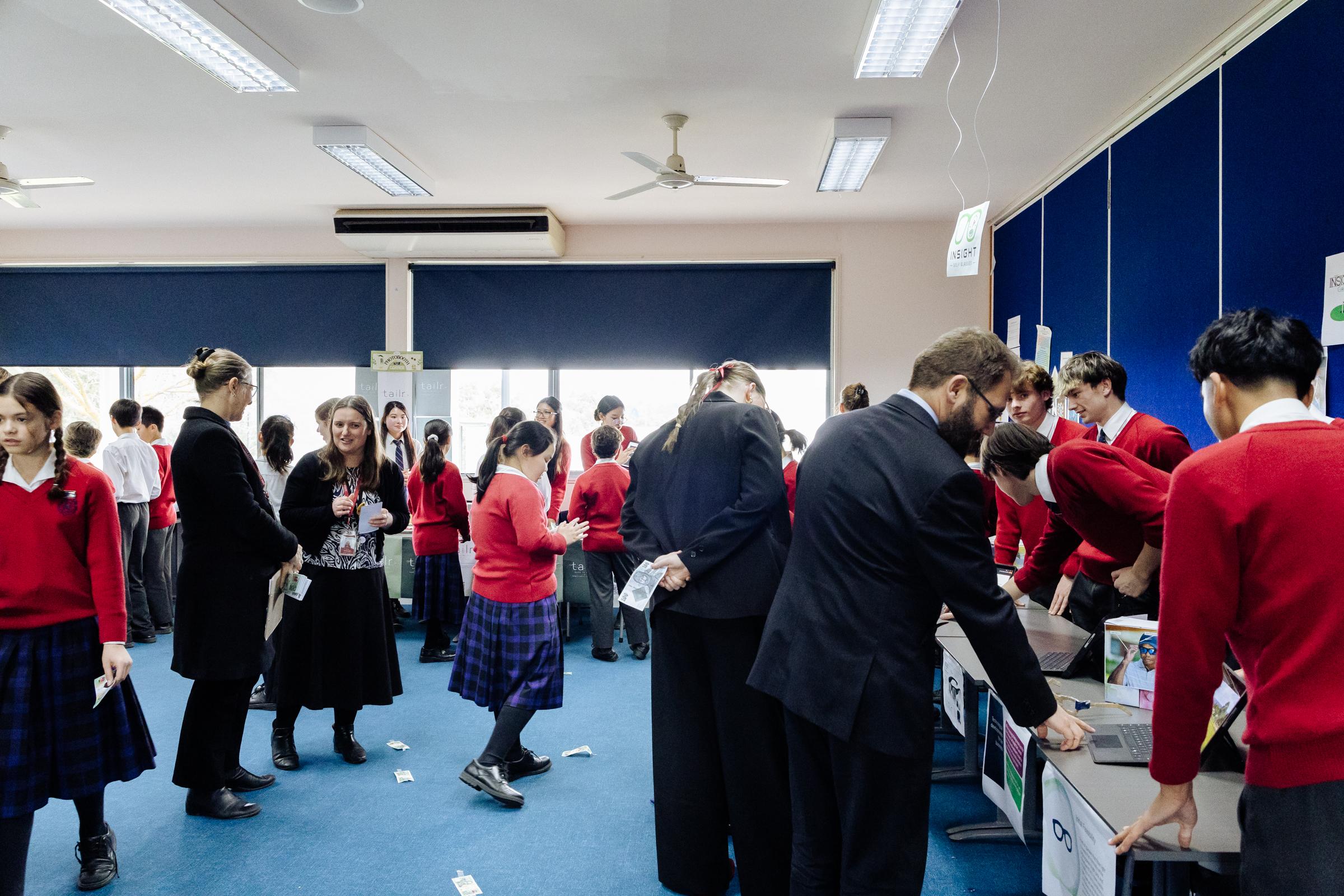
Last Tuesday, Year 11 Business Management students presented their business ideas to the Oxley community. Students have been working on a range of innovative and interesting business ideas over the course of the year. Students set up stalls, displaying prototypes of their products, along with advertising and market research. Visiting classes from Year 5 and Years 8-11 came to decide which business they would invest in. There was a great buzz while Business students “pitched” their ideas to these potential “investors”. This activity was completed as part of the students work on a unit on Marketing for Unit 2 Business Management.
Mrs Kelly Lock
Year 11 Business Management teacher
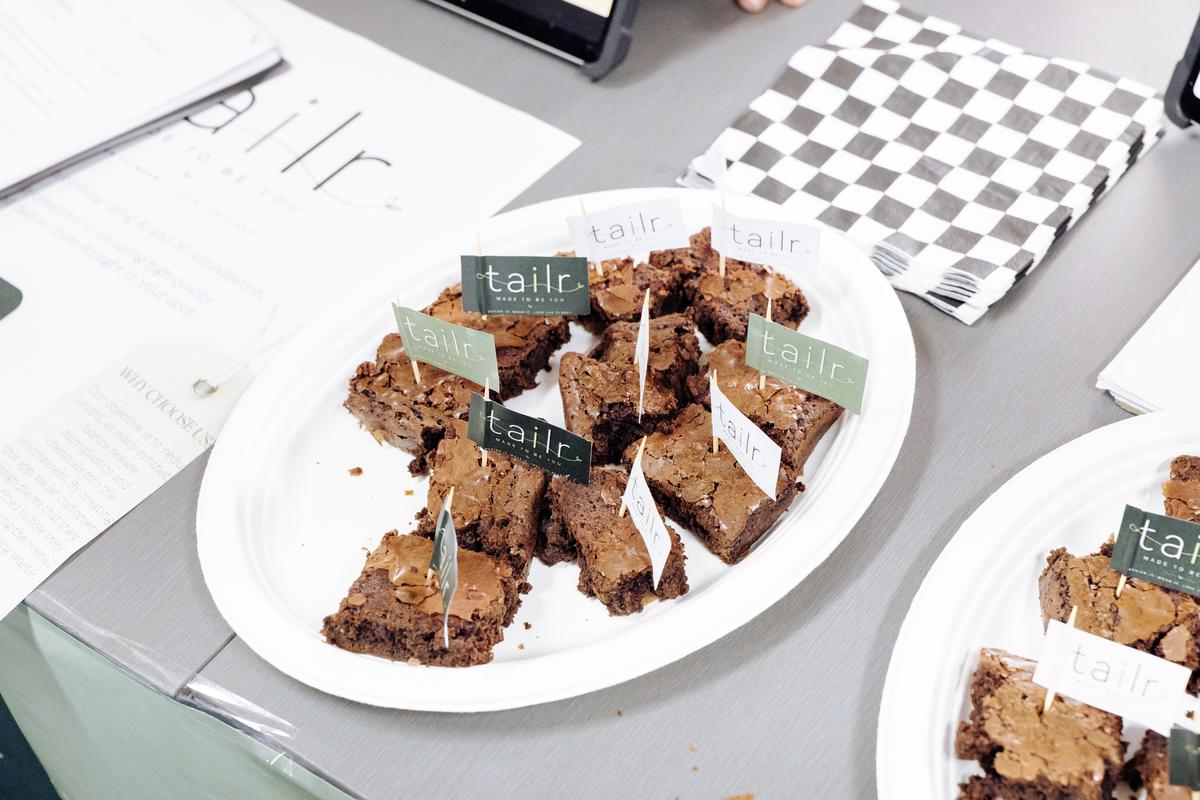
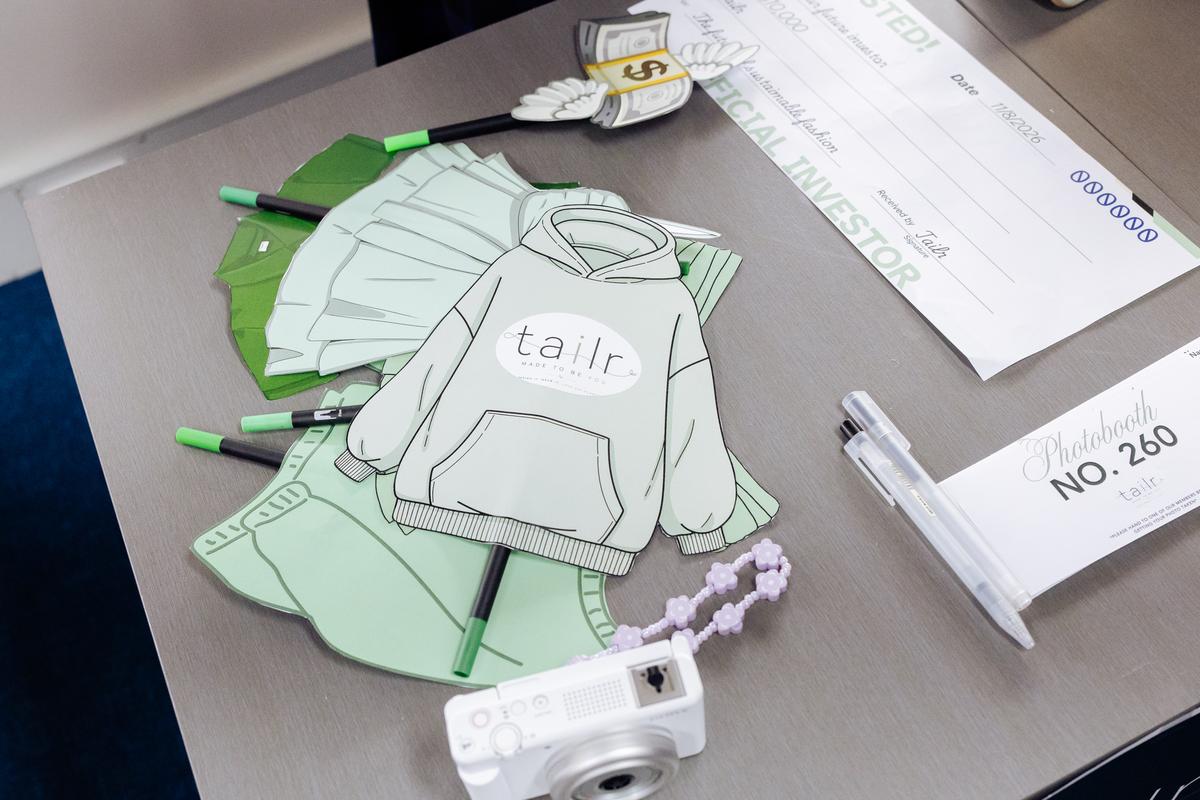
From the beginning of the year, Year 11 Business Management students have been preparing, planning and creating a business. We applied the content we learned in Units 1-2 to a portfolio to establish our businesses. Our current area of study, marketing, was applied in practice, where we marketed our business to teachers and other students in hopes of securing an investment. From interactive restaurants, inventive sports bags, AI fashion, charitable cafes, and innovative golf glasses, our businesses were able to come alive through marketing stalls. Stalls were filled with advertisements, physical prototypes, interactive electronics, and informative posters. Students and teachers who came to visit our stalls were given a series of questions they could ask us, which challenged us to be able to apply the content we learnt in class to our real-life business. Ultimately, the business expo was a huge success, with much effort made by every student, and gave us a whole new practical marketing skillset.
Esther T (11.15)