STEM News

Dear fellow scientists,
We are very grateful to the wonderful community who came along and celebrated STEM Night with us! It was fantastic to see everyone having so much fun with our hands-on activities, including blowing bubbles, playing video games, exploring electrical kits, guiding Bee-Bots through mazes, and much more. We also loved seeing students participating in the STEM competitions at home. Thank you to everyone who helped make STEM Night such a fantastic event. We can’t wait to do it all again next year!
Here are the STEM passport winners:-
Prep: Jenil PJ
Grade 1: Srithika 1B
Grade 2: Ashneer 2E
Grade 3: Sayansh 3H
Grade 4: Diti 4H
Grade 5: Elias 5G
Grade 6: Alice 6D
STEM at home competitions:
Prep: Miheeka PI
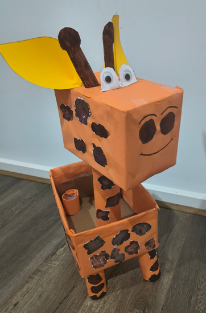
Grade 1: Ziven 1L
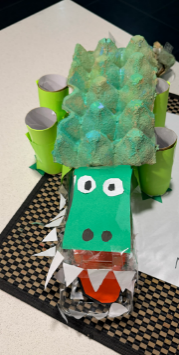
Grade 2: Lincoln 2I
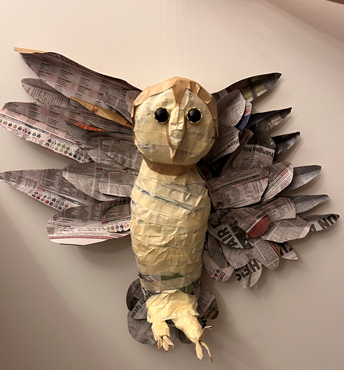
Grade 3: Ananya 3C
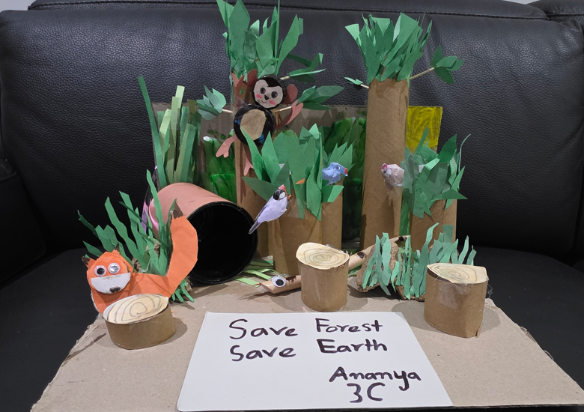
Grade 4: Japleen 4D
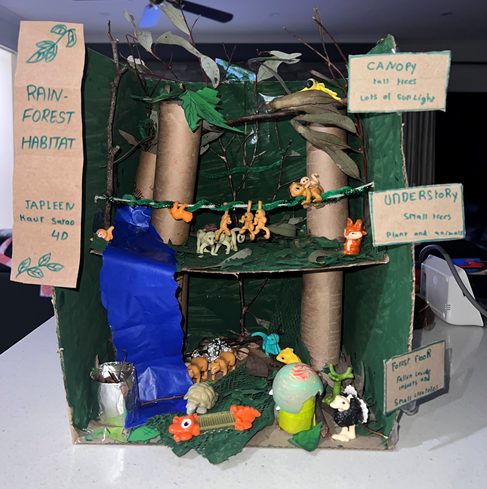
Grade 5: Viraaj 5A
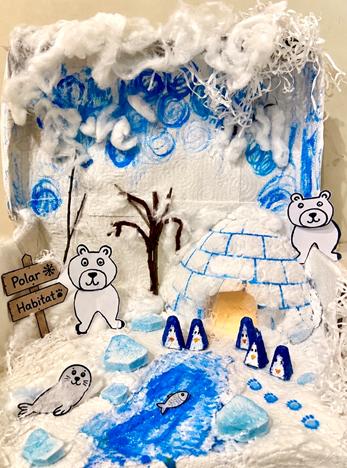
Grade 6: Faizan 6G
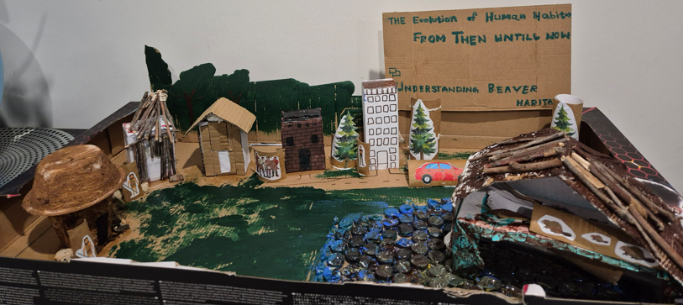
Prep students are learning about ramps and how different materials can be used to make a ball or car ramp. Students will work together to choose the type of ramp they would like to make and select suitable materials. During the investigation, students will work safely, sensibly and cooperatively with their group. Watch this friction experiment at home to see an example of what our Prep design project will look like: https://www.youtube.com/watch?v=eCJVe8adRUw
Grade 1 students are starting their Design Technology project for the rest of the term. Students are learning to use a plan to design and build a cart for a Bee-Bot or Blue-Bot to pull behind it. Students will take turns programming their Bee-Bot or Blue-Bot by creating an algorithm for it to follow. They will then clear the program and pass the Bee-Bot or Blue-Bot to the next student, so everyone has a turn to practise their coding skills. Watch this video to understand more about what algorithms are: https://www.youtube.com/watch?v=r_Rsu6Av1Vk
Grade 2 students are learning to identify patterns in the Solar System. They will explore the length of time planets take to orbit the Sun and identify patterns in their orbit lengths. Students will also learn to identify and list the phases of the Moon such as full moon, waning, waxing and new moon. Watch this video of Dr Binocs phases of the Moon and why does the Moon change its shape: https://www.youtube.com/watch?v=BQvo7vyCmuE
Grade 3 students will be starting their Design Technology project about food. They are learning to identify processed foods and make healthier snack choices. Students will compare whole and processed foods and identify foods that have been processed. Students will explore how foods can change when they are processed and consider which snack choices can support a healthy lifestyle. Listen to this video from BTN about Are Australians Eating Healthily Enough? https://www.youtube.com/watch?v=dsA31wh-bYA
Grade 4 students are learning to draw and label animal life cycles. They will explore the different stages of animal life cycles and identify the differences between metamorphic and non-metamorphic life cycles. https://www.clickview.net/primary/videos/80349122/marsupial-parenting?context=widget&contextId=583129323595722752
Grade 5 students are completing a Science Inquiry Skills test investigating how the size of an ice cube affects its melting time. Students will use their Science inquiry skills and knowledge to answer questions about the investigation and demonstrate their understanding of the scientific process. Watch this Sci Show Kids video about making potions: https://www.youtube.com/watch?v=nMSv4FrbECU
Grade 6 students are completing a Science inquiry skills test investigating how different materials affect the bouncing ability of a ball and its elastic energy. Through this investigation, students will demonstrate their Science inquiry skills by questioning, planning, predicting, conducting, processing and modelling their results using a graph, analysing, evaluating and communicating their findings. Watch the Curious Crew video about electrical circuits. The video explores how electrical circuits work, including power sources, conductors, loads, and series and parallel circuits. https://www.pbs.org/video/electrical-circuits-shdi2e/
STEM team