Teaching at BPPS







 Boroondara Park Primary School
Supporting Your Child with Maths at Home
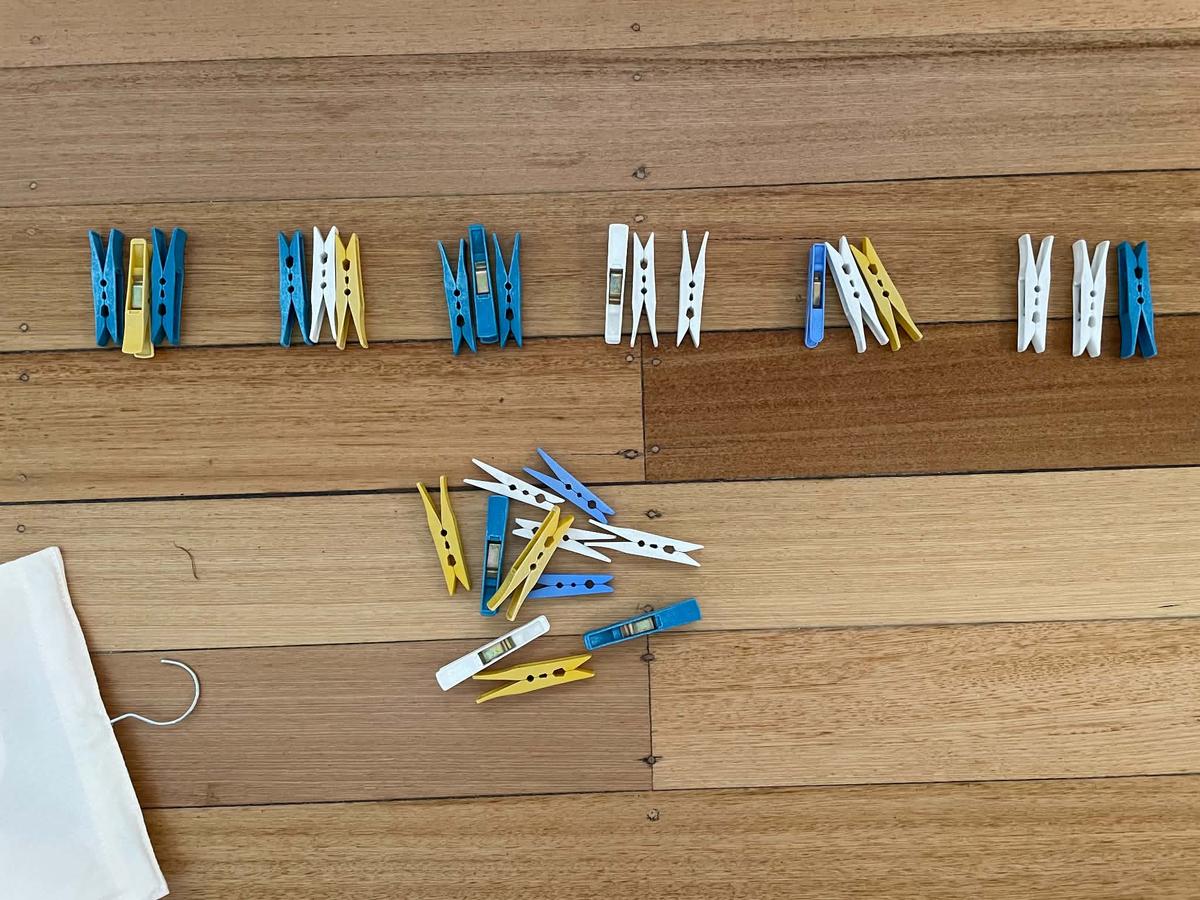
As a parent, I have spent many hours supporting my own children (now 20 and 18) with their maths learning at home. One memory that stands out is teaching my son his times tables using clothes pegs! We would set up the 3 times table on the kitchen floor (as shown in the photo below). I would build it step by step so he could see how it worked and then we would practise saying the times table together, whilst moving each group of 3 pegs.
I supported both of my children with their maths learning throughout primary school and even into secondary school, helping them develop their understanding and confidence. Of course, these sessions weren't always “rainbows and lollipops!” There were certainly moments of frustration on both sides. When a concept hasn't quite clicked, it can be challenging for everyone! Looking back, though, I know how valuable these opportunities were in helping my children build their skills and understanding.
The primary school years are so important for building strong foundations in mathematics, particularly as students prepare for the transition to secondary school. Developing quick recall of essential maths facts, such as number bonds to 10, addition and subtraction facts, and multiplication and division facts, helps children approach more complex maths with confidence. The good news is that practising these skills doesn't have to involve worksheets or sitting at a table. Maths is all around us, and there are plenty of simple, fun ways to practise at home and as part of everyday life.
Here are a few ways to support maths learning at home
The key is to keep practice short, regular and enjoyable. Even five minutes a day can make a difference!
1. Make your own maths games
Use clothes pegs, playing cards, dice or homemade number cards to practise number bonds, addition facts and times tables. Ask your child to explain the patterns they notice, rather than simply reciting the answers.
My Dad used car number plates when we were out driving somewhere! I would have to add the 3 numbers or subtract them or even at times multiply the numbers together.
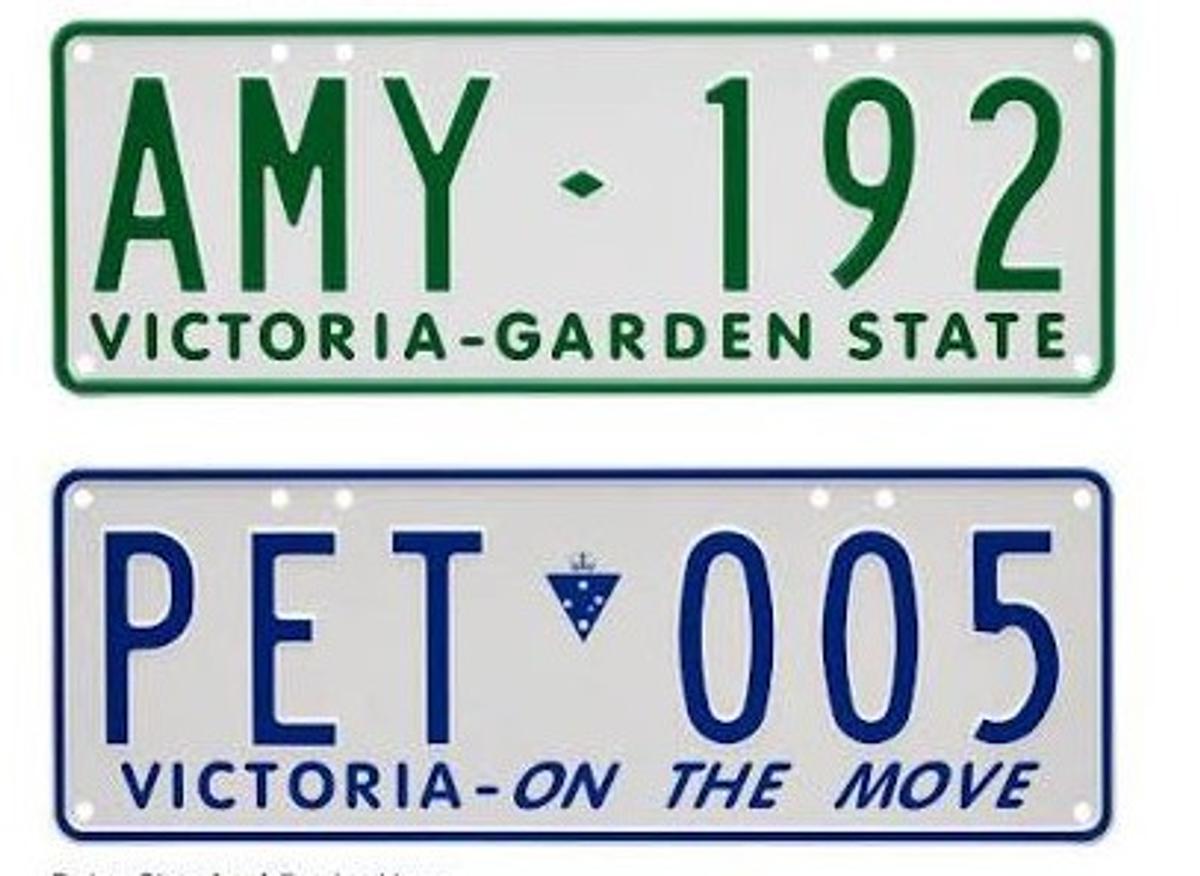
2. Play quick-fire maths games
Take turns asking each other questions, such as “What is 7 × 6?” or “What do I add to 8 to make 10?” You could also turn over two playing cards and add or multiply the numbers together.
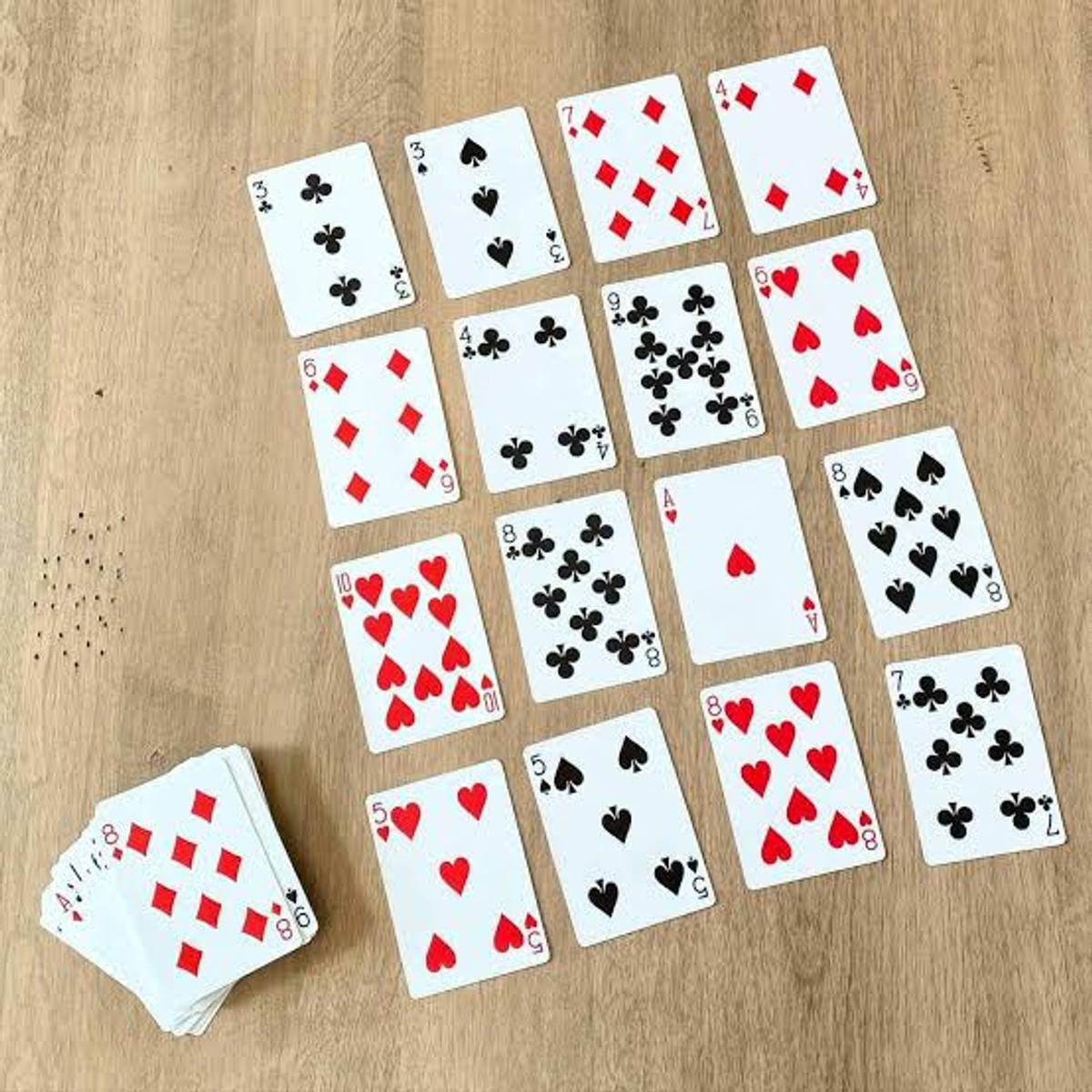
3. Practise with dice and board games
Roll two dice and add, subtract or multiply the numbers. Board games that involve counting spaces, keeping score or working out totals are also great ways to practise maths without it feeling like formal learning.
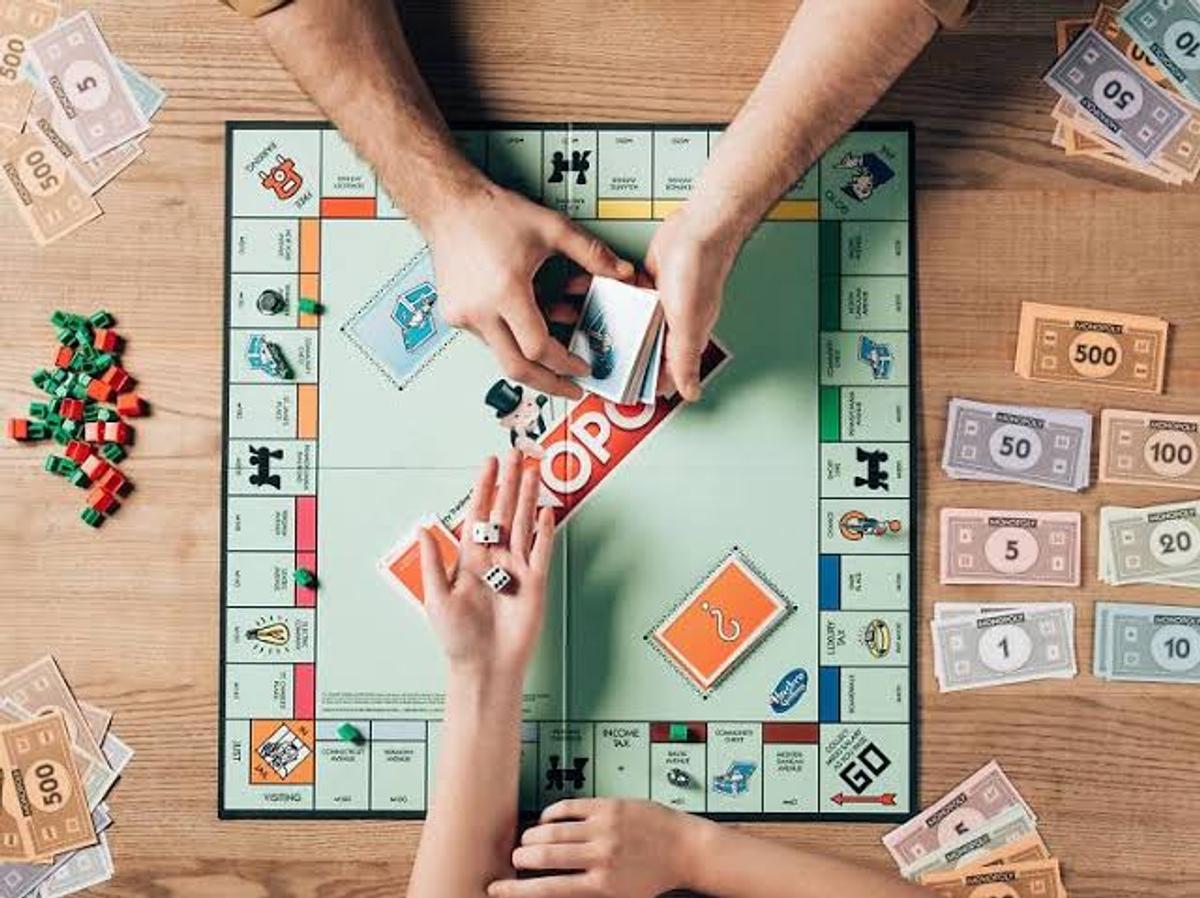
4. Find maths in everyday activities
Cooking, shopping and sharing food all provide opportunities to practise. Ask questions such as “If we need 3 apples each for 4 people, how many apples will we need altogether?” or “How much change will we get from $10?”
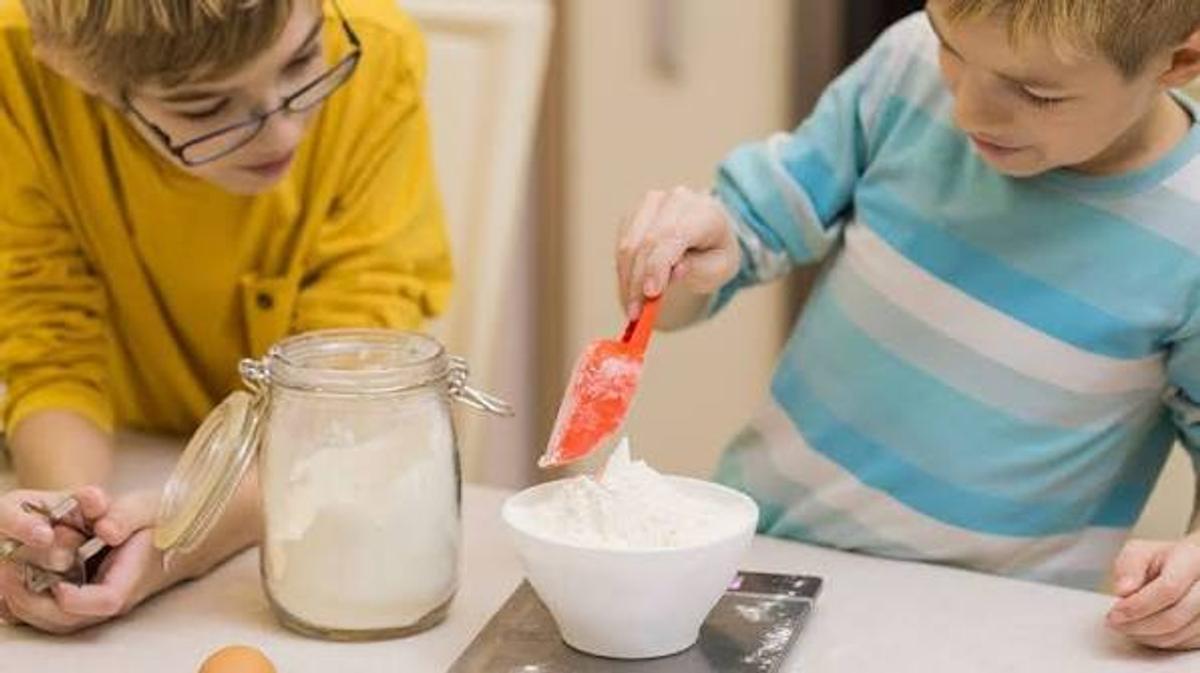
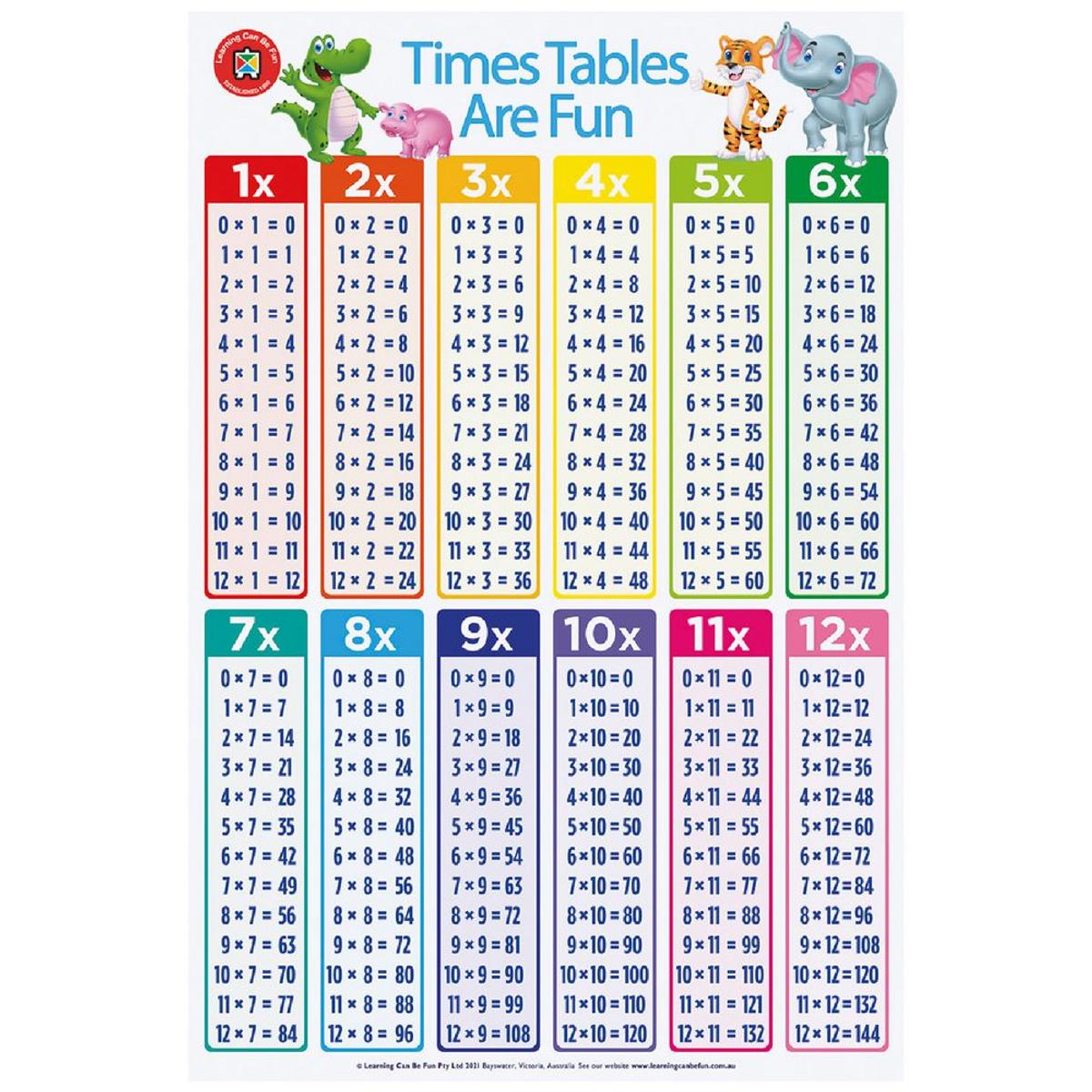
5. Look for patterns in times tables
Help your child notice connections. For example, knowing the 5 times table can help with the 10 times table, and knowing 3 x 4 = 12 also means 4 x 3 = 12. And once the times table is known, turning it around into a division fact, for example 12 divided by 4 = 3. Understanding these relationships makes new facts easier to learn.
6. Ask your child to explain their thinking
Instead of focusing only on the answer, ask “How did you work that out?” or “Can you think of another way?” This helps children develop a deeper understanding and confidence in their mathematical thinking.
A final thought!
You don't need to be a maths expert to support your child's learning. Your encouragement, patience and willingness to explore maths together can make a real difference. If your child is finding something difficult, use objects or drawings to help make it visible, keep the practice relaxed and remember to celebrate the small wins along the way.
Five minutes of positive maths practice is far more valuable than a long session that ends in frustration!
Julie Tainsh
Learning Specialist - Curriculum
Grade 5/6 Teacher