Junior School
Head of Junior School - Nicola Treacey
Junior School
Head of Junior School - Nicola Treacey
Article by Sam Davidson, Cross Curricular Leader
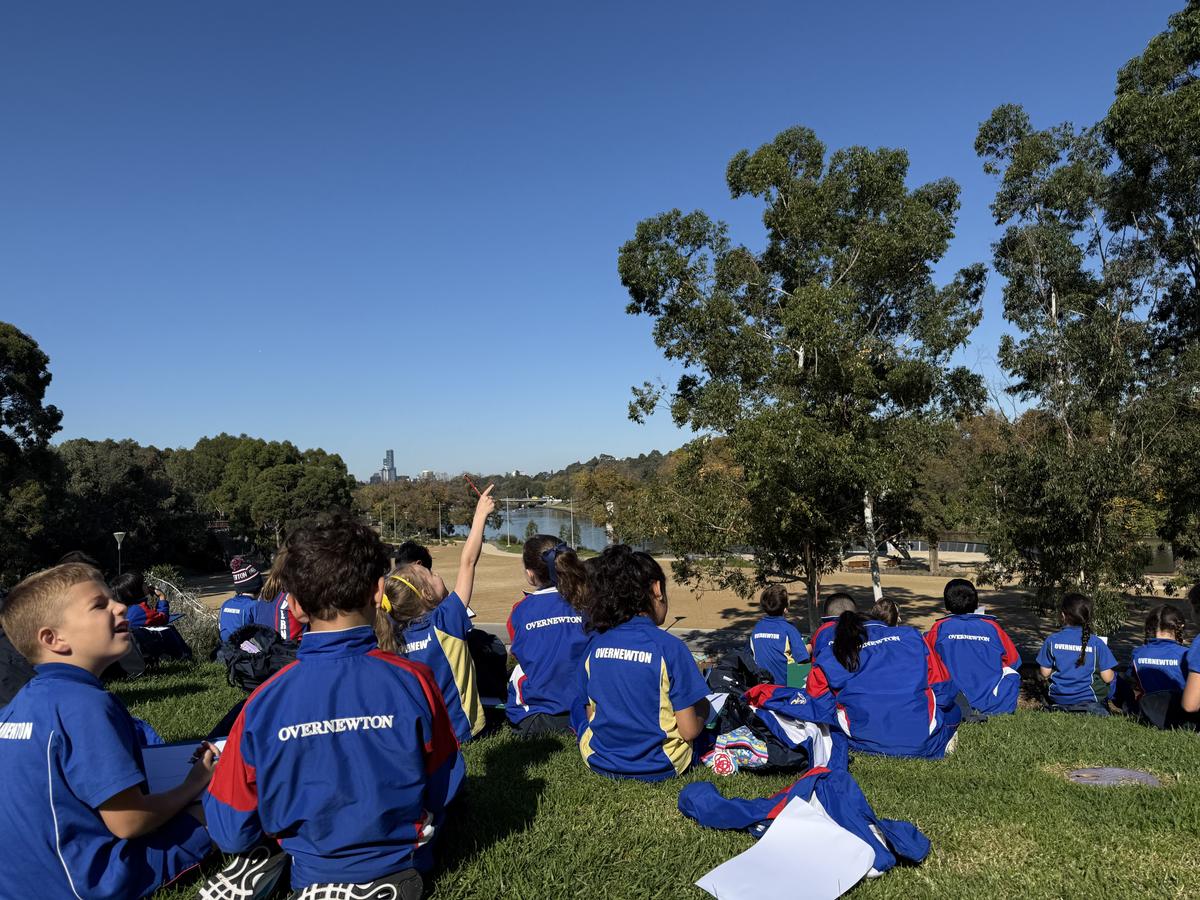
During Term 2, Cross-Curricular Learning (CCL) in the Junior School engages students in rich units of study centred on First Nations Australians, fostering a deeper understanding of culture, history, and connection to Country. These units are designed to support students in exploring perspectives beyond their own, while building a strong sense of respect, identity, and belonging within a diverse community.
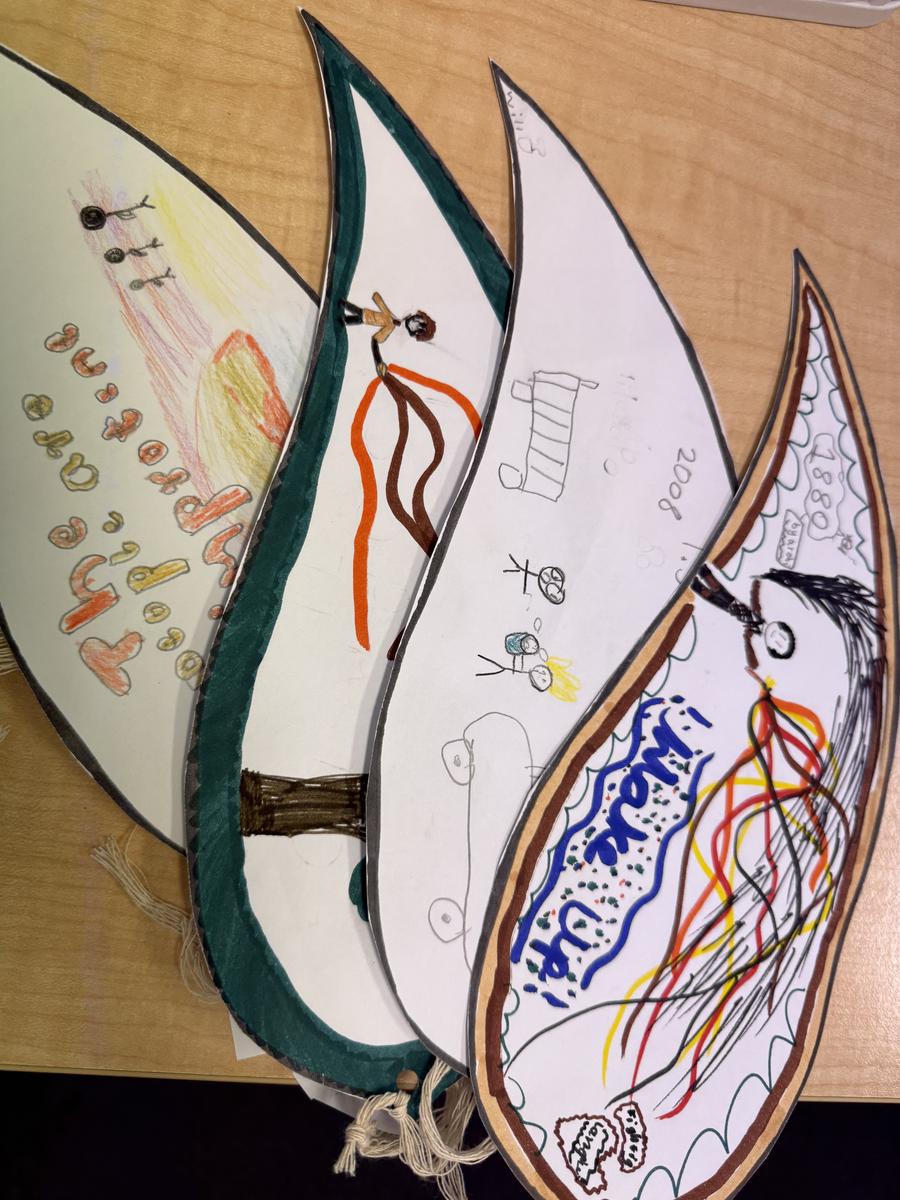
Through integrated learning experiences, students investigate the family structure, traditions, stories, and knowledge systems of First Nations Australians. They explore themes such as connection to country, community, and perspective, gaining insight into the enduring significance of these practices. These units provide meaningful opportunities for students to recognise the importance of cultural awareness and to value the contributions of First Nations peoples, past, present and future.
Throughout these learning experiences, students demonstrate key learning dispositions including collaboration, critical thinking, reflection and also develop a sense of empathy. They work together to explore ideas, discuss perspectives, and deepen their understandings, strengthening their ability to learn with and from others. Through thoughtful discussion and inquiry, students are encouraged to think deeply, ask meaningful questions, and challenge their understandings.
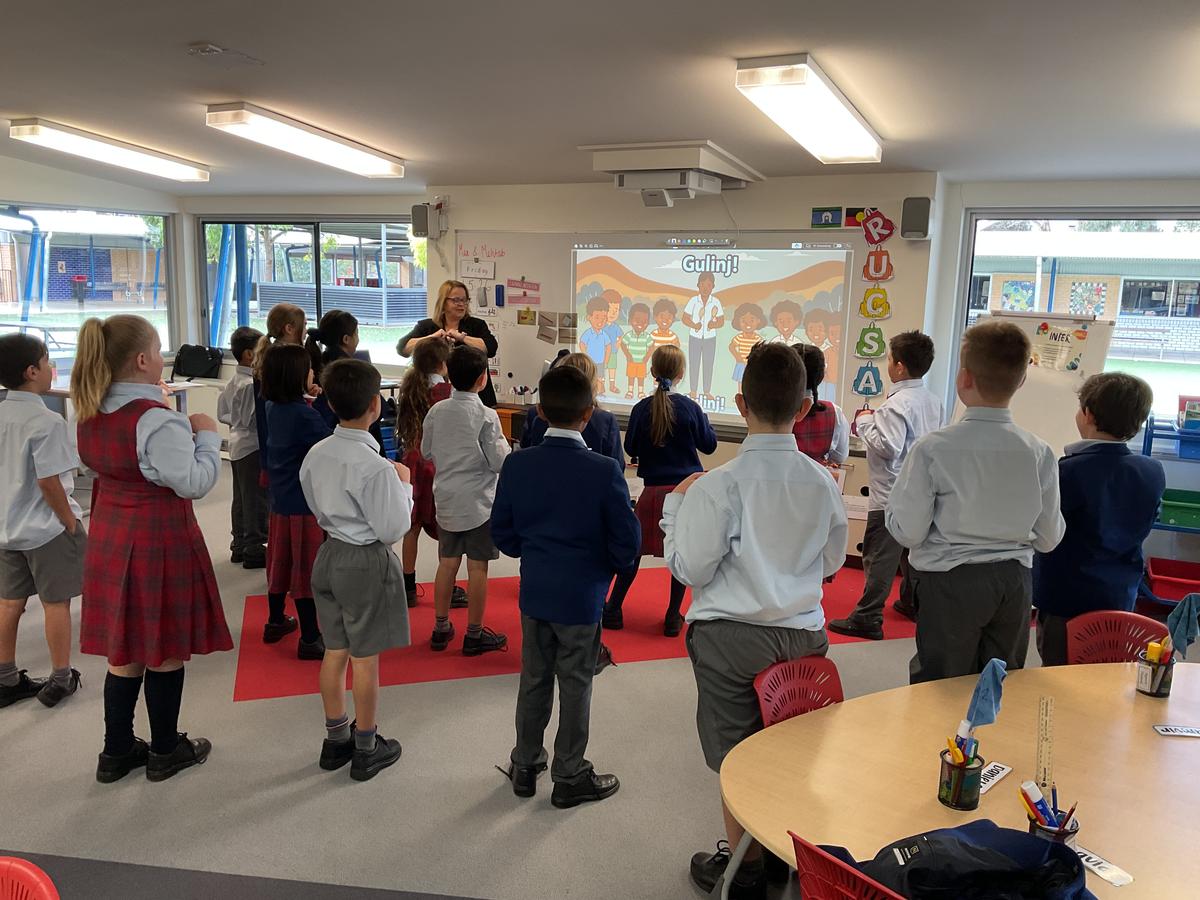
Reflection plays an important role as students consider their learning journey and the perspectives they encounter, as well as build on the learning that has occurred in previous years. They are guided to think about how their understanding has grown and how they can apply this knowledge in respectful and responsible ways. Developing empathy is central to these units, as students learn to appreciate different lived experiences and build a genuine respect for First Nations cultures.
Teachers support this learning through engaging provocations such as storytelling, artefact exploration, and inquiry-based tasks that connect students to real-world contexts. These experiences encourage curiosity and active participation, helping students to make meaningful connections across subject areas. As a result, learners develop a deeper understanding of the world around them and their role within it as informed, respectful, and compassionate individuals.