
Library
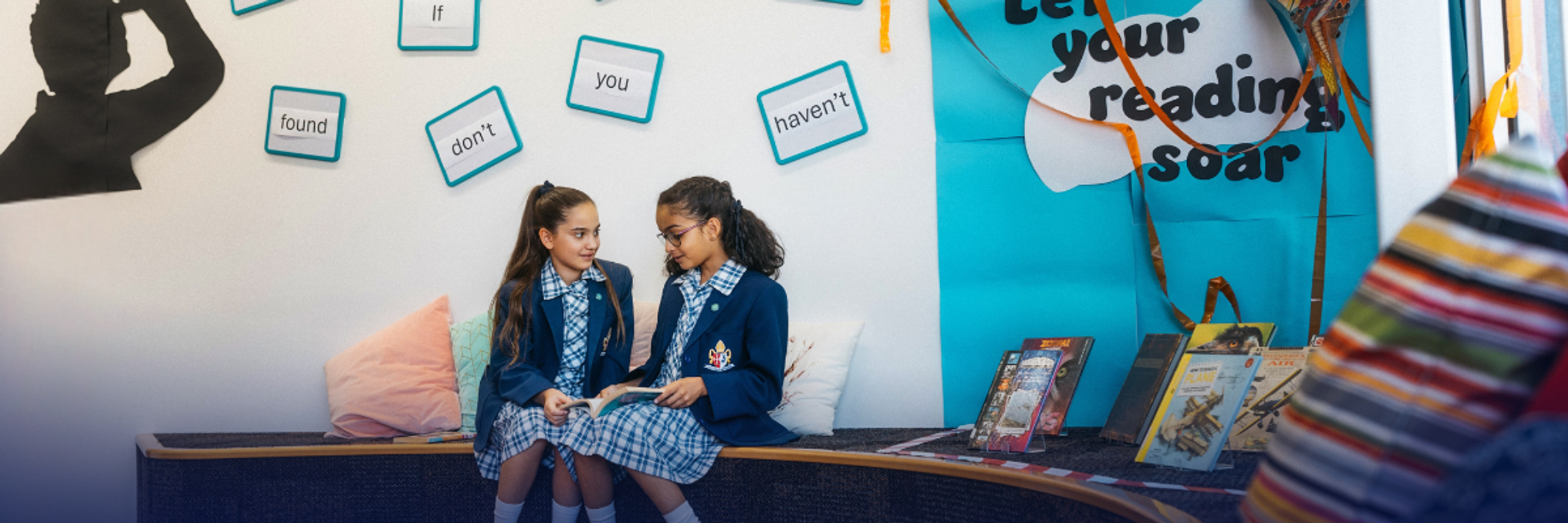
Raising Readers in a World of Scrollers

Article by Paige Witcombe, Library Leader – Yirramboi Campus
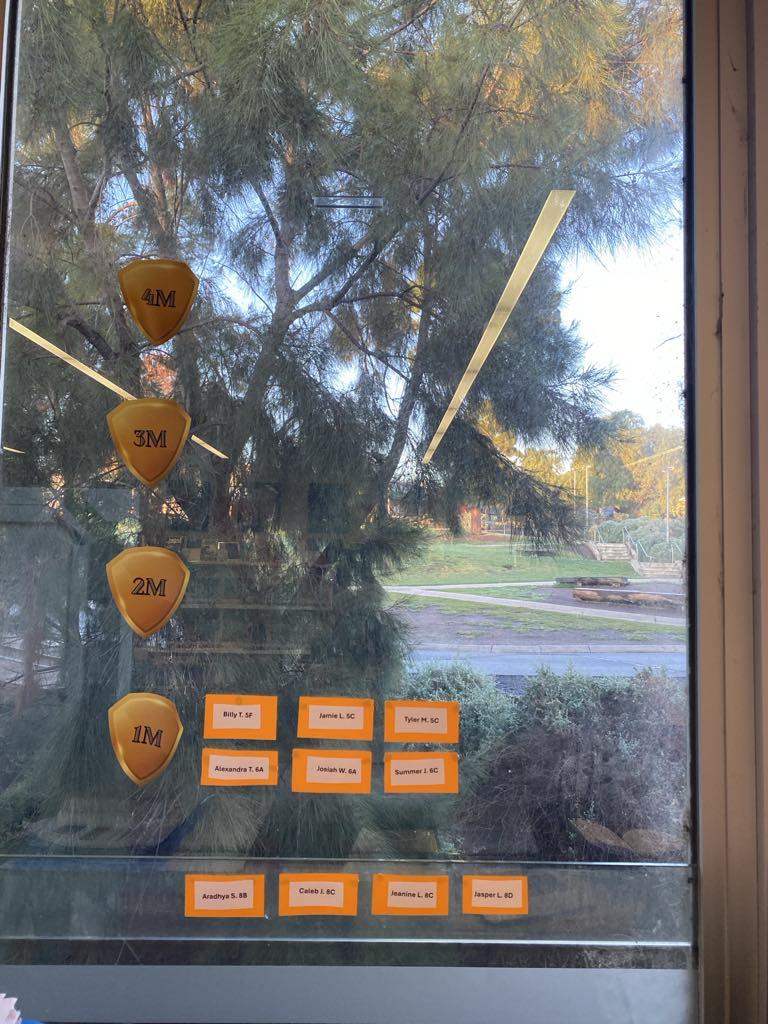
We are now in Week 5 of the Middle School Accelerated Reader program, and one of the highlights each week has been updating our display with the names of students reaching incredible reading milestones. Already this term, several students have read and successfully quizzed on books totaling more than one million words - an achievement that reflects persistence, literacy growth, and a genuine commitment to reading.
At the same time, as I reviewed class reading data, another trend stood out. Alongside students reading voraciously, there were also students who had not yet completed a quiz this term, even on short Accelerated Reader articles that take less than ten minutes to read. The contrast suggests a possible link to a broader challenge being seen across Australia and internationally: many tweens and teens are simply reading less. This is supported by research which suggests that one in three Australian children cannot read proficiently (Hunter et al., 2023), while almost 30% of teenagers report that they do not read for pleasure at all (Rutherford et al., 2024). This matters because reading is about far more than academic success. Alongside building vocabulary, comprehension, and concentration, regular reading also develops empathy, creativity, imagination, and critical thinking.
One major factor contributing to this decline is the dominance of digital media. Many young people are growing up surrounded by constant notifications, short-form videos, and instant entertainment, which can make sustained “deep reading” more challenging. A way to combat this is to help young people create balance and make space for reading within busy daily lives. Library lessons make space for this time in a busy curriculum. Unwinding before bed with 20 minutes of reading or listening to an audiobook in the car on the way to school can also be a way to make time for reading.
Research also highlights the importance of reading role models. Teenagers who read more frequently are more likely to have parents who are readers themselves. Seeing adults read for enjoyment - whether books, newspapers, or articles - helps young people view reading as valuable, normal, and enjoyable.
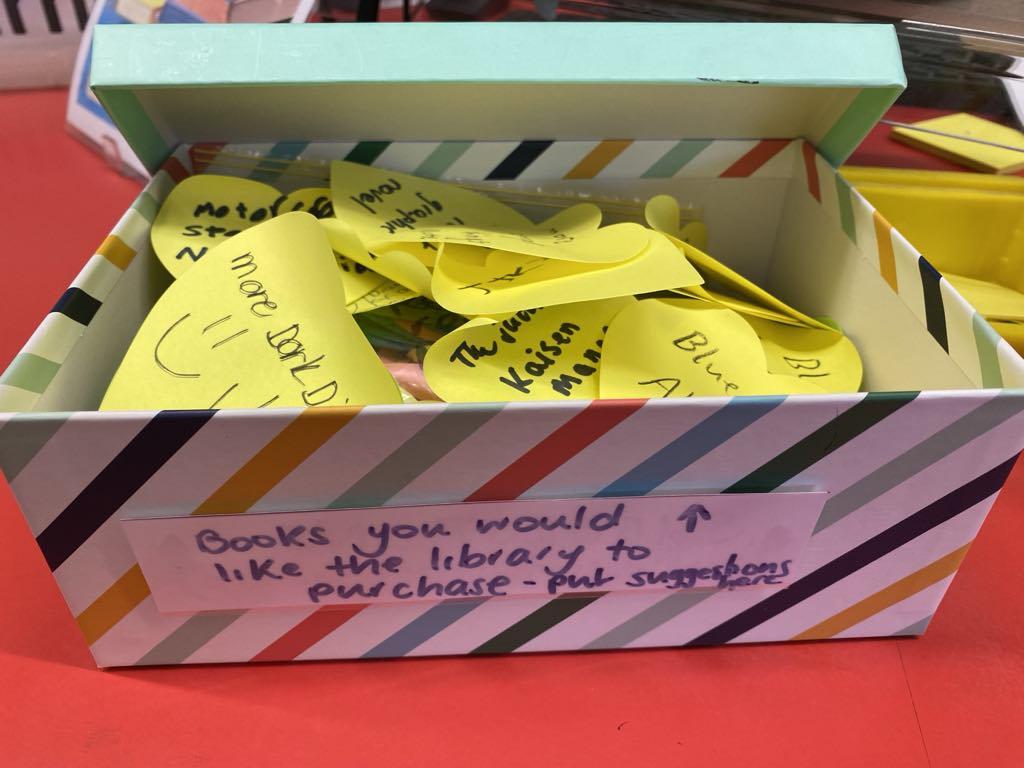
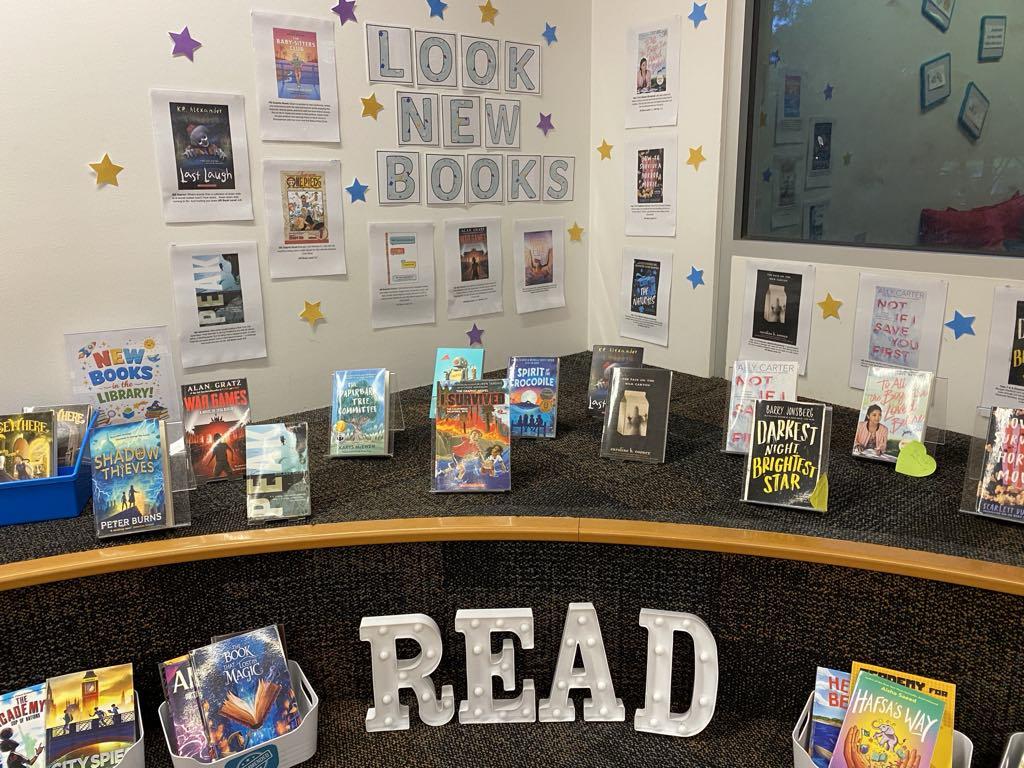
At school, our libraries continue to focus on fostering a positive reading culture by helping students discover books that genuinely interest them, promoting diverse formats and genres, and creating opportunities for students to suggest books to be purchased by the library, book recommendations for peers via reviews in class and in the library catalogue, as well as time for reading enjoyment and discussion. Programs such as Accelerated Reader are not simply about quizzes or word counts. They are about helping students build consistent reading habits, discover books they enjoy, and experience the long-term benefits that come from regular reading. Whether a student reads a million words or begins with a single ten-minute article, every page read is a step towards becoming a more confident and engaged reader.
For parents looking for practical, research-backed strategies to support their teen’s reading habits at home and help rebuild reading confidence and enjoyment, the following resource from Australia Reads offers clear and accessible guidance:
References
Hunter, J., Stobart, A., & Haywood, A. (2023). The Reading Guarantee: How to give every child the best chance of success. Grattan Institute.
Rutherford, L. Singleton, A, Reddan, B, Johanson, K & Dezuanni (2024) Discovering a Good Read: Exploring Book Discover and Reading for Pleasure Among Australian Teens. Deakin University.