
Plants for Space Immersion Day
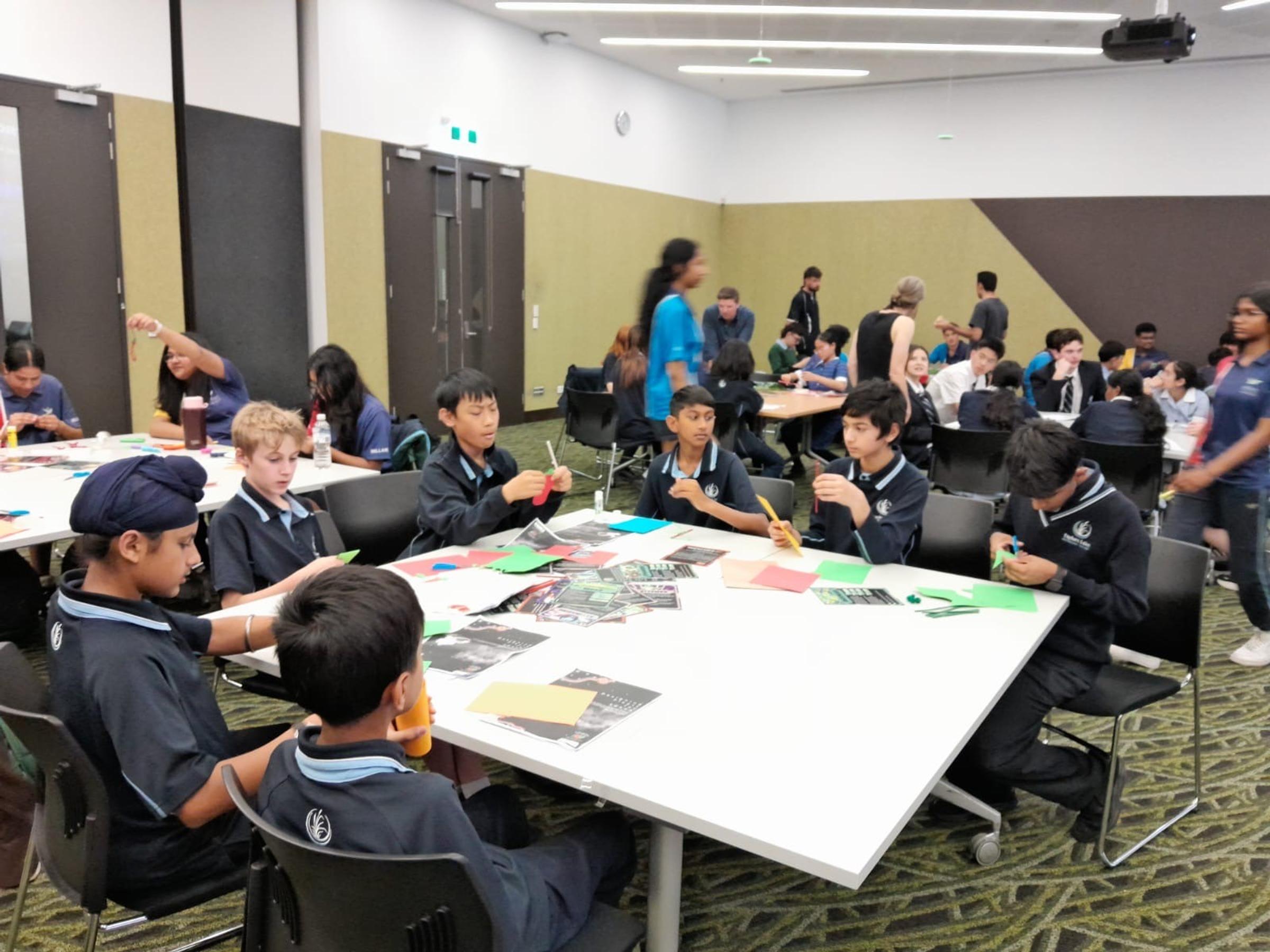
Our Year 7 LEAP students headed out to La Trobe University, Bundoora, for an exciting hands-on immersion day in partnership with the Growing Beyond Earth program.
A collaboration between La Trobe University, NASA, the Royal Botanic Gardens Victoria and Fairchild Tropical Botanic Garden.
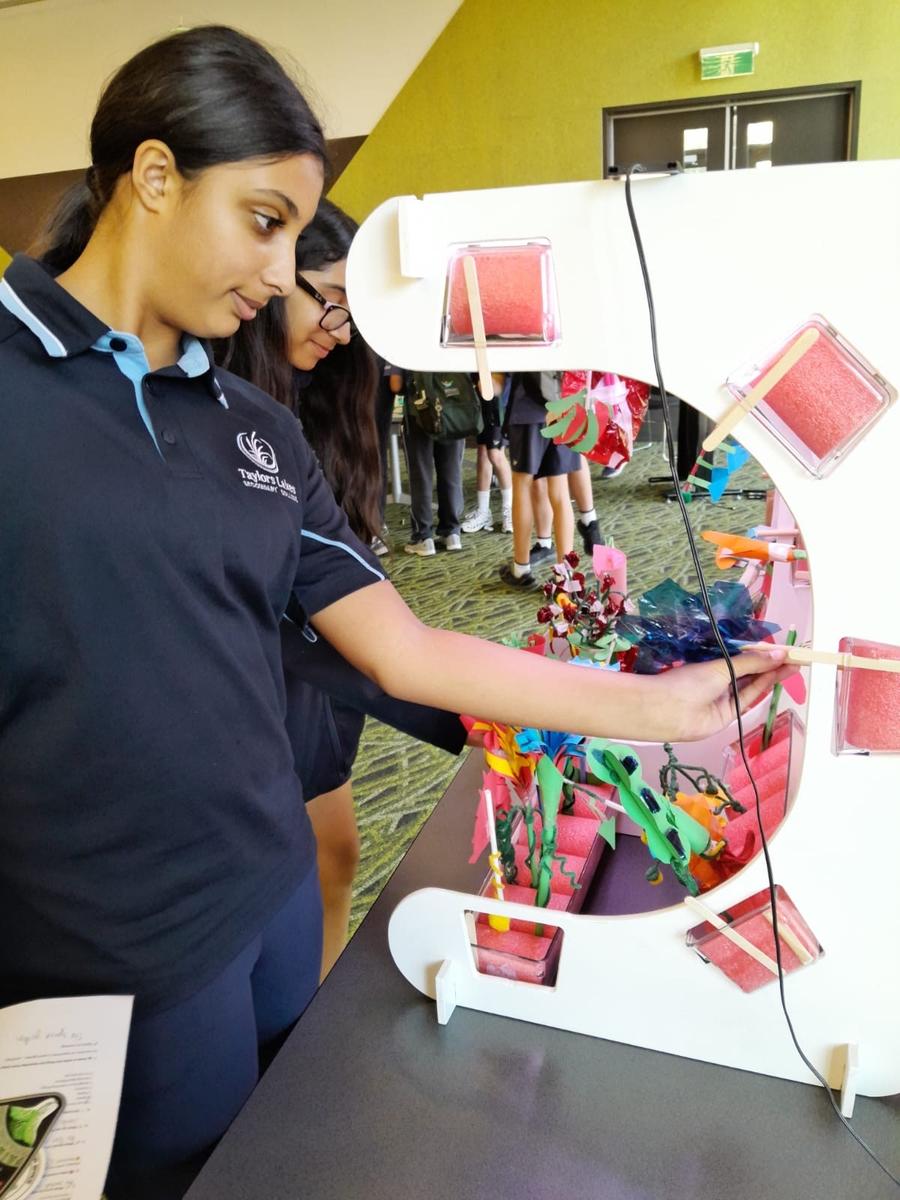
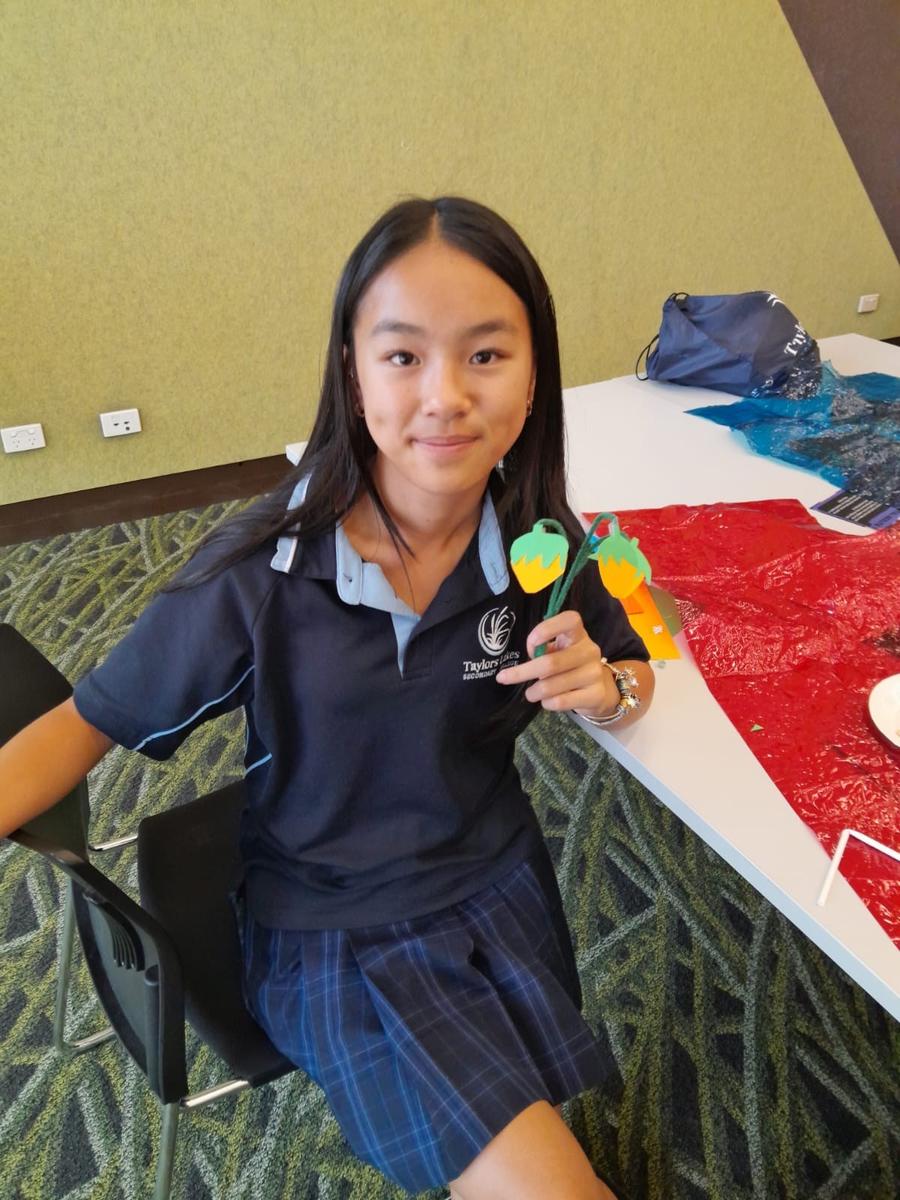
Students took part in three rotating workshops exploring the cutting-edge science of growing food in space. Activities included the Agribio Wet Lab, where students investigated the molecules behind taste, texture, and colour in plants; the TLC Wet Lab, focused on the nutrition and joy of a Space Salad; and an Astrogarden workshop, where students tackled the big question: which plants would you take to space?
This was a wonderful opportunity for our budding scientists to connect classroom learning with real-world research — and maybe even contribute to the future of space exploration!
Ms Lelekakis
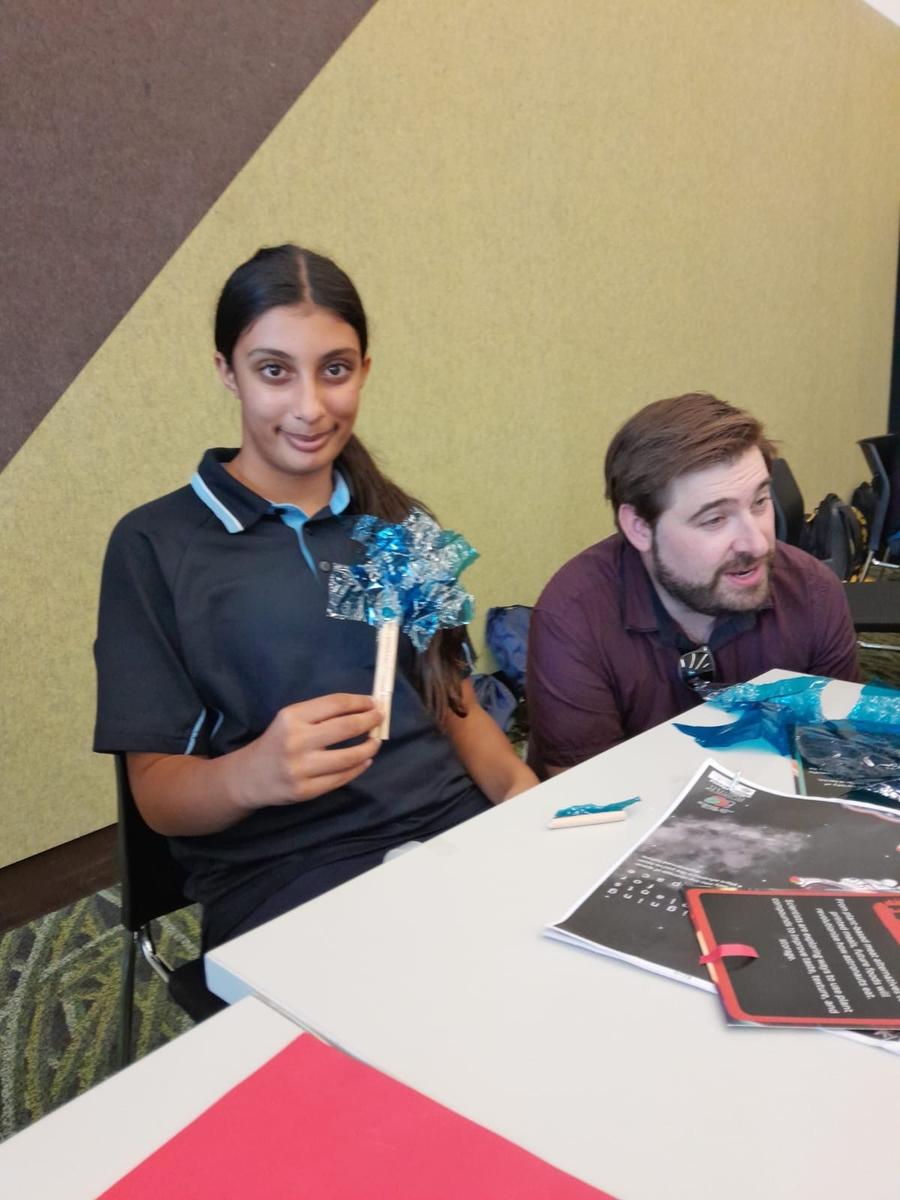
La Trobe university was a fun trip and we learned lots. We learned about how astronauts stay in rockets for months and their food variety is very limited. We needed to design and learn about plants that astronauts could grow inside the rocket so they can eat more tasty and appetizing food instead of scrambled eggs, prawns, etc, that are frozen and must microwave them first before even eating. The food must also meet the requirements of how much glucose, protein, oil, starch, etc. The university itself was massive, and I would most definitely go there again if I had a chance to.
Parwan, 7I
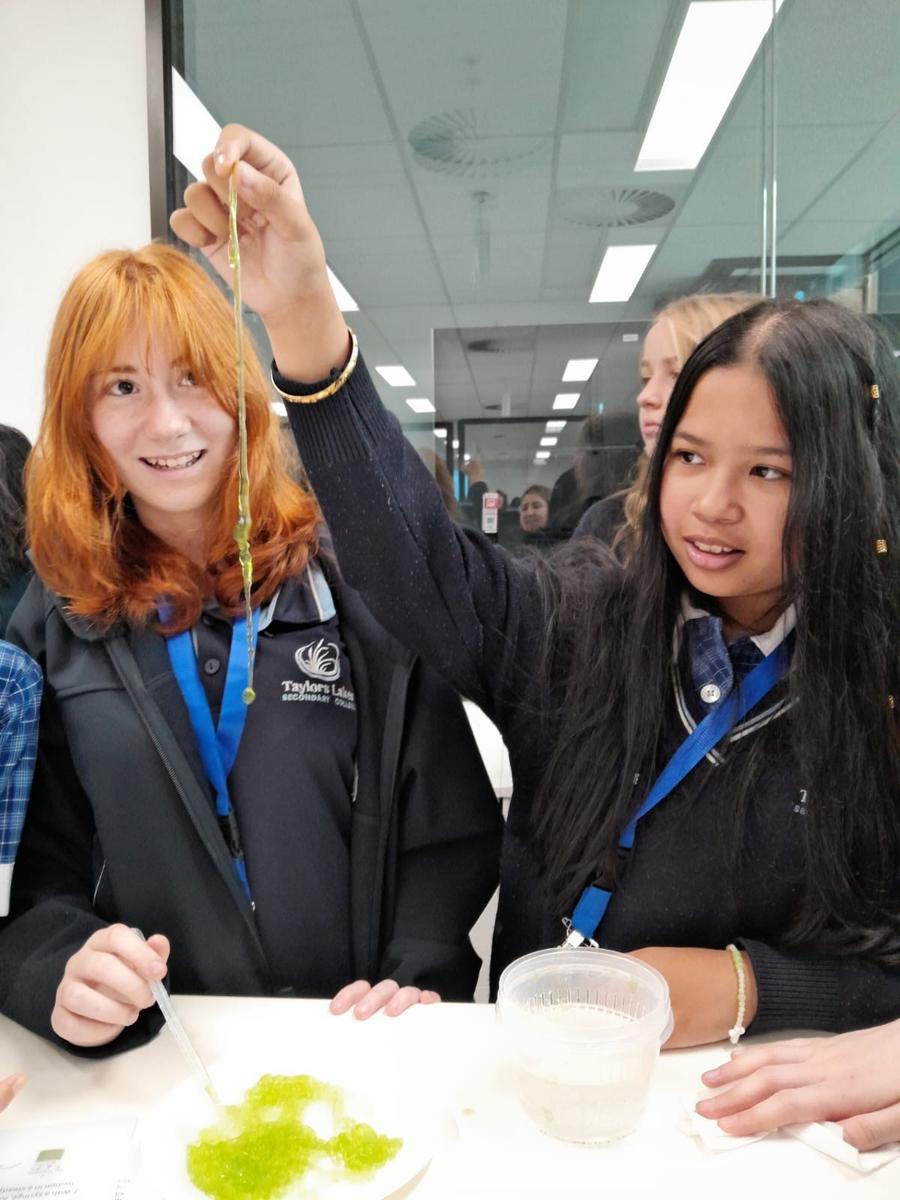
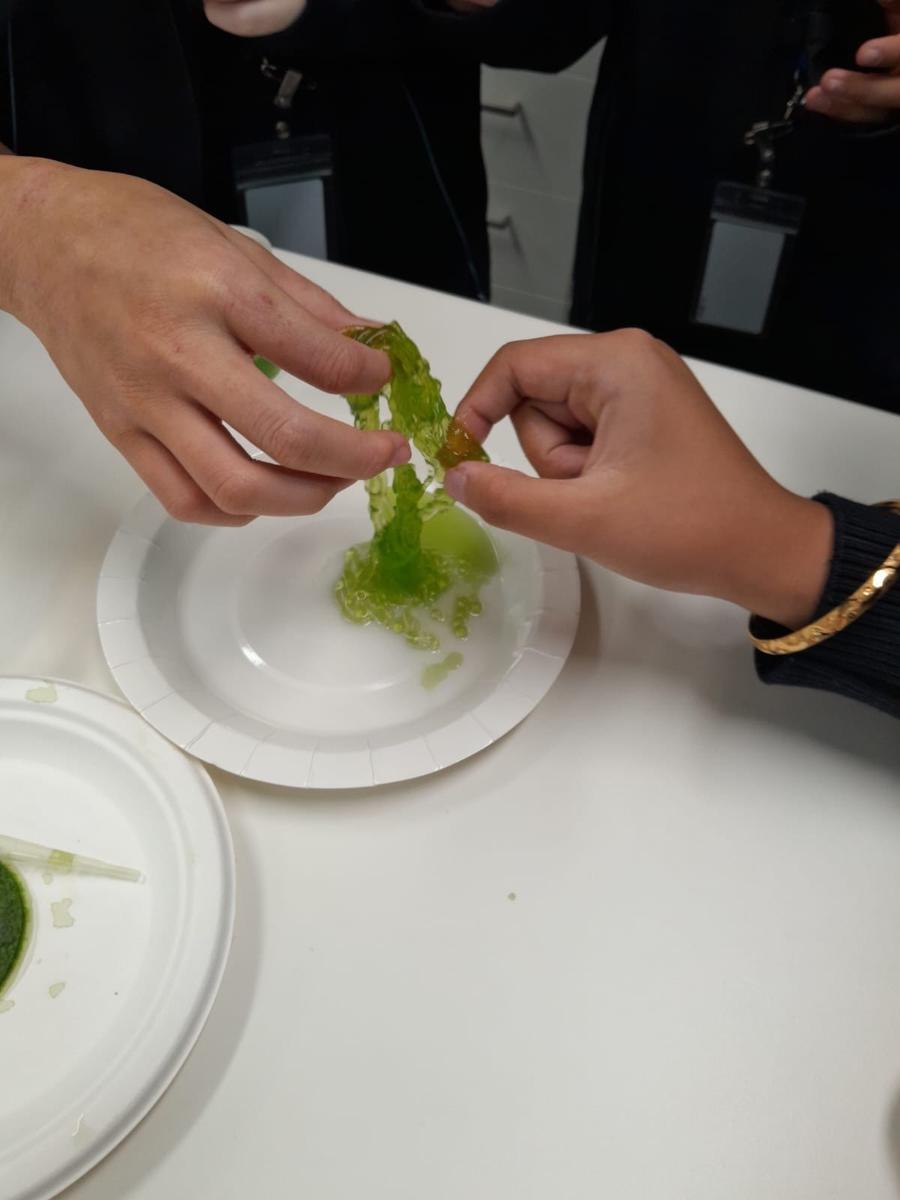
The excursion was fun; we got to experience making food for the astronauts up in space. We used spinach to make different things such as dried out discs of blended spinach, and gelatinous spinach juice noodles. We also made space salads which we used for a series of tests to see if they had enough nutrients to be eaten in space. We ended our day with an arts and crafts activity where we had to create plants that had different purposes to bring up to space. As for the breaks, there were a lot of places we could eat at but not a lot of time. Overall, the excursion was great and I hope the year 7’s next year get to experience it as well.
Laaethya 7I
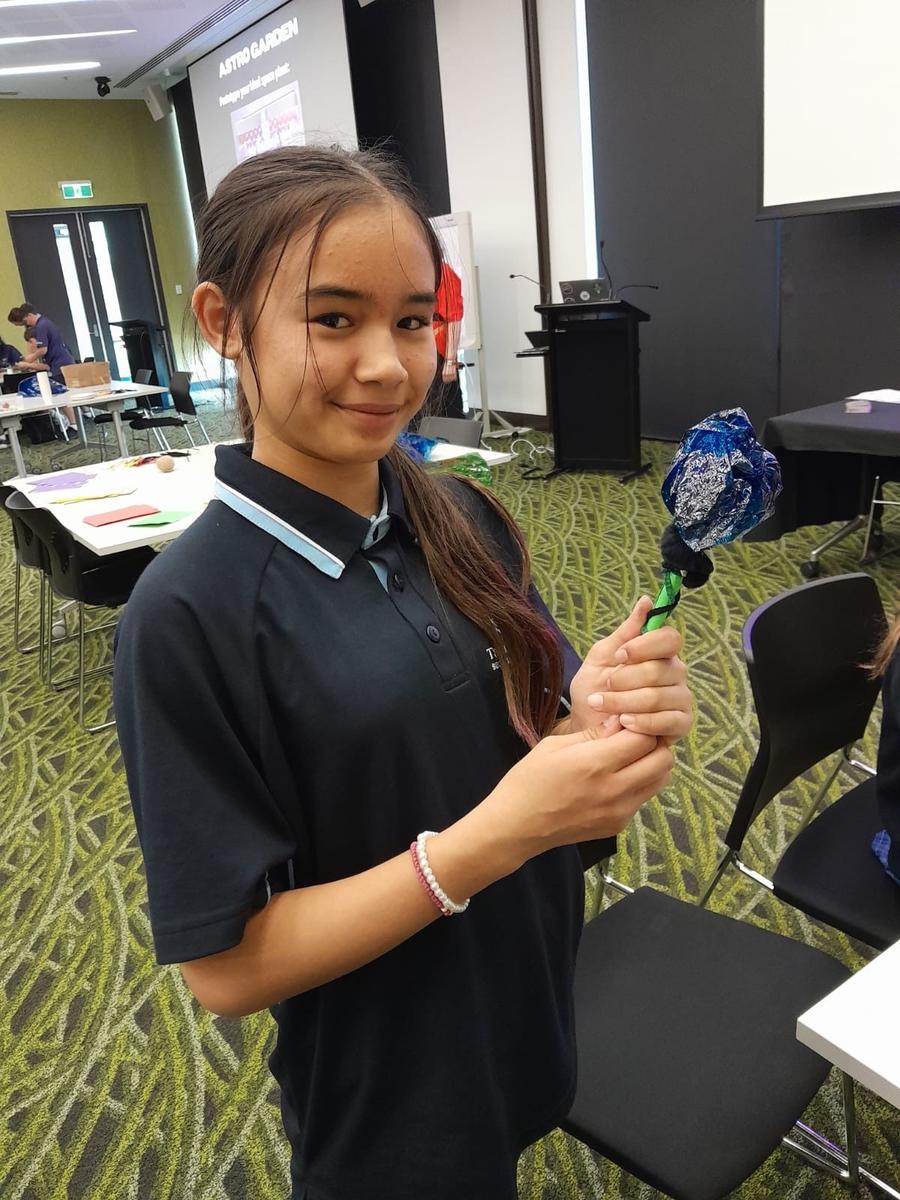
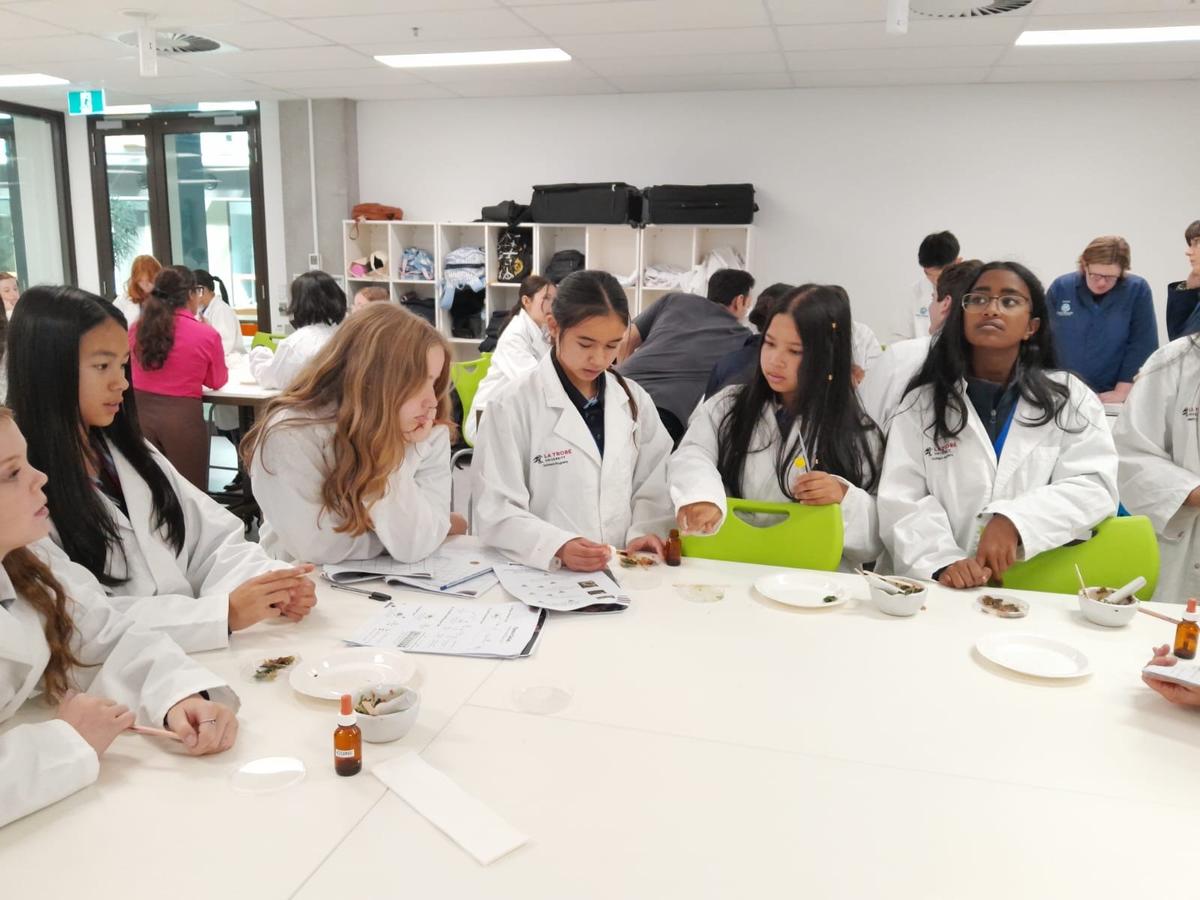
La Trobe wasn’t just a regular university; it was a university with endless opportunities people seek for. We all got to experience a once in a lifetime visit to explore the world of wonder, Science. We learned about how astronauts roam in space and learned everything about what they eat, where they end up on, and how they maintain their lives successfully. We also got to explore the ginormous university itself. It was a spectacular adventure, and I hope for future year levels to participate in these immerse excursions.
Shayne 7I
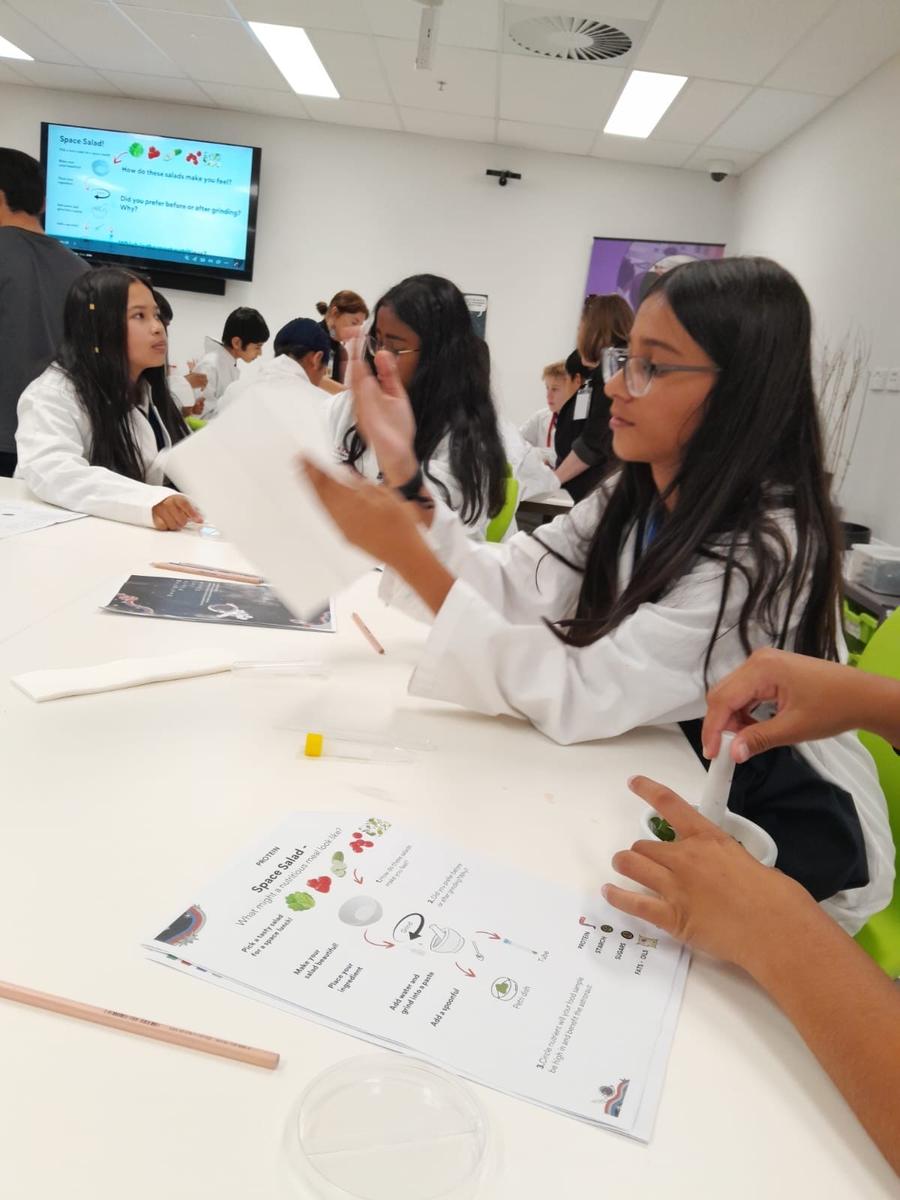
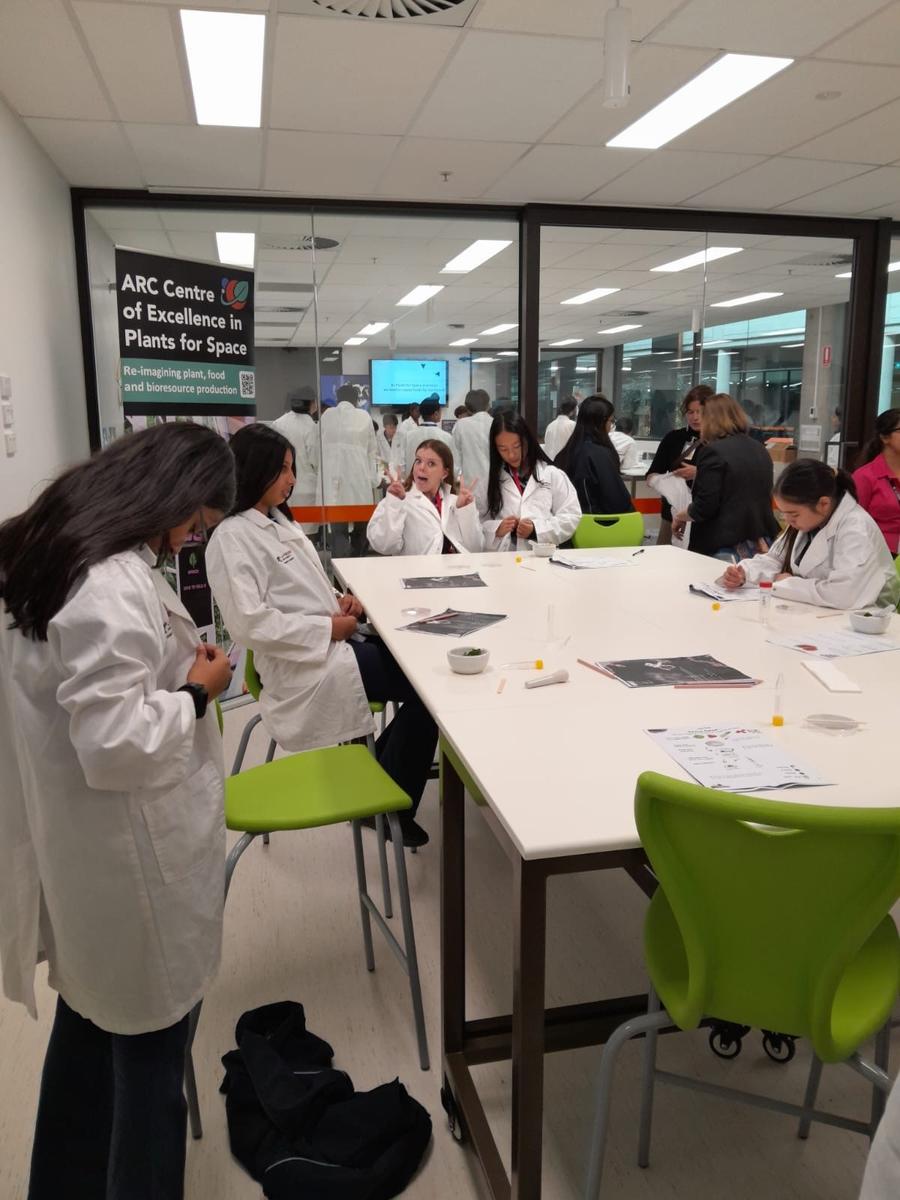
At the start, we had to take a long walk with another school just to get where we were going, we went up and down, through professors and students. But when we did get there, we were given special keycards to get through doors that looked like being in a subway, and when we finally got in. We changed spinach into different things, like into a disk and then strange jelly like noodles. After that, we went into another room and made a salad with a choice of ingredients, like cucumbers, strawberries and tomatoes, we tested our salads in all different ways to figure out if our food were good for people up in space, if we had all the nutrition’s they needed for being up in space. After that, we had made our own flowers, using different ideas and ways to make a flower that could thrive in space. Overall, the experience was great, I enjoyed learning more about plants and space, I would definitely go again.
Kristina 7I
On the 30th of April, we, as the LEAP class ventured out to Latrobe university to contribute to the Growing Beyond Earth program. Our bus headed off at 9am and we arrived around 9:40. When we reached the university, we were greeted by a guide that took us inside and gave us our access cards. There were a couple other schools already there, while we were in line for our access cards, we were met with a delightful surprise of forming a mutual friendship with some other students from Aitken College.
Once we had all received our access cards, we were guided to a room where we looked at the type of foods astronauts eat and how to create it. We were given a piece of spinach and were told to blend, strain and a variety of other things to come to a concluded piece of spinach, which in my opinion looked very different as compared to the original leaf.
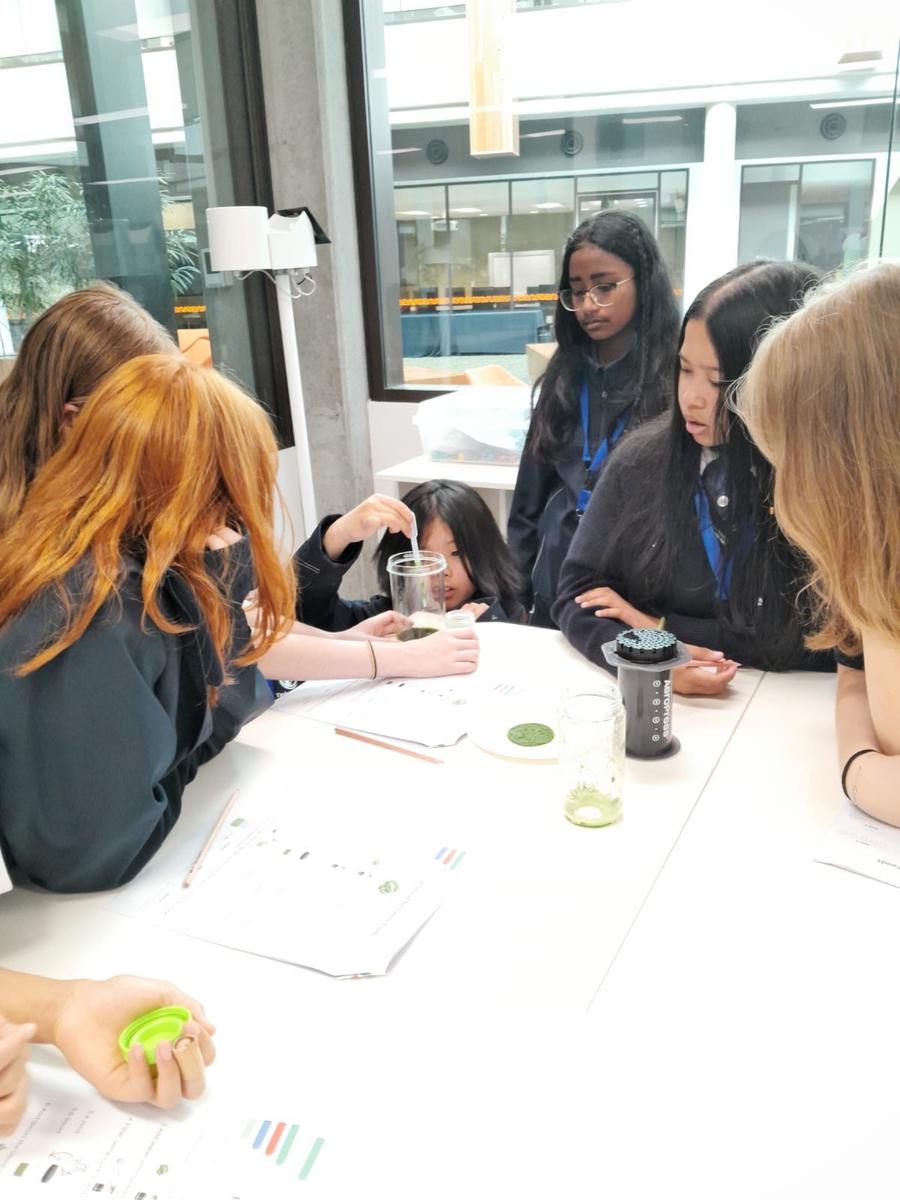
We were given a quick 10-minute break before we went to the other side of the joint room to make an astronaut salad and conducting carb, sugar, oil, etc levels. Making our salad adequate for the typical astronaut. The salad was certainly not the type I had in mind, and we ended up with a bit of a soggy mess of leaves and other bits but it like seemed normal salad in terms of astronautical food.
We had a lunch break and then walked back up to the lab to have a contest on designing the most ideal plant for outer space. We were given a table full of craft paper, drawing supplies etc and we let our imagination lead the way. It was a competition between the three schools, and a lot of our constructed plants were given the chance to be put on display on a lilted shelf. On of my closest friends even got the opportunity to go up to the front to showcase her plant to the students as well as the professors which was very good to watch.
We ended our excursion and took the bus home to where we arrived back around 3pm then my and my friends bid farewell and headed home.
Karisma 7I
The GBE excursion was both enjoyable and educational, giving us a chance to learn more about how they are planning to take plants to space. It was really fun as we got to create different things out of spinach like a dried-out disc of blended spinach, and gelatinous spinach juice noodles. We also made space salads, then grinded them and did a series of tests to see if they would give astronauts the nutrients they would need to survive up in space. We ended our day with an arts and crafts activity where we got to make our own space plant that could do different things to help astronauts in space, such as a flower that produces ingredients to make medicine. We learnt lots about how hard it is to make food that can keep astronauts happy, strong, and thriving in space, and keep them just as healthy when transporting them to space. Overall, the excursion was highly enjoyable, and I left feeling more knowledgeable than when I arrived.
Elisha 7I
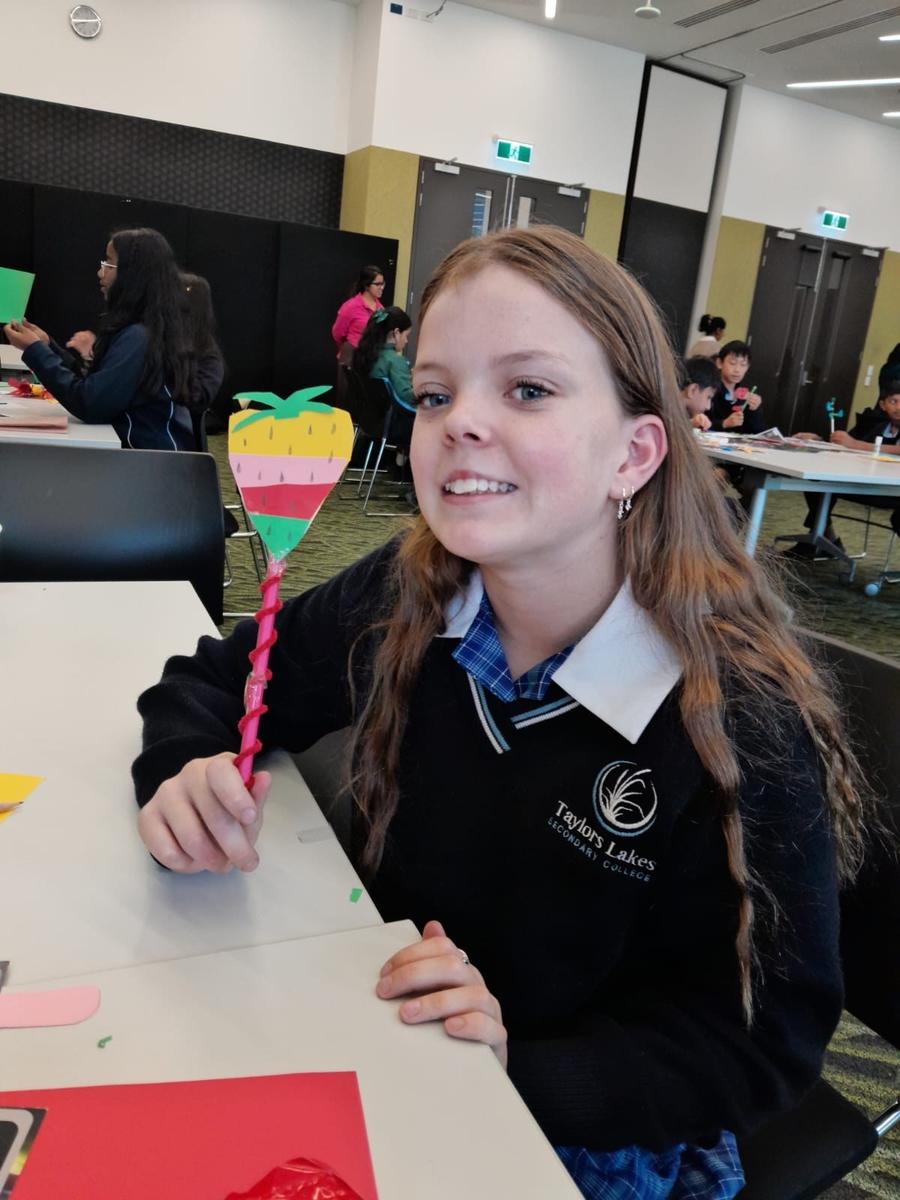
At Latrobe University, we attended a program about growing plants in space. We learned about how vegetation can grow in spaceships, and what astronauts eat when in the vast space. The year 7 leap class went through 3 different activities throughout the time at the program; the activities were revolved around new innovative ideas for plants. We got to choose partners; my partner was Ava. Our first task was to use spinach, one of the vegetables that can be grown in space and turn it into different types of food – for example, we blended spinach with water and named it spinach juice. The second activity, which I particularly liked, was grinding up a salad and seeing how nutritious it was, the vegetables that me and Ava chose for our salad was: carrot, cucumbers, lettuce, and onion. We went through multiple stages to check how much fibre, protein and glucose it had. My salad was quite beneficial in terms of fibre and glucose, protein not so much! The last activity we had was an individual one, we created what we would call mutated plants using arts and crafts.
What I made was strawberry shaped pumpkins, I did this because I believe that not many people eat pumpkins in copious amounts, but in tiny, diced amounts – it was a quite basic idea because there wasn’t much time to think. After this, we went on the bus and got back to school by 3 pm.
Annabel 7I