STEM News
Dear Fellow Scientists,
The STEM team would like to welcome everyone back to Term 4! We have an exciting term ahead, with new STEM topics to explore across each year level. Students will have lots of opportunities to explore, investigate, create and learn through hands-on activities and exciting experiments. We can't wait to see what our young scientists discover this term!
Prep
Prep students are learning to identify the materials that objects are made from. Students will explore different objects around the classroom and identify the materials they are made from. They will also draw objects made from different materials, including wood, plastic, metal, fabric, glass and paper.
Students can also enjoy this fun Sing Along Song about Everyday Materials: Everyday Materials – Sing Along Song
Grade 1
Grade 1 students are learning about how releasing helium balloons can harm the environment. Students have explored what happens to balloons after they are released and how they can affect animals and our surroundings.
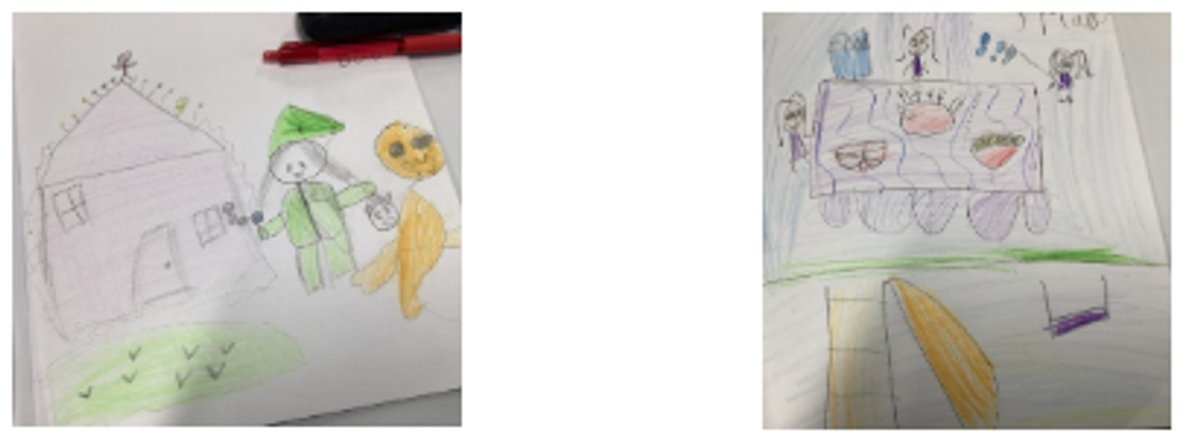
Students have also discovered environmentally friendly ways to celebrate without releasing balloons. They explored alternatives such as plants, flowers, bubbles, streamers, flags and paper decorations. To put their ideas into practice, students independently created a celebration poster for occasions such as a birthday, Eid or Father's Day.
Grade 2
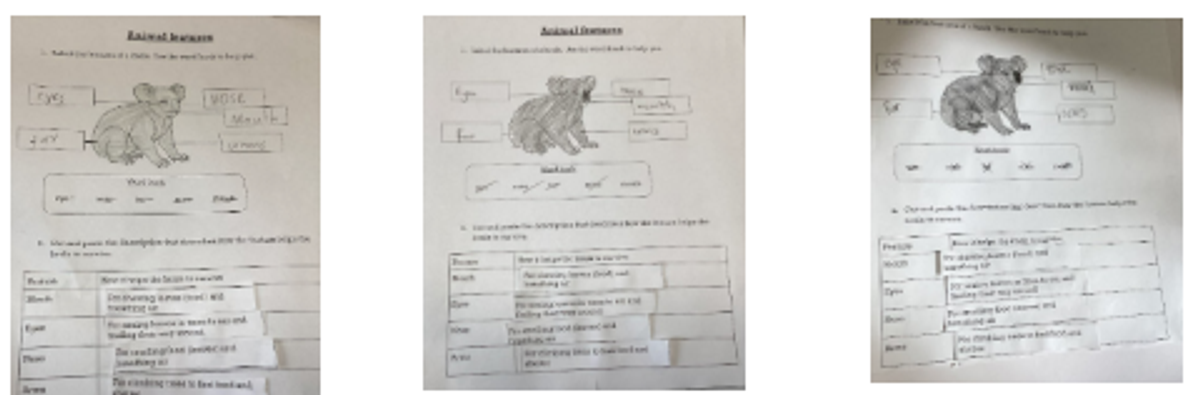
Grade 2 students are learning about the features of animals that help them survive in their environment. Students explored the features of a fish, including its gills, eyes, mouth and fins, and discussed how each feature helps the fish survive. Students also investigated how features such as beaks, claws, gills, fur, feathers and shells help animals find food, protect themselves and survive in different environments. Students completed a koala worksheet, where they labelled the koala's features and matched descriptions to explain how each feature helps the koala survive in its environment. Students can also enjoy reading the book Faces on Epic: Faces – Epic
Grade 3
Grade 3 students are learning about the features of different types of rocks and exploring how rocks are used in everyday life. Students are observing and recording features such as colour, texture, shape, size and hardness. Students will also explore the different uses of rocks, discovering how rocks are used to make buildings, roads, gardens and many other everyday objects. Students can learn more about rocks and minerals by watching this video: Rocks and Minerals – Video
Grade 4
Grade 4 students are learning about friction and how it affects the movement of objects. Students have been investigating how different surfaces can change the amount of friction. They made predictions about which surface would have the highest friction and conducted a fair investigation by keeping important factors the same. Students observed, recorded and compared their results to determine which surface created the most friction. Students can learn more by watching this What Is Friction? video: What Is Friction? – ClickView
Grade 5
Grade 5 students are learning about light and how it helps us see the world around us. Students are learning to define light and identify different sources of natural and artificial light. Students have also explored how different materials interact with light. They identified examples of opaque, transparent and translucent materials around the classroom and investigated how much light can pass through each type. Students can learn more by watching this Devices That Use Light to Help Us See Better video: Devices That Use Light to Help Us See Better – ClickView
Grade 6
In STEM, Grade 6 students are learning about habitats and ecosystems and the features that make each environment unique. Students are exploring the difference between a habitat and an ecosystem and how living and non-living features work together. Students will investigate different ecosystems and identify features such as water, temperature, sunlight, food and shelter that can affect which living things are able to survive in each environment. Students can learn more by watching this Ecosystems video on ClickView: Ecosystems – ClickView
STEM team