Mental Health & Wellbeing







 Spring Gully Primary School

Mental Health & Wellbeing News
Using “The Power of Yet” to Help Kids Develop a Growth Mindset
Self-doubt can often get the best of anyone, no matter what age. Even kids are susceptible to thoughts like, “I can’t do this” or “I won’t be good at it.” This is why it becomes important to build confidence and a growth mindset. One of the tools that kids can use to do this is called the Power of Yet. Here, we’ll talk about the Power of Yet and how it can help kids develop a growth mindset.
What is “The Power of Yet”?
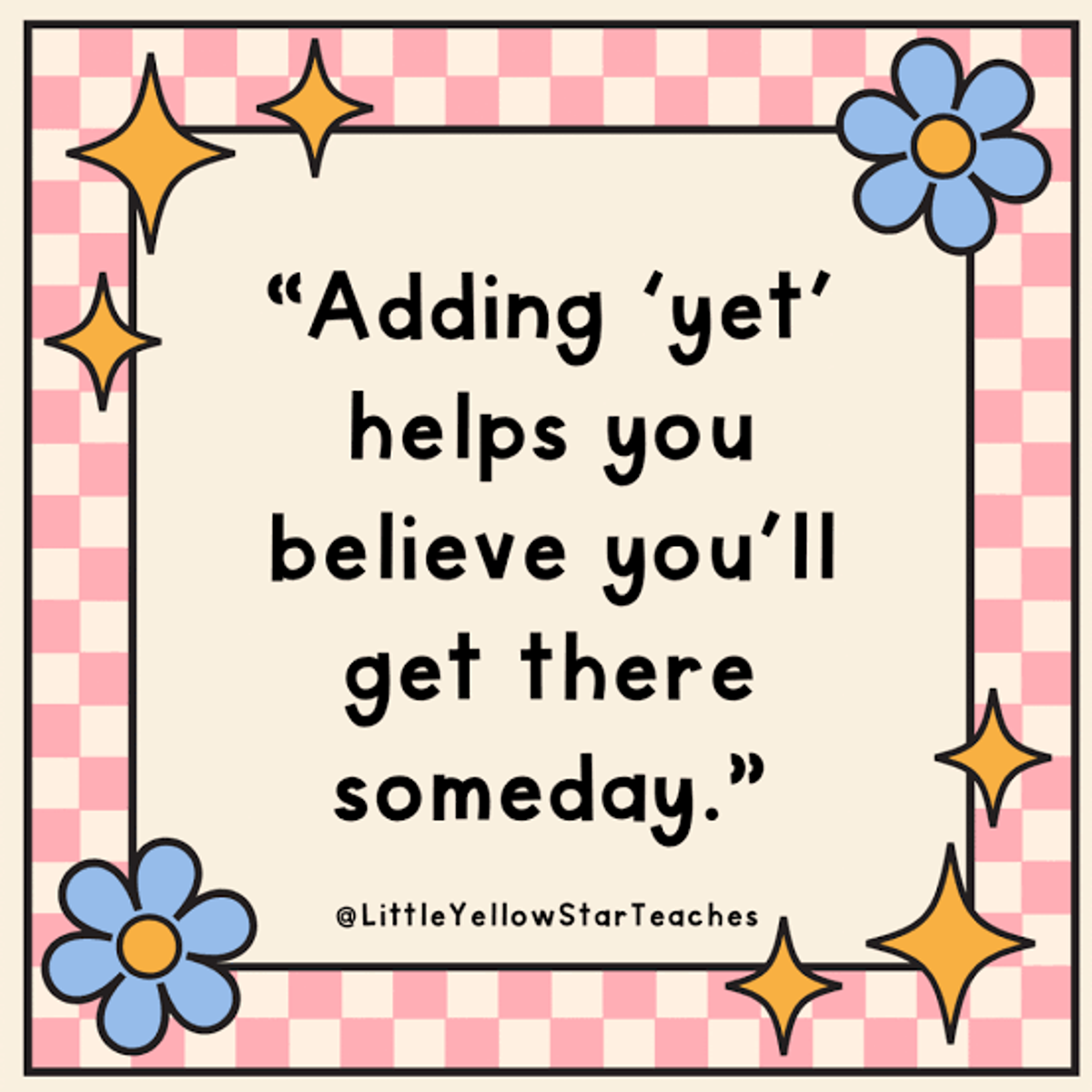
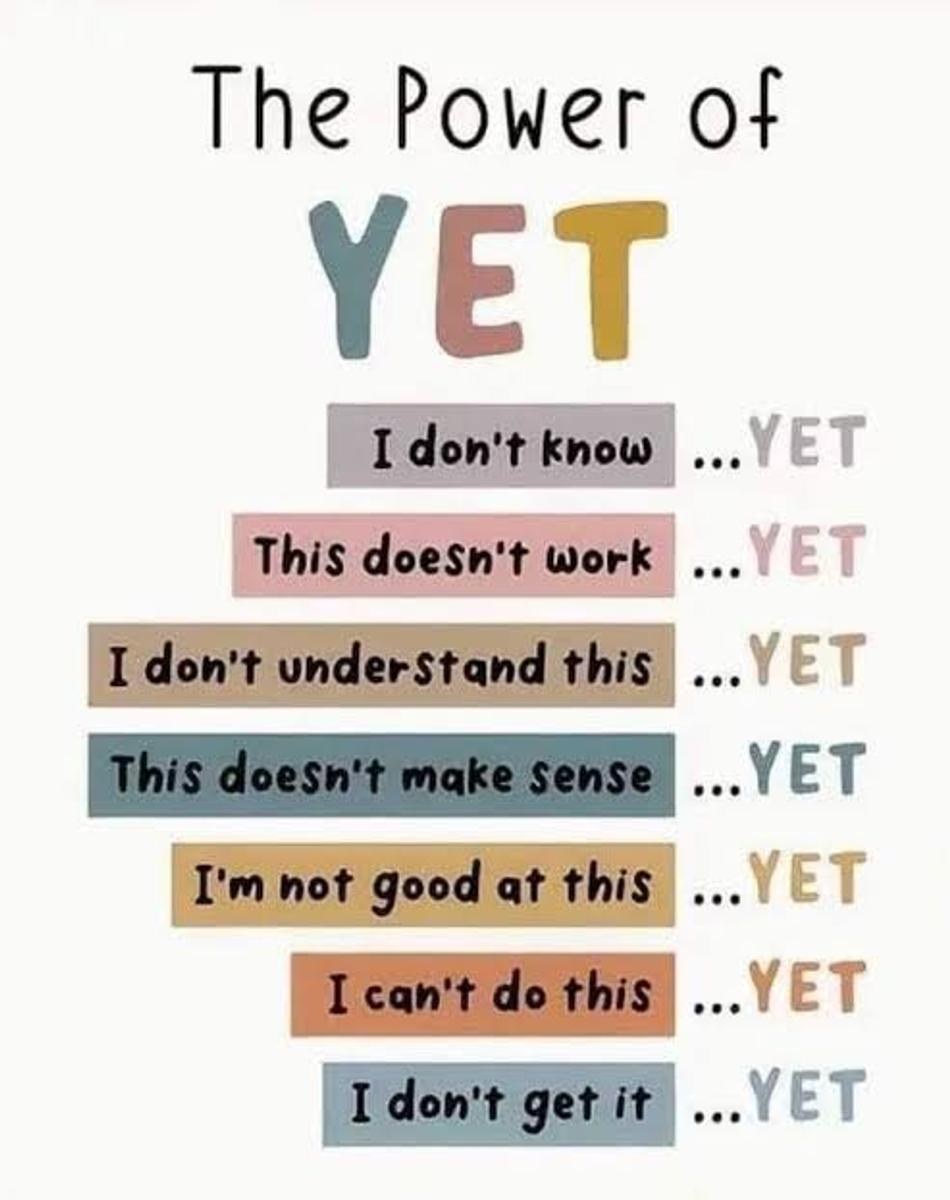
The Power of Yet is a concept in the growth mindset philosophy that encourages individuals to add the word “yet” to things they believe they cannot achieve. Instead of saying, “I can’t do this,” one might say, “I can’t do this yet.”
By adding the word “yet,” kids can transform limitations into opportunities. It affirms that they believe in their ability to improve over time. This change in mindset provides opportunities for kids to improve and reframe failures as temporary obstacles that they can eventually overcome.
How to Foster “The Power of Yet” for Kids
You can foster the Power of Yet for your kids in several ways.
Emphasise effort over outcome
Kids who embrace a growth mindset understand that hard work, dedication, and effort are essential to improving their abilities. Rather than focusing solely on the outcome, kids can learn that their skills can be developed over time through consistent practice and effort.
Normalise struggles
Teaching your kids that struggle is part of the learning process will help them react positively even when confronted with challenges. By accepting that learning involves some struggle and effort, kids are less likely to shy away from difficulties and will have the courage to try again.
Teach the power of “Yet”
Teaching kids the power of “yet” will allow them to see things differently. Adding the word “yet” to statements of self-doubt shifts your child’s mindset to one more open to possibilities. For example, instead of saying, “I am not good at math,” you can encourage your child to say, “I am not good at math yet.
Celebrate growth
Celebrating growth gives kids a powerful opportunity to discover how they learn and who they are. More importantly, it gives them the self-confidence and the purpose to do so. Celebrating growth also allows kids to share their successes with those who play an important role in their lives. It highlights the importance of relationships and community in learning and helps kids create good memories around their learning experiences.
Use positive language
The words we use with our children can affect their behaviour and motivation now and in the future. Positive language plays a role in shaping our children's character, including whether or not they develop a growth or fixed mindset. This is why it is important to use positive language for kids. This tells them why and how to do certain things in an encouraging and positive manner.
Model a growth mindset
Modelling a growth mindset will teach your children to do the same. This goes for both caregivers and educators. In fact, research has shown that the mindset instructors communicate with can influence students’ behaviour regardless of the students’ original mindset. To model a growth mindset, it helps to teach kids the importance of feedback and challenge the notion that learning is easy.
The Bottom Line
Ultimately, teaching kids the Power of Yet gives them a life skill that will enable them to face challenges head-on and value the art of perseverance. With this mindset, kids will come to learn that their efforts can pay off. Building this confidence in themselves will lead to success because they will believe that they are in control of their learning and future.