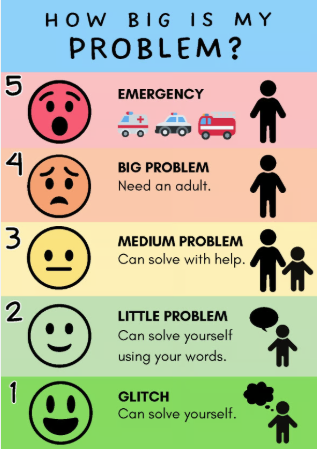
Wellbeing


💚💚💚💚💚💚💚💚💚💚💚💚💚💚💚💚💚💚💚💚💚💚💚💚💚
Helping Children Manage Big Emotions 💛
Big emotions are a normal part of growing up. Children (and adults!) all experience moments of frustration, worry, sadness, disappointment, or anger. Learning how to recognise and manage these feelings is an important life skill that helps children build confidence, resilience, and positive relationships.
When children experience a big emotion, their brain can go into “alarm mode”, making it harder to think clearly, listen, or make good choices. Our role as adults is not to stop children from having big feelings, but to help them understand their emotions and learn healthy ways to respond.
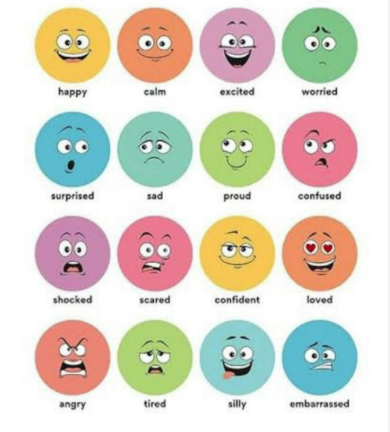
Ways we can support children with big emotions:
🌱 Name the feeling -Help children put words to what they are experiencing:"I can see you are feeling frustrated because that was tricky."When children can name their emotions, they are better able to manage them.
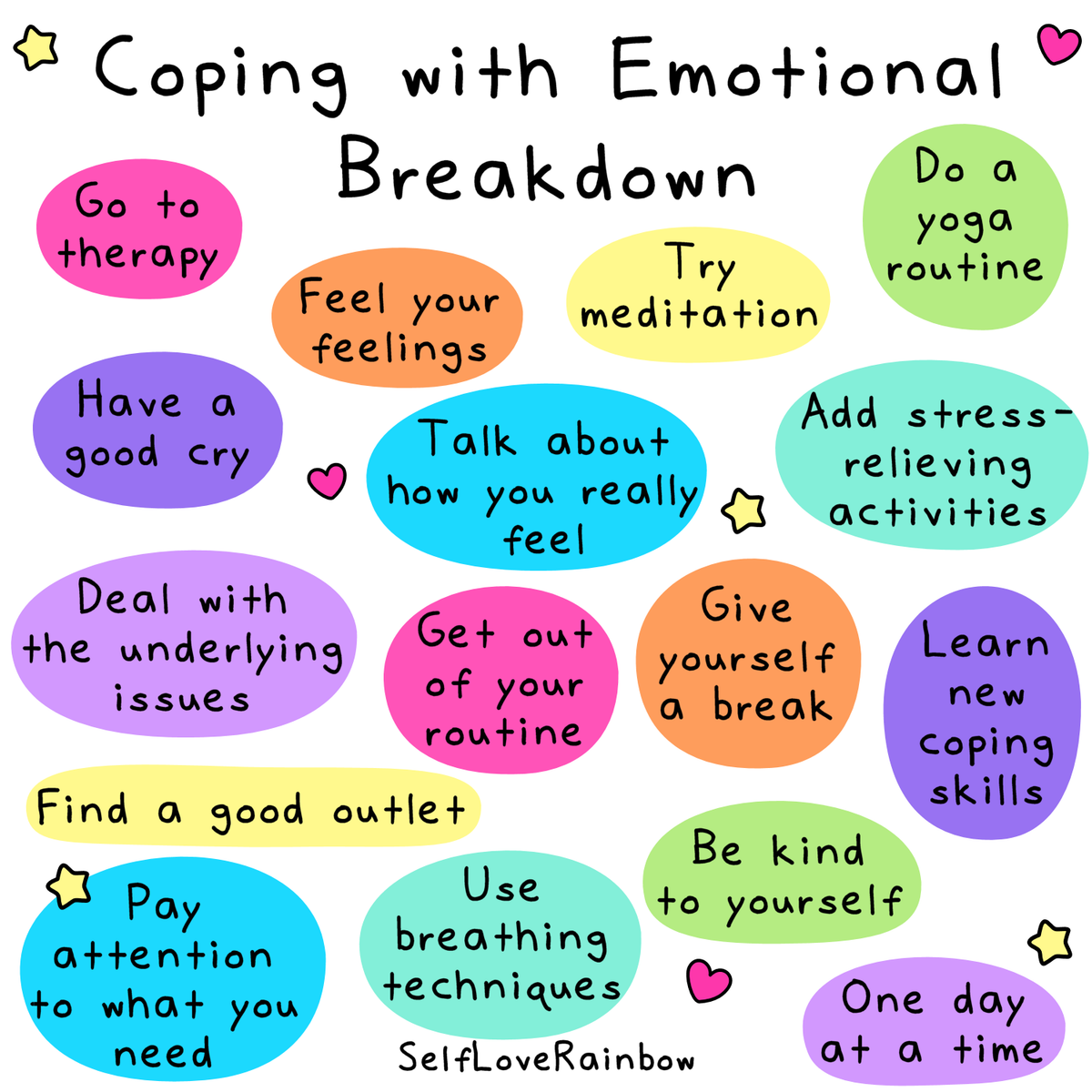
🌱 Teach calming strategies - Encourage children to find strategies that help their body feel calm, such as:
- Taking slow, deep breaths
- Counting slowly to 10
- Having a quiet space to reset
- Going for a walk or moving their body
- Talking to a trusted adult
🌱 Listen before solving - Sometimes children need us to simply acknowledge how they feel before they are ready for solutions. A calm response helps children feel safe and supported.
🌱 Model emotional regulation - Children learn from watching the adults around them. When we show how we manage our own emotions, we teach children that feelings are okay and can be handled in positive ways.
🌱 Focus on progress, not perfection - Managing emotions is a skill that develops over time. Celebrate small steps — taking a breath, asking for help, or trying again after a difficult moment are all signs of growth.
A Leader in Me Connection – Habit 1: Be Proactive®
At Le Page Primary School, we use the 7 Habits to help our students develop lifelong leadership skills. Habit 1: Be Proactive® teaches children that while they cannot always choose what happens, they can choose how they respond.
When children learn to pause, recognise their feelings, and make positive choices, they begin to understand that they are in control of their own actions and responses.
A helpful phrase to practise at home is:
“I can’t always control what happens, but I can control what I do next.”
Together, we can help children build the confidence, resilience, and emotional skills they need to navigate life’s challenges with kindness and courage.