
Wellbeing

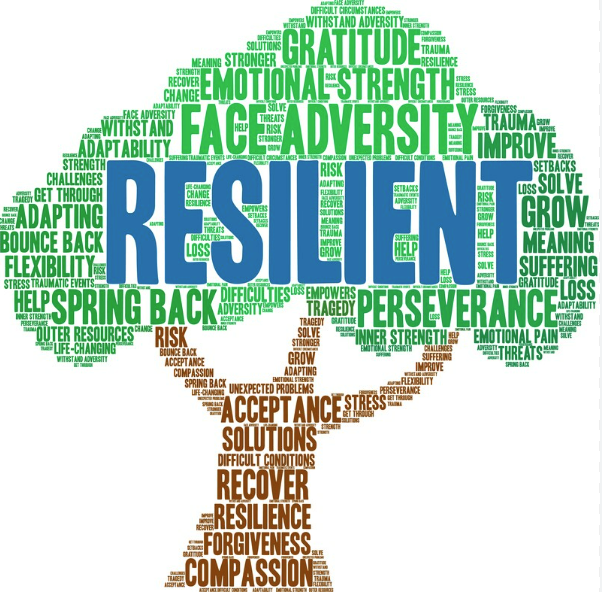
Wellbeing Corner: Helping Children Build Resilience
Resilience is one of the greatest gifts we can help our children develop. It doesn't mean children won't experience disappointment, worry or challenges - it means they gradually learn the skills and confidence to cope, recover and keep moving forward.
As parents and carers, we can gently support resilience through everyday moments.
Encourage Independence
Allow children to have a go before stepping in to help. Whether it's packing their school bag, solving a friendship problem or trying a new activity, each small success builds confidence.
Let Them Experience Small Challenges
It can be tempting to fix problems for our children, but manageable setbacks are valuable learning opportunities. Missing a goal, making a mistake or feeling disappointed helps children learn perseverance and problem-solving.
Focus on Effort Rather Than Results
Praise your child's effort, determination and willingness to try something new.
Instead of:"You're so clever!"
Try:"I noticed how hard you worked on that.""You kept trying even when it was tricky."
This encourages a growth mindset and teaches children that learning takes practice.
Talk About Feelings
Help children recognise and name their emotions. Let them know that all feelings are okay and that it's normal to feel worried, frustrated or disappointed sometimes.
Listening without rushing to solve the problem helps children feel heard and supported.
Build Strong Connections
Children who feel connected to caring adults are better equipped to handle life's ups and downs. Simple moments—reading together, sharing dinner, taking a walk or chatting about the day—strengthen these important relationships.
Model Resilience
Children learn by watching the adults around them. When you face challenges, talk about how you're working through them.
For example: "That didn't go as I planned, but I'll try a different approach tomorrow."
This shows children that setbacks are a normal part of learning and growing.
Remember...
Resilience isn't built overnight. It grows through many small experiences, supported by caring adults who encourage children to keep trying, celebrate progress and remind them that mistakes are opportunities to learn.
Together, we can help our children become confident, capable learners who are ready to face challenges with courage and kindness.
Leader in Me Connection
At Le Page Primary School, we support students to develop resilience through the 7 Habits of Happy Kids and the Leader in Me framework.
Resilience is strengthened when children practise these habits every day:
- Habit 1: Be Proactive - Taking responsibility for our choices and remembering that while we can't always control what happens, we can choose how we respond.
- Habit 2: Begin with the End in Mind - Setting goals, staying focused and learning that success often comes from persistence and practice.
- Habit 5: Seek First to Understand, Then to Be Understood - Listening with empathy and working through friendship challenges with kindness and respect.
- Habit 6: Synergise - Working together, valuing different ideas and knowing that asking for help is a strength.
Habit 7: Sharpen the Saw - Looking after our physical, emotional, social and mental wellbeing so we have the energy and confidence to face new challenges.
By working together- at school and at home -we can help our children grow into resilient, compassionate and confident leaders who are ready to navigate life's ups and downs with courage and optimism.
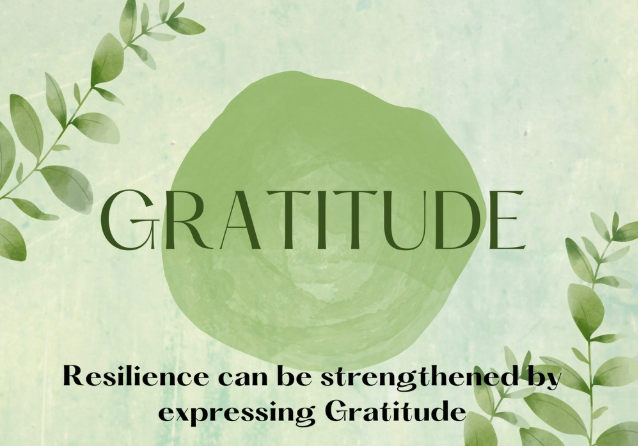
When children regularly practise gratitude, they learn to:
- 🌼 Focus on what is going well, rather than only what is going wrong.
- 💛 Develop a more positive outlook during challenging times.
- 🤝 Strengthen relationships by showing appreciation to others.
- 🌱 Bounce back more quickly after setbacks.
- 😊 Feel happier, calmer and more connected.
Easy Ways to Practise Gratitude at Home
Try one of these simple activities as a family:
- Share three good things that happened during the day at dinner or bedtime.
- Keep a Gratitude Jar and add notes throughout the week.
- Write or draw a thank you for someone who has helped you.
- Take a gratitude walk, noticing things in nature that make you smile.
- Before bed, ask: "What made you smile today?"
Resilience isn't about never facing difficulties—it's about learning how to move through them with confidence, hope and support. Gratitude helps children develop this important life skill by reminding them that even on tough days, there is always something good to notice.