
Science News

Science Week
This week has been National Science Week! Students were encouraged to enter our Daily Science Trivia…over the past week we have published one question per day and entries are still open! All you have to do is write your multiple-choice answer for each question on the form and submit by Monday 24 August.
Entry forms can be found outside the Science staffroom. More details can be found on Teams.
Want to vote for your favourite wild flower? ABC’s vote for Australia’s most amazing wildflower is up and running, encouraging people to go online and get to know some powerful plants, each of which has traditionally been overshadowed by the plant kingdom’s pretty faces, such as banksias and waratahs. Vote for your favourite from 10 candidates, such as the edible yam daisy, the elusive underground orchid, and the carnivorous bladderwort.
Another citizen scientist program running involves mapping our Australian Butterflies. The Australian National Insect Collection holds around 2000 thousand drawers of butterfly specimens, including some that were collected more than a century ago. Together with data about where and when they were found, these carefully pinned specimens are highly valuable for researchers. They tell us where different butterfly species used to be found across Australia. Photographs of butterfly sightings that people add to databases like iNaturalist and Butterflies Australia are also useful in helping to determine the movement of butterflies as our climate changes. If you’d like to help map Australia’s butterflies, download the iNaturalist app and start taking photos of the butterflies near you. Get involved and be a citizen scientist!
Science Week Photography Competition
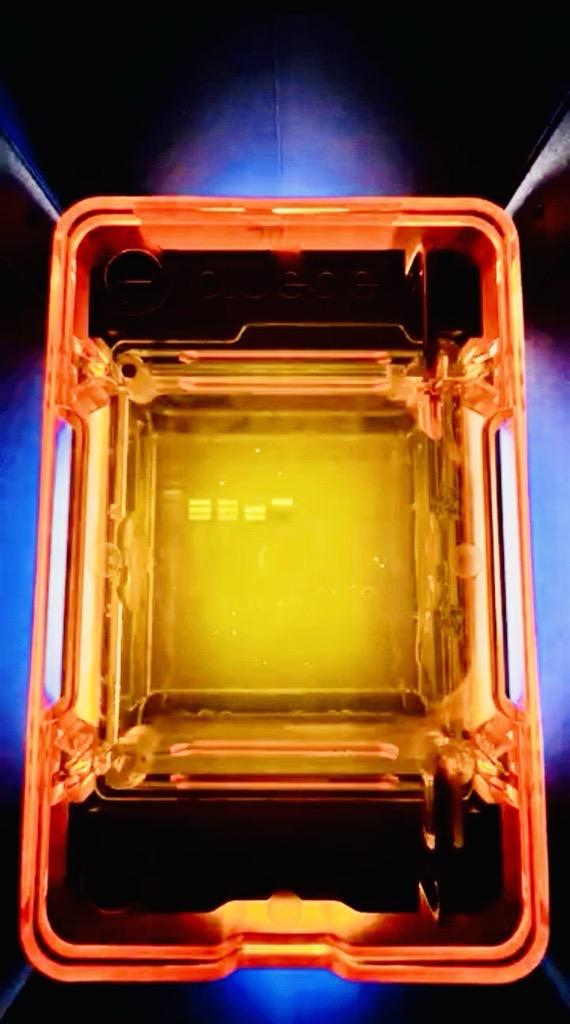
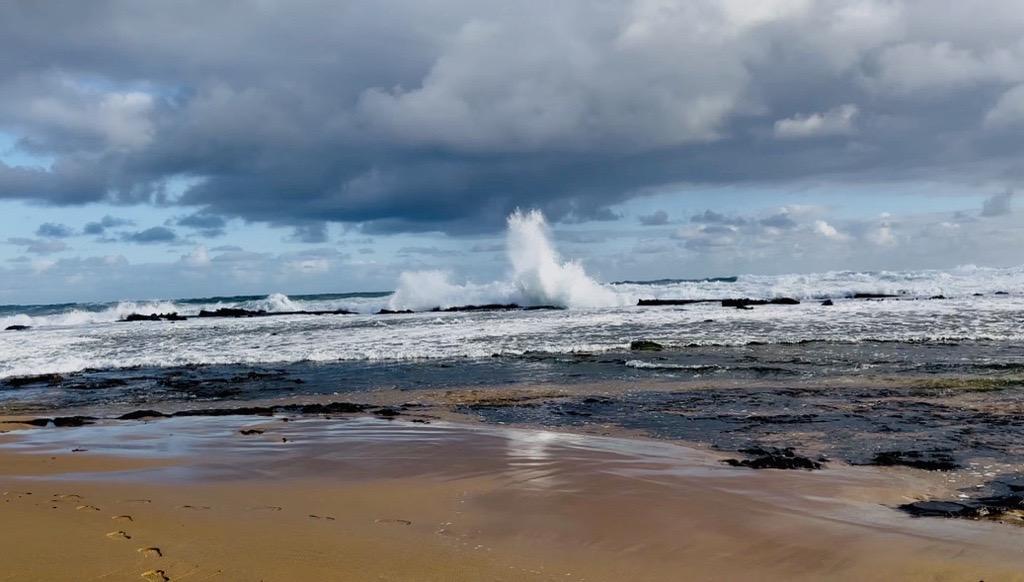
This year we ran our inaugural photography competition during Science Week. And it is with great pleasure that we announce our winner – Divya M in Year 11. Divya captured three images that met each of the criteria and highlighted nature at its best. Special mention also to Isabelle N in Year 11 and Sienna in Year 10 who submitted beautiful entries into the competition. We will award prizes to our three winners next week. Congratulations!

Gifted Outreach Program Mentor Training Day
On Monday 10 August, sixteen Year 10 students made the long journey to Suzanne Cory High School in Werribee to engage in a fun jam-packed day of activities as part of the Select Entry Network Gifted Outreach Program(GOP). The program gives high-ability Grade 5s and 6s an opportunity to work alongside Year 10 Students from select entry network schools through a design thinking process, through which they explore a real-world issue from different areas of study.
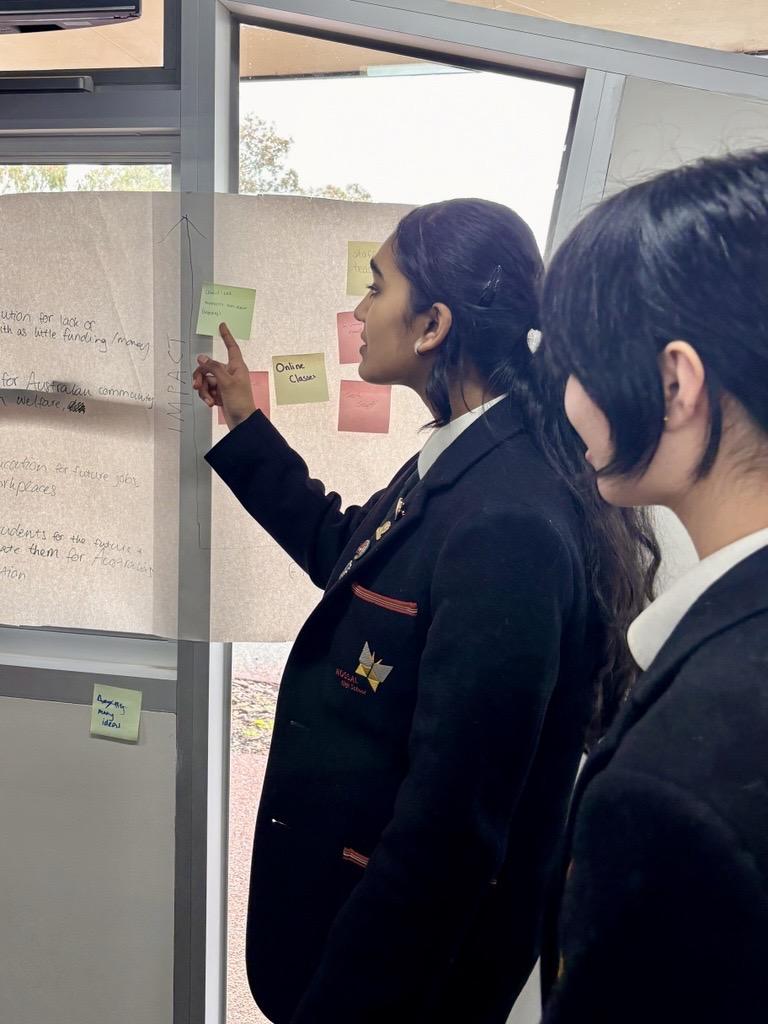
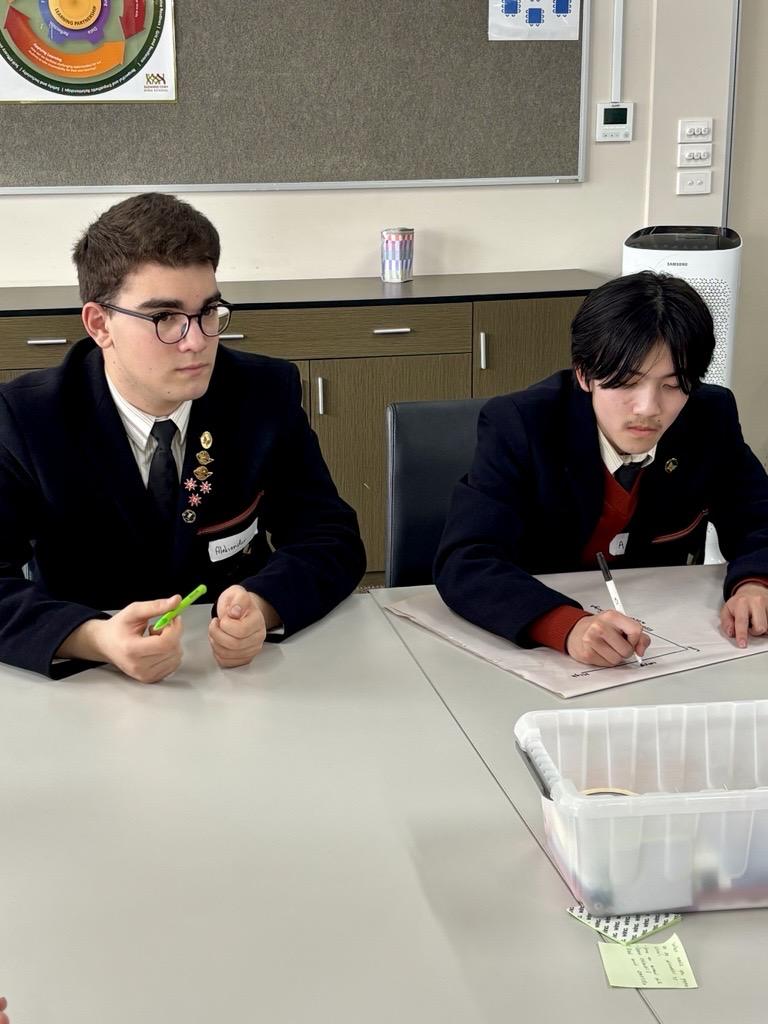
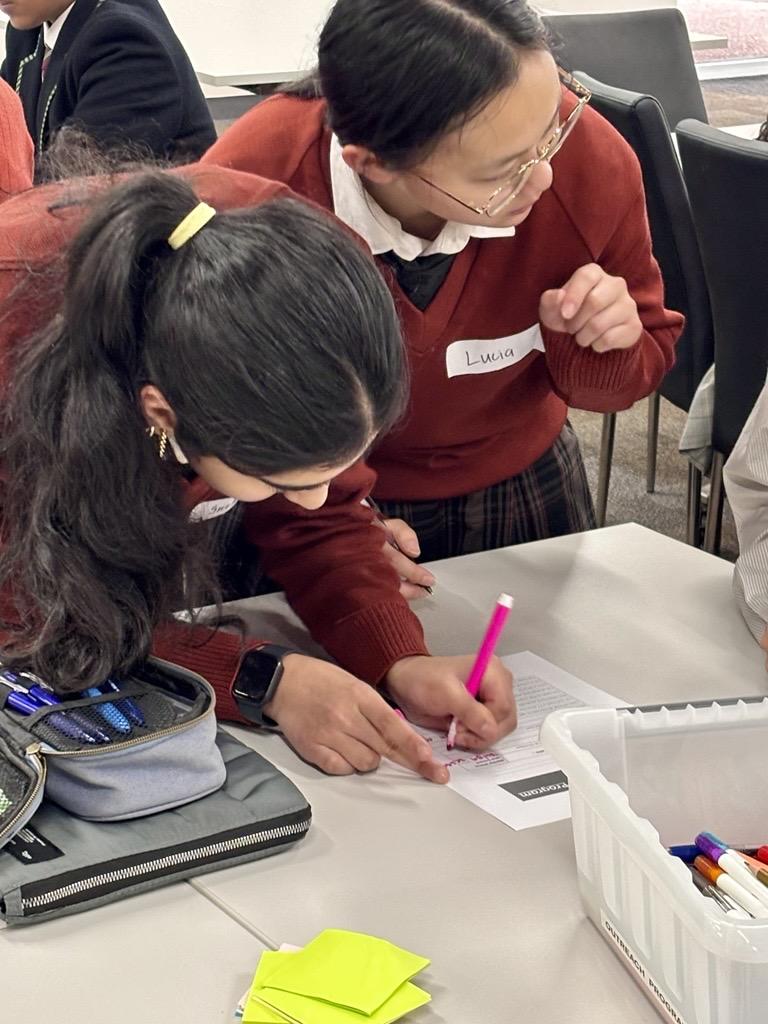
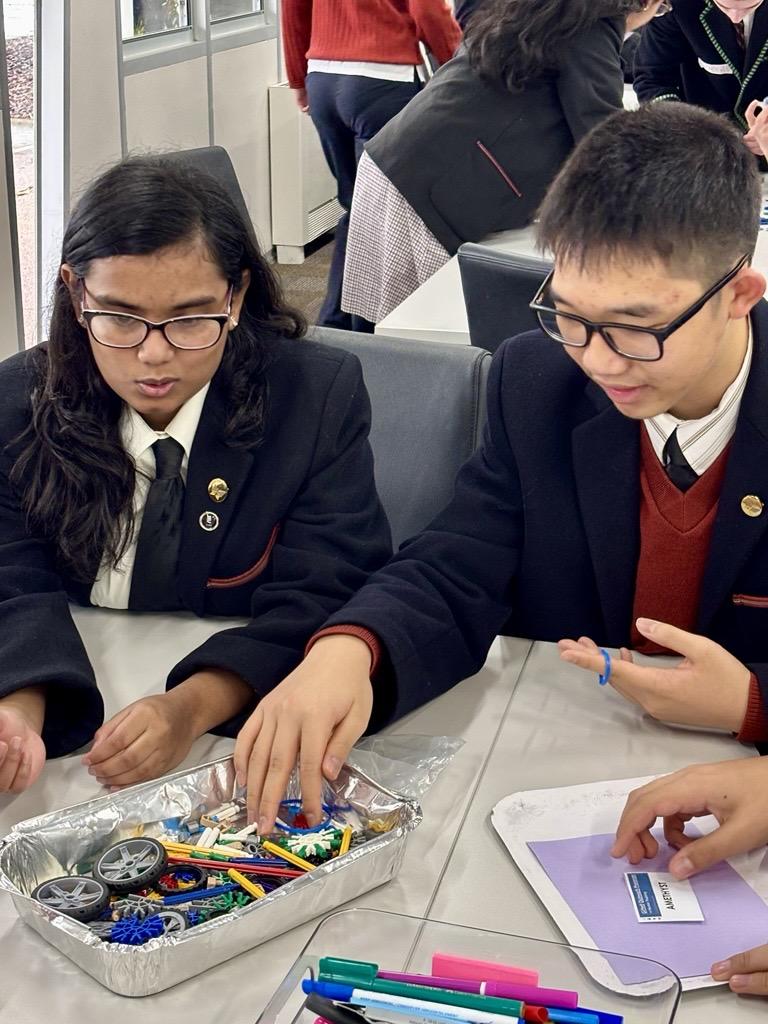
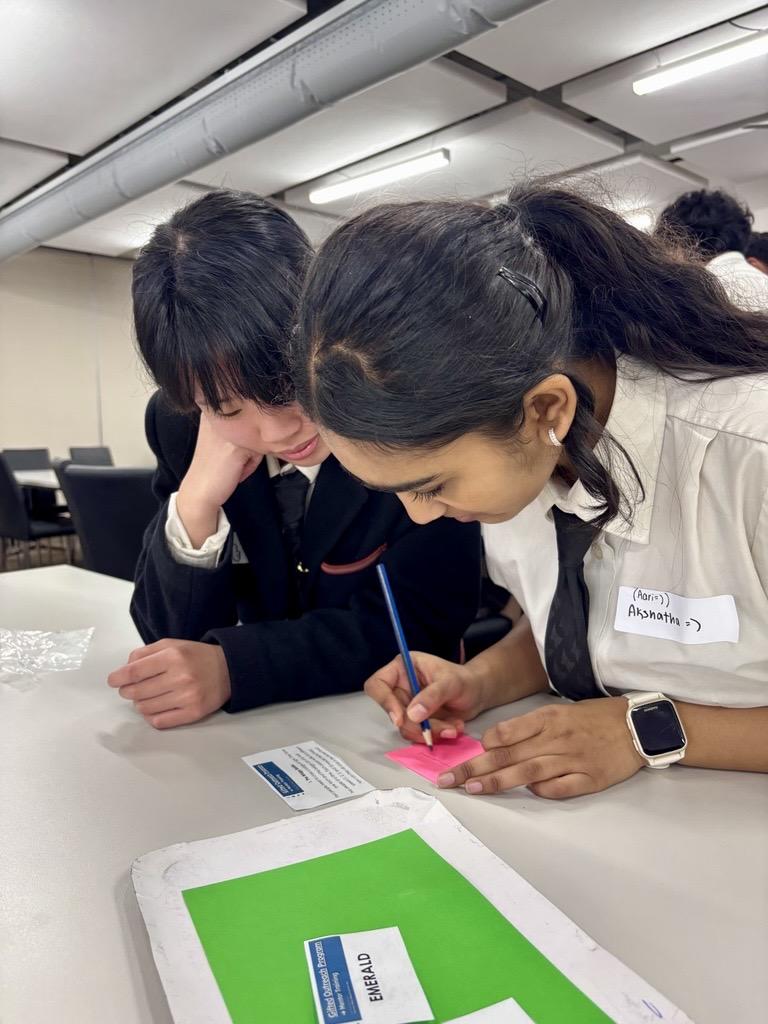
Mentors helped the students develop, research, and present their ideas in response to the topic by assisting their learning process and answering any questions they may have along the way. Ultimately, we want our younger counterparts to have fun on this program, learn new things and feel comfortable while they are doing so.
On the day, students from all four selective schools met up to learn about key skills such as empathy, design thinking, problem solving, and how to work effectively with primary-aged students. We had a great time meeting other select entry students, as well as learning about how to help facilitate and guide the students. To conclude the day, we ended with an amazing race organised by previous mentors from Suzanne Cory, which was a fun way to wrap things up!
Nossal's Year 10 mentors will be working with their Grade 5 and 6 mentees later this year in October, and we can't wait!
Hashini B
Year 10 Student
Plant Life
For the back end of this term, Year 9s have been embarking on a unit into the reproductive systems of plants and animals. While we have been learning through the usual STILE and classroom lessons, to really grasp contents about flowers reproductive systems the classes constructed 3D flower diagrams in groups of up to four.
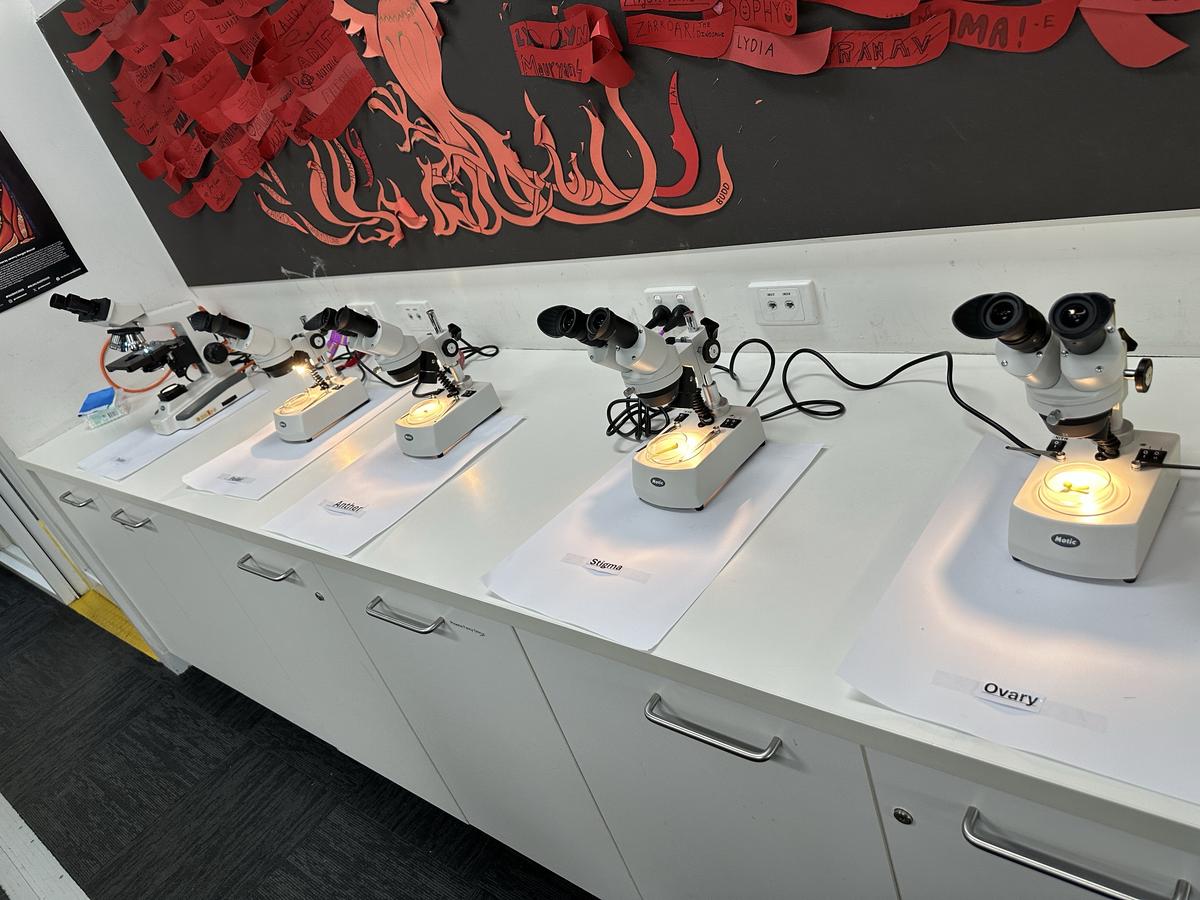
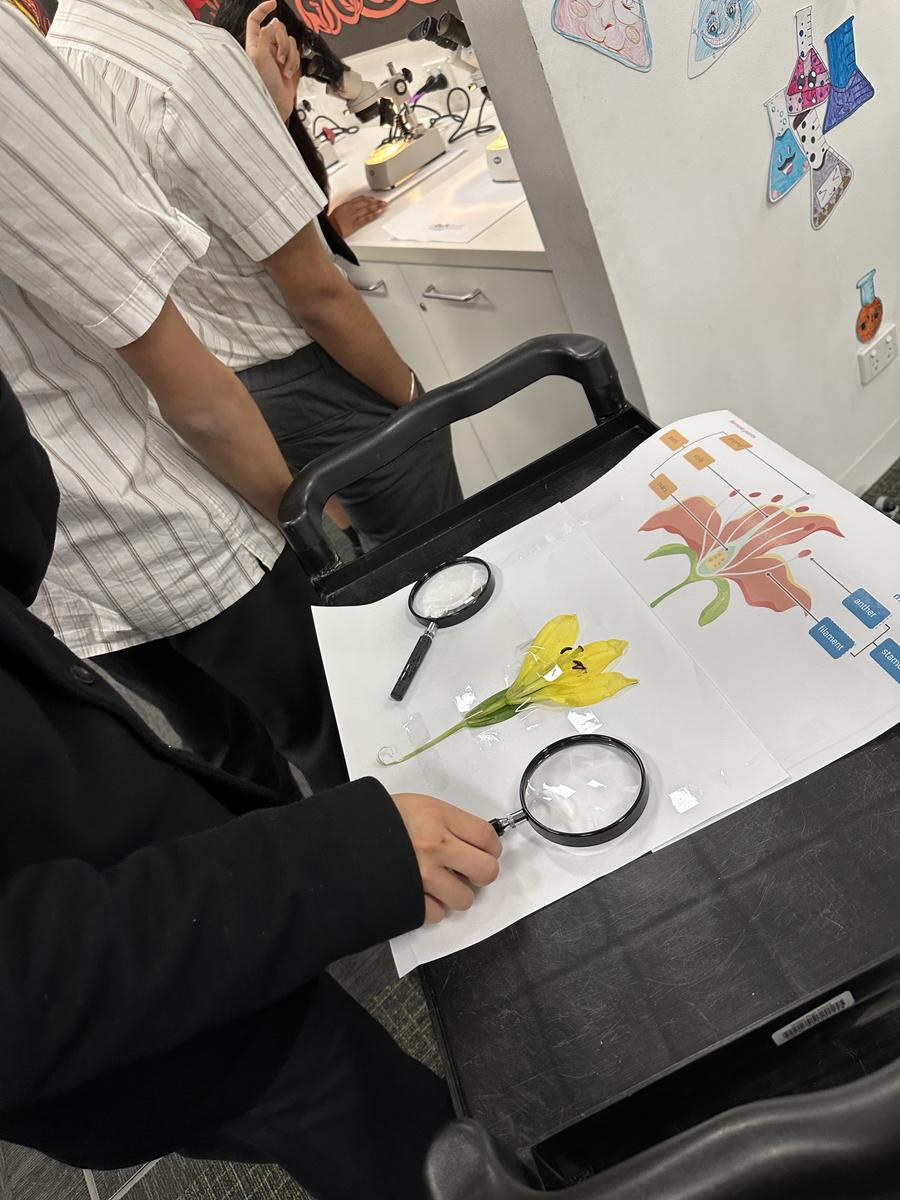
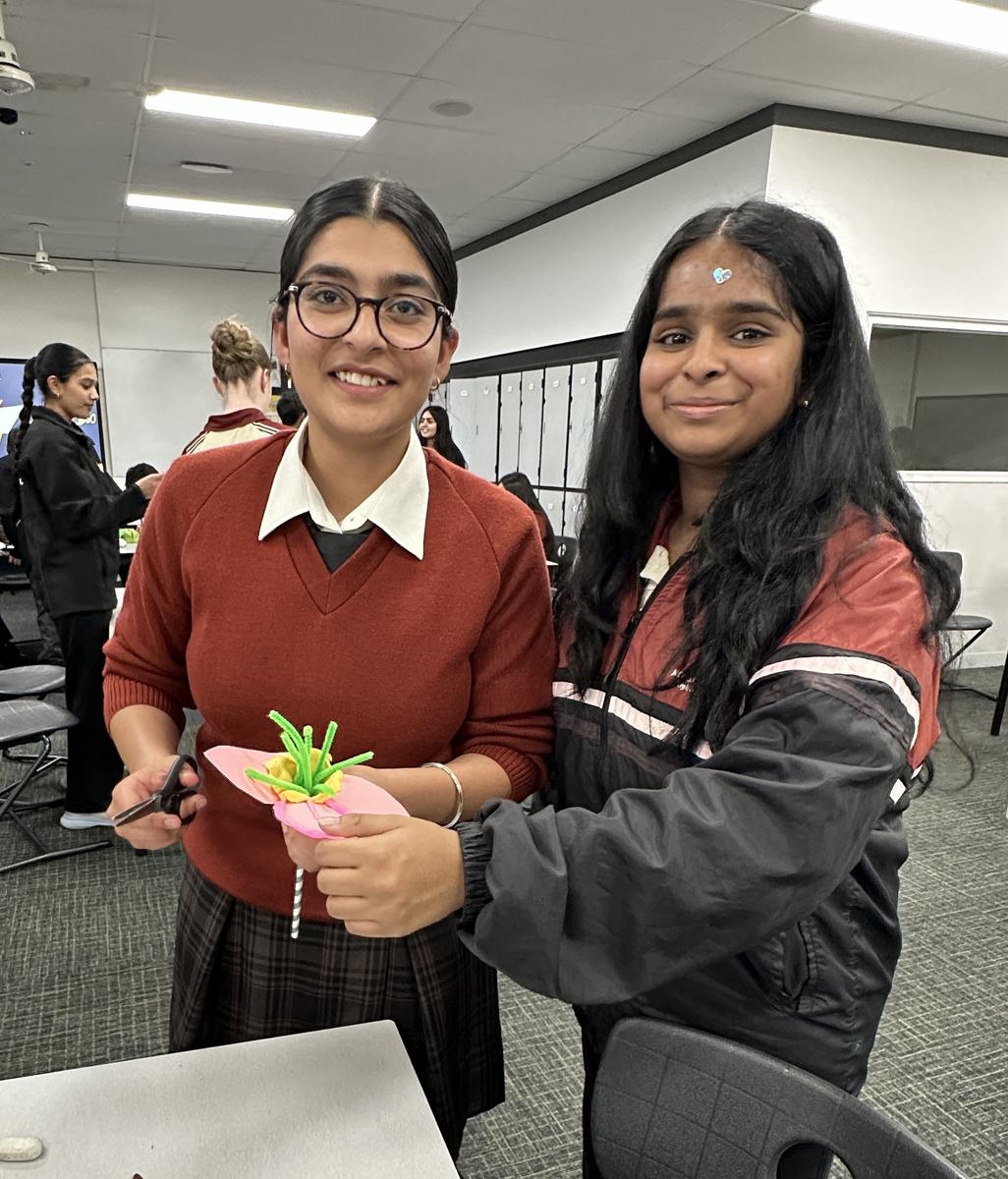
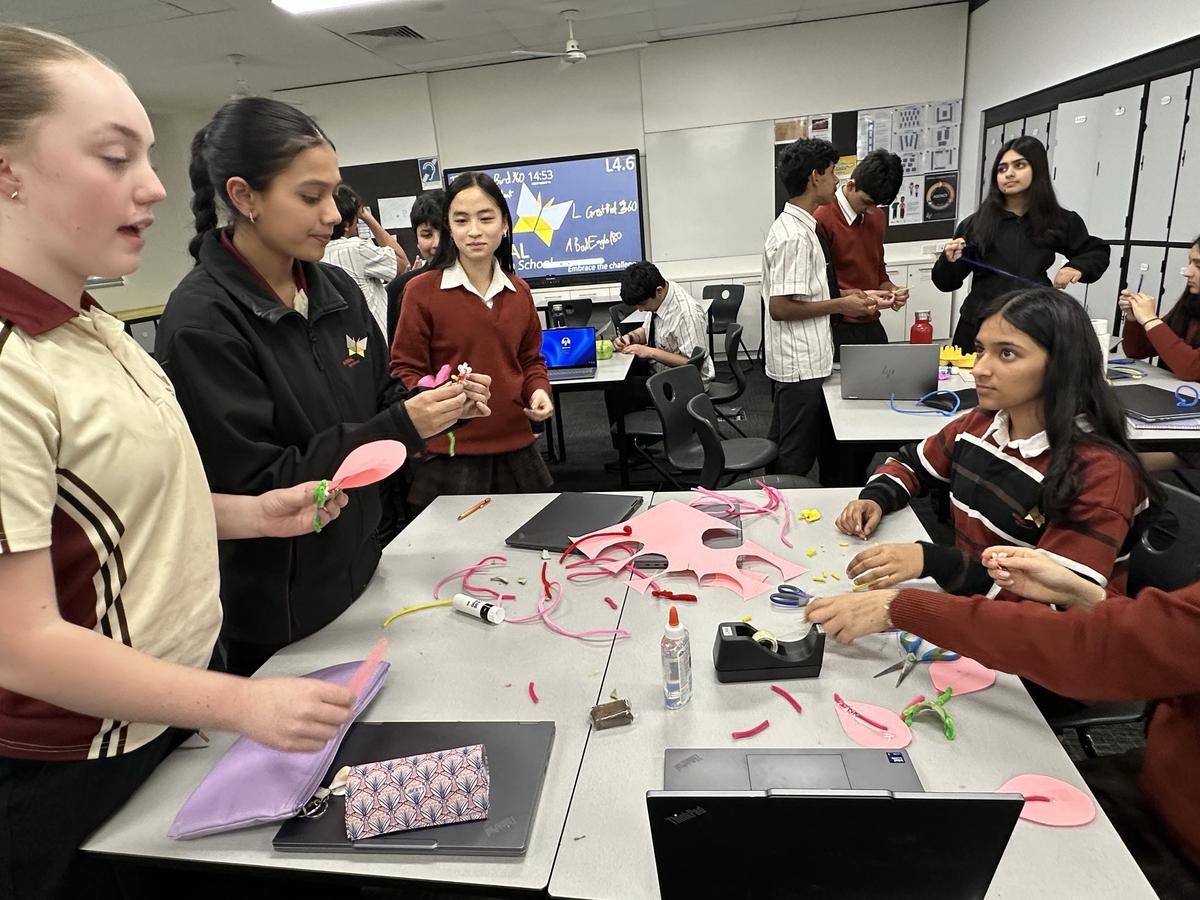
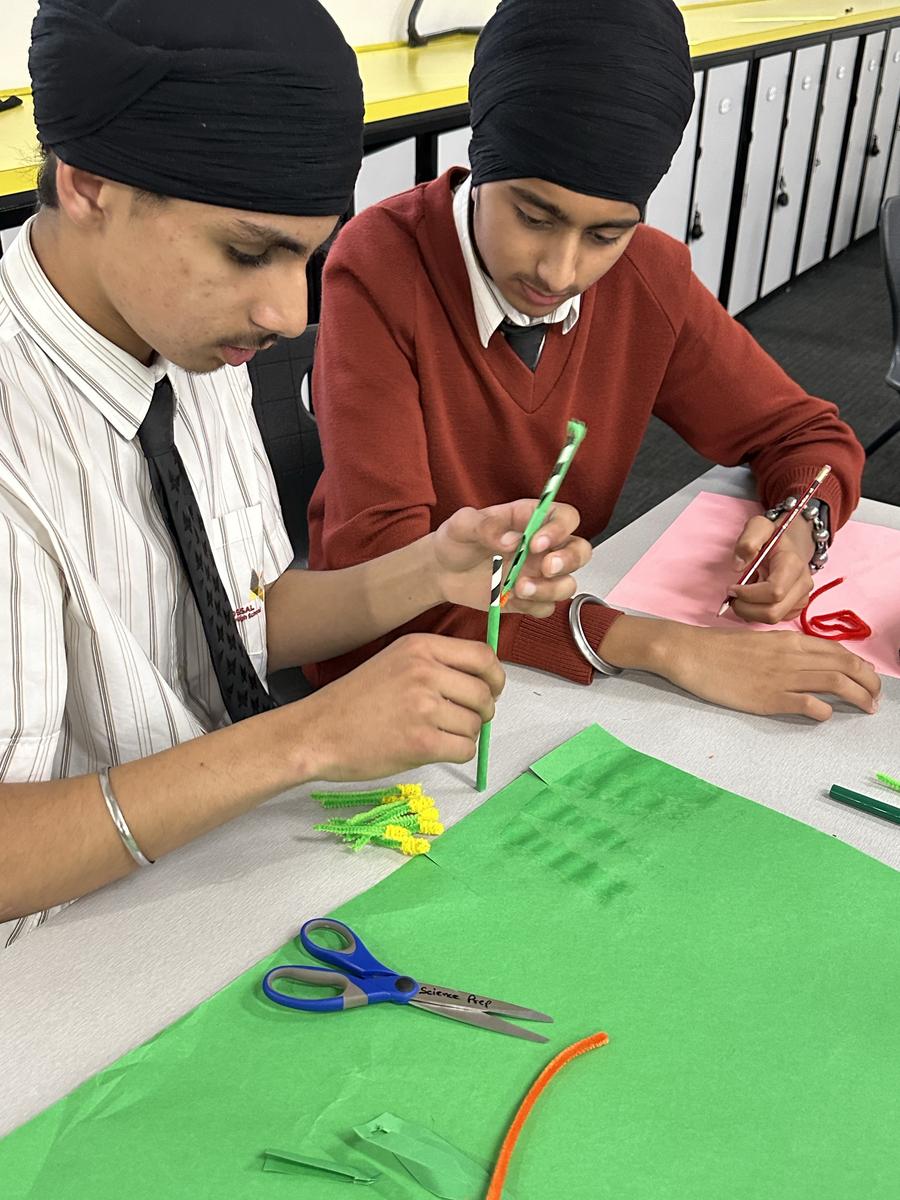
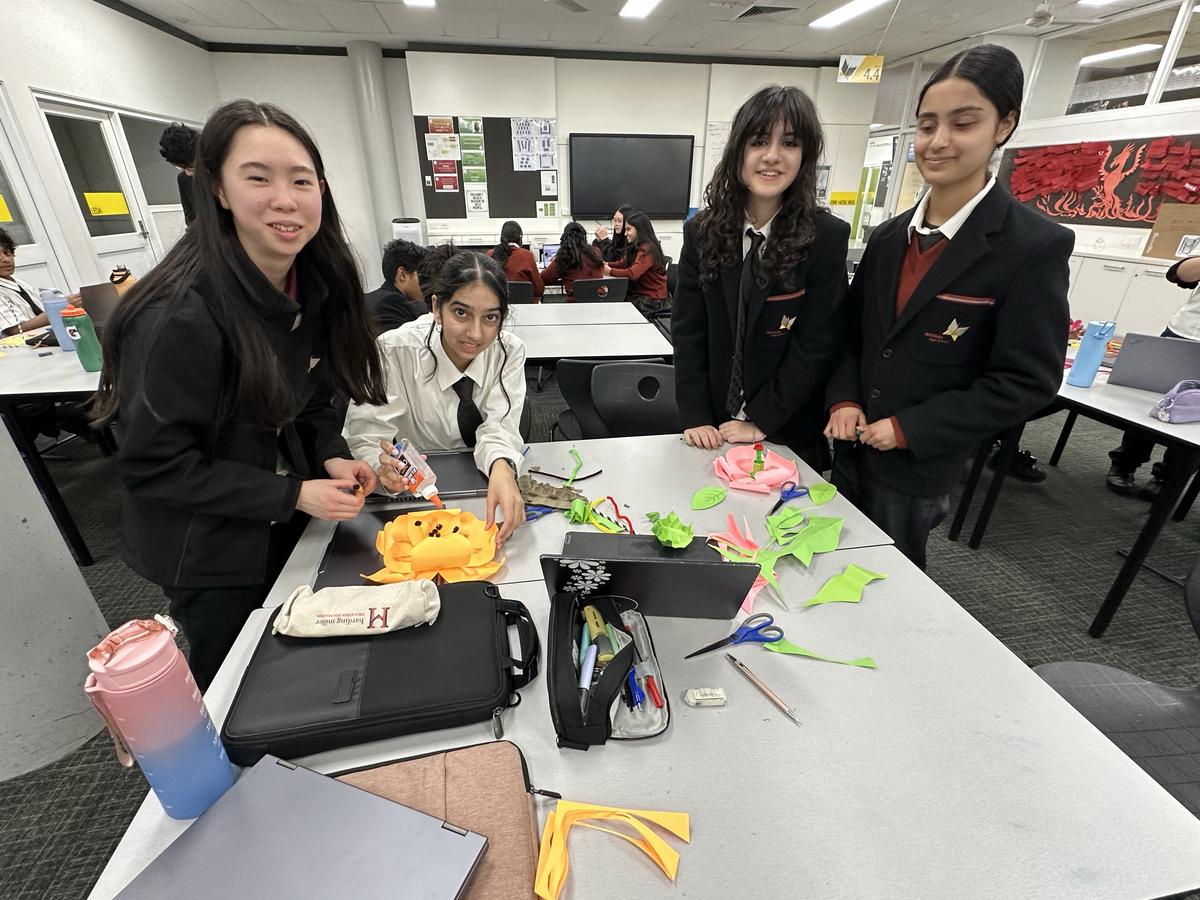
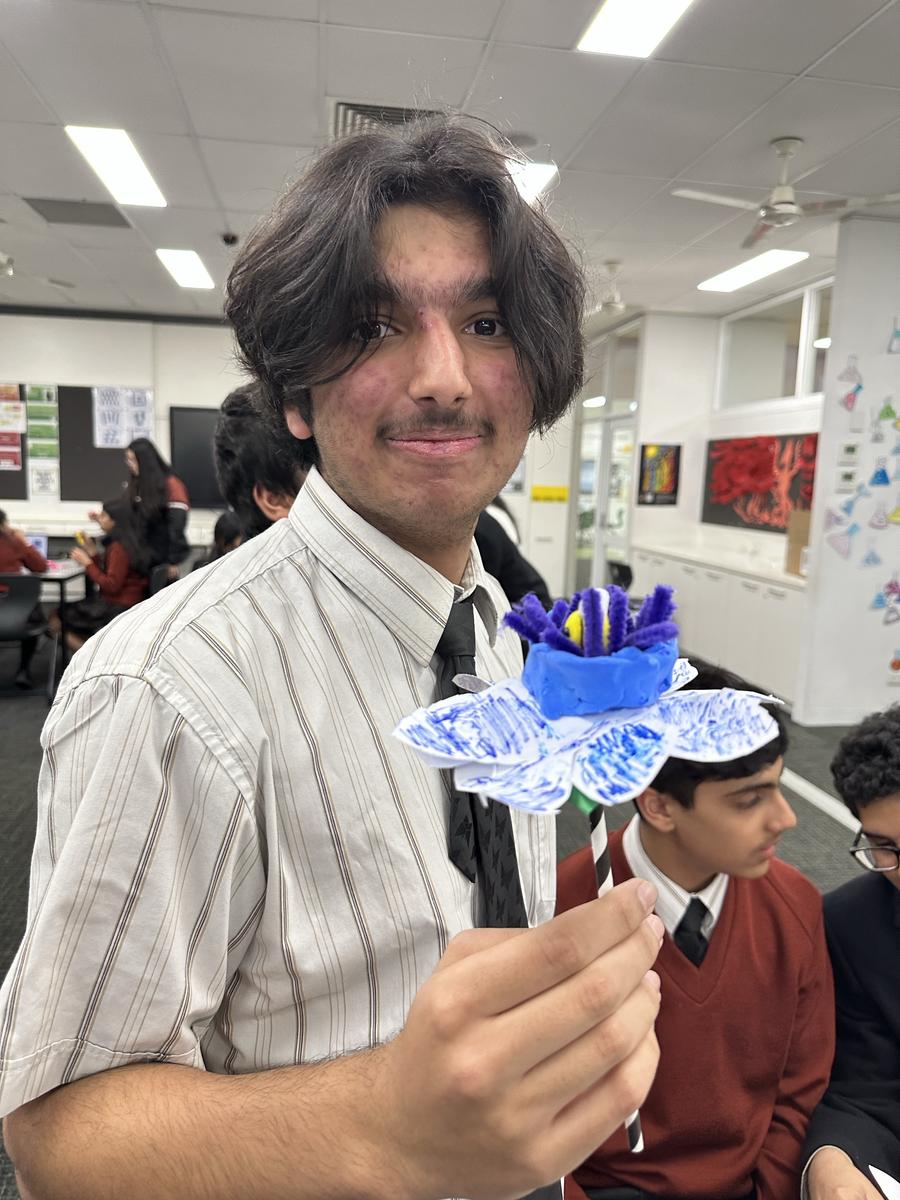
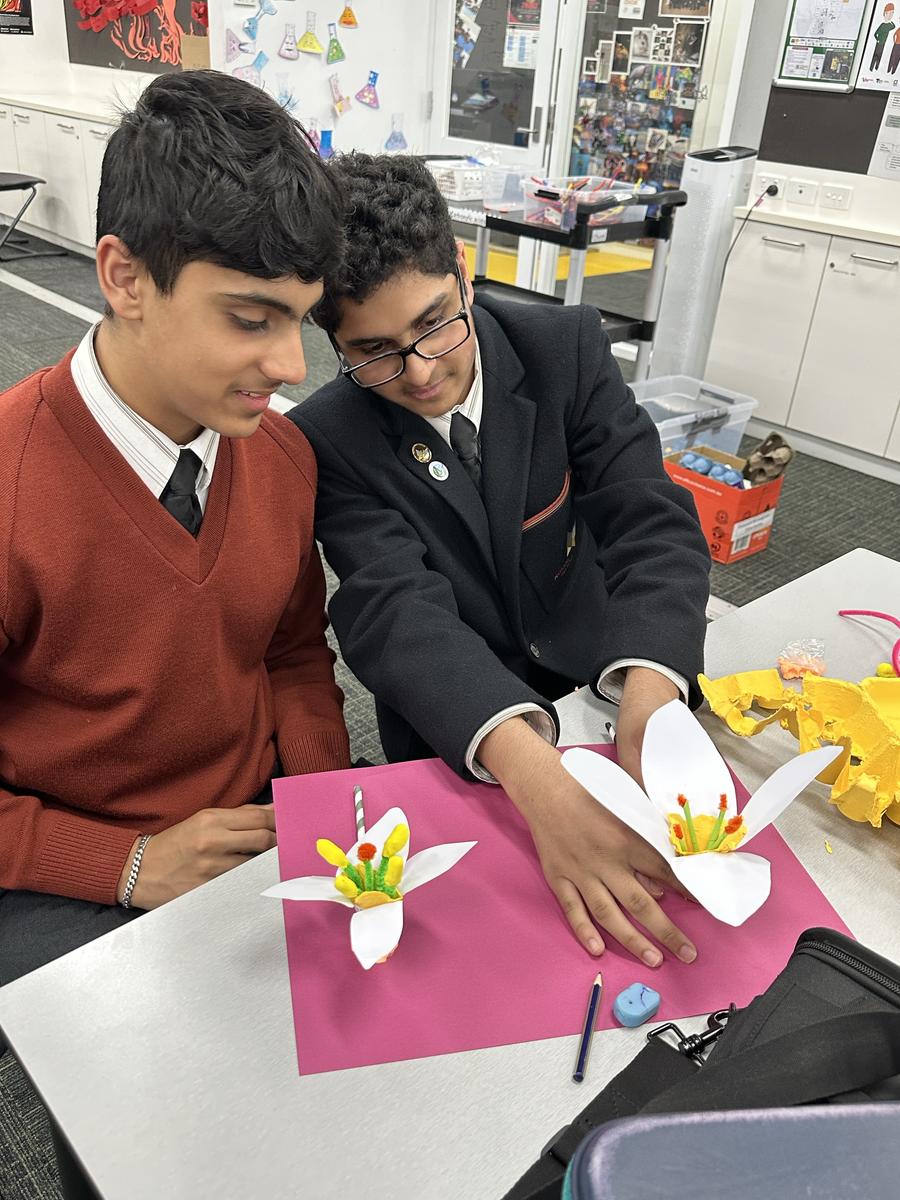
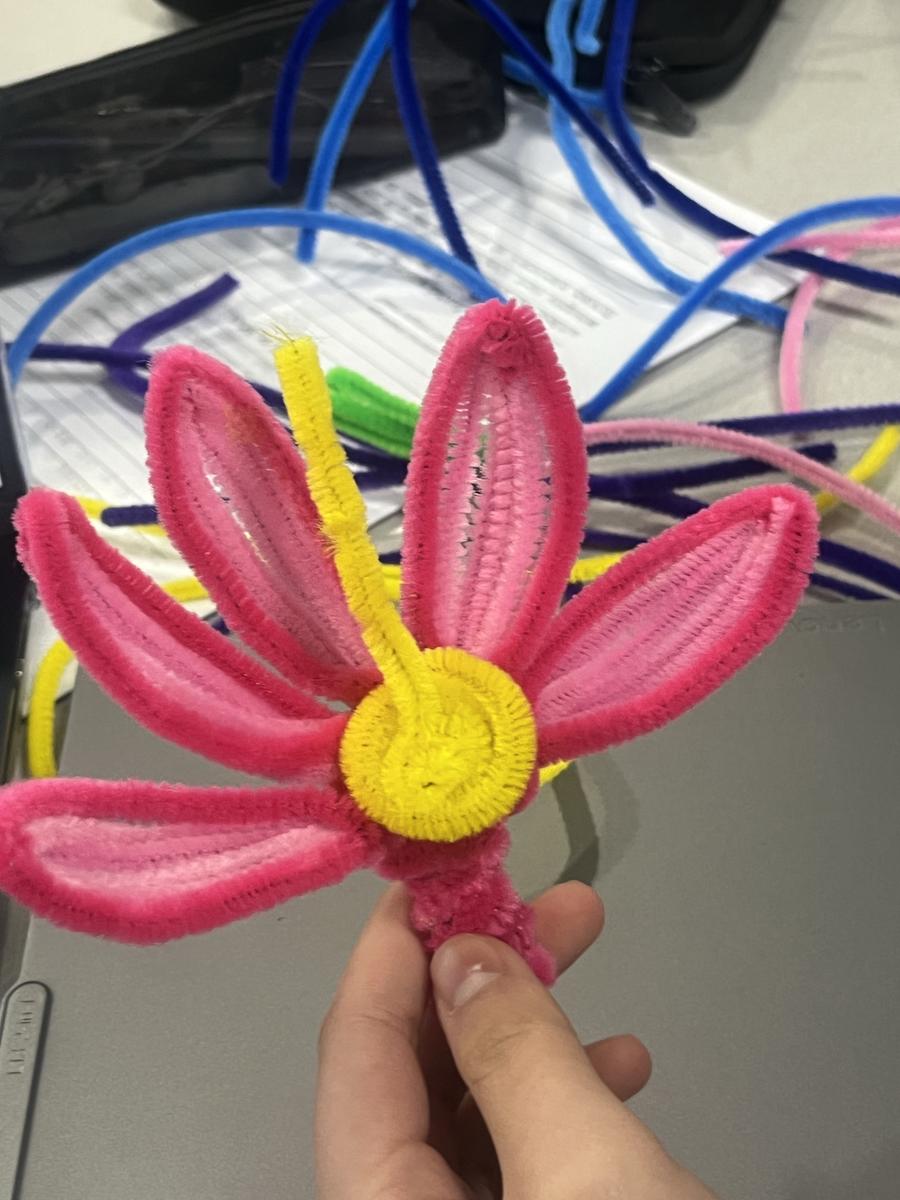
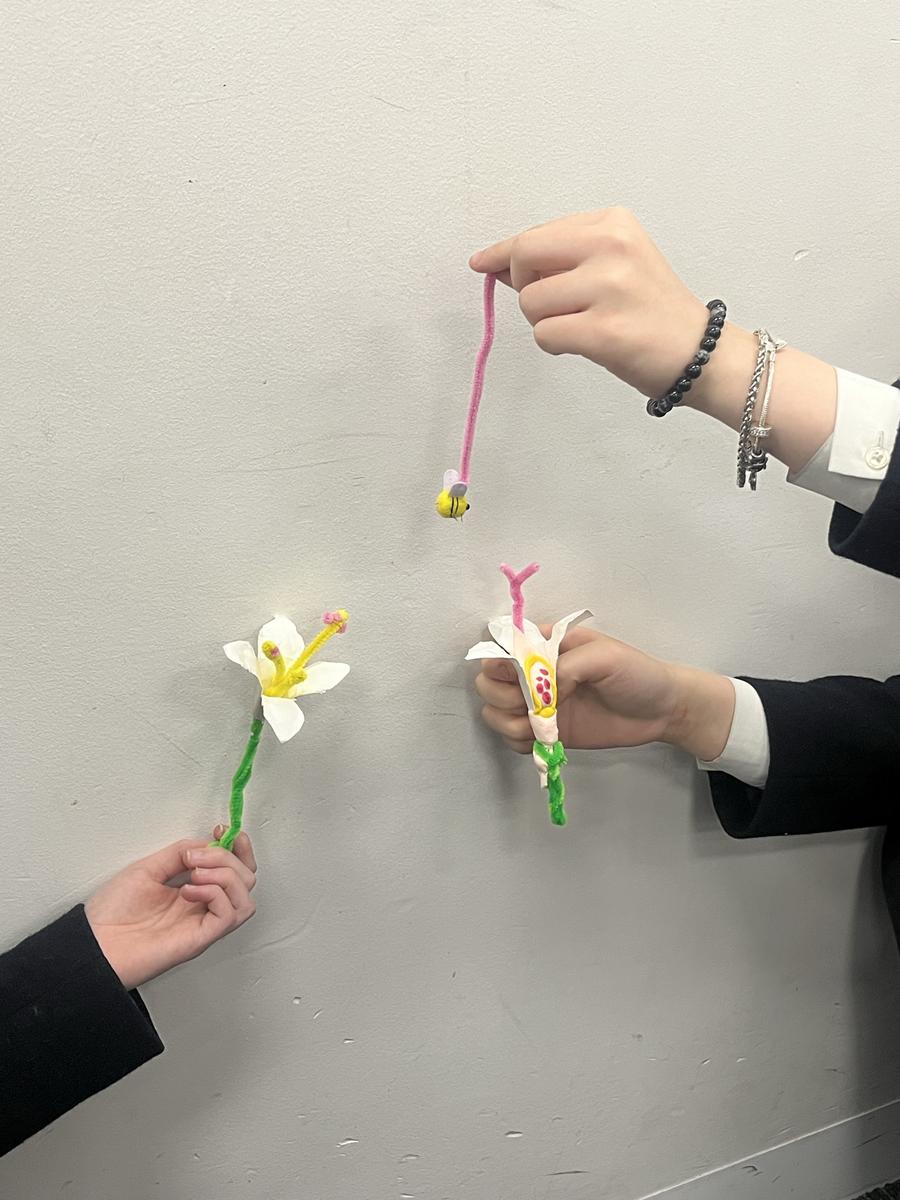
With no limits to materials, flower species, design, or details, creativity was key to creating realistic and fun diagrams. Some chose to make artistic pipe cleaner flowers while others preferred flowers cut in half to display its insides. There were tulips, lilies, hibiscus, and many more, each with their own quirks and designs.
At the end all groups had to film a video demonstrating the process of pollination with model bees, to further visually demonstrate the content shown in class. This activity was an engaging, fun, and creative way to further learn and develop the classes’ visual perspective of the topic. Not only did everyone have flowers to take home that night, but we also had a wonderful opportunity to connect with the topic and gain more understanding than just class work alone.
Amelia Daniel, Jessica Alexander, Mihika Sharma, and Dakota Brown
Year 9 Students