Learning & Teaching
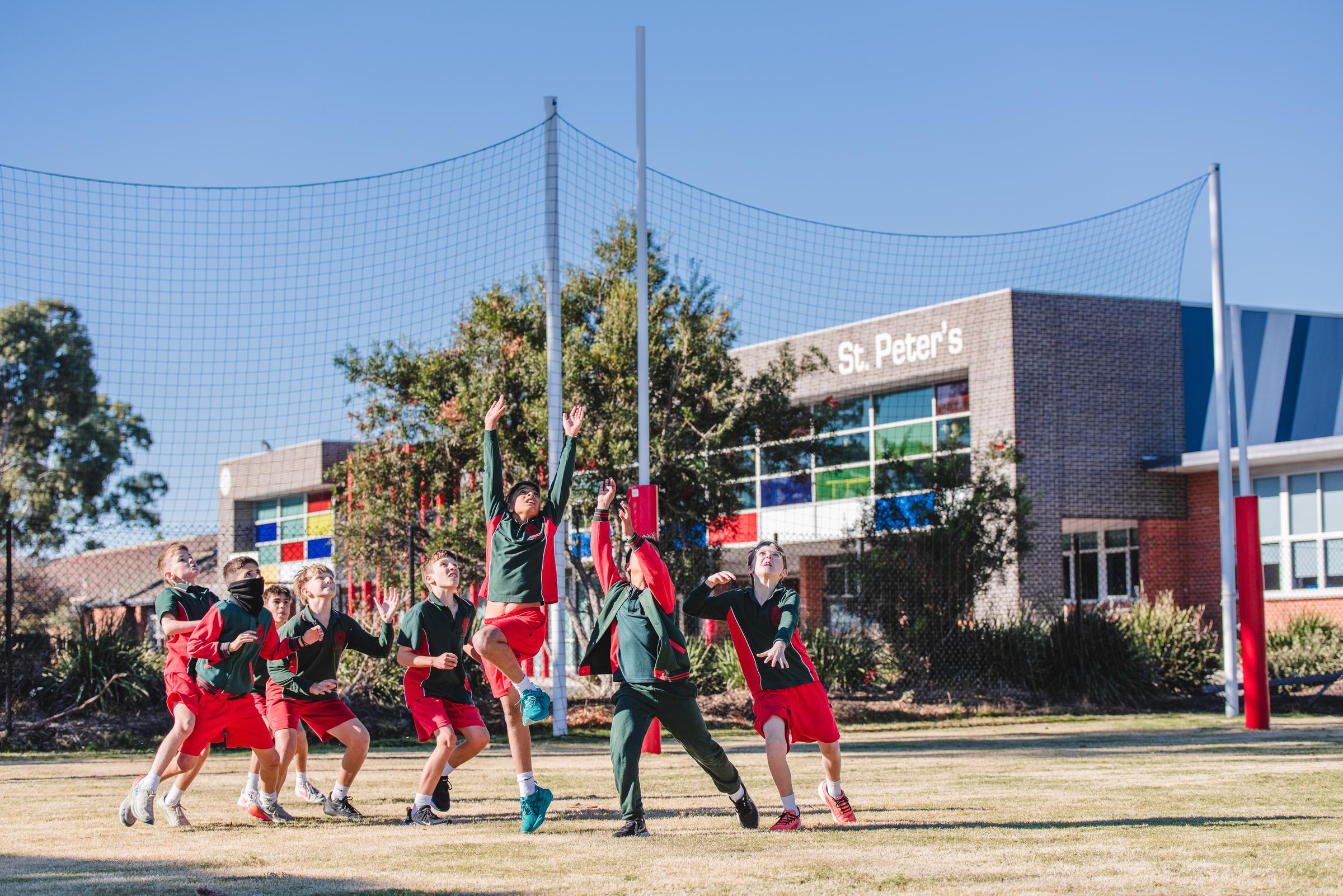
As we begin Term 4 and start looking towards 2027, our staff are busy planning classroom placements. A vital part of this process involves weighing academic, social and emotional factors to create the most supportive learning dynamic for every single student. This means your child may find themselves in a new classroom environment with a fresh combination of peers.
We understand that changing classes and being in a different class to close friends can sometimes cause anxiety for both children and parents. It is completely natural to want your child to stay wrapped in the comfort zone of familiar faces, especially if they have been in the same class with a best friend for the last two or three years. However, we want to reassure you that shuffling classes is an intentional, positive step designed for your child’s social, emotional and academic growth.
While it may initially feel like a challenge, navigating a new class structure offers several profound developmental benefits:
- Building Long-Term Resilience: Change is a constant part of life. Learning to adapt to a new environment and new dynamics builds the confidence and coping mechanisms children need to thrive in high school, future workplaces, and unfamiliar environments.
- Discovering Hidden Independence: When children stay paired with the same close friend for multiple years, they often fall into fixed roles. One child might dominate choices, while the other relies on them to speak up or initiate play. Stepping out of that comfort zone allows children to find their own voice, explore new interests, and build independent problem-solving skills.
Expanding Social Horizons: Class restructuring encourages children to form diverse friendships they might otherwise overlook. A new environment allows them to discover peers with shared interests, broadening their social circle while keeping their existing friendships alive outside of classroom hours.
Please rest assured that the teachers take classroom placement decisions very seriously. Children are asked to select peers that they work well with, not necessarily their closest friends.
How you can support your child at home:
Children take their emotional cues from the adults around them. You can help ease this transition by maintaining a positive and enthusiastic attitude about the change.
Frame the new class as an exciting adventure rather than a loss.
Reassure your child that their old friends aren't gone—they will still see them at recess, lunch, and on weekends—but that their world is simply getting bigger and more exciting.
Thank you for your ongoing partnership, trust, and support as we work together to help your child grow into a confident, resilient learner.