Wellbeing

Consent Education at St Monica’s College
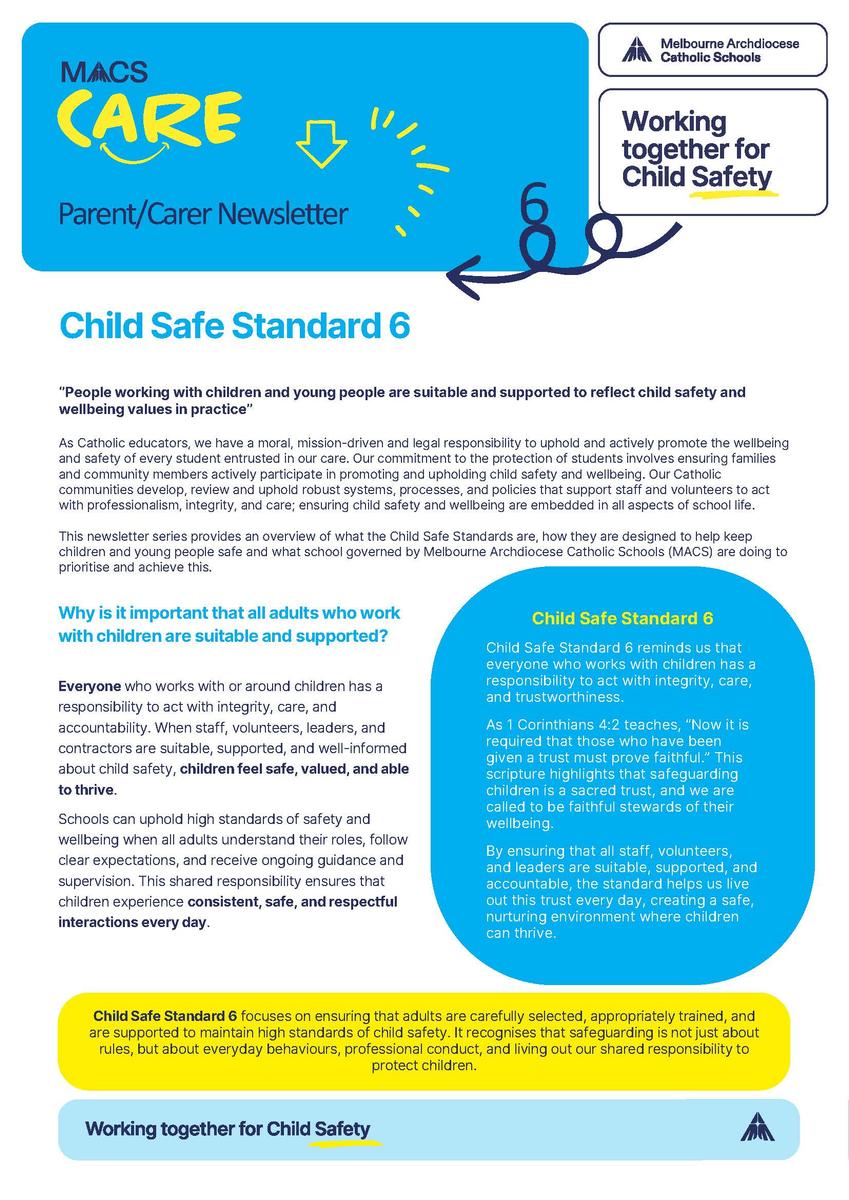
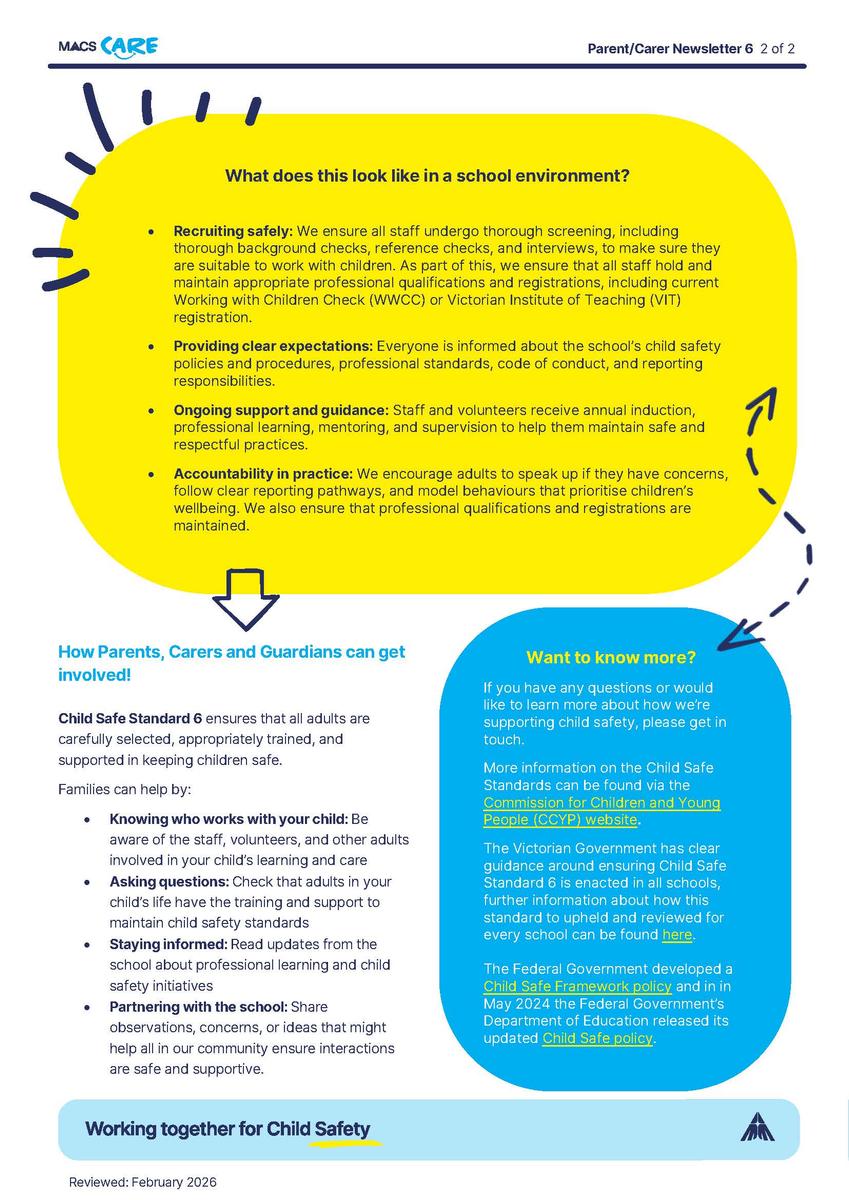
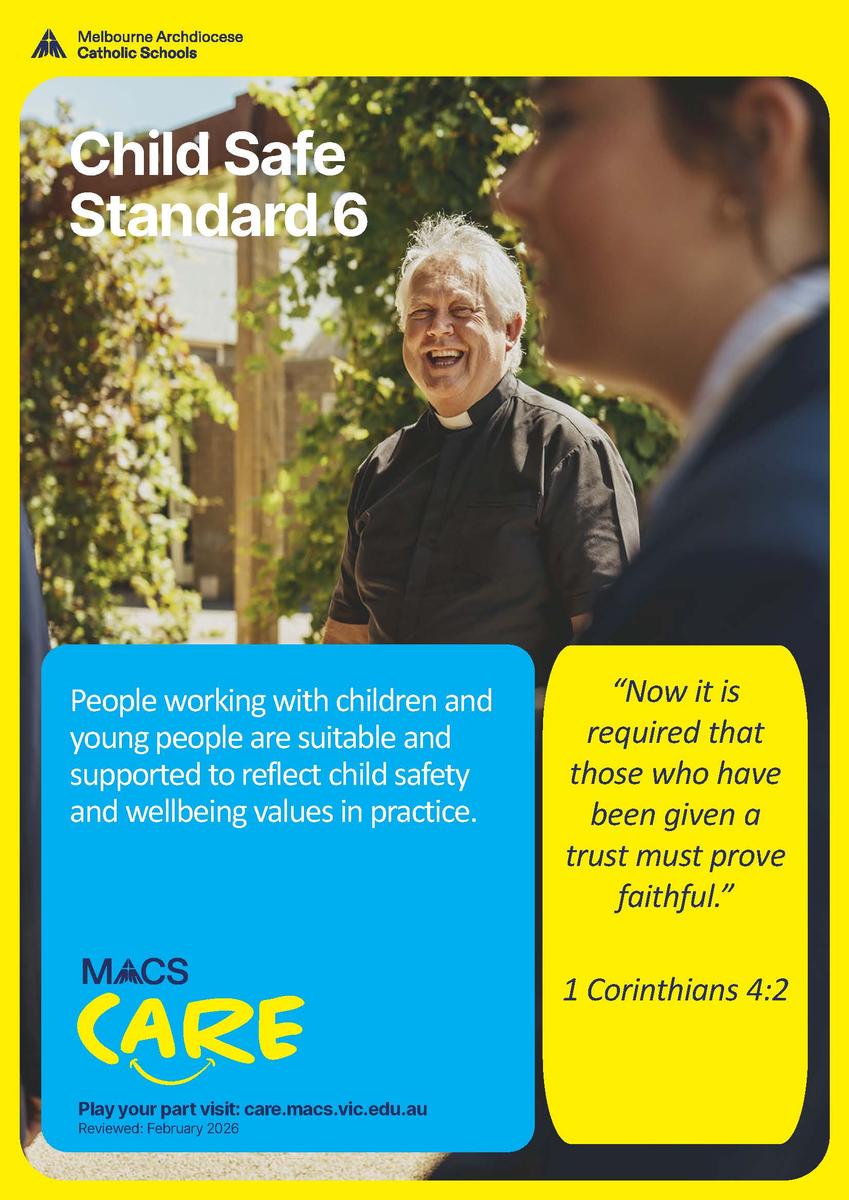
This term, St Monica’s College has continued its commitment to providing students with age-appropriate consent education, in line with the Victorian Government's mandatory Respectful Relationships curriculum and the expectations of Melbourne Archdiocese Catholic Schools (MACS).
Consent education is an important part of our broader wellbeing program, equipping young people with the knowledge and skills to build healthy, respectful relationships. It supports students to understand personal boundaries, communicate effectively, recognise the importance of mutual respect, and make safe, informed decisions.
This fortnight, our Year Level Leaders, together with the Wellbeing Coordinator and the Badano Leader, delivered consent education sessions to all Year 9 students. These interactive lessons encouraged students to explore the meaning of consent, respectful communication, peer influences, and the importance of recognising and respecting both their own boundaries and those of others.
Our Year 7 and Year 8 students also participated in age-appropriate consent education through lessons delivered by their Badano Teachers. These sessions focused on building a strong foundation of respect, empathy, personal boundaries and positive relationships, ensuring students develop these essential skills from an early stage of secondary school.
At St Monica’s College, we recognise that adolescence is a significant period of growth and development. During these years, young people begin to navigate increasingly complex social relationships and benefit from explicit teaching that helps them communicate confidently, respect others, and understand their rights and responsibilities.
As part of this ongoing commitment, our Year 10 Badano Teachers will deliver an introductory 50-minute lesson on consent later this term. This session will build on students' learning from previous years, encouraging further discussion around respectful relationships, effective communication, digital interactions, and the role consent plays in everyday life.
Consent education is not simply about understanding the law; it is about fostering a culture of dignity, respect and care for others. By embedding these conversations within our wellbeing curriculum, we aim to empower our students to develop positive relationships, make respectful choices, and contribute to a safe and inclusive school community.
Ms M Theodosis
Wellbeing Coordinator