
Teaching at BPPS
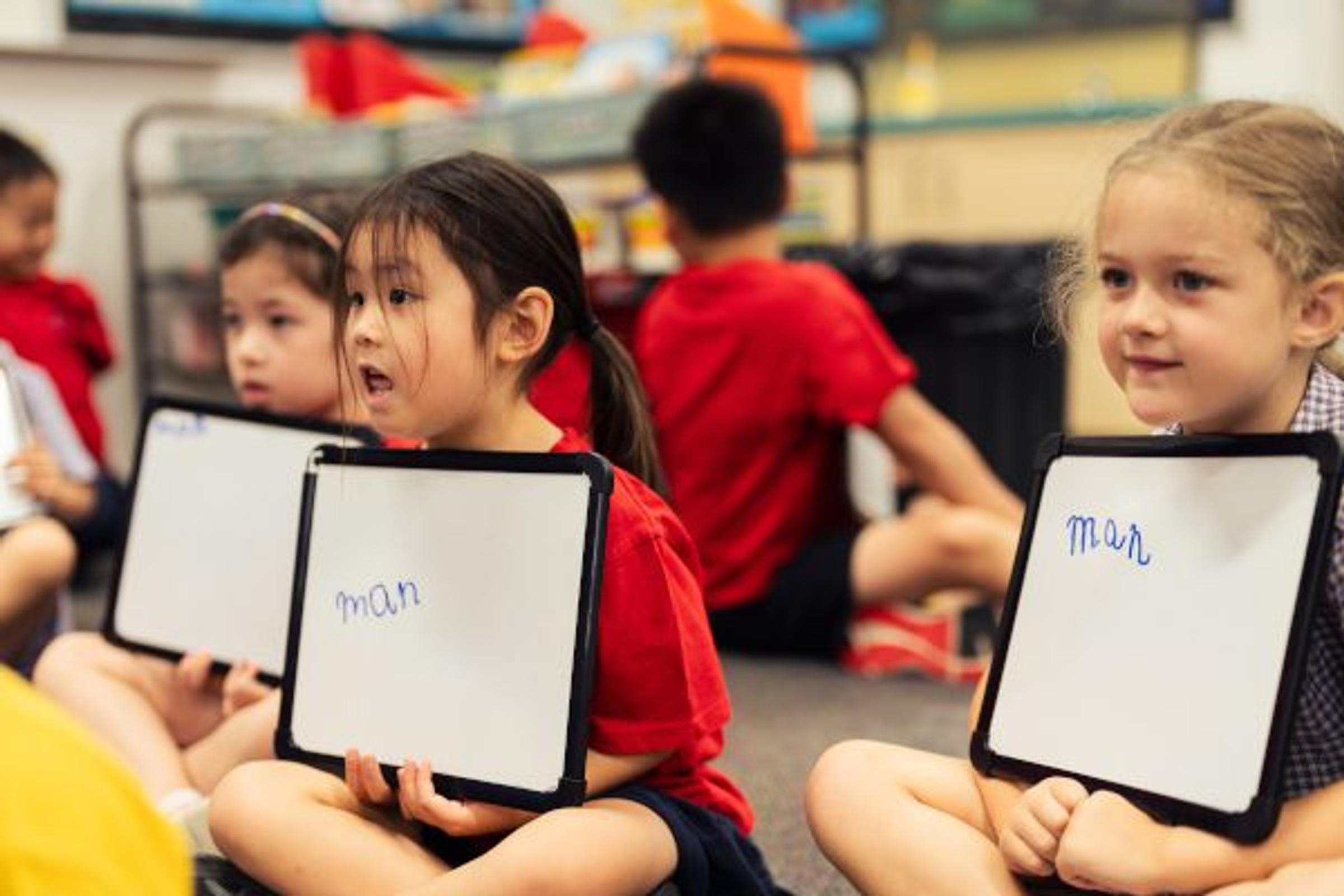
How can you support your child's writing at home?
In our recent parent survey, families shared that they would appreciate more information about how to support their child’s learning at home. We know that parents and carers play an important role in their child’s learning, and we want to share some simple, practical ideas that can make a real difference. Writing is a skill that develops with practice, encouragement and confidence. The good news is that there are lots of ways to support your child’s writing at home without it feeling like extra schoolwork!
Make writing part of everyday life
Children write for many different reasons, not just at school. Encourage your child to write shopping lists, birthday cards, thank-you notes, letters to a special friend or instructions for a favourite game. Older children might enjoy keeping a diary, writing a review of a movie or book, or creating a list of goals for their favourite sport or hobby. These everyday activities help children see that writing has a real purpose.
Encourage creativity and imagination
Give your child opportunities to write about things they enjoy. They might invent a superhero, create an adventure story, write about their favourite sporting team or imagine what they would do if they could travel anywhere in the world. Younger children can draw pictures and tell you their stories, while older children might enjoy writing a comic, a short story or even a script. The most important thing is to encourage their ideas and help them enjoy the process.
Talk before you write
Talking is a wonderful way to develop writing skills. Before your child begins writing, encourage them to explain their ideas aloud. Ask questions such as, “What happened next?”, “Why did that character do that?” or “How could you describe that place?” Talking through ideas helps children organise their thoughts and find the words they need before putting them on paper.
Read together and talk about words
Reading and writing go hand in hand. Reading books, comics, recipes, instructions and online articles exposes children to new vocabulary and different ways of communicating ideas. Talk about interesting words, descriptions and sentences you notice. You could ask your child what they liked about a character, how an author created suspense or which words helped them picture a setting.
Help your child improve their writing
When your child shares a piece of writing, begin by noticing what they have done well. You might comment on an interesting idea, a great word choice or a sentence that made you smile. As children become more confident, encourage them to reread their work and check whether it makes sense. You could ask, “Have you included everything you wanted to say?” or “Is there a word you could use to make that sentence more interesting?”
Remember to only focus on one area at a time, such as punctuation, spelling or adding detail, rather than correcting everything at once. This helps children build confidence and understand that writing improves through editing and practice.
Be an encouraging audience
One of the most powerful things you can do is show an interest in your child’s writing. Listen as they read their work aloud, ask questions about their ideas and celebrate their efforts. If your child is reluctant to write, keep activities short, offer choices and let them write about topics they enjoy. Remember that children develop at different rates, and encouragement is often more helpful than focusing on mistakes.
A little practice goes a long way
Supporting your child’s writing does not need to involve worksheets or long writing sessions. Small, regular opportunities to write, talk about ideas and share stories can help children develop their skills over time. At Boroondara Park Primary School, we want all students to grow into confident writers who can communicate their ideas clearly and creatively. Thank you for partnering with us to support your child’s learning, both at school and at home.
Here are a few fun and easy ways to encourage your child to write at home:
Create a homemade storybook
Help your child make their own storybook using folded paper, a stapled booklet or an old notebook. They can invent characters, create an adventure, illustrate the pages and write a sentence or two to go with each picture. Younger children can tell their story while an adult helps record their words, while older children can experiment with chapters, dialogue and exciting endings. You might even enjoy reading the finished story together as a family!
Start a journal
Encourage your child to keep a journal where they can write about their day, record special memories, share their thoughts or reflect on something they have learnt. It could include drawings, photographs, ticket stubs or other keepsakes. There is no right or wrong way to keep a journal, and children can choose what they would like to write about.
Write for a real purpose
Encourage your child to write a letter to a grandparent, a card for a friend, a shopping list, a menu for a family dinner or instructions for a favourite game. Writing for a real audience helps children understand how useful and meaningful writing can be.
Tell a story from a picture
Choose a family photograph, a picture from a magazine or an interesting image. Ask your child to imagine what happened just before the picture was taken, what might happen next or what the people in the picture could be thinking. They can write a short story, a comic strip or a few sentences describing the scene.
Remember, the aim is to make writing enjoyable and build confidence. A little encouragement, time to share ideas and opportunities to write about things they love can make a big difference!
Julie Tainsh
Learning Specialist - Curriculum
Grade 5/6 Teacher