
RE News

Class Masses
Week | Date | Class | Chosen theme |
Term 3 2026 | |||
6 | 21 August | 1/2 M | Peace In God’s Family |
7 | 28 August | 0 W | God Loves me |
8 | 4 September | 0 C | Father’s Day |
9 | 11 September | 0 L | God’s Creation |
10 | 18 September | 3/4 AL | Jesus the Good Shepherd |
Term 4 2026 | |||
1 | 9 October | 3/4 L | Mission of the Apostles |
Scripture Reflection
Matthew 16:13-20
Jesus asks, "Who do people say I am?"
The readings highlight two different but related themes: the character of our understanding of Christ, and our understanding of discipleship that flows from it. Christological reflections reach a climax in the question posed to the disciples: Who do you say I am? In this liturgical context, the same question is posed to us. Who is this one who multiplies loaves of bread, who walks on turbulent waters, who breaks the boundaries that separate insider from outsider? It is none other than the messiah.
When Peter testified to Jesus’ identity, it was a relevant religious and political statement, for messianic expectation was a burning question at that time. But what does it mean for the average Christian today? Many believers consider messianic expectation a theological theme that belongs to the past. They feel that it is difficult to get excited about the coming of someone who we believe has already come and gone. If Jesus were to pose this question today, how would we answer?
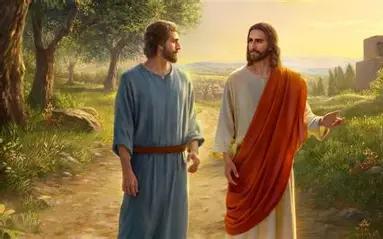
Like Peter, we too may have good intentions, but when they are put to the test we realise that that was all that they were – good intentions. Still, we should not be discouraged by our weaknesses, for just as Peter’s failure did not deter God from entrusting him with power and authority, so our failures need not be obstacles to God’s grace in our lives. We watch God entrust the church to individuals who are weak and undependable, and we realise that judgments are inscrutable and God’s ways unsearchable.