
RE News

Scripture Reflection
Render to Caesar what is Caesar's.
Gospel Reflection
The gospel writer presents this episode as a deliberate attempt by the Pharisees to trap Jesus and turn the people against him. Their plan was a good one, with no apparent ‘safe’ answer: is it permissible (within Jewish tradition) to pay taxes to Caesar or not? If Jesus were to answer that it is not permissible to pay taxes then he would be identified as a rebel and a threat to Roman authority – leaving himself open to severe punishment. If he were to answer that it was permissible to pay the taxes he would have alienated a lot of his audience who resented the taxes imposed by Rome.
Instead of falling into the trap set by the Pharisees, Jesus approaches the question in a completely different way. He asks them to show him the money with which they pay the tax. Immediately, he has turned the tables on them. He doesn’t appear to carry any of the coin in question and yet the Pharisees’ disciples carry them as a matter of habit. They are asking if it is permissible to pay the tax and yet freely carry the coin with which the tax is paid. Jesus shows up the hypocrisy of their question by forcing them to reveal their own position in the simple action of producing one of the Roman coins. Jesus then closes the dispute by instructing them to render (give) to Caesar what belongs to Caesar but, more importantly, render to God what belongs to God. In a very simple way Jesus has shown up the Pharisees’ disciples as being collaborators with the Roman authority and placing that authority above the authority of God. He reminds the listeners that regardless of earthly authority, the first duty is owed to God.
Historical Context – What’s in a face?
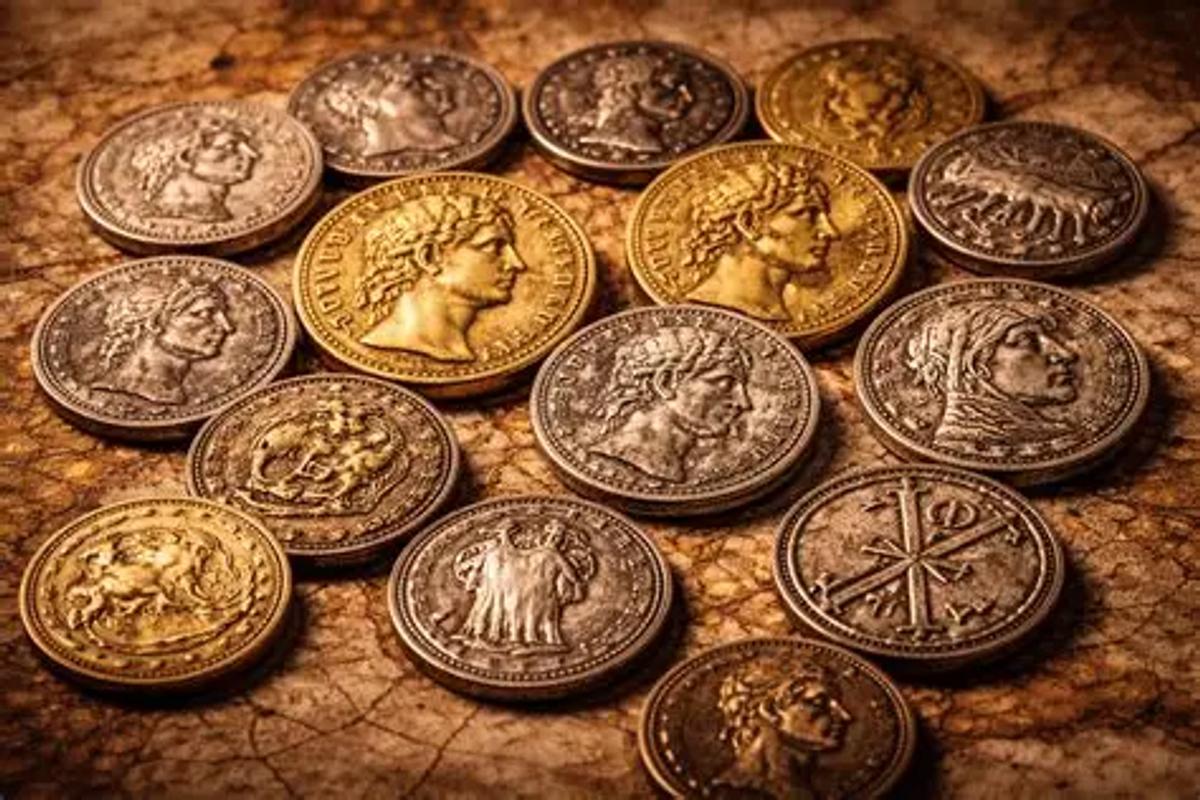
The question of coinage was a problematic one for first century Jews. The tradition – grounded in the commandments given to Moses on Mt Sinai – forbade the use of ‘graven’ or carved images. The people of Israel took this prohibition very seriously and did not portray the human face in artwork of any kind. Roman coins were minted with the face of the emperor on them and it was compulsory that taxes be paid with Roman coin. This helps to explain the role of the Temple money-changers who converted the Roman coin into Temple coin that could be used for religious purposes.
Scriptural context – Jesus and the Pharisees
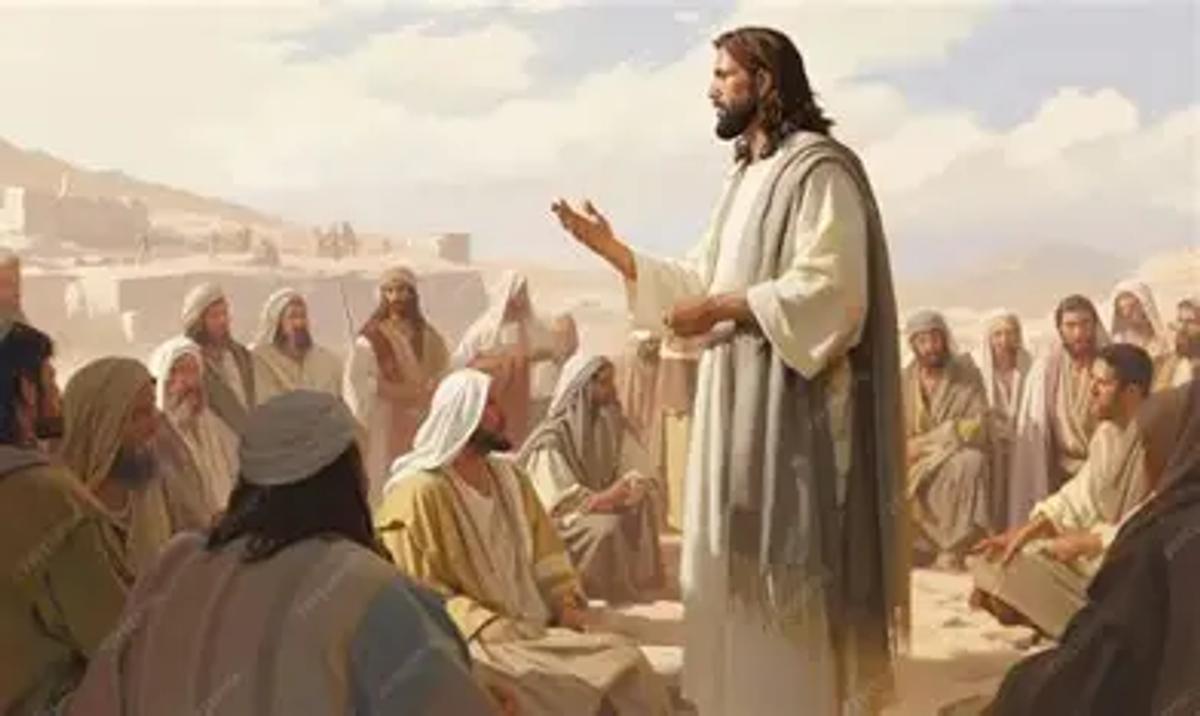
The gospel of Matthew tends to treat the Pharisees rather harshly. In fact they had more in common with Jesus’ style of teaching than other religious groups of the time and some have suggested that Jesus may even have been quite closely associated with the Pharisees. The role of the Pharisees was to interpret the Torah – the Law – for everyday people. They were teachers and preachers who often had a group of disciples who were their followers. The community in which the gospel of Matthew was written regarded the Pharisees harshly because they saw Jesus – not the Pharisees – as the rightful interpreter of the Law.