From the Director of Diversity and Inclusion K–12
Mrs Deearne Spaulding
From the Director of Diversity and Inclusion K–12
Mrs Deearne Spaulding
As Director of Diversity and Inclusion at SMC, I am passionate about fostering a school culture where every student feels a sense of belonging. I lead whole-school processes that strengthen inclusive practice, with a particular focus on supporting neurodiverse learners and recognising the unique strengths they bring to St Mary’s College.
A key priority of my role is supporting our neurodiverse community by creating environments where students who learn, think and experience the world differently feel valued, understood, and empowered to succeed. Through collaboration, advocacy and evidence-informed practice, I work to ensure that every student has equitable access to learning opportunities and is supported to achieve meaningful success.

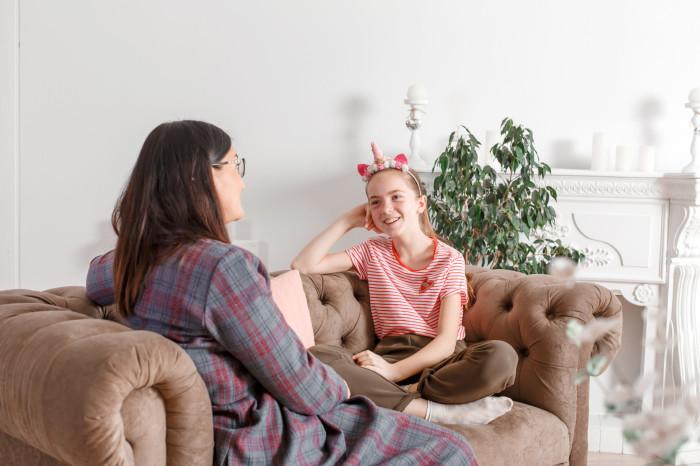
Positive Partnerships is a national project funded by the Australian Government Department of Education. Delivered by Aspect (Autism Spectrum Australia), the program works in partnership with families, educators and communities to strengthen positive outcomes for autistic young people.
As a TAS team facilitator, I highly recommend the evidence-based information, webinars, resources, online modules and workshops for parents and carers.
Please visit the Positive Partnerships website for further information and resources on autism.
Positive Partnerships: About Autism
On this page, you'll find accessible guidance across key areas, including:
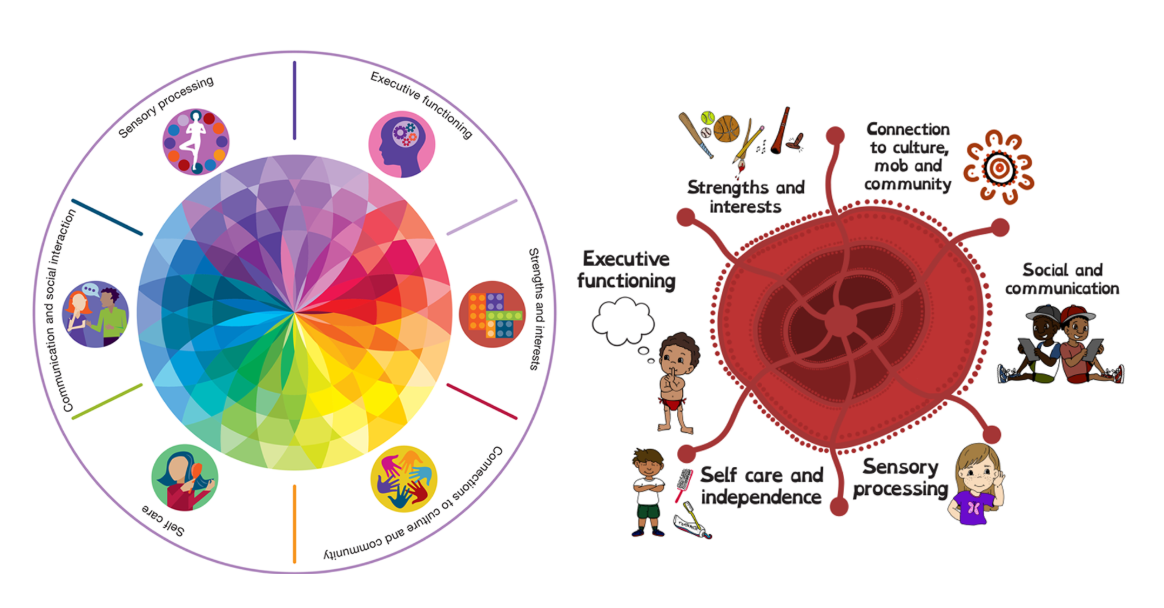
Pictured above: The Diversity Wheel and Story Circle are tools used to explore and understand the many factors that shape everyday experiences.
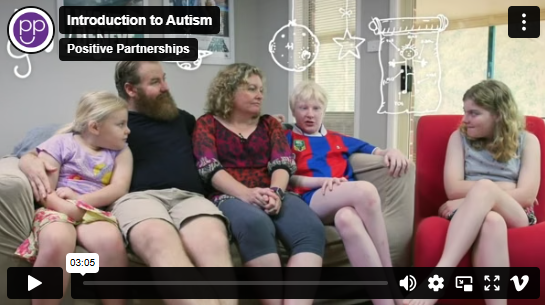
You can also hear directly from young people and their families as they share their personal experiences of autism. Click the video below to watch it online.
Did you know?
Young autistic people often experience differences in executive functioning – the set of brain processes that help us plan, organise, shift attention, stay flexible in our thinking and self-regulate. These skills shape how a young person manages everyday tasks at home, at school and in the community.

Executive functioning isn't one single skill but a cluster of cognitive processes working together. When even one area is under strain, tasks like getting ready in the morning, transitioning between activities or coping with unexpected changes can become significantly harder.
Learn more about executive functions on the Positive Partnerships website here.