
From the Acting Director of Teaching and Learning K–12
Mrs Ali Canning
From the Acting Director of Teaching and Learning K–12
Mrs Ali Canning
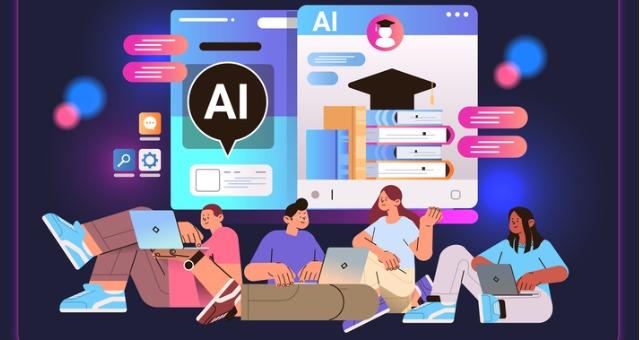
Artificial Intelligence (AI) is rapidly becoming part of the everyday lives of young people. From online search tools to AI platforms that can create text, images and ideas in seconds, students are increasingly engaging with technologies that did not exist just a few years ago. As educators, parents and carers, we have a shared responsibility to help students understand how to use these tools responsibly, ethically, and effectively.
One of the challenges schools are currently facing is the increasing use of AI to generate student work. While these tools can assist and support, they also raise important questions about academic integrity, authentic learning and the development of critical thinking skills. If students rely on AI to do their thinking for them, they risk missing valuable opportunities to develop the knowledge, understanding and skills that are essential for long-term success.
Our focus as a school is not simply on preventing inappropriate AI use. Rather, it is on educating students to become informed and responsible digital citizens. Just as we teach students how to evaluate sources, use technology safely and engage respectfully online, we must now teach them how to navigate a world where AI is increasingly present in education, workplaces and society.

This week, our Learning Leaders and interested teaching staff are coming together to explore this very issue. Together, we will be discussing the role schools play in educating students about AI, examining the opportunities and challenges it presents, and considering how we can best prepare our young people for a future in which AI will be commonplace. An important part of this work involves reviewing our Academic Integrity policies and practices to ensure they provide clear guidance for students, families and staff, while also keeping pace with the rapidly evolving technological landscape.
Families are an essential partner in this journey. Open conversations at home about learning, effort, honesty and responsible technology use can help reinforce the messages students receive at school. Encouraging children to think critically, ask questions and reflect on their own learning remains just as important as ever.
Technology will continue to change, but the purpose of education remains the same: to develop curious, capable, ethical and independent learners. By working together, schools and families can help ensure that students are equipped not only to use AI, but to do so thoughtfully, responsibly and with integrity.