
Wellbeing
Fiona Dandie & Robert Pain
Wellbeing
Fiona Dandie & Robert Pain
At Whittlesea Primary School, staff recognise the importance of providing specific feedback to all students. Positive reinforcement is one of the many effective classroom practices that research shows has the greatest positive impact on learning and behaviour. These proactive strategies help teachers increase the time available for instruction (teaching) and decrease the time spent discouraging inappropriate behaviour.
Below are some of the ways that staff at WPS use positive reinforcement with their students:
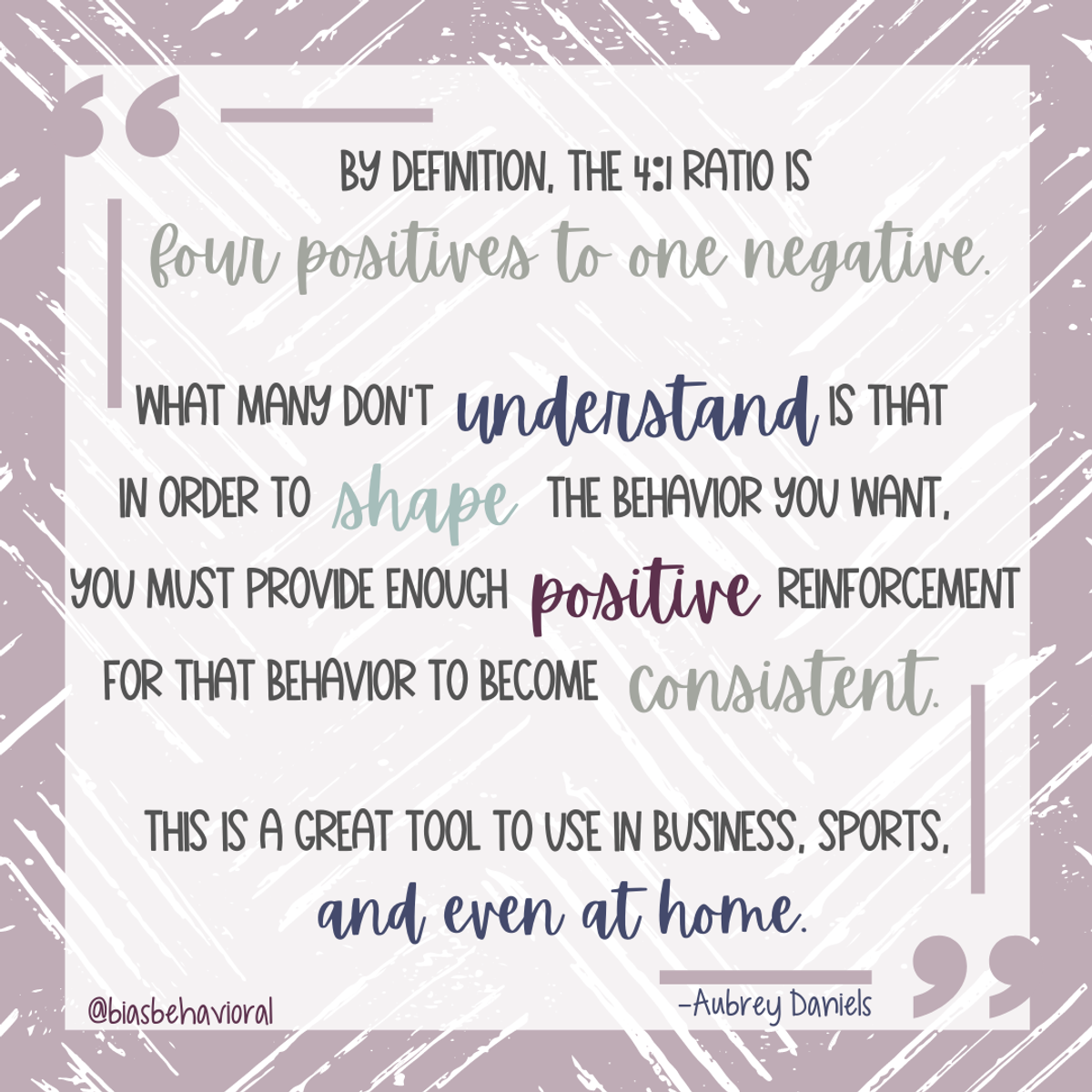
4 to 1
Teachers use 4 positives to 1 corrective interaction. Recognising students for following rules, directives, and directions, as well as participating, is one of the most effective tools for managing, promoting, and discouraging inappropriate behaviours. Research indicates that you can improve behaviour by 80% by pointing out what someone is doing correctly.
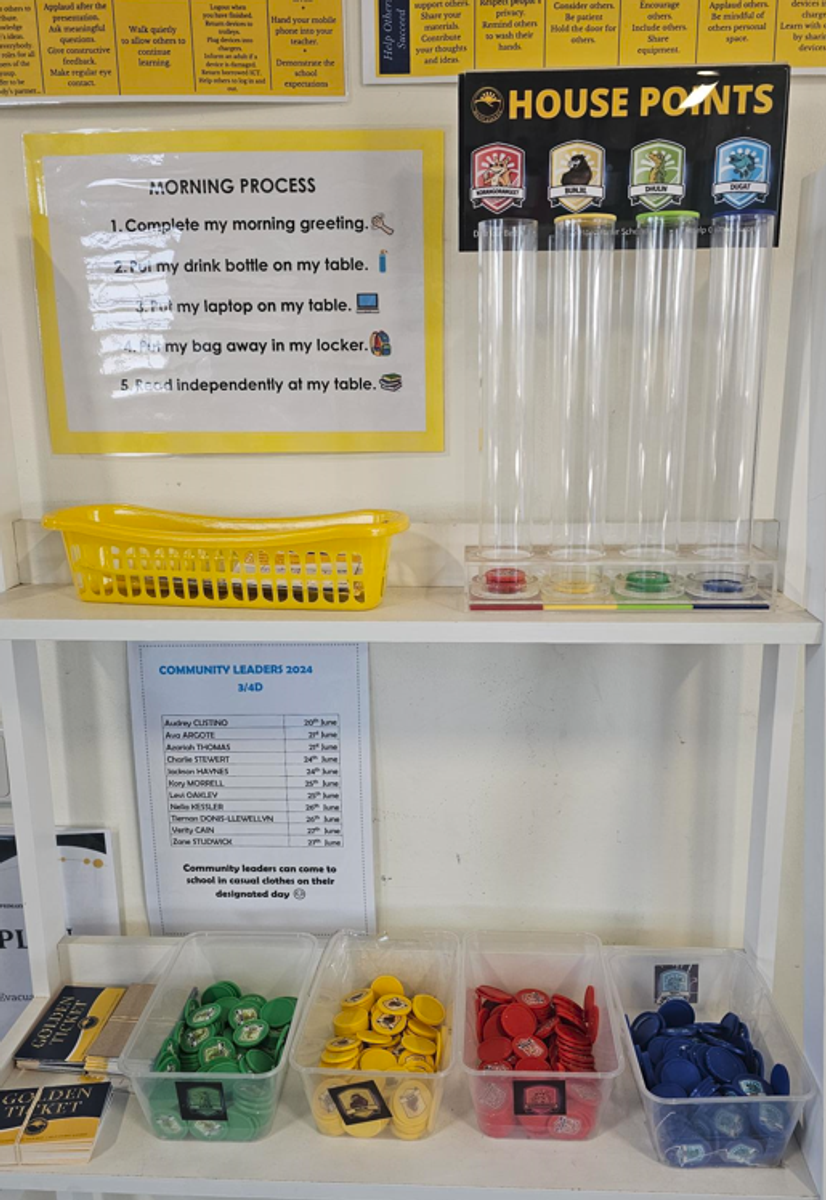
House Tokens
House Tokens are a part of Whittlesea Primary School’s Tier 1 positive reinforcement systems. Staff hand out house tokens when students demonstrate positive school behaviour expectations. House Captains collate house tokens each week and add them to an ongoing recording sheet. At the end of each Term, the house with the most tokens is part of a ‘House Reward’ to be decided by House Captains and the Wellbeing Team.
Golden Tickets
Golden Tickets are also a part of Whittlesea Primary School’s Tier 1 positive reinforcement systems. Staff hand out Golden Tickets when students have demonstrated exemplary school expectations. Golden Tickets acknowledge the positive behaviour displayed by a student. Golden Tickets can be redeemed at Whittlesea World on designated days.

Star of the Week Award
Each week, staff select one student from each class to receive a Star of the Week Award. Teachers may give awards for the following examples:
● Displaying behaviours in line with our school expectations
● Academic achievement
● Sporting achievement
Specialists Award
Each week, one class from each specialist area is nominated to receive the Specialist Award based on their achievement across the Specialist areas.
Learning Legend Award
Each month, one student in each year level is recognised for outstanding achievement in learning. These awards are presented at the school assembly.
Principal's Awards
Staff are asked to nominate any student who has gone above and beyond expected expectations, performance or excellence to receive a Principal's Award. These are presented to the nominated students at our school assembly.
Other Acknowledgement Systems
Each classroom may have its own positive acknowledgement system, tailored to the class's context and designed specifically for each class.
These may include:
● Verbal praise
● Stickers/stamps
● Positive Compass Recognition
Whittlesea Gems - Positive feedback for staff
Staff at WPS are encouraged to recognise the achievements of their peers by nominating them for a Whittlesea GEM. WPS Gems are sent to all staff every fortnight.

You may have heard the term ADHD (Attention Deficit Hyperactivity Disorder) used when talking about children who have difficulty concentrating, sitting still or managing their impulses. ADHD is a neurodevelopmental difference, which means that the brain develops and works in a different way. Children with ADHD are not being deliberately difficult, lazy or naughty. They often need different strategies and supports to help them manage everyday tasks and learning.
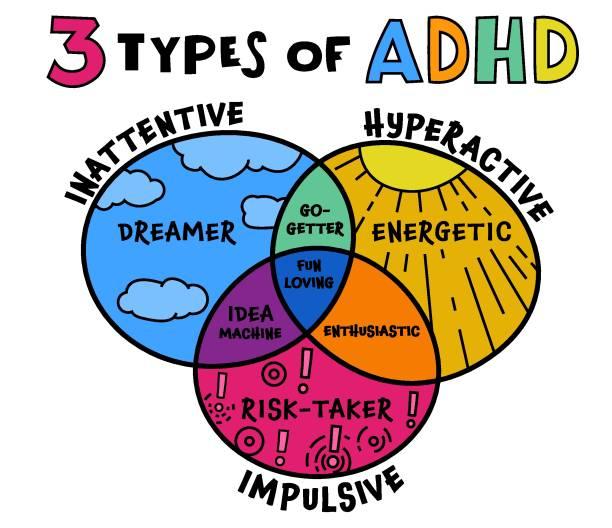
ADHD can look different from one child to another. Some children are mainly affected by difficulties with attention, while others experience more hyperactivity and impulsivity. Some experience a combination of both.
Children with ADHD may:
Experience strong emotions or become easily frustrated.
It is important to remember that all children can display some of these behaviours at times. ADHD is more than occasional distractibility or high energy. A diagnosis considers whether these difficulties are ongoing, occur in more than one setting and have a significant impact on a child's everyday life.
There isn't a single test for ADHD. A qualified health professional, such as a paediatrician or psychologist, will gather information about a child's development, behaviour and experiences at home and school. Parents, teachers and other professionals may all contribute information to help build a complete picture. A good place to start is to see your GP, who can refer you to the appropriate specialist for you and your child's situation.\ A diagnosis can help families and schools better understand a child's needs and identify appropriate strategies and adjustments.
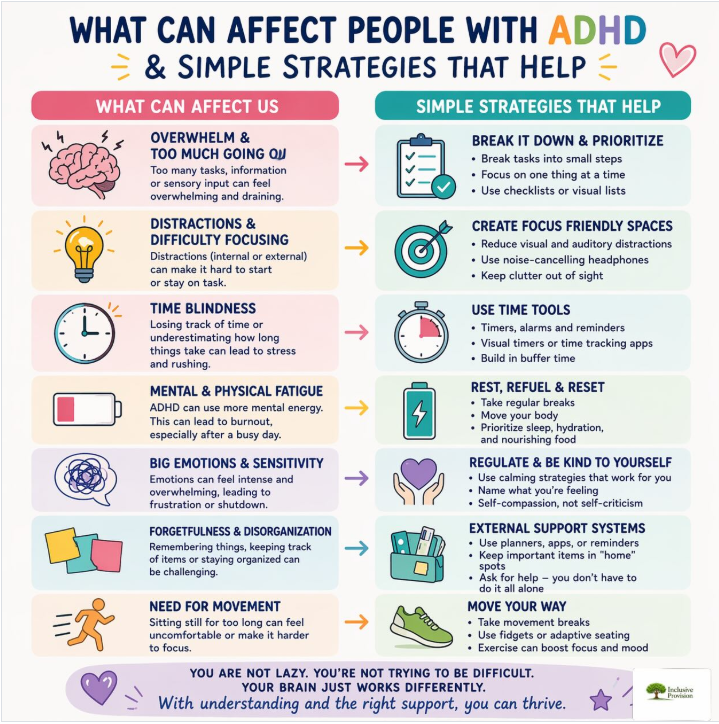
There are many simple strategies that can make a difference at home and at school:
Children with ADHD have many strengths. They may be creative, energetic, curious, enthusiastic, spontaneous, imaginative and excellent problem-solvers. They may also show intense interest and focus when they are engaged in something they enjoy. Supporting a child with ADHD isn't about changing who they are. It is about understanding how they learn and helping them develop strategies that allow them to participate, learn and feel successful.