
Wellbeing


BULLYING NO WAY WEEK (August 17th – 24th)
Australia’s national week of action against bullying and violence in schools.
Taking place annually in August, the initiative unites schools to promote inclusivity, celebrate diversity, and equip students with strategies to recognize and respond to bullying. Bullying is everyone’s responsibility, and small acts can make a real difference.
This year’s theme, ‘Small Acts, Big Impact’ reminds us that actions don’t need to be big
to change someone’s world. Small actions – like including someone, speaking up or showing kindness, can create meaningful change. In our schools and communities,
our goal is to build environments where everyone belongs, diversity is celebrated
and bullying is never accepted.
Tying in with Bullying No Way Week and as part of the Colleges’ commitment to student safety and wellbeing, we have invited the Pat Cronin Foundation to deliver presentations to our Year 7, 8 and 9 students on Wednesday, August 12th.
These violence-prevention presentations help secondary students to recognise risk, regulate emotion and take responsibility for their choices.
The presentations will run over one class session and have been added to each student's Compass schedule. See attachment for more information.
-------------------------------------------------------------------------------------------------------------------------------------
YOUNG WOMENS' SHARK CAGE PROGRAM
- Have you ever been told you're “Too sensitive"?
- Have you ever felt pressured to do something you didn't want to do?
- Struggled to speak up when something didn't feel right?
- Wondered how to set boundaries without feeling guilty?
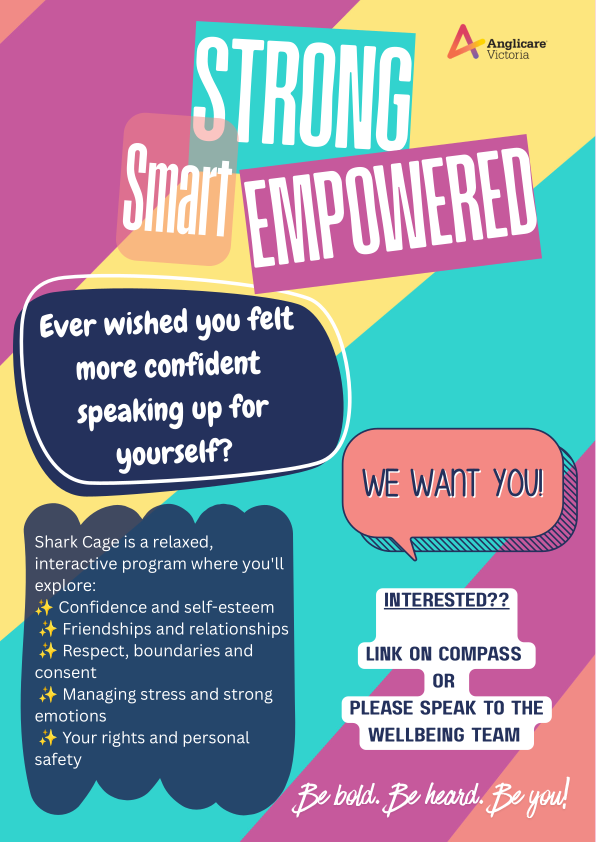
The Shark Cage Program is a small group for young women who want to build confidence, strengthen their self-worth, and learn practical skills for navigating friendships, relationships, and everyday life. Using the Shark Cage Framework, we'll explore:
- Respect and personal rights
- Healthy boundaries
- Self-worth and confidence
- Peer pressure and decision-making
- Recognising red flags in relationships
Assertive communication skills
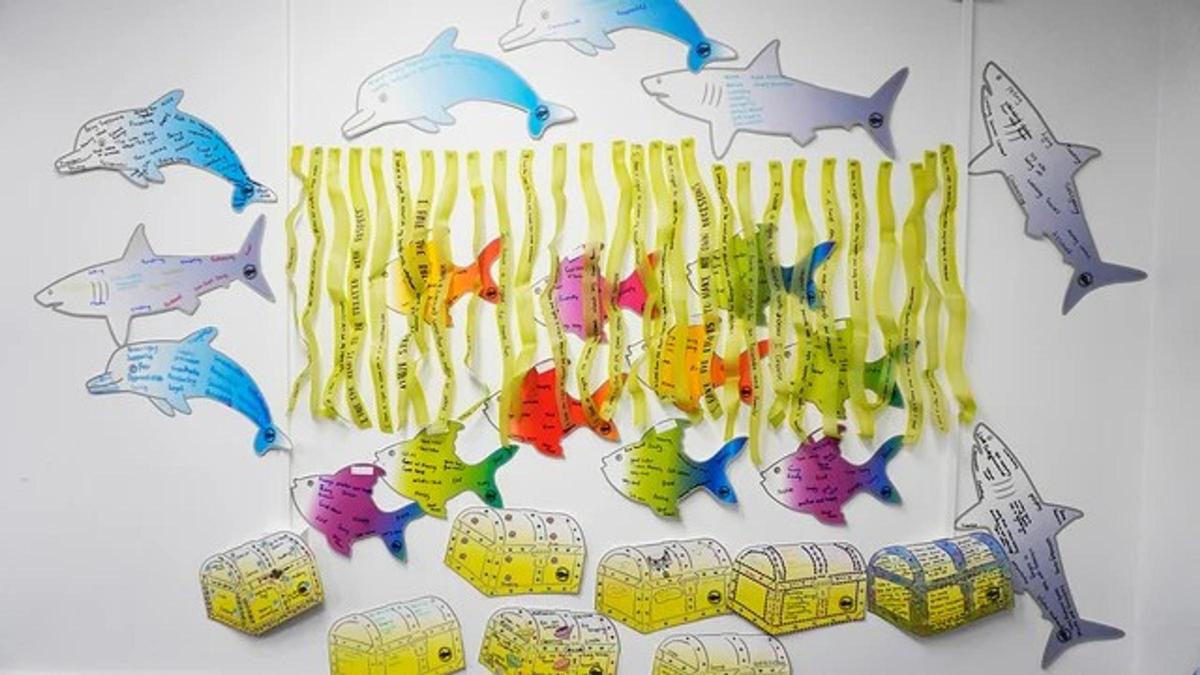
Life is like an ocean. Most people are the dolphins and friendly fish who are kind, respectful and safe. But sometimes we encounter people who use behaviours that are manipulative, controlling, or disrespectful. The Shark Cage helps us understand our rights and strengthen the boundaries that help keep us safe.
✅ 8 weekly sessions during school hours
✅ Lunch provided each session
✅ Small group setting (maximum 12 participants)
✅ Open to young women in Years 7–10
-------------------------------------------------------------------------------------------------------------------------------------
WHY IS SLEEP IMPORTANT FOR TEENAGERS?

It’s no secret that sleep is important for everyone. But as teens hurtle through a time of very fast physical, mental and emotional growth, quality sleep is crucial for fuelling their brains and bodies. For teens, getting good sleep helps with their:
- analytical and creative thinking
- physical health and development
- attention, memory and motivation
- mental health, mood and wellbeing
decision making and reduced risk taking.
How much sleep do teenagers need and does it differ between ages?
The National Sleep Health Foundation recommends that teens need between 8 and 10 hours of sleep every night. While this is the recommended amount, every teen is different: some may need a little more, while others may need a little less. However, it’s not recommended that a teenager gets less than 7 or more than 11 hours of sleep a night.
Unfortunately, most teenagers are falling short of this recommended quota and are sleeping, on average, for only between 6.5 and 7.5 hours a night.
Some common reasons young people experience sleep issues include:
- stress from work, school and study (in recent ReachOut research, we found that over 50 per cent of students are specifically having trouble sleeping as a direct result of study stress)
- balancing time demands such as work, school, sports and a home/social life
- struggling with friendship andrelationship issues, bullying or loneliness
financial stress and managing the cost of living.
On top of these everyday stressors, other factors can cause sleep issues:
Your teen’s changing body clock. Puberty hormones can shift a teen’s body clock in a way that makes them sleepier one to two hours later than adults. Of course, this becomes a problem when your teen can’t sleep in to catch up, due to their school schedule. When this sleep debt builds up, it can lead to chronic sleep deprivation.
Mental health. Mental health issues such as anxiety and depression can make it harder for your teen to sleep well. At the same time, sleep deprivation can be a contributing factor to the onset (and worsening) of mental health issues.
Technology and screen use. Using devices such as smartphones and computers around bedtime (including to game) can cause teens to lose track of time and miss out on sleep. The bright lights and blue light from these devices can also impact sleep.
Sleep disorders. Sleep disorders like insomnia, sleep apnoea, restless leg syndrome, delayed sleep phase syndrome, narcolepsy and parasomnias can all make it very difficult to get enough sleep and may require treatment by a professional.
Neurodiverse disorders. Disorders such as ADHD and autism can make it difficult for teens to sleep well. Disrupted sleep hygiene in teens can also lead to more pronounced symptoms.
Poor sleep hygiene. Sleep hygiene is all about the habits and environments that promote consistent, uninterrupted sleep, such as setting a sleep schedule, having a relaxing pre-bed routine, creating a calm bedroom environment and building healthy daily habits.
What are the signs and symptoms of sleep issues in teens?
Sleep issues can impact almost every aspect of your teen’s life, so there are many different signs and symptoms to look out for. If your teen is having sleep issues, they may:
- forget things easily
- make poor or risky decisions
- be moody or aggressive
- take frequent naps throughout the day
- not perform as well at school or in sport
- struggle to concentrate in class or at home
- feel drowsy, lethargic or sick during the day
- miss school due to tiredness, or they might refuse to go
- feel groggy in the morning and be unable able to wake up easily
have slower physical reflexes or be clumsier (which can result in physical injuries).
It’s also important to look out for signs of possible sleep disorders, which can include:
- regularly taking more than 30 minutes to fall asleep
- having difficulty staying asleep throughout the night
- snoring, gasping or choking during sleep
feeling like they can’t move when they wake up.
What strategies can help your teen to sleep better?
If your teen’s having trouble sleeping, there are many things you can do to support them. Importantly, having open and honest discussions is key here, as this will help you to implement these strategies together.
Strategies to help improve sleep hygiene in your teen include:
- working out a regular sleep schedule
- encouraging a relaxing bedtime routine
- creating a calm sleep environment
- promoting healthy daily habits
- setting time limits on stimulating activities such as device usage and homework
- checking up on their weekly schedule to see if they’re overcommitted
- leading by example and making good-quality sleep a family commitment
getting professional support if needed.
Helpful resources for dealing with sleep issues in teens
The following resources can provide more information on teenagers and sleep:
- The National Sleep Health Foundation is Australia’s leading advocate for healthy sleep. Its various resources include factsheets and other information on teenagers and sleep.
- Raising Children Network’s Teens has a range of resources on helping teens get good sleep, and on teen sleep concerns and problems.
- Sleep Disorders Australia has a range of factsheets on many teenage sleep disorders, including their symptoms, causes and treatments.
ReachOut Parents One-on-one Support offers parents and carers free, professional support.
You can also share these ReachOut resources with your teen:
- ReachOut’s sleep resources for young people, which includes helpful resources on how to get a good night’s sleep, personal stories, engaging videos and more.
ReachOut PeerChat, where your teen can chat with a peer worker who understands what they’re going through.
While improving your teen’s sleep won’t happen overnight, it’s important to keep working on it. By understanding why sleep is important for your teen, developing strategies with them and getting professional support if needed, you’ll be better placed to help them get the sleep they need (and deserve).
Article Credit # Why is sleep important for teenagers? | Sleep hygiene for teens