
Level 6: Connect
6A Matt Gardiner | 6B Sarah Peters | 6C Michael Day | Jane Briffa & Trudy Gau
Level 6: Connect
6A Matt Gardiner | 6B Sarah Peters | 6C Michael Day | Jane Briffa & Trudy Gau
Hey everyone,
It’s great to be back on deck. For me, Michael, I am really enjoying being a full member of the team again and contributing more broadly to school life.
This week, in Week 3, staff will hold their first planning meeting to begin bringing the OWL initiative—presented to parents towards the end of Term 2—to life. With strong parent support, this successful initiative has moved from an exciting idea into the planning and preparation stage.
All classes have started the term well, and we were also fortunate to have Mrs Briffa and Mrs Gau join us for electives on Friday. Friday sport will continue this term but will operate as an in-house program.
These first few weeks have focused on re-establishing the routines and expectations we want to see, while also making time to touch base with every student.
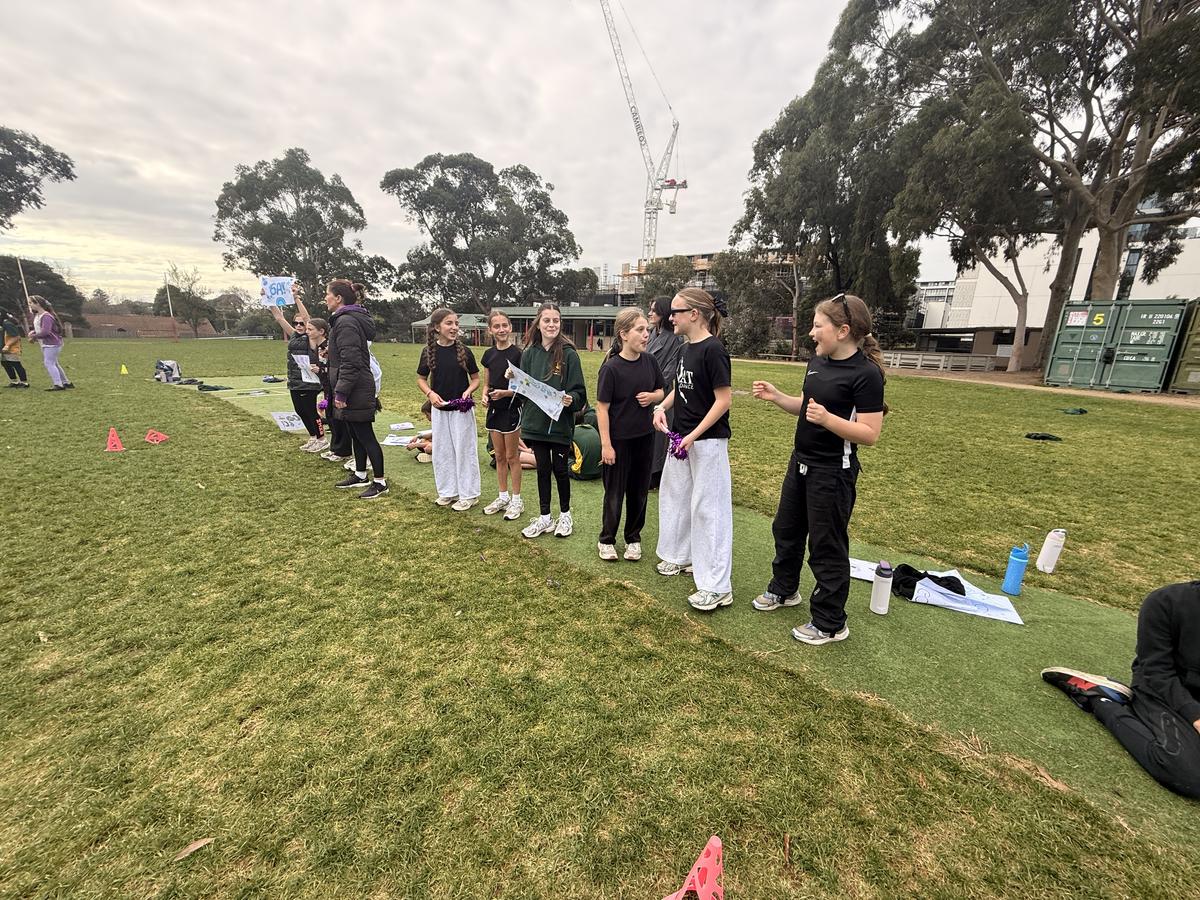
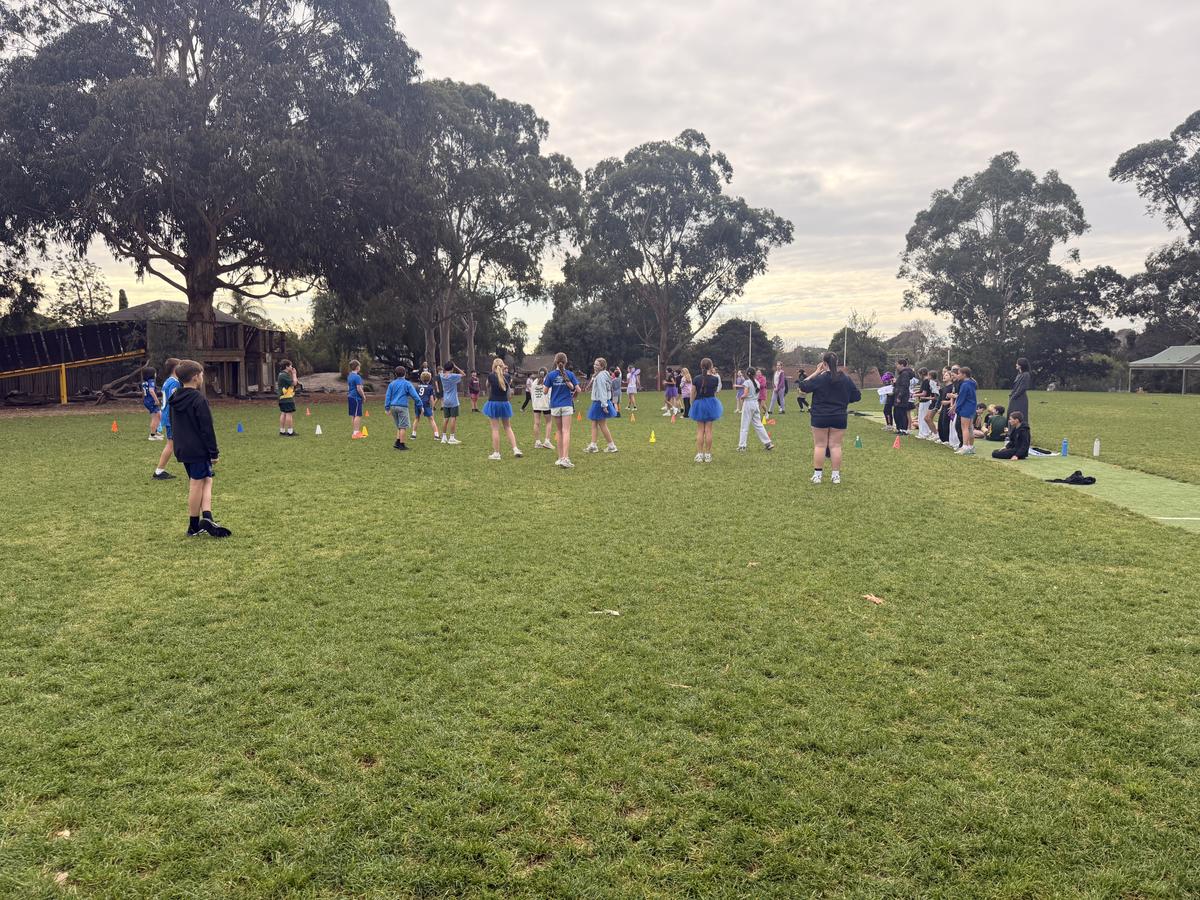
Of course, we must not forget one of the major announcements made during the final days of Term 2—the winners of the Challenge Cup! This term, the cup will be proudly housed in the classroom of the Term 2 winners: 6C.
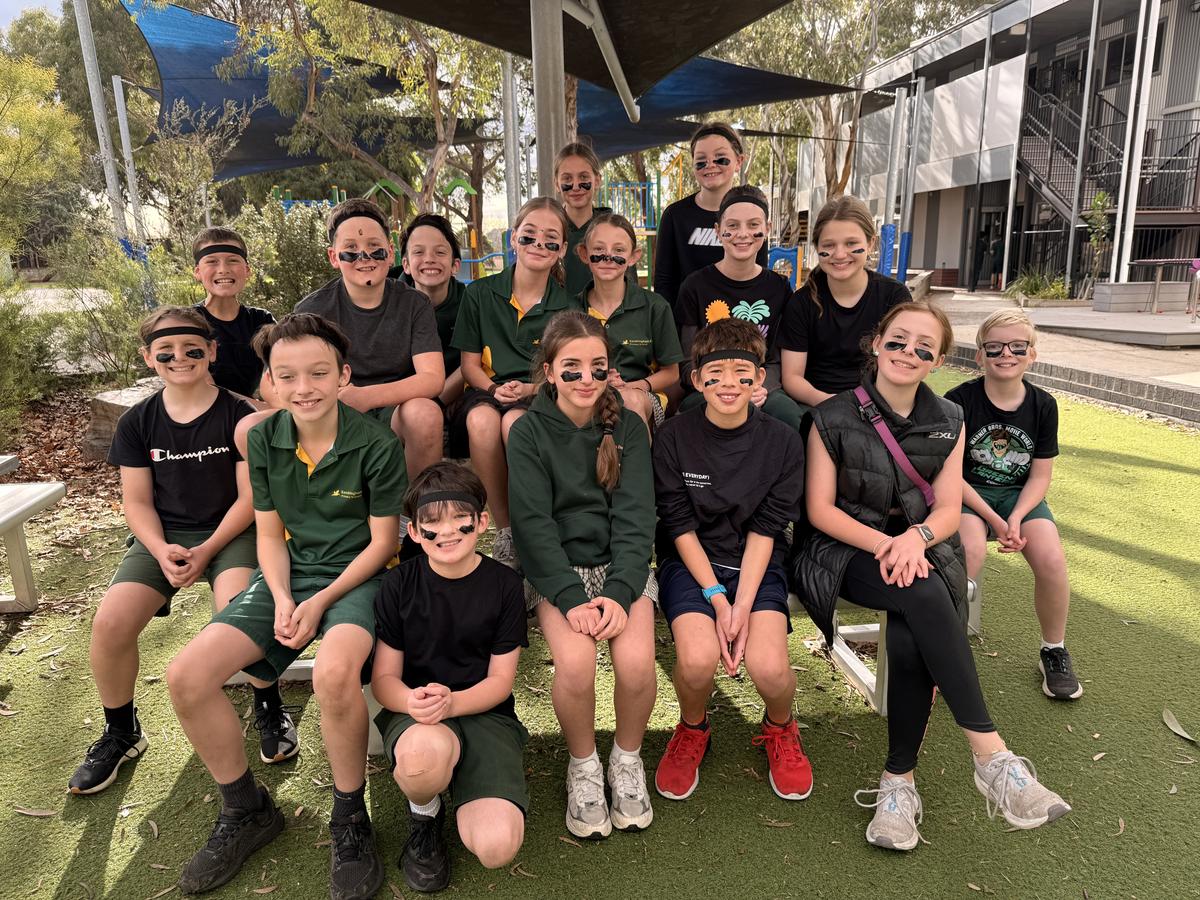
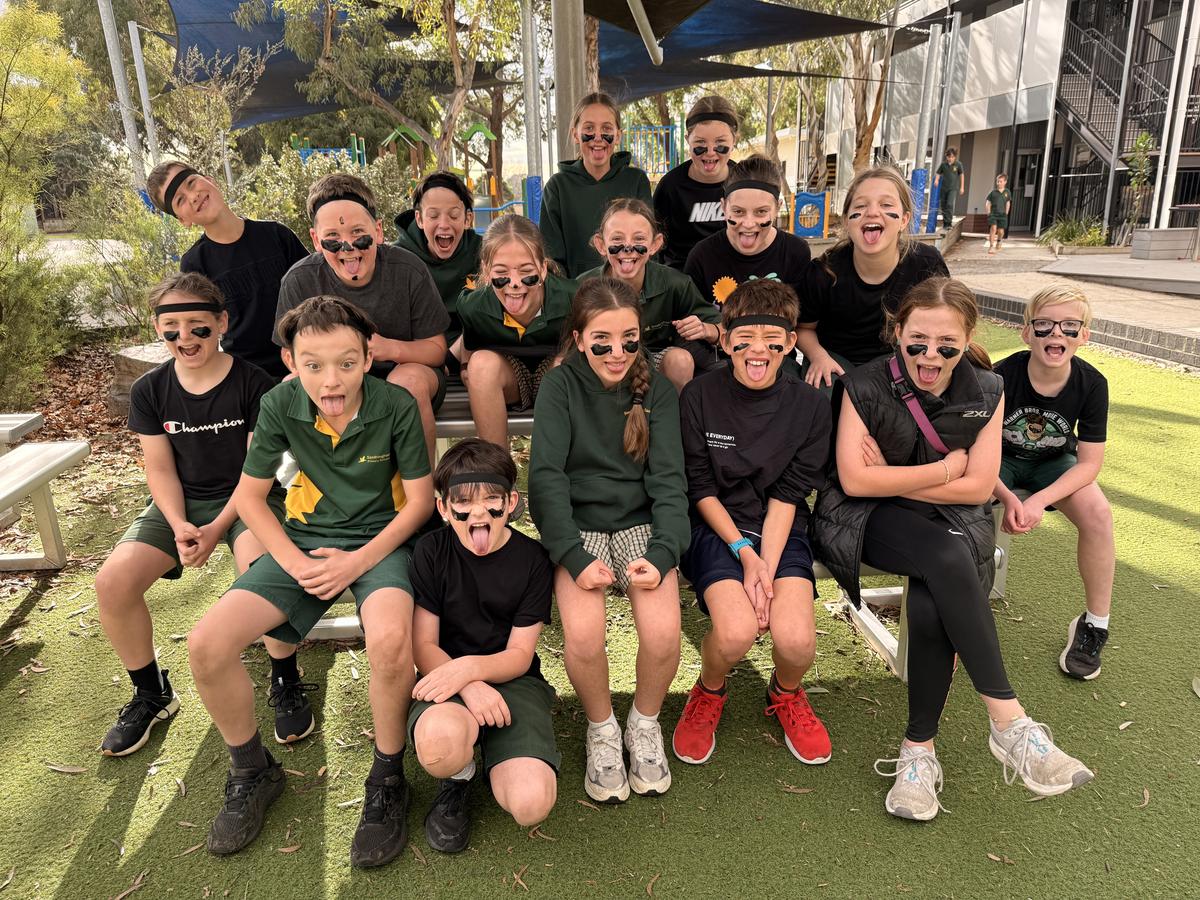
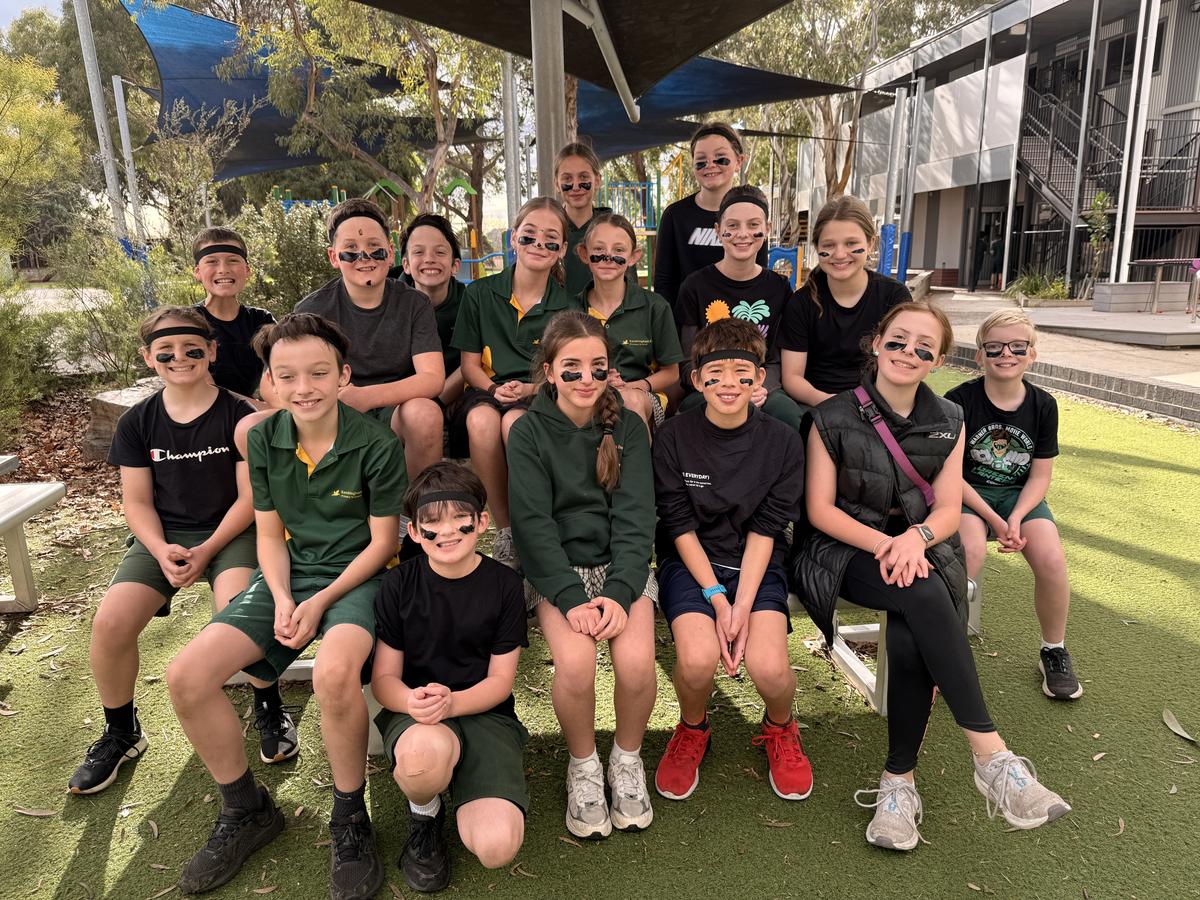
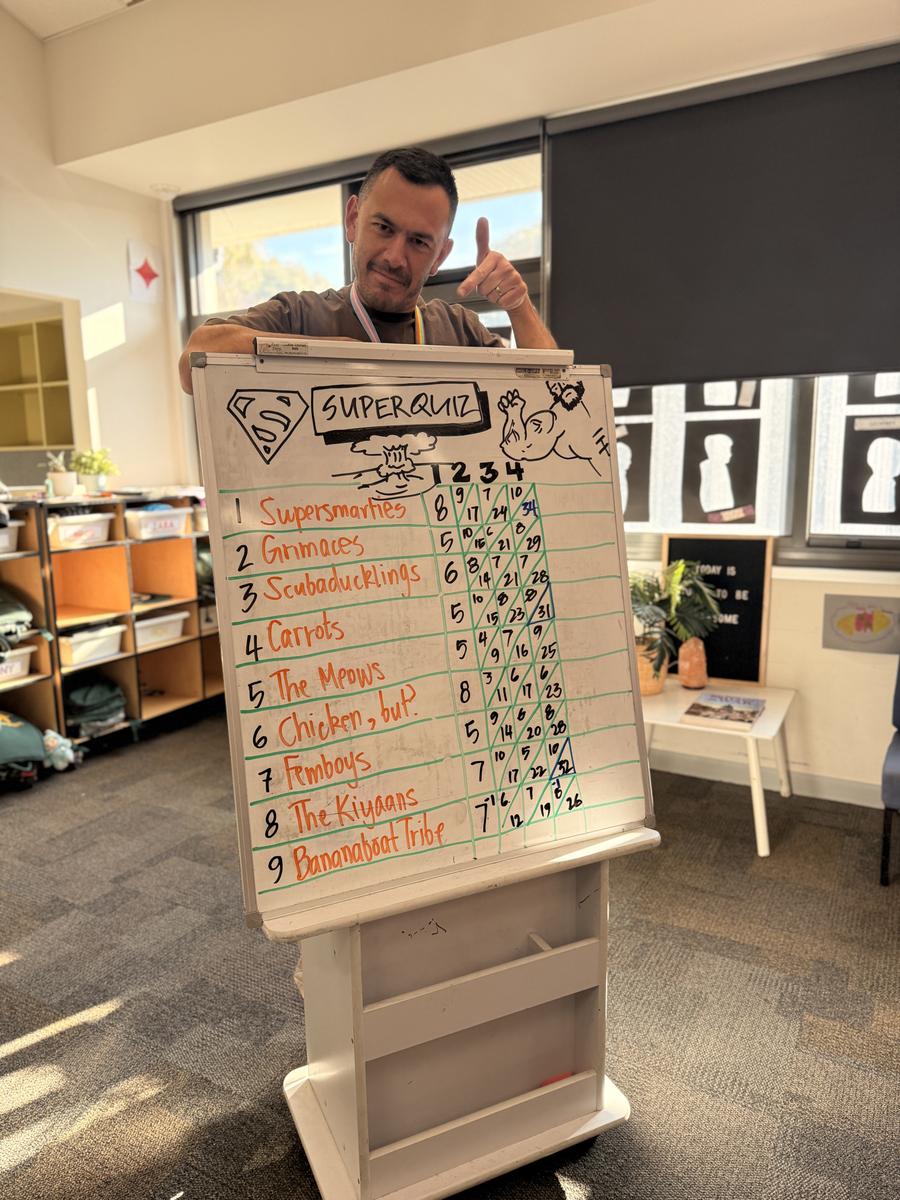
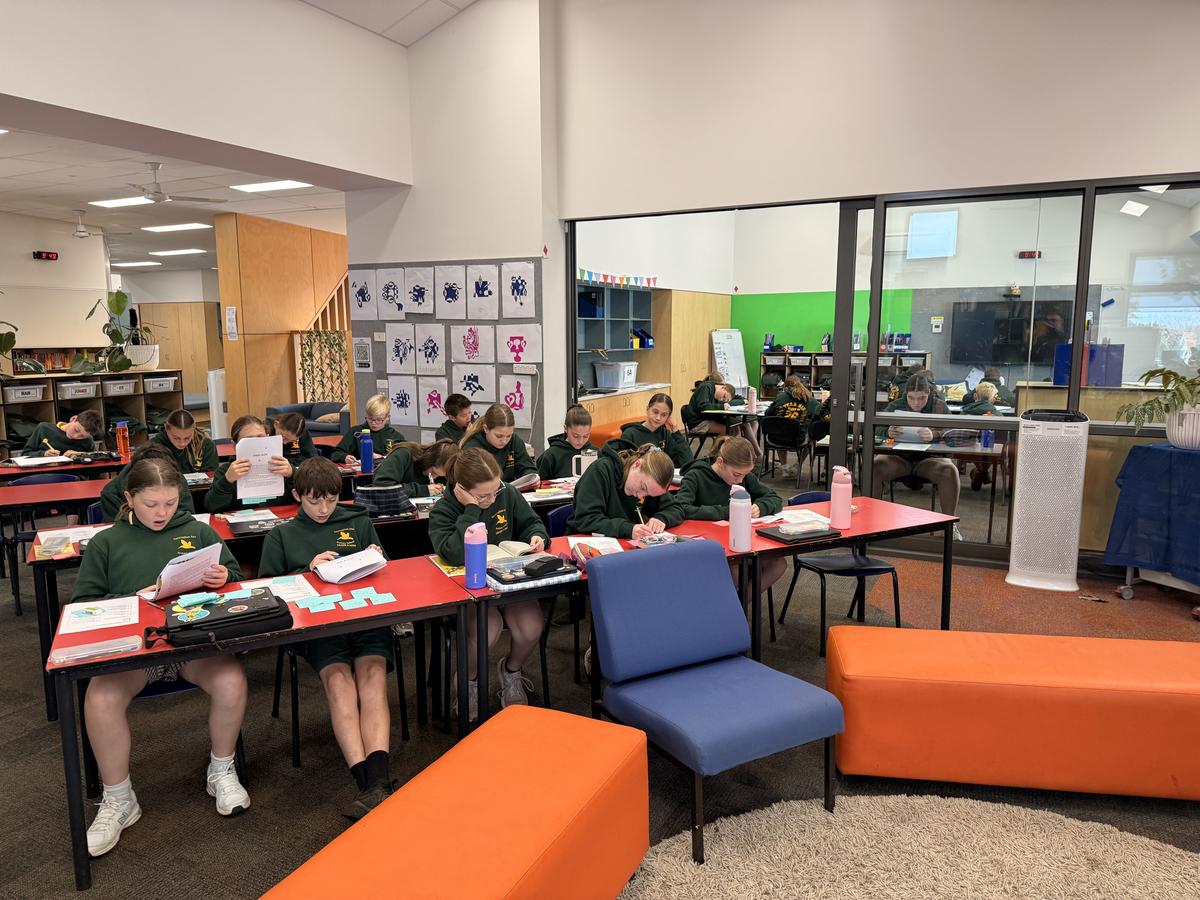
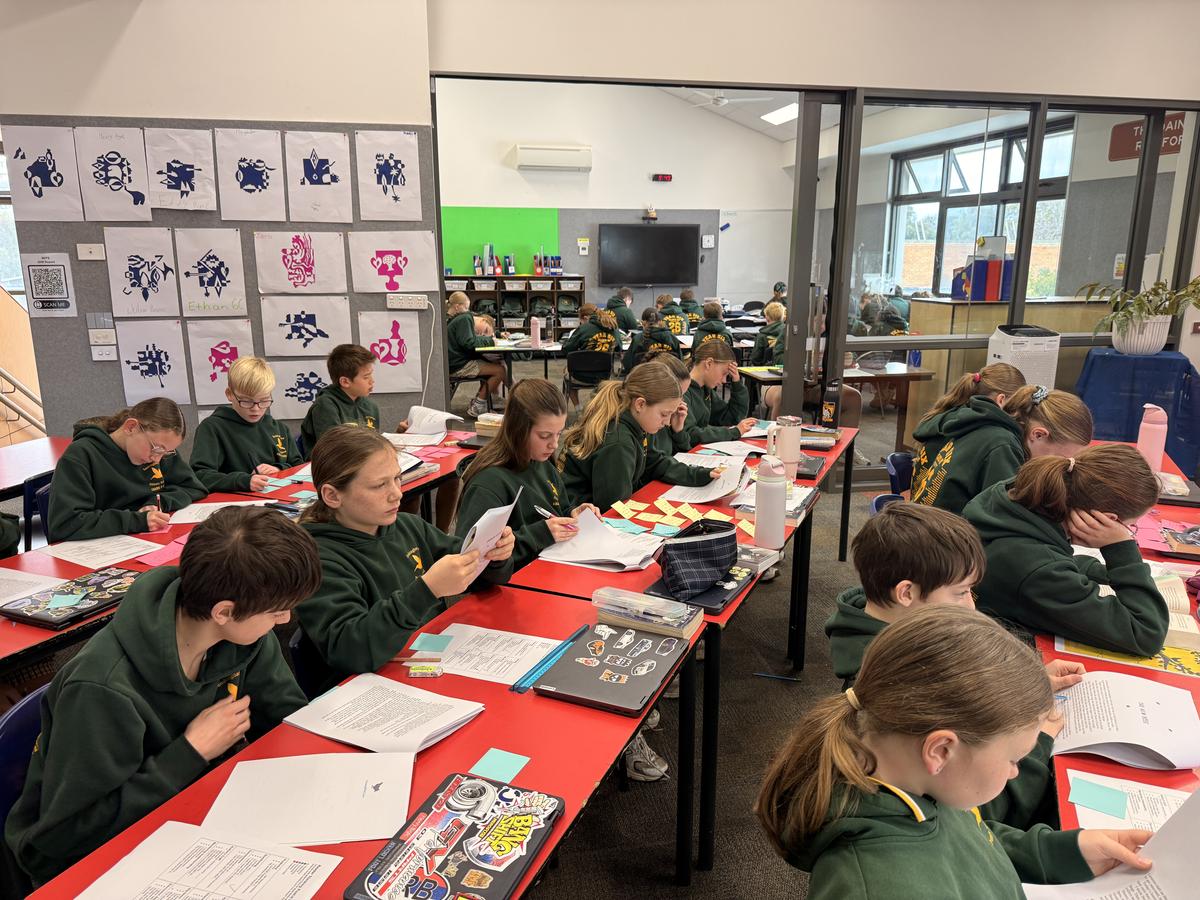
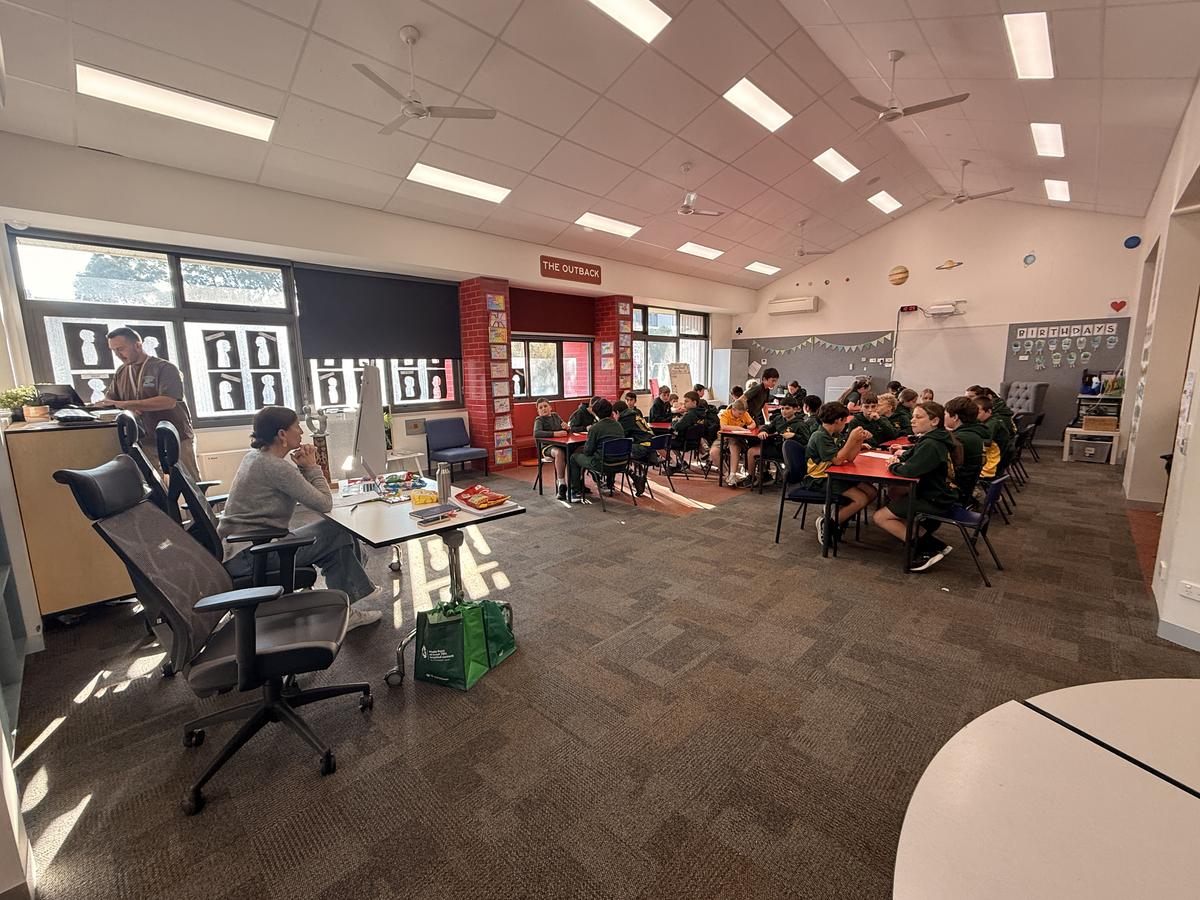
Also pictured below are some moments from the Challenge Cup activities and our final-week Superquiz, during which we combined plenty of fun with a review of Term 2 learning. We have also included a few photographs of students working during Literacy, including an activity focused on responding to reading.
The term has started well in Year 6 Maths. It is great to have all teachers available and able to contribute fully to the program.
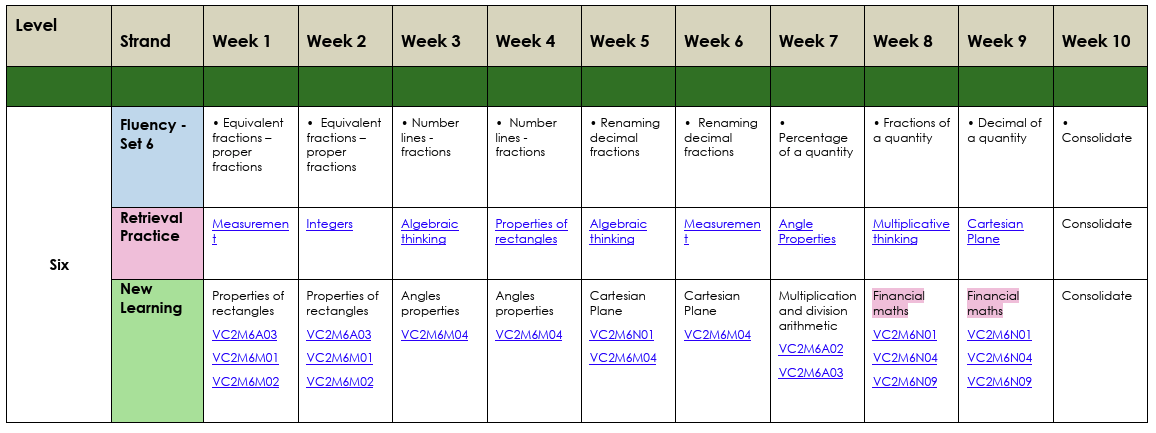
Our planning is well underway, with a clear learning sequence for the term and assessments incorporated into each fortnight. An outline of the term’s learning is shown in the image below.
This week, in Week 2, we will conclude our work on the properties of rectangles and complete an assessment at the end of the week. In Week 3, we will commence our unit on angles.
Much of the learning during the first few weeks is not entirely new conceptual work. Instead, students are revisiting, consolidating and extending their previous learning. This is an important part of mathematics because it helps students transfer mathematical knowledge into their long-term memory.
This is also why Retrieval Practice is built into our Mathematics program. Retrieval Practice gives students regular opportunities to recall and apply previously learned concepts, rather than learning them once and quickly forgetting them.
This term, we have also continued the Mathematical Fluency initiative introduced in Term 2. This whole-school program takes place immediately after recess on most days of the week and provides students with regular opportunities to strengthen their accuracy, efficiency and confidence with essential mathematical skills.
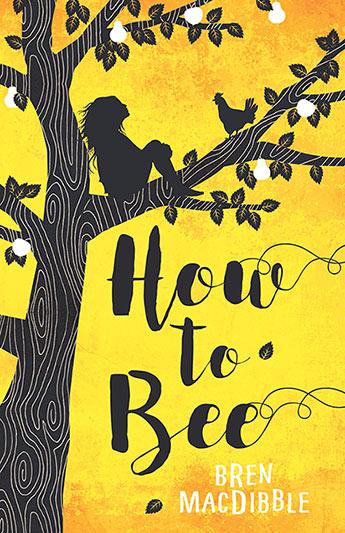
This term in Literacy, we have begun reading How to Bee by Bren MacDibble. Through this engaging novel, students are exploring its characters, plot and themes while continuing to develop their comprehension skills.
Students are learning to identify the complication within the story, summarise key events using evidence from the text and explain how the characters’ actions and decisions shape the storyline.
A major focus this term is the theme of family. Students are discussing how family relationships influence the characters and are using quotations from the novel to support their opinions and interpretations. They are also developing their writing by using complex sentences to explain their thinking clearly and in greater detail.
In Writing, students are beginning their journey into informative reports. They are learning about the purpose and structure of information reports, exploring the difference between factual and opinion-based language, and identifying the technical vocabulary used by authors.
Over the coming weeks, students will choose a topic they are passionate about before researching and writing their own informative report. They will begin by creating a strong introduction that captures the reader’s interest and clearly introduces their chosen topic.
This term, Year 6 students will blend Chemical Sciences with Health and Wellbeing. Using the periodic table as a metaphor, they will explore how identity, emotions and relationships can function like chemical systems.
Students will learn to navigate their changing bodies, emotional triggers and social boundaries while also studying reversible and irreversible chemical reactions.
Our learning will explicitly explore the physical and emotional changes associated with puberty, self-regulation and respectful relationships. Alongside these health concepts, students will develop their personal and social capabilities while applying geographical mapping skills to examine community standards and peer environments.
To demonstrate their learning, students will complete a range of creative projects that bridge science and real-life experiences. We will map our strengths by creating a Human Periodic Table of the Elements and develop a reactivity chart to identify our emotional triggers and stabilisers.
Finally, students will write a scientific-style “lab report” analysing a hypothetical peer conflict and prescribing specific boundaries and strategies to safely restore social balance.
We can’t promise there won’t be any actual explosions in the lab, but we are definitely aiming for 100% positive chemistry in the classroom!
As many families are aware, Australia has introduced world-leading legislation requiring social media platforms to restrict accounts for children under the age of 16.
This move reflects growing concerns about the impact of social media on young people’s wellbeing, including exposure to harmful content, cyberbullying and excessive screen use. Australia is not alone, with more than 20 countries now implementing or considering similar measures.
As our Year 6 students prepare for secondary school and increasing independence online, we encourage families to continue having open conversations about responsible technology use, digital citizenship and healthy online habits.
By working together, schools and families can help young people develop the skills they need to navigate the digital world safely and confidently.
Sources: Reuters, Neos Kosmos and the eSafety Commissioner.
Online safety for children continues to be an important conversation for families, schools and governments.
Australia has recently taken a world-leading role through its new under-16 social media laws, with other countries, including the United Kingdom, now moving to strengthen their own protections for young people online.
This issue has also gained the attention of major technology companies, with Apple recently announcing strengthened child-safety features after CEO Tim Cook spoke with Prime Minister Anthony Albanese about Australia’s approach.
The attached article provides timely context for families, highlighting new research into the impact of heavy social media use on children aged 12 and 13.
We encourage parents and carers to read it as a starting point for calm and practical conversations at home about screen time, online friendships, app use and healthy digital boundaries.
We hope you and your children enjoy the beginning of Term 3. Please come and speak with us if there are any issues or concerns. We are always here to assist.