Wellbeing
Josie Burt - Mental Health and Wellbeing Leader
Simone Patterson - Art & Wellbeing
Jenny Greenway - Performing Arts & Wellbeing
Wellbeing
Josie Burt - Mental Health and Wellbeing Leader
Simone Patterson - Art & Wellbeing
Jenny Greenway - Performing Arts & Wellbeing


This week at school, we have acknowledged "Bullying No Way" week and "National Science" week.

This year, Clayton North has been participating in the Bullying No Way: National Week of Action, from 17 to 21 August 2026.
Bullying No Way Week is a commitment being made by thousands of schools and supporters across the country. It provides an opportunity to demonstrate our commitment to bullying prevention. It gives us an opportunity to connect with students, staff and school communities to implement workable solutions to prevent bullying.
The theme for this year's campaign is Small Acts, Big Impact. It takes a community to address bullying behaviours, within and beyond the school gate.
Students can make a big impact through small acts of kindness and support for others being bullied. Trusted adults are there to guide children and young people as they learn how small, thoughtful actions can create a positive difference and encourage reporting of bullying.
This Bullying No Way Week, we’re encouraging you to embrace the theme Small Acts, Big Impact. Show kindness, support others and take meaningful steps to stand up against bullying.
For more information about Bullying No Way Week and bullying prevention, visit the Bullying No Way website
Families play an important role in helping children understand bullying and know how to respond to it.
If your child tells you about things at school, or you observe something in public that involves conflict or bullying, take the opportunity to talk about what bullying is. You can learn more about what defines bullying at bullyingnoway.gov.au.
Questions you could ask:
What do you think bullying is?
Have you seen it? How did you feel?
Have you ever felt scared at school because of bullying?
As well as me, who are the other adults you would talk to when it comes to things like bullying?
Have you or your friends left other kids out on purpose? Do you think that was bullying? Why or why not?
Have you ever tried to help someone who is being bullied? What happened? What would you do if it happens again?
Remind your child that bullying is never okay and discuss how they can respond safely if they experience or witness it.
Encourage them to seek help from a trusted adult and keep seeking support if needed.
By promoting open communication, we empower children to stand up against bullying and create a safer environment where everyone can feel that they belong.
For more information, visit bullyingnoway.gov.au.
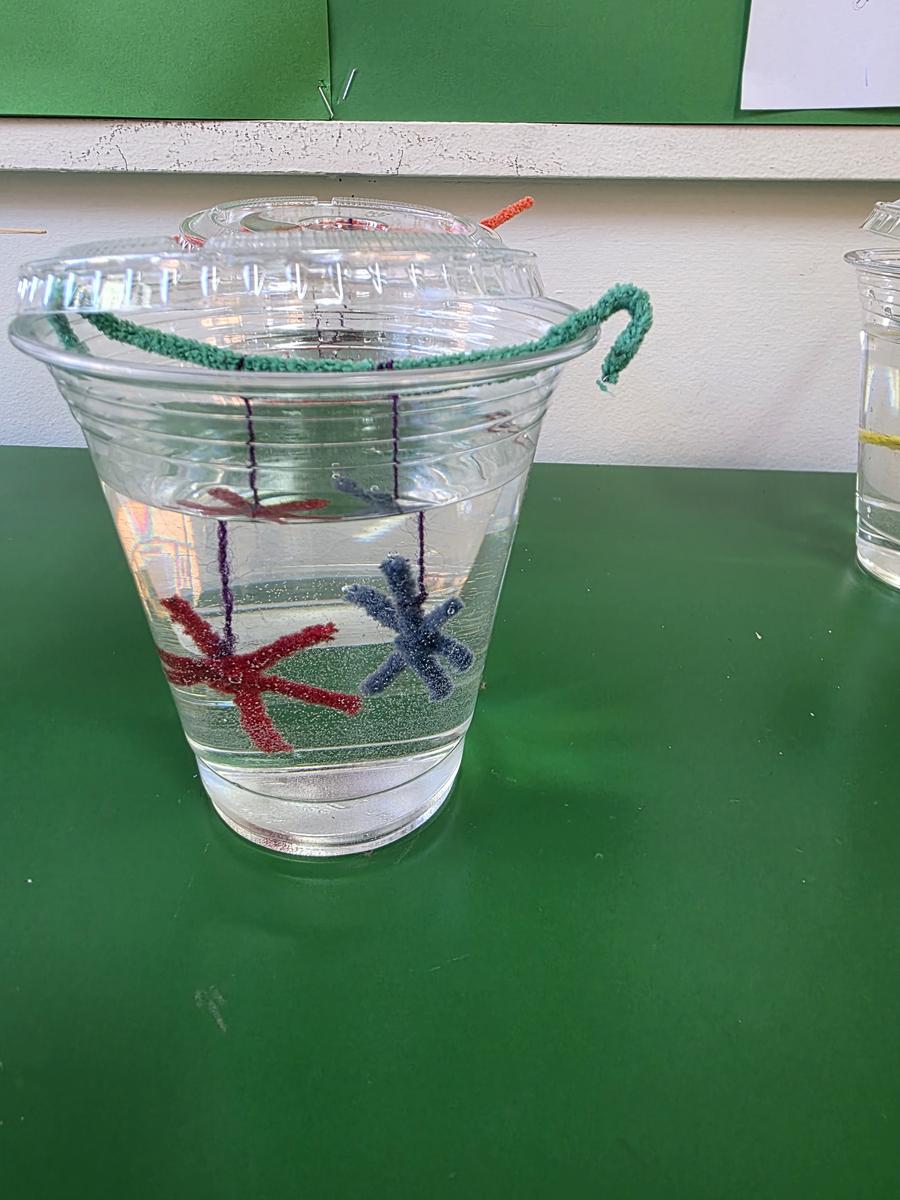
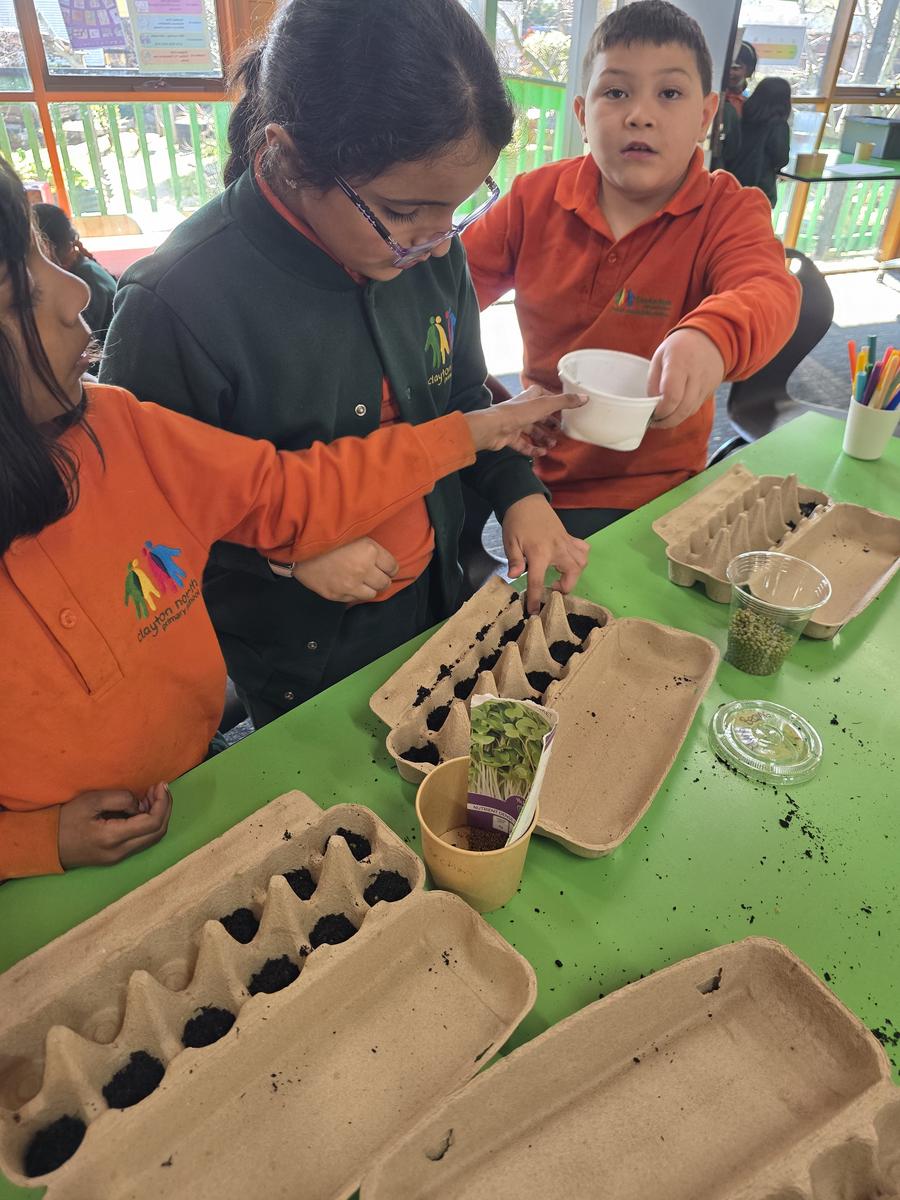
The theme of seeds and nurturing knowledge has allowed students in class and during lunchtime clubs to study seeds germinating, different shape and growth patterns in seeds and observing change in crystal formation.
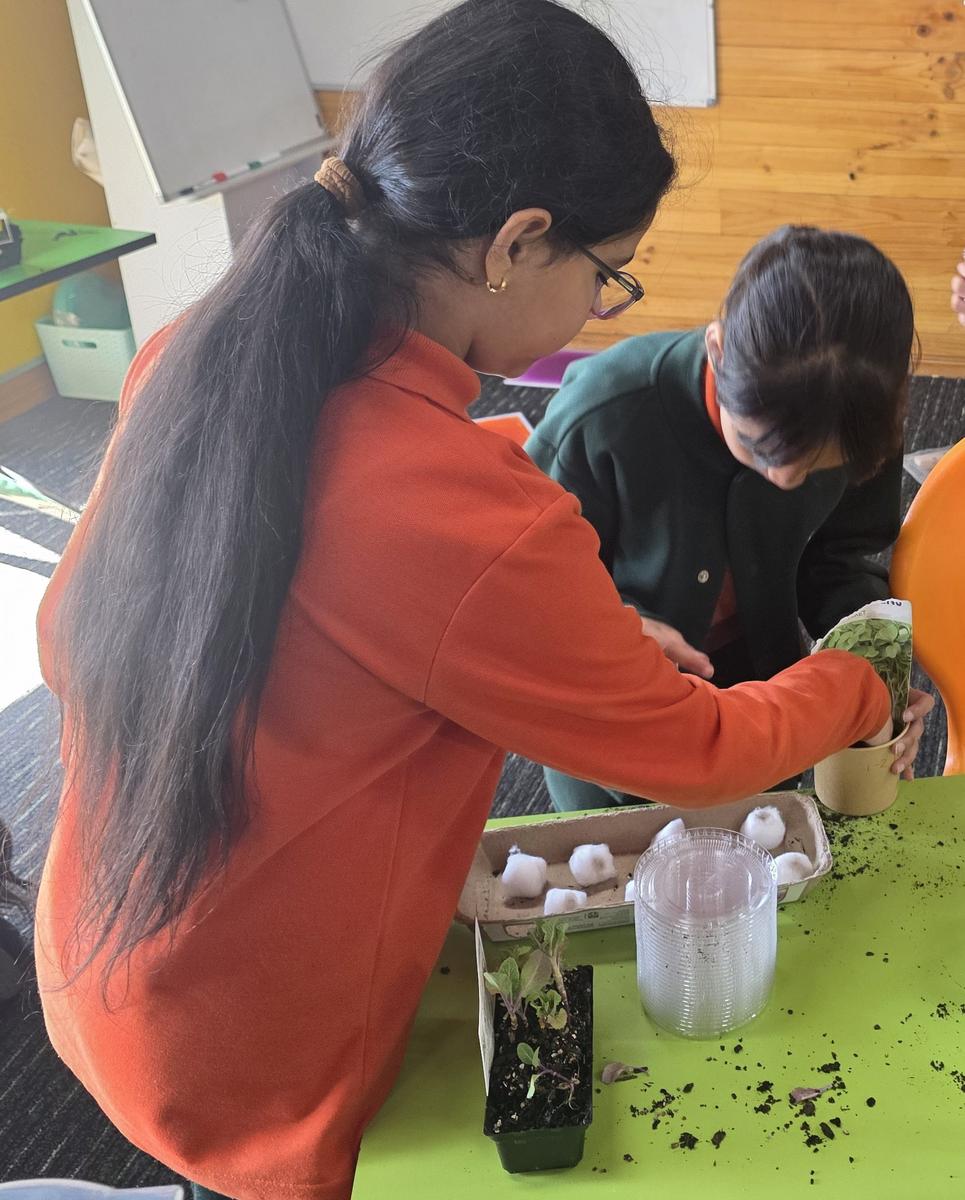
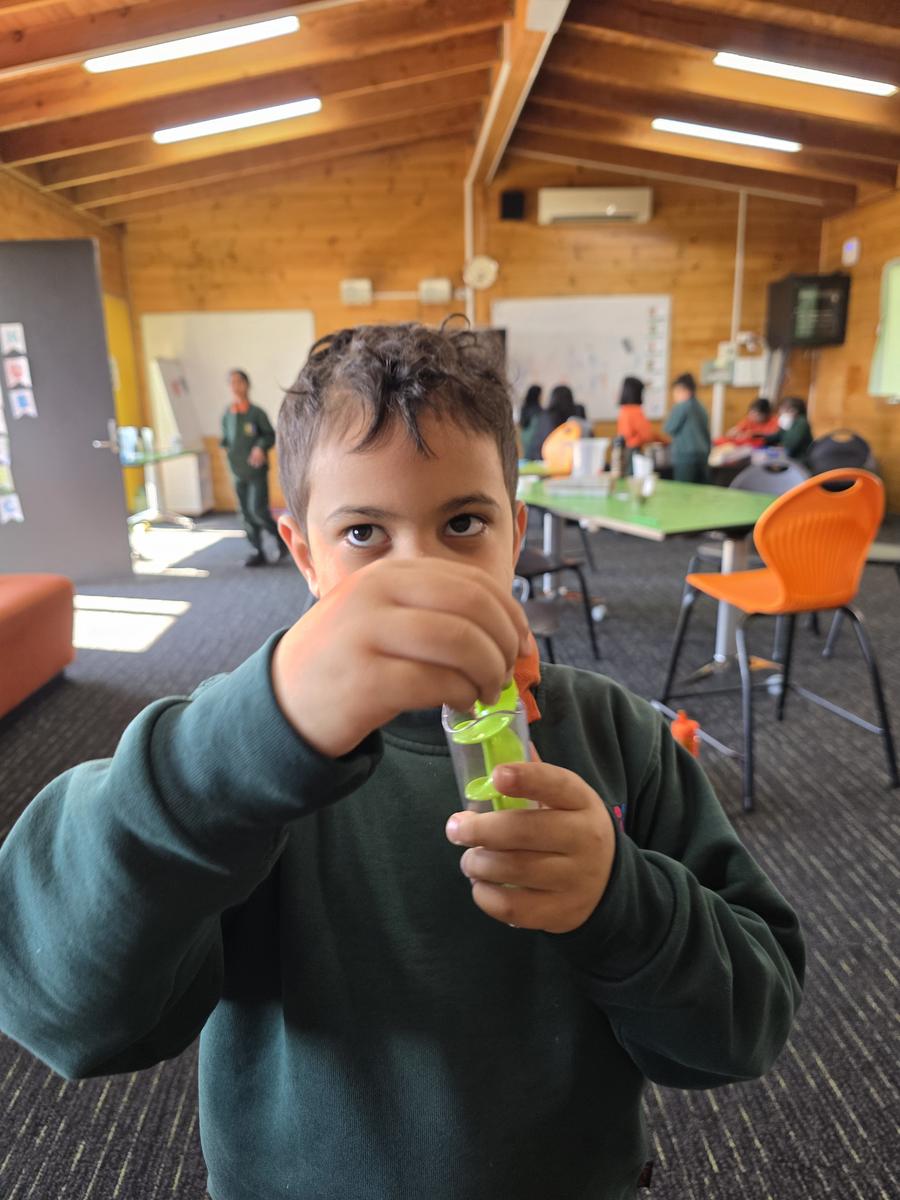
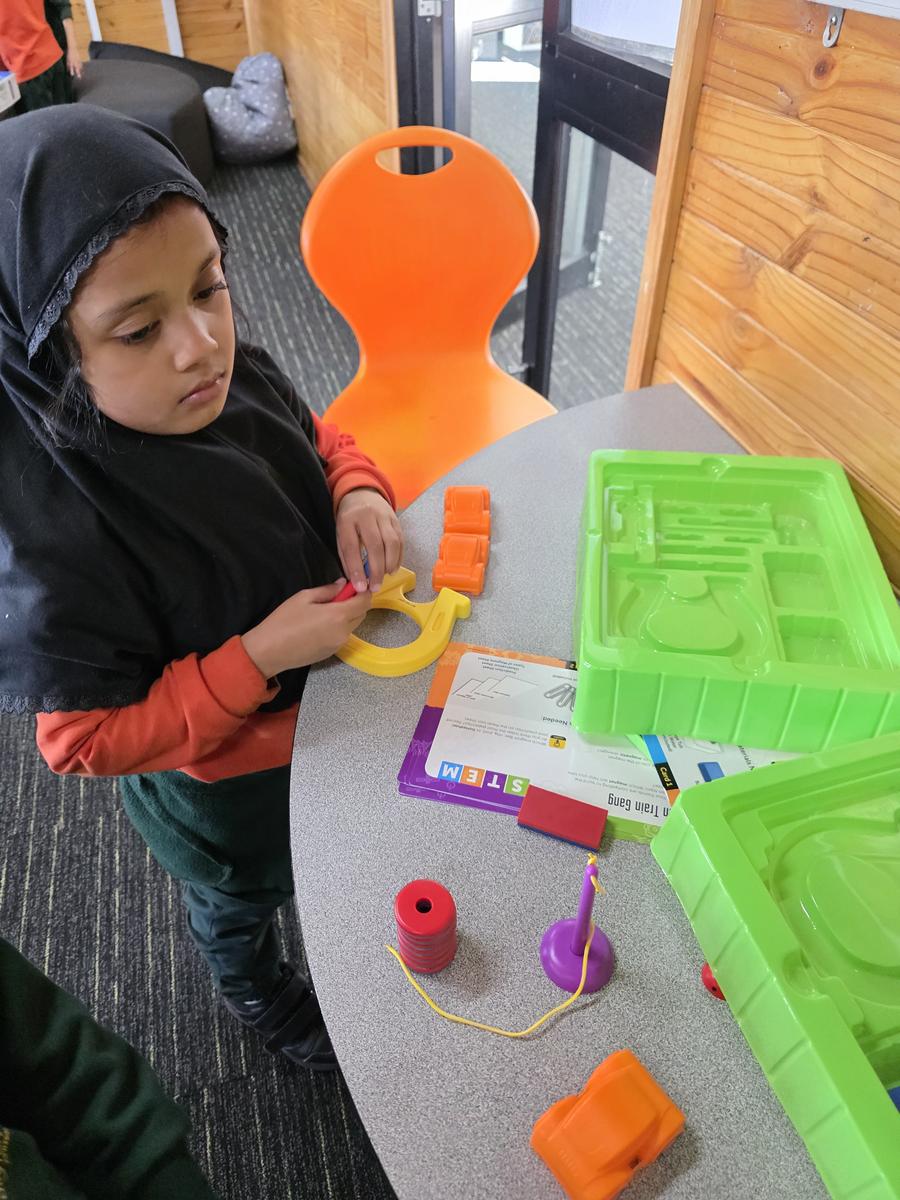
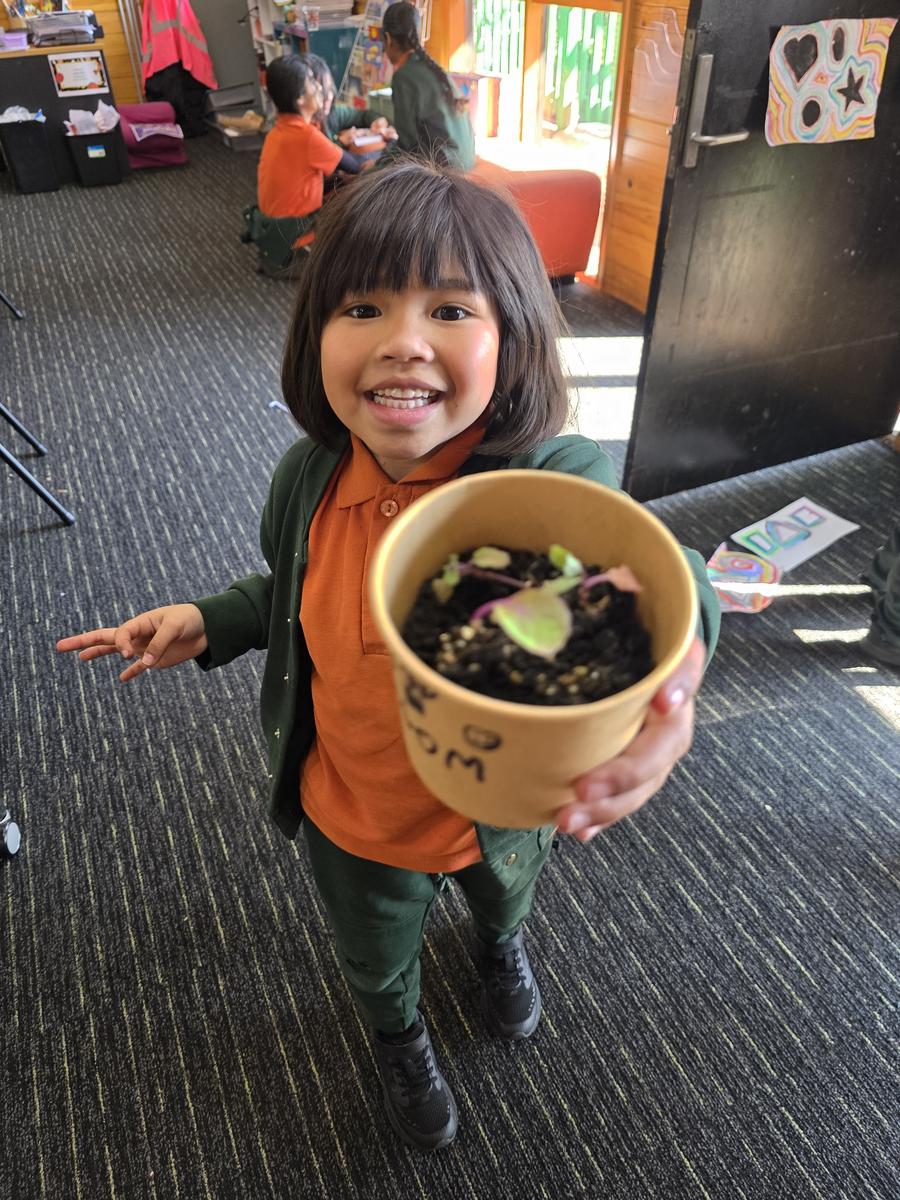
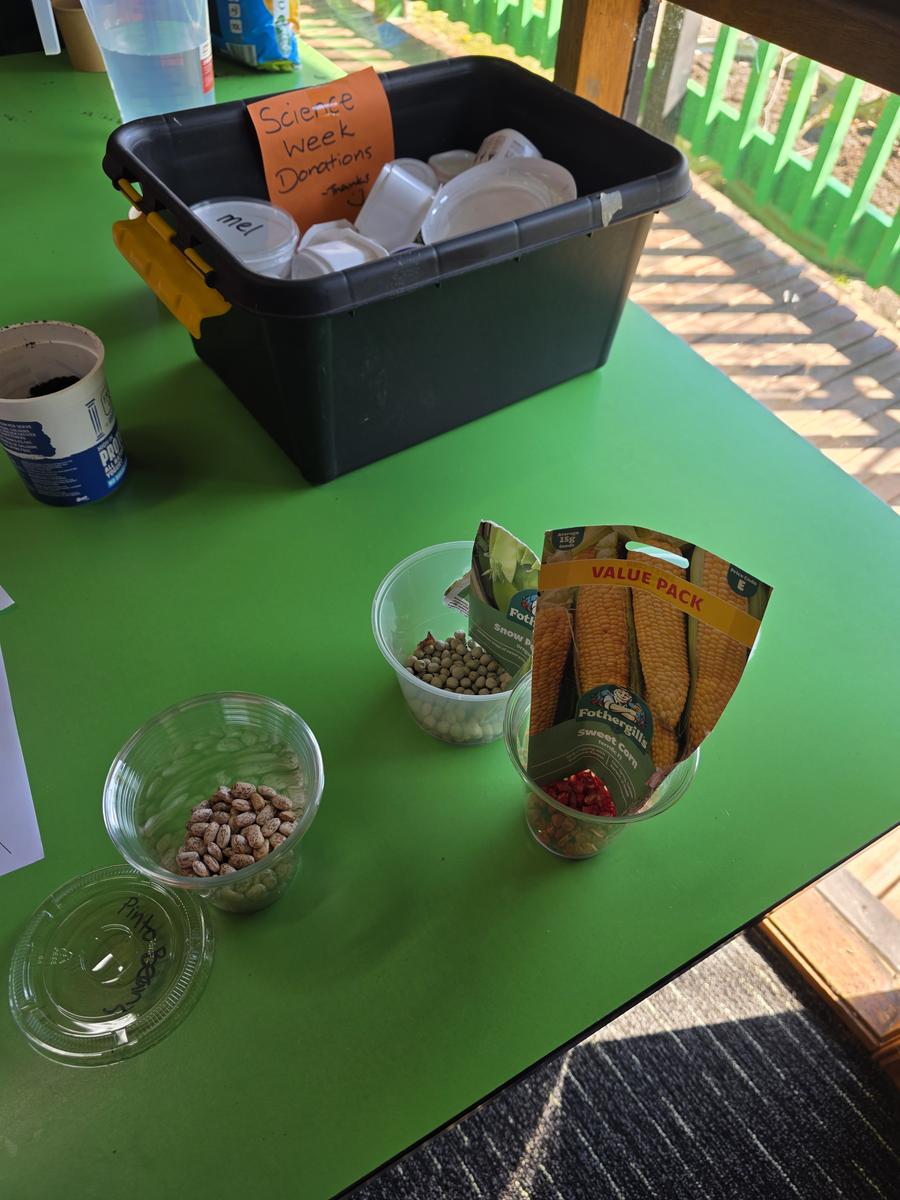
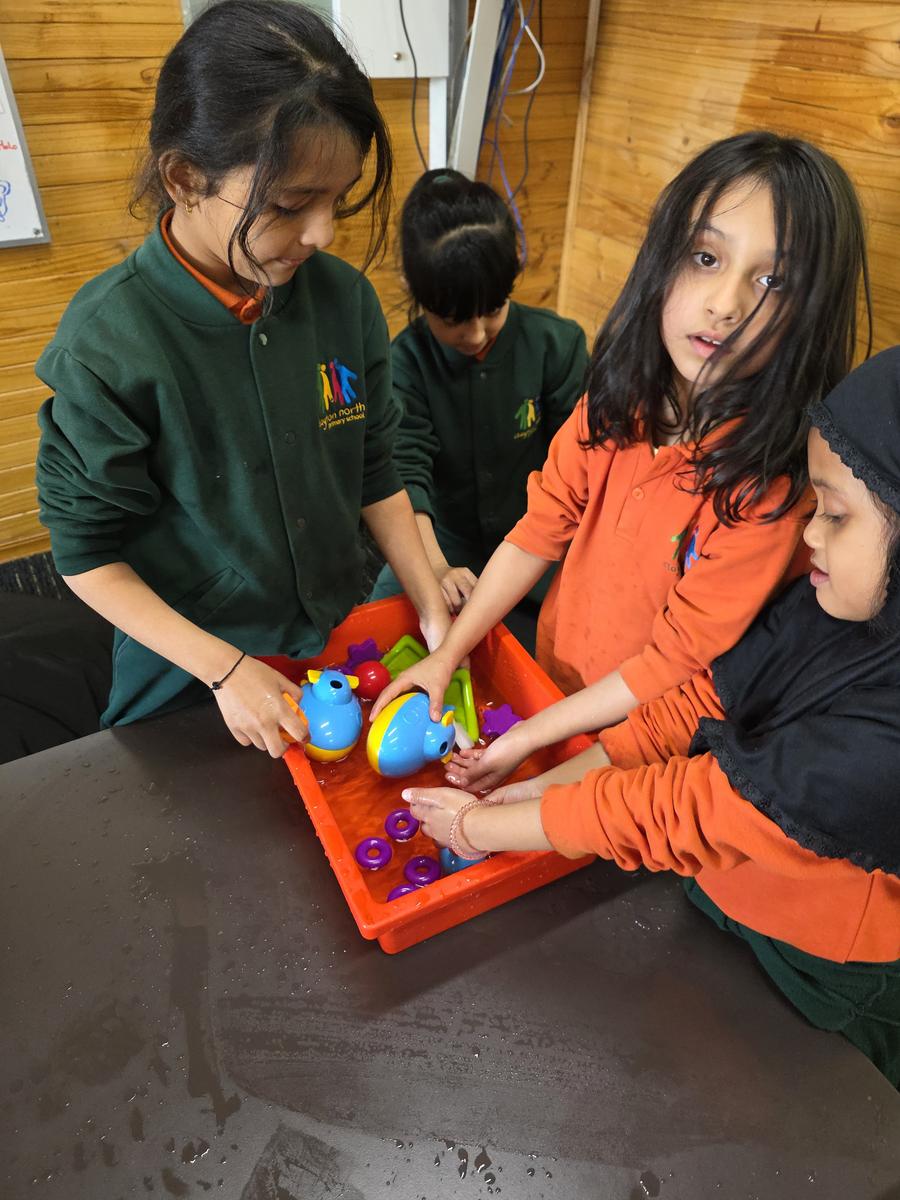
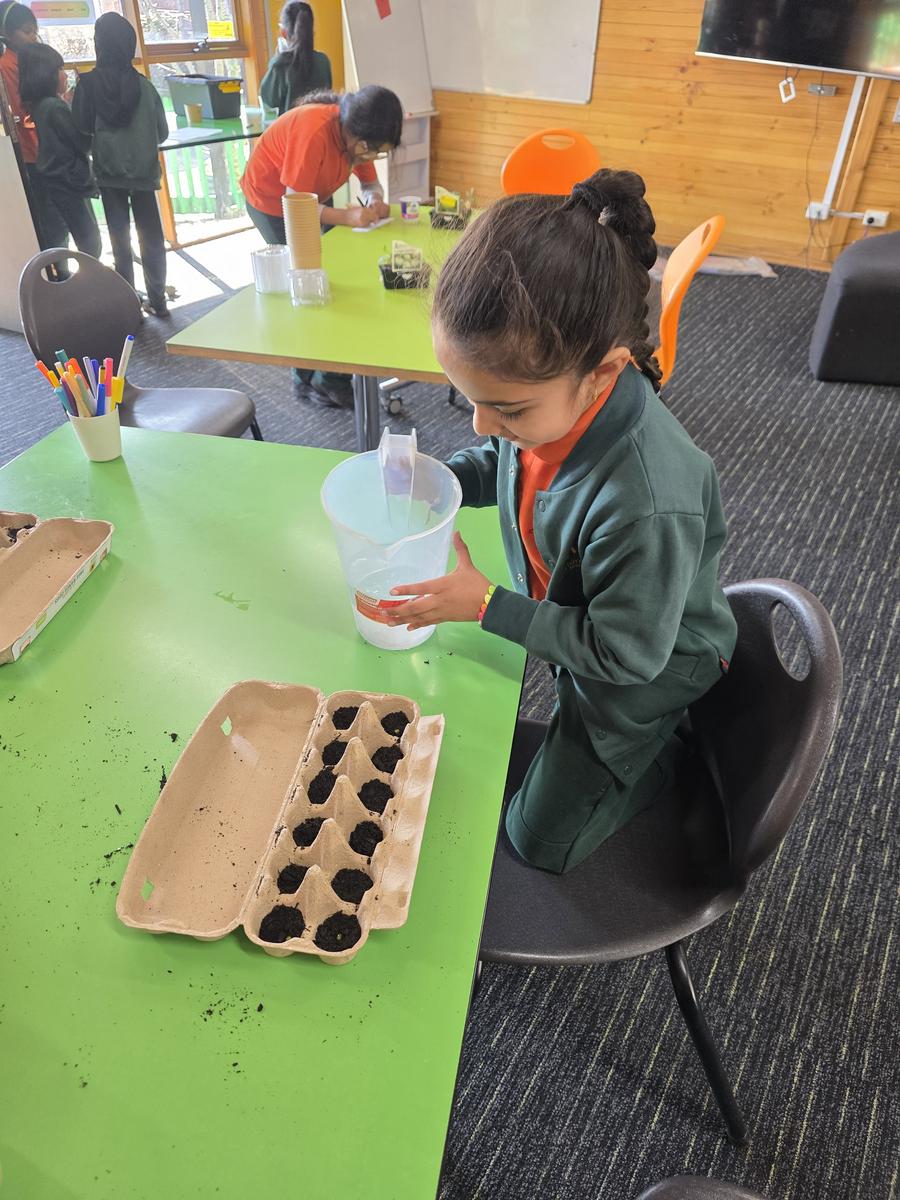
Lunchtime clubs have had a science week focus this week. Students have:
Tested out the science kits for - floating and sinking, magnets and building machines
worked collaboratively to set up rocket seed trays,
planted corn, snow pea and bean seeds in the donated yoghurt tubs
planted cauliflower and cabbage seedlings.
We hope to have a large crop of small plants that can grow large enough to be transferred to the kitchen garden.
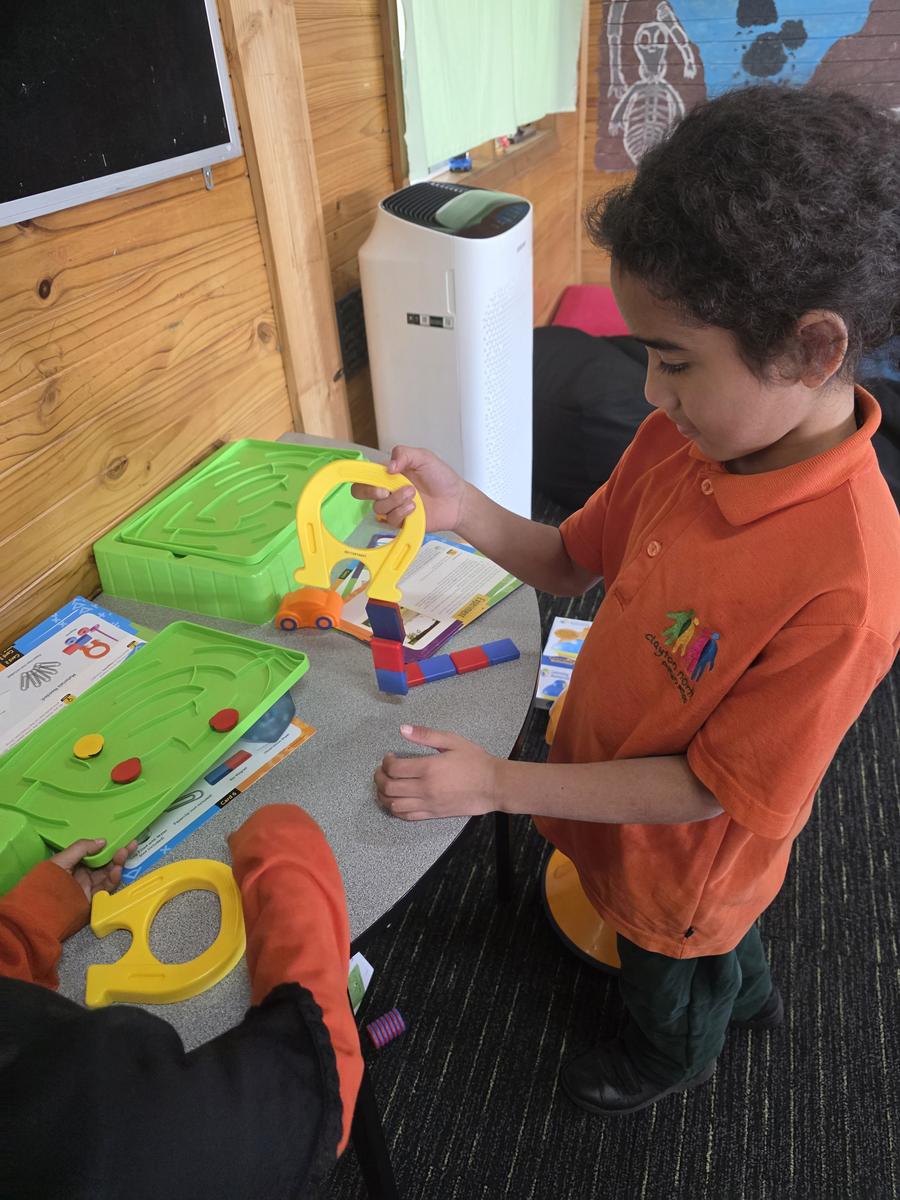
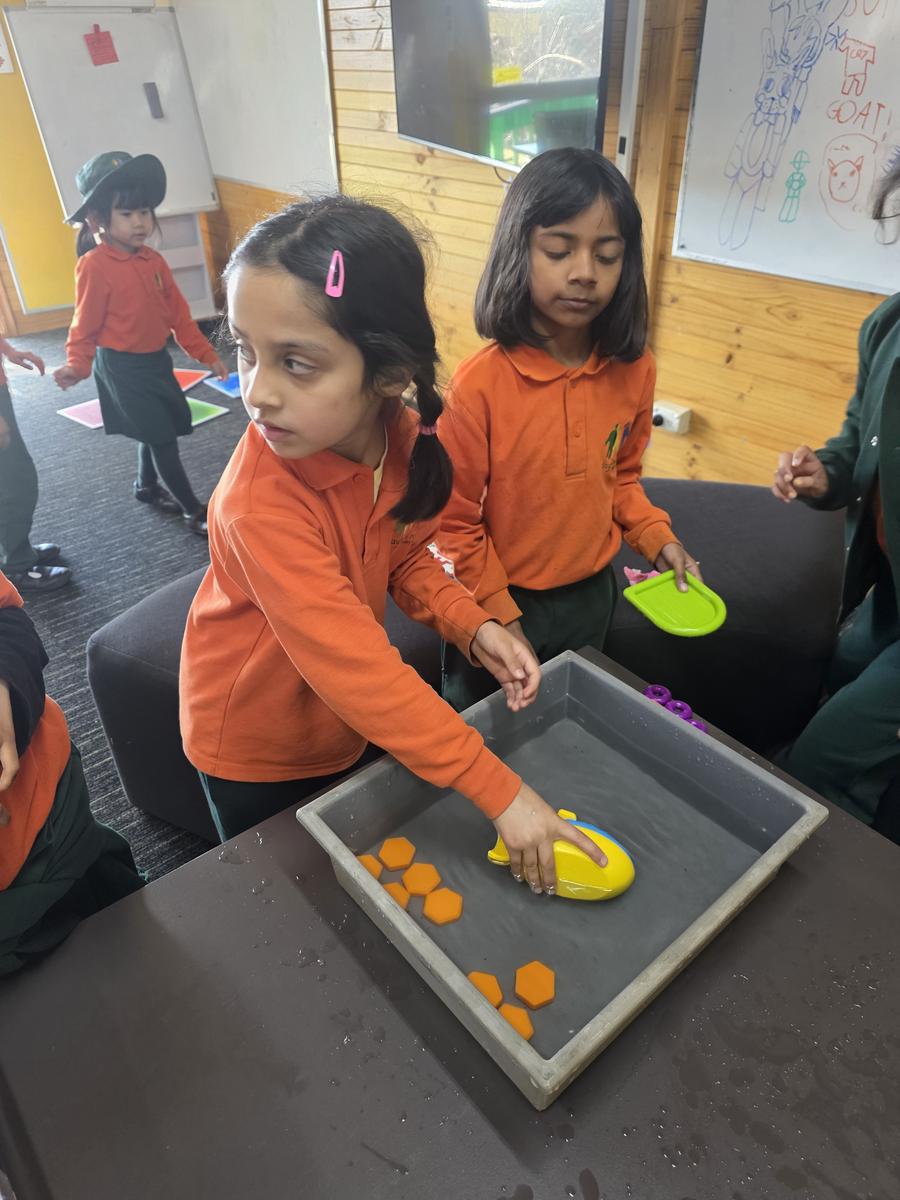
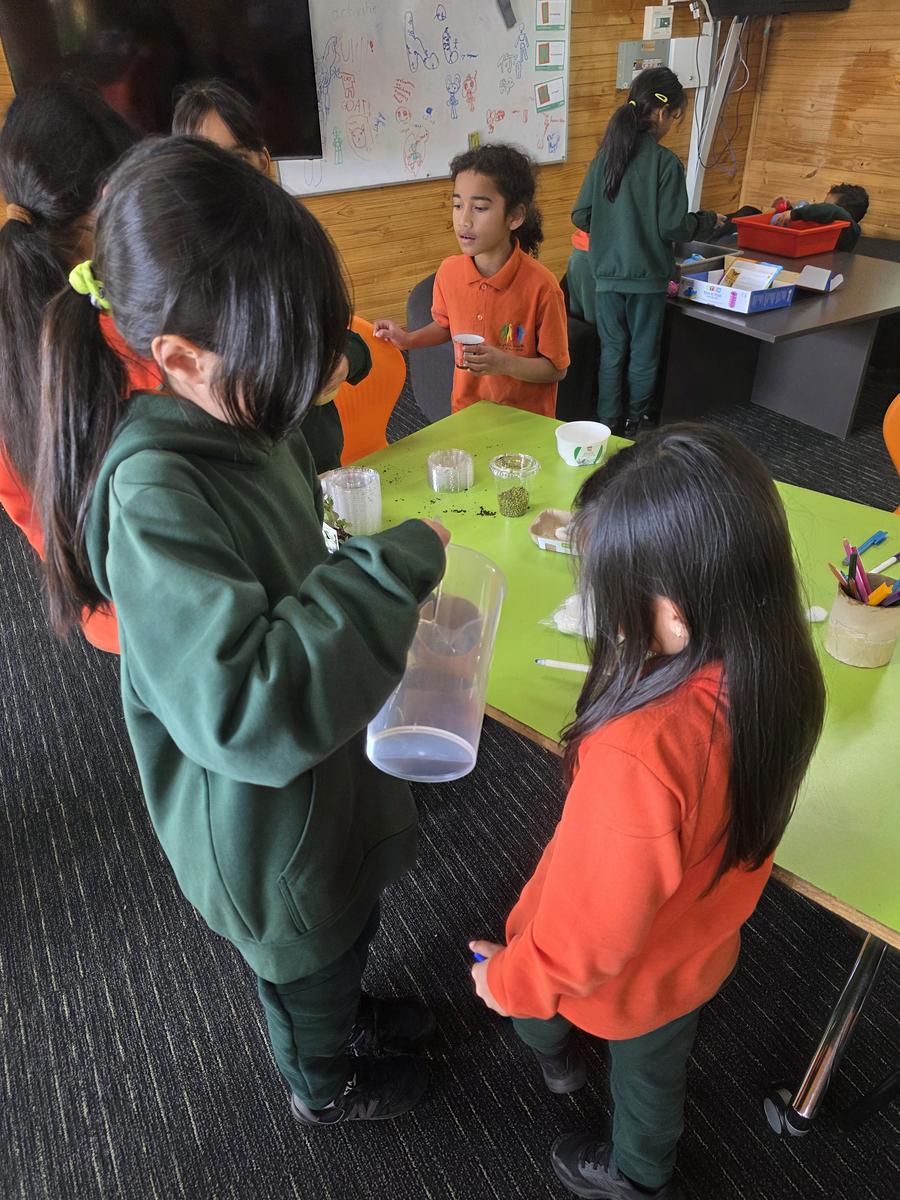
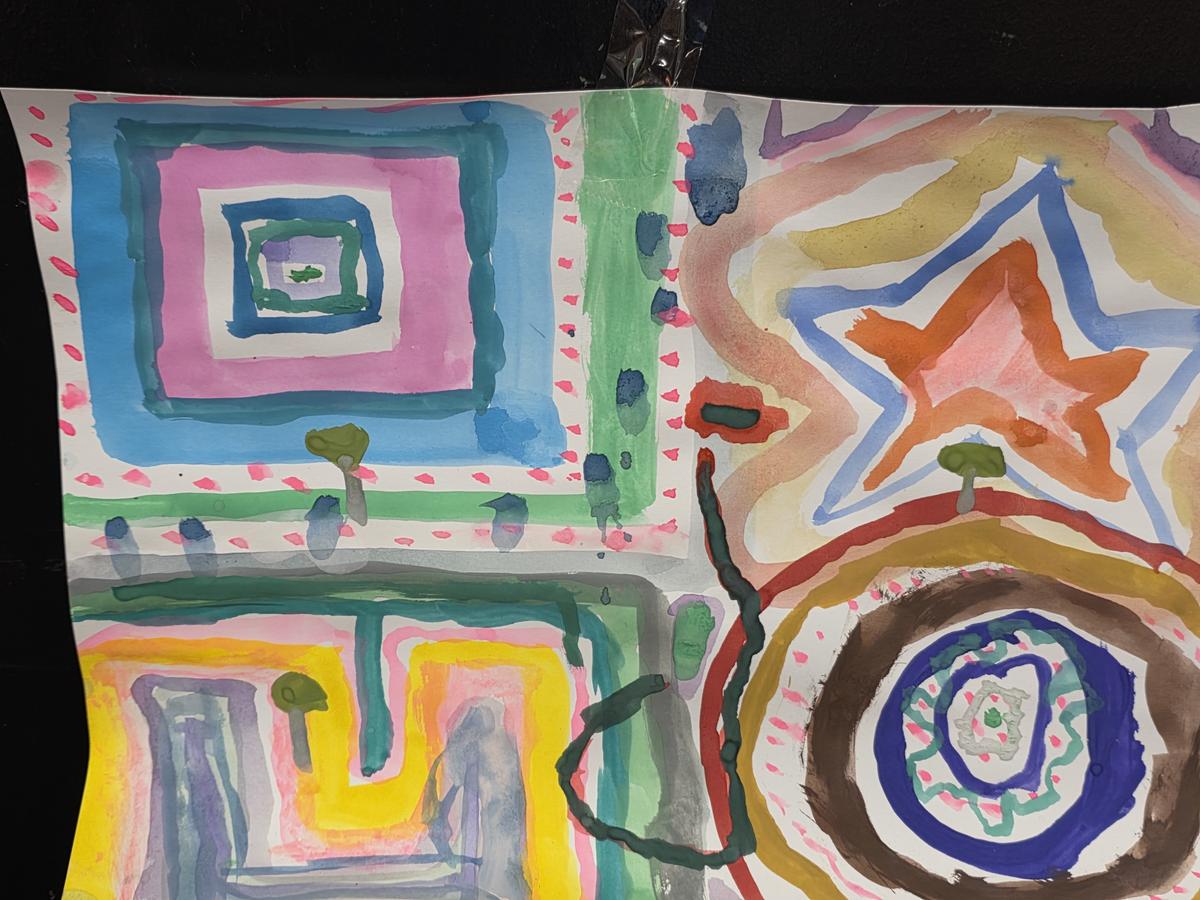
Over the last 3 weeks our focus has been identifying our feelings, what makes us feel a particular way as well as what we can do to get ourselves back to feeling good. Students have completed some mindfulness activities to learn some strategies to support emotional regulation and bringing ourselves back to a calm state.

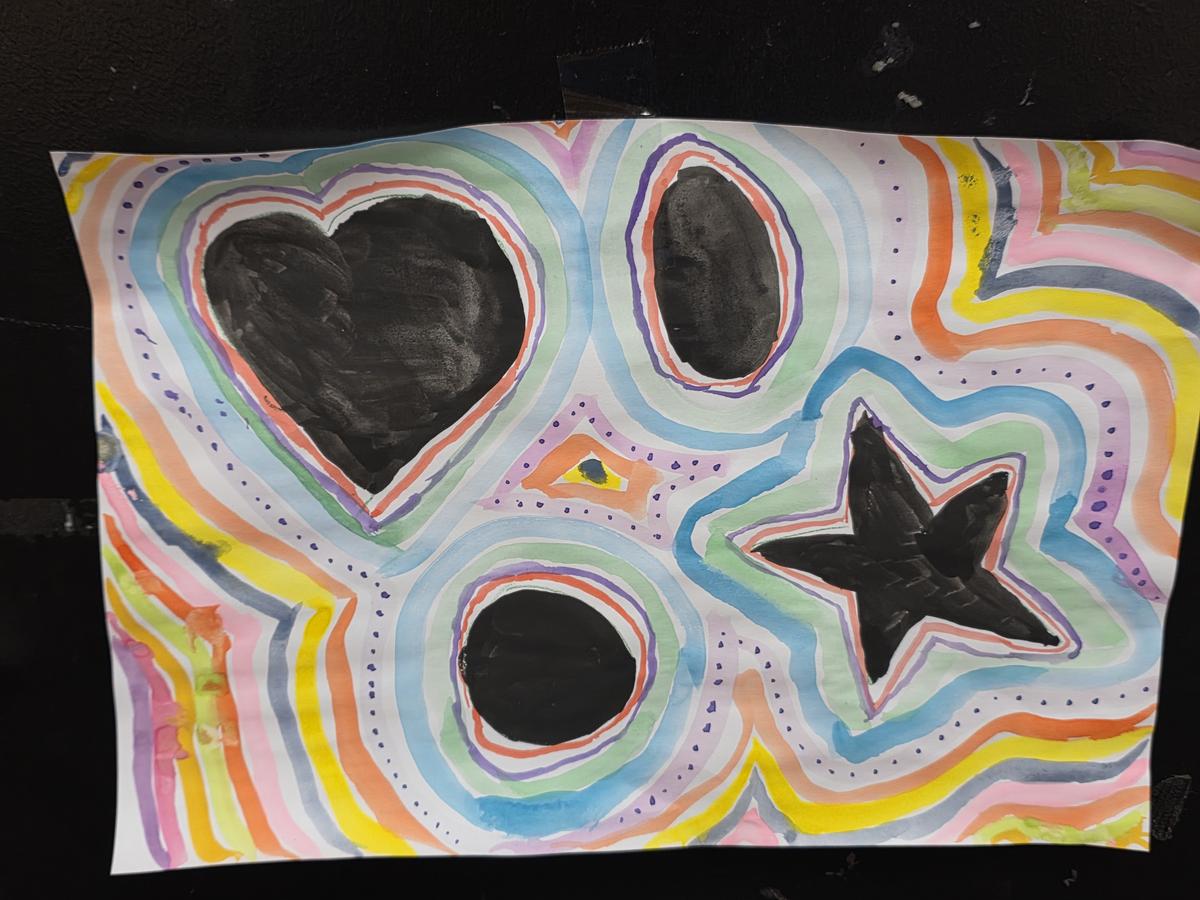
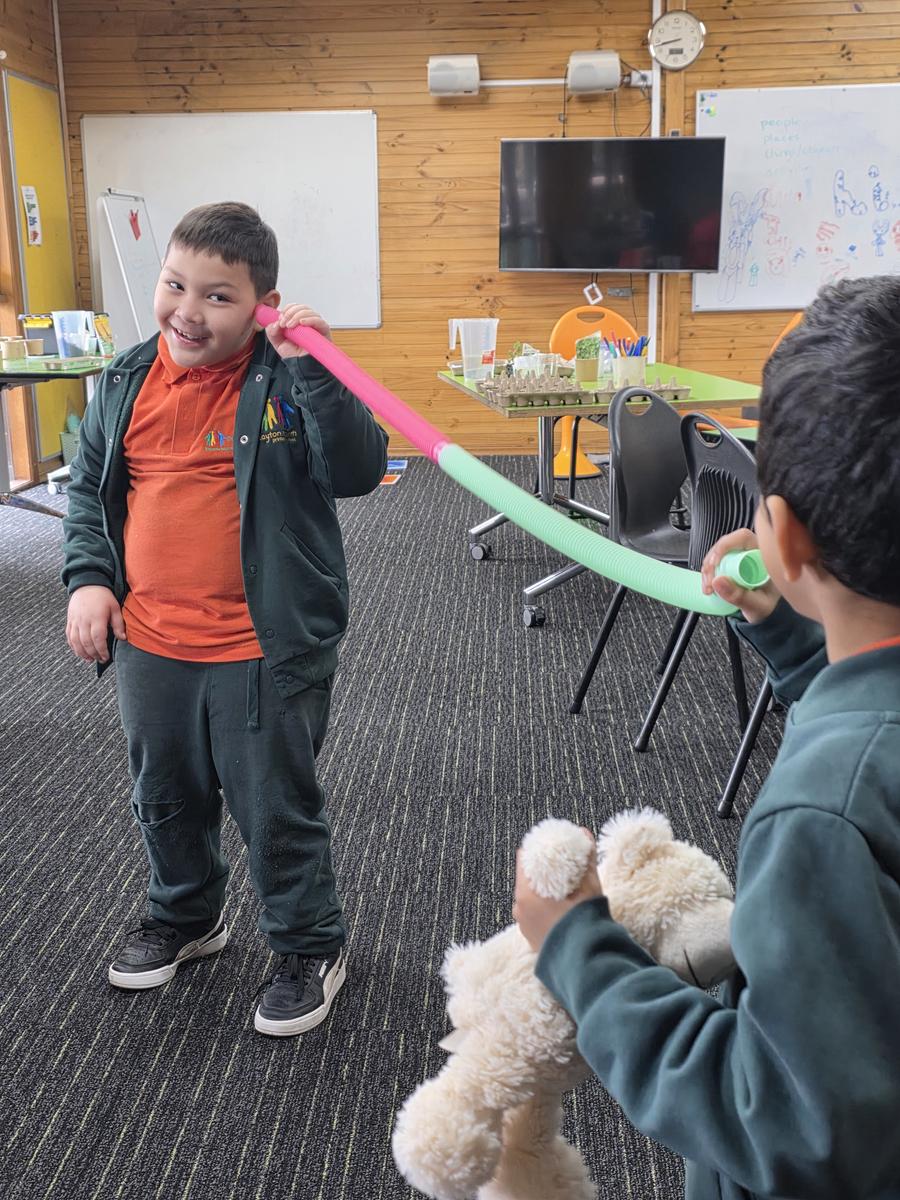
The SRC have been meeting fortnightly to act as the 'Student Voice' of the school.
Most recently they have brought ideas for our updated SWPBS values awards - what rewards their class believe would be appropriate acknowledgements for students demonstrating our school values.
Attention Deficit Hyperactivity Disorder (ADHD) is a commonly diagnosed neurodevelopmental condition that affects how children regulate attention, impulses and activity levels. While many children can appear restless, distracted or forgetful at times, ADHD involves ongoing patterns that may impact learning, behaviour, organisation and relationships. These challenges can sometimes lead to frustration at home and school, particularly when a child is trying hard but struggling to meet expectations.
For families, understanding ADHD means recognising that these behaviours are not simply a matter of effort or discipline. ADHD is influenced by a combination of neurological, biological and environmental factors that affect how a child’s brain processes information and manages self-control. With the right support, structure and strategies, children with ADHD can develop the skills they need to succeed and thrive.
This edition of SchoolTV explores how families can better understand ADHD and support children to build confidence, strengthen emotional regulation and navigate everyday challenges more successfully.
Here is the link to this topic http://claytonnorthps.vic.schooltv.me/newsletter/adhd-au
Join international experts Dr Emma Woodward and Dr Joe Stammeijer as they share valuable insights into recognising early signs of concern and practical approaches to supporting the wellbeing of young people.
Topics in this session will include:
Participants can register for this FREE event by scanning the QR code featured in the below flyer.
Core Concepts of RRRR Help-Seeking:
Identifying Needs: Learning to spot physical and emotional signs that indicate a problem is too big to handle alone.
Trusted Networks: Brainstorming and listing safe, reliable adults at school, at home, and in the community.
Digital Safety: Applying protective behaviours and knowing where to seek help for issues encountered online.
Destigmatizing Support: Treating the act of asking for help as a strength and a normal human behavior rather than a weakness.
At our recent staff meeting, teachers continued to strengthen their approach to Positive Classroom Management Strategies, with a focus on encouraging expected behaviour and responding effectively when behaviour goes off track. Staff explored the importance of building strong, positive relationships with students through everyday interactions, as well as providing specific positive feedback when students demonstrate expected behaviours. We also discussed the idea that every child should experience warmth, respect and a sense of belonging regardless of their behaviour, while still receiving clear, calm and consistent guidance when mistakes occur. By using positive attention, clear expectations and respectful correction, we aim to create classrooms where students feel valued, understand what is expected of them and are supported to make positive choices.
-Simone