
4B
By Kaine Jenkins
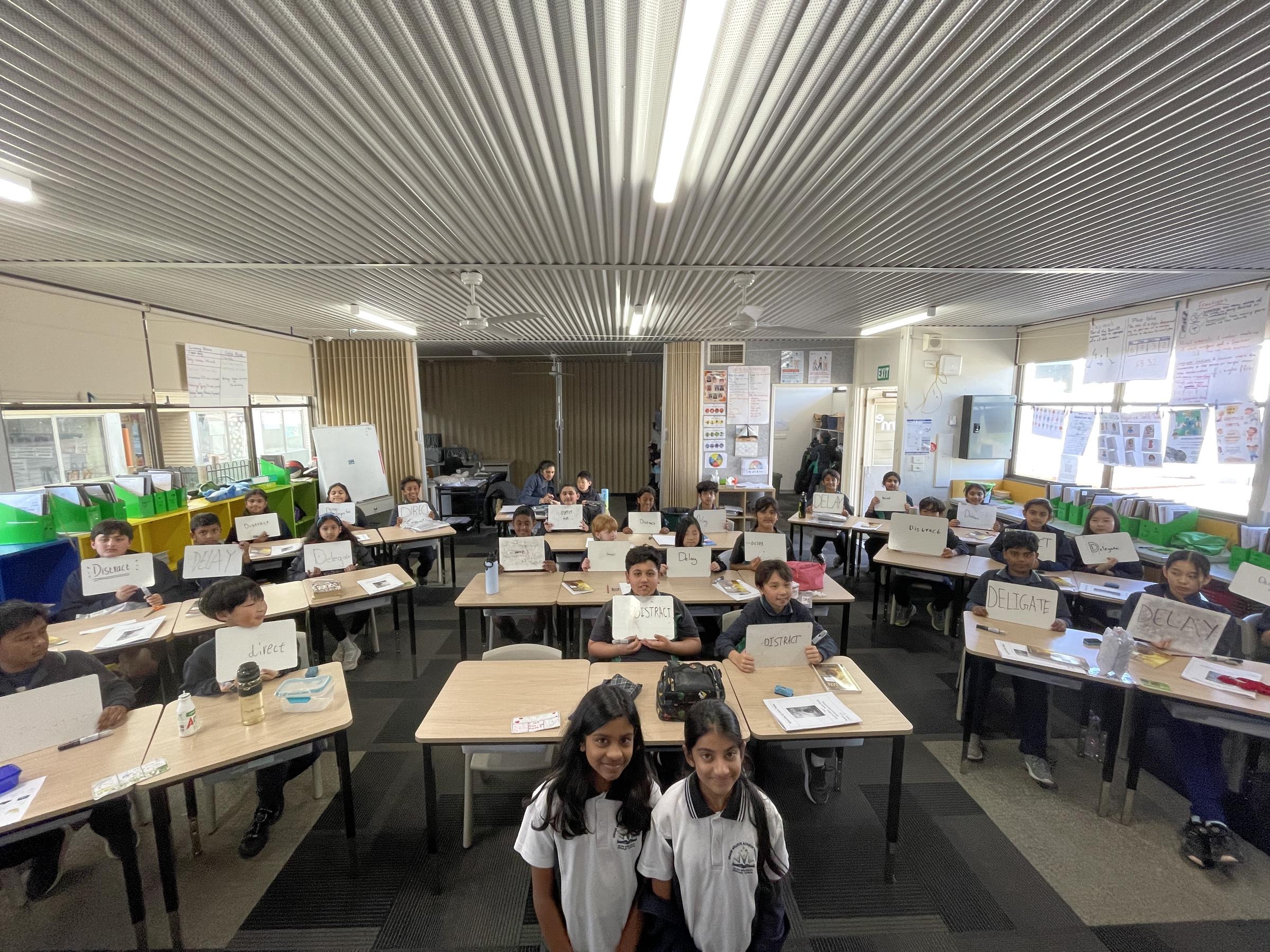
4B
By Kaine Jenkins
We were lucky enough to have Vidit, Menuli and Tharini from Year 6 come to our classroom to teach us all about the Stand Up Project over the course of 3 student-led lessons. Throughout these sessions, 4B students learned all about how Upstanders can make our school a kinder, safer and more inclusive place for all students.
We had a discussion all about bystanders vs upstanders. While a bystander will see a situation unfolding, such as teasing or bullying, and tend to freeze or avoid the situation, an upstander will find a way to intervene, support the person or people on the receiving of the negative behaviours or to help diffuse the situation.
In order to help, we can use one of 4 strategies, known as the 4 Ds:
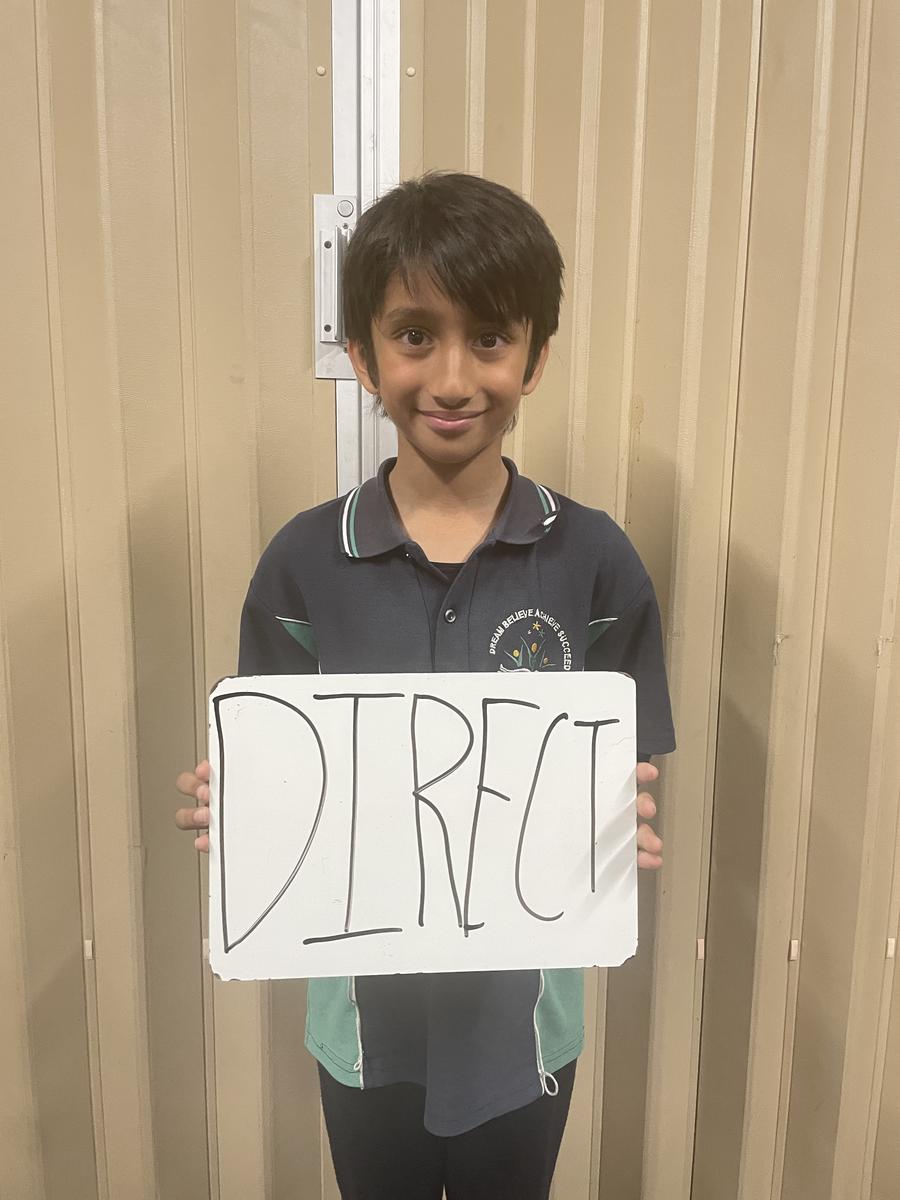
Direct: If we decide it is safe to do so, we can be direct with our intervention. This might mean calling out mean behaviours or telling someone to stop what they are doing. We need to make sure we are being firm and clear with our language, but not rude or demanding.
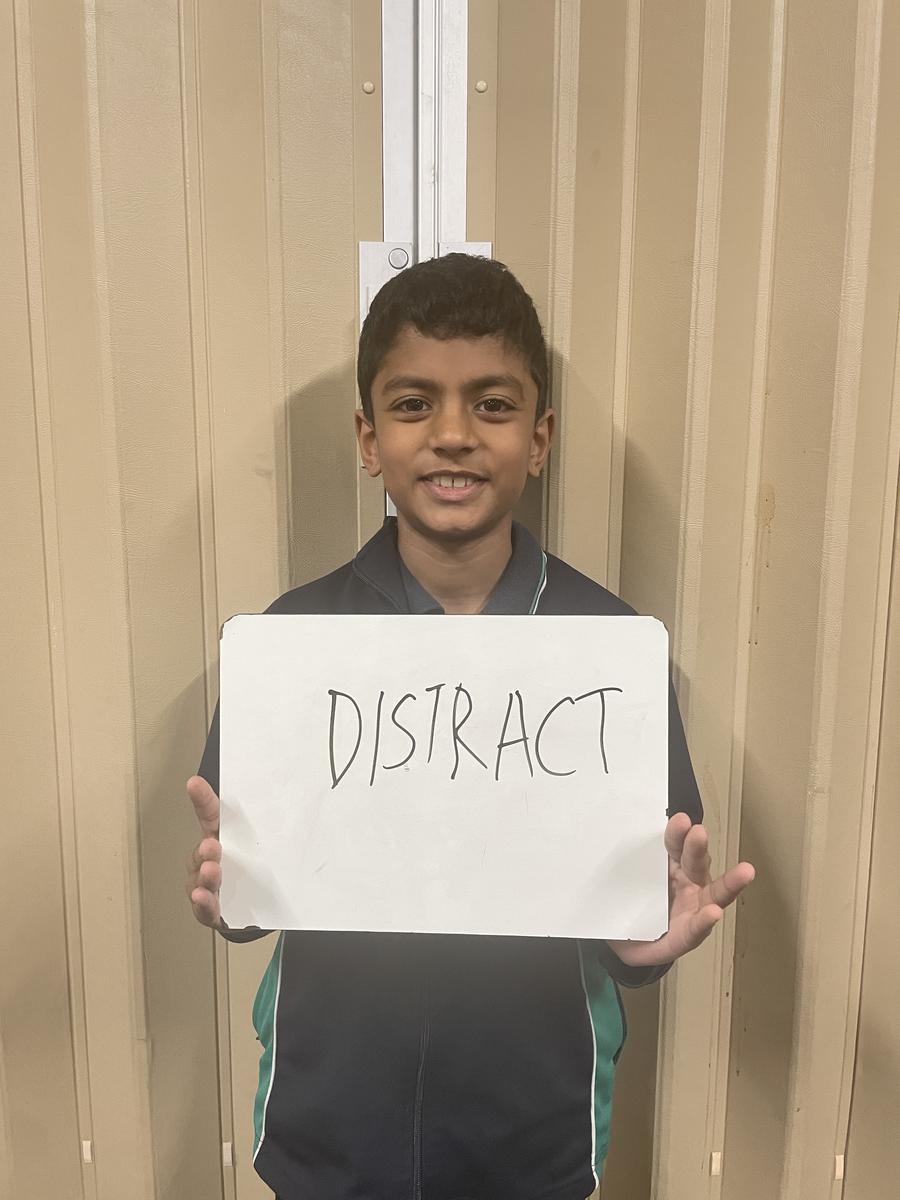
Distract: Some people might be more confident to create a distraction to take attention away from the conflict. Strategies such as asking someone involved an unrelated question, dropping something to make a big sound or trying to take someone involved away to join a different game are all good ways to distract.
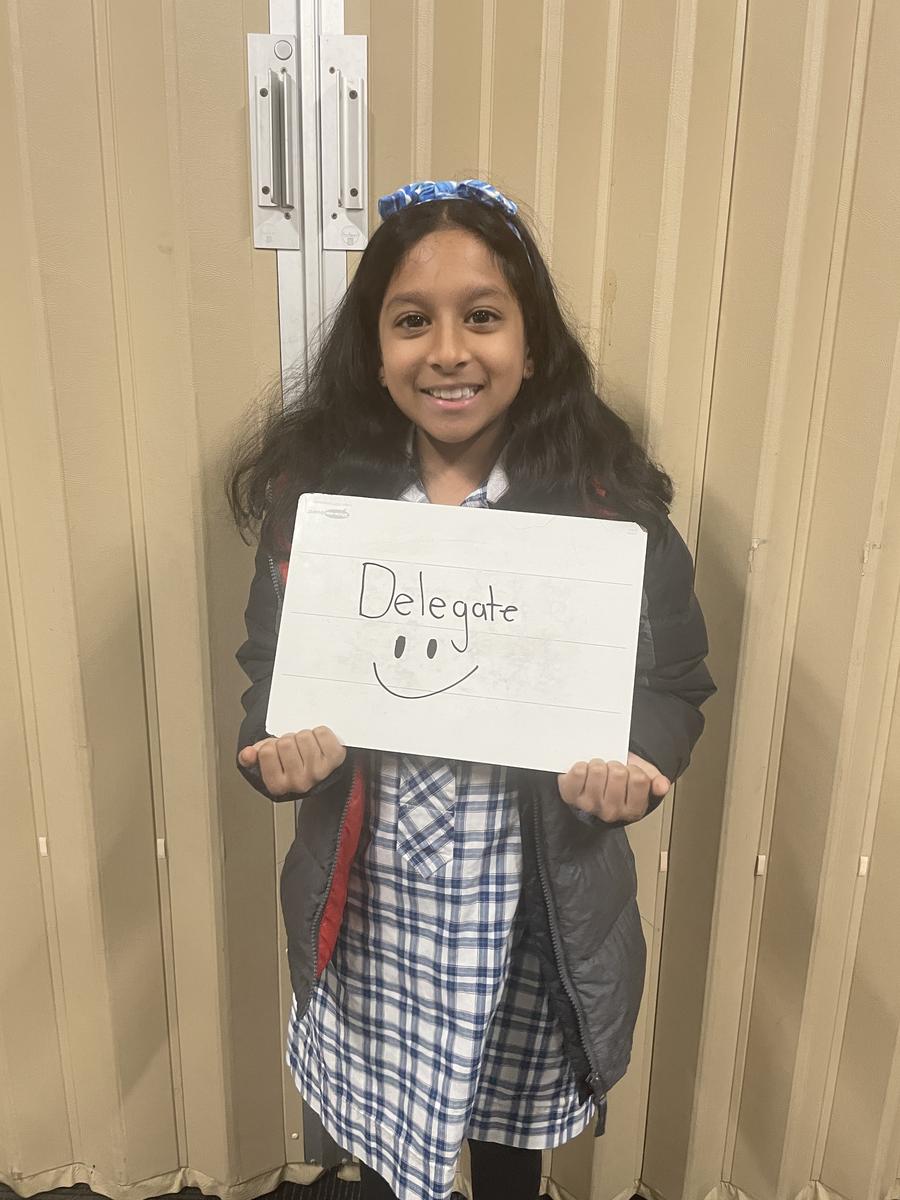
Delegate: If we want to be an upstander, but aren’t really sure how to help or are worried about our own safety, delegating is a great option. We can find another person to step in to help, such as another friend, a yard duty teacher or another trusted adult to help to diffuse the situation.
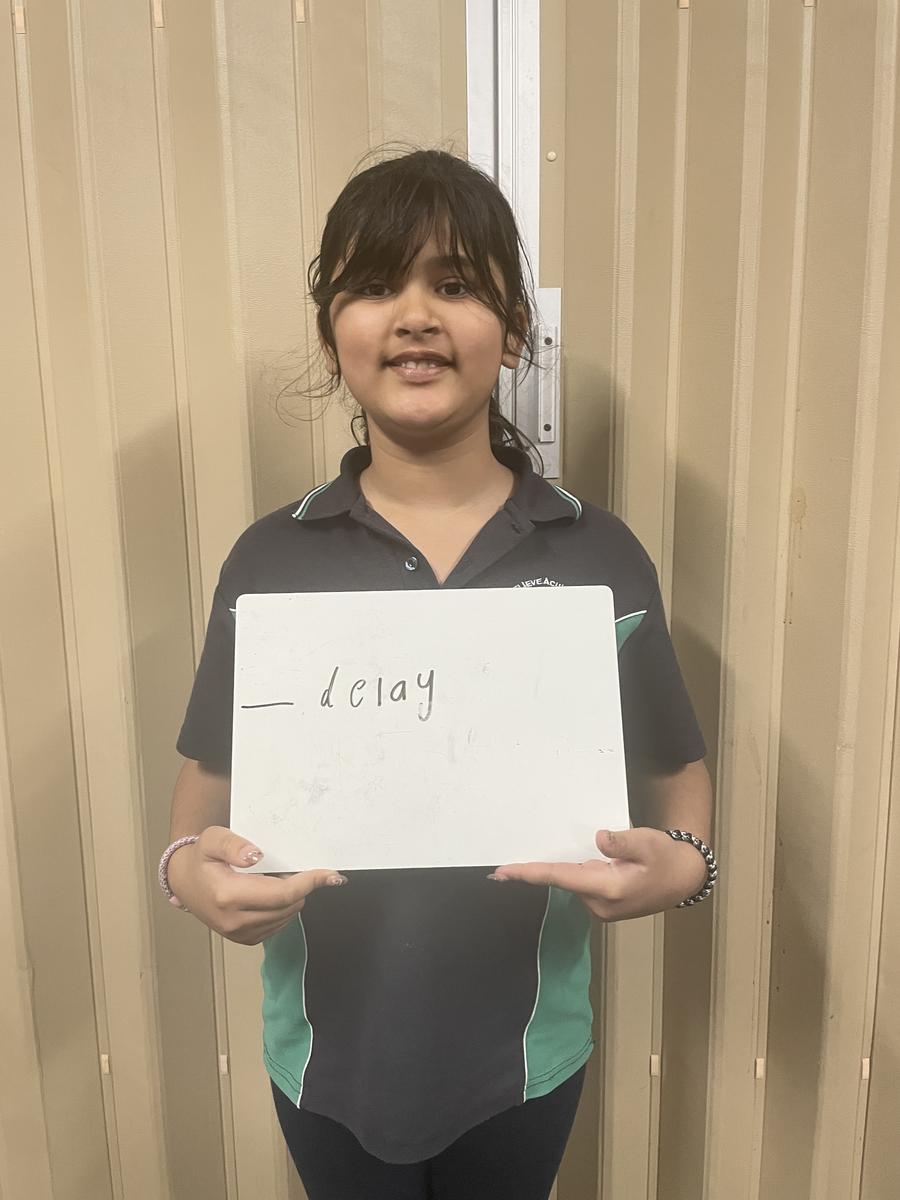
Delay: Another way to be an upstander without involving ourselves directly is with a delayed response. We can wait for the danger or situation to pass, then check in on the people involved to find out how they feel, offer support or just to be a sympathetic friend to chat with.
The 4 Ds give everyone strategies to be upstanders, no matter how confident they are at speaking up. No matter how much someone is willing to get involved, the 4 Ds allows an opportunity to help out friends and peers, making our school and the rest of the community a better place to be for everyone.
Some students in 4B were asked the question, “How has learning about the 4 Ds been helpful, and is there a particular strategy that you would prefer to use?”
Mahroosh – “It helps me to understand what to do when I’m in a situation like bullying and help people to get through their problems.”
Thiruni – “It helps to solve problems with friends who are in trouble.”
Kiyaan – “Helps me know how to be an upstander. It gives me strategies that I can use in the moment when someone is being bullied. I’d prefer to be direct, so it helps me know how to approach people.
Kivein – “The 4 Ds helps me to learn positive strategies to use outside and help the school become an even better place.”