
Learning and Innovation

Study Smarter, Not Just Longer: What the Science of Learning Tells Us
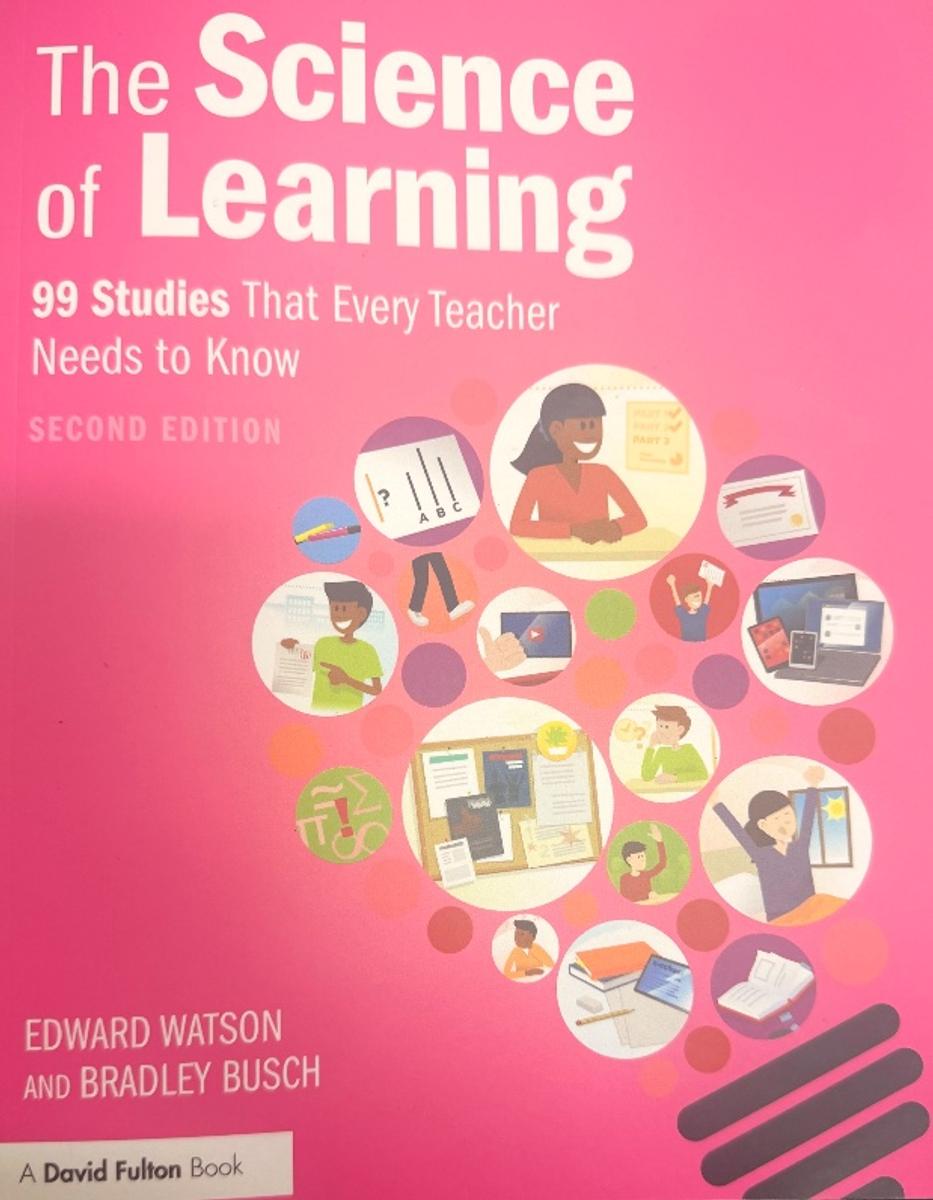
With assessment tasks underway and deadlines approaching, many students are spending additional time studying, revising and preparing their work. However, the science of learning reminds us that how students study is just as important as how long they study. Many students associate studying with rereading notes, highlighting textbooks or watching videos. While these activities can build familiarity, recognising information is not the same as remembering and applying it independently.
Retrieval Practice: Getting Information Out, Not Just Putting It In
One of the most effective strategies supported by cognitive science is retrieval practice: actively recalling information from memory without looking at the answer. Rather than repeatedly reading notes, students should close their books and attempt to recall what they have learnt, then check their accuracy and revisit any gaps.
Retrieval practice might look like:
English: Recalling quotations and explaining their significance without notes.
Mathematics: Completing previously taught problems without worked examples.
Science: Drawing and labelling a process from memory.
History: Explaining the causes and consequences of an event without a textbook.
Any subject: Using flashcards, practice quizzes or past examination questions.
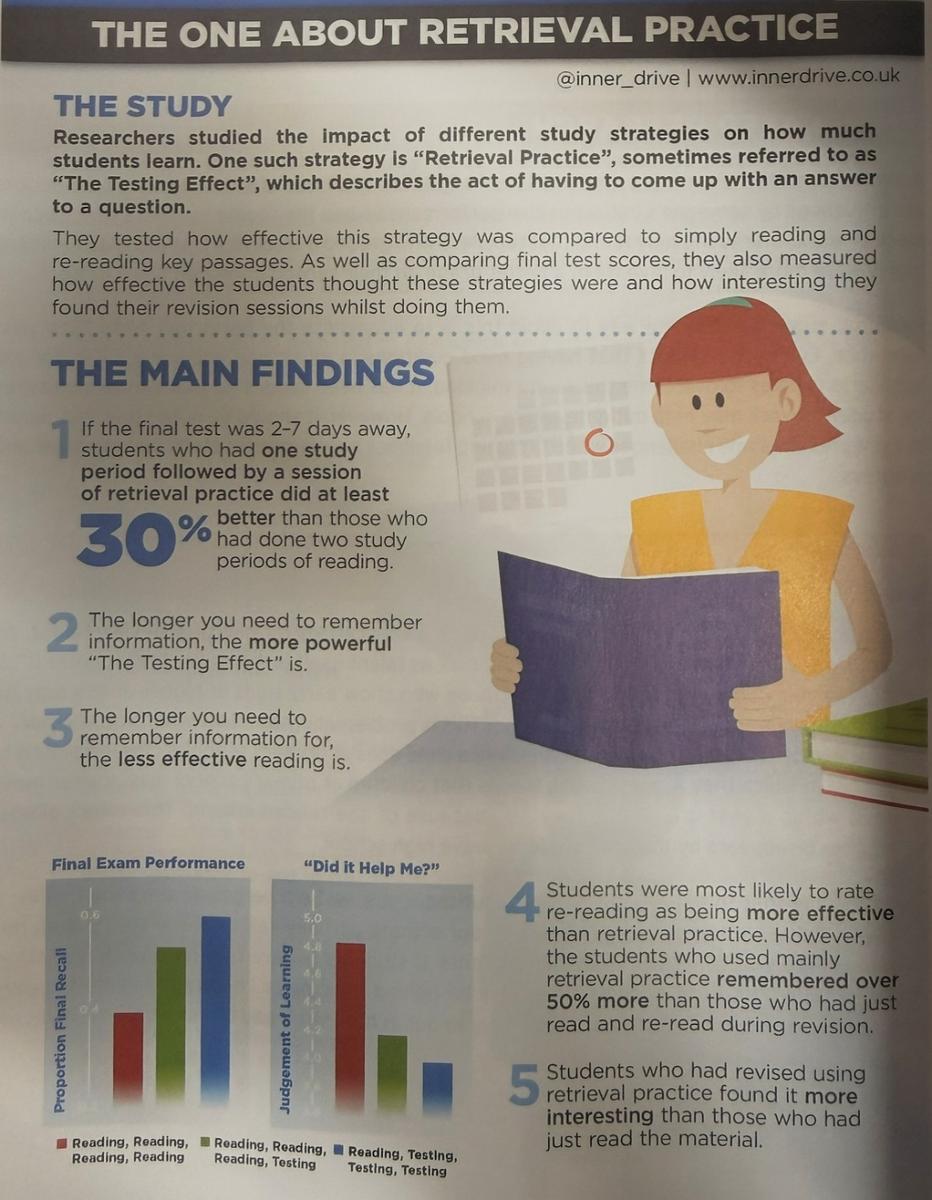
Two other evidence-based approaches are spaced practice, revisiting content across several days, and mixing question types rather than practising just one repeatedly.
Even in the week leading up to an assessment, short, focused revision sessions can be more beneficial than leaving everything until the night before.
Should Students Listen to Music While Studying?
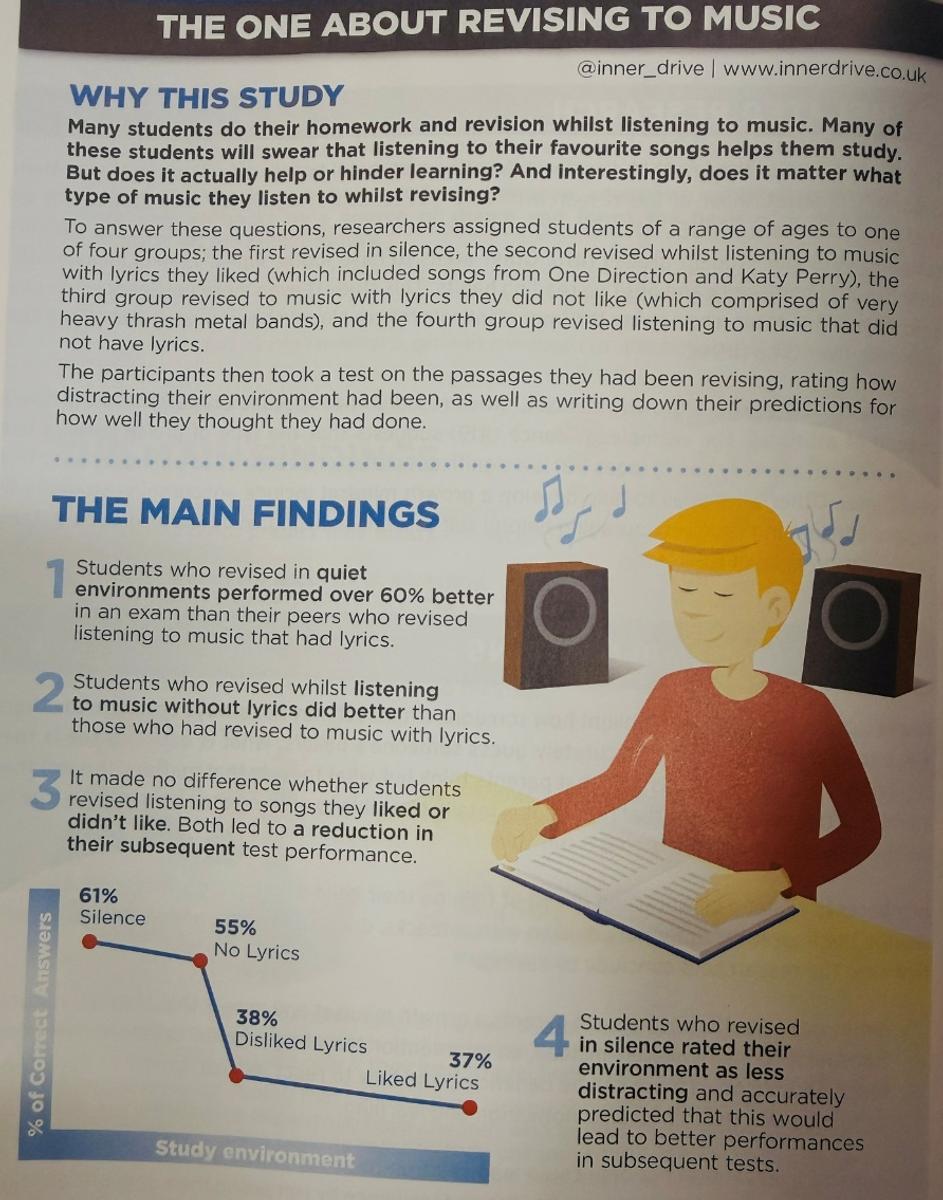
Research suggests that music with lyrics can interfere with concentration, particularly when reading, writing or memorising information, because the brain is processing competing language. Instrumental music may be less distracting, particularly during routine tasks. However, there is limited evidence that music improves learning, even when students feel it helps them concentrate. For demanding learning tasks, a quiet environment is generally the best starting point. Students should consider not just whether music makes studying more enjoyable, but whether they can accurately remember what they have learnt.
How Can Parents Help?
During assessment periods, parents can support their sons by encouraging purposeful study, regular breaks and sufficient sleep.
Rather than asking,
“Have you read your notes?”, try asking:
“Can you explain what you learnt without looking?”
“What did you get wrong when you tested yourself?”
“What do you need to focus on before your assessment?”
Effective study is not always comfortable. Rereading familiar notes can feel productive, while retrieving information from memory requires greater effort. Yet that effort is an important part of learning. Ultimately, the goal is not simply to spend time studying, but to develop knowledge and skills students can recall, explain and apply independently.
Gillian Carpenter
Director of Learning and Innovation