
Year 4
In English Innovation, students will develop their media literacy, persuasive writing, and spoken communication skills through an exciting exploration of how the media shapes the way we see ourselves and the world around us. Through analysing media texts, crafting persuasive arguments, and creating and recording their own original podcasts, students will discover how language and visual choices are deliberately used to influence audiences. This unit supports students to grow as critical and creative thinkers, building the confidence to question the messages they encounter every day and the skills to share their own voice with purpose, clarity, and conviction.
In Mathematics Innovation, students will apply their fluency in the subject to deepen their proficiency in solving challenging worded problems and solving number puzzles called Arithmagons. They will focus on supporting each other as they solve problems from the APSMO Maths Games. Additionally, students will undertake estimation of distances and number of steps in a given distance whilst justifying their thinking.
Year 4 Virtual Design Innovation offers a captivating introduction to the creative discipline, marking students' first foray into the world of design. Students will master fundamental principles—such as unity, balance, contrast, emphasis, scale, and repetition to help them explore how thoughtful design shapes everyday life, students will apply these concepts to practical projects, including designing an original item of clothing and a unique 'signature shoe'. Students will then learn to translate 2D sketches into immersive 3D creations using Virtual Reality headsets and the digital painting application, Open Brush.
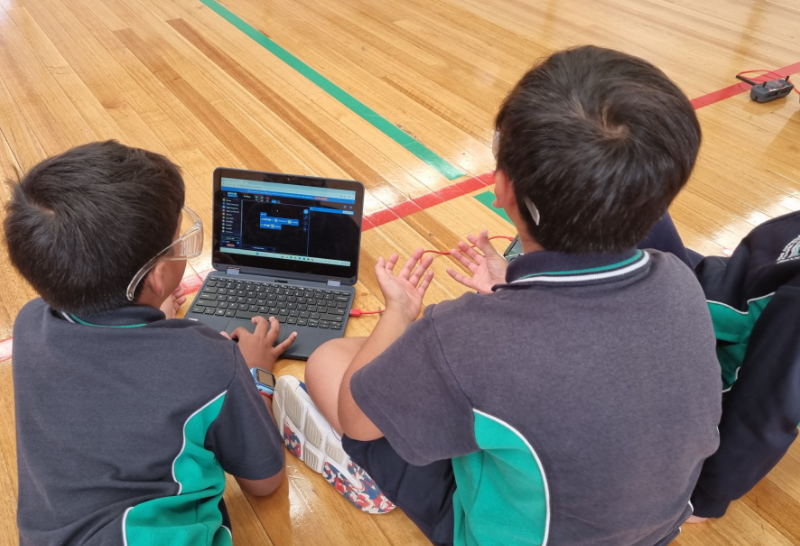
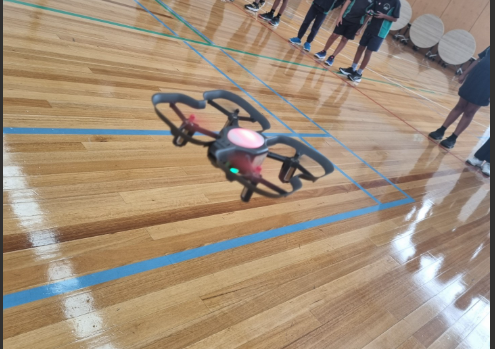
In Drone Innovation, students will learn the basic functions and safety rules when using drones. Students will learn manual flight and then progress to block-based coding flight paths. Once they have become familiar with drones and their flight features, students will learn about real world uses for drones and how they can have an impact on human life and sustainability. Students will also use other robotic devices such as Dash Robots and Spheros to conduct missions that simulate a drone scenario.
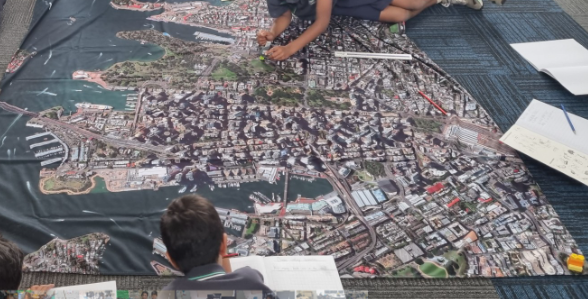
In Languages Innovation, students will explore a variety of traditional and modern Chinese leisure activities, including jianzi (shuttlecock), Chinese chess, calligraphy during Term Three. Through games, storytelling and hands-on experiences, students will begin to understand the cultural and historical background of these pastimes. They will also compare them with familiar Australian activities, developing their ability to follow simple instructions in Chinese, describe what they enjoy, and express preferences. This unit encourages curiosity, builds basic language skills, and introduces students to the rich traditions of Chinese culture in fun and engaging ways.
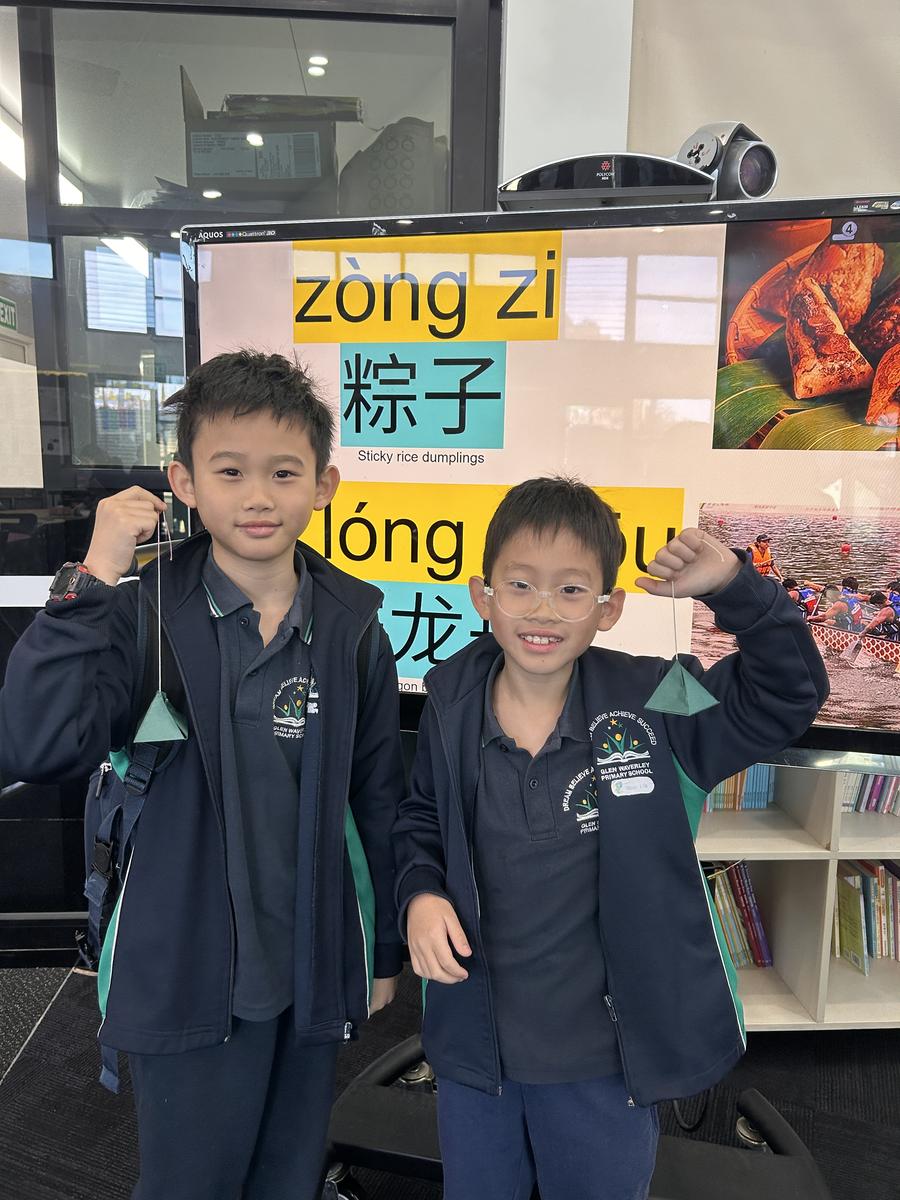
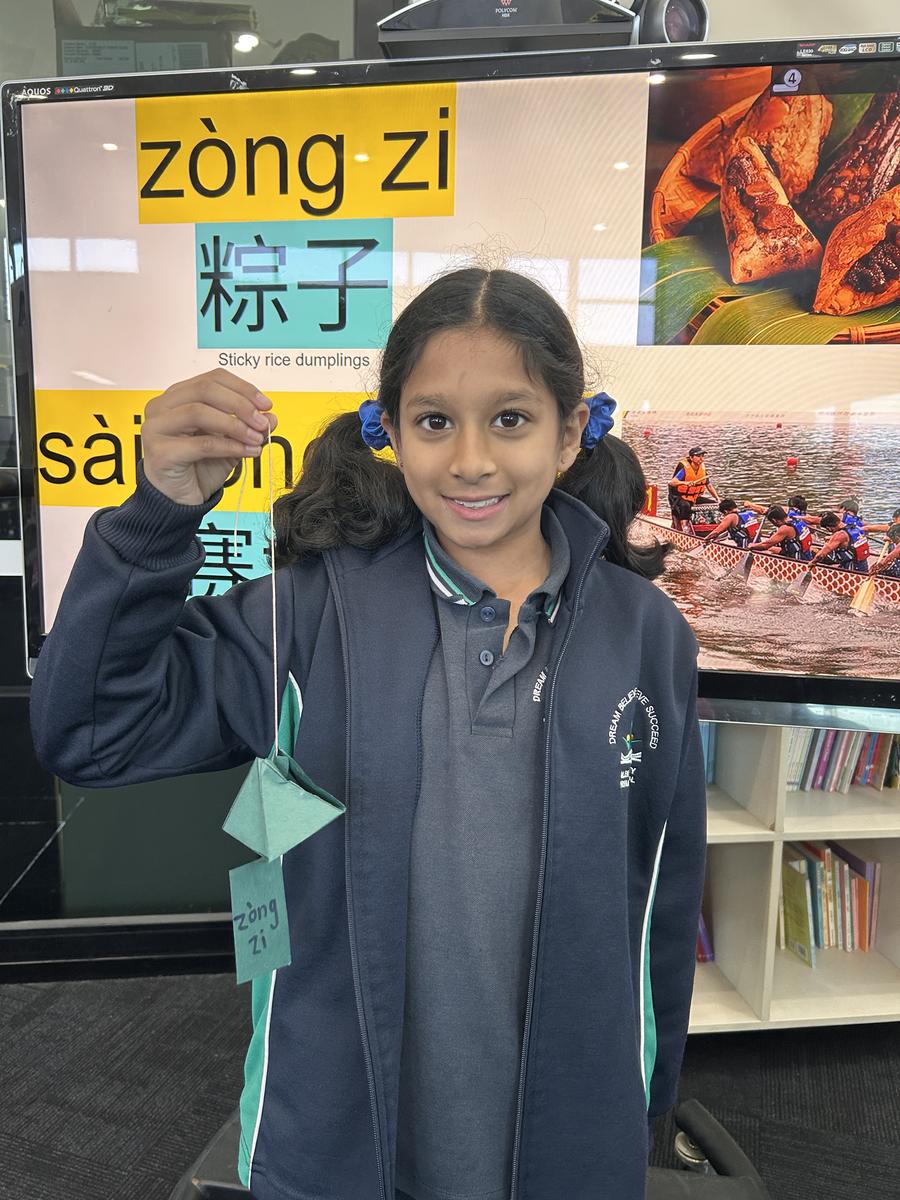
In Media Arts Innovation, students will be introduced to the basics of filmmaking, learning the functions of recording, and different types of shots needed. They will storyboard to plan and create their vision, working collaboratively to bring their ideas to the screen. The use of a greenscreen will allow creative flair to shine as students take control of the different roles needed to create a mini film.
In Radio Innovation, students will be given the opportunity to plan and host their very own radio show centred around a concept of their choosing. Using specialised equipment, students will broadcast themselves and their peers to the wider school community twice a week, keeping GWPS updated on current events and school happenings, as well as entertaining staff and students with various interviews, quizzes and special segments.
In Coding and Game Design Innovation, students will be introduced to simple block-based coding using the Scratch platform. They will identify various genres of games that can be created, beginning with digital animations of their names to understand basic coding commands. From here, a digital maze game will be developed and differentiated with their newly learnt coding skills.